Source Lightweight Folding Medical Walker for Rehabilitation
Find 30 Lightweight Folding Medical Walker options from verified Chinese suppliers. Compare specifications like weight, material, and height adjustment to select the right mobility aid for rehabilitation, home care, or outdoor use; compare the available evidence and request quotations based on your requirements.
Updated
Key considerations
Products List
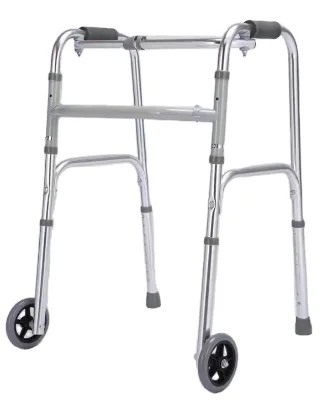


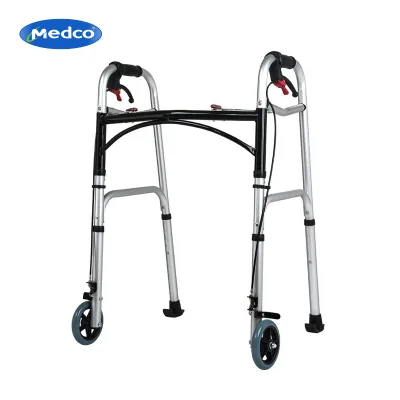
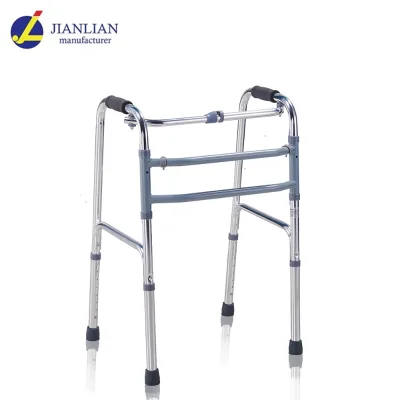
Aluminum Walker Medical Adjustable Foldable Aluminium Lightweight Walker
$14.3155 - $16.3616
MOQ: 50 pieces
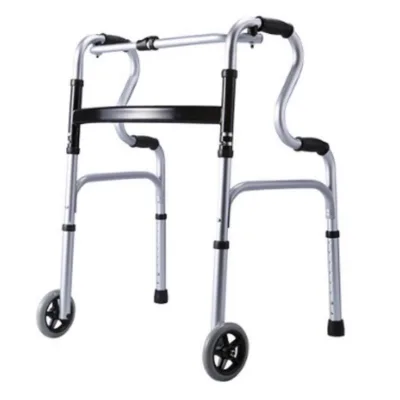
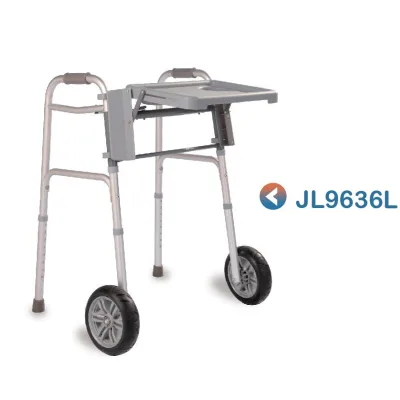
Hospital Lightweight Folding Aluminum Mobility Elderly Disability Walking Aid With Wheels Walker
$22.0743 - $24.6421
MOQ: 5 pieces
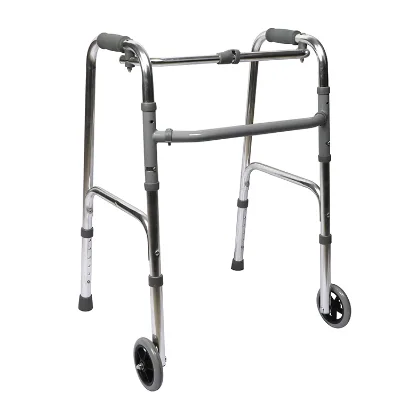


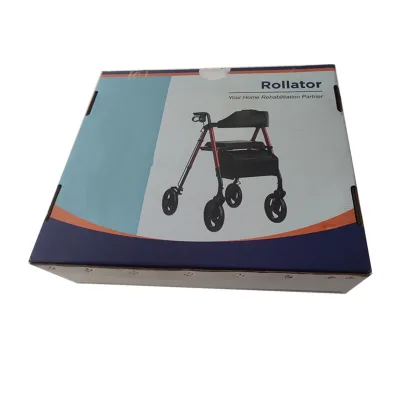
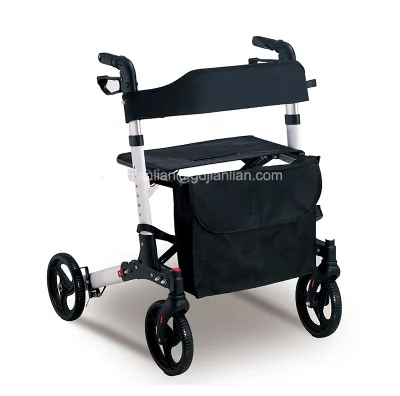
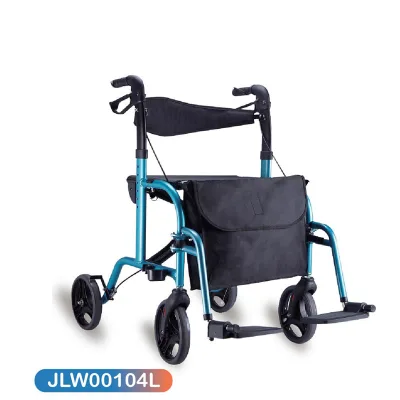
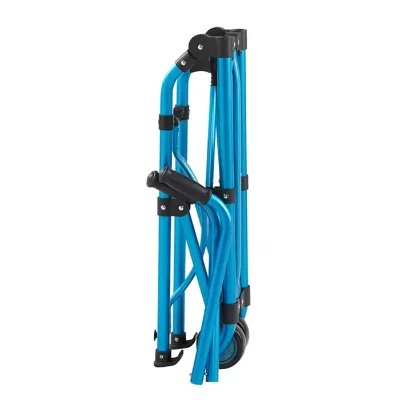
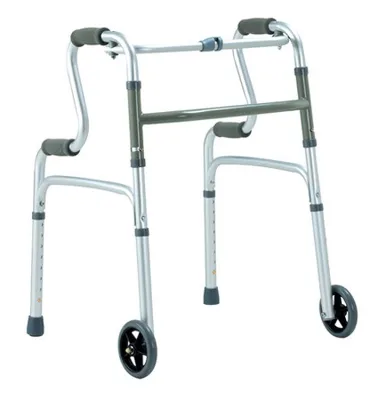


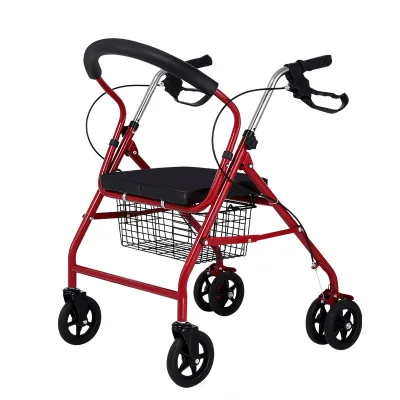


Height-Adjustable 4-Wheel Rollator Lightweight Aluminum, Foldable Design with Seat
$85.58 - $91.78
MOQ: 30 Pieces
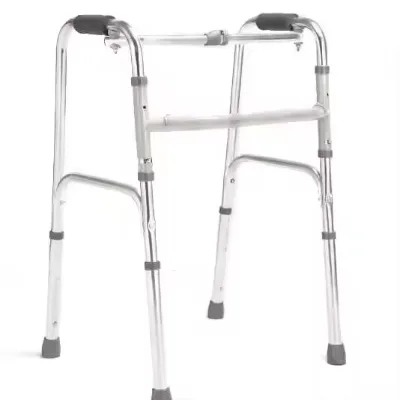


Comprehensive Sourcing Guide
Lightweight Folding Medical Walker Sourcing Guide
Procuring lightweight folding medical walkers requires a disciplined approach to balancing portability with structural integrity, ensuring that the device meets both clinical efficacy and user comfort standards. Buyers must prioritize models that offer adjustable height ranges and robust folding mechanisms, as these features directly impact user independence and storage convenience in both indoor and outdoor environments. The observed market data indicates a diverse range of options, with prices varying significantly based on material composition and certification status, necessitating careful evaluation of value propositions rather than relying solely on cost metrics.
Understanding the specific classification of the device is critical for regulatory compliance and insurance reimbursement, particularly when dealing with Class I or Class III medical instruments. Sourcing teams should verify that the selected walker aligns with the intended user’s mobility needs, considering factors such as weight capacity, wheel drive principles, and surface finish durability. By focusing on verified specifications and documented supplier capabilities, organizations can mitigate risks associated with product failure and ensure that the acquired equipment supports long-term rehabilitation therapy goals effectively.
Product Scope and Observed Listing Signals
The current market landscape for lightweight folding medical walkers reveals a product count of thirty distinct listings, with observed price ranges spanning from 7.19 to 182.66 USD, reflecting significant variation in material quality and brand positioning. Minimum order quantities (MOQ) fluctuate between one and 300 units, indicating that suppliers cater to both individual procurement needs and large-scale institutional contracts, which allows buyers to negotiate terms based on volume commitments. This diversity in pricing and ordering structures suggests that buyers should assess their total cost of ownership, including shipping and handling, rather than focusing exclusively on the unit price listed on supplier platforms.
Key attributes observed across these listings include foldable designs, height-adjustable features, and materials ranging from aluminum to stainless steel, with some models featuring H-frame steel construction for enhanced durability. The presence of certifications such as CE and ISO highlights the importance of verifying regulatory compliance, while the distinction between Class I and Class III instrument classifications underscores the need for precise alignment with medical device regulations. Buyers should also note the availability of customization options, including logo printing and color variations, which can be valuable for branding purposes in healthcare facilities or retail distribution channels.
Technical Specifications to Verify
When evaluating technical specifications, buyers must prioritize the verification of dimensional accuracy and weight capacity to ensure the walker meets the physical requirements of the end-user. Observed data indicates that front widths typically measure around 55cm, with side widths at 50cm, providing a stable base for users with varying mobility levels. Height adjustability is a critical feature, with observed ranges extending from 70-80cm to 74-92cm, allowing for precise customization to match the user’s armrest height and promote proper posture during ambulation. These dimensions should be cross-referenced with user anthropometric data to prevent ergonomic strain and ensure optimal comfort during extended use.
Material composition and structural design are equally important, with aluminum and stainless steel being common choices for achieving a lightweight yet durable frame. The observed single gross weights range from 8.000 kg to 17.000 kg, depending on the model and material thickness, which directly impacts portability for users who need to transport the device frequently. Buyers should also verify the surface treatment processes, such as spray lacquer, which contribute to corrosion resistance and aesthetic longevity. Additionally, the inclusion of anti-slip pads and solid wheels enhances safety, making it essential to confirm that these components meet the required traction and stability standards for both indoor and outdoor use.
Compliance and Safety Documentation
Regulatory compliance is a non-negotiable aspect of sourcing medical walkers, with CE and ISO certifications serving as primary indicators of adherence to international quality and safety standards. Buyers must request and verify the validity of these certifications, ensuring that they cover the specific model and manufacturing facility in question. The distinction between Class I and Class III instrument classifications is particularly significant, as it dictates the level of regulatory scrutiny and documentation required for market entry. Misclassification can lead to legal liabilities and product recalls, so procurement teams should collaborate with regulatory affairs specialists to confirm that the device’s classification aligns with its intended medical use and risk profile.
In addition to certifications, buyers should obtain comprehensive safety documentation, including test reports for structural integrity, load-bearing capacity, and material biocompatibility. The observed maximum capacity of 200kg for some models suggests that high-strength materials are used, but this claim must be substantiated by independent testing data. Warranty terms, such as the observed one-year warranty, provide an additional layer of protection, but buyers should clarify the scope of coverage, including parts and labor, to avoid unexpected maintenance costs. Ensuring that all safety documentation is up-to-date and accessible is crucial for maintaining trust with end-users and meeting institutional procurement policies.
Cost Drivers and Commercial Terms
Cost drivers for lightweight folding medical walkers include material selection, manufacturing complexity, and certification requirements, all of which contribute to the observed price range of 7.19 to 182.66 USD. Aluminum and stainless steel frames offer different trade-offs between weight and durability, influencing the final price point, while the inclusion of features like height adjustability and anti-slip pads adds to the manufacturing cost. Buyers should analyze the total cost of ownership, considering factors such as packaging efficiency, shipping volume, and potential customs duties, which can significantly impact the landed cost of the product. Understanding these drivers allows for more accurate budgeting and negotiation strategies when engaging with suppliers.
Commercial terms, including MOQ and lead times, play a crucial role in the procurement process, with observed MOQs ranging from one to 300 units. Buyers should negotiate flexible terms that align with their inventory management strategies, particularly if they require rapid replenishment or customized orders. The observed packing specifications, such as carton sizes of 590120885mm for four pieces, provide insights into shipping efficiency and storage requirements. Additionally, buyers should clarify payment terms, return policies, and after-sales support to ensure a smooth transaction process. Clear communication regarding these commercial terms helps prevent misunderstandings and ensures that both parties are aligned on expectations.
Supplier Qualification and Quality Control
Supplier qualification is essential for ensuring the reliability and consistency of lightweight folding medical walkers, requiring a thorough assessment of manufacturing capabilities and quality management systems. Buyers should verify that suppliers hold valid CE and ISO certifications, and conduct on-site audits or request third-party audit reports to confirm adherence to these standards. The observed production origin in Zhejiang, China, indicates a concentration of manufacturing expertise in this region, but buyers should still evaluate individual supplier performance metrics, such as defect rates and delivery consistency. Establishing a robust supplier qualification process helps mitigate risks associated with supply chain disruptions and product quality issues.
Quality control measures should be integrated into the procurement process, with clear specifications for materials, dimensions, and performance characteristics. Buyers should request sample units for testing before placing large orders, verifying features such as folding mechanisms, height adjustability, and wheel stability. The observed single package sizes and gross weights provide benchmarks for quality checks, ensuring that products meet the stated specifications. Additionally, buyers should establish clear communication channels for addressing quality issues, including return procedures and corrective action plans. Regular quality audits and performance reviews help maintain high standards and foster long-term partnerships with reliable suppliers.
Long-Term Procurement Checks
Long-term procurement checks involve continuous monitoring of supplier performance and product quality to ensure sustained value and compliance. Buyers should establish key performance indicators (KPIs) related to delivery times, defect rates, and customer satisfaction, reviewing these metrics regularly to identify areas for improvement. The observed warranty terms, such as one-year coverage, should be monitored to ensure that suppliers honor their commitments and provide timely support for any issues. By maintaining a proactive approach to supplier management, buyers can mitigate risks and ensure that the lightweight folding medical walkers continue to meet the evolving needs of their users.
Additionally, buyers should stay informed about regulatory changes and market trends that may impact the procurement of medical walkers. The observed customization options and material innovations suggest that the market is dynamic, requiring buyers to remain flexible and adaptable in their sourcing strategies. Regularly reviewing product specifications and user feedback helps identify opportunities for improvement and ensures that the procured devices remain relevant and effective. By integrating long-term procurement checks into their operational processes, buyers can build resilient supply chains that support their organizational goals and deliver consistent value to end-users.
FAQs
What certifications do these walkers have?
These walkers hold CE and ISO certifications for quality assurance. Some models also carry Class I or Class III instrument classifications. This ensures they meet international safety standards for medical rehabilitation therapy supplies used in various settings.
Can the walker height be adjusted?
Yes, the walker features an adjustable height mechanism to suit different users. The height range typically spans from 70 to 92 centimeters depending on the specific model. This allows for comfortable use by individuals with varying stature requirements.
What is the maximum weight capacity?
The maximum capacity for these walkers is 200 kilograms. This robust limit ensures stability and safety for heavy-duty use. The frame is constructed from steel or aluminum to support this significant load without compromising structural integrity during operation.
Are these walkers foldable for transport?
Yes, the walkers are designed to be foldable for easy portability. They pack into cartons with dimensions around 590 by 120 by 885 millimeters. This feature makes them convenient for storage and transportation in both indoor and outdoor environments.
What materials are used for the frame?
The frames are primarily made from steel or aluminum materials. Some models utilize stainless steel for enhanced durability. These materials provide a balance of strength and lightweight properties suitable for rehabilitation therapy and daily mobility assistance.
What is the minimum order quantity?
The minimum order quantity varies by supplier but can be as low as one unit. Some listings specify an MOQ of four units for specific models. Buyers should check individual supplier terms to confirm the exact quantity required for their purchase.
Where are these products manufactured?
These products originate from Zhejiang, China. The manufacturing location ensures access to established supply chains for medical equipment. Buyers can expect consistent production standards and availability from suppliers based in this specific region of China.