ISO Certified Surgical Headlight Suppliers and Manufacturers
Compare 26 verified suppliers offering ISO Certified Surgical Headlight with ISO 13485 and ISO 9001 certifications. Review response times, lead times, and product specifications like illumination and battery life before contacting vendors directly; review the available evidence before requesting comparable quotations from suitable candidates.
Updated
Suppliers List

Qingdao Medmount Medical Technology Co., Ltd
- Verified by TUVRHEINLAND
- Trading Company,Manufacturer/Factory
- China Shandong
- Lead time30 days
- Avg. response≤ 3h
Main productsMedical Dressings & Bandages, Medical Protection Products, Injection & Needle Products, Breathing & Anaesthesia Products, Interventional Products, Drainage & Irrigation Products, Laboratory Products, in Vitro Diagnostic Products, First Aid Products, Veterinary & Pet Products
Main marketsEastern Europe,Mid East,North America,Western Europe,Africa

Portable Adjustable Brightness Double Batteries LED Medical Surgical Headlight with CE/ISO
$120.00 - $500.00
MOQ: 1 Pieces

Portable 3W/ 5W LED Medical Instrument Rechargeable Surgical Adjustable Headlight for Doctor Use
$120.00 - $500.00
MOQ: 1 Pieces

Foshan JIALIANDA Medical Apparatus Co., Ltd.
- Combined
- China Guangdong
- Lead time30 days
- Avg. response≤ 9h
Main productsEnt Treatment Unit, Ent Patient Unit, Ent Workstation Unit, Ent Unit, Ent Endoscope, Ent Endoscope Camera, Ent Microscope, Flexible Laryngoscope, Ent Cold Light Source, Headlight
Main marketsAfrica,Southeast Asia/ Mideast,Europe
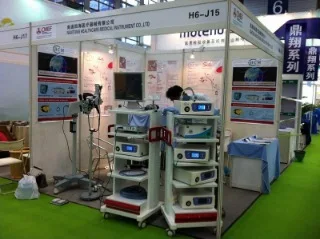
Nantong Hcm Medical Instrument Co., Ltd.
- Manufacturer
- Jiangsu, China
- Lead time7 days
- Avg. response≤ 3h
Main productsendoscope led light source,microscope led light source,endoscope camera,ent headlight,dental headlight
Main marketsSouth Asia(7.69%), Southern Europe(7.69%), Northern Europe(7.69%), Central America(7.69%), Western Europe(7.69%), Eastern Asia(7.69%), Mid East(7.69%), Oceania(7.69%), Africa(7.69%), Southeast Asia(7.69%), Eastern Europe(7.69%), South America(7.69%), North America(7.69%)
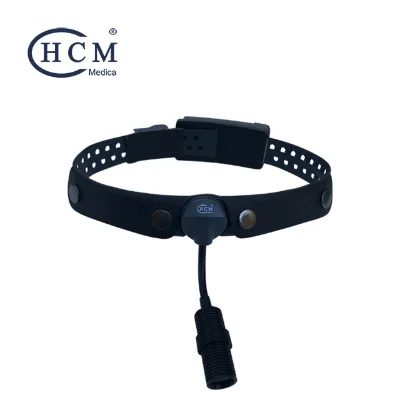
Good quality Microsurgery Headlight Use Imported Bulb and Electronic Accessories Surgical Headlight
$250.00 - $600.00
MOQ: 2 units
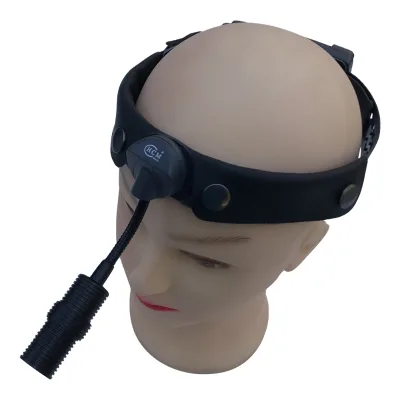
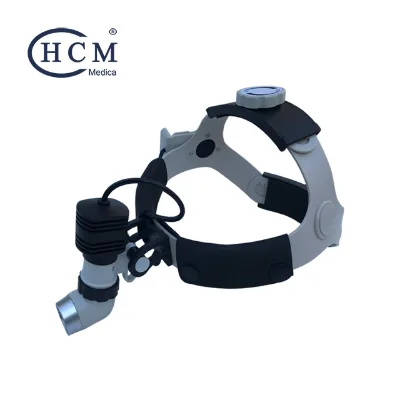
HCM 5W Hot Sale Operating Room Hospital Emergency Equipment Medical Waterproof Head Lights Headlight
$154.1157 - $308.23
MOQ: 2 units
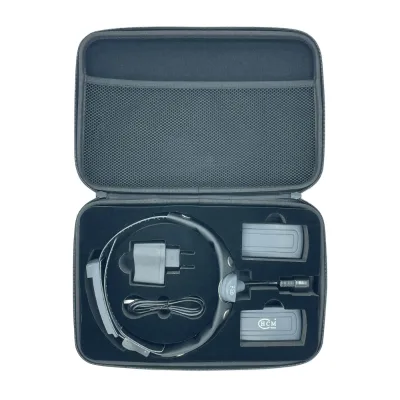
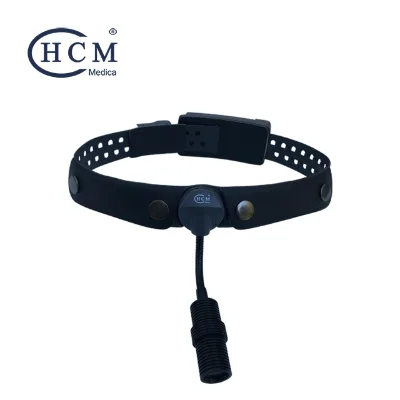
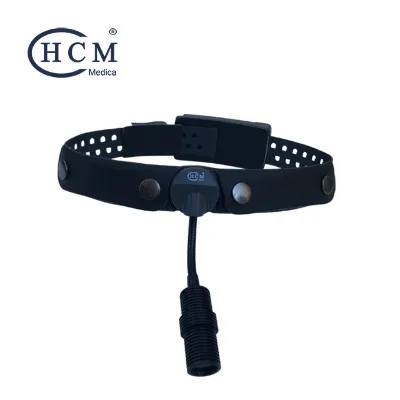
$250.00 - $600.00
MOQ: 2 units

Nanchang Micare Medical Equipment Co., Ltd.
- Verified by SGS
- Combined
- China Jiangxi
- Lead time30 days
- Avg. response≤ 3h
Main productsOt Light, Dental Loupes, Surgical Light, Surgical Lamp, Medical Lamp, Medical Bulb, Medical Loupes, Airport Lighting, Halogen Bulb, Medical Equipment
Main marketsSouth America,Africa,Southeast Asia/ Mideast,East Asia(Japan/ South Korea),Domestic,Europe,Australia,North America

Shantou Easywell Electronic Technologies Co., Ltd.
- Verified by TUVRHEINLAND
- Combined
- China Guangdong
- Lead time15 days
- Avg. response≤ 8h
Main productsSurgical Examination Light, LED Examination Lamp, Minor Surgical Light, LED X-ray Viewer, LED Wireless Headlights, Shadowless Surgical Lamp, Operation Table, Hospital Furniture, Lab Instruments, X-ray Lead Protective Products
Main marketsAfrica,Southeast Asia/ Mideast,Europe,Australia,North America


Full Aluminum Lamp Head and Dual Rechargeable Batteries Ks-R01 Surgical Headlight
$90.00 - $105.00
MOQ: 10 pc

3W Ks-H1n Headwear Is The LED Headlight Surgical Headlight High Illumination
$45.00 - $60.00
MOQ: 1 Pieces


Shenzhen Jindaifu Instrument Co., Ltd.
- Manufacturer, Trading Company
- Guangdong, China
- Lead time0 days
- Avg. response≤ 3h
Main productsShadowless Head Lamp/Lens and Loupe,dental loupe,surgical loupe
Main marketsEastern Europe(30.00%), South America(20.00%), Southeast Asia(10.00%), North America(10.00%), Mid East(8.00%), Africa(8.00%), Domestic Market(6.00%), Oceania(3.00%), Southern Europe(2.00%), Western Europe(2.00%), Eastern Asia(1.00%)
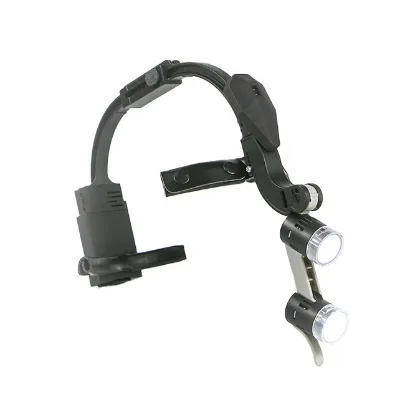
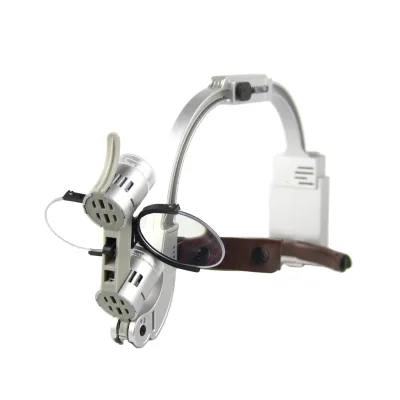
Surgical Customizable Headlight Mild Light Headlamp Motion Sensor Headlight Surgical Lights
$834.7755
MOQ: 1 Minimum
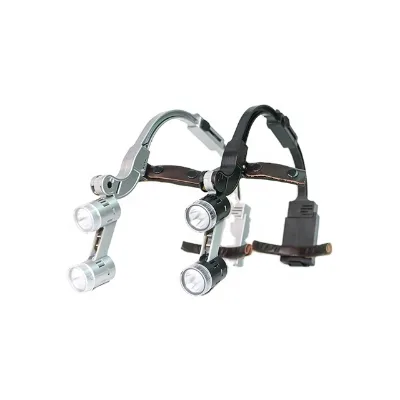
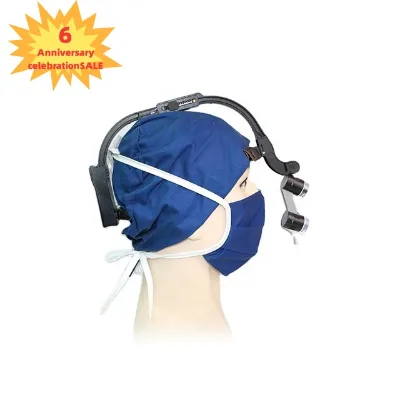
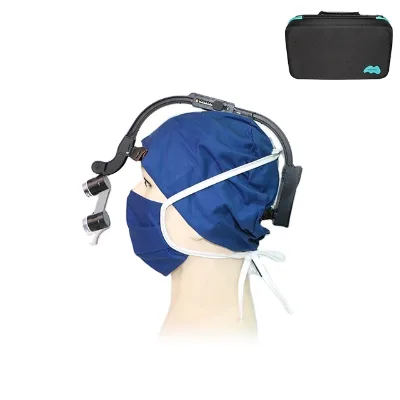
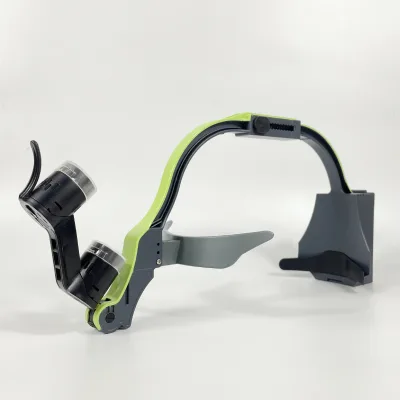
New Surgical Headlamp Shadowless Headlight Mild Light Headlamp Headlight Surgic
$362.2898
MOQ: 5 Minimum
Shanghai Jaqi International Trade Co., Ltd.
- Trading Company
- Shanghai, China
- Lead time10 days
- Avg. response≤ 1h
Main productsOperating room equipment,Hospital furniture,Physiotherapy table,Lab equipment,Medical accessories
Main marketsNorth America(18.00%), Eastern Europe(12.00%), Mid East(10.00%), Western Europe(10.00%), Southeast Asia(8.00%), Northern Europe(8.00%), South Asia(8.00%), Southern Europe(5.00%), Africa(5.00%), South America(5.00%), Eastern Asia(5.00%), Oceania(4.00%), Central America(2.00%)
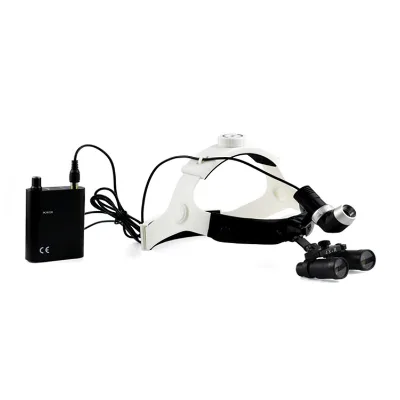
CE Certificated Medical Led Examination Headlight Dental Headlight with Double Lens Binocular Loupes
$102.8137 - $205.6275
MOQ: 5 Minimum
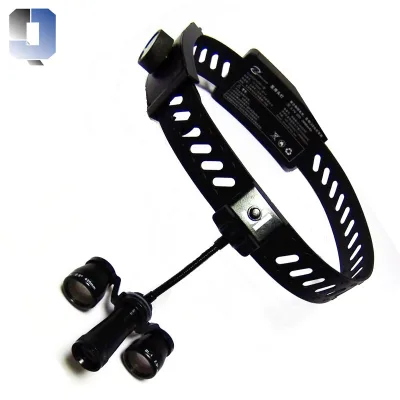
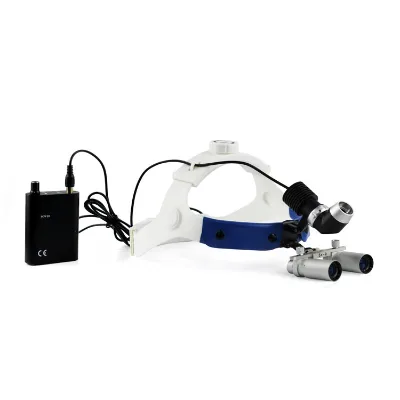
$205.6275 - $308.4412
MOQ: 5 Minimum
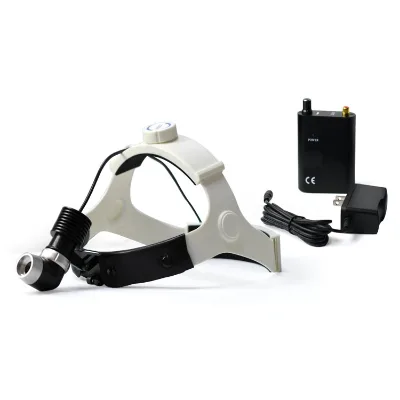
$102.6025 - $205.205
MOQ: 5 Minimum
Hangzhou Easy Medical Technology Co., Ltd.
- Trading Company
- Zhejiang, China
- Lead time15 days
- Avg. response≤ 1h
Main productsmedical training kits,medical instruments,fast aid products,endoscope system,medical science model
Main marketsSouth America(30.00%), North America(30.00%), Mid East(10.00%), South Asia(5.00%), Western Europe(5.00%), Southeast Asia(5.00%), Africa(3.00%), Southern Europe(3.00%), Eastern Europe(3.00%), Oceania(2.00%), Eastern Asia(2.00%), Northern Europe(2.00%)
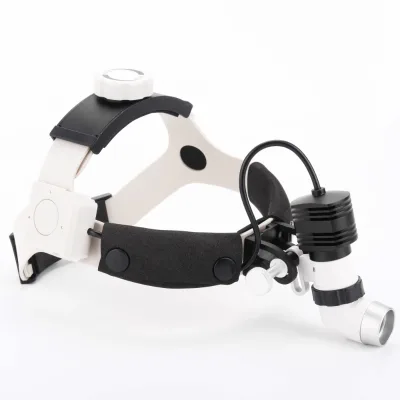
5W ENT Surgical Headlamp Medica,Surgical Headlamp,Medical Headlight
$117.993 - $128.2543
MOQ: 1 pieces
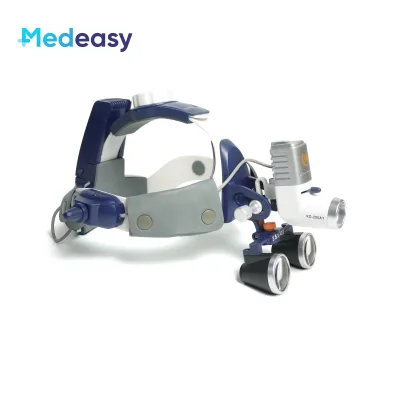
Surgical Led Headlamp With 3.5X Loupe for Dental and ENT, Medical Headlight
$390.00 - $410.00
MOQ: 1 pieces
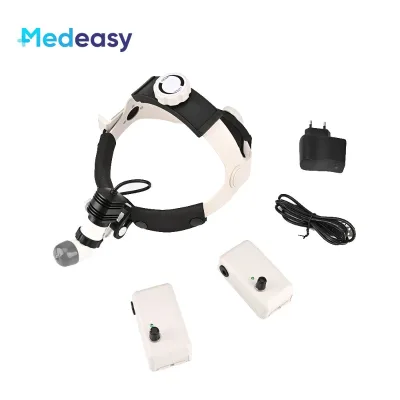

Bestdent Foshan Medical Equipment Co., Ltd.
- Verified by BV
- Manufacturer/Factory
- China Guangdong
- Lead time15 days
- Avg. response≤ 8h
Main productsDental Handpiece, Dental Implant Handpiece, Dental Implant Universal Kit, Dental Burs, Dental Files, Dental Loupes, Dental Curing Light, Dental Electric Motor, Dental Chair, Other Dental Equipmnet
Main marketsSouth America,Eastern Europe,Mid East,North America,Southeast Asia,Eastern Asia,Western Europe

Portable Surgical LED Headlight Medical Light Gynecology Surgical Headlight
$29.05 - $32.85
MOQ: 1 Pieces


Foshan Yuyo Medical Instrument Co., Ltd.
- Manufacturer/Factory
- China Guangdong
- Lead time23 days
- Avg. response≤ 7h
Main productsLED Curing Light, Teeth Whitening Machine, Dental Loupes, Dental Headlight, Dental Handpiece, Dental Sandblaster, Dental Endomotor, Dental Micomotor, Dental Scaler, Dental Consumables
Main marketsSouth America,Eastern Europe,North America,Africa


Dental Headlamp Medical Lamp Light Surgical Surgery Headlight Headband Light
$22.00 - $45.00
MOQ: 1 Pieces


Nanjing Skyline lmport and Export Trading Co., Ltd.
- Verified by TüVRheinland
- Trading Company
- Lead time5 days
- Avg. response≤ 1h
Main productsHalogen Lamp, Lab & Medical Machines, Medical & Lab Consumables
Main marketsMid East(20%), Northern Europe(20%), South Asia(20%)
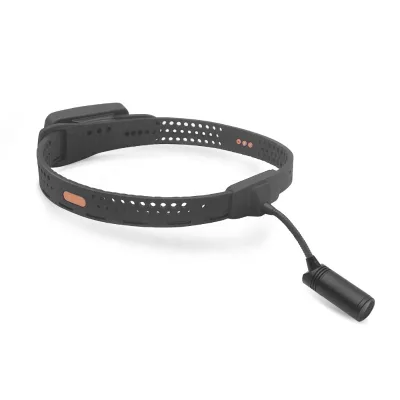
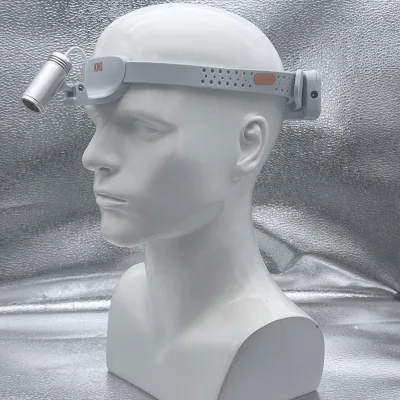
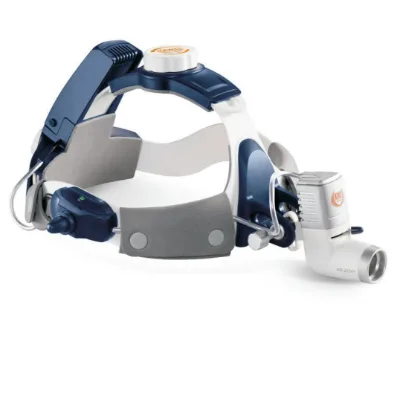
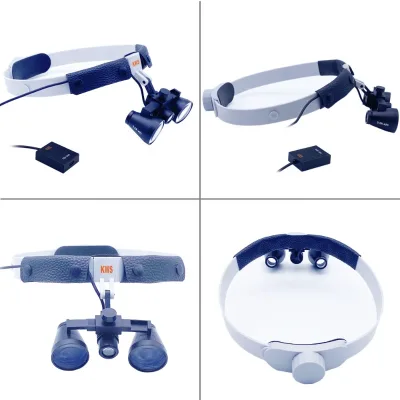
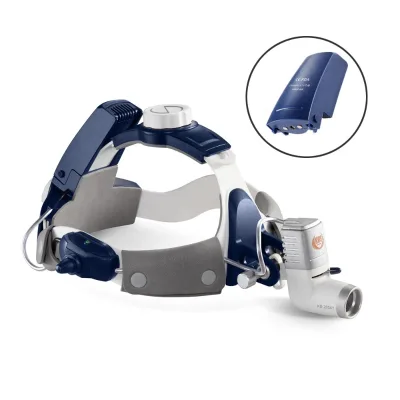
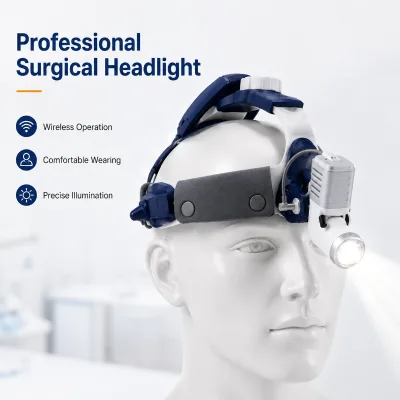
Rechargeable Surgical Dental ENT Headlight Head Lamp
$260.00 - $360.00

Shanghai MedEco Industry Co., Ltd.
- Trading Company
- China Shanghai
- Lead time15 days
- Avg. response≤ 9h
Main productsOperating Lamp, Operating Table, Surgical Stapler, Veterinary Equipment, Dialysis Chair, Infant Incubator, Medical Pendant, Hemodialysis Equipment, Surgical Suture, Oxygen Concentrator
Main marketsAfrica,Europe,North America

Adjustable Surgical Headlight with Special Optical Design for Medical Examination (ME-501K-1)
$75.00 - $100.00
MOQ: 1 Pieces

Surgery Lighting Medical LED Headlight 5W High-Brightness Headlamp (ME-205AY-1)
$55.00 - $99.00
MOQ: 1 Pieces


Convenient Head-Mounted Surgical Aid Headlight for Medical Examination (ME-503G-1)
$75.00 - $100.00
MOQ: 1 Pieces

Hospital Surgeons Wear Portable Headlights for Surgical Operation (ME-205AY-1)
$55.00 - $99.00
MOQ: 1 Pieces
- Verified by SGS Group
- Manufacturer, Trading Company
- Lead time2 days
- Avg. response≤ 5h
Main productsMedical X-ray Equipments & Accessories, Medical Ultrasound Instruments, Emergency & Clinics Apparatuses, Clinical Analytical Instruments, Veterinary Medical Equipments
Main marketsSoutheast Asia(25%), Africa(20%), North America(11%)
- Manufacturer, Trading Company
- Lead time旺季: "1 - 1000":7,"> 1000":"To be negotiated", 淡季: "1 - 1000":7,"> 1000":"To be negotiated"
- Avg. response≤ 4h
Main productsMedical X-ray Equipments & Accessories, Medical Ultrasound Instruments, Emergency & Clinics Apparatuses, Clinical Analytical Instruments, Veterinary Medical Equipments

Wuzhou Aokace Technology Co., Ltd.
- Manufacturer, Trading Company
- Guangxi, China
- Lead time5 days
- Avg. response≤ 4h
Main products4K endosocpe camera system,endoscope HD camera system,fluorescence 4k endoscope camera system,led headlight,Monitor
Main marketsDomestic Market(27.00%), Eastern Europe(23.00%), North America(12.00%), South Asia(10.00%), South America(8.00%), Eastern Asia(8.00%), Southeast Asia(6.40%), Western Europe(5.60%)
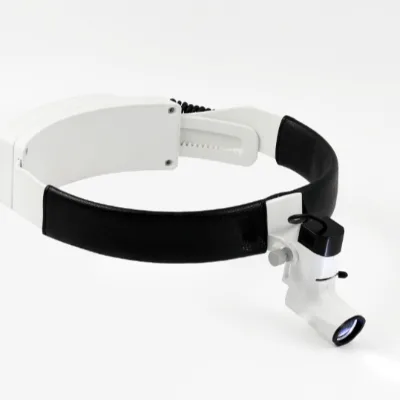
Cordless Detachable LED Surgery Headlight with Adjustable Light Spot
$186.0876 - $310.1444
MOQ: 1 Minimum
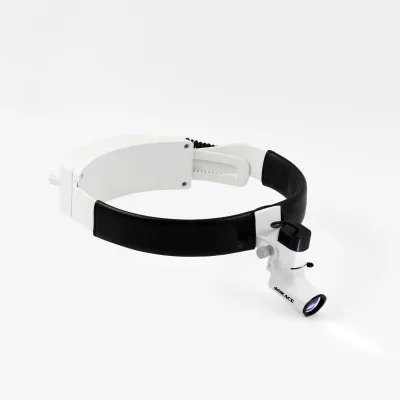
Surgical Headlight Dental Ent Medical Headlight Rechargeable Battery
$184.1806 - $306.9672
MOQ: 1 Minimum
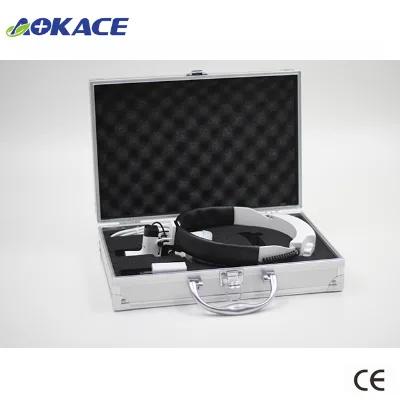
Surgical LED Headlight Mediacl 3w Led ENT Headlamp with Light Spot Adjustment
$286.503 - $409.2896
MOQ: 1 Minimum
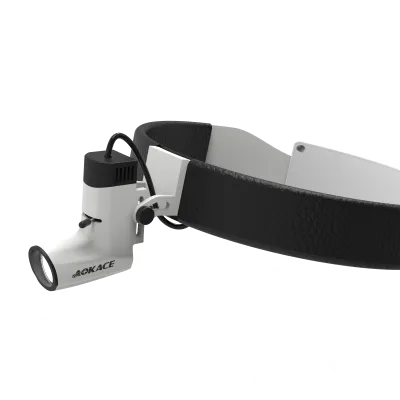
Wireless Portable Cordless Rechargeable Dental Headlight for ENT Surgries CE Certified
$202.5985
MOQ: 1 Minimum
Harbin Hengwei Technology Co., Ltd.
- Manufacturer, Trading Company
- Heilongjiang, China
- Lead time0 days
- Avg. response≤ 2h
Main productsElectric Operating Table, Electric Obstetric Table, Electric Hospital Bed, Electric Operating Table Accessories, Operating light
Main marketsDomestic Market(60.00%), Domestic Market(60.00%), South America(20.00%), South America(20.00%), Southeast Asia(10.00%), Southeast Asia(10.00%), Eastern Europe(5.00%), Eastern Europe(5.00%), Mid East(3.00%), Mid East(3.00%), South Asia(2.00%)

Guangzhou Happycare Medical Equipment Co., Ltd.
- Verified by SGS
- Manufacturer/Factory
- China Guangdong
- Lead time45 days
- Avg. response≤ 5h
Main productsUltrasound Scanner, CT Scanner, Anaesthesia Machine, X Ray Machine, Hospital Equipment, Hematology Analyzer, Dental X Ray Machine, Chemistry Analyzer, Endoscope, Medical Equipment
Main marketsSouth America,Mid East,North America,Southeast Asia,Eastern Asia,Oceania,Africa

Hc-I042 Medical Headlight Operating Light Surgical Light Fiber Optic Headlight
$50.00 - $300.00
MOQ: 1 Pieces


Hc-I042 Good Quality LED Surgical Headlight for Medical Dental, Ent, Vet, Gynecology
$50.00 - $300.00
MOQ: 1 Pieces
Qingdao Luckmed Supplies Co., Ltd.
- Trading Company
- Shandong, China
- Lead time10 days
- Avg. response≤ 5h
Main productsMedical dressing,Medical disposable,Medical equipment,Laboratory disposable,Patient care supplies
Main marketsMid East(25.00%), Africa(23.00%), Southeast Asia(10.00%), Eastern Europe(10.00%), South Asia(5.00%), North America(5.00%), Central America(5.00%), South America(5.00%), Northern Europe(3.00%), Eastern Asia(2.00%), Southern Europe(2.00%), Western Europe(2.00%), Oceania(2.00%), Domestic Market(1.00%)
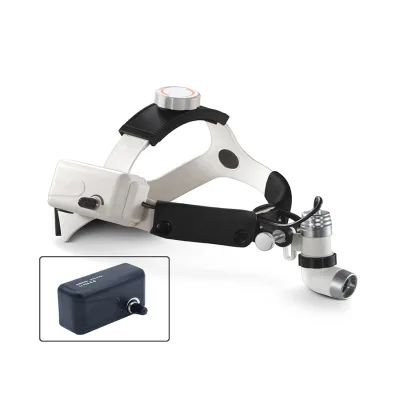
Medical Headlight Surgical Headlamp Dental ENT LED Headlight Wireless Headlight
$92.533 - $113.096
MOQ: 1 Minimum
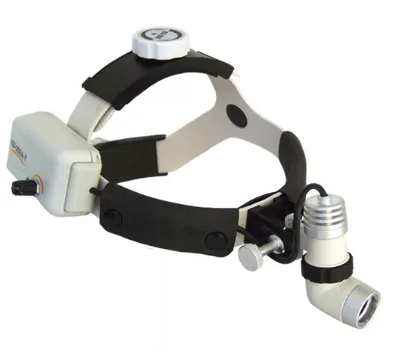
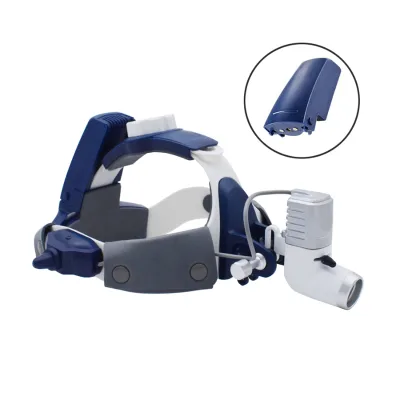
Medical Headlight Portable Surgical Headlamp Surgery Dental ENT LED 5W Headlight
$205.205 - $359.1095
MOQ: 1 Minimum

NANJING ARCHMED MEDICAL EQUIPMENT CO., LTD.
- Verified by SGS
- Trading Company
- China Jiangsu
- Lead time15 days
- Avg. response≤ 7h
Main productsX-ray Machine, Medical Equipment, Medical Instrument, Hospital Furniture, Surgery & ICU Equipment, Laboratory Equipment
Main marketsSouth America,Africa


Medcial Equipment High-Brightness Surgical Headlight 5W Headlamp Instrument
$165.00 - $170.00
MOQ: 1 Pieces
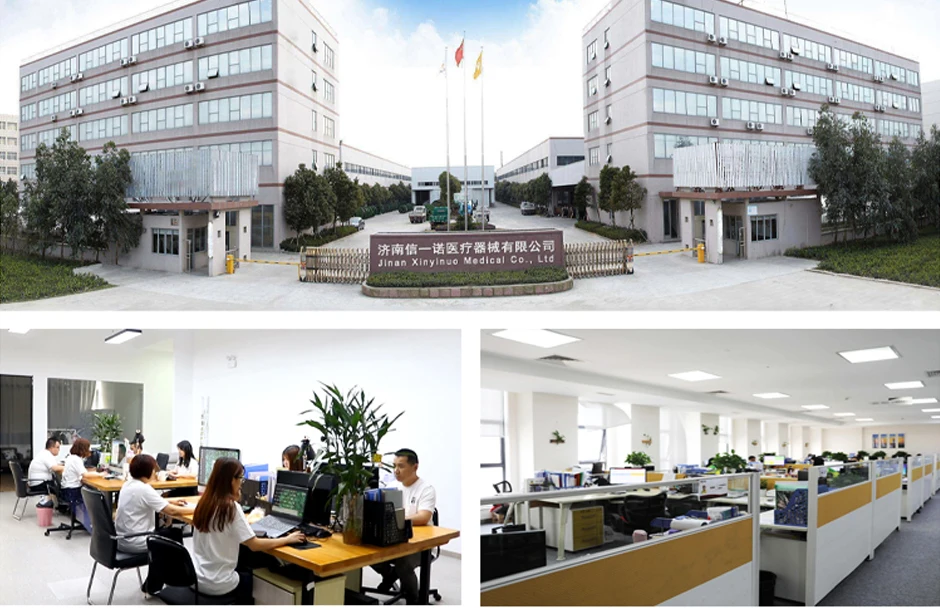
Jinan Xinyinuo Medical Co., Ltd.
- Trading Company
- Shandong, China
- Lead time0 days
- Avg. response≤ 2h
Main productsoperating table,operating light,medical pendant,medical gel pad,hospital bed
Main marketsAfrica(30.00%), Southeast Asia(30.00%), South Asia(10.00%), Mid East(10.00%), Eastern Europe(10.00%), North America(10.00%)
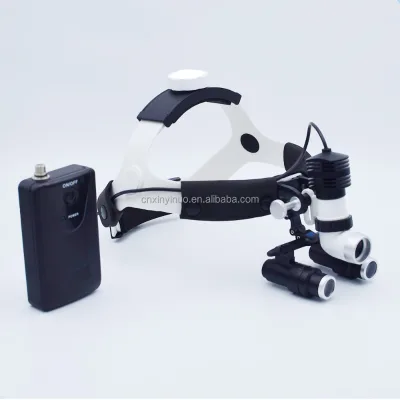
$180.00 - $190.00
MOQ: 1 sets
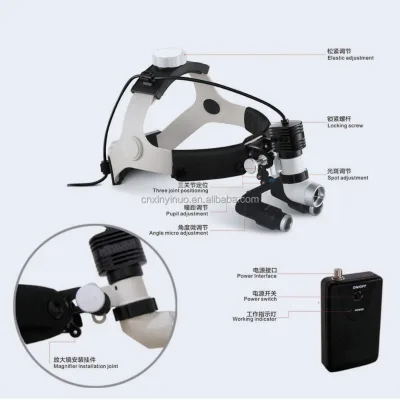
$184.1806 - $194.4134
MOQ: 1 sets
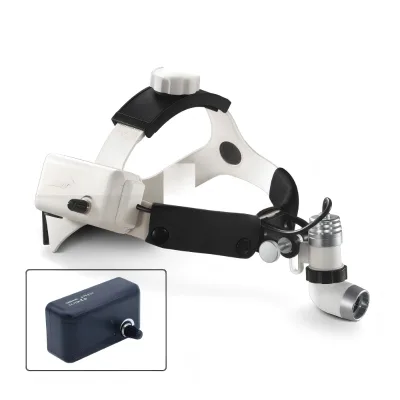

Perlong Medical Equipment Co., Ltd.
- Trading Company,Manufacturer/Factory
- China Jiangsu
- Lead time15 days
- Avg. response≤ 11h
Main productsMedical Equipment, Anesthesia, Monitor, X-ray, Lab, ECG, Ultrasound, Dental, Ventilator, Biochemistry
Main marketsSouth America,Eastern Europe,Mid East,North America,Southeast Asia,Eastern Asia,Oceania,Western Europe,Africa


High Quality Medical Loupe for Surgical Operation Lighting, Head Light.
$93.00 - $105.00
MOQ: 1 Pieces


Sainty International Group Jiangsu Yangzhou Sumex Imp. & Exp. Co., Ltd.
- Trading Company
- China Jiangsu
- Lead time30 days
- Avg. response≤ 12h
Main productsSyringe, Suction Catheter, Endotracheal Tube, Drainage Bag, Bandage, Dental Instrument, Surgical Gown, Vaginal Speculum, Vacutainer, Suture
Main marketsSouth America,Africa,Southeast Asia/ Mideast,East Asia(Japan/ South Korea),Europe,Australia,North America
Foshan Rodent Medical Instrument Company Limited
- Manufacturer, Trading Company
- Guangdong, China
- Lead time0 days
- Avg. response≤ 3h
Main productsDental handpiece,Endo motor,LED curing light,Abrasion sandblaster,Dental unit
Main marketsSouth America(30.00%), Mid East(20.00%), Southeast Asia(20.00%), Eastern Europe(20.00%), Western Europe(10.00%)
Nanjing Healicom Medical Equipment Co., Ltd.
- Verified by Intertek
- Trading Company
- Lead time10 days
- Avg. response≤ 2h
Main productsUltrasound Scanner, Infant Incubator, X-ray Machine, Autoclave Sterilizer, Hospital Nursing Bed
Main marketsAfrica(22%), South America(14%), Southeast Asia(12%)
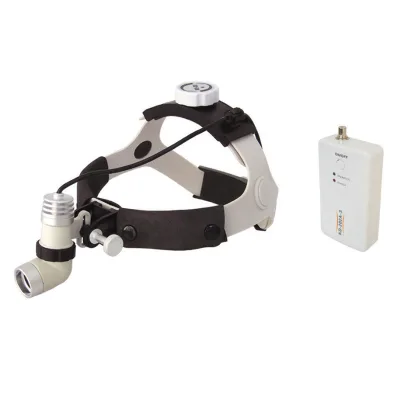
MEDICAL 5W ENT Surgery Doctor LED Headlight Wireless Surgical Operation Headlamp
$160.00 - $220.00
MOQ: 1 Minimum
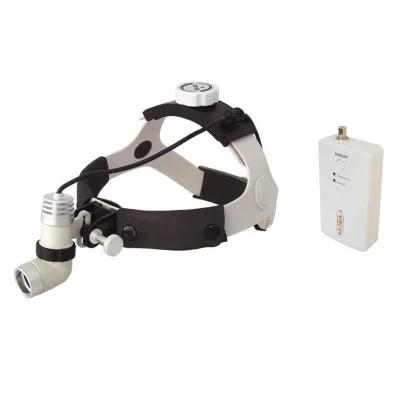
High Power Bright Lumen Surgery Oparation Head Light Surgical Rechargeable Led Headlamp
$160.00 - $220.00
MOQ: 1 Minimum

Guangzhou Umy Medical Equipment Co., Ltd.
- Verified by SGS
- Manufacturer
- China Guangdong
- Lead time15 days
- Avg. response≤ 4h
Main marketsDomestic

LED Wireless Medical Surgical Headlamp Used for Hospital Clinic Operation Surgical Headlight
$129.00 - $139.00
MOQ: 1 sets


LED Medical Headlight - High-Brightness Adjustable Surgical Headlamp for Clinicians
$210.00 - $300.00
MOQ: 1 Pieces

Rechargeable Surgical Headlight - High-Intensity LED Light for Clinical Use
$188.00 - $210.00
MOQ: 1 Pieces

Portable Medical Headlight Long-Lasting LED Headlamp for Clinical Operations
$400.00 - $500.00
MOQ: 1 Pieces
Shanghai Flower Medical Equipment Co., Ltd.
- Verified by SGS Group
- Manufacturer, Trading Company
- Lead time10 days
- Avg. response≤ 1h
Main productsOperation Lamp, Operation Table, Medical Pendant, Hospital Furniture, Hospital Bed
Main marketsSoutheast Asia(30%), North America(20%), Africa(20%)




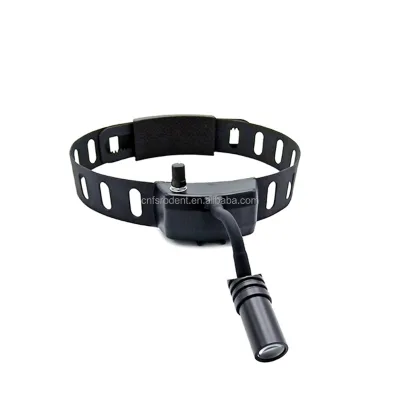
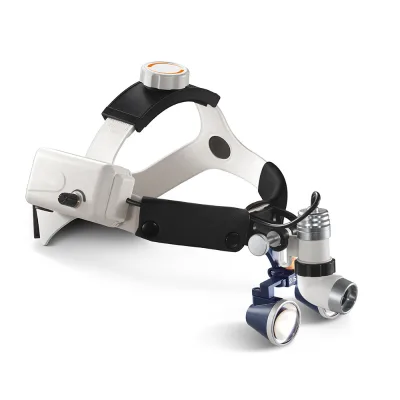
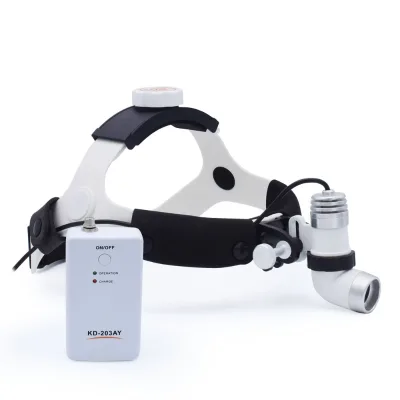
Comprehensive Sourcing Guide
ISO Certified Surgical Headlight Supplier Concentration and Factory Types
The current supplier landscape for ISO Certified Surgical Headlight products reveals a distinct geographic and structural distribution that buyers must navigate carefully. Evidence indicates that manufacturing and trading entities are concentrated in specific Chinese provinces, with notable presence in Shandong and Guangdong regions, as well as Jiangsu. These locations serve as primary hubs for the production of medical lighting equipment, ranging from portable LED surgical headlamps to complex ENT examination units. The company types observed in these clusters vary significantly, encompassing trading companies, manufacturer/factory entities, and combined operational models. This diversity in supplier structure directly impacts the buyer’s ability to source customized or off-the-shelf medical lighting solutions. Trading companies often provide a broader catalog of related medical devices, such as endoscopes and microscopes, while dedicated manufacturers may offer deeper technical expertise in optical engineering and battery integration.
Understanding the distinction between these supplier types is crucial for aligning procurement strategies with business needs. Suppliers identified as manufacturers or factories typically possess the infrastructure for OEM and ODM services, allowing for brand customization and specific technical modifications. For instance, some entities explicitly list their capacity for own-brand development alongside standard OEM offerings, indicating a flexible production model. In contrast, trading companies might streamline the purchasing process for buyers seeking multiple product categories, such as combining surgical headlights with other first aid or veterinary products. The presence of combined company types suggests a hybrid approach where direct manufacturing capabilities are supported by extensive distribution networks. Buyers should evaluate whether their priority lies in direct factory engagement for cost efficiency and customization or in the logistical convenience and product variety offered by trading entities. This structural insight helps in filtering the supplier pool to match specific operational requirements and quality expectations.
How to Verify ISO Certified Surgical Headlight Suppliers
Verification of ISO Certified Surgical Headlight suppliers requires a rigorous examination of documented credentials and third-party validations to ensure compliance with international medical standards. The presence of system certifications such as ISO 13485 and ISO 9001 serves as a foundational indicator of quality management systems, but buyers must look beyond mere claims. Independent verification badges, such as those from TÜV Rheinland, provide an additional layer of trust by confirming that the supplier’s operations have been audited by a recognized external body. This third-party validation is particularly important in the medical device sector, where regulatory compliance is non-negotiable. Buyers should request copies of these certificates and verify their validity through the issuing organization’s database to ensure they are current and applicable to the specific product lines being sourced.
Beyond certifications, the responsiveness and transparency of the supplier offer valuable insights into their operational reliability. Response times, such as those recorded at approximately 2.21 hours or 3 hours for certain manufacturers, indicate the efficiency of their communication channels. A faster response time often correlates with a more organized sales and technical support team, which is essential for resolving queries regarding product specifications or order status. Additionally, buyers should assess the supplier’s willingness to provide detailed product evidence, including technical specifications like color temperature, illumination levels, and battery life. Suppliers that proactively share comprehensive data sheets and product attributes demonstrate a higher level of professionalism and readiness to engage in serious procurement discussions. This verification process helps mitigate the risk of engaging with entities that may lack the necessary technical depth or regulatory adherence required for medical equipment sourcing.
What to Compare Across ISO Certified Surgical Headlight Suppliers
When evaluating multiple suppliers for ISO Certified Surgical Headlight products, buyers must systematically compare key operational and technical dimensions to identify the most suitable partner. Lead times are a critical factor, with observed ranges varying from as short as 7 days to 30 days, depending on the supplier’s production capacity and inventory levels. This variance can significantly impact project timelines, especially for urgent medical supply needs. Buyers should also scrutinize the minimum order quantities (MOQ), which in some cases are as low as one piece, offering flexibility for trial orders or small-scale procurement. However, lower MOQs may come with higher unit prices, so buyers must balance volume requirements with cost efficiency. Response speed further differentiates suppliers, with some demonstrating rapid engagement times that facilitate quicker decision-making and negotiation processes.
Technical specifications and customization options provide another layer of comparison essential for meeting specific clinical requirements. Attributes such as color temperature, central illumination intensity, and bulb life vary across products, with some headlights offering up to 40,000 lux illumination and color temperatures around 5500K. Buyers should compare these technical metrics against their clinical needs to ensure optimal performance in surgical or examination settings. Additionally, the availability of OEM and ODM services allows for brand differentiation and tailored solutions. Suppliers that offer customizable features, such as specific voltage inputs or battery types, provide greater adaptability for diverse market requirements. Price ranges also differ, with some products listed between $120 and $500, while others may exceed $600, reflecting variations in quality, features, and brand positioning. A comprehensive comparison of these factors enables buyers to make informed decisions that align with both technical specifications and commercial objectives.
Common ISO Certified Surgical Headlight Sourcing Risks
Sourcing ISO Certified Surgical Headlight products involves several inherent risks that buyers must proactively manage to ensure supply chain integrity and product quality. One significant risk is the potential discrepancy between claimed certifications and actual compliance status. While suppliers may display ISO 13485 or ISO 9001 badges, buyers must verify these credentials independently to avoid engaging with entities that have outdated or fraudulent certifications. This verification gap can lead to regulatory non-compliance in the buyer’s home market, resulting in legal liabilities and product recalls. Additionally, the variability in lead times poses a risk to inventory management and project scheduling. Suppliers claiming short lead times may face production bottlenecks, leading to delays that disrupt medical supply chains. Buyers should establish clear communication protocols and contingency plans to mitigate these scheduling risks.
Another critical risk lies in the quality consistency of electronic components, particularly batteries and LED modules, which are central to the functionality of surgical headlights. Variations in battery life, charging times, and illumination stability can affect the reliability of medical equipment in critical care settings. Buyers must assess the supplier’s quality control processes and request detailed technical data to ensure that products meet specified performance standards. Furthermore, the risk of intellectual property infringement exists when engaging with suppliers offering OEM services, as unauthorized copying of designs or branding can occur. Buyers should implement strict contractual agreements and non-disclosure provisions to protect their brand identity and technical specifications. By identifying and addressing these risks early in the sourcing process, buyers can safeguard their operations and maintain the high standards required for medical device procurement.
ISO Certified Surgical Headlight Regional Sourcing and Logistics
Regional sourcing strategies for ISO Certified Surgical Headlight products are heavily influenced by the geographic concentration of manufacturing hubs in China, particularly in Shandong, Guangdong, and Jiangsu provinces. These regions offer established supply chains and logistical infrastructure that facilitate efficient production and export of medical lighting equipment. Buyers sourcing from these locations benefit from proximity to major ports such as Shanghai, Ningbo, and Qingdao, which streamline the shipping process and reduce transit times. The concentration of suppliers in these areas also fosters competition, potentially leading to more favorable pricing and service terms. However, buyers must consider the logistical implications of sourcing from multiple regions, as coordinating shipments from different provinces can complicate inventory management and increase administrative overhead.
Logistics planning should also account for the specific packaging and handling requirements of medical devices, which often necessitate careful protection during transit. Products are typically packed in cartons or aluminum boxes, requiring appropriate handling to prevent damage. Buyers should work with suppliers to ensure that packaging meets international shipping standards and includes necessary documentation for customs clearance. Additionally, the choice of port of loading can impact shipping costs and delivery schedules. Suppliers offering flexibility in port selection, such as allowing shipments from any port in China, provide buyers with greater control over logistics arrangements. By aligning sourcing decisions with regional logistical advantages, buyers can optimize their supply chain efficiency and reduce overall procurement costs. This strategic approach ensures that medical lighting products are delivered reliably and cost-effectively to end-users.
ISO Certified Surgical Headlight Commercial Terms and Order Planning
Commercial terms and order planning for ISO Certified Surgical Headlight products require careful negotiation to align with budget constraints and operational needs. Price ranges observed in the market vary significantly, with some products listed between $120 and $500, while others may exceed $600, reflecting differences in quality, features, and brand positioning. Buyers should engage in detailed price comparisons, considering not only the unit cost but also the total cost of ownership, including shipping, duties, and potential maintenance expenses. Minimum order quantities (MOQ) also play a crucial role in order planning, with some suppliers offering MOQs as low as one piece, which is ideal for testing market response or fulfilling small-scale orders. However, larger orders may qualify for volume discounts, so buyers should evaluate their projected demand to determine the optimal order size.
Payment terms and warranty provisions are additional commercial factors that influence the overall procurement strategy. Suppliers may offer various payment options, and buyers should assess the financial risk associated with each term. Warranty periods, such as one-year coverage, provide assurance of product reliability and support after-sales service. Buyers should clarify the scope of warranty coverage, including what components are included and the process for claiming repairs or replacements. Additionally, delivery times, ranging from 3-5 days after payment to 30 days, impact cash flow and inventory planning. Buyers should negotiate realistic delivery schedules and include penalties for delays in contracts to mitigate risks. By carefully structuring commercial terms and planning orders based on accurate demand forecasts, buyers can optimize their procurement process and ensure a smooth supply of ISO Certified Surgical Headlight products.
FAQs
What should I check before buying an ISO Certified Surgical Headlight?
Verify that ISO 13485 or ISO 9001 certification applies to the specific headlight model, not just the factory generally. Ask the supplier for certificate copies covering medical devices, confirm CE or FDA documentation where relevant, and request test data on illumination, color temperature and bulb life before placing an order.
What is the typical MOQ for a surgical headlight order?
Many suppliers list a minimum order quantity of one unit for surgical headlights, since these are relatively high-value medical devices. This lets clinics and distributors test quality first. Larger volume orders usually unlock better per-unit pricing, so request tiered quotations when planning repeat purchases.
How long does production and delivery usually take?
Lead times vary by supplier; some manufacturers quote around seven days while others need roughly thirty days for production and dispatch. Confirm the exact lead time in writing before paying, and factor in additional shipping days to your destination port when planning hospital or clinic delivery dates.
Which specifications matter most in a surgical headlight?
Central illumination, color temperature and battery runtime are the key figures. Models on this page list values from roughly 22000 to 40000 lux, color temperatures around 4500K to 6000K, and working times of four hours or more with rechargeable lithium batteries. Match these to your surgical specialty and typical procedure length.
Can I order a surgical headlight with my own brand or custom changes?
Yes, several suppliers state that OEM and ODM customization is available, and some support their own brand alongside custom work. Confirm what can be changed, such as logos, packaging or lighting output, ask about customization costs and minimum quantities, and request samples before committing to a customized batch.
Where are the surgical headlight suppliers on this page located?
The suppliers shown are based in China, with locations including Shandong, Guangdong and Jiangsu provinces. Several list Qingdao, Shanghai or Ningbo as ports of loading. Location affects shipping cost and transit time, so compare suppliers across regions when total landed cost matters to your purchase.
What warranty and after-sales support can I expect?
Some listed surgical headlights carry a one-year warranty, though terms differ by supplier and model. Before ordering, confirm in writing what the warranty covers, whether replacement bulbs or batteries are supplied, and how repairs or spare parts are handled internationally. Keep records of any promises made during negotiations.
How do I verify a supplier before sending payment?
Check for third-party verification such as TUV Rheinland auditing, review the supplier type as a manufacturer, factory or trading company, and confirm certifications directly with certificate numbers. For payment protection, ask whether escrow or trade assurance options are available, and start with a small trial order before scaling up.