battery driven mobile x-ray machine Suppliers and Manufacturers
Explore 25 verified options for battery driven mobile x-ray machine Suppliers and Manufacturers in China. Compare response times, lead times, certifications like ISO 13485, and price ranges from 1899 to 37500. Contact suppliers directly to request quotes for specific models.
Updated
Suppliers List

Perlong Medical Equipment Co., Ltd.
- Trading Company,Manufacturer/Factory
- China Jiangsu
- Lead time15 days
- Avg. response≤ 11h
Main productsMedical Equipment, Anesthesia, Monitor, X-ray, Lab, ECG, Ultrasound, Dental, Ventilator, Biochemistry
Main marketsSouth America,Eastern Europe,Mid East,North America,Southeast Asia,Eastern Asia,Oceania,Western Europe,Africa


Most Popular High Frequency Mobile X-ray Equipment with Built-in Battery
$4000.00 - $10000.00
MOQ: 1 Pieces


- Verified by TUVRHEINLAND
- Combined
- China Hebei
- Lead time15 days
- Avg. response≤ 5h
Main productsMedical X-ray Film, Medical Inkjet Film, Medical Dry Film, Dry Laser Film, Dry Thermal Film, Medical Image Printer, Medical Inkjet Printer, Dry Laser Imager, Medical Flat Panel Detector, Medical X-ray Equipment
Main marketsSoutheast Asia/ Mideast,Europe

Sainty International Group Jiangsu Yangzhou Sumex Imp. & Exp. Co., Ltd.
- Trading Company
- China Jiangsu
- Lead time30 days
- Avg. response≤ 12h
Main productsSyringe, Suction Catheter, Endotracheal Tube, Drainage Bag, Bandage, Dental Instrument, Surgical Gown, Vaginal Speculum, Vacutainer, Suture
Main marketsSouth America,Africa,Southeast Asia/ Mideast,East Asia(Japan/ South Korea),Europe,Australia,North America

Beijing Vacuum Electronic Technology Co., Ltd.
- Verified by BV
- Combined
- China Beijing
- Lead time30 days
- Avg. response≤ 8h
Main productsX-ray Baggage Scanner, Vehicle Inspection System, Container Scanner System, Walk-Through Metal Detector
Main marketsSoutheast Asia/ Mideast,East Asia(Japan/ South Korea),Domestic,North America

XINDRAY MEDICAL INTERNATIONAL CO., LIMITED
- Trading Company,Manufacturer/Factory
- China Jiangsu
- Lead time60 days
- Avg. response≤ 3h
Main productsMedical Equipment, X-ray Machine, Hospital Equipment, Surgical Medical Product, Operation Light, Operation Table, Hospital Bed, Medical Instrument, Medical Disposable Product, Extracorporeal Shock Wave Lithotripter
Main marketsSouth America,Eastern Europe,Mid East,North America,Southeast Asia,Eastern Asia,Oceania,Western Europe,Africa


Factory Price Hospital Equipment Radiography Digital Portable Mobile X-ray Machine
$990.00 - $7700.00
MOQ: 1 Pieces

Digital Radiography Portable Medical Xray 5kw 100mA 200mA Mobile X Ray Machine
$990.00 - $9000.00
MOQ: 1 Pieces


Medical Hospital High Frequency 50kw Mobile X-ray Machine with High Quality
$8000.00 - $13650.00
MOQ: 1 Pieces

- Verified by CTI
- Trading Company
- China Jiangsu
- Lead time15 days
- Avg. response≤ 16h
Main productsClinical Lab Equipment, Rehabilitation Equipment, Surgical Equipment, Medical Furniture, Medical Scales, X-ray Machine, Medical Disposables, Oxygen Concentrator, Medical Equipment, Medical Consumables
Main marketsSouth America,Africa,Southeast Asia/ Mideast,Europe,Australia


Diagnostic Equipment Mobile High Frequency X-ray System Radiography X Ray Machine
$1199.00 - $2299.00
MOQ: 1 Pieces


- Verified by TUVRHEINLAND
- Trading Company,Manufacturer/Factory
- China Hunan
- Lead time38 days
- Avg. response≤ 14h
Main productsMicrocope Centrifuge Water Bath Heating Mantel, Shaker Stirrer Incubator and Oven Freezer Aas, Autoclave &Sterilizer Water Distiller pH Meter, Spectrophotometer Viscometer Balance&Scale HPLC, Lab Glassware; Electrophoresis Suction Machine, ECG Thermometer Ultrasound Scanner, Operating Table Lamp Bed Wheel Chair, Infusion Oxygen Concentrator Cylinder, X-ray Machine Hematology Analyzer, Human Models Medical Disposable
Main marketsSouth America,Eastern Europe,Mid East,North America,Southeast Asia,Eastern Asia,Oceania,Western Europe,Africa

Anjue Medical Equipment Co., Ltd.
- Verified by TUVRHEINLAND
- Trading Company
- China Anhui
- Lead time15 days
- Avg. response≤ 21h
Main productsAnesthesia Machine, Ventilator, Medical Sterilization Packaging, Dialysis Machine, Dental Unit, Autoclave, Patient Monitor, Ultrasound Scanner, Hospital Equipmtent, Laboratory Equipment
Main marketsAfrica,Southeast Asia/ Mideast
Lingyun Medical Technology (Suzhou) Co., Ltd.
- Trading Company
- Jiangsu, China
- Lead time0 days
- Avg. response≤ 2h
Main productsMedical X-ray equipmen,flat panel detector,ultrasonic,Medical film printer,Medical film
Main marketsDomestic Market(20.00%), Mid East(10.00%), Eastern Asia(10.00%), Africa(10.00%), Southeast Asia(10.00%), South Asia(10.00%), South America(10.00%), Central America(5.00%), Northern Europe(3.00%), Oceania(3.00%), Western Europe(3.00%), North America(2.00%), Eastern Europe(2.00%), Southern Europe(2.00%)
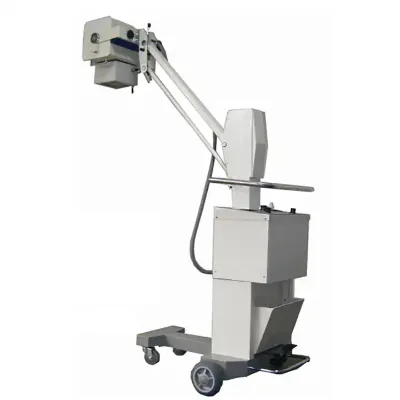
Medical Mobile Digital X-ray Equipment 70mA Mobile Analog Radiography System X-ray Machine
$1700.00 - $2100.00
MOQ: 1 Minimum
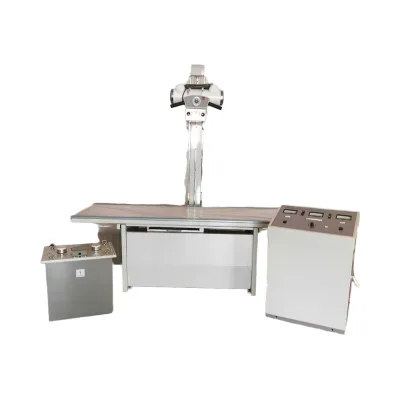
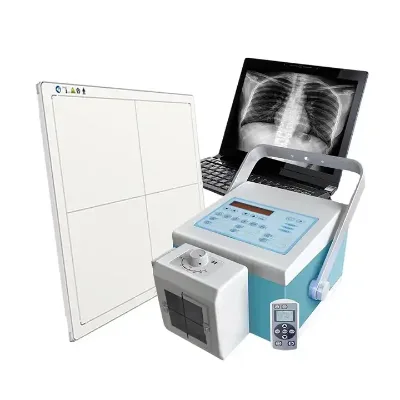
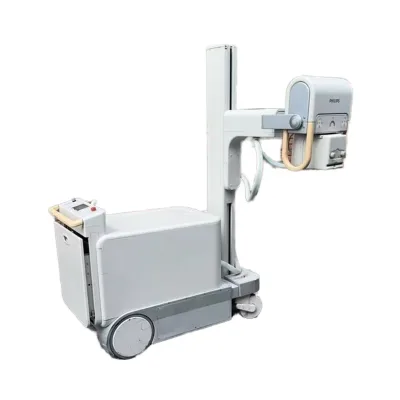
Practix Convenio Mobile X-ray Machine Economically Priced with Electricity Power Source
$9638.0182 - $9740.5503
MOQ: 1 pieces

Guangzhou Umy Medical Equipment Co., Ltd.
- Verified by SGS
- Manufacturer
- China Guangdong
- Lead time15 days
- Avg. response≤ 4h
Main marketsDomestic


350W Handheld Digital Portable X Ray Machine Price Mobile X-ray Machine with Touch Screen
$459.00 - $919.00
MOQ: 1 Pieces


High Frequency Mobile Veterinary Hospital Portable Digital X Ray Machine
$9000.00 - $17800.00
MOQ: 1 Pieces

Guangzhou Med Equipment Limited
- Combined
- China Guangdong
- Lead time15 days
- Avg. response≤ 3h
Main productsMedical Equipment, Lab Equipment, Hospital Bed, Hospital Equipment, Autoclave, Operation Table, X-ray Machine, Endoscope, Refractometer, Dental Chair
Main marketsDomestic
Shanghai Je-See Technology Co., Ltd.
- Trading Company
- Shanghai, China
- Lead time7 days
- Avg. response≤ 5h
Main productsx ray machine,lab equipment,x ray accessories
Main marketsSouth America(30.00%), Africa(25.00%), South Asia(15.00%), Southeast Asia(15.00%), Eastern Asia(10.00%), Mid East(5.00%)
$2563.3027 - $4101.2843
MOQ: 1 Minimum
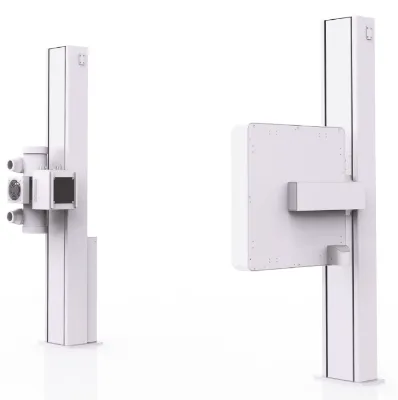
Simple and Extraordinary Vehicle Mounted Medical DR X Ray Machine
$11531.1396 - $12055.2823
MOQ: 1 sets
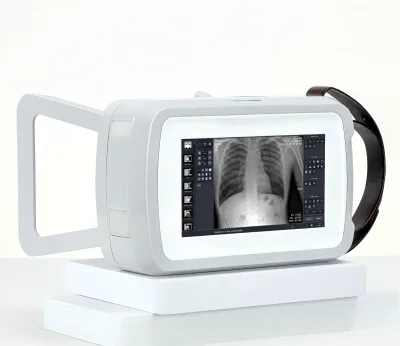
$2109.1256 - $2520.6621
MOQ: 1 sets
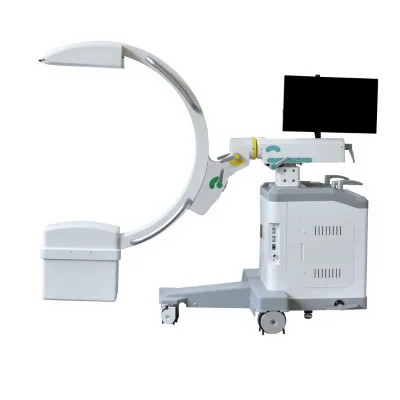
Direct Sales Mobile High-Frequency C Arm X-Ray Machine with FPD for Fluoroscopy and Radiography
$19993.7611 - $22044.4032
MOQ: 1 sets

Henan Forever Medical Co., Ltd.
- Trading Company
- China Henan
- Lead time15 days
- Avg. response≤ 7h
Main productsBiochemistry Analyzer, Surgical Gown, Face Mask, Endoscope, Surgical Pilers, Film Image Equipment, Hemadialysis Machine, Urine Analyzer, Medical Refrigerator, Medical Atomizer
Main marketsSouth America,Africa,Southeast Asia/ Mideast,Domestic,Europe,North America

- Verified by BV
- Combined
- China Guangdong
- Lead time15 days
- Avg. response≤ 8h
Main productsUltrasound Machine, X-ray Machine, Blood Analyzer, ECG, Radiation Protection
Main marketsSouth America,Africa,Southeast Asia/ Mideast,East Asia(Japan/ South Korea),Europe,Australia,North America


Mobile High Power Medical X Ray Machine Digital Medical X-ray Equipment
$100.00 - $5800.00
MOQ: 1 Pieces

Mobile X Ray Machine Touch Screen Digital Chest Xray Machine Price Hospital Equipment
$550.00 - $2900.00
MOQ: 1 Pieces

2022 New Handheld Portable X Ray Machine Digital X Ray Machine Mobile X Ray Machine
$1999.00 - $3599.00
MOQ: 1 Pieces
Guangzhou Maya Medical Equipment Co., Ltd.
- Verified by SGS Group
- Manufacturer, Trading Company
- Lead time15 days
- Avg. response≤ 2h
Main productsB Ultrsound, X Ray System, CT, MRI, Endoscope
Main marketsMid East(31%), Africa(23%), South America(18%)
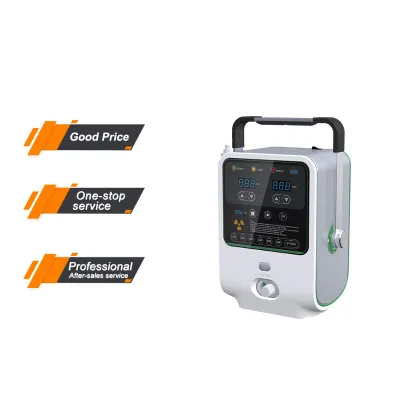
High Frequency Radiology Equipment Fluoroscopy X-ray Mobile Xray Machine
$5179.3754 - $6474.2197
MOQ: 1 sets
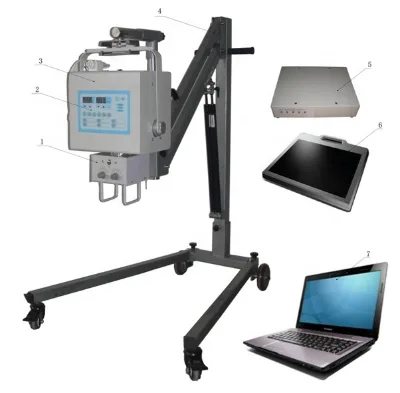
$2774.9431 - $3793.8273
MOQ: 1 Minimum
Hebei Dianya Medical Technology Co., Ltd.
- Verified by SGS Group
- Trading Company
- Lead time30 days
- Avg. response≤ 2h
Main productsHousehold Medical Devices, Medical Consumables, Professional Medical Devices
Main marketsAfrica(40%), North America(15%), Mid East(15%)
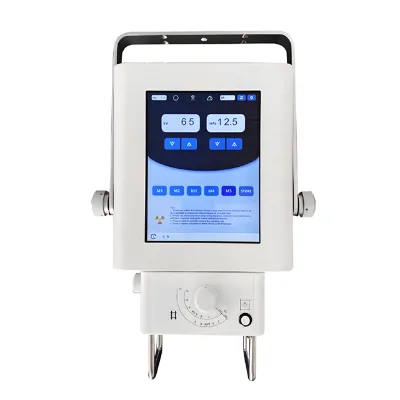
New Model Mobile Portable X-ray Touch Screen Digital X Ray Machine
$2856.5452 - $3895.1955
MOQ: 1 pieces
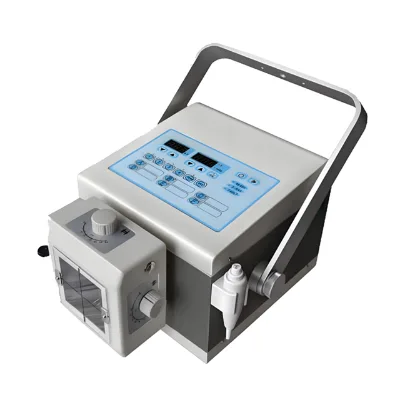
Hand-carried 4kw LCD Screen Mobile X Ray Machine High Frequency Portable X-ray Machine Price
$3200.00 - $6500.00
MOQ: 1 pieces

Chongqing Aibid Technology Co., Ltd.
- Trading Company
- Chongqing, China
- Lead time10 days
- Avg. response≤ 2h
Main productsOphthalmic Equipment,Optometry equipment,Surgical instruments,Hospital equipment,Ultrasonic equipment
Main marketsNorth America(25.00%), South Asia(12.00%), Africa(12.00%), South America(10.00%), Southeast Asia(10.00%), Mid East(8.00%), Eastern Asia(8.00%), Northern Europe(4.00%), Eastern Europe(3.00%), Southern Europe(2.00%), Western Europe(2.00%), Central America(2.00%), Domestic Market(1.00%), Oceania(1.00%)
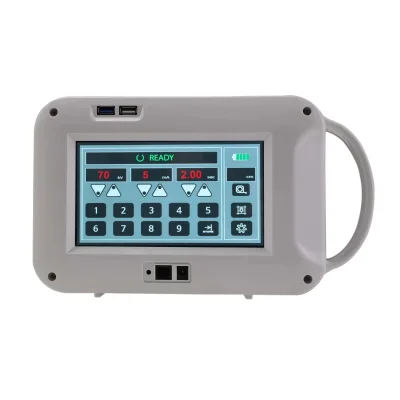
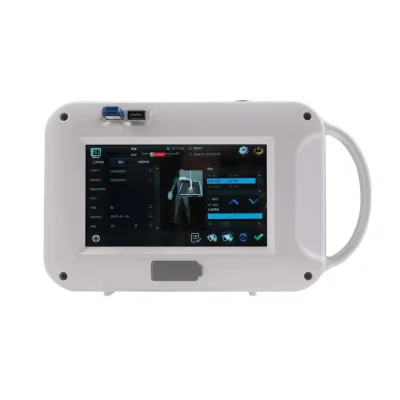
Portable Handheld Digital Mini Pet Human X-ray Machine Mobile 7-inch Touch Screen Light Weight
$4036.4509 - $4648.2865
MOQ: 1 Minimum

Nanjing Puao Medical Equipment Co., Ltd.
- Trading Company,Manufacturer/Factory
- China Jiangsu
- Lead time15 days
- Avg. response≤ 9h
Main productsAnesthesia Machine, Medical Ventilator, Patient Monitor, Medical Equipment, Medical Instrument, Surgical Instrument, Hospital Equipment, ICU Ventilator, Anestesia Machine, Hospital Monitor
Main marketsSouth America,Eastern Europe,Mid East,North America,Southeast Asia,Eastern Asia,Oceania,Western Europe,Africa
Hangzhou Livie Technology Co., Ltd.
- Verified by TüVRheinland
- Manufacturer, Trading Company
- Lead time30 days
- Avg. response≤ 2h
Main productsBlood Lipid Meter, Eye Massager, Hemoglobin Meter, Oxygen Concentrator, IVD
Main marketsAfrica(20%), Southeast Asia(18%), Southern Europe(15%)
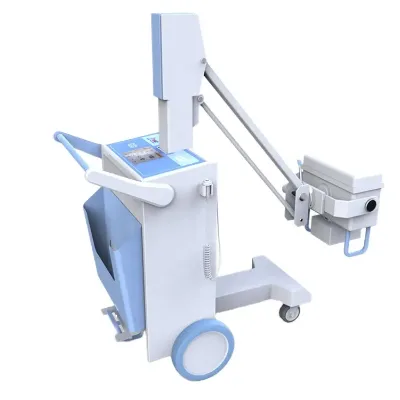
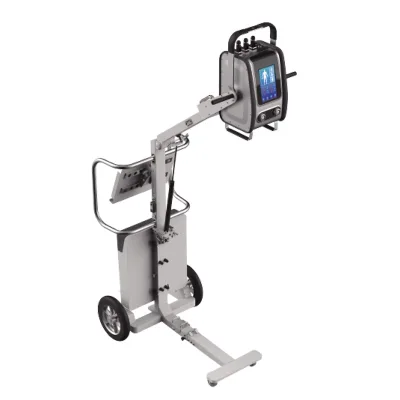
14*17 Inch Flat Panel Detector X Ray Unit Medical Mobile X-ray Machine Portable
$3539.7875 - $6165.386
MOQ: 1 Minimum
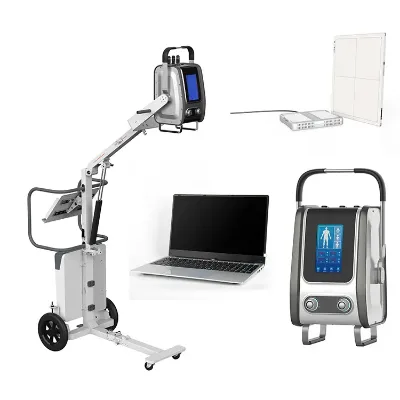
Convenient Ergonomic Multifunctional High Frequency Mobile X Ray Machine for Cheap Sale
$18000.00
MOQ: 3499 Minimum
Guangzhou Maya Medical Equipment Co.,ltd
- Verified by SGS Group
- Manufacturer, Trading Company
- Lead time15 days
- Avg. response≤ 2h
Main productsB Ultrsound, X Ray System, CT, MRI, Endoscope
Main marketsMid East(31%), Africa(23%), South America(18%)
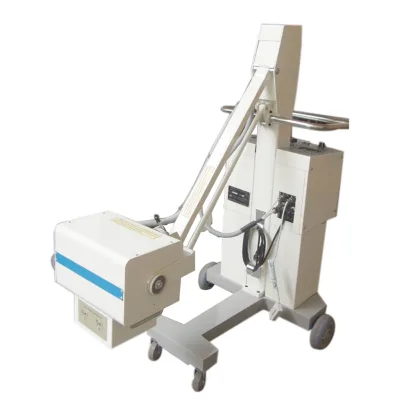
50mA Mobile Medical Equipo De Rayos X Portatil Xray Portable X-ray Machine X Ray Machine
$1000.00 - $2871.00
MOQ: 1 Minimum
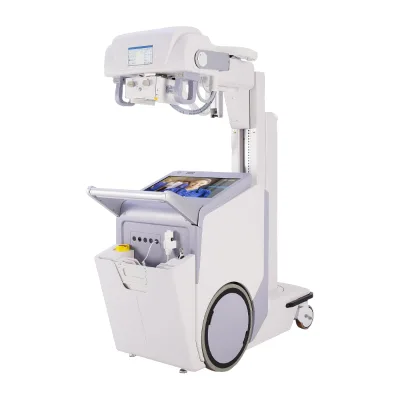
$59009.4107 - $61079.9164
MOQ: 1 Minimum
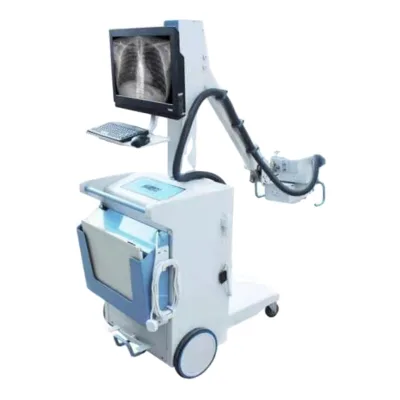
MAYA Digital Xray Machine 500ma Diagnostic Imaging Mobile X Ray Machine Price
$2060.1545 - $11385.7108
MOQ: 1 Minimum
Nanjing Longcare Medical Equipment Co., Ltd.
- Trading Company
- Jiangsu, China
- Lead time7 days
- Avg. response≤ 2h
Main productsImaging Equipment,ICU equipment,OR Equipment,First-aid Equipment,Sterlizer
Main marketsSoutheast Asia(60.00%), Africa(20.00%), North America(10.00%), Mid East(5.00%), Eastern Europe(5.00%)
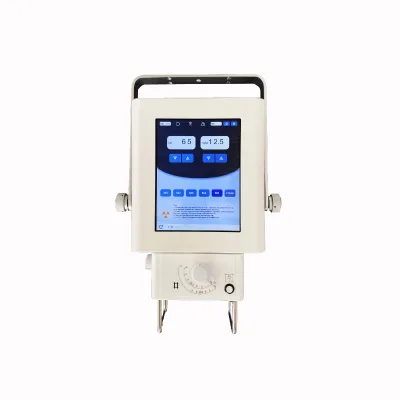
100mA Electric Mobile Handheld Digital X-ray Machine for Hospital Radiography
$10338.1474 - $15507.2211
MOQ: 1 Minimum
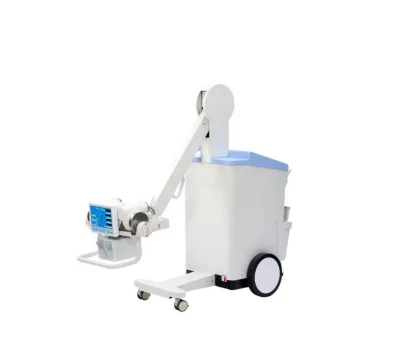
Easy Control Color Touch Screen Mobile Digital Radiography Xray Machine YH-MDR32
$36398.8983 - $39987.5221
MOQ: 1 Minimum
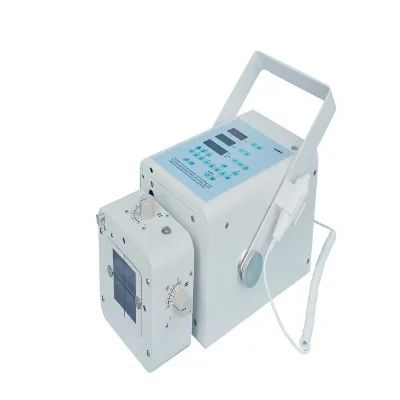
Medical Button Screen Portable Digital X-ray Machine Portable X-ray Machine 5.6kw 100mA
$4598.2383 - $13794.715
MOQ: 1 Minimum
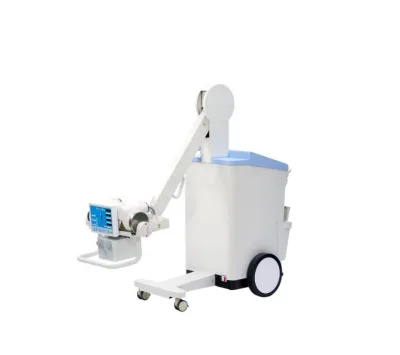
Mobile Digital Radiography System With Built-in Large Lithium Battery
$36700.4233 - $40318.7749
MOQ: 1 Minimum
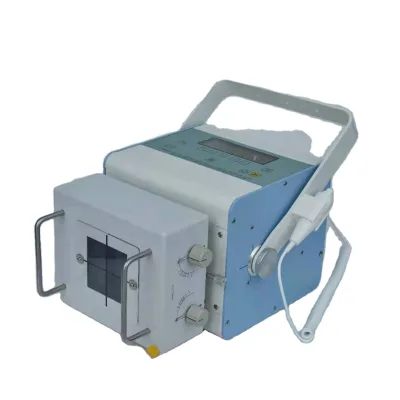
$3799.0793 - $12869.5053
MOQ: 1 Minimum
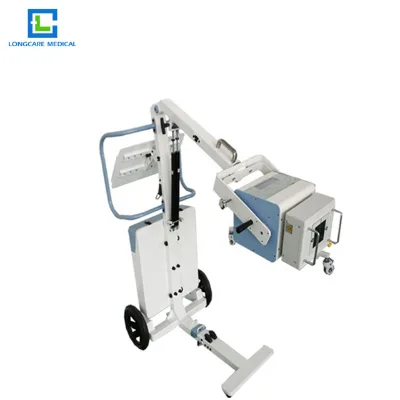
$8236.4834 - $20591.2084
MOQ: 1 Minimum
Henan Forever Medical Co., Ltd.
- Trading Company
- Lead time旺季: "1 - 1":7,"> 1":"To be negotiated", 淡季: "1 - 1":7,"> 1":"To be negotiated"
- Avg. response≤ 2h
Main productsUltrasound Scanner, X-ray Machine, Plasma Sterilizer, Dental Equipment, Clinical Instruments
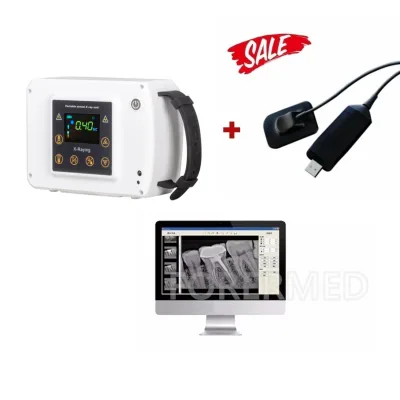
$356.6199 - $388.2966
MOQ: 1 Minimum
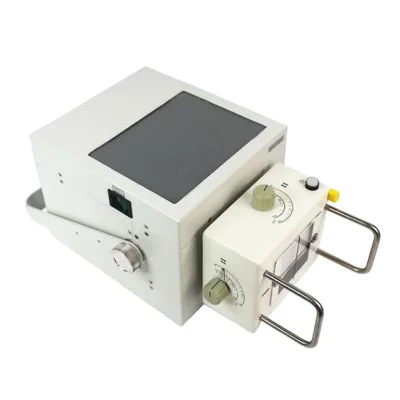
$816.443 - $2451.3721
MOQ: 1 Minimum
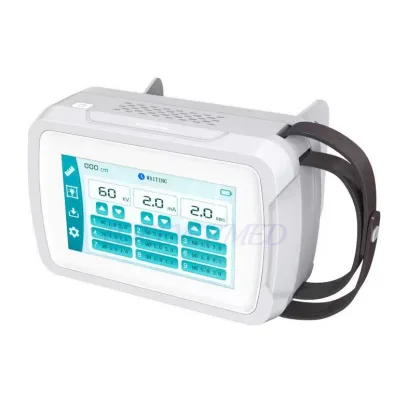
$1849.6195 - $2569.3157
MOQ: 1 Minimum
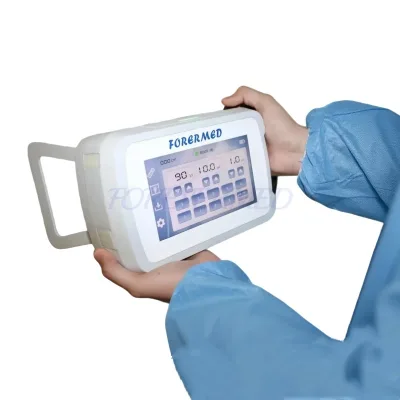
$193.1267 - $2553.5552
MOQ: 1 Minimum
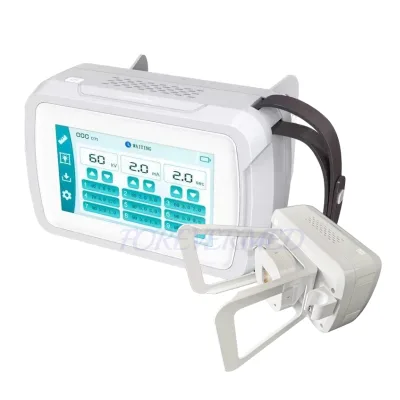
$1633.9075 - $3064.4706
MOQ: 1 Minimum
Weifang Hota New Material Technology Co., Ltd.
- Verified by SGS Group
- Trading Company
- Lead time10 days
- Avg. response≤ 2h
Main productsDisposable Equipment Protective Cover, Surgical Pack, Surgical Drape, Wound Dressing, OR Consumables
Main marketsSouth America(25%), Mid East(25%), North America(10%)

Guangzhou Umy Medical Equipment Co., Ltd.
- Verified by SGS
- Manufacturer
- China Guangdong
- Lead time15 days
- Avg. response≤ 4h
Main productsX Ray Machine, Flat Panel Detector

Portable Medical X-ray Machine Digital X-ray Machine Mobile X Ray Medical Equipment Machine
$100.00 - $1000.00
MOQ: 1 Pieces

High-Resolution Mobile Digital X-ray Machine for Clinical Diagnostic Radiology Imaging
$2500.00 - $5000.00
MOQ: 1 Pieces

Digital Radiography Equipment Mobile X-ray Machine Portable X Ray Machine for Human
$10000.00 - $13000.00
MOQ: 1 Pieces


Good Quality 32kw Mobile Beside Digital Portable X-ray Machine for Medical
$1255.00 - $8350.00
MOQ: 1 Pieces
- Verified by SGS Group
- Manufacturer, Trading Company
- Lead time2 days
- Avg. response≤ 5h
Main productsMedical X-ray Equipments & Accessories, Medical Ultrasound Instruments, Emergency & Clinics Apparatuses, Clinical Analytical Instruments, Veterinary Medical Equipments
Main marketsSoutheast Asia(25%), Africa(20%), North America(11%)
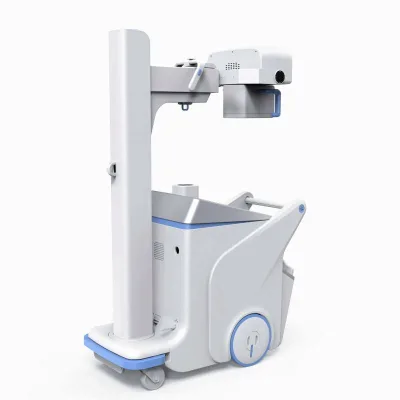
$30000.00 - $70000.00
MOQ: 1 Minimum
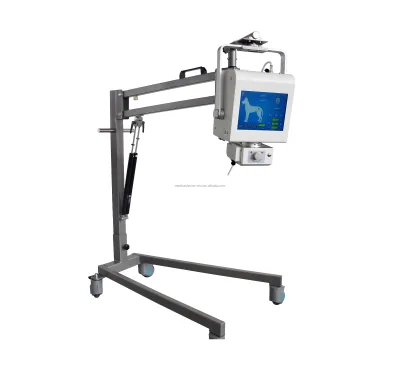
High quality mobile digital x-ray machine digital portable x ray machine
$1616.00 - $2380.00
MOQ: 1 Minimum


Comprehensive Sourcing Guide
Battery Driven Mobile X-Ray Machine Supplier Concentration and Factory Types
The current supplier landscape for battery-driven mobile X-ray machines reveals a distinct geographic concentration in China, with specific manufacturing hubs identified in Jiangsu and Hebei provinces. Suppliers in Jiangsu often present themselves as either trading companies or manufacturer/factory entities, indicating a mixed market structure where direct production capabilities may be bundled with trading services. This dual nature requires buyers to look closely at the company type designation to understand whether they are engaging with the actual production facility or an intermediary. The presence of OEM capabilities in Jiangsu-based results suggests that many suppliers in this region are equipped to handle custom branding and specific technical modifications, which is a critical factor for buyers seeking differentiated products in the medical imaging sector. Meanwhile, suppliers located in Hebei province are categorized as combined entities, which may imply a broader operational scope or a hybrid business model that integrates various stages of the supply chain. This regional distribution highlights that sourcing from China offers access to established industrial clusters, but the specific province can influence the type of service and production flexibility available to the international buyer.
In terms of factory types, the results indicate a variety of operational models, ranging from pure manufacturers to trading companies and combined entities. The Jiangsu suppliers explicitly list OEM (Original Equipment Manufacturer) capacity, which is a strong indicator of manufacturing infrastructure capable of producing goods to specific client specifications. This is particularly relevant for battery-driven mobile X-ray machines, where battery integration and portability features may require specialized assembly lines. The Hebei suppliers, on the other hand, list ODM (Original Design Manufacturer), OEM, and own brand capabilities, suggesting a more flexible approach to product development and branding. This diversity in factory types means that buyers have options depending on their need for customization versus off-the-shelf availability. Trading companies may offer faster communication and consolidated shipping, while manufacturers might provide better price control and technical support. Understanding these distinctions is essential for aligning supplier selection with specific project requirements, such as the need for rapid prototyping or large-scale standardized production. The presence of both types in the search results underscores the importance of verifying the actual operational nature of the supplier before committing to a partnership.
How to Verify Battery Driven Mobile X-Ray Machine Suppliers
Verification of suppliers for battery-driven mobile X-ray machines requires a multi-layered approach that goes beyond basic company profiles. One critical step is to check for third-party verification badges, such as the TÜV Rheinland verification observed in some Hebei-based supplier results. This type of external validation provides a layer of confidence regarding the supplier’s business legitimacy and operational stability. Buyers should prioritize suppliers who display such verified badges, as they have undergone rigorous checks by independent inspection agencies. Additionally, system certifications are a key indicator of quality management standards. The presence of ISO 13485 and ISO 9001 certifications in Jiangsu-based results signals adherence to international standards for medical device quality management systems. These certifications are not merely decorative; they reflect a structured approach to manufacturing, risk management, and continuous improvement, which is vital for medical equipment that directly impacts patient care. Buyers should request copies of these certificates and verify their validity through the issuing bodies to ensure they are current and applicable to the specific products being sourced.
Beyond certifications, buyers must scrutinize product-specific attributes and compliance documentation. For battery-driven mobile X-ray machines, it is essential to verify that the products hold necessary regulatory approvals, such as CE marking, which is frequently listed in the product attributes of the search results. The CE mark indicates conformity with health, safety, and environmental protection standards for products sold within the European Economic Area. Buyers should ensure that the CE certification is valid and covers the specific models of interest. Furthermore, checking the product origin is crucial, as some results specify detailed origins like "China Jiangsu Nanjing" or "China Jiangsu Province." This level of detail can help buyers assess the supply chain transparency and potential logistical advantages. Buyers should also look for evidence of customization capabilities, such as logo printing or specific technical modifications, as these are often listed in product properties. By combining verification of business credentials with detailed product compliance checks, buyers can significantly reduce the risk of engaging with unreliable suppliers and ensure that the sourced equipment meets all necessary regulatory and quality standards.
What to Compare Across Battery Driven Mobile X-Ray Machine Suppliers
When evaluating multiple suppliers for battery-driven mobile X-ray machines, buyers should systematically compare key operational metrics to identify the most suitable partner. Response time is a critical factor that can impact project timelines and communication efficiency. The observed response times vary, with some suppliers showing a response time of 10.02 hours, while others demonstrate a faster response time of 4.62 hours. A quicker response time often indicates a more responsive sales team and potentially better after-sales support. Lead time is another essential comparison point, with some suppliers indicating a lead time of 15 days. Buyers should clarify whether this lead time includes production, testing, and shipping, or if it is strictly production time. Minimum Order Quantity (MOQ) is also a significant differentiator, with some suppliers offering an MOQ of just 1 unit, which is ideal for small clinics or trial orders. Comparing these metrics across suppliers helps buyers balance speed, cost, and volume requirements to find a supplier that aligns with their specific business needs.
In addition to operational metrics, buyers should compare product specifications and pricing structures. The price ranges for battery-driven mobile X-ray machines vary significantly, with some products listed between $3,000 and $5,000, while others range from $4,000 to $10,000, and high-end models can reach up to $17,515. These price differences often reflect variations in technology, such as frequency (e.g., 40kHz vs. 50kHz), tube voltage range, and battery capacity. Buyers should compare technical specifications like tube voltage, exposure time, and power output to ensure the equipment meets their clinical requirements. For instance, some models offer a tube voltage range of 40-125kv, while others provide 40~100kv with 1kv intervals. Additionally, comparing customization options, such as available logo printing or specific packing methods, can help buyers assess the supplier’s flexibility. By creating a detailed comparison matrix of these factors, buyers can make informed decisions that optimize both cost and performance, ensuring they select a supplier that offers the best value for their specific application.
Common Battery Driven Mobile X-Ray Machine Sourcing Risks
Sourcing battery-driven mobile X-ray machines from international suppliers involves several inherent risks that buyers must proactively manage. One significant risk is the variability in product quality and compliance, especially when dealing with suppliers who may not have robust quality control systems. While some suppliers display certifications like ISO 13485, others may only list basic ISO 9001 or no certifications at all. Buyers must be cautious of suppliers who claim compliance without providing verifiable documentation. Another risk is the potential for miscommunication regarding technical specifications. Battery-driven mobile X-ray machines have complex technical parameters, such as battery voltage, charging time, and X-ray tube specifications. If these details are not clearly defined in the contract, buyers may receive equipment that does not meet their clinical needs. For example, a discrepancy in the tube voltage range or exposure time could render the machine unsuitable for certain diagnostic procedures. Buyers should insist on detailed technical datasheets and clear specifications in the purchase agreement to mitigate this risk.
Logistical and after-sales support risks are also prevalent in this category. Battery-driven mobile X-ray machines contain lithium-ion batteries, which are classified as dangerous goods for shipping. This can lead to complex logistics requirements and higher shipping costs. Buyers must ensure that the supplier has experience in handling such shipments and can provide all necessary documentation for customs clearance. Additionally, the lack of local service support in the buyer’s country can be a major issue. If the machine requires maintenance or repair, the absence of local technicians can lead to prolonged downtime. Buyers should inquire about the availability of spare parts, warranty terms, and remote support options. Some suppliers offer a two-year quality guarantee period, which is a positive sign, but buyers should verify the scope of this warranty. Furthermore, the risk of intellectual property infringement exists if buyers are working with suppliers who offer OEM services. Buyers should ensure that their brand and designs are protected through proper legal agreements. By identifying and addressing these risks early in the sourcing process, buyers can establish a more secure and reliable supply chain.
Battery Driven Mobile X-Ray Machine Regional Sourcing and Logistics
Regional sourcing from China offers distinct advantages and challenges for battery-driven mobile X-ray machines, particularly given the concentration of suppliers in Jiangsu and Hebei provinces. Jiangsu, with its advanced manufacturing infrastructure, is a hub for high-tech medical equipment production. Suppliers in this region often benefit from a well-developed supply chain ecosystem, which can lead to faster production times and better access to components. However, buyers must consider the logistical implications of shipping from this region. Jiangsu is home to major ports like Shanghai and Ningbo, which facilitate efficient international shipping. This proximity to major shipping hubs can reduce transit times and costs, making it an attractive option for buyers seeking timely delivery. Additionally, the presence of specialized logistics providers in the region can help manage the complex requirements of shipping medical devices, including the handling of battery-powered equipment. Buyers should leverage these logistical advantages by working with suppliers who have established relationships with reliable freight forwarders.
In contrast, suppliers in Hebei province may offer different logistical considerations. While Hebei is also a significant industrial region, its distance from major coastal ports might result in slightly longer inland transportation times. However, this region may offer competitive pricing due to lower operational costs. Buyers should evaluate the total landed cost, including inland freight, port fees, and ocean shipping, when comparing suppliers from different regions. Another logistical factor is the packaging of the equipment. Some suppliers use standard export packing, while others use wooden cases or carton packaging. The choice of packaging can impact the safety of the equipment during transit and the ease of customs clearance. Buyers should ensure that the packaging is robust enough to protect the sensitive electronic components and batteries of the mobile X-ray machines. Additionally, buyers should be aware of the regulatory requirements for importing medical devices in their home country, which may vary based on the region of origin. By carefully assessing these regional logistical factors, buyers can optimize their supply chain and ensure the safe and efficient delivery of their equipment.
Battery Driven Mobile X-Ray Machine Commercial Terms and Order Planning
Commercial terms and order planning are critical components of a successful sourcing strategy for battery-driven mobile X-ray machines. Buyers should carefully negotiate payment terms to balance risk and cash flow. Common terms include Telegraphic Transfer (TT) or Letters of Credit (LC), but buyers should also explore the availability of escrow services, which can provide an additional layer of security by holding funds until the goods are received and inspected. The Minimum Order Quantity (MOQ) is another key commercial term, with some suppliers offering an MOQ of 1 unit, which allows for flexible ordering and testing. Buyers should clarify whether the MOQ applies to individual models or the total order value. Additionally, lead times are a crucial factor in order planning. With some suppliers indicating a lead time of 15 days, buyers must account for production, testing, and shipping when planning their inventory. It is advisable to build in buffer time to accommodate potential delays.
Pricing structures also play a significant role in commercial planning. The price ranges for battery-driven mobile X-ray machines vary widely, from $1,751 to $37,500, depending on the model and specifications. Buyers should request
FAQs
What is the price range for battery-driven mobile X-ray machines?
Prices for these portable units typically range from $1,751 to $37,500 depending on specifications. Basic handheld models start around $1,899, while high-frequency mobile systems with built-in batteries cost between $4,000 and $10,000. Advanced digital radiography machines with higher power output can reach up to $37,500.
What certifications do mobile X-ray machines usually have?
Most manufacturers provide CE and ISO certifications for their portable X-ray equipment. Specific models often carry ISO 13485 or ISO 9001 system certifications. Some products also display ISO classification for imaging diagnostic equipment. Buyers should verify specific certification documents for each model to ensure compliance with local medical device regulations.
What is the typical lead time for manufacturing mobile X-ray machines?
The standard lead time for producing these medical devices is approximately 15 days. This timeframe applies to most portable and handheld X-ray units available from suppliers. Buyers should confirm exact delivery schedules with manufacturers, as complex customizations or high-volume orders may require additional production time beyond the standard period.
What is the minimum order quantity for portable X-ray equipment?
The minimum order quantity for most mobile X-ray machines is one unit. Suppliers generally accept single-unit purchases for both handheld and larger portable systems. This low MOQ allows clinics and hospitals to test equipment quality before committing to larger orders. Custom branding or logo printing is often available even for single-unit purchases.
Where are mobile X-ray machines typically manufactured?
These medical devices are primarily manufactured in China, specifically in Jiangsu and Hebei provinces. Suppliers in these regions offer various models including handheld, portable, and digital radiography systems. The origin is consistently listed as China for most available products, ensuring standardized production processes and competitive pricing for international buyers.
What battery specifications do handheld mobile X-ray machines use?
Handheld high-frequency X-ray machines typically use 22.2V batteries for portable operation. These units are designed to be lightweight, often weighing around 2.8kg, making them easy to transport. The battery supports X-ray release times ranging from 0.010 to 4.00 seconds, providing sufficient power for diagnostic imaging in various clinical settings without external power sources.