Source Orthopedic Surgical Milling Cutter for Surgery, Burns, Neurosurgery
Compare 14 Orthopedic Surgical Milling Cutter options from verified Chinese manufacturers. Buyers can evaluate specifications like torque, speed, and certifications for applications in orthopedic surgery, burns treatment, and neurosurgery; compare the available evidence and request quotations based on your requirements.
Updated
Key considerations
Products List
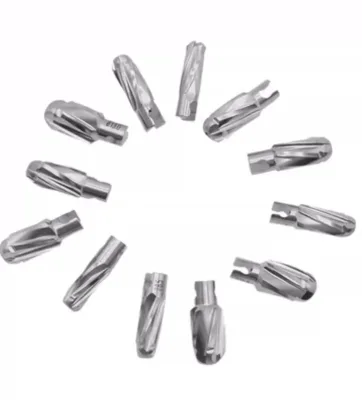
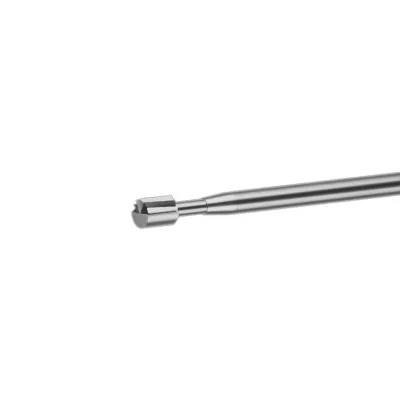
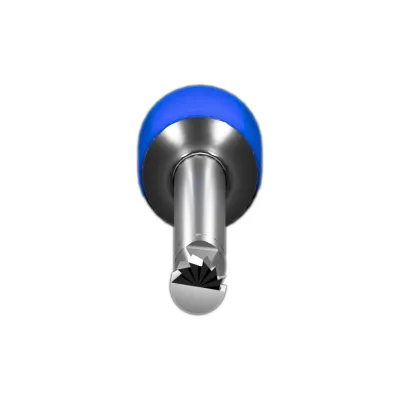

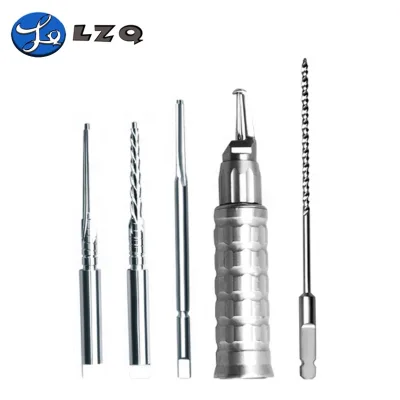
Cranial Mill Craniotome Handpiece Bur Medical Cranial Milling Cutter on Sale
$1.00 - $10.00
MOQ: 1 Minimum
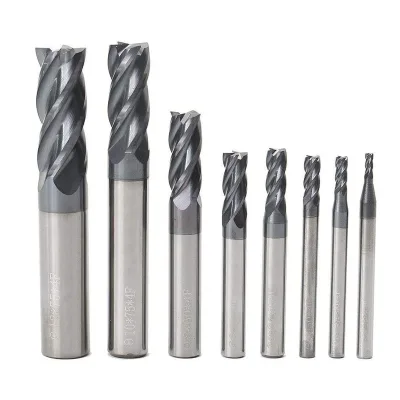
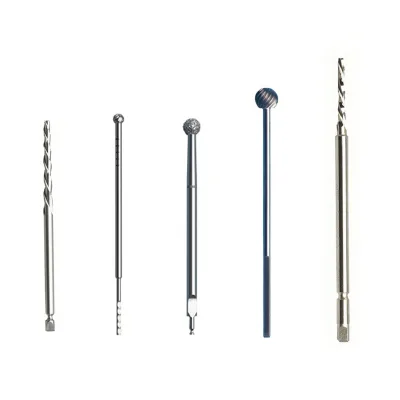
Cranial Milling Cutter Micro Cranial Router Medical Motor Bone Drill for Sale
$1.00 - $10.00
MOQ: 1 Minimum
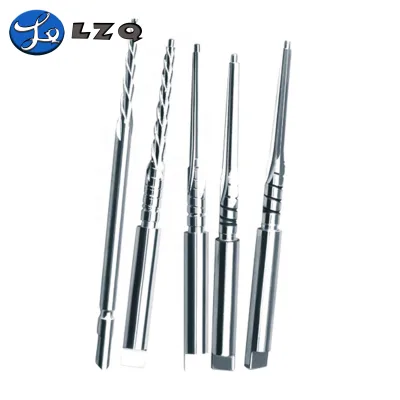
Reusable Cranial Mills Medical Cranial Milling Cutter Wire Pass Drill Sale
$1.00 - $10.00
MOQ: 1 Minimum
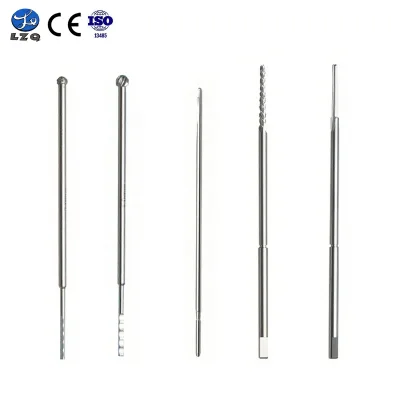
Distraction Screw Craniotome Tapered Milling Cutter Craniotome Cutter for Sale
$1.00 - $10.00
MOQ: 1 Minimum
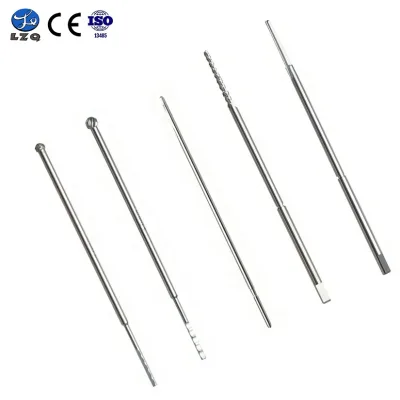
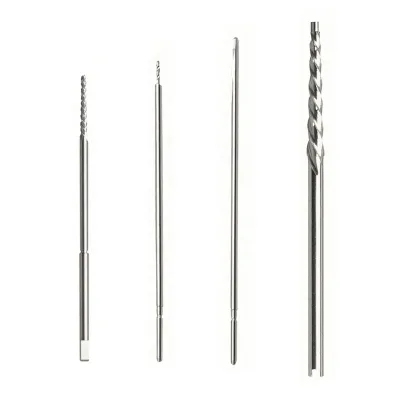
Craniotome Cutter Micro Cranial Router Electric High Speed Drill for Micro Surgery on Sale
$1.0268 - $10.2607
MOQ: 1 Minimum

High-Speed Neurosurgical Milling Cutter for Cranial Bone Cutting and Grinding
$600.00 - $1000.00
MOQ: 1 Pieces


Comprehensive Sourcing Guide
Orthopedic Surgical Milling Cutter Sourcing Guide
The Orthopedic Surgical Milling Cutter market presents a diverse array of instruments ranging from manual drill bits to powered systems designed for cranial and general orthopedic procedures. Buyers must distinguish between simple stainless steel drill bits and complex powered units with specific torque and speed requirements, as the supplied data indicates products serving applications from burns to neurosurgery. Understanding these distinctions is critical for aligning procurement with specific surgical needs, ensuring that the selected tool matches the intended procedure, whether it involves basic bone cutting or high-precision cranial work.
Procurement decisions should also account for the variability in product classification and material composition observed in current listings. While some items are classified as Class II instruments made of stainless steel, others appear as Class III devices or general surgical knives with different regulatory requirements. Sourcing teams must verify that the specific model number and material grade align with the hospital's sterilization protocols and surgical team preferences, as the market offers options ranging from single-item packages to comprehensive sets packed in aluminum or carbon boxes.
Product Scope and Observed Listing Signals
Buyers should first analyze the specific application scope, noting that observed listings cover a wide spectrum including orthopedic surgery, neurosurgery, and burn treatment. The data indicates that some products are explicitly designed for cranial surgery, while others serve broader orthopedic needs. This variation requires careful selection to ensure the milling cutter is suitable for the specific anatomical site and surgical technique, as a tool optimized for general orthopedic use may not meet the precision demands of cranial procedures.
The physical attributes of the products also vary significantly, influencing logistics and storage decisions. Listings show single gross weights ranging from 5.0 kg to over 1.7 kg for the device alone, with packaging options including aluminum boxes and carbon boxes. Procurement teams must evaluate whether the single package size of 40x20x30 cm or the weight of the aluminum box at 2280g fits within their inventory constraints and shipping budgets, ensuring that the chosen configuration supports efficient handling and storage in the operating theater.
Technical Specifications to Verify
Technical verification must begin with the power specifications for powered milling units, where observed data lists working voltages of 14.4V and operating voltages of 220V/50Hz. Buyers need to confirm that the device's voltage compatibility matches the local power infrastructure and that the speed range of 500-900rpm aligns with the surgeon's preference for bone cutting efficiency. Additionally, torque specifications such as greater than 7500g/C for quick chucks and over 33000g/C for reamers are critical metrics that determine the instrument's capability to handle dense bone structures without stalling.
Noise levels and weight are equally important factors for surgeon comfort and procedural stability. The observed non-load noise of 78dB suggests a need to verify acoustic performance in quiet operating environments, while the net weight of 1700g impacts the ergonomics of prolonged use. Procurement teams should request detailed weight breakdowns, including the weight of the aluminum box, to ensure the total load does not exceed the physical limits of the surgical team, and to confirm that the instrument classification matches the intended medical device regulatory type.
Compliance and Safety Documentation
Regulatory compliance is a primary concern, as the market data shows products holding CE and ISO certifications, with some explicitly listed as Class II or Class III medical devices. Buyers must verify that the specific unit they intend to purchase carries the correct certification for their region, as the regulatory type can vary between Type 2 and other classifications depending on the manufacturer and intended use. Ensuring that the documentation matches the local legal requirements is essential for avoiding import delays and ensuring the device can be legally deployed in the operating room.
Safety documentation must also address the after-sales support and warranty terms provided by the supplier. The observed listings mention online technical support and warranties exceeding five years, which are vital for maintaining long-term operational readiness. Procurement teams should confirm that the warranty covers specific failure modes related to the high-torque and high-speed operations of the milling cutter, and that the supplier provides clear protocols for troubleshooting and maintenance to minimize downtime during critical surgical procedures.
Cost Drivers and Commercial Terms
Cost structures are influenced by the complexity of the instrument, with powered units featuring specific torque and speed capabilities commanding different price points than manual drill bits. The observed price range of 1 to 1000 USD suggests a wide disparity based on features, materials, and brand reputation, requiring buyers to balance budget constraints with the need for high-performance tools. It is essential to understand that the cost includes not just the device but also the specialized packaging, such as aluminum boxes, which may add to the overall unit price.
Commercial terms regarding minimum order quantities and customization options also play a significant role in the total cost of ownership. Listings indicate an MOQ of 1 PC, offering flexibility for trial purchases, while customization is available for coating and other requirements. Buyers should negotiate based on the ability to tailor the product to specific surgical needs, such as custom coatings or specific model numbers like ND-4011, ensuring that the final agreement reflects the value of these tailored features rather than just the base unit cost.
Supplier Qualification and Quality Control
Supplier qualification should focus on the origin and manufacturing standards, as the data points to origins in Tianjin, Beijing, and Shanghai, China. Buyers must verify that the supplier adheres to the stated standards, such as the "Normal" prod_standard, and that the manufacturing process includes quality control measures for the stainless steel material and coating applications. The ability to coat according to specific requirements indicates a level of customization capability that should be validated through site audits or detailed quality assurance reports.
Quality control processes must also encompass the transportation and packaging integrity of the instruments. With transportation options including FedEx, DHL, TNT, and UPS, buyers should ensure that the packaging, such as the one set packed in an aluminum box then in a carton, is robust enough to prevent damage during transit. Verifying the supplier's track record for delivering intact, sterile, and fully functional instruments is crucial, as any damage to the high-precision components could render the milling cutter unusable for critical surgical applications.
Long-Term Procurement Checks
Long-term procurement strategies should prioritize the availability of spare parts and the durability of the instrument, given the warranty periods exceeding five years. Buyers need to establish a clear understanding of the lifecycle of the milling cutter, ensuring that the supplier can provide replacement parts for the quick chuck or reamer mechanisms as the device undergoes repeated use. This foresight helps in planning for maintenance schedules and ensures that the surgical team has access to fully functional equipment throughout the warranty period.
Finally, ongoing performance monitoring is essential to validate the initial specifications against real-world surgical outcomes. Buyers should track metrics such as the actual noise levels, torque consistency, and speed stability during procedures to ensure the device continues to meet the required standards. Regular reviews of the after-sales service response times and the effectiveness of the online technical support will help maintain high operational standards and ensure that the procurement investment continues to deliver value over the long term.
FAQs
What certifications do orthopedic surgical milling cutters have?
These instruments typically hold CE and ISO certifications, ensuring compliance with international medical device standards. Some products are classified as Class II or Class III devices, depending on their specific application and risk level. Buyers should verify the exact regulatory type for their target market to ensure proper import and usage compliance.
Can these tools be customized for specific surgical needs?
Yes, customization is available for many orthopedic surgical instruments. Manufacturers often accept OEM requests and can apply specific coatings according to buyer requirements. This flexibility allows hospitals and clinics to tailor the tools to their preferred surgical protocols and equipment compatibility needs.
What is the typical MOQ for ordering these instruments?
The minimum order quantity is often as low as one piece, making it accessible for trial orders or small clinics. This low MOQ allows buyers to test product quality and performance before committing to larger bulk purchases, reducing initial procurement risk and inventory costs.
How are these surgical instruments packaged for shipping?
Products are commonly packed in aluminum boxes or carbon boxes, then placed in cartons for protection. This secure packaging ensures the instruments remain sterile and undamaged during international transport via carriers like FedEx, DHL, or UPS, maintaining product integrity upon arrival at the destination.
What after-sale support is provided for these devices?
Online technical support is typically provided to assist with installation, operation, and troubleshooting. This service helps medical professionals resolve issues quickly without needing on-site visits, ensuring minimal downtime during critical surgical procedures and maintaining high standards of patient care and safety.
Where are these orthopedic instruments manufactured?
These instruments are primarily manufactured in China, with origins in cities like Tianjin, Beijing, and Shanghai. Buyers can source products from these regions, leveraging established manufacturing hubs that specialize in medical device production and export, ensuring consistent quality and competitive pricing for global clients.