Medical Sterilization Water Distiller Suppliers and Manufacturers
Source 29 suppliers for Medical Sterilization Water Distiller units. Compare grounded dimensions including CE certification, SUS304 stainless steel construction, 800W power, and Guangdong origin. Review lead times and MOQs to identify suitable partners for your procurement needs; review the available evidence before requesting comparable quotations from suitable candidates.
Updated
Suppliers List
Shenzhen Qianhai Zhilin E-Commerce Co., Ltd.
- Trading Company
- Lead time旺季: "1 - 1":10,"2 - 10":15,"> 10":"To be negotiated", 淡季: "1 - 1":10,"2 - 10":15,"> 10":"To be negotiated"
- Avg. response≤ 4h
Main productsWater Distiller,Ultrasonic Cleaner,Nasal Aspirator,Electric Cordless Scissors,Ultrasonic Jewelry Cleaner
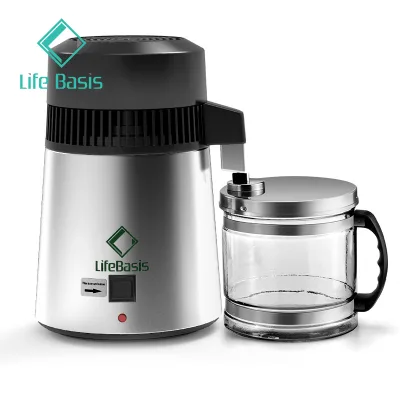
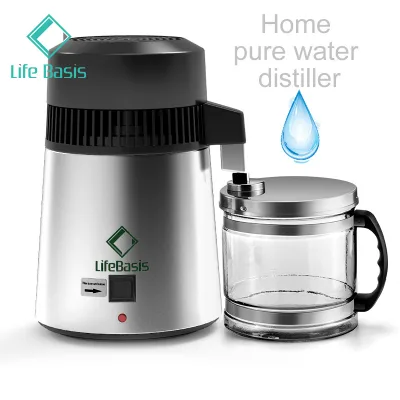
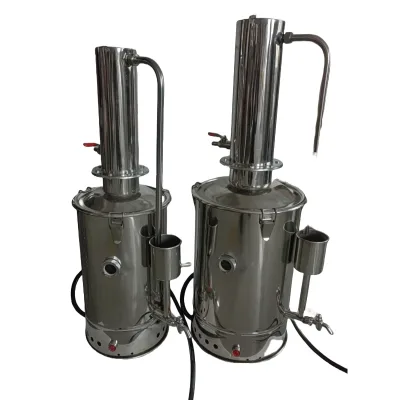
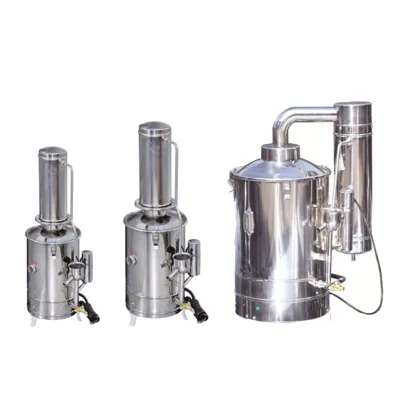
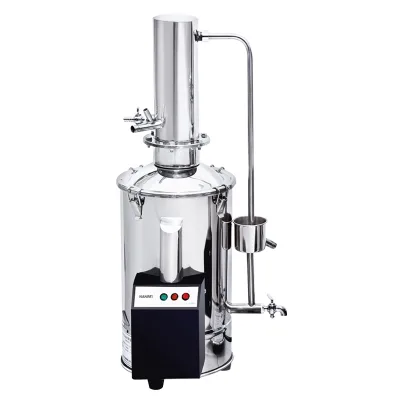
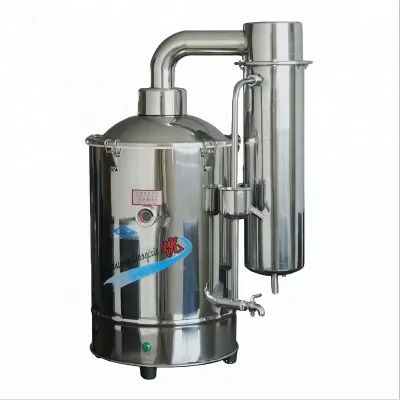
Laboratory Automatic Stainless Steel Water Distiller
$61.80 - $95.30
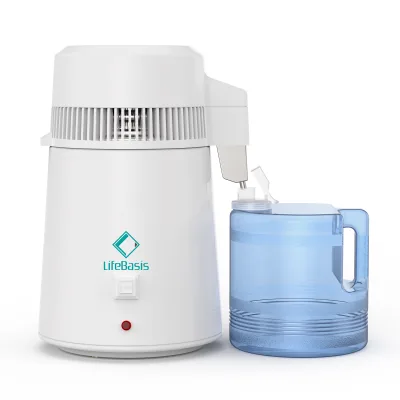
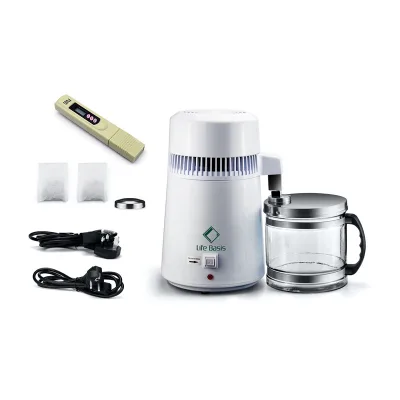
High Quality Distillation Water Equipment Water Distillator Laboratory Electric Water Distiller
$56.936 - $87.7199
MOQ: 1 pieces

Cixi Tonsor Medical Instrument Co., Ltd.
- Combined
- China Zhejiang
- Lead time15 days
- Avg. response≤ 2h
Main productsAutoclave, Sterilizer, Dental Equipment, Steam Sterilizer, Vacuum Sterilizer, Dinsfector, Surgical, Medical Equipment, Laboratory, Steam Boiler
Main marketsSouth America,Europe,North America

Xi'an Taikang Biotechnology Co., Ltd.
- Verified by BV
- Manufacturer/Factory
- China Shaanxi
- Lead time15 days
- Avg. response≤ 6h
Main productsGlass Reactor, Reactor, High Pressure Reactor, Rotary Evaporator, High Low Temperature Circulating Pump, Fixed Bed Reactor, Hydrothermal Synthesis Reactor, Stainless Batch Tank Reactor, Microwave Chemical Reactor, Ultrasonic Cell Crusher
Main marketsSouth America,Eastern Europe,North America,Southeast Asia,Eastern Asia,Oceania,Western Europe


Stainless Steel Automatic Water Distiller Machine for Distilled Water 5L 10L 20L/H
$99.00 - $499.00
MOQ: 1 Sets

Faithful lnstrument (Hebei) Co., Ltd.
- Verified by BV
- Combined
- China Hebei
- Lead time15 days
- Avg. response≤ 7h
Main productsIncubator, Magnetic Stirrer, Drying Oven, Heating Mantle, Water Bath, Laminar Flow Cabinet, Stainless Steel Water Still, Disintegrator, Furnace, Vortex Mixer
Main marketsSouth America,Africa,Southeast Asia/ Mideast,Europe,Australia,North America

Zhejiang Fomos Medical Technology Co., Ltd.
- Combined
- China Zhejiang
- Lead time23 days
- Avg. response≤ 3h
Main productsDental Autoclave
Main marketsSouth America,Africa,Southeast Asia/ Mideast,East Asia(Japan/ South Korea),Europe

YANTAI KAGUWI IMP&EXP CO., LTD.
- Trading Company
- Shandong, China
- Lead time7 days
- Avg. response≤ 19h
Main productsMedical Lab Autoclave Sterilizer,Medical Infant Incubator warmer PhotothearpyUnit,Medical Hospital Bed Table trolley furniture,Medical Lab Anesthesia Ventilator Machine,Medical Hospital Operation Surgical Lamp Light
Main marketsSoutheast Asia(20.00%), Mid East(20.00%), Africa(20.00%), South Asia(10.00%), Eastern Europe(10.00%), South America(10.00%), Western Europe(5.00%), Central America(5.00%)
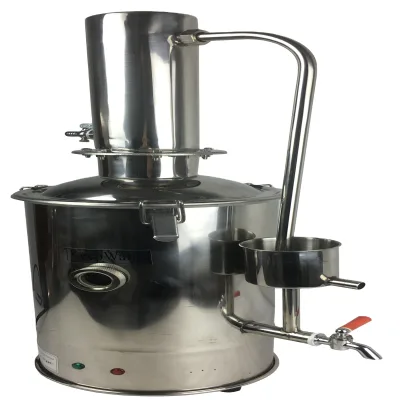
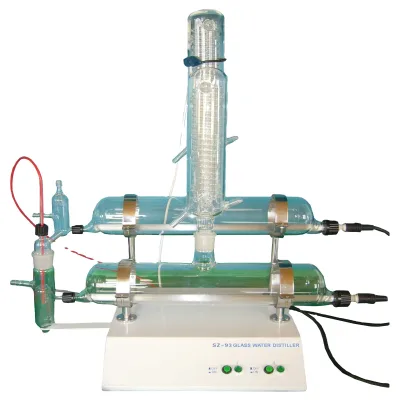
$204.6448 - $214.8776
MOQ: 1 sets
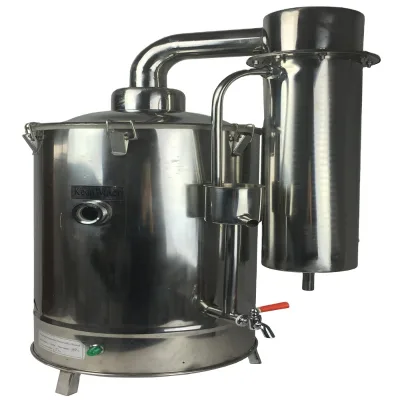
Zhejiang Top Cloud-Agri Technology Co., Ltd.
- Verified by Intertek
- Manufacturer, Trading Company
- Lead time5 days
- Avg. response≤ 6h
Main productsAgriculture Testing Instrument, Laboratory Equipment, Smart Fertilizer Machine, Water Quality And Environmental Monitoring Equipment, Genetic And Biotechnology Equipment
Main marketsDomestic Market(80%), Southeast Asia(16%), Eastern Europe(1%)
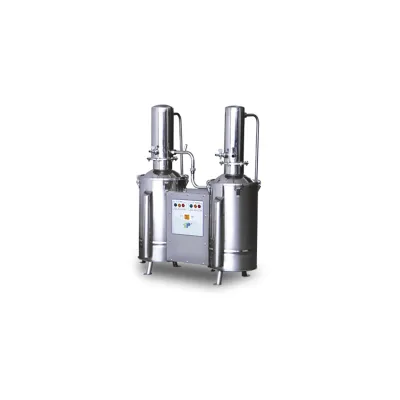
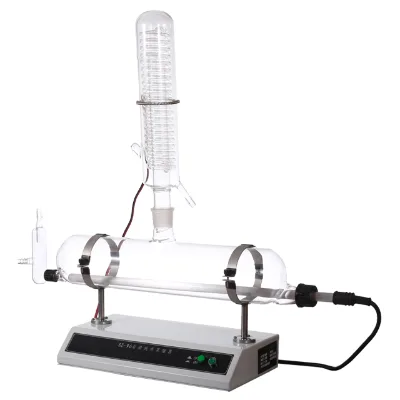
Stainless Steel Re-distilled Water Distiller
$995.00 - $1005.00

Zhengzhou Laboao Instrument Equipment Co., Ltd.
- Verified by TUVRHEINLAND
- Trading Company
- China Henan
- Lead time15 days
- Avg. response≤ 3h
Main productsReactor, Rotary Evaporator, Bioreactor Fermenter, Freeze Dryer, Spray Dryer, Lab Drying Oven, Laboratory Equipment, Drug Testing Instrument, Chemical Analysis Instrument, Agriculture Testing Instrument
Main marketsSouth America,Southeast Asia/ Mideast,East Asia(Japan/ South Korea),Europe,Australia,North America
Suzhou Esco Medical Equipment Co., Ltd.
- Trading Company
- Lead time旺季: , 淡季:
- Avg. response≤ 2h
Main productsDental Equipment, Dental Autoclave, Dental Unit
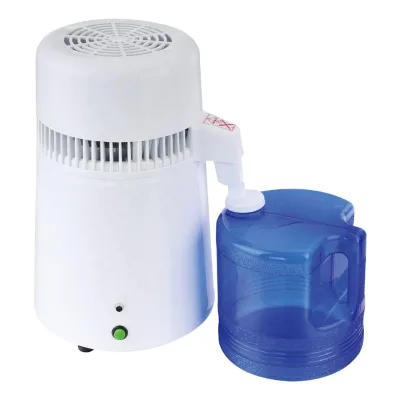
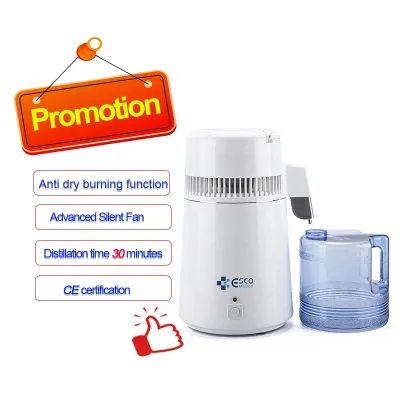
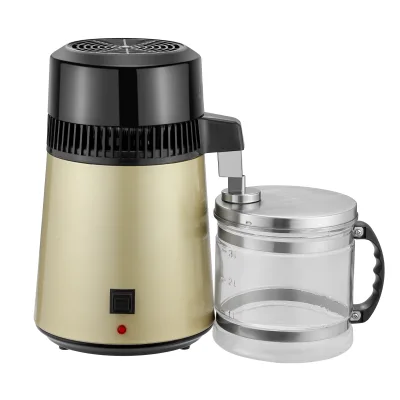
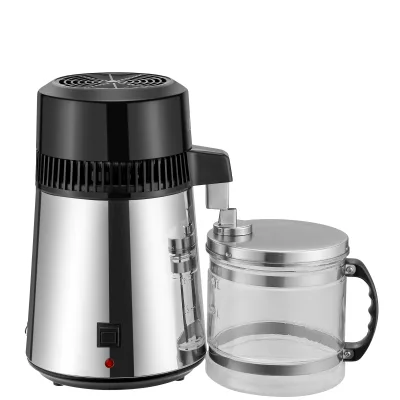
Water Distiller for Dental Clinics Dental Lab Water Distiller 4l 6l Electric Water Distiller
$29.0282 - $36.2846
MOQ: 2 Minimum
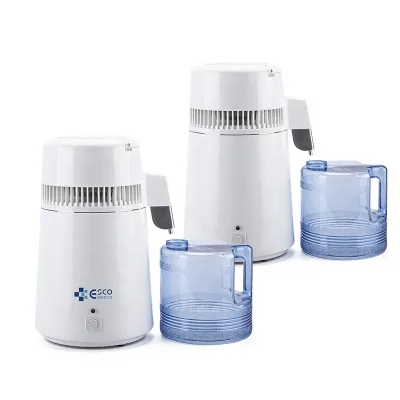
$28.6507 - $35.8142
MOQ: 2 Minimum
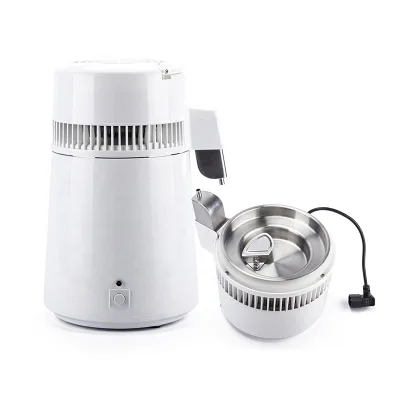
Automatic Immediately Easy to Operate Distilled Water Machine Laboratory Home Water Distiller
$28.7886 - $35.985
MOQ: 2 Minimum
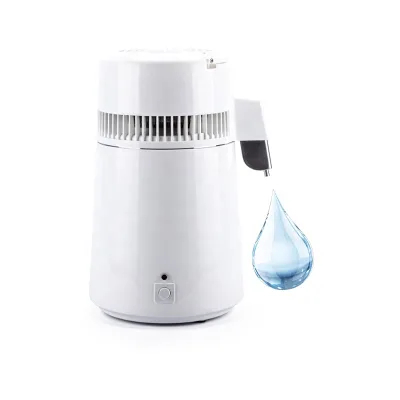
Hot Selling Cheap 4L Laboratory Device Water Distilled Water Machine Water Distiller
$29.0282 - $36.2846
MOQ: 2 Minimum
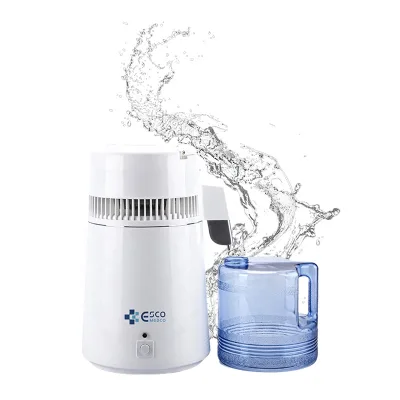
$28.9279 - $36.1602
MOQ: 2 Minimum
- Manufacturer, Trading Company
- Jiangsu, China
- Lead time15 days
- Avg. response≤ 2h
Main productsCentrifuge,incubators,drying ovens,agitators,oscillators
Main marketsWestern Europe(11.11%), Eastern Asia(11.11%), Mid East(11.11%), Oceania(11.11%), Africa(11.11%), Southeast Asia(11.11%), Eastern Europe(11.11%), South America(11.11%), North America(11.11%)
- Verified by TüVRheinland
- Trading Company
- Lead time25 days
- Avg. response≤ 5h
Main productsCentrifuge, Microscope, Autoclave, Incubator, Spectrophotometer
Main marketsAfrica(50%), North America(20%), South America(20%)
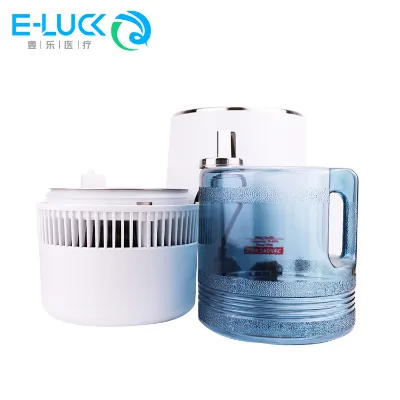
Guangzhou E-Luck Medical Technology Co., Ltd.
- Trading Company
- Guangdong, China
- Lead time10 days
- Avg. response≤ 9h
Main productsDental unit,Dental High Speed Handpiece,Dental Orthodontic,Dental Endomotor,Diamond Burs
Main marketsSoutheast Asia(40.00%), Mid East(30.00%), Domestic Market(5.00%), South America(5.00%), Africa(5.00%), North America(5.00%)
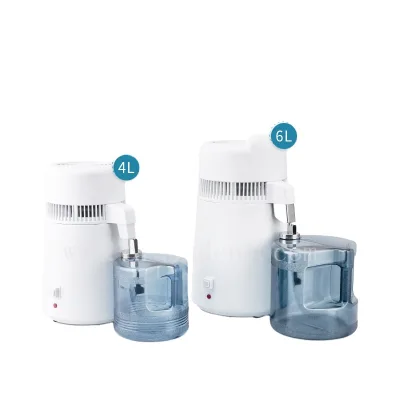
$44.8876 - $50.1081
MOQ: 1 pieces
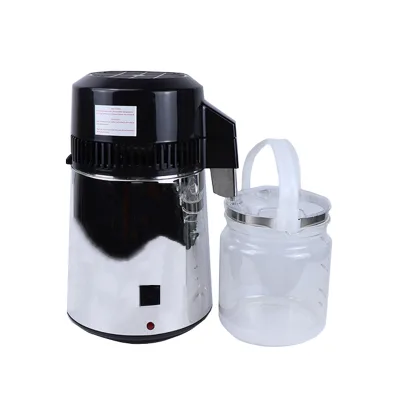
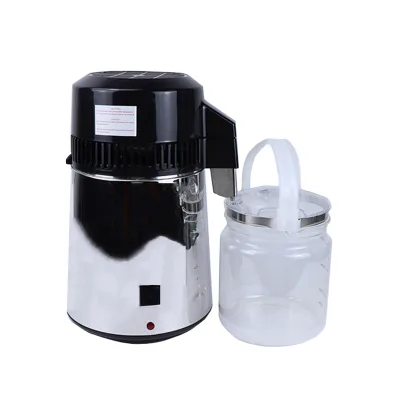
Dental Laboratory 4L Manual Home Water Distiller Stainless Steel Sterilization Equipment
$67.8579 - $69.9147
MOQ: 1 sets
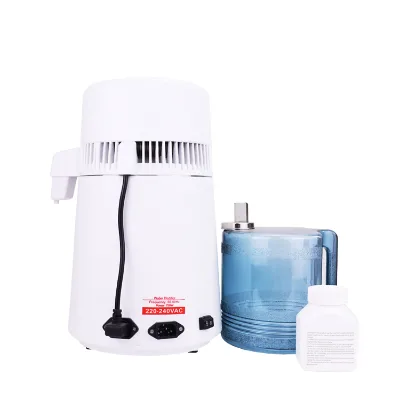
Hot Sale Manufacturer Sales 4L/6L Dental Clinic /Home Use Stainless Steel Water Distiller
$50.00 - $63.00
MOQ: 1 sets

- Trading Company,Manufacturer/Factory
- China Shandong
- Lead time0 days
- Avg. response≤ 7h
Main productsTourniquet, Nonwoven Consumables, Surgical Suture, Bandage, Ostomy Bag, Urine Bag, Cotton Wool Roll, Blood Lancet, Lab Consumable

Factory Price DIY Water Distiller Pure Water Distiller Electirc Medical Water Distiller Machine
$30.00 - $80.00
MOQ: 10 Pieces

$30.00 - $80.00
MOQ: 10 Pieces

Zhengzhou Ulike Dental Equipment Co., Ltd.
- Verified by BV
- Manufacturer/Factory
- China Henan
- Lead time15 days
- Avg. response≤ 2h
Main productsDental Bracket, Acrylic Resin Teeth, Dental Chair, Dental Lab Materials, Dental X Ray Machine, Dental Sterilization, Teeth Whitening Machine, Dental Restorative Materials, Dental Teaching Models, Dental Handpiece
Main marketsSouth America,Eastern Europe,Mid East,North America,Southeast Asia,Western Europe,Africa


Dental Equipment Water Distiller Machine Laboratory Stainless Steel Water Distiller
$40.00 - $59.00
MOQ: 1 Pieces

Jiangsu Jinyi Instrument Technology Company Limited
- Manufacturer
- China Jiangsu
- Lead time0 days
- Avg. response≤ 15h
Main productsElectronic Spirometer, Laboratory Centrifuge, Thermostatic Incubator Drying Oven, Testtube Heater, Votex Mixer, Speed-Adjustable Shaker, Thermostatic Shaker, Water/Oil Bath, Electric Stirrer, Hot Plate

- Verified by TUVRHEINLAND
- Trading Company,Manufacturer/Factory
- China Hunan
- Lead time38 days
- Avg. response≤ 14h
Main productsMicrocope Centrifuge Water Bath Heating Mantel, Shaker Stirrer Incubator and Oven Freezer Aas, Autoclave &Sterilizer Water Distiller pH Meter, Spectrophotometer Viscometer Balance&Scale HPLC, Lab Glassware; Electrophoresis Suction Machine, ECG Thermometer Ultrasound Scanner, Operating Table Lamp Bed Wheel Chair, Infusion Oxygen Concentrator Cylinder, X-ray Machine Hematology Analyzer, Human Models Medical Disposable
Main marketsSouth America,Eastern Europe,Mid East,North America,Southeast Asia,Eastern Asia,Oceania,Western Europe,Africa
Guangzhou Happycare Medical Equipment Co., Ltd.
- Trading Company
- Lead time旺季: "1 - 1":50,"> 1":"To be negotiated", 淡季: "1 - 1":50,"> 1":"To be negotiated"
- Avg. response≤ 3h
Main productsChemistry Analyzer, Hematology Analyzer, Ultrasound Scanner, Dental X Ray, X Ray Machine
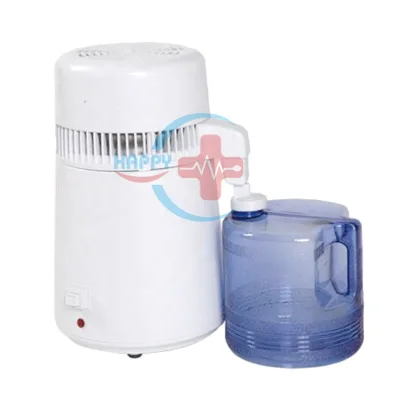
HC-L043 Hospital Water Distillator 6L Medical Laboratory Water Distiller
$115.00 - $140.00
MOQ: 1 Minimum
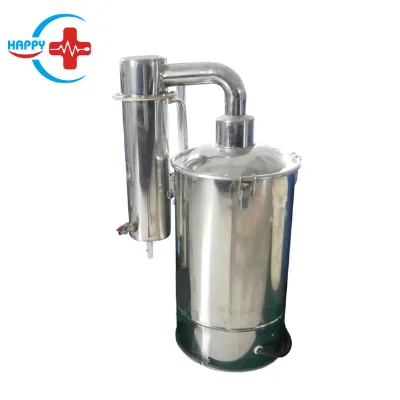
$150.00 - $250.00
MOQ: 1 Minimum

Shanghai Iven Pharmatech Engineering Co., Ltd.
- Verified by SGS
- Combined
- China Shanghai
- Lead time60 days
- Avg. response≤ 3h
Main productsFilling Machine, Pharmaceutical Machine, Medical Machine, Packing Machine, Water Treatment Machine, Pharmaceutical Single Machine, Oral Solid Dosage Machine, Labeling Machine, Turn-Key Project, Blood Collection Tube Machine
Main marketsAfrica,Southeast Asia/ Mideast,Europe,North America


$50000.00 - $250000.00
MOQ: 1 Pieces

Pharmaceutical Multi-Effect Water Distiller for Water Treatment System Manufacturer
$50000.00 - $450000.00
MOQ: 1 Pieces

Laboratory Pharmaceutical Electric Water Distiller & High Automatic Water Distillation Machine
$50000.00 - $250000.00
MOQ: 1 Pieces
Qingdao Careluck Medical Technology Co., Ltd.
- Trading Company
- Shandong, China
- Lead time7 days
- Avg. response≤ 6h
Main productsmedical consumables,medical equipments,surgical products,lab consumables,lab equipments
Main marketsEastern Asia(20.00%), Africa(20.00%), South Asia(20.00%), Western Europe(20.00%), South America(10.00%), North America(10.00%)
Henan Forever Medical Co., Ltd.
- Trading Company
- Lead time旺季: "1 - 1":7,"> 1":"To be negotiated", 淡季: "1 - 1":7,"> 1":"To be negotiated"
- Avg. response≤ 2h
Main productsUltrasound Scanner, X-ray Machine, Plasma Sterilizer, Dental Equipment, Clinical Instruments
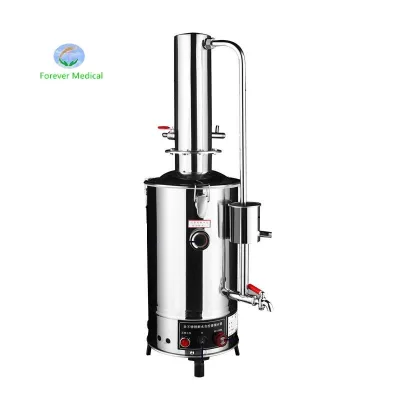
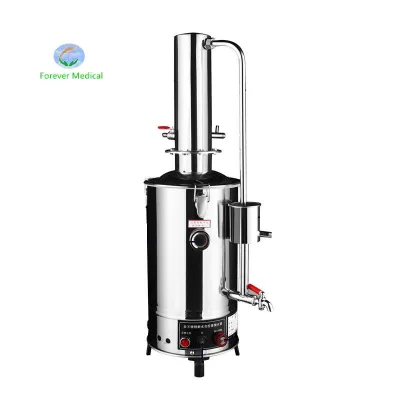
$69.7708 - $225.7261
MOQ: 1 Minimum
$153.2754 - $326.9864
MOQ: 1 Minimum
Hebei Cloud Import And Export Co., Ltd.
- Trading Company
- Hebei, China
- Lead time10 days
- Avg. response≤ 4h
Main productsAuto parts and maintenance equipment,construction machinery equipments,instrumetation,Ductile steel part,Manhole cover grating
Main marketsDomestic Market(30.00%), North America(15.00%), Northern Europe(10.00%), South America(10.00%), Southern Europe(5.00%), Western Europe(5.00%), Eastern Europe(5.00%), Mid East(5.00%), Africa(5.00%), South Asia(4.00%), Southeast Asia(3.00%), Central America(2.00%), Eastern Asia(1.00%)
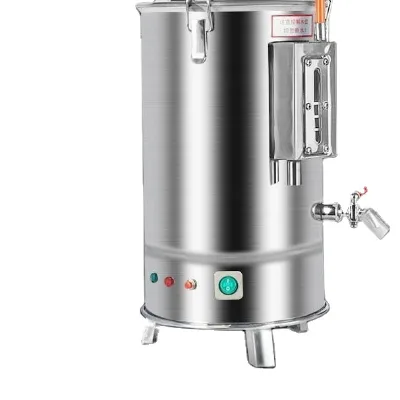
Stainless Steel Water Distillation System Lab Home Distilled Water Distiller Machine
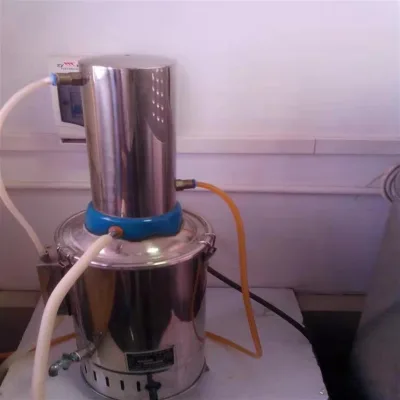
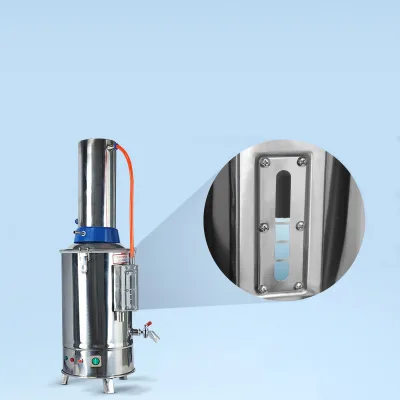
$129.0497 - $516.1958
MOQ: 1 Minimum
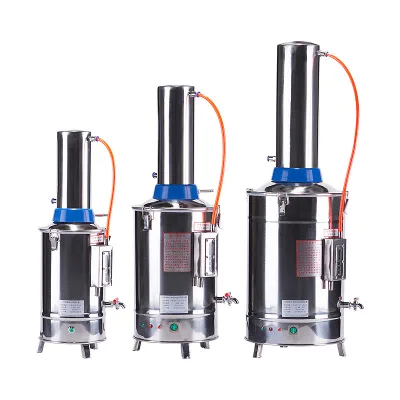
Laboratory Hospital Automatic Device 5L10L 20L Electric Distiller Distiller Distiller
$128.9613 - $515.8438
MOQ: 1 Minimum
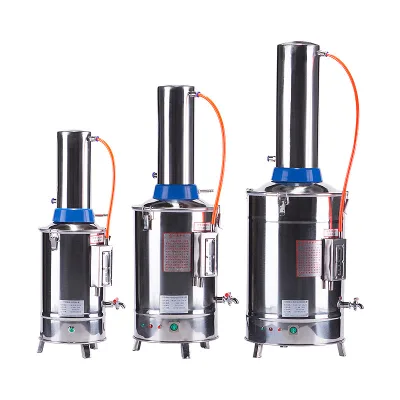
5L 10L 20L Water Distiller Stainless Steel Water Distiller With Strong Sealing Performance
$128.3412 - $513.3646
MOQ: 1 Minimum

Hebei Rongfeng Foreign Trade Co., Ltd.
- Verified by SGS
- Combined
- China Hebei
- Lead time45 days
- Avg. response≤ 16h
Main productsEthylene Oxide Sterilizer
Main marketsDomestic
Labfreez Instruments (Hunan) Co., Ltd.
- Manufacturer
- Hunan, China
- Lead time10 days
- Avg. response≤ 5h
Main productsFreeze Dryer,Bioreactor Fermenter,Thermal Analyzer,spray dryer,ultrafiltration equipments
Main marketsDomestic Market(20.00%), North America(15.00%), South Asia(15.00%), Eastern Europe(10.00%), Western Europe(10.00%), Northern Europe(5.00%), Southern Europe(5.00%), Southeast Asia(5.00%), Africa(3.00%), Mid East(3.00%), Oceania(3.00%), Eastern Asia(2.00%), South America(2.00%), Central America(2.00%)
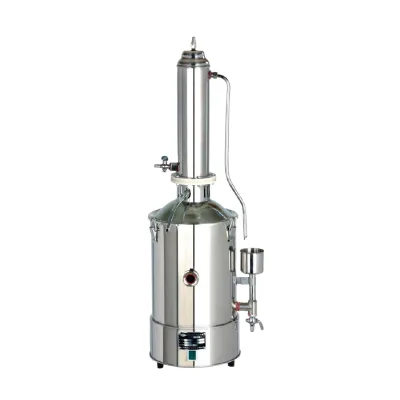
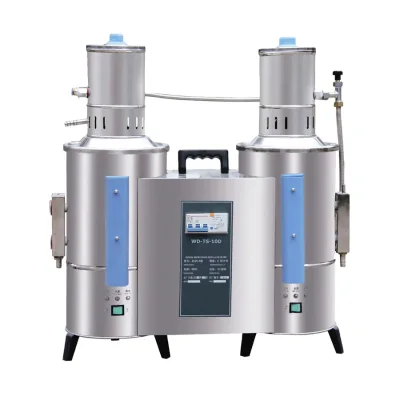
Water Distiller Machine for Making Pure Distilled Water in Laboratory and Hospital
$205.6275 - $302.2724
MOQ: 1 Minimum

Zhejiang FUXIA Medical Technology Co., Ltd.
- Verified by BV
- Combined
- China Zhejiang
- Lead time15 days
- Avg. response≤ 2h
Main productsBiosafety Cabinet, Biological Safety Cabinet, Fume Hood, Pass Box, Muffle Furnace, Air Shower, Dying Oven, Clean Bench, Laminar Flow Cabinet, Weighing Booth
Main marketsSouth America,Africa,Others(foreignTradeCapacity.exportBusinessCapacityMarketOther),Southeast Asia/ Mideast,Europe


Water Distiller for Making Pure Distilled Water in Laboratory and Hospital
$90.00 - $95.00
MOQ: 1 Pieces


Zhengzhou Eastar Instrument Equipment Co., Ltd.
- Trading Company
- Henan, China
- Lead time1 days
- Avg. response≤ 4h
Main productsLab Instrument and Equipment,Extraction Distillation Equipment,Analysis Instruments,Testing Instrument,Physical Measurement Equipment
Main marketsEastern Europe(15.00%), Southeast Asia(13.00%), Domestic Market(10.00%), South Asia(9.00%), Mid East(8.00%), Africa(8.00%), Western Europe(7.00%), North America(6.00%), Eastern Asia(5.00%), Southern Europe(5.00%), Oceania(4.00%), South America(4.00%), Central America(3.00%), Northern Europe(3.00%)
ANHUI HOUYUAN MEDICAL TECHNOLOGY CO., LTD.
- Verified by TüVRheinland
- Trading Company
- Lead time15 days
- Avg. response≤ 3h
Main productsAutoclave, Distilled Water Machine, Ultrasonic Cleaning Machine, Incubator, Freeze-Drying Machine
Main marketsAfrica(26%), Northern Europe(25%), Domestic Market(24%)
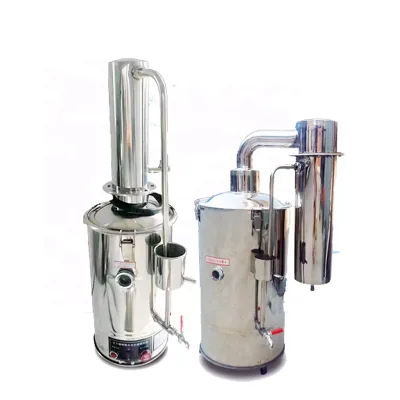
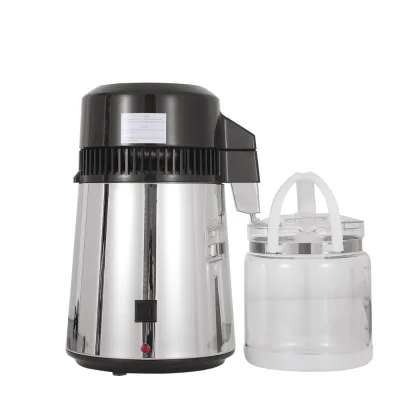
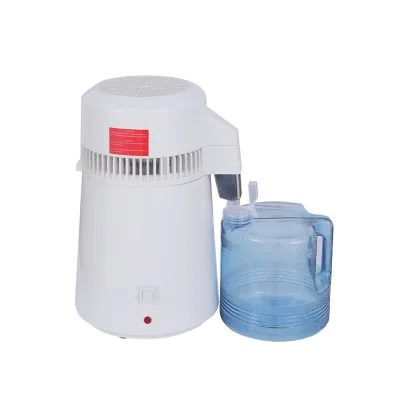
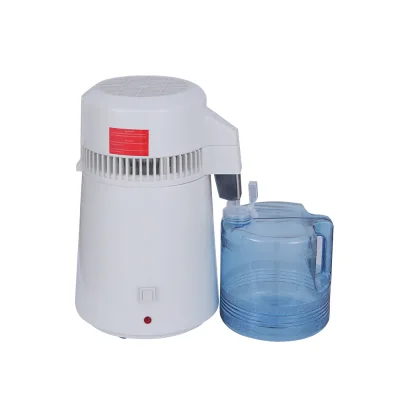
High Quality Water Distiller Steamed Water Distiller Machines for Autoclave Use
$60.00 - $63.00
MOQ: 1

Shanghai Medigrade Industry Co., Ltd.
- Verified by SGS
- Trading Company
- China Shanghai
- Lead time30 days
- Avg. response≤ 4h
Main productsLabeling Machine, Filling Machine, Packing Machine, Capping Machine
Main marketsSoutheast Asia/ Mideast,Domestic

High Efficiency Medical Multi-Effect Water Distillation Equipment Distiller
$15000.00 - $20000.00
MOQ: 1 set

High Precision Multi-Effect Distilled Water Machine Distiller for Medical
$15000.00 - $20000.00
MOQ: 1 set
Foshan Jieshuo Network Technology Co., Ltd.
- Trading Company
- Guangdong, China
- Lead time7 days
- Avg. response≤ 2h
Main productsDental Equipment,Dental Chair Accessories,Headlight And Loupes Series,Portable Dental Chair,Dental Cabinet Clinic
Main marketsDomestic Market(60.00%), North America(7.00%), Southeast Asia(7.00%), South Asia(6.00%), Mid East(6.00%), South America(3.00%), Africa(2.00%), Eastern Asia(2.00%), Northern Europe(2.00%), Eastern Europe(1.00%), Western Europe(1.00%), Southern Europe(1.00%), Oceania(1.00%), Central America(1.00%)
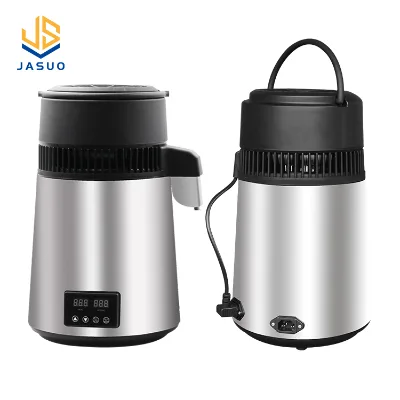
$56.4701 - $70.8449
MOQ: 1 pieces
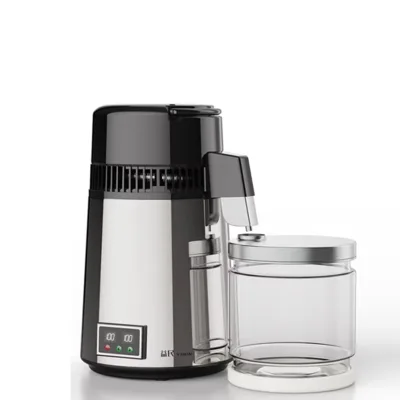
Water Distillation Machine 4L 750W Distilled Water Machine Cheap Price Dental Water Distiller
$57.0573 - $71.5804
MOQ: 1 pieces
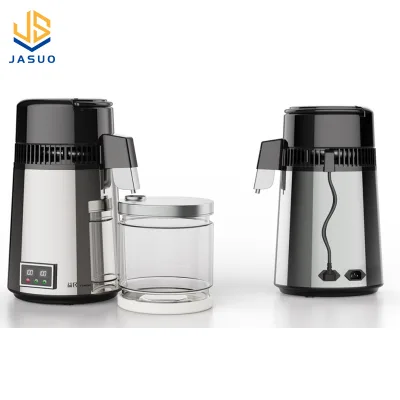
Stainless Steel 4L Small Destiller Equipment Home Dental Industrial Water Distiller
$63.0209 - $71.1535
MOQ: 1 pieces
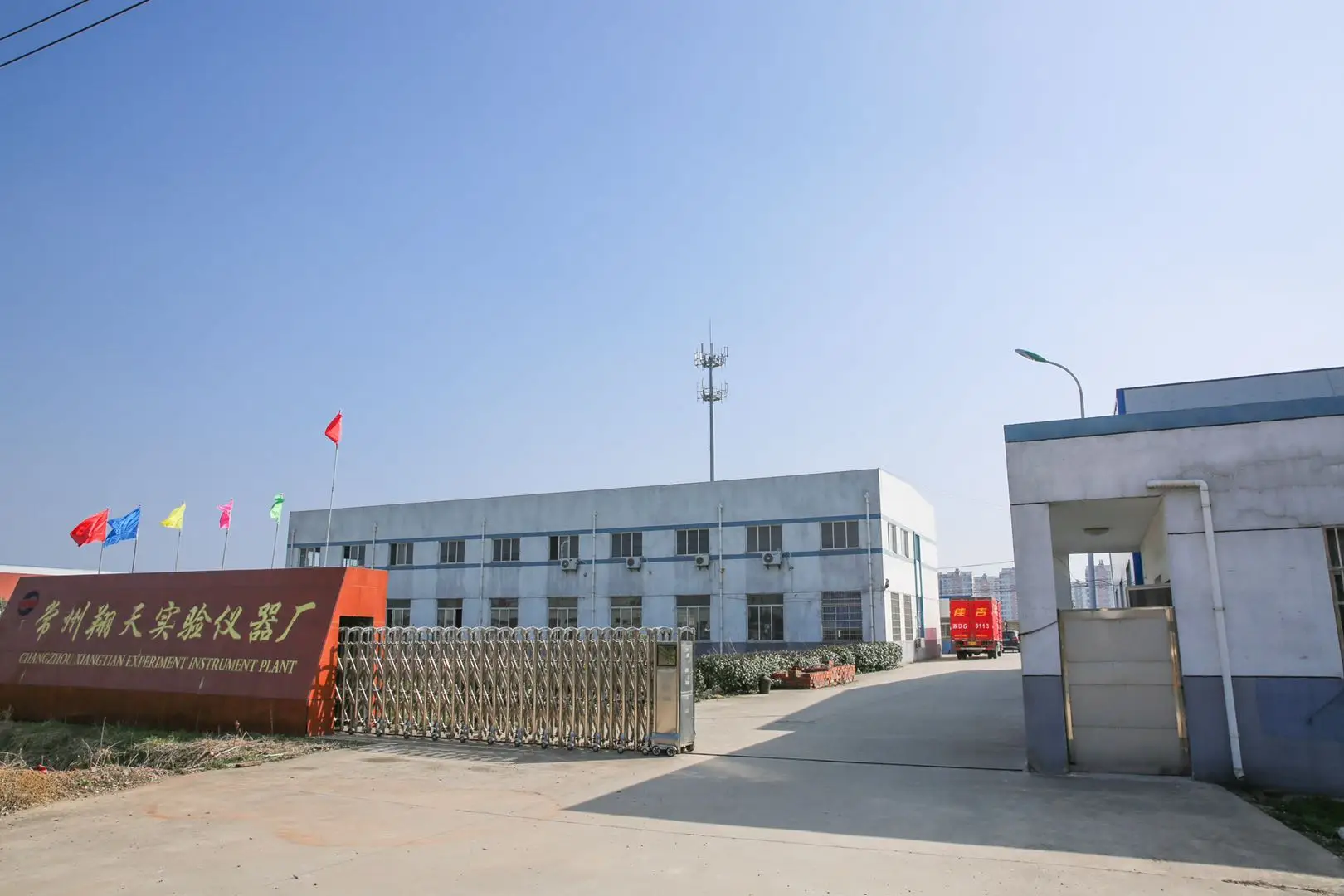
Changzhou Xiangtian Experimental Instrument Factory
- Manufacturer, Trading Company
- Jiangsu, China
- Lead time15 days
- Avg. response≤ 1h
Main productsCentrifuge,Magnetic stirrer,Digital water bath,incubator,dry oven
Main marketsAfrica(10.00%), South America(10.00%), Northern Europe(10.00%), Western Europe(8.00%), Central America(8.00%), Mid East(8.00%), Oceania(8.00%), Eastern Europe(8.00%), North America(8.00%), Southern Europe(6.00%), Eastern Asia(5.00%), Southeast Asia(5.00%), Domestic Market(3.00%), South Asia(3.00%)






Comprehensive Sourcing Guide
Medical Sterilization Water Distiller Supplier Concentration and Factory Types
Buyers searching this category will encounter two broad supplier profiles. The first is the trading company, which lists distillers alongside household appliances such as ultrasonic cleaners, nasal aspirators and cordless scissors. Trading intermediaries can simplify communication but add a layer between you and the production floor, so it is worth confirming whether they hold an exclusive agreement with a named workshop or simply resell from a catalog. The second profile is the combined manufacturer-and-trader, typically presenting autoclaves, steam sterilizers, dental equipment and laboratory devices as main products. These firms often advertise their own brand plus ODM and OEM capability, which matters if you need custom branding, modified capacity, or private-label packaging for clinical customers.
Geographically, supplied evidence in this category points to two Chinese production areas: Zhejiang and Guangdong. Guangdong appears specifically as the place of origin on several distiller listings, while Zhejiang appears as a supplier's registered location. Because the category sits at the intersection of water treatment appliances and laboratory equipment, clusters tend to form around either household-appliance manufacturing belts or dental and medical device hubs. To identify additional clusters independently, filter search results by province, note which origins recur across multiple listings, and cross-check declared origins against bill-of-lading data or factory audit reports. Never rely on a single listing's declared origin alone; verify through the supplier's business license, export records and any third-party audit documentation you commission before committing to samples or tooling.
How to Verify Medical Sterilization Water Distiller Suppliers
Start with the business-license dimension: confirm whether the entity is a pure trading company, a combined manufacturer-trader, or a factory, and reconcile that label against the main-products list. A supplier whose main products span autoclaves, sterilizers, dental equipment, steam boilers and laboratory instruments is plausibly a genuine medical-equipment manufacturer, whereas a supplier listing distillers among unrelated consumer gadgets deserves a closer look at where production actually happens. Check establishment year and, where displayed, system-certification status; one supplier in this category shows an "Others" system certification rather than a recognizable scheme, which means you should ask exactly which certificates they hold and request copies rather than assuming compliance.
Then verify the product itself. Listings in this category declare CE certification on some models but not others, and warranty claims vary from one year to free spare parts with online support after warranty. Ask for the certificate number, the notified-body name and the scope — a CE mark on a household appliance category does not automatically cover a medical-use claim. Request material certificates for the stainless-steel grade (listings declare SUS304 or stainless steel 304), electrical safety reports for the declared 220–240V or 120V power configurations, and water-quality test results for the distillate. Finally, test responsiveness objectively: response-time indicators in this category range from under two hours to around four hours, so log your own reply times during the inquiry stage and treat sustained slow responses as a signal about future after-sales support.
What to Compare Across Medical Sterilization Water Distiller Suppliers
Build a comparison sheet around the attributes actually displayed. On lead time, one supplier in this category declares tiered production times of roughly ten days for a single unit, fifteen days for quantities up to ten, and negotiation beyond that, in both peak and off-peak seasons, while another declares a flat fifteen days. Normalizing these into a per-order timeline is essential because your pilot order of one unit and your reorder of fifty will follow different paths. On MOQ, at least one listing declares a minimum order of one unit, which is unusually favorable for validation purchases — but confirm whether unit pricing at MOQ matches the quoted range, which in current listings runs roughly from the mid-fifties to the high-nineties USD per unit depending on model.
Compare technical declarations side by side: capacity (one listing declares 4L per run; another declares 1.5L per hour output), power (750W versus 800W variants), flow-rate figures, materials, packaging dimensions and gross weights, which drive freight cost. Note that some listings declare applications spanning household, hotel, commercial and dental-clinic use — clarify which use case the seller is actually engineering for. Compare response speed, customization availability (one supplier explicitly declares customization available), warranty terms, after-sales service scope, and whether local service locations are declared. Do not assume every supplier displays every attribute; where a field is blank, ask directly and record the answer as a stated commitment in your contract, not as an inherited listing claim.
Common Medical Sterilization Water Distiller Sourcing Risks
The most common risk is certification ambiguity. Because listings in this category declare CE certification inconsistently, and because one supplier's system certification is recorded only as "Others," buyers can easily assume compliance that has not been demonstrated. If your application is genuinely medical sterilization rather than household water pre-filtration — which is how several listings categorize these units — the regulatory requirements in your market may exceed what a household-appliance CE declaration covers. A related risk is application mismatch: purchasing a unit marketed for household use and deploying it in a clinic, then discovering the warranty excludes commercial or clinical operation.
Second, beware of specification drift between listing and shipment. Declared materials vary between SUS304 stainless steel and ABS outer construction; gross weights range from about 6kg to 10.5kg; packaging dimensions differ across models. If you do not lock these details into a confirmed sample and a signed specification sheet, substitutions are possible. Third, after-sales exposure: some listings explicitly declare no after-sales service provided, while others offer free spare parts or online support. Fourth, capacity misinterpretation — a declared flow rate of 1200 GPD on one listing coexists with a 4L stated capacity on another, figures that describe very different operating profiles; clarify what the number means in practice. Finally, treat trading-company risk seriously: if the intermediary disappears, your warranty and spare-parts chain may collapse. Mitigate by identifying the underlying factory, signing a tripartite or directly enforceable agreement, and keeping escrow or platform-protected payment rather than direct transfer on first orders.
Medical Sterilization Water Distiller Regional Sourcing and Logistics
The confirmed production locations in this category are Guangdong and Zhejiang, China. Guangdong is declared as the place of origin on multiple distiller listings and is a major export province with dense forwarding capacity, frequent sailings to North America, Europe and Southeast Asia, and well-developed consolidation services for mixed appliance cargo. Zhejiang appears as a supplier's registered base and similarly offers mature export infrastructure. Sourcing from either province gives you access to established ocean-freight lanes; the practical difference lies in the specific port of loading, inland trucking cost to that port, and the supplier's familiarity with export documentation for electrical appliances.
Logistics planning should start from the declared package data: single-item packing, package sizes around 30–50cm per dimension, and gross weights between roughly 6 and 10.5 kilograms per unit. At MOQ of one unit, air freight or express courier is usually rational despite the weight; at tens of units, LCL sea freight becomes viable; at container scale, calculate how many cartons fit a 20-foot or 40-foot load using the declared packing dimensions. Confirm voltage compatibility before shipping — listings declare both 220–240V/50Hz and 120V configurations, and shipping the wrong voltage to your market creates returns and safety liability. Ask whether the supplier has exported to your region before, request a sample packing list from a prior shipment, and verify who handles export clearance, certificates of origin, and any destination-market electrical or water-contact material declarations.
Medical Sterilization Water Distiller Commercial Terms and Order Planning
Structure your commercial engagement in stages. Use the low declared MOQ — one supplier lists a minimum of one unit — to order validation samples from two or three shortlisted suppliers, paying through escrow or platform-protected channels where available. Benchmark sample price against the listed ranges, which currently span roughly USD 56 to 98 per unit across models; treat any quote far below that band as a prompt to re-verify materials and certification rather than a bargain. After sample approval, negotiate a pilot order in the two-to-ten-unit tier, where the declared lead time of about fifteen days applies, then scale with negotiated timelines for larger quantities. One supplier explicitly declares peak-season and off-season tiers as identical, but others may shift; confirm seasonal lead-time behavior in writing before a Q4 or pre-summer order.
Lock commercial terms in a proforma invoice covering: exact model number (listings show specific model identifiers), material grade, power configuration, capacity, packaging, warranty duration (one year is commonly declared), after-sales scope, spare-parts availability, customization or silk-screen logo options where declared, and Incoterms. Clarify price validity, since listed prices are often tiered by quantity. Plan payment as a deposit with balance against inspection or bill-of-lading copy for larger orders, retaining escrow for early transactions. Finally, schedule reorders against the declared fifteen-day production windows plus freight time, and maintain a spare-parts buffer — especially heating elements and gaskets — given that some suppliers declare only online support after the warranty period expires.
FAQs
What is the price range for medical water distillers?
Prices typically range from approximately $56 to $98 per unit. The final cost depends on specific features such as capacity, material quality, and power requirements. Buyers should verify exact pricing with suppliers based on order volume and customization needs.
What certifications do these distillers usually have?
Many models carry CE certification for compliance with European standards. Some products also list specific material grades like SUS304 stainless steel for durability. Buyers should request valid certification documents directly from the supplier to ensure the equipment meets local regulatory requirements.
What is the typical lead time for orders?
Lead times generally range from 10 to 15 days depending on order quantity. Peak seasons may require negotiation for longer periods, while smaller orders often ship within ten days. Buyers should confirm specific delivery schedules with the supplier before placing an order.
What is the minimum order quantity for these units?
The minimum order quantity is often set at just one unit, allowing for easy sampling or small-scale procurement. This low MOQ facilitates testing product quality before committing to larger bulk purchases. Buyers should verify if bulk discounts apply for higher volumes.
What warranty is provided for medical water distillers?
Most suppliers offer a one-year warranty covering manufacturing defects and functional issues. Some providers also include free spare parts or online support during the warranty period. Buyers should clarify the specific warranty terms and after-sales service details with the supplier.
Where are these distillers typically manufactured?
These units are primarily manufactured in Guangdong, China, with some suppliers located in Zhejiang. The region is known for producing stainless steel appliances and medical equipment. Buyers should verify the exact place of origin to ensure quality standards and logistics efficiency.