Source Anklebone Rectification Board for Hospital, Clinic, Home
Find 30 Anklebone Rectification Board options from verified Chinese suppliers. Compare specifications, prices, and MOQs for hospital, clinic, and home applications to find the right fit for your needs; compare the available evidence and request quotations based on your requirements.
Updated
Key considerations
Products List
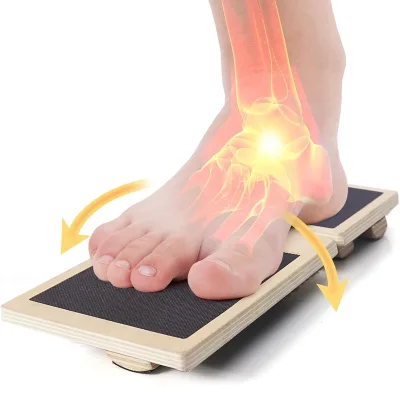
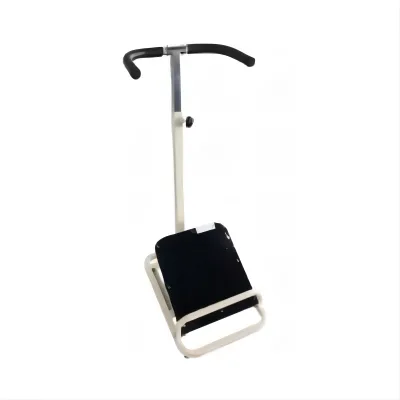
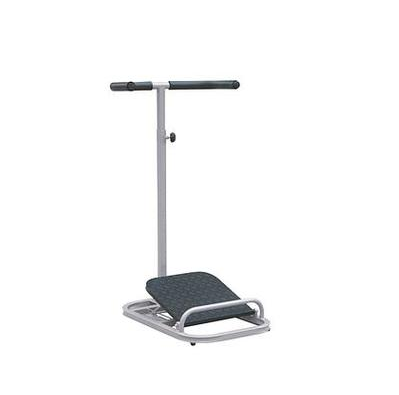
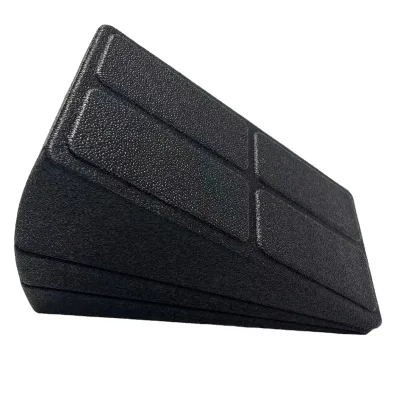
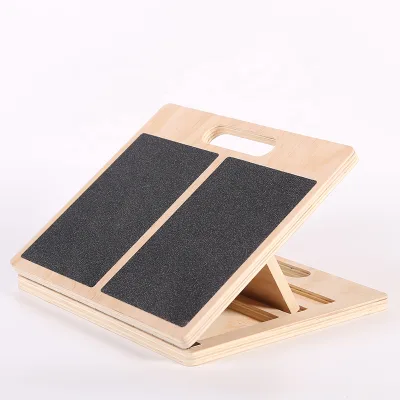
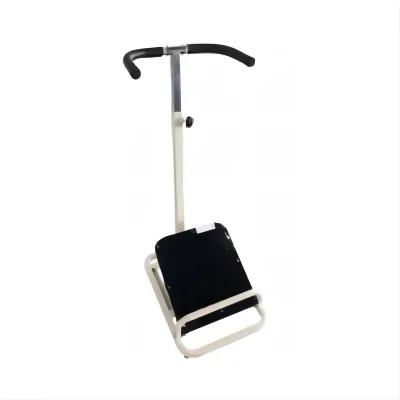
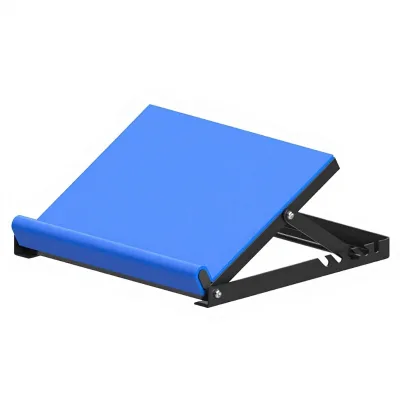
EU-HGJ-03-2 Anklebone Rectification Board Physiotherapy Equipment Foot Exercise Machine
$55.0658 - $64.2441
MOQ: 1 pieces
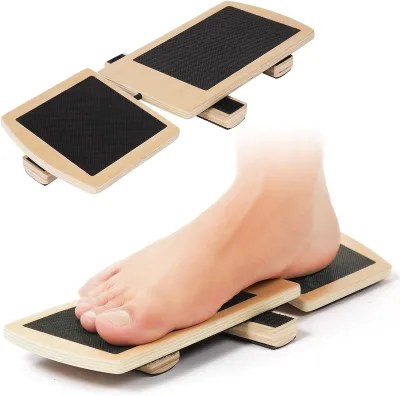


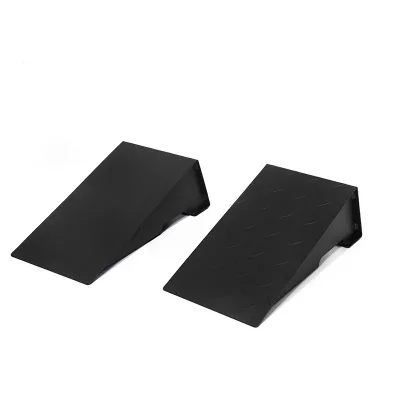
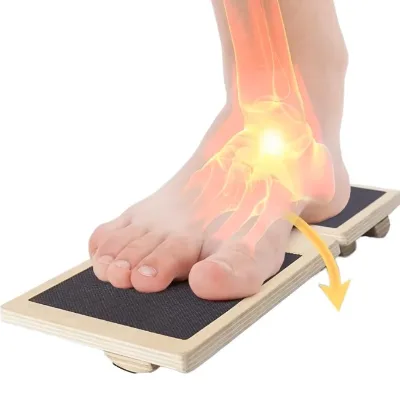
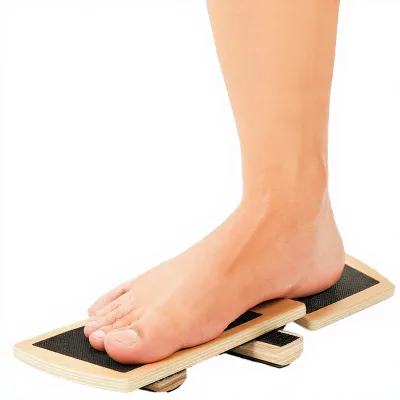


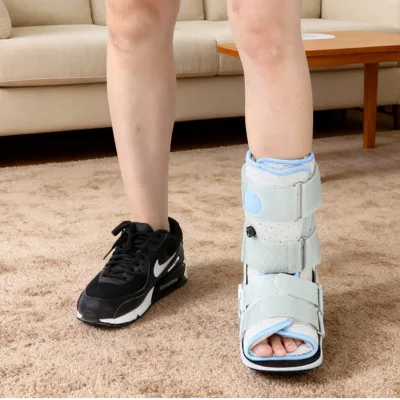
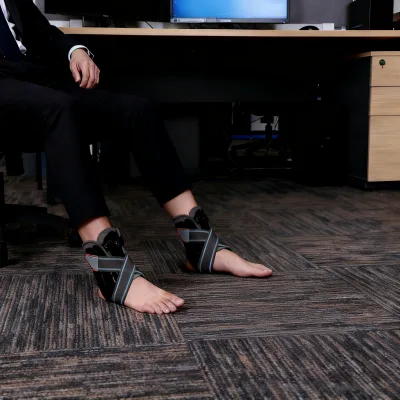
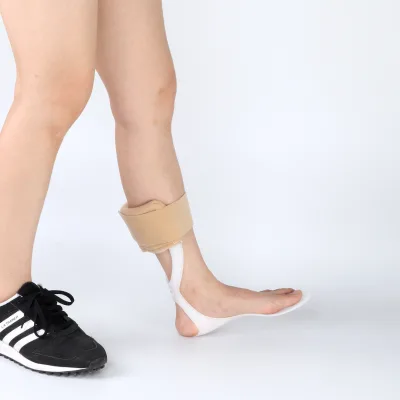
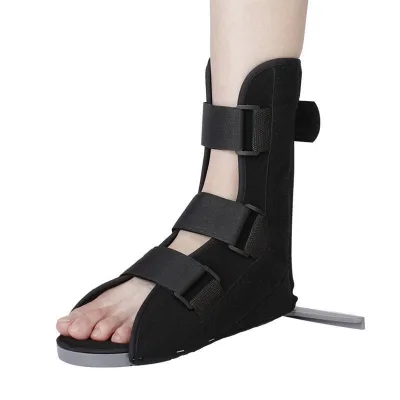
Ankle Bone Fixation Clip, Aluminum Plate Fixation Strap, Ankle Protection
$2.10 - $2.40
MOQ: 1000 Pieces



Comprehensive Sourcing Guide
Anklebone Rectification Board Sourcing Guide
Procuring specialized orthopedic and rehabilitation equipment requires a disciplined approach to verifying supplier capabilities and product authenticity. The market for anklebone rectification boards is fragmented, with listings often conflating distinct product types such as wooden muscle relaxation apparatuses, metal correction boards, and foam-based slant boards. Buyers must navigate this complexity by focusing on precise model numbers and material specifications rather than generic keywords. This guide provides a structured framework for evaluating suppliers, ensuring that the selected equipment meets clinical or commercial standards without relying on unverified marketing claims.
Successful sourcing begins with a clear definition of the end-use environment, whether it is a hospital, clinic, or home setting. The observed product landscape includes items ranging from heavy-duty metal structures to lightweight polyethylene foam tools, each serving different therapeutic functions. By aligning procurement goals with specific technical attributes, buyers can avoid mismatches between supplier offerings and clinical requirements. This guide emphasizes evidence-based verification steps to help procurement teams identify reliable partners and secure products that deliver consistent performance and safety.
Product Scope and Observed Listing Signals
The current market presents a diverse array of products under the broad category of anklebone rectification, including wooden muscle relaxation apparatuses and metal correction boards. One observed listing identifies a wooden model with the specification S1663, originating from China, while another highlights a metal-based unit, model EU-HGJ-03-2, branded by Eusokon. These distinct material compositions suggest varying applications, with wooden units potentially serving as general relaxation tools and metal boards offering structural support for rectification. Buyers must carefully distinguish between these variants to ensure the selected product aligns with specific therapeutic protocols.
Additional listings introduce foam-based alternatives, such as the Cloudoo Sports EPP slant board and the GET POWER wobble board, which cater to fitness and body stretching needs. These products, characterized by lightweight materials and customizable colors, differ significantly from the heavier, clinical-grade metal or wooden boards. The presence of OEM availability and customized logo options indicates a strong B2B focus, allowing buyers to brand equipment for private label distribution. Understanding these material and functional distinctions is crucial for selecting the appropriate product type for either clinical rehabilitation or general fitness applications.
Technical Specifications to Verify
Verifying physical dimensions and weight is essential for logistics planning and clinical suitability. The metal Anklebone Rectification Board, model EU-HGJ-03-2, has a substantial single gross weight of 80.0 kg and a packing size of 100x100x80 cm, indicating it is designed for stationary, heavy-duty use in professional settings. In contrast, the EPP slant board weighs only 1.000 kg with a compact package size of 15x15x15 cm, making it suitable for portable or home-based use. Buyers must confirm these specifications to ensure the equipment fits within their facility’s space constraints and handling capabilities.
Material composition and structural integrity are critical factors that influence durability and safety. The metal board is certified by SGS, suggesting adherence to specific quality standards, while the wooden model lacks explicit certification details in the observed data. Additionally, the foam-based slant boards offer customizable sizes and colors, which may be important for branding or user preference. Buyers should request detailed material certificates and structural test reports to verify that the product can withstand repeated use without compromising safety or performance, particularly for metal and wooden variants intended for clinical environments.
Compliance and Safety Documentation
Safety certifications are a primary indicator of product reliability, particularly for equipment used in medical or therapeutic contexts. The metal Anklebone Rectification Board explicitly lists SGS certification, which buyers should verify to ensure compliance with relevant international safety standards. This certification provides assurance that the product has undergone rigorous testing for structural integrity and material safety. Buyers must request copies of these certificates and confirm their validity with the issuing body to mitigate risks associated with equipment failure or non-compliance in regulated healthcare environments.
Warranty and after-sales support are equally important for long-term operational continuity. The metal board offers a one-year warranty and online technical support, which are valuable resources for troubleshooting and maintenance. Buyers should clarify the scope of the warranty, including coverage for parts and labor, and assess the responsiveness of the supplier’s technical support team. For products without explicit warranty information, such as some wooden or foam variants, buyers should negotiate clear terms regarding defect replacement and repair services to protect their investment and ensure uninterrupted service delivery.
Cost Drivers and Commercial Terms
Pricing and minimum order quantities (MOQ) vary significantly based on material, complexity, and supplier scale. The observed price range spans from $0.21 to $65, reflecting the diversity from simple foam accessories to complex metal apparatuses. MOQs also differ, with some suppliers requiring as few as one piece, while others mandate orders of 50 or 300 pieces. Buyers must align their order volume with their distribution strategy, considering whether they are purchasing for direct clinical use or for resale. Understanding these commercial terms helps in budgeting accurately and negotiating favorable payment conditions.
Lead times and shipping options are critical for supply chain planning. Sample availability is noted for several products, with sample times ranging from three to seven working days, allowing buyers to evaluate quality before committing to large orders. Delivery times for bulk orders are typically around fifteen days, but buyers should confirm this with the supplier to account for potential delays. Additionally, the acceptability of various shipping methods should be discussed to optimize freight costs and ensure timely delivery, especially for heavy items like the 80 kg metal board that may require specialized logistics.
Supplier Qualification and Quality Control
Supplier location and brand reputation provide initial insights into reliability and manufacturing capabilities. Most observed products originate from China, with specific mentions of Shanghai and Jiangsu provinces, indicating established manufacturing hubs for this type of equipment. Brands such as Eusokon, Cloudoo Sports, and GET POWER suggest a mix of specialized medical suppliers and general fitness equipment manufacturers. Buyers should conduct due diligence on these brands, verifying their business licenses and production history to ensure they are legitimate entities capable of meeting quality and delivery commitments.
Quality control processes should be rigorously assessed to prevent defects and ensure consistency. Buyers should inquire about the supplier’s internal quality assurance protocols, including inspection stages during production and final pre-shipment checks. For products with OEM capabilities, such as the GET POWER slant board, buyers should confirm the supplier’s ability to maintain brand integrity and product specifications during customization. Establishing clear quality benchmarks and communication channels with the supplier is essential for maintaining high standards and addressing any issues that may arise during the procurement process.
Long-Term Procurement Checks
Establishing a robust supplier relationship requires ongoing monitoring and performance evaluation. Buyers should track key performance indicators such as on-time delivery rates, product defect rates, and responsiveness to after-sales support. Regular audits or periodic quality checks can help identify potential issues early and ensure that the supplier continues to meet agreed-upon standards. For long-term contracts, buyers should negotiate terms that allow for periodic reviews and adjustments based on performance data, fostering a collaborative partnership that benefits both parties.
Market trends and product evolution should be monitored to ensure the procurement strategy remains relevant. As new materials or designs emerge, buyers should stay informed about innovations that could enhance product performance or reduce costs. Engaging with suppliers to discuss future product developments can provide insights into upcoming trends and opportunities for collaboration. By maintaining a proactive approach to supplier management and market analysis, buyers can secure a reliable supply of high-quality anklebone rectification boards that meet their evolving needs.
FAQs
What materials are used for anklebone rectification boards?
Manufacturers typically use metal or wooden materials for these devices. Some suppliers offer EPP foam options for lighter weight. The choice depends on durability needs and application settings. Metal versions often include SGS certification for quality assurance. Wooden variants provide a traditional aesthetic for clinic environments. Buyers should verify material specifications before placing bulk orders.
Can I get custom logos on these boards?
Yes, many suppliers provide customized logo services for bulk purchases. This OEM option allows brands to display their identity on the equipment. Customization is often available for metal and wooden models. Buyers should confirm logo placement and color options with the vendor. This service supports brand visibility in hospital or home care settings. Minimum order quantities usually apply for personalized branding requests.
What is the typical MOQ for these products?
Minimum order quantities vary significantly by supplier and model. Some vendors accept orders as low as one piece for samples. Others require fifty pieces or more for standard metal boards. Wooden models may have different thresholds depending on production capacity. Buyers should check specific product pages for exact MOQ requirements. Negotiating lower MOQs is possible for established business relationships.
How long is the delivery time for orders?
Delivery times generally range from fifteen days to several weeks. Sample production often takes three to five working days. Bulk manufacturing depends on order volume and factory schedules. Suppliers in China typically list specific lead times for each model. Buyers should confirm shipping methods to estimate total transit time. Early communication with vendors helps ensure timely project completion.
Which certifications are available for these rectification boards?
SGS certification is commonly available for metal anklebone rectification boards. This certification ensures the product meets specific quality and safety standards. Buyers should request certification documents before finalizing purchases. Not all materials or models may carry this specific certification. Verifying compliance helps ensure suitability for hospital or clinic use. Always confirm current certification status with the supplier directly.
What warranty is provided for these medical devices?
Many suppliers offer a one-year warranty for their products. This coverage typically applies to manufacturing defects and material faults. Buyers should review warranty terms for specific model numbers. Online technical support is often included for troubleshooting assistance. Extended warranty options may be available for additional costs. Clear warranty policies protect buyers during the initial usage period.