Source Marine Diesel Engine Turbocharger for Marine, Land, Trailer
Compare 30 verified Marine Diesel Engine Turbocharger options from Chinese suppliers. Buyers can evaluate specifications like cooling methods, horsepower, and warranty terms for marine, land, and trailer applications. Detailed data includes bore stroke dimensions, displacement, and installation methods for various uses.
Updated
Key considerations
Products List


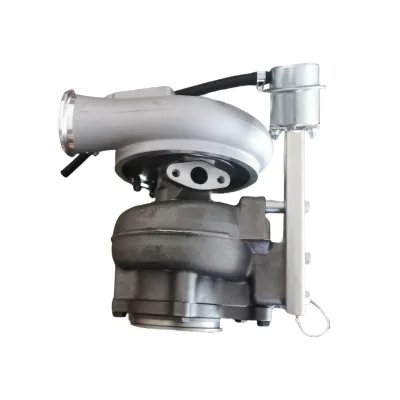
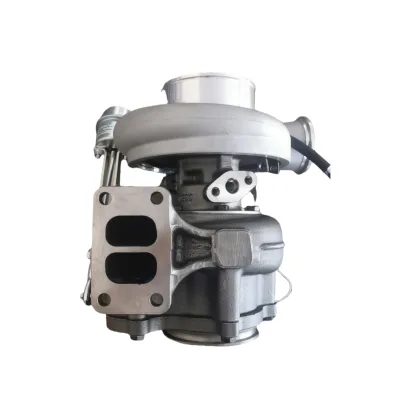
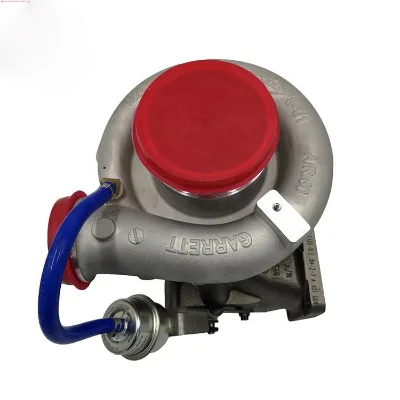
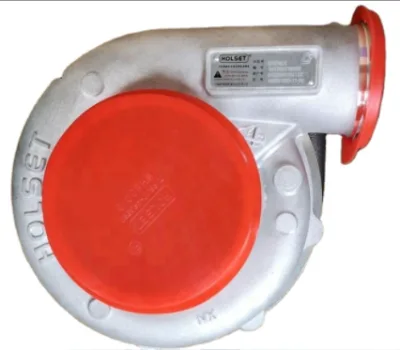
Genuine Original Turbocharger for Marine Diesel Engines and Equipment
$200.00 - $500.00
MOQ: 20 Pieces
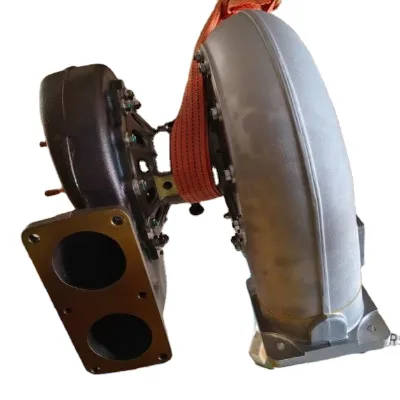
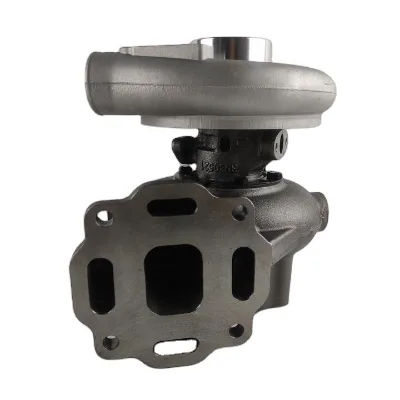


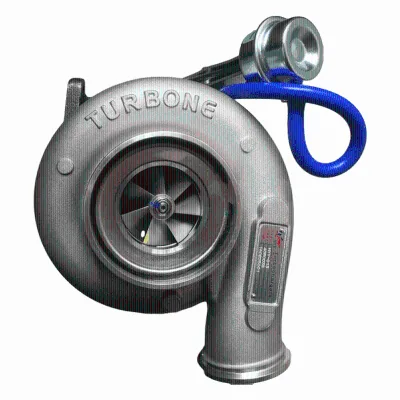
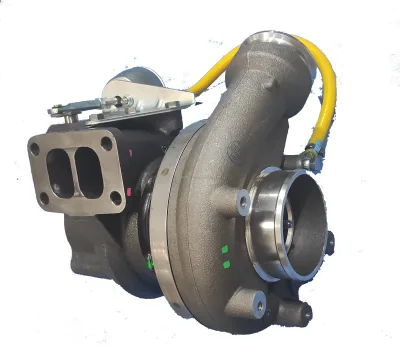
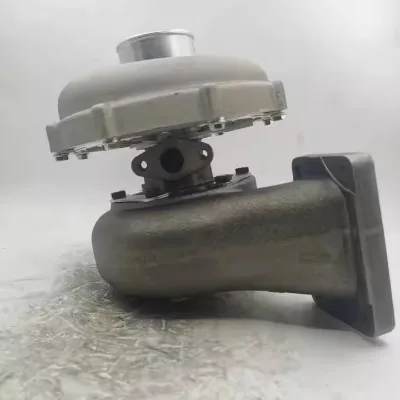
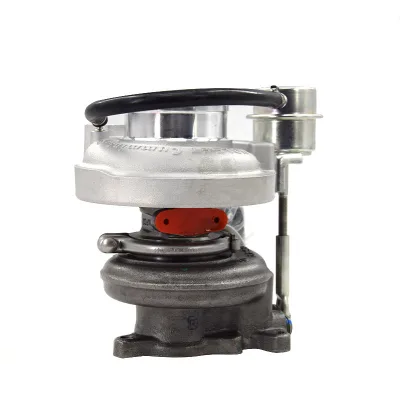
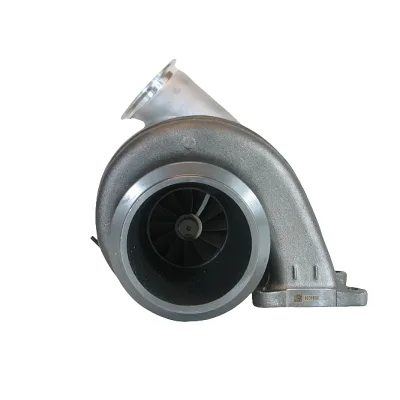

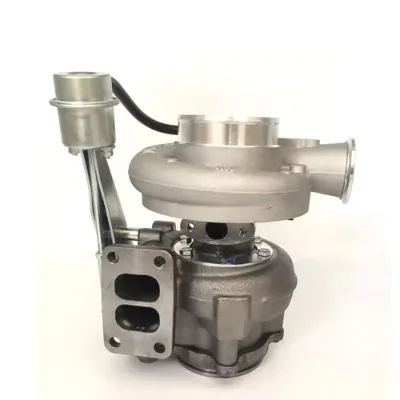
Vtr304 Turbocharger&Parts Marine Diesel Engine Parts Ab B Turbocharger Parts
$38400.00 - $38500.00
MOQ: 1 Pieces




Comprehensive Sourcing Guide
Marine Diesel Engine Turbocharger Sourcing Guide
Procuring marine diesel engine turbochargers requires a disciplined approach to aligning component specifications with the operational demands of marine propulsion and auxiliary power systems. Buyers must recognize that turbochargers are critical for enhancing engine efficiency, yet they are rarely sold as standalone items in isolation from the broader engine assembly. The supplied data indicates a market presence for genuine water-cooled marine diesel engines, often configured as four-stroke, compression-ignition units with L-shaped cylinder arrangements. This context suggests that sourcing a turbocharger is intrinsically linked to the specific engine model, such as the NT855-C or 226LB.26.00 variants observed in listings. Consequently, the primary buyer decision involves verifying compatibility between the turbocharger’s airflow characteristics and the engine’s displacement, which is noted as 3.9L in some observed configurations.
Furthermore, the procurement strategy must account for the diverse installation methods and usage conditions prevalent in the marine sector. Listings reveal engines designed for land use, marine applications, trailer types, and car types, indicating that the turbocharger must withstand varying environmental stresses. The observed products are often marketed with warranties ranging from one year to three to six months, which serves as a baseline indicator of supplier confidence but should not replace rigorous technical verification. Buyers should prioritize components that support the specific aspiration method, whether naturally aspirated or supercharged, as this directly impacts the turbocharger’s design requirements. Understanding these foundational attributes ensures that the selected turbocharger integrates seamlessly with the engine’s reciprocating piston movement and direct injection combustion type.
Product Scope and Observed Listing Signals
The current market landscape for marine diesel engine components reveals a wide spectrum of product offerings, with observed prices ranging from 79 to 38,500 USD. This broad range reflects the disparity between minor auxiliary parts and complete engine assemblies, necessitating careful filtering to isolate turbocharger-specific listings. Minimum order quantities (MOQ) are typically observed between 1 and 20 units, suggesting that buyers can procure single units for replacement or small batches for fleet maintenance without excessive inventory commitment. The presence of customization options in several listings indicates that suppliers may offer tailored solutions for specific engine modifications or performance upgrades. Buyers should leverage this flexibility to request detailed technical drawings or performance curves that match their vessel’s specific power requirements.
Color variations such as white, grey, and red are observed across different product listings, which may indicate different coating treatments or manufacturer branding rather than functional differences. However, the packing methods provide more substantive insights into handling and protection standards. Products are described as being packed in wooden cases, plywood packages, or boxed and crated formats, often palletized for shipment. This variability underscores the importance of verifying packaging integrity to prevent damage during transit, especially for precision-engineered components like turbochargers. The observation of "Required" packing conditions in some listings highlights that proper crating is not optional but a critical logistical requirement for maintaining component integrity upon arrival.
Technical Specifications to Verify
Verifying the technical specifications of a Marine Diesel Engine Turbocharger is paramount to ensuring optimal engine performance and longevity. Buyers must confirm the cooling method, as water-cooled systems are observed in the supplied data and are essential for managing the extreme thermal loads generated by turbocharging. The bore and stroke dimensions, such as the observed 102 mm by 120 mm, provide critical reference points for matching the turbocharger to the engine’s cylinder geometry. Additionally, the speed characteristics, including low-speed and specific RPM ratings like 2200 rpm, must align with the engine’s operational profile. Mismatched speed ratings can lead to inefficient boost pressure management, increased wear, and potential engine damage under load.
The aspiration type, whether naturally aspirated, supercharged, or turbocharged, dictates the fundamental design of the intake system and the turbocharger’s role within it. Buyers should verify the combustion type, with direct injection being a common observation, as this influences the exhaust gas energy available to drive the turbine. The number of cylinders, often observed as four-cylinder configurations, affects the exhaust pulse frequency and the required turbocharger response time. Furthermore, the engine type, described as vertical in-liner or four-stroke, provides context for the physical orientation and mounting requirements of the turbocharger. Ensuring that these mechanical attributes are precisely matched prevents installation errors and ensures that the turbocharger operates within its designed efficiency map.
Compliance and Safety Documentation
Compliance with international standards is a non-negotiable aspect of sourcing marine diesel engine components. The supplied data frequently references CE and ISO certifications, which serve as baseline indicators of manufacturing quality and regulatory adherence. Buyers must verify that the turbocharger and its associated engine components carry valid CE marks, ensuring they meet European safety, health, and environmental protection requirements. Similarly, ISO certification indicates that the supplier follows standardized quality management processes, which is crucial for maintaining consistency in component performance. These certifications provide a layer of assurance that the product has undergone rigorous testing and meets established industry benchmarks for reliability and safety.
Beyond certifications, buyers should request detailed documentation regarding the warranty terms and quality assurances provided by the supplier. Observed warranty periods range from one year to three to six months, which varies significantly across listings. Buyers must clarify whether the warranty covers both parts and labor, and what specific conditions might void the coverage, such as improper installation or use of non-OEM fluids. The condition of the products is consistently listed as "New," but buyers should insist on proof of origin and manufacturing date to avoid receiving refurbished or aged stock. Ensuring that all documentation is complete and verifiable protects the buyer from liability and ensures that the marine vessel remains compliant with maritime safety regulations.
Cost Drivers and Commercial Terms
Understanding the cost drivers associated with marine diesel engine turbochargers helps buyers negotiate better commercial terms and avoid unexpected expenses. The observed price range of 79 to 38,500 USD suggests that costs are heavily influenced by the scope of the purchase, whether it is a single component or a complete engine assembly. Buyers should analyze the cost breakdown to identify whether pricing includes taxes, shipping, and insurance, as these factors can significantly impact the total landed cost. The delivery time, observed as 12 working days in some listings, is another critical commercial term that affects inventory planning and vessel downtime. Buyers must confirm whether this lead time is standard or subject to change based on order volume or customization requirements.
Payment terms and warranty support are also key components of the commercial agreement. Buyers should negotiate clear payment schedules that align with production milestones or delivery dates to mitigate financial risk. The availability of customization options may incur additional costs, so buyers must request detailed quotes that itemize these charges. Additionally, the quality of the product, often described as "High Quality" in listings, should be backed by tangible performance guarantees rather than subjective claims. Buyers should seek suppliers who offer transparent pricing structures and flexible commercial terms that accommodate the specific logistical and financial needs of their procurement process.
Supplier Qualification and Quality Control
Supplier qualification is a critical step in ensuring the reliability of marine diesel engine turbochargers. Buyers should verify the supplier’s place of origin, with Shandong, China, being a common location observed in the data. While this provides geographical context, buyers must conduct deeper due diligence to assess the supplier’s manufacturing capabilities and quality control processes. Requesting evidence of past performance, such as references from other marine clients or case studies, can provide valuable insights into the supplier’s reliability. Buyers should also inquire about the supplier’s ability to provide technical support and after-sales service, which are essential for maintaining engine performance over time.
Quality control measures should be explicitly defined in the procurement contract. Buyers should request inspection reports or third-party verification of the turbocharger’s specifications before shipment. The observed packing methods, including wooden cases and palletized crates, should be evaluated for their ability to protect the component during transit. Buyers should also verify the supplier’s adherence to the stated standards, such as CE and ISO, through independent audits or certification checks. By prioritizing suppliers with robust quality control systems and transparent operational practices, buyers can minimize the risk of receiving defective components and ensure the long-term reliability of their marine diesel engines.
Long-Term Procurement Checks
Long-term procurement success depends on establishing ongoing relationships with suppliers who can consistently deliver high-quality marine diesel engine components. Buyers should implement regular performance reviews to assess the reliability of the turbochargers and the responsiveness of the supplier. Monitoring key performance indicators, such as delivery times, defect rates, and warranty claim frequencies, can help identify potential issues early. Buyers should also stay informed about technological advancements in turbocharger design and engine efficiency, as these developments may impact future procurement decisions. By maintaining a proactive approach to supplier management, buyers can ensure that their marine vessels remain competitive and efficient in the long run.
Additionally, buyers should consider the availability of spare parts and the ease of maintenance when selecting suppliers. The observed usage conditions, including land use, marine applications, and trailer types, suggest that versatility is a valuable attribute. Buyers should verify that the supplier can provide compatible spare parts and technical documentation for future maintenance needs. Establishing a clear communication channel with the supplier for technical queries and support can also enhance the procurement experience. By focusing on long-term partnership and continuous improvement, buyers can secure a reliable supply chain for their marine diesel engine turbochargers and other critical components.
FAQs
What is the cooling method for this marine diesel engine?
The engine uses water cooling as its primary method. This design ensures stable operation under continuous load conditions typical for marine applications. The system is compatible with both land and marine usage scenarios, providing reliable thermal management for the diesel engine components.
Can I customize the specifications of this diesel engine?
Customization is available for this product to meet specific operational needs. Buyers can request adjustments to fit unique requirements while maintaining the core diesel engine structure. This flexibility allows for tailored solutions without compromising the standard quality and performance expectations of the unit.
Which certifications does this engine meet for international use?
The engine meets CE and ISO standards for international compliance. These certifications ensure the product adheres to recognized safety and quality benchmarks. Buyers can rely on these documented standards when sourcing for projects requiring verified engineering specifications and regulatory adherence in various global markets.
How long is the delivery time for this engine model?
The standard delivery time is 12 working days from order confirmation. This lead time applies to the production and preparation of the unit for shipment. Buyers should plan their procurement schedules accordingly to ensure timely arrival at the destination port or facility.
What is the warranty period for this marine diesel engine?
The warranty period ranges from 3 to 6 months depending on the specific unit configuration. Some listings also indicate a one-year warranty option for extended coverage. This protection covers manufacturing defects and ensures reliability for the initial operational phase of the engine.
How is the engine packaged for safe transportation?
The engine is packed in a wooden case or plywood package for protection. This robust packaging ensures the unit remains secure during transit across various logistics channels. The packing method is designed to prevent damage and maintain the integrity of the engine components until delivery.