Source Modified New Design Alloy Wheels for SUVs, Trucks, and Off-Road
Compare 30 listings of Modified New Design Alloy Wheels featuring various finishes like black and chrome, materials including aluminum and alloy, and certifications such as ISO and TUV. Buyers can evaluate sizes from 12 to 26 inches and customization options for specific vehicle needs.
Updated
Key considerations
Products List

$30.00 - $80.00
MOQ: 60 Pieces


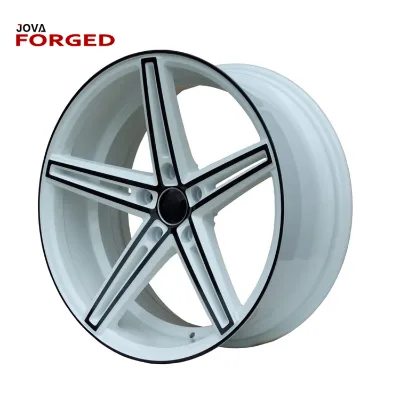
Custom Made White Color Wheels Aftermarket Wheels 19 X 8.5 Tires and Wheels 19 X 10
$275.1594 - $287.4797
MOQ: 20 pieces


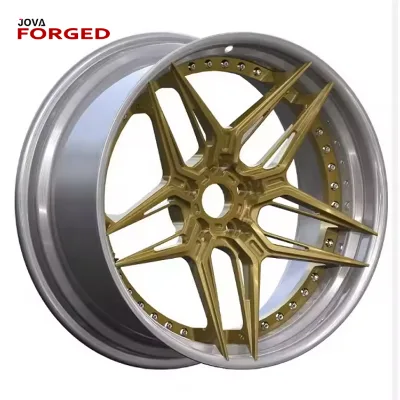
Durable Forged Aluminium Alloy Wheels for Enhanced Performance and Style
$160.00 - $290.00
MOQ: 4 Pieces


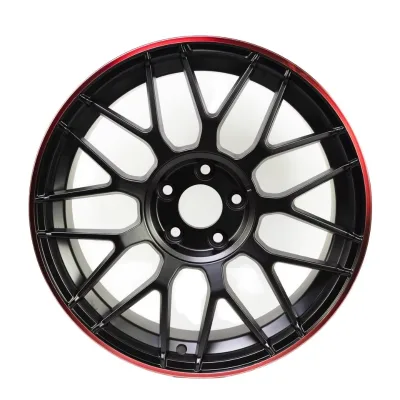
Comprehensive Sourcing Guide
Modified New Design Alloy Wheels Sourcing Guide
Sourcing Modified New Design Alloy Wheels requires a disciplined approach to balancing aesthetic customization with structural integrity. Buyers must recognize that "modified" often implies aftermarket adaptations or replica styles, which introduces specific verification challenges regarding fitment and load ratings. The observed market data indicates a wide range of diameters from 12 to 26 inches, suggesting that procurement strategies must be tailored to specific vehicle classes, from compact cars to heavy-duty 4x4 applications. Understanding the distinction between standard OEM replacements and custom aftermarket designs is critical for defining accurate technical requirements.
Procurement teams should prioritize suppliers who offer transparent customization capabilities, as indicated by the availability of custom sizes and finishes. The presence of attributes such as "Customization Available Size" and various finishing options like black or chrome suggests that buyers can tailor products to specific brand identities or vehicle modifications. However, this flexibility requires rigorous quality control to ensure that aesthetic changes do not compromise the wheel's mechanical performance. Establishing clear communication channels for design specifications early in the sourcing process helps prevent mismatches between expected and delivered products.
Product Scope and Observed Listing Signals
The current market landscape for alloy wheels includes a diverse array of product types, primarily categorized as rims, wheel hubs, and complete wheel assemblies. Listings frequently highlight specific design elements such as equal diameter spokes, flat spokes, and replica styles, which appeal to buyers seeking aesthetic upgrades. The material composition is predominantly aluminum or alloy, with manufacturing processes ranging from casting to flow forming and forging. These variations directly impact the weight, strength, and price point of the final product, requiring buyers to align their selection with the intended vehicle performance requirements.
Observed listing signals also reveal significant variability in packaging and logistics details, which are crucial for supply chain planning. Products are typically packed in carton boxes or standard exporting cartons, with dimensions varying based on wheel size and design complexity. Some listings specify packing standards such as 45x45x55cm or 480x480x225mm, providing buyers with concrete data for calculating freight costs and warehouse storage needs. Additionally, the availability of wheel accessories like covers and spokes indicates that suppliers may offer bundled solutions, which can simplify the procurement process for complete wheel sets.
Technical Specifications to Verify
Verifying technical specifications is paramount when sourcing modified alloy wheels, particularly regarding dimensional accuracy and fitment parameters. Buyers must confirm critical measurements such as the wheel hub diameter, which ranges from 16 to 20 inches in observed listings, and the overall wheel diameter, which spans from 12 to 26 inches. The Pitch Circle Diameter (PCD) is another vital specification, with observed values including 100 mm, 114.3 mm, 120 mm, and 139.7 mm, among others. Ensuring that the selected wheel matches the vehicle's PCD and bolt pattern is essential to prevent installation failures and safety hazards.
Beyond dimensions, the manufacturing method and material quality must be rigorously assessed to ensure durability and performance. Listings indicate options for casting, forging, and flow forming, each offering distinct advantages in terms of strength-to-weight ratio and cost. Buyers should request detailed material certifications and test reports to verify that the alloy composition meets industry standards for tensile strength and fatigue resistance. Additionally, verifying the finishing process, whether black, chrome, or customized, is important for ensuring corrosion resistance and long-term aesthetic appeal under various environmental conditions.
Compliance and Safety Documentation
Compliance with international safety and quality standards is non-negotiable when sourcing alloy wheels for global markets. Observed certifications include ISO, TUV, VIA, DOT, CE, JWE, and SFI, indicating that reputable suppliers adhere to rigorous testing protocols for structural integrity and safety. Buyers must verify that the specific wheel models they intend to purchase hold the relevant certifications for their target markets, as regulatory requirements vary significantly between regions such as North America, Europe, and Asia. Documentation should be current and issued by accredited bodies to ensure legal compliance and market acceptance.
In addition to certifications, buyers should request detailed test reports that validate the wheel's performance under stress conditions. These reports typically include radial fatigue, cornering fatigue, and impact tests, which are critical for assessing the wheel's ability to withstand real-world driving conditions. Suppliers who provide comprehensive documentation demonstrate a commitment to quality and transparency, reducing the risk of product failures and liability issues. It is also advisable to confirm that the manufacturing process aligns with the claimed standards, ensuring that the final product matches the certified specifications.
Cost Drivers and Commercial Terms
Understanding the cost drivers associated with alloy wheels is essential for effective budgeting and negotiation. Key factors influencing price include the manufacturing process, material quality, wheel diameter, and the complexity of the design. Forged wheels, for instance, are typically more expensive than cast wheels due to the higher precision and strength they offer. Additionally, custom finishes, unique spoke designs, and specialized packaging can add to the overall cost. Buyers should analyze these variables to determine the most cost-effective solution that meets their performance and aesthetic requirements.
Commercial terms such as Minimum Order Quantity (MOQ), lead times, and payment conditions also play a significant role in the procurement process. Observed MOQs range from 1 to 400 units, offering flexibility for both small-scale and large-volume buyers. Lead times vary depending on stock availability, with some suppliers offering delivery within 7 days for in-stock items and 20-40 days for custom orders. Buyers should negotiate clear terms regarding production schedules, shipping responsibilities, and return policies to mitigate supply chain risks and ensure timely delivery of their orders.
Supplier Qualification and Quality Control
Supplier qualification is a critical step in ensuring the reliability and consistency of alloy wheel supplies. Buyers should conduct thorough due diligence to verify the supplier's manufacturing capabilities, quality management systems, and track record. This includes assessing their production facilities, equipment, and workforce expertise, as well as reviewing their history of compliance with international standards. Suppliers who invest in advanced manufacturing technologies and rigorous quality control processes are more likely to deliver high-quality products that meet buyer expectations.
Implementing a robust quality control plan is essential to maintain product consistency and minimize defects. Buyers should establish clear acceptance criteria and inspection protocols, including pre-production samples, in-process inspections, and final random inspections. Third-party inspection services can provide an objective assessment of product quality and compliance with specifications. Additionally, maintaining open communication with suppliers regarding any quality issues and implementing corrective actions promptly helps to build a strong, long-term partnership and ensures continuous improvement in product quality.
Long-Term Procurement Checks
Long-term procurement success depends on establishing mechanisms for continuous monitoring and evaluation of supplier performance. Buyers should regularly review key performance indicators such as on-time delivery rates, product quality metrics, and responsiveness to issues. This data-driven approach allows for proactive identification of potential problems and facilitates informed decision-making regarding supplier relationships. Regular audits and performance reviews help to ensure that suppliers maintain their commitment to quality and compliance over time.
Furthermore, buyers should stay informed about industry trends, technological advancements, and regulatory changes that may impact the alloy wheel market. This includes monitoring developments in manufacturing processes, material innovations, and safety standards. By staying ahead of these changes, buyers can adapt their sourcing strategies to leverage new opportunities and mitigate emerging risks. Building a resilient supply chain requires a proactive approach to supplier management and a commitment to continuous improvement in all aspects of the procurement process.
FAQs
What certifications are available for Modified New Design Alloy Wheels?
Certifications include ISO, TUV, VIA, DOT, CE, JWE, and SFI depending on the specific product model. Buyers should verify the exact certification list for their target market, as options vary by manufacturer and wheel type. These standards ensure compliance with international safety and quality requirements for automotive components.
Can I customize the size and design of these alloy wheels?
Yes, customization is available for size, color, and specifications. Sizes range from 12 to 26 inches, with options for custom PCD and hub diameters. Manufacturers offer casting, forged, or flow forming processes, allowing buyers to tailor the wheels to specific vehicle requirements and aesthetic preferences.
What is the typical delivery time for these wheels?
Delivery time is 7 days if items are in stock, otherwise it takes 20 to 40 days after receiving the order. Some custom orders may require up to 30 working days. Buyers should confirm stock availability and lead times with suppliers before placing orders to ensure timely project completion.
What is the minimum order quantity for alloy wheels?
The minimum order quantity ranges from 1 to 400 units, depending on the supplier and product specifications. Some vendors require a MOQ of 4 units for certain models. Buyers should check specific supplier requirements to determine the feasible order volume for their procurement needs.
How are the alloy wheels packaged for shipping?
Packaging typically includes normal carton boxes or standard exporting cartons with dimensions like 45x45x55cm or 480x480x225mm. Some suppliers use specific carton packing methods to ensure safety during transit. Buyers should verify packaging details to protect the wheels from damage during international shipping.
What materials and finishes are used for these wheels?
Materials include aluminum and alloy, with finishes such as black, chrome, silver, or hyper black. The wheels are manufactured using casting, forged, or flow forming techniques. Buyers can select from various designs, including replica, aftermarket, and 4x4 alloy wheels, to match their specific application needs.