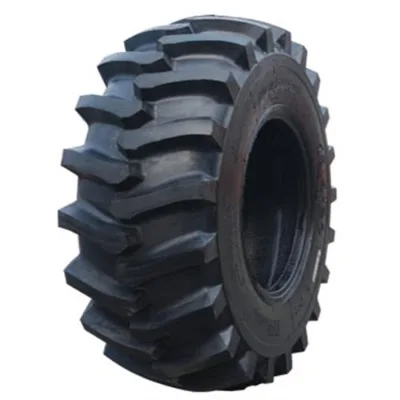
R1 Pattern Forestry Tire Suppliers and Manufacturers
Source R1 Pattern Forestry Tire options from 25 verified suppliers in Shandong, China. Compare key dimensions including lead times, MOQs, and response speeds to identify suitable partners. Contact suppliers directly to request quotes and verify production capabilities; review the available evidence before requesting comparable quotations from suitable candidates.
Updated
Suppliers List
Shandong Yongsheng Rubber Group Co., Ltd.
- Manufacturer, Trading Company
- Shandong, China
- Lead time15 days
- Avg. response≤ 10h
Main productsTruck Tyre,Car Tyre,OTR Tyre,Agriculture Tyre,Tube
Main marketsEastern Europe(20.00%), Southern Europe(10.00%), Northern Europe(10.00%), Africa(10.00%), Western Europe(10.00%), North America(10.00%), South America(10.00%), Mid East(7.00%), Southeast Asia(5.00%), South Asia(2.00%), Eastern Asia(2.00%), Oceania(2.00%), Central America(2.00%)

- Verified by CTI
- Trading Company
- China Shandong
- Lead time23 days
- Avg. response≤ 1h
Main productsTires, Tyres, Tyre, Truck Tires, Truck Tyres, Truck Tire, Truck Tyre, Pneus, Neumaticos, Llantas
Main marketsDomestic

Shandong Acura Group Co., Ltd.
- Verified by BV
- Trading Company,Manufacturer/Factory
- China Shandong
- Lead time15 days
- Avg. response≤ 7h
Main productsChinese Truck Bus Tire TBR Tyre, Car Tire PCR Passenger Tire, TBR, Agricultural Tire Agr Tyre, OTR Tire, Industrial Tire, PCR, Wheel Rim, Auto Parts, off Road Tire
Main marketsSouth America,Eastern Europe,Mid East,North America,Southeast Asia,Western Europe,Africa


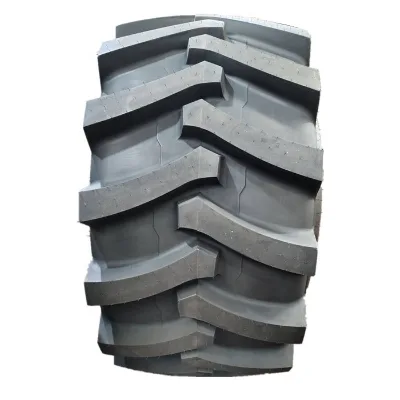
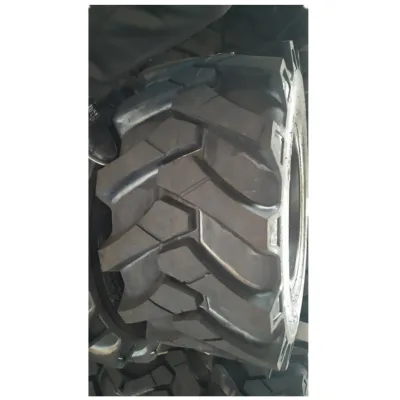
Nylon Agricultural Tire Farm Tractor Tire Forestry Tire 28L-26 30.5L-32 R1 Pattern
$200.00 - $300.00
MOQ: 1 Pieces

Agricultural Tire Farm Tire Tractor Tire Harvest Tire 14.9-26 14.9-28 R1 Pattern
$80.00 - $100.00
MOQ: 1 Pieces


Qingdao Aotai Rubber Co., Ltd.
- Trading Company
- Shandong, China
- Lead time25 days
- Avg. response≤ 11h
Main productsotr tire,Industrial tire,Agricultural tire,Forklift tire,Solid tire
Main marketsDomestic Market(49.00%), South America(12.00%), Africa(8.00%), Southeast Asia(6.00%), North America(5.00%), Mid East(5.00%), Central America(4.00%), Eastern Europe(4.00%), Western Europe(3.00%), Oceania(2.00%), Eastern Asia(1.00%), Northern Europe(0.30%), Southern Europe(0.20%), South Asia(0.10%)
$2300.00

Qingdao Greenmaster Industrial Co., Ltd.
- Verified by BV
- Trading Company
- China Shandong
- Lead time15 days
- Avg. response≤ 13h
Main productsTruck and Bus Tyre, off The Road Tyre, Agriculture Tyre, Alloy and Steel Wheel, Motorcycle Tyre, Car Battery, Car Tyre, Passenger Car Tire, PCR, Alloy Wheel
Main marketsSouth America,Africa,Southeast Asia/ Mideast,Europe,Australia,North America

Qingdao Lulstone Tires Co., Ltd.
- Verified by TUVRHEINLAND
- Trading Company
- China Shandong
- Lead time15 days
- Avg. response≤ 5h
Main productsTruck Tyre, OTR Tires, Agricultural Tires, Skidsteer Tires, Industrial Tires, Irrigation Tires, Paddyfield High Tread Tires, All Steel Radia Tires, Bus Tires, Forklift Tires
Main marketsEurope

Forestry Tire Agricultural Tyre 23.1-26 23.1-30 18.4-34 18.4-30 16.9-34 16.9-30 R2 Tractor Tire
$407.88 - $1684.05
MOQ: 30 Pieces


Qingdao Atera Industrial Co., Ltd.
- Manufacturer, Trading Company
- Shandong, China
- Lead time0 days
- Avg. response≤ 2h
Main productsPCR Tires,TBR Tires,Motorcycle Tires,Bicycle Tires,Tire Studs
Main marketsSouth Asia(10.00%), Southern Europe(10.00%), Central America(10.00%), Eastern Asia(10.00%), Mid East(10.00%), Oceania(10.00%), Africa(10.00%), Southeast Asia(10.00%), Eastern Europe(10.00%), South America(10.00%)

- Verified by BV
- Trading Company
- China Shandong
- Lead time45 days
- Avg. response≤ 7h
Main productsOTR Tyre, Agriculture Tyres, Industrial Tyres, All Steel Radialotr Tyres, Wheel Rim
Main marketsSouth America,Africa,Southeast Asia/ Mideast,East Asia(Japan/ South Korea),Europe,Australia

Agricultural Tractor Tire Forestry Tires V Tractor Tires Agricultural Tractor
$180.00 - $195.00
MOQ: 5 Pieces

Wholesale Tiller Tire Forestry Tires 13.6-38 Agricultural Tractor Tire
$181.00 - $186.00
MOQ: 95 Pieces

15.5-38 Tractor Tire Tractor Tyre 23.1-30 Price Tire 16.9-34 Forestry Tires 18/4/34
$180.00 - $195.00
MOQ: 5 Pieces
Gaomi Luyuan Tyre Sales Co., Ltd.
- Verified by TüVRheinland
- Trading Company
- Lead time30 days
- Avg. response≤ 9h
Main productsTire
Main marketsSouth America(10%), Eastern Asia(10%), North America(8%)
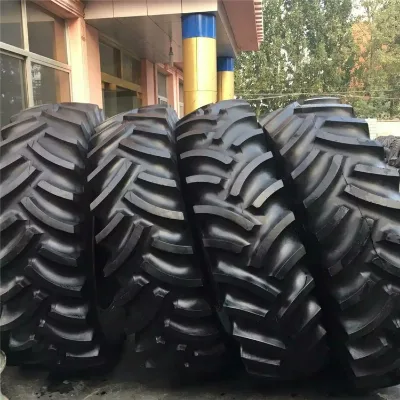
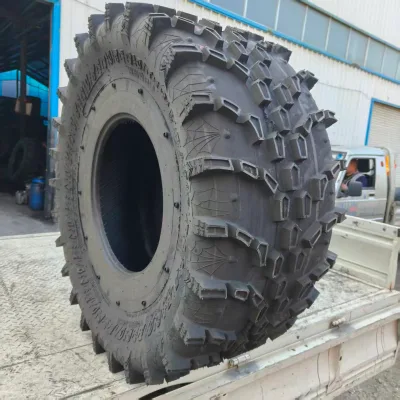
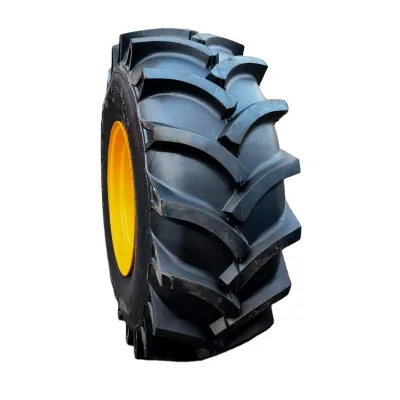
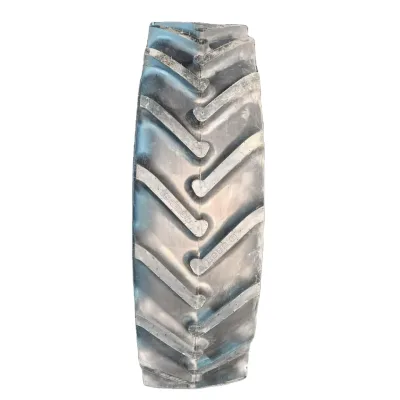
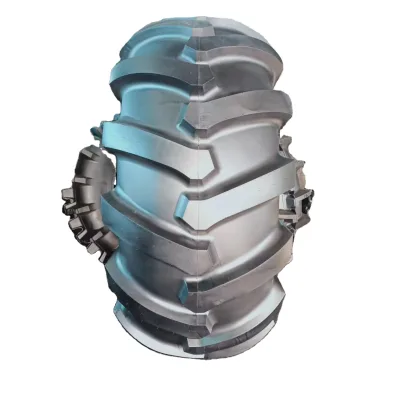
Oem Agricultural Tires 15.5R38 Special Radial Tyres 15.5R38 Agricultural for Forestry Tire Harvester
$201.457 - $211.7887
MOQ: 10 sets
- Manufacturer
- Shandong, China
- Lead time20 days
- Avg. response≤ 8h
Main productsTire,Tyre,RADIAL OTR TIRE,RADIAL AGRCULTURAL TIRE,OTR TIRE
Main marketsOceania(17.98%), Mid East(10.00%), Central America(10.00%), Africa(10.00%), Eastern Asia(10.00%), South Asia(10.00%), South America(10.00%), Southeast Asia(6.32%), Western Europe(5.02%), North America(5.00%), Domestic Market(2.16%), Northern Europe(1.64%), Southern Europe(1.19%), Eastern Europe(0.69%)

- Trading Company
- Shandong, China
- Lead time10 days
- Avg. response≤ 4h
Main productsTyre
Main marketsAfrica(25.00%), South America(19.00%), Western Europe(15.00%), North America(11.00%), Southeast Asia(10.00%), Mid East(5.00%), Eastern Europe(3.00%), South Asia(2.00%), Southern Europe(2.00%), Northern Europe(2.00%), Central America(2.00%), Eastern Asia(2.00%), Oceania(2.00%)

QingDao TP Range Int'L Co., Ltd.
- Verified by SGS
- Trading Company,Manufacturer/Factory,Other
- China Shandong
- Lead time15 days
- Avg. response≤ 8h
Main productsPCR Tire, OTR Tyre, TBR Radial Truck Tires, Agr Agricultural Tire, Spacer Bands Producing, Forestry Tire, Mobile Home Tailer Rim Producing, 4X4 Tires, Trucks Machinery, Forged Aluminum Wheels
Main marketsSouth America,Eastern Europe,Mid East,North America,Southeast Asia,Eastern Asia,Oceania,Western Europe,Africa

Qingdao Qizhou Rubber Co., Ltd.
- Manufacturer/Factory
- China Shandong
- Lead time15 days
- Avg. response≤ 9h
Main productsTire, Radial Truck Tire, OTR Tire, Truck Tire, Agricultural Tire, OTR Tyre, Agricultural Tyre, Industrial Tyre, Tyre, Forestry Tyre
Main marketsSouth America,Eastern Europe,Mid East,North America,Southeast Asia,Eastern Asia,Oceania,Western Europe,Africa

Heavy-Duty Forestry Tire for Efficient Logging Operations and Machinery (FOREST MASTER)
$435.00 - $700.00
MOQ: 10 Pieces


- Trading Company
- Shandong, China
- Lead time15 days
- Avg. response≤ 9h
Main productstyre,tire,tyre rim,wheel,tyre tube
Main marketsSoutheast Asia(25.67%), Africa(18.95%), Central America(11.88%), South Asia(8.76%), South America(8.66%), Mid East(6.20%), Oceania(5.98%), North America(3.45%), Western Europe(2.44%), Eastern Asia(2.33%), Eastern Europe(2.26%), Northern Europe(1.80%), Southern Europe(1.62%)
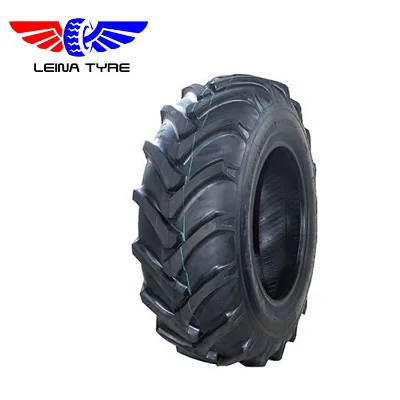
China Factory Agricultural Tire 8.30-20 with Pattern R1 for Irrigation Tyre
$133.00 - $135.00
MOQ: 30 pieces
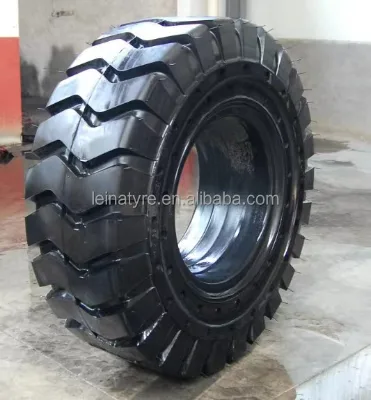
15.5-25 Tractor Tyre Pattern E3/L3 (W1/W2) for Harvester in Farm and Forest Bias Agricultural Tire
$167.1948 - $196.6994
MOQ: 1 pieces
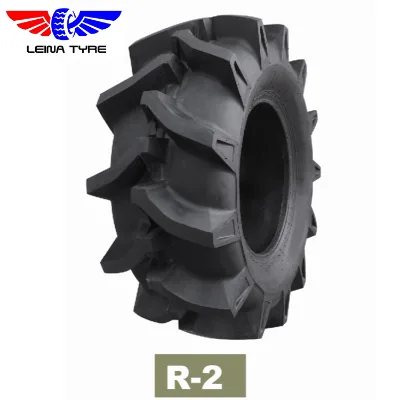
Leina Brand Advanced Forestry Tire 19.5L-24 Paddy Field Irrigation Tire
$480.00 - $500.00
MOQ: 20 pieces
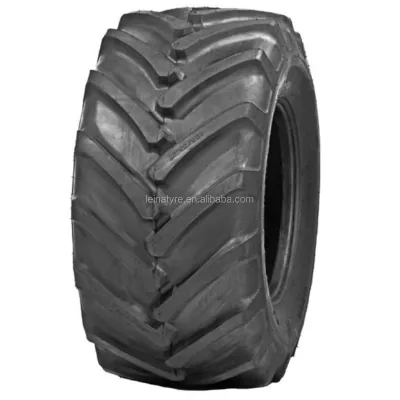
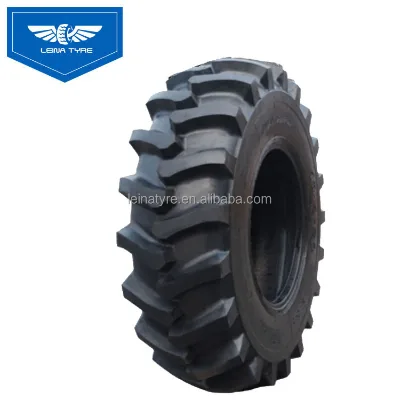
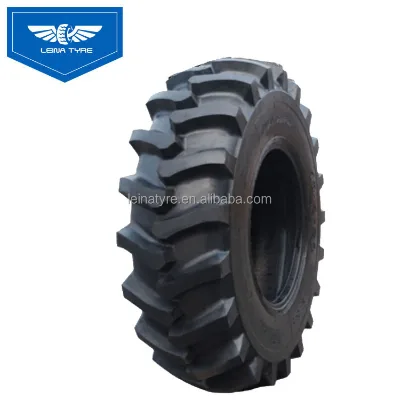
China Factory Directly Tree Logger Tyres 16.9-30 18.4-30 18.4-34 23.1-26 Forestry Tyres
$680.00 - $700.00
MOQ: 30 pieces
Qingdao Huifuxin Tyre Co., Ltd.
- Verified by TüVRheinland
- Trading Company
- Lead time15 days
- Avg. response≤ 4h
Main productsNylon OTR Tires, All Steel OTR Tires, TBR Tires, AGR Tires
Main marketsDomestic Market(75%), North America(3%), South America(2%)

Qingdao Melton Tire Co., Limited
- Trading Company
- Shandong, China
- Lead time15 days
- Avg. response≤ 6h
Main productsagricultural tire,otr trie,truck tire,car tire,solid tire
Main marketsMid East(20.00%), Africa(20.00%), Eastern Asia(20.00%), South America(20.00%), Southern Europe(10.00%), Eastern Europe(10.00%)
Qingdao Marris Rubber Co., Ltd.
- Verified by SGS Group
- Trading Company
- Lead time15 days
- Avg. response≤ 3h
Main productsOff-The-Road Tire, Construction and Industrial Tyre, Agricultural Tyre/Car Tyre, Truck Tyre/Inner Tube, Wheel Rim
Main marketsNorth America(20%), South America(10%), Eastern Europe(10%)
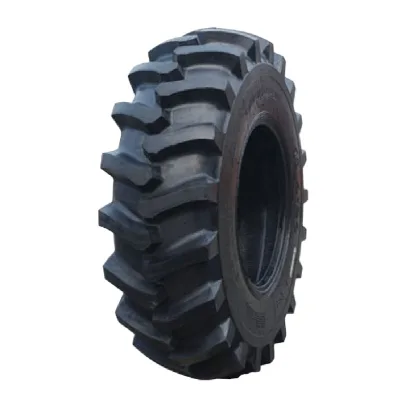

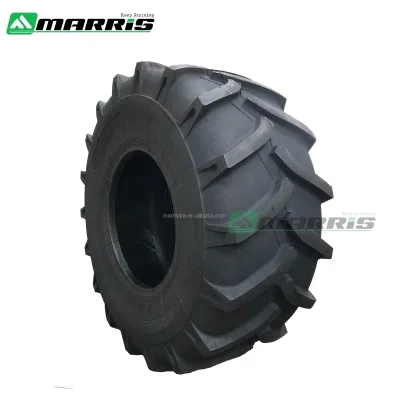
Agricultural Farm Tractor Tyre 24.5x32 24.5-32 Forestry Skidder Tyre R1 Pattern
$560.00 - $590.00
MOQ: 10 pieces
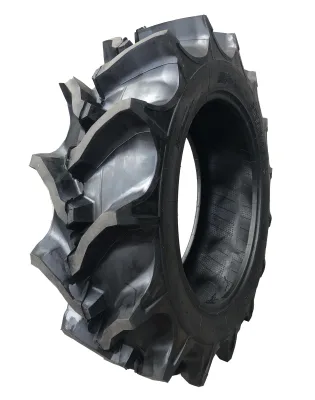
11.2-24 Agricultural Radial Tire R-1W Tread for Wet Field Conditions and Rice Paddy
$90.00 - $100.00
MOQ: 20 pieces
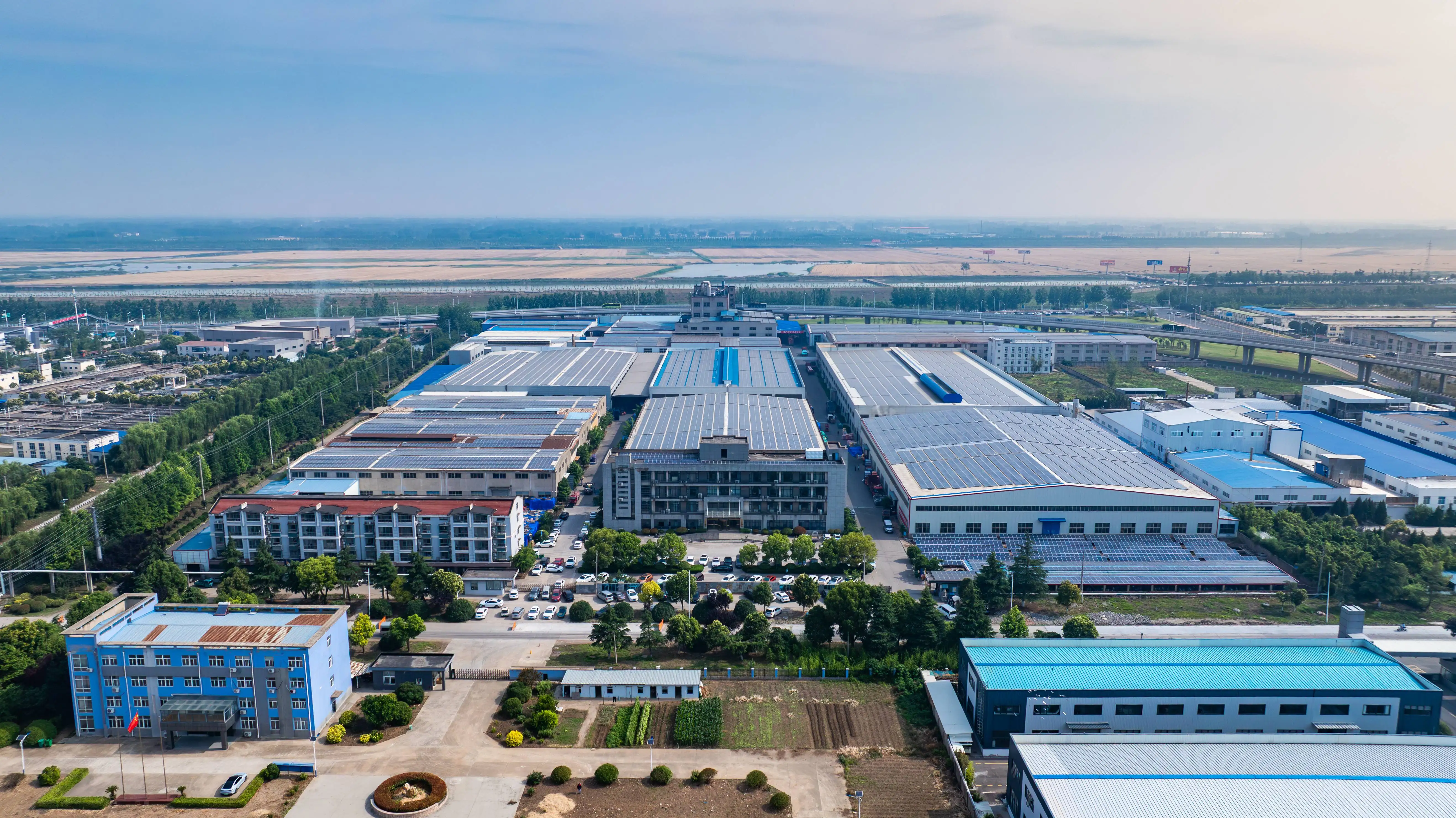
Qingdao Bostone Tyre Co., Ltd.
- Manufacturer, Trading Company
- Shandong, China
- Lead time15 days
- Avg. response≤ 2h
Main productsPneumatic Sprayer Tyres,Solid Rubber Wheels,pneu plein 205 25,tractor wheel narrow tires,tractor tires
Main marketsSoutheast Asia(20.00%), Eastern Europe(20.00%), Domestic Market(10.00%), Western Europe(10.00%), Mid East(10.00%), Oceania(10.00%), North America(10.00%), Eastern Asia(5.00%), South America(5.00%)
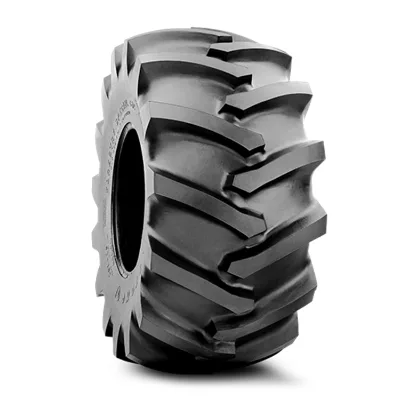
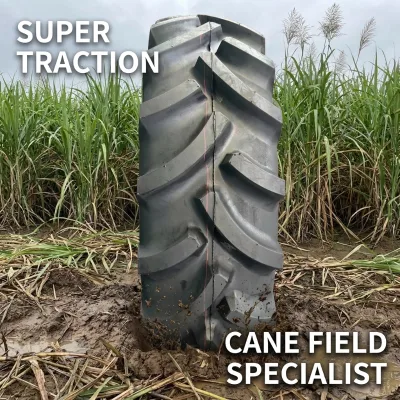
Special Antique Forestry Tractor Tire 23.1-26 TT TL LS-2 for Sale
$305.00 - $310.00
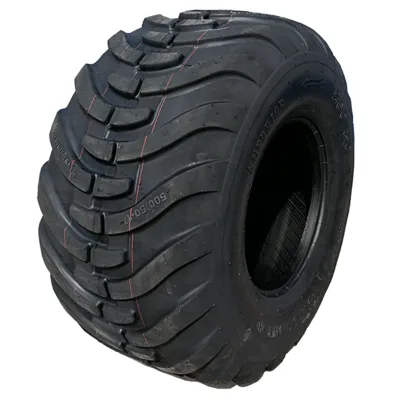
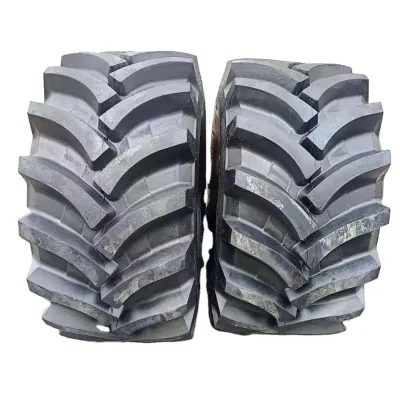
Best Selling Forestry Tires 400 60 15.5 for Log Trailer
$109.00 - $117.60
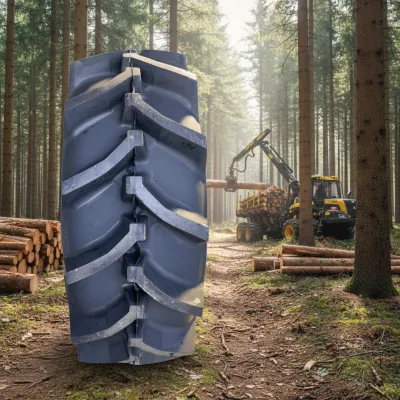
Special Classical Radial Agricultural Tire 480/70r30
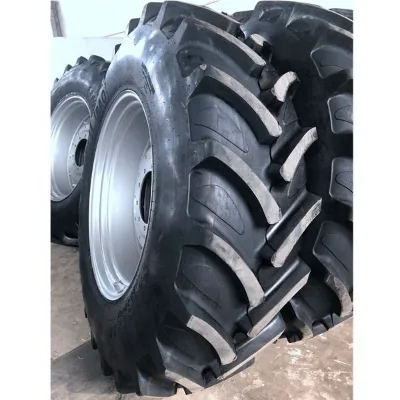
$71.00 - $75.00

- Verified by BV
- Trading Company,Manufacturer/Factory
- China Shandong
- Lead time23 days
- Avg. response≤ 4h
Main productsTruck Tire, Passenger Car Tire, OTR Tire, Agricultural Tire, Mt/at/UTV, ATV Tire, Racing Tire, Semi Slick Tire, Special Tire, Motocross Tire
Main marketsSouth America,Eastern Europe,Mid East,North America,Southeast Asia,Eastern Asia,Oceania,Western Europe,Africa


Good Price Foresty Tire 19.0/45-17 600/65-34 68X50.00-32 700/55-34 700/55-34
$120.00 - $460.00
MOQ: 20 Pieces

Tianjin Goodrun International Trading Co., Ltd.
- Trading Company
- Tianjin, China
- Lead time20 days
- Avg. response≤ 11h
Main productsTire,TYRE,RIM,RUBBER,Carbon black
Main marketsDomestic Market(20.00%), South Asia(10.00%), Africa(10.00%), South America(10.00%), North America(5.00%), Southeast Asia(5.00%), Southern Europe(5.00%), Northern Europe(5.00%), Central America(5.00%), Western Europe(5.00%), Eastern Asia(5.00%), Mid East(5.00%), Oceania(5.00%), Eastern Europe(5.00%)
- Trading Company
- Shandong, China
- Lead time15 days
- Avg. response≤ 6h
Main productsTruck & Bus Tyre,Passenger Car tyre,OTR,AGRI TYRE,IND TYRE
Main marketsAfrica(45.00%), Eastern Asia(15.00%), North America(10.00%), Southeast Asia(10.00%), Central America(6.00%), Mid East(5.00%), Eastern Europe(4.00%), Northern Europe(2.00%), Oceania(1.00%), Western Europe(1.00%), Southern Europe(1.00%)
Qingdao Aosheng Tire Co., Ltd.
- Verified by TüVRheinland
- Trading Company
- Lead time15 days
- Avg. response≤ 3h
Main productsTires, Tubes, Rims
Main marketsNorth America(15%), Africa(15%), Mid East(15%)

QINGDAO WANSHISHUN SPECIAL VEHICLES CO.,LTD
- Verified by SGS
- Combined
- China Shandong
- Lead time15 days
- Avg. response≤ 9h
Main productsTyre and Tube Pneumatic Wheel PU Foam Wheel, Wheelbarrow Tyre Wheelbarrow Motorcycle Tire, Wheel Rim Lawn Mower Tire Solid Wheel, Agricultural Tire Motorcycle Tire Inner Tube, Wheelbarrow Wheel
Main marketsSouth America,Southeast Asia/ Mideast,Domestic,Europe,North America


R1 Pattern for Agricultural Tire and Tractor Tire 14.9-30 14.9-48 15-24 15.5-38 16.9-28
$2.00 - $9.80
MOQ: 300 Pieces

Qingdao Passion Tyre Co., Ltd.
- Trading Company
- China Shandong
- Lead time15 days
- Avg. response≤ 6h
Main productsAll Steel Radial Truck Tyre, Semi Steel Radial Passenger Car Tyre, 4X4 at Mt Tyre, Solid Tyre, Industrial Tyre, Radial OTR Tyre, Bias OTR Tyre, Agricultural Tyre, Wheel Rim, Port Tyre
Main marketsSouth America,Africa,Southeast Asia/ Mideast

Top Brand 600/55-22.5 650/55-26.5 700/50-26.5 Agricultural Implement Tyres, Flotation/Forestry Tires
$200.00 - $500.00
MOQ: 10 pieces

24.5-32 28L-26 30.5L-32 66X43.00-25 Farm Tractor/Agricultural/Forestry Tires
$700.00 - $1500.00
MOQ: 6 pieces

Dh35.5L-32 66X43.00-25 73X44.00-32 Farm Tractor/Agricultural/Forestry Ty (I) Res
$700.00 - $1500.00
MOQ: 6 pieces

Advance/Armour Brand 24.5-32 28L-26 30.5L-32 Farm Tractor/Agricultural/Forestry Ty (I) Res
$700.00 - $1500.00
MOQ: 6 pieces

Qingdao Machine and Tyre Sourcing Limited
- Trading Company
- China Shandong
- Lead time23 days
- Avg. response≤ 6h
Main productsTyre, Radial Truck Tyre Tire, Passenger Car Tyre Tire, Lande Brand Tyre, OTR Tyre, Agriculture Tire, Industrial Tire, Inner Tube Truck Wheel, Motorcycle Tire, Wheelbarrow Tyre
Main marketsSouth America,Eastern Europe,Mid East,North America,Southeast Asia,Eastern Asia,Oceania,Western Europe,Africa


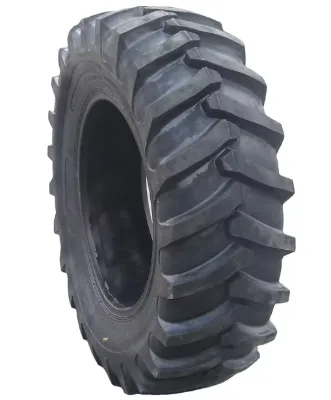
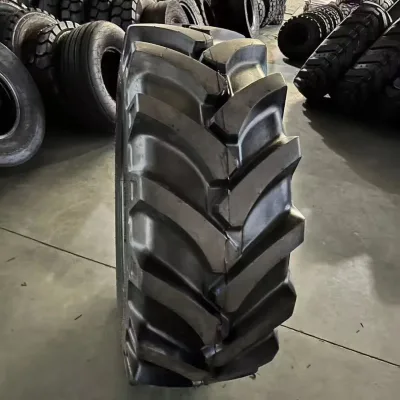
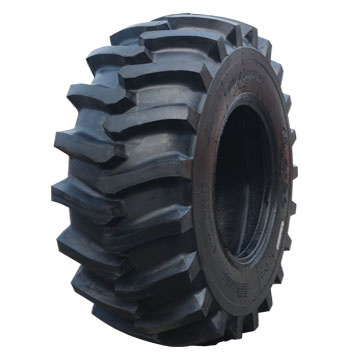
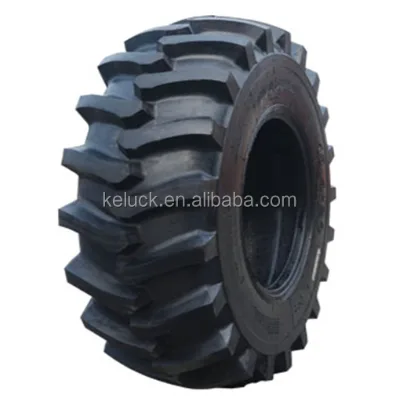
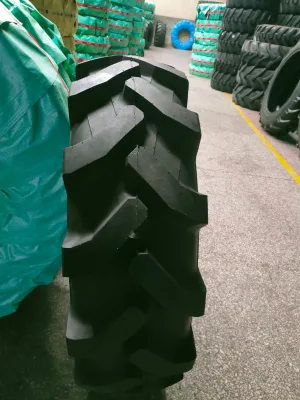


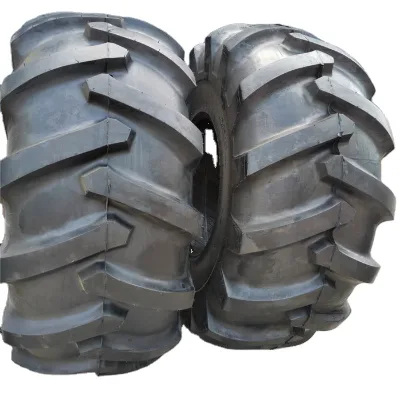
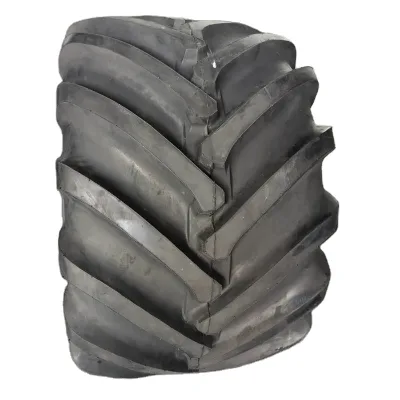
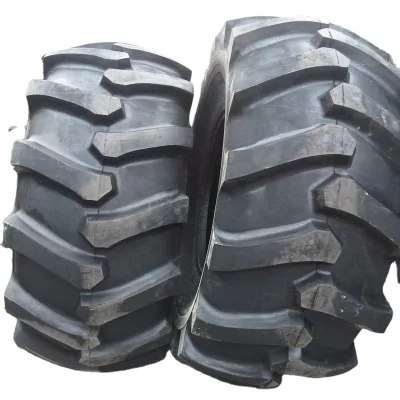
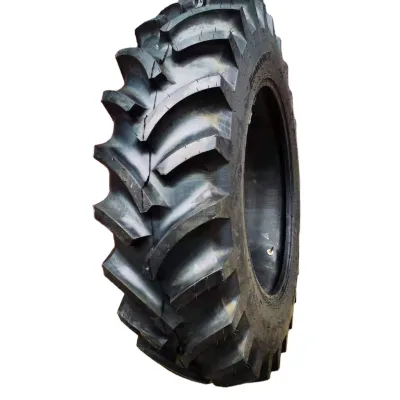
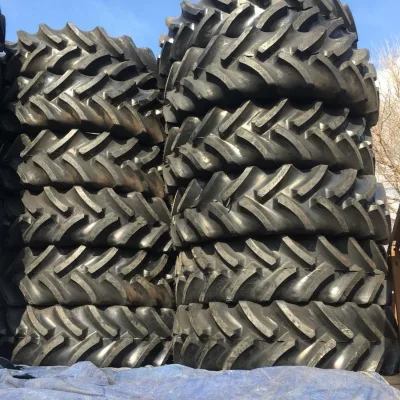
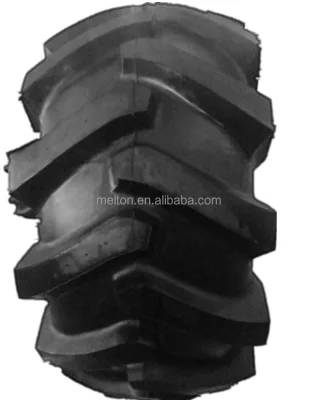
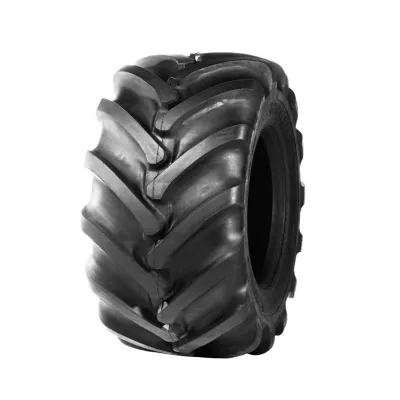
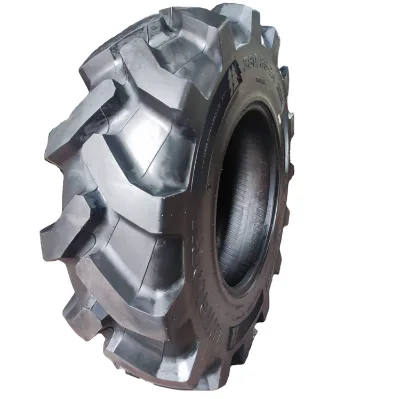
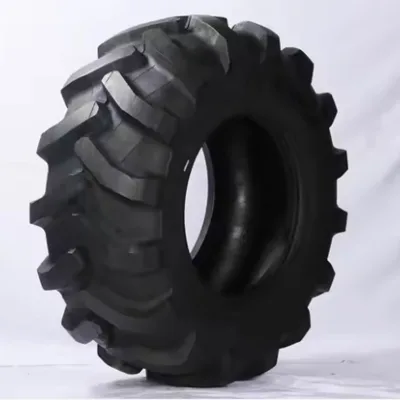
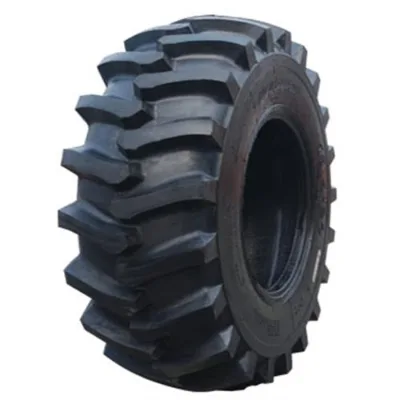


Comprehensive Sourcing Guide
R1 Pattern Forestry Tire Supplier Concentration and Factory Types
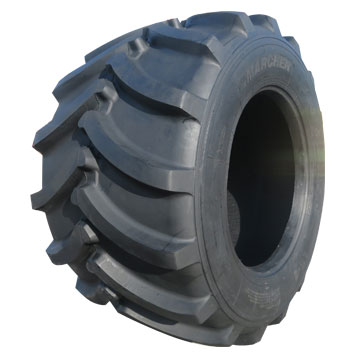
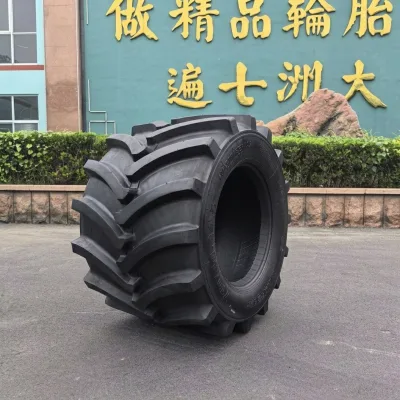
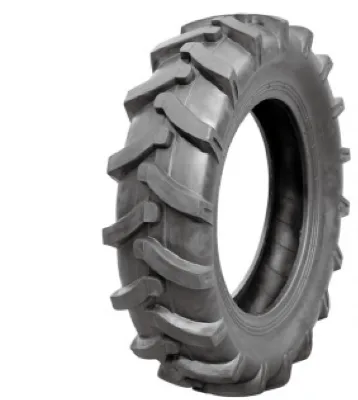
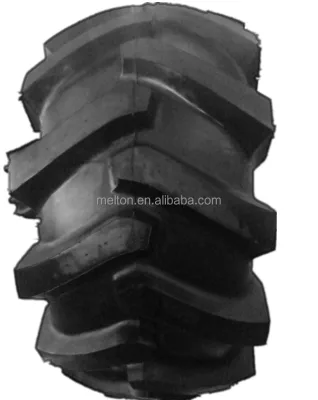
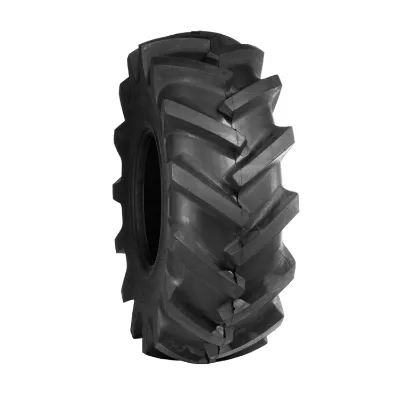
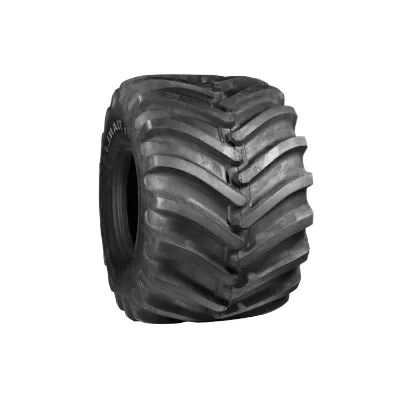
When reviewing listings for R1 pattern forestry tires, buyers will notice that a large share of the displayed suppliers are located in Shandong, China, which appears repeatedly as the place of origin across multiple product records. This concentration matters because a clustered region typically offers nearby compounding, cord weaving, mold-making and logistics services, allowing both manufacturers and the trading companies that represent them to quote competitively. Buyers should treat Shandong as a credible starting region based on the current results, while still confirming the exact city and factory address before any deposit changes hands, since listed origin data alone does not guarantee where production actually occurs.
The supplier mix in this category splits between manufacturers and trading companies, and the current results show both types operating from Shandong. Manufacturers may offer deeper pattern control and direct production visibility, while trading companies often consolidate sizes, arrange mixed containers and communicate more fluidly across time zones. Several listed suppliers carry main-product lines spanning truck, car, OTR, agricultural and industrial tires, so forestry-specific bias tires sit within a broader off-highway portfolio rather than as a single specialized output. Some also appear as verified companies through third-party verification labels. A practical approach is to shortlist one or two manufacturer-type suppliers for direct factory discussion and one trading-type supplier for comparison, then test which structure produces more reliable answers on pattern, compound and delivery commitments.
How to Verify R1 Pattern Forestry Tire Suppliers
Verification should begin with the attributes a supplier actually displays, because not every listing carries the same evidence. One Shandong-based supplier in the current results shows a third-party verification label (CTI), while others display product-level certifications such as DOT on specific industrial and forestry tire listings. These are useful signals but incomplete: verification labels typically cover company existence, and product certificates may apply only to the exact size and pattern shown. Ask each supplier for the certificate number, the testing body, and whether the approval covers the specific 30.5L-32 or 18-19.5 forestry sizes you intend to order, then check the certificate independently before production.
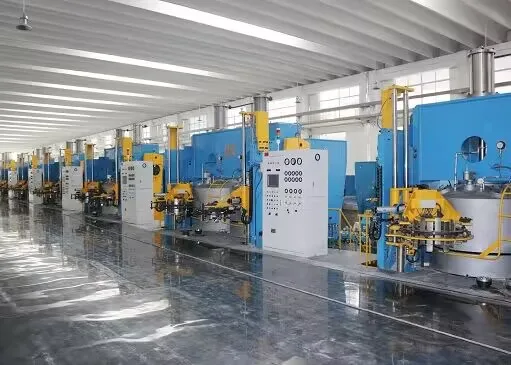
Beyond documents, verify operational substance. Request a video call or a live factory walk-through showing the building machine, curing presses and finished-goods warehouse for R1 and R4 patterns, and compare the workshop footage with the company name on the business license. Several current listings show main products that include truck, OTR and agricultural tires alongside forestry lines, so confirm that forestry bias tires are a regular production item rather than an occasional order. Ask which patterns are produced in-house versus purchased, since the results show supplier types ranging from manufacturer to trading company. Finally, request at least one reference customer in a similar climate or terrain, and cross-check the supplier's stated rim sizes, warranty terms and pattern code against your machine specifications so any mismatch surfaces before a contract is signed.
What to Compare Across R1 Pattern Forestry Tire Suppliers
Build a comparison table using the dimensions that the current results actually expose. Lead time is a strong starting point: displayed values range from roughly 15 days to about 23 days among the Shandong suppliers in this set, a difference that can decide whether your harvesting season is covered. Response speed is equally revealing, since listed response times vary from under one day to around ten days; a supplier that answers sample questions in hours will usually handle production issues faster too. Location, company type (manufacturer versus trading company), main-product breadth, and verification status should sit alongside these figures, noting that some suppliers may not display every attribute and missing data should prompt a question rather than an assumption.
Product-level attributes deserve their own comparison column set. One forestry listing shows a bias design, a DW27 rim size, a one-year warranty and a price range of roughly 1,500 to 1,550 per unit, while an industrial/forestry listing shows a two-year warranty, R4 pattern, natural rubber and nylon material, OEM availability, and a supply capability of around 1,000 sets per month. A separate agricultural listing shows an MOQ of 10 pieces, R1 and R2 patterns, and a per-unit price near 153. Compare warranty length, pattern (R1 versus R4), tire design (bias versus radial), material, customization and OEM acceptance side by side. Where two suppliers quote similar prices, the longer warranty and clearer supply capability often indicate the lower total cost of ownership.
Common R1 Pattern Forestry Tire Sourcing Risks
The most common risk in this category is confusing agricultural R1 tires with genuine forestry R1 tires. Several current listings market R1-pattern farm tires for logging machines, but forestry duty imposes different loads, sidewall stress and terrain demands. A supplier whose main products center on truck and car tires may be reselling agricultural stock rather than producing a purpose-built forestry tire. Ask directly whether the tire is designed for forestry tractors, which one listing does state explicitly, and request load and speed data for your machine's axle configuration. Relying on pattern code alone, without confirming application intent, invites premature sidewall failures in the field.
Second, documentation and specification mismatches recur across this category. Listings show inconsistencies worth probing: one forestry product lists a bias design while a related industrial listing describes radial construction; warranty periods range from one to three years across similar products; and some listings carry brand names while others offer OEM only. If you accept a quoted warranty, confirm in writing whether it covers tread separation, sidewall failure and bead problems, and under what usage conditions. Also clarify packaging, since one listing states tires ship with no packing or plastic paper only, which can expose beads and sidewalls during multi-leg transport. Finally, beware of price anchoring: a very low per-unit price on a common agricultural size may not apply to the specialty forestry size you need, so always request the price for the exact size, pattern and ply rating.
R1 Pattern Forestry Tire Regional Sourcing and Logistics
The current results consistently place these suppliers in Shandong, China, and one listing specifies Qingdao as the port of dispatch, which aligns with Shandong's coastal export infrastructure. For buyers, this means sea freight planning can anchor on Qingdao, with container availability and sailing frequency generally favorable for oversized tire shipments. Bias forestry tires in sizes such as 30.5L-32 occupy significant container volume, and one listing reports a single gross weight of 40 kilograms for a large agricultural tire, so calculate loadable quantities per 40-foot container early rather than assuming standard palletized counts. Ask whether tires are stacked nude, wrapped in plastic, or palletized, and how sidewall protection is handled during stuffing.
If your market lies in South America or Africa, note that one current supplier explicitly lists both regions as main markets, which can indicate existing documentation experience, shipping lanes and possibly regional stock. Where a supplier lacks stated experience in your destination, request references from nearby markets instead. Regional sourcing decisions should also weigh lead time realism: a 15-day production lead time is measured from deposit to readiness, not to your warehouse, so add vessel transit, customs clearance and inland transport when building your schedule. For urgent replacement needs, ask whether the supplier can split a production run or ship part of a container by faster service. Always confirm the incoterm at quotation stage, because port-side versus door-delivery terms can shift total landed cost materially in this bulky category.
R1 Pattern Forestry Tire Commercial Terms and Order Planning
Commercial terms in this category vary enough to warrant structured negotiation. One current listing shows a payment structure of 30% T/T advance with the balance presumably against shipping documents, which is a common framework; treat it as a starting position and propose milestones tied to inspection rather than paying large unsecured deposits. Several listings advertise customization and OEM acceptance, so if you need a private brand, confirm mold ownership, branding costs and minimum volumes for custom-branded tires before signing. One listing states customisation is available, which supports this route, but get the customization scope in writing, covering sidewall marking, packaging and documentation in your language.
Order planning should combine the displayed lead times and MOQ data into a realistic calendar. With lead times of roughly 15 to 23 days among current suppliers and one agricultural listing showing an MOQ of 10 pieces, a buyer needing a mixed container of forestry and industrial sizes can plan staggered orders, but must verify MOQ separately for each specialty size, since the forestry listing shows no MOQ and may require direct inquiry. Align payments with inspection gates: approve pre-production samples or pattern photos, schedule a third-party or self inspection before container loading, and release the balance only after passing. Confirm warranty terms (which range from one to three years in current listings), the exact price validity period, and who bears freight cost changes. Finally, book the container early against the port of dispatch named by the supplier, and keep two weeks of buffer in your harvesting-season schedule.
FAQs
Where are these forestry tires manufactured?
These forestry tires are manufactured in Shandong, China. The products listed originate from this specific region, ensuring consistent production standards for agricultural and logging machinery applications across various tire sizes.
What is the typical response time for suppliers?
Suppliers typically respond within 10 hours or less. Some verified trading companies show response times under one hour, allowing buyers to quickly clarify specifications regarding tire patterns, sizes, and delivery schedules for their orders.
How long does delivery take for these tires?
Lead times generally range from 15 to 23 days depending on the supplier and order volume. Buyers should confirm specific shipping schedules as some manufacturers offer faster dispatch from Qingdao port for standard agricultural tire models.
What warranty periods are available for these tires?
Warranty periods vary by product type, ranging from one year to three years. Specific models like industrial tractor tires often carry a three-year warranty, while standard forestry tires may offer coverage for one or two years.
Are these tires available in bias or radial designs?
Both bias and radial designs are available for forestry and agricultural applications. Buyers can find bias tires for logging machines and radial tires suitable for backhoe loaders, ensuring options match specific machinery requirements and terrain conditions.
What is the minimum order quantity for these tires?
Minimum order quantities typically start at 10 units for specific agricultural tire models. Buyers should verify the exact MOQ with the supplier, as some industrial off-road tires may have different bulk purchase requirements based on size and pattern.
Do suppliers offer OEM customization for these tires?
OEM customization is available for many forestry and agricultural tire models. Suppliers accept custom requests for branding and specifications, allowing buyers to source tires tailored to their specific machinery needs with acceptable lead times and pricing.