Source Plastic Measuring Spoon for Cosmetics, Camping, and Tea
Compare 30 Plastic Measuring Spoon options from verified suppliers in Zhejiang, China. Buyers can evaluate specifications like 10g capacity, PP material, and certifications including CE and ISO for cosmetics, camping, and tea applications; compare the available evidence and request quotations based on your requirements.
Updated
Key considerations
Products List
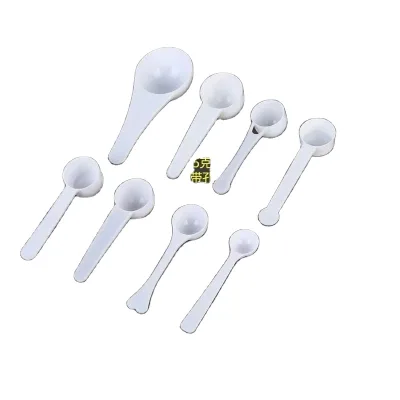


Hot Food Grade Manufacture Plastic Measure Scoop 2ml 1g Measuring Spoon
$0.01 - $0.03
MOQ: 1000 pieces


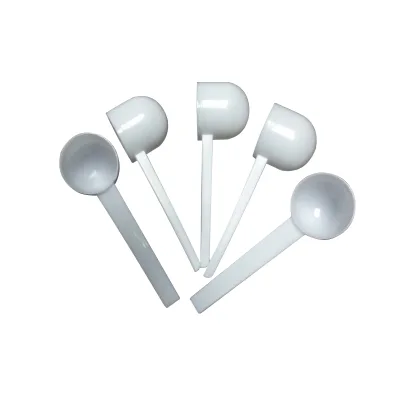
5g Measuring Spoon Small Measuring Spoon 10ml Plastic Measuring Spoon
$0.0308 - $0.0617
MOQ: 10 Minimum
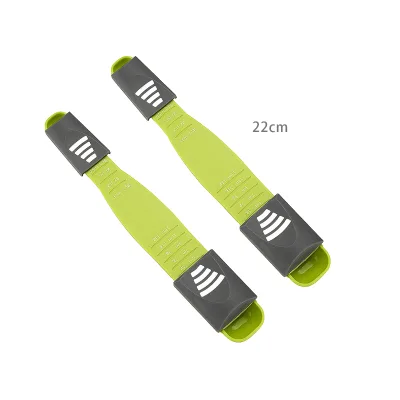


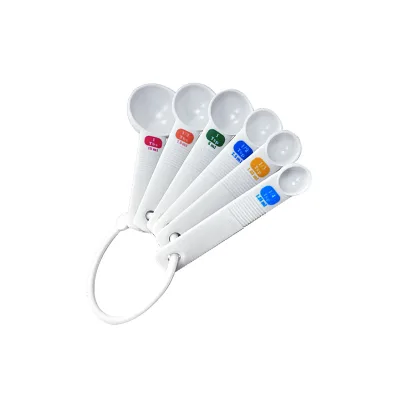
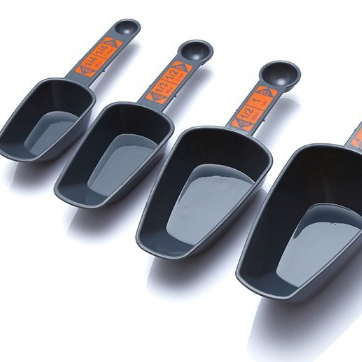
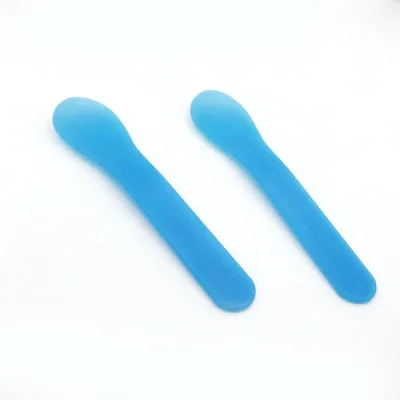
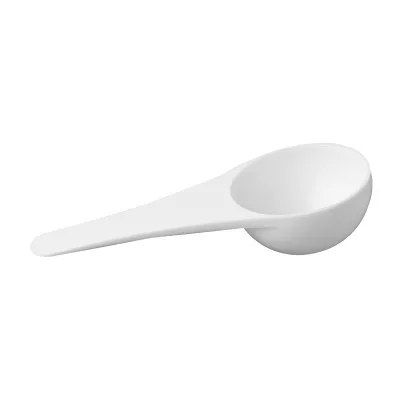
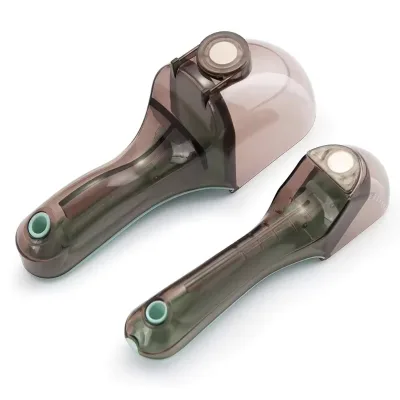
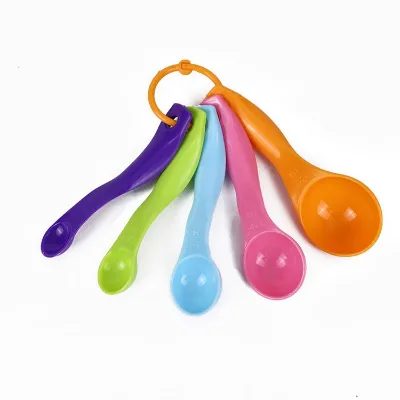
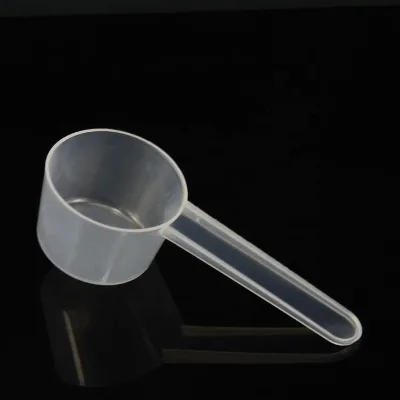
Comprehensive Sourcing Guide
Plastic Measuring Spoon Sourcing Guide
Sourcing plastic measuring spoons requires a clear understanding of the diverse product landscape available from manufacturers, particularly those concentrated in regions like Zhejiang, China. Buyers must navigate a wide array of options that vary significantly in material composition, design intent, and intended application. The market offers everything from simple, single-use disposable spoons to more robust, customizable tools designed for specific industrial or cosmetic applications. Understanding these distinctions is the first step in defining a precise procurement strategy that aligns with your operational needs and quality expectations.
The observed market signals indicate a high degree of customization potential, with many suppliers offering OEM and ODM services. This flexibility allows buyers to tailor products to specific branding or functional requirements, such as incorporating cartoon designs for giveaways or minimalist aesthetics for contemporary use. However, this variety also introduces complexity in verification. Procurement teams must carefully evaluate each listing to ensure that the stated capabilities, such as precision measuring or specific material grades, genuinely match the physical product samples provided before committing to large-scale orders.
Product Scope and Observed Listing Signals
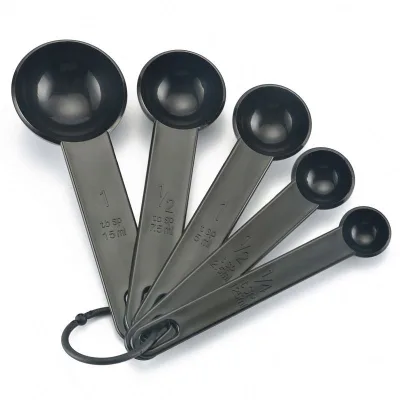
The current market for plastic measuring spoons exhibits a broad spectrum of product types, ranging from basic liquid measuring tools to specialized precision instruments. Listings frequently highlight materials such as PP (polypropylene) and general plastic, with colors including white, transparent, and customizable options. Some products are explicitly marketed for cosmetics or camping occasions, while others are positioned as institutional solutions or business gifts. This diversity suggests that buyers should not assume a one-size-fits-all approach, as the functional requirements for a cosmetic lab differ vastly from those for outdoor camping gear.
Observed specifications reveal significant variation in claimed capabilities, with some items listing extremely high precision metrics like 0.001mm accuracy and 0.01mm resolution, which are unusual for standard plastic spoons. Other listings focus on capacity, such as 10g or 250g models, and design styles ranging from cartoon to minimalist. Buyers must critically assess these claims, as the term "measuring spoon" can encompass everything from simple volume indicators to high-precision tools. Verifying the actual use case and physical attributes through samples is essential to avoid mismatches between expectation and delivery.
Technical Specifications to Verify
When evaluating technical specifications, buyers must prioritize the material composition and structural integrity of the spoons. Common materials include PP plastic, which offers durability and chemical resistance, but the specific grade can vary between suppliers. It is crucial to verify whether the product is designed for single-use or repeated washing, as this impacts longevity and hygiene. Additionally, the size and capacity specifications, such as 10g or customizable dimensions, must be confirmed against your actual measurement needs, ensuring that the spoon’s geometry provides accurate readings for your specific liquids or powders.
Precision and measurement accuracy are critical factors, especially for applications in cosmetics or institutional settings. While some listings claim high precision levels, buyers should request detailed technical datasheets that outline the measurement method, such as manual calibration, and the range of accuracy. It is also important to verify the production standards, which may be based on specific molds or industry standards like DIN or JIS. Confirming these details ensures that the spoons will perform reliably in your quality control processes and meet the stringent requirements of your end-users.
Compliance and Safety Documentation
Compliance with safety and quality standards is non-negotiable for plastic measuring spoons, particularly those used in cosmetics or food-adjacent applications. Buyers should verify that suppliers hold relevant certifications such as CE, ISO, RoHS, FDA, LFGB, and GB. These certifications indicate that the manufacturing processes and materials meet specific regulatory requirements for safety and environmental impact. It is essential to request valid certificates and cross-check them with the issuing bodies to ensure they are current and applicable to the specific product model being purchased.
In addition to certifications, buyers must ensure that the materials used are safe for their intended application. For instance, if the spoons are used in cosmetics, they must be free from harmful contaminants and comply with relevant cosmetic regulations. Documentation should also cover the manufacturing process, including quality control measures and traceability. Buyers should ask for test reports or material safety data sheets (MSDS) to confirm that the plastic used, such as PP, is suitable for contact with the substances it will measure, ensuring both product safety and regulatory compliance.
Cost Drivers and Commercial Terms
Cost drivers for plastic measuring spoons include material costs, customization complexity, and order volume. Basic, standardized spoons are generally more affordable, while custom designs, specific colors, or unique packaging options can increase the unit price. The observed price range varies significantly, reflecting these differences. Buyers should also consider the minimum order quantity (MOQ), which can range from small batches for sampling to large volumes for production runs. Understanding these factors helps in budgeting accurately and negotiating favorable terms with suppliers.
Commercial terms such as payment methods, lead times, and shipping costs also impact the total cost of ownership. Buyers should clarify these details early in the sourcing process to avoid unexpected expenses. Additionally, the packaging options, whether bulk, OPP bags, or custom boxes, can affect both the unit price and the logistics costs. It is advisable to request a detailed quotation that breaks down these costs, allowing for a transparent comparison between different suppliers and ensuring that the final price aligns with your budget constraints.
Supplier Qualification and Quality Control
Supplier qualification is a critical step in ensuring the reliability of your supply chain. Buyers should assess suppliers based on their production capabilities, quality control systems, and past performance. Verifying the supplier’s location, such as Zhejiang, China, can provide insights into their manufacturing ecosystem and logistical advantages. It is also important to check their certifications and compliance records to ensure they meet industry standards. Conducting factory audits or requesting third-party inspection reports can further validate their capabilities and reliability.
Quality control measures should be clearly defined and agreed upon before production begins. This includes specifying acceptance criteria for defects, packaging standards, and labeling requirements. Buyers should establish a robust inspection process, such as pre-shipment inspections, to ensure that the delivered products meet the agreed-upon specifications. Additionally, maintaining open communication with the supplier regarding any quality issues or changes in requirements is essential for maintaining consistency and addressing problems promptly throughout the procurement lifecycle.
Long-Term Procurement Checks
Long-term procurement success depends on continuous monitoring and evaluation of supplier performance. Buyers should establish key performance indicators (KPIs) such as on-time delivery rates, product quality consistency, and responsiveness to issues. Regularly reviewing these metrics helps identify potential problems early and allows for proactive management of the supply chain. Additionally, staying informed about market trends and regulatory changes ensures that your procurement strategy remains aligned with industry standards and customer expectations.
Building a strong relationship with your suppliers is also crucial for long-term success. This involves regular communication, collaborative problem-solving, and mutual trust. Suppliers who understand your needs and priorities are more likely to offer better support, innovative solutions, and competitive pricing. By fostering these relationships, buyers can secure a reliable supply of high-quality plastic measuring spoons, ensuring that their operations run smoothly and efficiently over time.
FAQs
What certifications do the plastic measuring spoons have?
The plastic measuring spoons hold CE, ISO, RoHS, FDA, LFGB, and GB certifications. These standards ensure safety for cosmetics and liquid measuring applications. Some models also meet DIN, JIS, and EEC requirements. Buyers can verify specific certificates based on the product model and intended usage region.
Can I customize the design and size of these spoons?
Yes, customization is available for design and size according to your drawing or request. The product offers customizable colors like white or transparent options. Specifications such as capacity and dimensions can be tailored to meet specific needs. This flexibility supports OEM and ODM requirements for various industrial applications.
What is the minimum order quantity for these plastic spoons?
The minimum order quantity ranges from 10 to 10,000 units depending on the supplier and product model. Bulk packaging options are available for larger orders. Specific MOQ values vary by vendor, so buyers should confirm exact thresholds when requesting quotes for customized or standard stock items.
Where are these plastic measuring spoons manufactured?
These plastic measuring spoons are manufactured in Zhejiang, China. The production facilities utilize PP material to ensure durability and safety. The location supports efficient logistics for international buyers seeking cost-effective sourcing solutions for bulk orders of disposable or reusable measuring tools.
What is the warranty period for these measuring spoons?
The warranty period for these plastic measuring spoons is five years. This coverage applies to manufacturing defects and material integrity under normal usage conditions. Buyers should review specific terms with the supplier to understand the scope of protection for their specific order and application requirements.
Which materials are used to make these measuring spoons?
These measuring spoons are made from high-quality plastic, specifically PP material. The material ensures resistance to liquids and suitability for cosmetic applications. The plastic construction supports both disposable and reusable designs while maintaining structural integrity during manual measuring tasks in various environments.
What specifications are available for the plastic measuring spoons?
Available specifications include a 10g capacity and customizable sizes up to 500mm range. The spoons feature precision measuring capabilities with resolutions down to 0.01mm. Models vary by type, such as tea spoons or big round spoons, allowing selection based on specific liquid or powder measurement needs.