Source Radial Roller Tire Patch for Trucks, Buses, and Construction
Compare 30 Radial Roller Tire Patch options from verified Chinese suppliers. Buyers can evaluate specifications like size, material, and certifications to find suitable solutions for truck, bus, and construction vehicle repairs; compare the available evidence and request quotations based on your requirements.
Updated
Key considerations
Products List


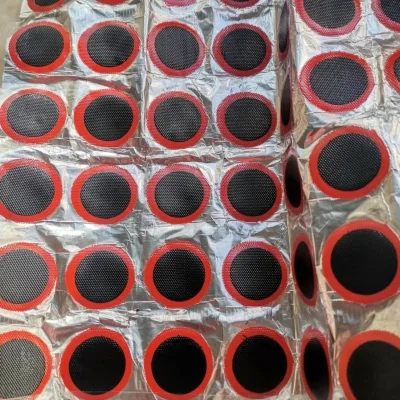
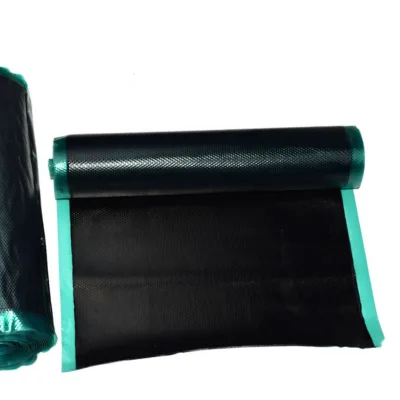
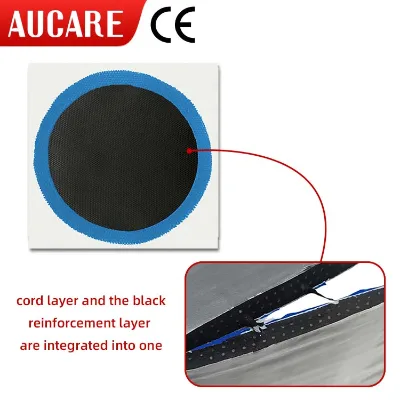
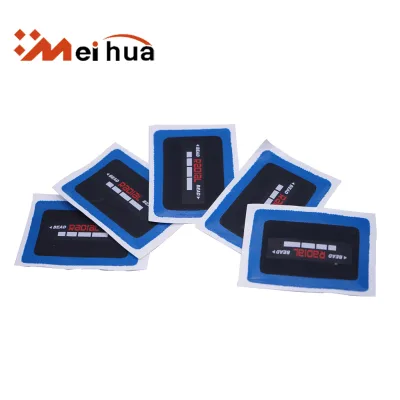
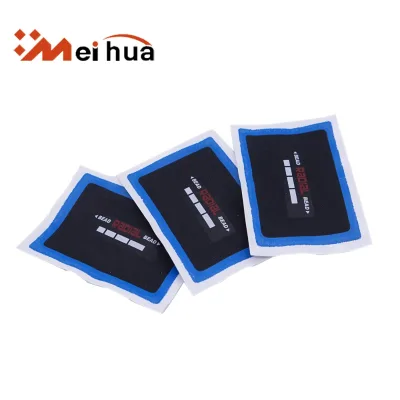
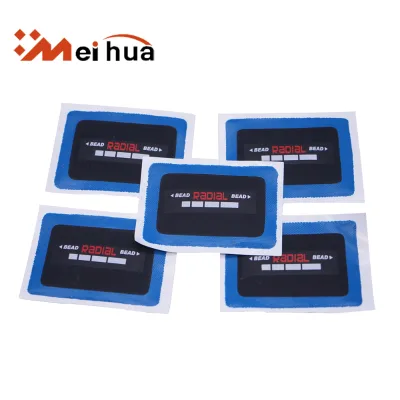
Auto Tire Repair Patch, Radial Tyre Patch with Fabric, Vulcanizing Cold Patch
$0.30 - $0.60
MOQ: 10000 Pieces


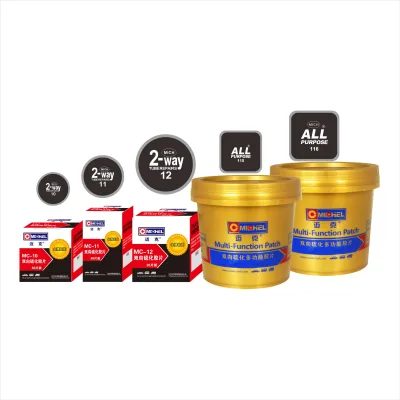
Multiple Sizes Rubber Cold Tire Repair Patches for Car Truck Bias & Radial Tire
$0.30 - $0.60
MOQ: 10000 Pieces





Comprehensive Sourcing Guide
Radial Roller Tire Patch Sourcing Guide
Procuring radial roller tire patches requires a disciplined approach to verifying material integrity and adhesive performance, as these components are critical for maintaining tire structural stability under high-load conditions. Buyers must prioritize suppliers who demonstrate consistent manufacturing capabilities, particularly those originating from established industrial hubs like Ningbo, Zhejiang, and Liaoning, where specialized rubber processing infrastructure is prevalent. The sourcing process begins with a clear definition of the patch type, whether it involves hot vulcanization or cold repair methods, ensuring the selected product aligns with the specific tire construction and intended service environment.
This guide outlines the essential verification steps for sourcing high-quality tire repair patches, focusing on technical specifications, compliance documentation, and commercial terms. By adhering to the observed market signals and standard industry practices, procurement teams can mitigate risks associated with substandard materials and ensure long-term reliability. The following sections provide a structured framework for evaluating suppliers, assessing product attributes, and establishing robust quality control measures that protect operational continuity and safety standards in tire maintenance operations.
Product Scope and Observed Listing Signals
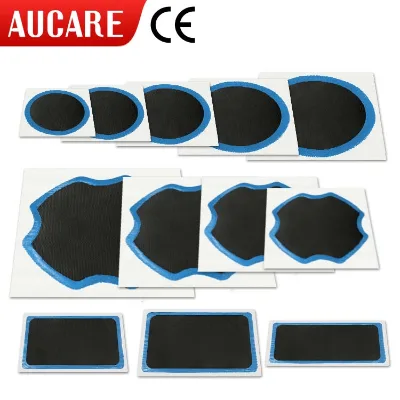
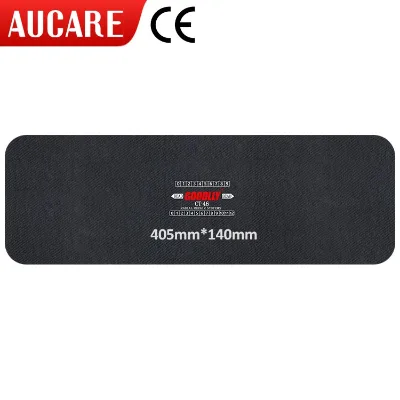
The current market for radial roller tire patches features a diverse range of models, including DM-10, MC-10HD, and EU-series variants, each designed for specific repair scenarios and tire dimensions. Observed listings indicate a price range of $0.1 to $45 USD, reflecting variations in material composition, patch size, and packaging configurations. Common sizes observed include 4575mm, 6080mm, and larger formats like 170*170mm, catering to both light vehicle and heavy-duty radial tire repairs. Buyers should note that customization is available, allowing for tailored solutions that meet unique operational requirements or branding needs.
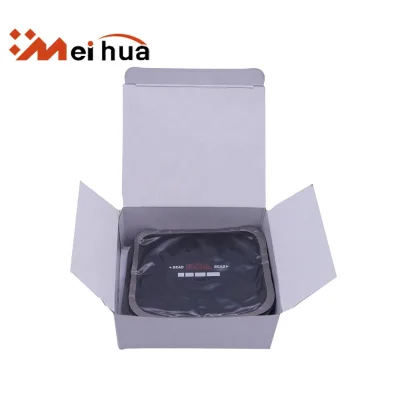
Packaging standards vary significantly across suppliers, with options ranging from standard exporting packages to neutral packing and specialized carton configurations. Typical packing densities include 20 pieces per box with 30 boxes per carton, or 10 pieces per box with 24 to 40 boxes per carton, depending on the product model. These logistical details are crucial for inventory planning and shipping cost estimation. Additionally, the primary material is consistently identified as rubber, with some listings specifying natural rubber, which offers superior elasticity and durability for radial tire applications.
Technical Specifications to Verify
When evaluating radial roller tire patches, buyers must verify key technical attributes such as tensile strength, specific gravity, and ply count to ensure compatibility with radial tire structures. Observed data points to a tensile strength of 21 MPA and a specific gravity of 1.21 g/cm³, which are indicative of high-quality rubber compounds capable of withstanding significant stress. The presence of 4-ply constructions in some listings suggests enhanced durability for heavy-duty applications, while other models may offer different ply counts for lighter loads. Confirming these specifications with the supplier is essential to prevent premature failure or delamination during service.
Model numbers and size specifications provide further clarity on product suitability, with options like DM-12 and MC-4 offering distinct dimensions and performance characteristics. Buyers should cross-reference these model numbers with tire manufacturer recommendations to ensure proper fit and adhesion. The condition of the patches is typically listed as new, but verifying the shelf life and storage conditions is equally important to maintain adhesive efficacy. Additionally, the color of the patches, such as grey edge or brown, may serve as a visual indicator of the rubber compound type or curing process, aiding in quick identification during repair operations.
Compliance and Safety Documentation
Compliance with international standards is a non-negotiable aspect of sourcing radial roller tire patches, with certifications such as ISO, CE, and RoHS serving as key indicators of manufacturing quality and environmental safety. These certifications demonstrate that the supplier adheres to rigorous production protocols and material restrictions, reducing the risk of non-compliant products entering the supply chain. Buyers should request valid certification documents and verify their authenticity through the issuing bodies, ensuring that the patches meet the regulatory requirements of their target markets.
In addition to certifications, standards like SGS and ASTM D5119 provide a framework for evaluating product performance and testing methodologies. While specific test results may not be publicly listed, buyers should inquire about the testing procedures used to validate tensile strength, adhesion, and durability. The standard designation "Standard" or model-specific standards like DM-10HD further define the product's compliance level. Ensuring that the supplier can provide detailed test reports or quality assurance certificates is vital for maintaining safety and liability protection in tire repair applications.
Cost Drivers and Commercial Terms
The cost of radial roller tire patches is influenced by several factors, including material quality, packaging complexity, and order volume, with minimum order quantities (MOQs) ranging from 20 to 20,000 units. Higher MOQs typically result in lower per-unit costs, making bulk purchasing advantageous for large-scale operations. Buyers should negotiate pricing based on total volume and frequency of orders, considering the trade-offs between inventory holding costs and unit price reductions. The observed price range of $0.1 to $45 USD reflects these variations, with premium products commanding higher prices due to superior material properties and certifications.
Commercial terms such as payment methods, shipping arrangements, and lead times also impact the total cost of ownership. Suppliers from China, particularly those in Ningbo and Shandong, offer competitive pricing due to established manufacturing ecosystems, but buyers must account for logistics costs and potential import duties. Packaging options like bag-carton-pallet configurations can affect shipping efficiency and damage risk, influencing overall expenses. Clear communication regarding these terms during the sourcing phase helps avoid unexpected costs and ensures a smooth procurement process.
Supplier Qualification and Quality Control
Supplier qualification is a critical step in sourcing radial roller tire patches, requiring a thorough assessment of manufacturing capabilities, quality control systems, and track record. Buyers should prioritize suppliers with verifiable certifications and a history of consistent product quality, as indicated by attributes like "High Quality" and "New" condition. Visiting manufacturing facilities or requesting third-party audits can provide insights into production processes and quality assurance measures, ensuring that the supplier can meet specified requirements consistently.
Quality control measures should include incoming material inspections, in-process checks, and final product testing to verify compliance with technical specifications. Buyers should establish clear acceptance criteria and request sample batches for evaluation before committing to large orders. The availability of customization options suggests that suppliers are flexible and responsive to specific needs, but this should be balanced with rigorous quality checks to maintain product integrity. Establishing a long-term partnership with a qualified supplier enhances reliability and reduces the risk of supply chain disruptions.
Long-Term Procurement Checks
Long-term procurement success depends on continuous monitoring of supplier performance, product quality, and market trends to ensure ongoing alignment with business objectives. Buyers should implement regular performance reviews, assessing factors such as delivery reliability, defect rates, and responsiveness to issues. Maintaining open communication channels with suppliers facilitates timely resolution of problems and fosters a collaborative relationship that supports continuous improvement. Tracking changes in certifications, standards, and material compositions helps ensure that products remain compliant and competitive in the evolving tire repair market.
Additionally, buyers should stay informed about industry developments and emerging technologies that may impact tire repair practices, such as new vulcanization methods or advanced rubber compounds. Periodic re-evaluation of supplier portfolios and product specifications ensures that the sourcing strategy remains effective and adaptable to changing requirements. By proactively managing these aspects, procurement teams can mitigate risks, optimize costs, and maintain high standards of quality and safety in Radial Roller Tire Patch sourcing operations.
FAQs
What certifications do radial roller tire patches have?
Radial roller tire patches typically carry ISO, CE, and RoHS certifications. These standards ensure the products meet international safety and environmental requirements. Buyers should verify specific documentation for each batch to confirm compliance with local regulations before placing large orders.
Which specifications are available for these tire repair patches?
Available specifications include sizes like 45*75mm, 60*80mm, and 170*170mm. Models such as DM-10 and MC-10HD offer different dimensions. Some patches feature 4 plies of natural rubber. Buyers must select the size matching their specific tire repair needs.
Can I request customization for these tire patches?
Yes, customization is available for radial roller tire patches. Suppliers can adjust materials or packaging to meet specific buyer requirements. This flexibility allows businesses to tailor products for unique applications while maintaining high quality standards and ensuring the patches function effectively for repair tasks.
How are these tire patches packed for shipping?
Packing options include standard exporting packages, cartons, or neutral packing. Common configurations are 20 pieces per box with multiple boxes per carton. Some suppliers use bag-carton-pallet combinations. The exact packing depends on the specific model and order volume agreed upon with the manufacturer.
Where are these tire patches manufactured?
These patches are manufactured in China, specifically in regions like Ningbo, Zhejiang, Liaoning, and Shandong. The origin location ensures access to established rubber processing facilities. Buyers should confirm the specific factory location to assess logistics costs and lead times for their international shipments.
What is the minimum order quantity for these patches?
The minimum order quantity ranges from 20 to 20,000 units depending on the supplier and product model. Smaller orders might start at 20 pieces, while bulk purchases require higher volumes. Buyers should negotiate MOQ terms based on their specific inventory needs and budget constraints.
What material is used for these tire repair patches?
The main material is natural rubber, providing high tensile strength and durability. Some products specify a specific gravity of 1.21 g/cm. This material ensures effective adhesion and repair capabilities for various tire types, making it suitable for universal vehicle applications requiring reliable patch performance.