Source Refillable Oil Sprayer for Baking, BBQ, and grilling
Compare 30 Refillable Oil Sprayer for Baking options from verified suppliers in China. Explore varying capacities, materials like glass and metal, and customization features for kitchen cooking and baking needs; compare the available evidence and request quotations based on your requirements.
Updated
Key considerations
Products List
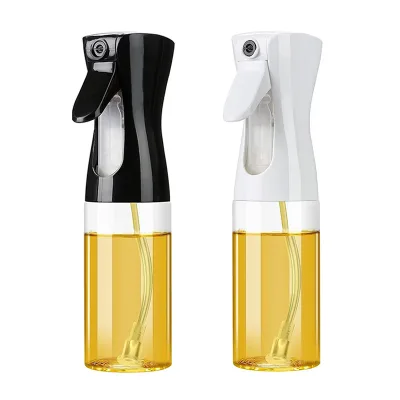
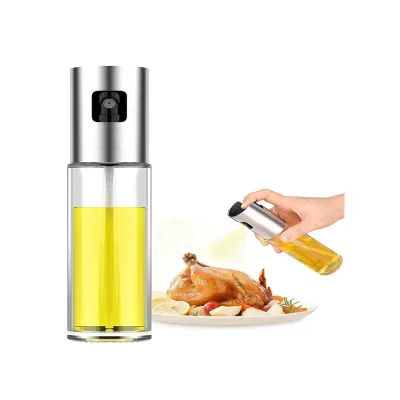
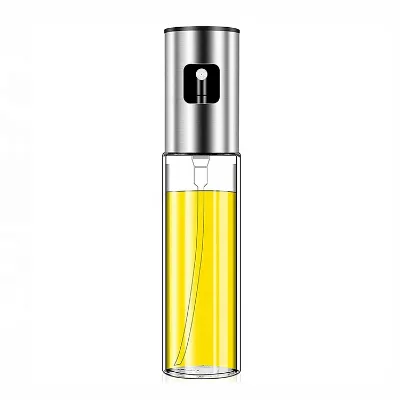
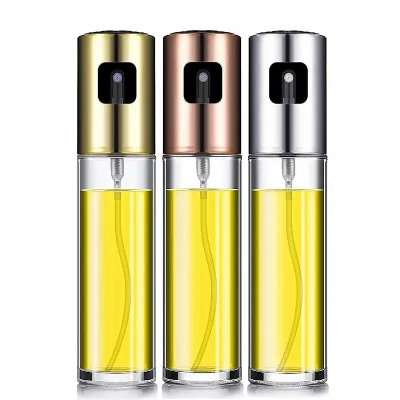


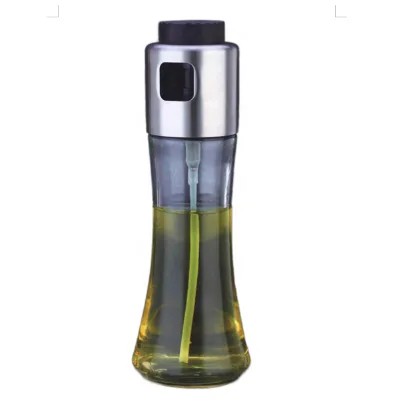
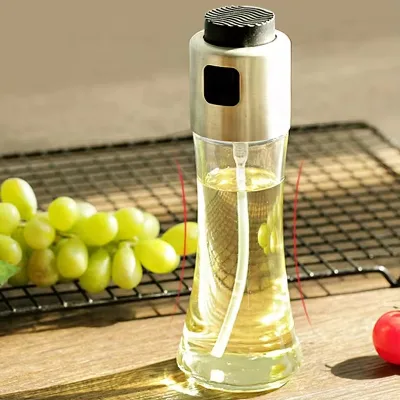

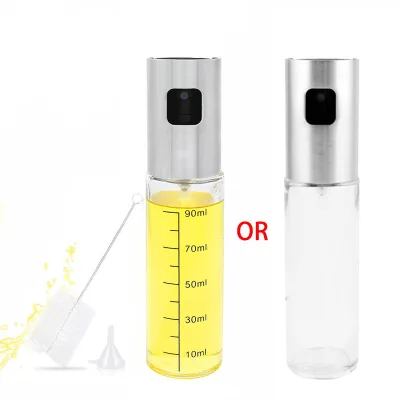


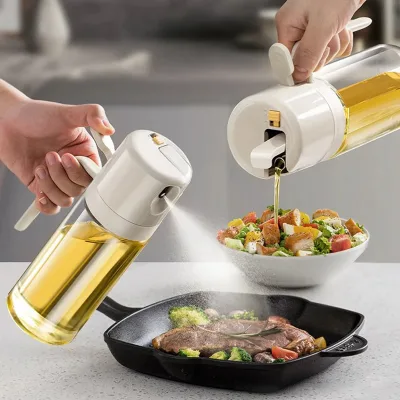
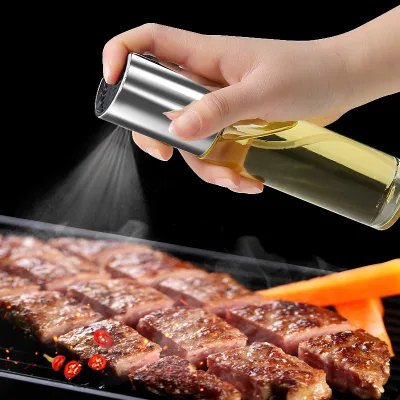
Food Oil Sprayer Kitchen Cooking Olive Oil Spray Bottle Oil Sprayer for Cooking
$0.02 - $0.10
MOQ: 10000 Pieces
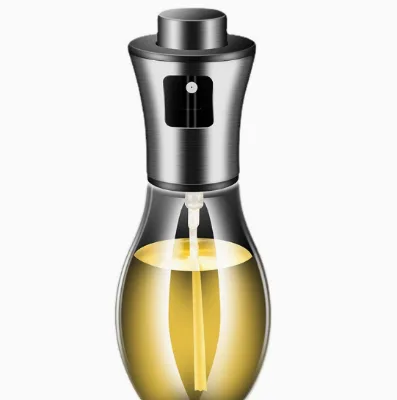



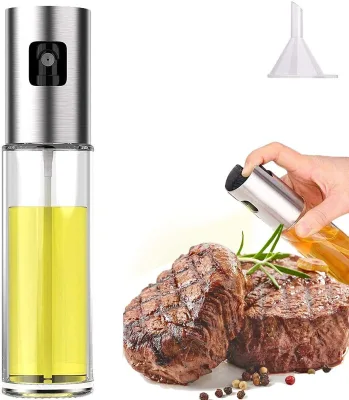
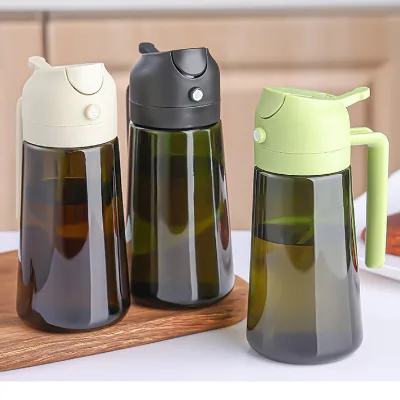
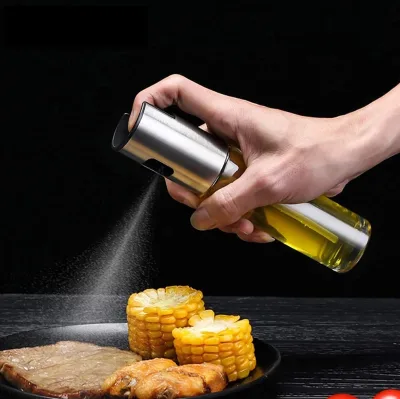
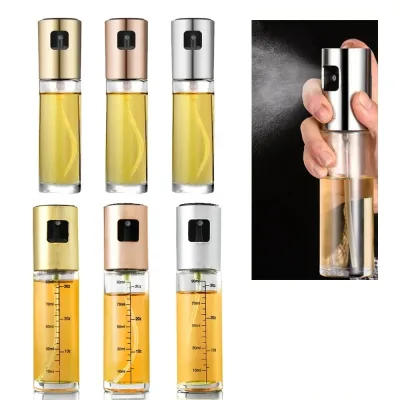
Comprehensive Sourcing Guide
Refillable Oil Sprayer for Baking Sourcing Guide
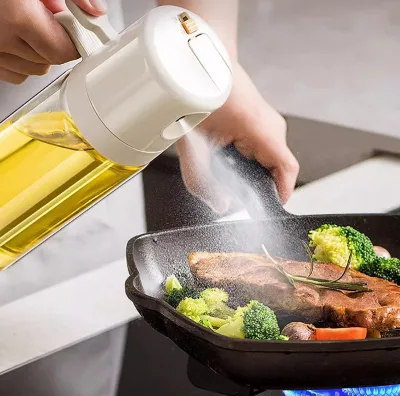
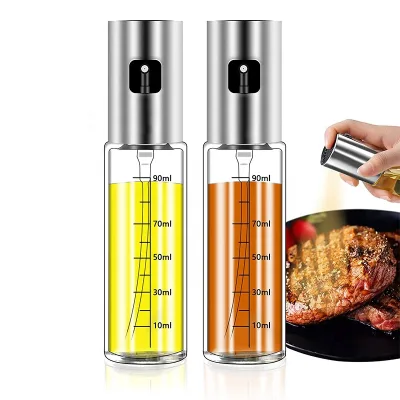
Procuring refillable oil sprayers for baking requires a clear understanding of the diverse material compositions and functional designs available in the current market. Buyers must distinguish between glass-based units, which offer thermal stability and a premium aesthetic, and metal or plastic alternatives that prioritize durability and impact resistance. The observed product landscape includes models with capacities ranging from 100ml to 300ml, allowing purchasers to select volumes that align with specific kitchen workflows or commercial volume requirements. Understanding these material distinctions is the first step in defining a precise technical specification sheet that prevents mismatched expectations between buyer and supplier.
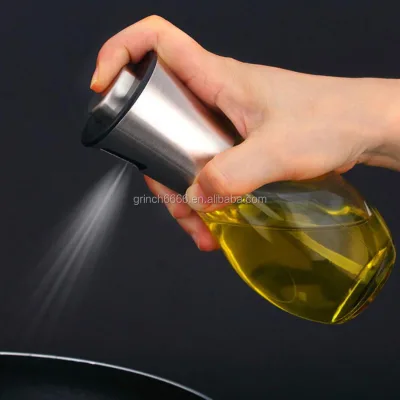
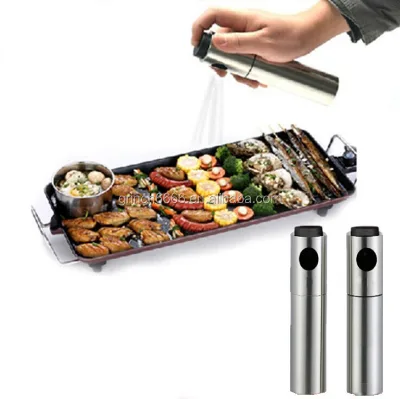
Beyond material, the spray mechanism is a critical differentiator that directly impacts user experience and product performance. Listings indicate a variety of nozzle designs, including fine mist nozzles and press-spray mechanisms, each serving different culinary needs. Fine mist sprayers are often preferred for delicate baking applications where even, light coating is essential, while press sprays may offer more robust output for grilling or heavy-duty cooking tasks. Buyers should evaluate these mechanical differences carefully, ensuring that the chosen sprayer type supports the intended frequency of use and the specific viscosity of oils or cooking liquids that will be dispensed.
Product Scope and Observed Listing Signals
The current market for refillable oil sprayers presents a wide array of product attributes that buyers must navigate to find suitable suppliers. Observed listings highlight features such as eco-friendly materials, easy-clean designs, and multi-functional capabilities, which are increasingly important for modern kitchenware procurement. Products are frequently marketed with specific color options like white, black, or transparent finishes, allowing for brand alignment or aesthetic integration into professional kitchen environments. These visual and functional signals help buyers quickly filter through numerous options, but they also necessitate careful verification to ensure that advertised features match the actual product received.
Capacity and packaging details are another significant area of variation in the observed data. Suppliers offer single package sizes ranging from compact dimensions suitable for individual retail units to larger carton packages designed for bulk distribution. Some listings specify capacities of 180ml or 200ml, while others indicate 300ml options, catering to different usage scenarios. Additionally, the presence of custom packaging and logo customization services suggests that many suppliers are equipped to handle private label orders. Buyers should pay close attention to these logistical details, as they directly influence shipping costs, storage requirements, and the overall feasibility of large-scale procurement projects.
Technical Specifications to Verify
When evaluating technical specifications, buyers must prioritize the verification of nozzle design and spray type to ensure optimal performance. The presence of fine mist nozzles is a key indicator of quality for baking applications, as it allows for uniform oil distribution without saturating the food. Buyers should request detailed diagrams or videos demonstrating the spray pattern to confirm that the nozzle produces a consistent mist rather than a stream or uneven spray. This verification step is crucial because nozzle quality directly affects the efficiency of oil usage and the final texture of baked goods, making it a non-negotiable aspect of the technical assessment.
Material composition and closure types are equally important technical factors that require rigorous verification. Listings indicate the use of glass, metal, and other materials, each with distinct advantages and limitations regarding durability and chemical compatibility. Buyers must confirm that all components, including the closure type such as screw caps, are food-grade and resistant to corrosion from acidic or oily substances. Additionally, the weight and dimensions of the single package should be verified to ensure they meet shipping and handling requirements. Accurate specification verification prevents costly returns and ensures that the final product meets the functional demands of professional or high-volume home baking environments.
Compliance and Safety Documentation
Ensuring compliance with safety standards is paramount when sourcing kitchenware that comes into direct contact with food. Buyers should request documentation confirming that all materials used in the construction of the oil sprayer are food-safe and free from harmful chemicals. While specific certifications like CE or RoHS are mentioned in some contexts, buyers must verify the current validity and scope of these certifications with the supplier. It is essential to obtain up-to-date test reports that demonstrate compliance with relevant food contact material regulations in the target market, ensuring that the product does not pose any health risks to consumers.
In addition to material safety, buyers should inquire about the manufacturing processes and quality control measures implemented by the supplier. Documentation should include details on how the sprayers are tested for leaks, spray consistency, and durability under normal use conditions. Buyers may also need to verify that the supplier adheres to international quality management standards, which can provide additional assurance of product reliability. Requesting these documents early in the sourcing process helps mitigate risks associated with non-compliant products and ensures that the procurement aligns with regulatory requirements and brand safety standards.
Cost Drivers and Commercial Terms
Several factors influence the cost structure of refillable oil sprayers, with material choice and customization options being primary drivers. Glass and metal components typically command higher prices than plastic alternatives due to their durability and perceived premium quality. Customization services, such as logo printing or custom packaging, add to the overall cost but can enhance brand value for private label buyers. Buyers should request detailed quotations that break down these costs to understand the true value proposition and identify areas where cost savings might be achievable without compromising quality.
Minimum order quantities (MOQ) and payment terms are critical commercial terms that impact the feasibility of the procurement. Observed MOQs vary significantly, ranging from small quantities suitable for testing to large volumes required for mass production. Buyers must align their order quantities with their inventory management capabilities and market demand forecasts to avoid excess stock or production delays. Additionally, negotiating favorable payment terms and lead times can improve cash flow and ensure timely delivery, which is essential for maintaining supply chain efficiency and meeting customer expectations in a competitive market.
Supplier Qualification and Quality Control
Supplier qualification is a critical step in ensuring the reliability and consistency of the supply chain for refillable oil sprayers. Buyers should conduct thorough due diligence to verify the supplier’s manufacturing capabilities, production capacity, and track record in the kitchenware industry. This includes assessing their facility’s cleanliness, equipment modernity, and adherence to good manufacturing practices. Engaging with suppliers who have a proven history of producing high-quality kitchen tools can significantly reduce the risk of receiving substandard products and ensure a smoother procurement process.
Quality control measures must be clearly defined and agreed upon before production begins. Buyers should establish specific quality standards and inspection criteria, including checks for material defects, nozzle functionality, and packaging integrity. Implementing pre-shipment inspections or third-party quality audits can provide an additional layer of assurance that the products meet the agreed-upon specifications. Clear communication of these quality expectations helps align supplier and buyer objectives, reducing the likelihood of disputes and ensuring that the final delivered goods meet the required performance and safety standards.
Long-Term Procurement Checks
Establishing long-term procurement checks is essential for maintaining product quality and supplier performance over time. Buyers should implement regular performance reviews to assess the supplier’s ability to meet delivery schedules, maintain consistent quality, and respond to any issues that arise. These reviews should include feedback from end-users or internal quality teams to identify any recurring problems or areas for improvement. By continuously monitoring supplier performance, buyers can proactively address potential issues and strengthen the partnership, ensuring a stable and reliable supply of refillable oil sprayers.
Adapting to market changes and evolving customer preferences is another key aspect of long-term procurement strategy. Buyers should stay informed about emerging trends in kitchenware design, material innovations, and sustainability practices that may impact the oil sprayer market. This includes monitoring competitor offerings and consumer feedback to identify opportunities for product differentiation or improvement. By remaining agile and responsive to market dynamics, buyers can ensure that their procurement strategy remains relevant and competitive, supporting long-term business growth and customer satisfaction in the evolving kitchenware landscape.
FAQs
What materials are used for Refillable Oil Sprayer for Baking?
Refillable oil sprayers for baking are typically constructed from durable glass and metal components. The glass bottle holds the oil while the metal pump mechanism ensures consistent misting. This combination provides a sturdy and hygienic vessel for kitchen use, allowing for easy refilling and long-term reliability in culinary applications.
Can I customize the logo on these oil sprayers?
Yes, many manufacturers accept customized logos for bulk orders. This OEM and ODM service allows businesses to brand their products effectively. Buyers should verify specific customization requirements with suppliers, as design options and minimum order quantities may vary depending on the production capabilities and current inventory status of the vendor.
What is the typical capacity of these oil spray bottles?
Common capacities for these oil spray bottles range from 100ml to 300ml. Specific models may offer 180ml or 200ml volumes to suit different kitchen needs. Buyers should check individual product specifications to ensure the selected capacity aligns with their intended usage, whether for light baking drizzles or heavier grilling applications.
How does the nozzle design affect oil distribution?
The nozzle design, often featuring a fine mist or press spray mechanism, ensures even oil distribution. This functionality helps in creating a uniform coating on food surfaces, which is essential for baking and grilling. The spray type directly impacts cooking efficiency and health benefits by reducing the overall amount of oil required.
What are the packaging options for bulk orders?
Packaging options typically include standard cartons or custom packages depending on buyer requirements. Standard units might be packed in cartons measuring specific dimensions, while custom packaging offers branding opportunities. Buyers should confirm packing details with suppliers to ensure safe transit and compliance with their logistical or retail presentation standards.
Where are these oil sprayers typically manufactured?
These oil sprayers are typically manufactured in regions like Guangdong and Jiangsu in China. These locations are known for their robust manufacturing infrastructure for kitchenware tools. Buyers can expect efficient production capabilities and established supply chains when sourcing from these specific geographic origins for their bulk procurement needs.