Source Eco Friendly Pie Baking Mold for Cakes, Pizzas, and Pies
Compare 30 Eco Friendly Pie Baking Mold options from verified suppliers. Explore silicone and metal materials with non-stick coatings, various sizes, and custom colors for home kitchen baking needs; compare the available evidence and request quotations based on your requirements.
Updated
Key considerations
Products List
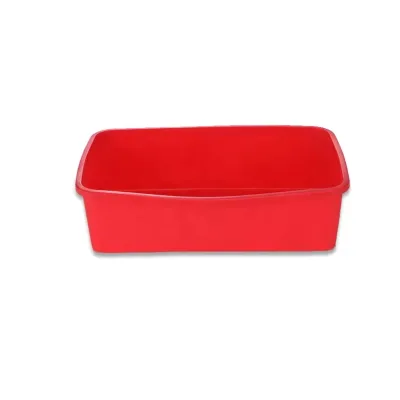
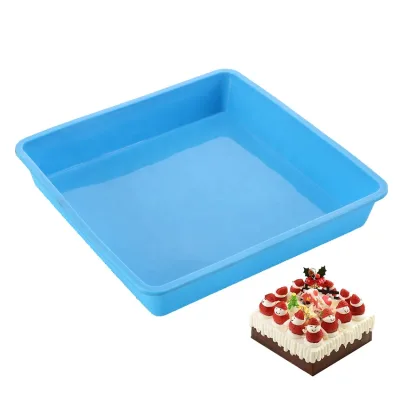
Non-Stick Silicone Square Baking Pan Eco-Friendly Cheese Cake Brownie Mold
$0.85 - $1.06
MOQ: 1000 pieces
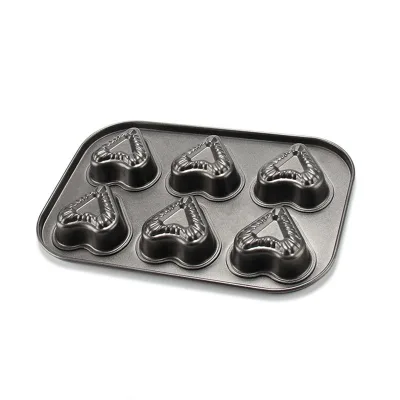


Non Stick Carbon Steel 0.4mm Round Springform Cake Baking Mold with Cover
$2.50 - $3.10
MOQ: 2000 Pieces


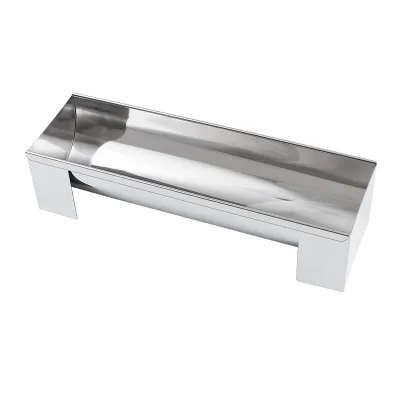
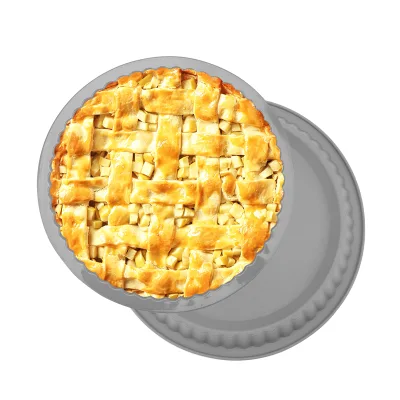


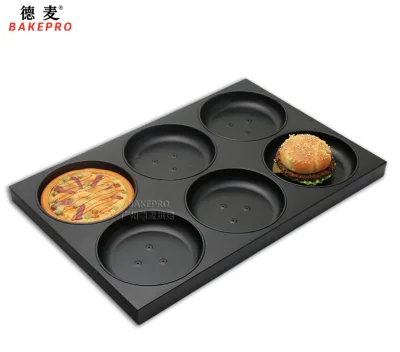
Hotel Restaurant Bakery Tools Round Aluminum Cake Baking Mold/Mould Pizza Pan
$3.50 - $5.00
MOQ: 10 Pieces


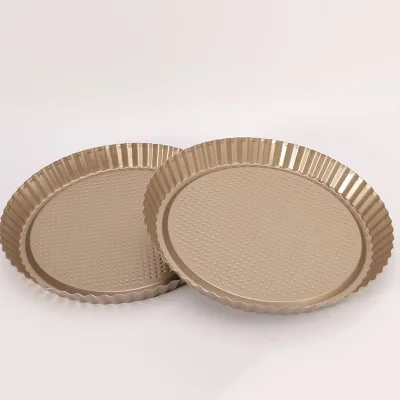
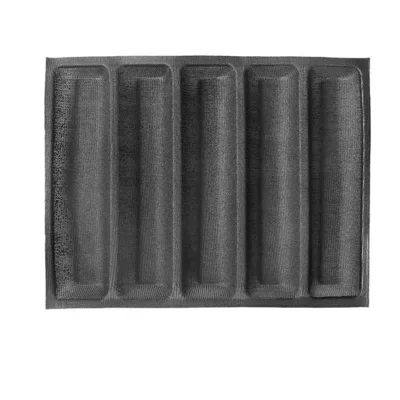
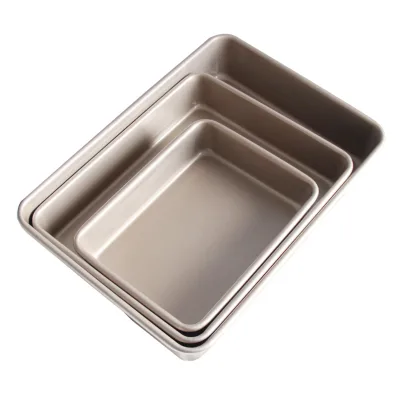



Comprehensive Sourcing Guide
Eco Friendly Pie Baking Mold Sourcing Guide
Procuring eco-friendly pie baking molds requires a strategic balance between material sustainability, thermal performance, and commercial viability. Buyers must navigate a market where "eco-friendly" is often a marketing term rather than a verified technical specification. The core challenge lies in distinguishing between genuinely sustainable materials, such as food-grade silicone or recycled metals, and products that merely carry green labels without substantive backing. This guide provides a structured approach to evaluating suppliers, verifying technical claims, and ensuring that the selected molds meet both environmental standards and operational requirements for commercial or high-volume home baking.
Successful sourcing begins with a clear definition of what "eco-friendly" means for your specific use case. It may refer to the material’s recyclability, its non-toxic nature during heating, or its durability over time. Buyers should prioritize suppliers who provide transparent data on material composition and manufacturing processes. By focusing on verifiable attributes such as temperature resistance, non-stick coating safety, and material certifications, buyers can mitigate the risk of selecting products that fail under stress or pose health risks. This disciplined approach ensures that the final procurement decision aligns with both brand values and practical baking needs.
Product Scope and Observed Listing Signals
The current market for eco-friendly pie baking molds features a diverse range of products, from flexible silicone molds to rigid metal pans with non-stick coatings. Observed listings indicate a price range of $0.01 to $34.27 USD, reflecting significant variation in material quality, brand reputation, and manufacturing complexity. Minimum order quantities (MOQs) typically span from 1 to 2,000 units, allowing buyers to scale orders based on demand forecasts. This wide spectrum necessitates careful filtering to identify products that offer genuine value rather than just low initial costs. Buyers should look beyond the headline price to assess the total cost of ownership, including durability and replacement frequency.
Key product attributes observed in the market include specific temperature ranges, such as -40°C to 230°C, which indicate the thermal stability of silicone-based molds. Materials like food-grade silicone and carbon steel are prevalent, with some products featuring non-stick coatings to enhance usability. Shapes vary from rectangular to square, with dimensions like 24.214.26.9cm and 21.521.54cm being common. These physical specifications are critical for ensuring compatibility with existing kitchen equipment and storage solutions. Buyers must verify that the listed dimensions and materials match their operational requirements to avoid costly mismatches in production or retail packaging.
Technical Specifications to Verify
Verifying technical specifications is essential to ensure that the baking molds perform reliably under high-heat conditions. Buyers should confirm the exact temperature range each product can withstand, as exceeding these limits can lead to material degradation or release of harmful substances. For silicone molds, the presence of a non-stick coating and specific weight metrics, such as 125g or 128g, can indicate material density and quality. It is crucial to distinguish between single-piece molds and multi-cavity options, as this affects production efficiency and packaging logistics. Detailed model numbers, such as C099 or C100, help in tracking specific product variants and ensuring consistency across orders.
Material composition is another critical area for verification. While silicone is often marketed as eco-friendly, buyers must confirm that it is food-grade and free from harmful fillers. For metal molds, such as those made from carbon steel, the thickness and coating integrity are vital for longevity and non-stick performance. Specifications like 301.5cm or 2217.5*3.4cm provide precise dimensional data that must be cross-referenced with supplier documentation. Buyers should request detailed technical sheets that outline material safety, thermal limits, and mechanical strength. This due diligence prevents unexpected failures during baking and ensures that the molds meet the rigorous demands of commercial kitchens.
Compliance and Safety Documentation
Compliance with international safety standards is non-negotiable for eco-friendly baking molds, particularly those intended for food contact. Buyers must verify that suppliers hold relevant certifications, such as FDA and LFGB, which attest to the material’s safety for food applications. These certifications ensure that the molds do not leach harmful chemicals into food, even at high temperatures. Without proper documentation, buyers risk exposing their customers to health hazards and facing regulatory penalties. It is advisable to request copies of current certificates and verify their authenticity with the issuing bodies. This step is crucial for maintaining brand integrity and consumer trust.
In addition to certifications, buyers should inquire about the manufacturing standards and quality control processes employed by suppliers. Standards like EN 1388 may provide additional context for material testing, though specific compliance should be confirmed with the supplier. Documentation should also cover the non-toxic nature of the materials, ensuring that they are safe for both users and the environment. Buyers should look for clear labeling and instructions regarding care and usage, such as oven-safe indicators. Comprehensive safety documentation not only protects consumers but also simplifies the import and distribution process in regulated markets.
Cost Drivers and Commercial Terms
Understanding the cost drivers behind eco-friendly baking molds helps buyers negotiate better commercial terms and forecast budgets accurately. Material quality is a primary factor, with food-grade silicone and high-quality carbon steel commanding higher prices than inferior alternatives. The complexity of the mold design, including multi-cavity structures or custom shapes, also influences manufacturing costs. Buyers should analyze the price-to-performance ratio rather than focusing solely on the lowest unit cost. High-quality molds may have a higher upfront price but offer greater durability and customer satisfaction, reducing long-term replacement costs.
Commercial terms such as MOQs, lead times, and payment conditions significantly impact the overall procurement strategy. Suppliers may offer flexible MOQs to accommodate small businesses, while larger orders might benefit from volume discounts. Buyers should clarify shipping terms, including who bears the cost of freight and insurance. Additionally, understanding the supplier’s production capacity and lead times is crucial for maintaining inventory levels. Negotiating clear terms for returns, warranties, and defect resolution can mitigate risks associated with bulk purchases. A transparent commercial agreement ensures a smooth transaction and fosters a reliable supplier relationship.
Supplier Qualification and Quality Control
Supplier qualification is a critical step in ensuring the reliability and consistency of eco-friendly baking molds. Buyers should assess suppliers based on their production capabilities, quality control systems, and track record in the industry. Factories with established QC processes are more likely to deliver products that meet specified standards consistently. Buyers should request samples to evaluate material quality, finish, and functionality before committing to large orders. This hands-on verification helps identify potential issues early in the sourcing process. Additionally, reviewing supplier audits and past client feedback can provide insights into their operational reliability.
Quality control should extend beyond the initial sample approval to include ongoing monitoring of production batches. Buyers should establish clear acceptance criteria for defects, such as cracks, discoloration, or coating peeling. Regular inspections, either in-house or through third-party agencies, can ensure that products meet these standards. Suppliers who proactively communicate quality issues and offer corrective actions are preferable partners. Building a strong relationship with qualified suppliers facilitates better collaboration on product improvements and problem resolution. This disciplined approach to supplier management minimizes risks and enhances the overall quality of the procurement.
Long-Term Procurement Checks
Long-term procurement success depends on continuous monitoring of supplier performance and market trends. Buyers should regularly review supplier metrics, such as on-time delivery rates, defect rates, and responsiveness to issues. Consistent performance indicates a reliable partner, while recurring problems may signal the need for supplier replacement. Additionally, staying informed about advancements in eco-friendly materials and manufacturing technologies can provide competitive advantages. Buyers should periodically reassess their sourcing strategy to align with evolving sustainability goals and customer preferences. This proactive approach ensures that the procurement process remains efficient and effective.
Market dynamics, including price fluctuations and regulatory changes, also require ongoing attention. Buyers should monitor industry news and regulatory updates to anticipate potential impacts on sourcing. Building a diversified supplier base can mitigate risks associated with single-source dependencies. Regular communication with suppliers fosters collaboration and innovation, leading to better product offerings. By maintaining a strategic focus on quality, compliance, and cost-efficiency, buyers can secure a sustainable supply of eco-friendly baking molds. This long-term perspective ensures that procurement efforts contribute to the overall success and sustainability of the business.
FAQs
How heat resistant are eco friendly silicone pie baking molds?
Silicone pie baking molds listed here handle temperatures from -40°C to 230°C, covering freezer storage and standard oven baking. Always check the specific product specification before use, since some listings describe carbon steel pans instead. Avoid direct contact with open flames or heating elements, and follow the care instructions provided for each model to preserve non-stick performance.
What materials are available for eco friendly pie baking molds?
Listings include food grade silicone molds and carbon steel pans with non-stick coating. Silicone models are described as sustainable, non-toxic, and eco-friendly, while carbon steel offers sturdy structure for pie dishes and pans. Some listings note FDA and LFGB certification. Confirm the material stated on each product page before ordering, because both types appear under this category.
Which sizes do the silicone pie and cake baking molds come in?
Listed silicone models include a rectangle mold measuring 24.2*14.2*6.9cm and a square pan measuring 21.5*21.5*4cm, often described as an 8.5 inch square. A carbon steel option follows a 30*1.5cm standard, and another is 22*17.5*3.4cm. Check the individual model number, such as C099, C100, or 32776, to confirm exact dimensions before purchase.
Can I customize the color or design of silicone pie baking molds?
Yes, listings indicate colors can be customized and OEM or ODM services are available. Minimum order quantities range from 1 to 2000 pieces depending on the listing, so customization requirements may affect the required volume. Contact the supplier through the inquiry channel with your design files, target color, and order quantity to receive a customization confirmation and quotation.
What is the minimum order quantity for eco friendly pie baking molds?
Observed minimum order quantities span from 1 piece to 2000 pieces across listings. Single-item sales allow small trial orders, while factory-direct offerings typically require larger volumes. Selling units are listed as single items for some models. Always confirm the current MOQ with the supplier, since quantity requirements vary by model, material, and whether customization is requested.
Where are these pie baking molds manufactured?
Listed origins include Zhejiang, China for the silicone models and Guangdong, China for the carbon steel pans. One carbon steel listing notes main sales regions of Africa, Europe, South America, and Southeast Asia. Origin can affect shipping cost and lead time, so confirm the dispatch location with the supplier before placing an order, especially for time-sensitive shipments.
How much do the silicone pie and cake molds weigh?
Silicone models weigh 125g to 128g, with single gross weight around 0.350 kg including packaging. A six cavity mold weighs 250g. Single package size for one listing is 20X20X10 cm. These weights matter for calculating shipping costs on bulk orders. Verify the gross weight on each product page, as packaging weight differs between models and suppliers.
Can silicone pie molds be used safely in the oven?
Yes, listed silicone molds carry care instructions marked oven safe and a temperature range of -40°C to 230°C, making them suitable for baking cakes, cheese cakes, and pizzas. Place molds on a flat baking sheet for stability when filled. Allow the mold to cool before flexing to release baked goods, and wash gently to maintain the non-stick surface over repeated use.