Source Eco-Friendly Sushi Mold Set for Restaurants, Parties, and Gifts
Compare 30 eco-friendly sushi mold set options from verified suppliers. These DIY tools feature food-grade materials and customizable designs for kitchen, dining, and camping use. Buyers can review specifications like single package sizes, model numbers, and certifications such as LFGB. Options include plastic and ABS materials suitable for restaurants, hotels, and gift stores.
Updated
Key considerations
Products List
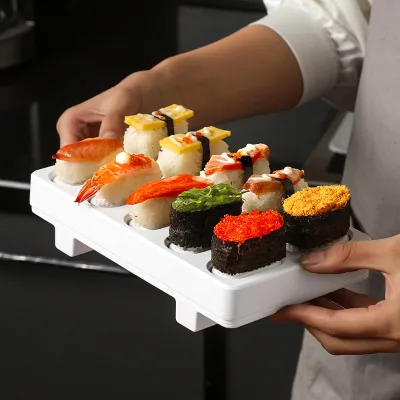
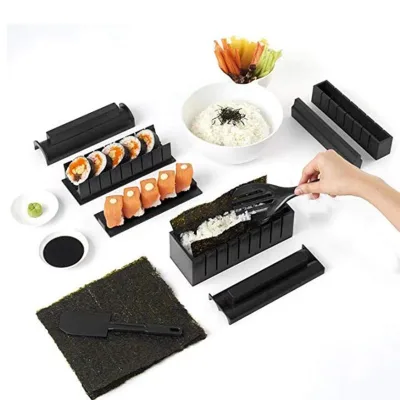


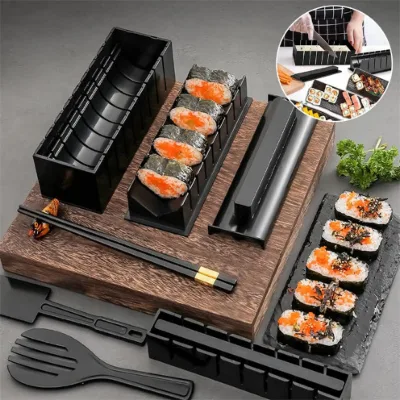

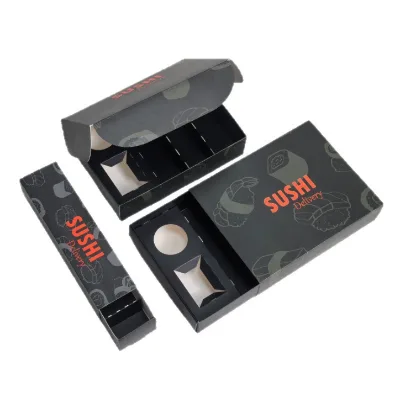
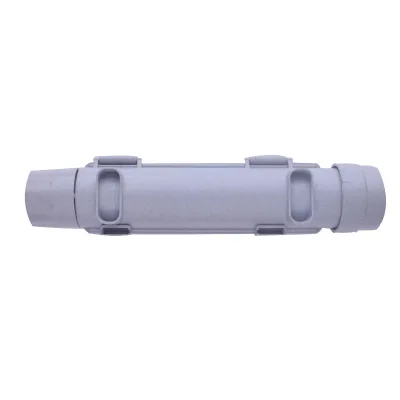
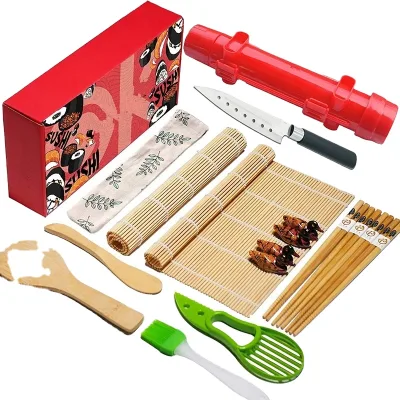
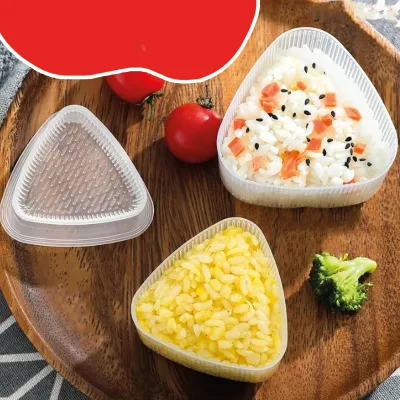
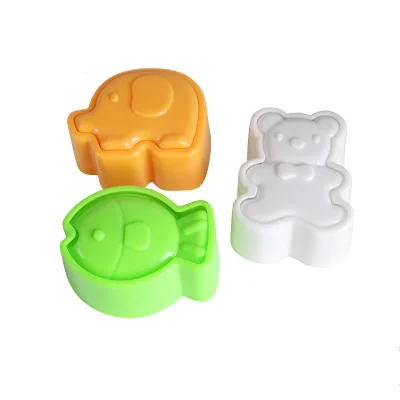
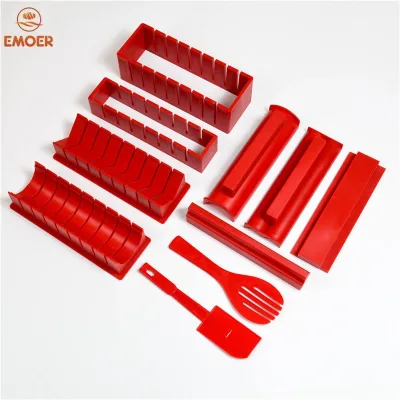
EMOER Square Sushi Set Circular Sushi Mold Set of 10 Pieces English Standard Packaging
$3.4267 - $3.6306
MOQ: 300 sets


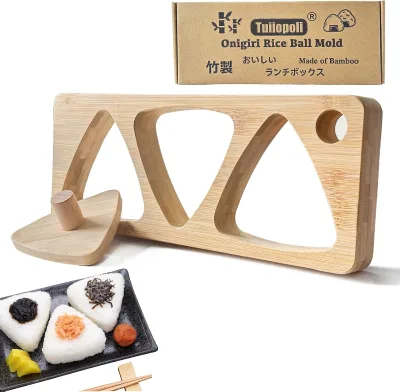
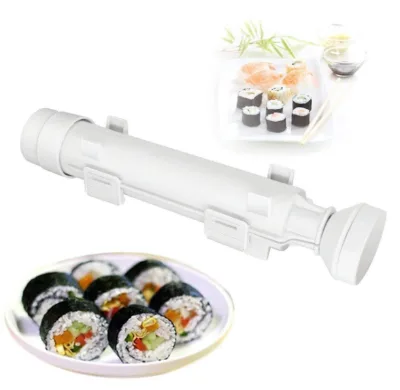
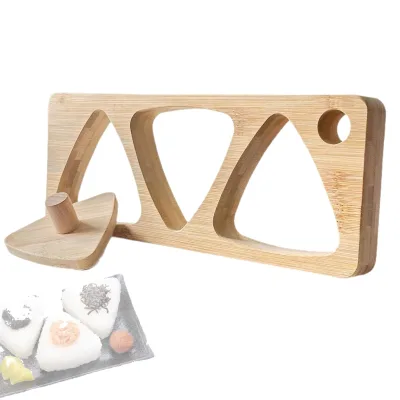
Comprehensive Sourcing Guide
Eco-Friendly Sushi Mold Set Sourcing Guide
Procuring eco-friendly sushi mold sets requires a careful balance between sustainable material claims and functional durability for high-volume kitchen environments. Buyers must distinguish between marketing terms like "eco-friendly" and verifiable material compositions, such as food-grade ABS plastic, which offers a reliable middle ground between traditional bamboo and fully biodegradable options. The observed market data indicates a strong presence of manufacturers in Zhejiang, China, who specialize in DIY sushi tools that cater to both home enthusiasts and commercial food service operations. Understanding the specific product attributes, such as single package dimensions and gross weights, is essential for accurate logistics planning and inventory management.
The sourcing landscape for these tools is characterized by a wide range of customization options, including logo printing and color variations, which appeal to private label buyers and gift retailers. However, the term "eco-friendly" must be scrutinized against the actual material specifications provided by suppliers, as many listed products are plastic-based rather than natural fiber. Buyers should prioritize suppliers who provide clear evidence of sustainable practices or certified materials, ensuring that the "eco" claim aligns with corporate sustainability goals. This guide outlines the critical verification steps needed to secure a reliable supply chain for these specialized kitchen accessories.
Product Scope and Observed Listing Signals
The current market for sushi molds features a diverse array of products ranging from simple single-item molds to comprehensive sets designed for complex rice ball shaping. Observed listings highlight key attributes such as "Fashionable" styles and "Convenient Sushi Mat" functionalities, indicating a consumer demand for aesthetic appeal alongside practical utility. The product scope extends beyond basic home use, with many suppliers targeting commercial buyers in restaurants, hotels, and gift stores, suggesting a robust B2B market segment. Buyers should note that while some products are labeled as "Stocked," others require custom manufacturing, which significantly impacts lead times and minimum order quantities.
Listing signals also reveal important logistical details, such as single package sizes varying from compact dimensions like 20.1x12.3x4.4 cm to larger boxes measuring 25x20x15 cm. These variations directly influence shipping costs and storage requirements, making it crucial for buyers to calculate the volumetric weight accurately. The presence of keywords like "Sushi Machine" and "DIY Rice Ball Sushi Mold" suggests that some products may offer enhanced functionality beyond traditional rolling mats. Procurement teams must verify whether the listed "Eco-Friendly" feature applies to the entire set or just specific components, as this distinction can affect compliance and marketing claims.
Technical Specifications to Verify
Technical verification begins with confirming the material composition, as many suppliers list "Plastic" or "Food-Grade ABS" as the primary material for their sushi molds. Buyers must ensure that the specified materials meet food contact safety standards, particularly if the molds will be used in commercial settings where hygiene is paramount. The observed model numbers, such as LS-B241122 and LS-B220617, indicate that suppliers offer distinct product lines with varying specifications. It is essential to request detailed technical datasheets that outline the exact polymer type, thermal resistance, and durability metrics to prevent premature wear or deformation during repeated use.
Dimensional accuracy is another critical technical aspect, with observed single gross weights ranging from 0.400 kg to 0.900 kg per unit. These weight variations often correlate with the size and complexity of the mold, affecting both the user experience and shipping logistics. Buyers should verify the single package size against the actual product dimensions to ensure that the packaging provides adequate protection without excessive void fill. Additionally, the availability of customization options, such as customized colors and logos, requires clear technical specifications for printing methods and color matching to maintain brand consistency across large orders.
Compliance and Safety Documentation
Compliance verification is a non-negotiable aspect of sourcing food-contact kitchenware, requiring buyers to demand valid certification documents from all potential suppliers. The observed market data includes references to LFGB certification, which is a stringent German food safety standard that many international buyers consider a benchmark for quality. Buyers must request current, unexpired certificates and verify their authenticity with the issuing body to ensure that the products meet the regulatory requirements of their target markets. Relying on unverified claims or outdated documentation can lead to customs delays, product recalls, and significant reputational damage.
In addition to material safety certifications, buyers should inquire about broader environmental and manufacturing standards that support the "eco-friendly" positioning of the products. While some listings mention CE certification, this is often a general safety mark and does not specifically address food safety or environmental impact. Procurement teams should establish a clear checklist of required documents, including material safety data sheets (MSDS) and migration test results, to ensure full transparency. Establishing a direct line of communication with the supplier’s quality assurance department can help clarify any ambiguities regarding compliance and ensure that all products meet the necessary legal and ethical standards.
Cost Drivers and Commercial Terms
Cost structures for sushi mold sets are influenced by several key factors, including material costs, customization requirements, and order volume. The observed minimum order quantities (MOQ) range from 10 to 5000 pieces, with higher MOQs often unlocking more favorable pricing tiers. Buyers must carefully evaluate the trade-off between lower unit costs and the financial risk associated with larger inventory commitments. Customization options, such as logo printing and custom colors, typically incur additional setup fees and may increase the per-unit cost, so these expenses should be factored into the total landed cost calculation.
Commercial terms also play a significant role in the overall procurement strategy, with observed FOB ports like Ningbo indicating the primary shipping hubs for these products. Buyers should negotiate clear payment terms, such as a deposit followed by a balance against shipping documents, to mitigate financial risk. Lead times are another critical variable, with sample times ranging from 5-7 working days, but production lead times can vary significantly based on order size and supplier capacity. Establishing a comprehensive cost model that includes freight, insurance, and potential tariffs will provide a more accurate picture of the true cost of ownership for the sushi mold sets.
Supplier Qualification and Quality Control
Supplier qualification requires a thorough assessment of the manufacturer’s production capabilities, quality management systems, and track record. Buyers should prioritize suppliers who demonstrate a commitment to quality control through regular internal inspections and adherence to international standards. The availability of samples, as noted in the observed data, is a crucial step in evaluating product quality before committing to a large order. Procurement teams should request multiple samples to test durability, ease of use, and the accuracy of the "eco-friendly" claims, ensuring that the final product meets their specific requirements.
Quality control protocols should be established early in the sourcing process, including clear acceptance criteria for defects, packaging integrity, and labeling accuracy. Buyers may consider hiring third-party inspection agencies to conduct pre-shipment inspections, particularly for large orders or new supplier relationships. These inspections can help identify potential issues before the goods are shipped, reducing the risk of receiving substandard products. Additionally, maintaining open communication with the supplier regarding any quality concerns can foster a collaborative relationship and ensure continuous improvement in product quality and service delivery.
Long-Term Procurement Checks
Long-term procurement success depends on establishing a robust supplier relationship management strategy that includes regular performance reviews and continuous improvement initiatives. Buyers should monitor key performance indicators (KPIs) such as on-time delivery rates, product quality consistency, and responsiveness to issues. Regular audits, whether remote or on-site, can help ensure that suppliers continue to meet the required standards and adapt to changing market conditions. Building a diversified supplier base can also mitigate risks associated with supply chain disruptions, ensuring a steady flow of inventory for sushi mold sets.
Furthermore, buyers should stay informed about emerging trends in sustainable materials and manufacturing processes to future-proof their procurement strategy. As consumer demand for eco-friendly products grows, suppliers may introduce new materials or technologies that offer better environmental performance. Engaging in ongoing dialogue with suppliers about these innovations can help buyers stay ahead of the curve and offer cutting-edge products to their customers. By maintaining a proactive approach to supplier management and market analysis, buyers can ensure a resilient and competitive supply chain for their sushi mold set procurement needs.
FAQs
What materials are used for the eco-friendly sushi mold set?
The eco-friendly sushi mold set is constructed from food-grade ABS plastic or general plastic materials. These materials ensure safety for direct food contact while maintaining durability for repeated DIY sushi making tasks in kitchens or dining rooms.
Can I request a customized logo on the sushi mold set?
Yes, customized logos are acceptable for the sushi mold set. Buyers can request specific branding options, and the product supports customization for commercial buyers like restaurants, hotels, and gift stores looking for unique promotional items.
What is the minimum order quantity for the sushi mold set?
The minimum order quantity for the sushi mold set is 5000 pieces. This bulk requirement applies to custom orders, while smaller sample quantities may be available for evaluation before committing to a larger commercial purchase volume.
How long does it take to receive a sample of the mold?
It takes 5 to 7 working days to receive a sample of the mold. This sample time allows buyers to verify the product quality and specifications before proceeding with a larger order for their specific DIY sushi making needs.
Which certifications does the eco-friendly sushi mold set hold?
The eco-friendly sushi mold set holds LFGB certification to ensure food safety standards. This certification confirms the product meets strict regulatory requirements for materials used in food contact applications, making it suitable for commercial and home use.
Where is the sushi mold set manufactured and shipped from?
The sushi mold set is manufactured in Zhejiang, China, and shipped from the Ningbo port. This location provides efficient logistics for international buyers, ensuring reliable delivery times for orders placed with suppliers in this region.
What are the dimensions of the single package for the mold?
The single package size varies, with options like 20.1 by 12.3 by 4.4 cm or 25 by 20 by 15 cm. These dimensions accommodate the plastic sushi molds and ensure safe transport while keeping the gross weight manageable for shipping.