Source Manual Lime Squeezer for restaurants, homes, and kitchens
Compare 30 Manual Lime Squeezer options from verified suppliers. Buyers can evaluate materials like stainless steel and aluminum alloy, customization features, and packaging details for restaurant, home, and kitchen use; compare the available evidence and request quotations based on your requirements.
Updated
Key considerations
Products List


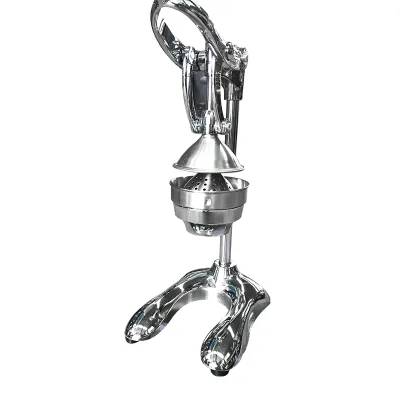
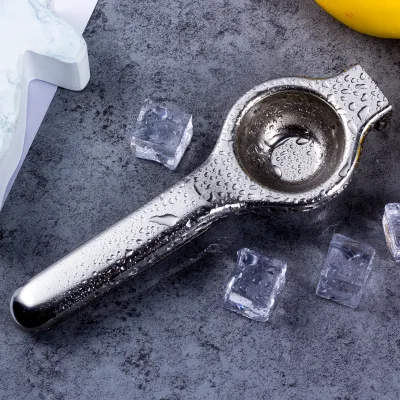




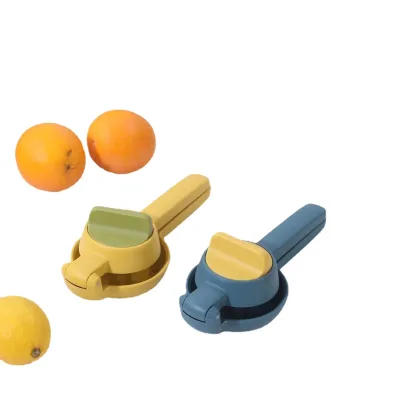


Zinc Alloy Lemon Squeezer Citrus Juicer \ Manual Citrus Juicer Handle Press
$1.48 - $1.88
MOQ: 600 pieces
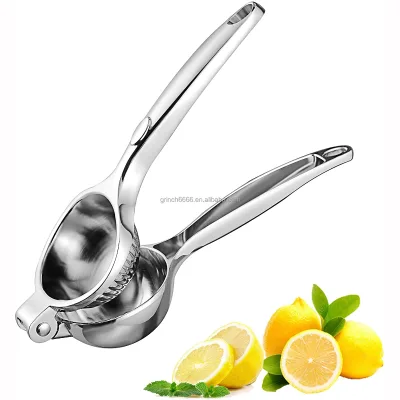


Stainless Steel Lime Manual Fruits Juicer Kitchen Tools Lemon Squeezer for Carlton
$0.10 - $0.30
MOQ: 500 Pieces
Comprehensive Sourcing Guide
Manual Lime Squeezer Sourcing Guide
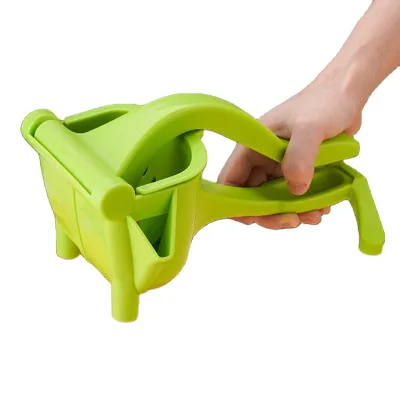
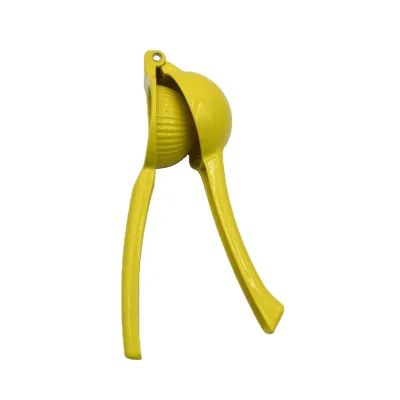
Procuring manual lime squeezers requires a clear understanding of the diverse material compositions and functional designs available in the current market. Buyers often encounter products constructed from stainless steel, aluminum alloy, or durable plastics, each offering distinct advantages regarding weight, corrosion resistance, and cost efficiency. The observed product landscape includes specialized tools like lemon and lime reamers, as well as broader vegetable choppers that may share similar mechanical principles. Understanding these material distinctions is critical for selecting the right tool for specific operational needs, whether for high-volume commercial kitchens or specialized retail packaging.
The sourcing process is further complicated by the variety of customization options and packaging configurations offered by manufacturers. Many suppliers provide OEM and ODM services, allowing buyers to customize logos, colors, and even structural dimensions to align with brand identity. Packaging details vary significantly, ranging from simple OPP bags to premium gift boxes, which directly impacts shipping volume and retail presentation. Buyers must carefully evaluate these variables to ensure that the final product meets both functional requirements and aesthetic expectations while maintaining cost-effectiveness throughout the supply chain.
Product Scope and Observed Listing Signals
The current market for manual citrus tools includes a wide array of products, from simple handheld reamers to more complex juicing mechanisms. Observed listings indicate that materials such as stainless steel and aluminum alloy are prevalent, suggesting a focus on durability and hygiene. Some products are explicitly marketed as eco-friendly or sustainable, appealing to environmentally conscious buyers. Additionally, the presence of accessories like chopping or mixing blades in related categories highlights the versatility of modern kitchen tool designs, which often combine multiple functions to maximize utility for the end-user.
Listing signals also reveal significant variability in product specifications and branding. Brands such as "Three stones" and "Wankai" appear in the data, indicating a competitive landscape with multiple established players. Products are often described with specific dimensions, such as 216.53.5cm for certain squeezers, and weights around 142g, providing tangible metrics for buyers to assess portability and storage requirements. The availability of customized colors, including green, orange, red, and white, allows for targeted marketing strategies, while the "Stocked" attribute suggests that many suppliers maintain inventory for faster fulfillment.
Technical Specifications to Verify
When evaluating technical specifications, buyers must prioritize the structural integrity and operational efficiency of the manual squeezer. Key attributes to verify include the material grade, such as stainless steel or aluminum alloy, which directly influences corrosion resistance and longevity. Dimensions are critical for both ergonomic handling and storage; for instance, some models measure 216.53.5cm, while others may be larger. Buyers should also check the weight, with observed values around 142g, to ensure the tool is comfortable for repeated use without causing user fatigue during high-volume juicing tasks.
Functional features and accessory compatibility are equally important considerations. Some products include specific components like bearings to ensure smooth operation, while others may offer interchangeable blades for additional kitchen tasks. The voltage specification is typically manual, indicating no electrical components, which simplifies maintenance and reduces failure points. Buyers should verify the single gross weight and packaging dimensions, such as 25X20X15cm for individual units, to calculate accurate shipping costs and warehouse space requirements, ensuring that the logistical footprint aligns with their distribution capabilities.
Compliance and Safety Documentation
Safety and compliance are paramount when sourcing kitchen tools that come into direct contact with food. Buyers must ensure that all materials used, including stainless steel, aluminum, and plastics, meet relevant food-grade safety standards. Although specific certification statuses are not explicitly detailed in the provided data, it is essential to request documentation confirming that the materials are non-toxic and free from harmful substances like BPA. Suppliers should be able to provide test reports or material safety data sheets to verify that their products comply with international food safety regulations, protecting both the brand and the end-consumer.
Additionally, warranty and inspection services play a crucial role in mitigating risk. Some suppliers offer a one-year warranty, providing a safety net against manufacturing defects. The availability of video outgoing inspections is a positive indicator of quality control transparency, allowing buyers to verify the condition of the goods before shipment. Buyers should also inquire about machinery test reports, even if they are currently marked as not available, to understand the supplier's capability to provide detailed performance data. Establishing clear compliance requirements in the purchase agreement ensures that any deviations from safety standards can be addressed promptly and effectively.
Cost Drivers and Commercial Terms
Several factors influence the final cost of manual lime squeezers, with material composition and customization levels being primary drivers. Products made from stainless steel or aluminum alloy typically command higher prices due to the cost of raw materials and processing complexity. Customization options, such as logo printing, color variations, and unique packaging designs, also add to the unit cost. Buyers should carefully balance these features against their budget, considering whether premium aesthetics are necessary for their target market or if standard configurations suffice for their operational needs.
Minimum Order Quantities (MOQ) and payment terms significantly impact cash flow and inventory management. Observed MOQs range from 20 pieces to 1000 pieces, offering flexibility for both small startups and large enterprises. Buyers should negotiate terms that align with their sales velocity and storage capacity. Additionally, the selling unit is typically a single item, but bulk pricing may be available for larger orders. Understanding the relationship between MOQ, unit price, and customization requirements is essential for optimizing procurement costs and ensuring that the supply chain remains efficient and cost-effective.
Supplier Qualification and Quality Control
Evaluating supplier qualifications is a critical step in ensuring a reliable supply chain. Buyers should verify the supplier's location, with many manufacturers based in Zhejiang and Guangdong, China, regions known for their robust manufacturing capabilities. The presence of core components like bearings and specific processing types, such as juice extraction, indicates a level of technical expertise. Buyers should request evidence of the supplier's production capacity and quality management systems to ensure consistency in product quality and timely delivery.
Quality control measures, such as video outgoing inspections and warranty provisions, are strong indicators of supplier reliability. Suppliers that offer these services demonstrate confidence in their products and a commitment to customer satisfaction. Buyers should also assess the supplier's ability to handle customization requests, including logo acceptance and packaging adjustments. Establishing a clear communication channel for quality feedback and issue resolution is essential for maintaining long-term partnerships. Regular audits and performance reviews can help identify potential issues early and ensure that the supplier continues to meet the buyer's standards.
Long-Term Procurement Checks
Sustaining a successful procurement relationship requires ongoing monitoring and evaluation of supplier performance. Buyers should regularly review key performance indicators such as on-time delivery rates, product defect rates, and responsiveness to customer inquiries. The availability of after-sales support, including warranty claims and technical assistance, is crucial for maintaining product quality and customer satisfaction. Establishing a structured feedback loop allows buyers to address issues promptly and continuously improve the procurement process.
Market trends and product innovation should also be closely monitored to ensure that the sourced products remain competitive. Suppliers that invest in research and development, such as introducing eco-friendly materials or new functional designs, can provide a strategic advantage. Buyers should stay informed about changes in regulations, consumer preferences, and technological advancements that may impact the product lifecycle. By maintaining a proactive approach to supplier management and market analysis, buyers can mitigate risks and capitalize on opportunities for growth and innovation in the Manual Lime Squeezer market.
FAQs
What materials are used for manual lime squeezers?
Manual lime squeezers are typically constructed from durable materials such as stainless steel, aluminum alloy, plastic, or metal. These materials ensure longevity and resistance to corrosion during daily kitchen use. Buyers can select specific materials based on their preference for weight, durability, and aesthetic finish for their product line.
Can I customize the logo and color of the squeezer?
Yes, customization is available for both logos and colors. Buyers can request customized logos and accept various color options including silver, green, orange, red, or white. This flexibility allows businesses to align the product appearance with their brand identity or specific market requirements effectively.
What is the typical MOQ for these manual squeezers?
The minimum order quantity varies by supplier but is often set at 20 pieces or up to 1000 units. Some listings indicate an MOQ of 20pcs, while others allow orders starting from 1 unit. Buyers should verify the specific MOQ with the manufacturer to ensure it fits their procurement volume.
How are the manual lime squeezers packaged for shipping?
Packaging details typically include individual gift boxes or opp bags with color boxes. Standard packaging might involve 12 gift boxes per carton, with master carton dimensions around 54x41x42cm. This ensures safe transport and ready-to-display presentation for retail customers or direct distribution channels.
Where are these manual lime squeezers manufactured?
These products are primarily manufactured in Zhejiang and Guangdong, China. The origin locations indicate established manufacturing hubs for kitchen tools. Buyers sourcing from these regions benefit from established supply chains and specialized production capabilities for stainless steel and aluminum alloy kitchen accessories.
What warranty is provided for the manual lime squeezers?
A standard warranty of 1 year is typically provided for these manual lime squeezers. This coverage ensures product reliability and gives buyers confidence in the durability of the bearing and core components. It supports long-term usage in restaurant, home, or kitchen environments without immediate replacement concerns.