Source Wooden Chocolate Cake Stand with Lid for Bakery, Events, and Retail
Compare 30 listings for the Wooden Chocolate Cake Stand with Lid from suppliers in China. Options include bamboo, acacia, and metal materials with customizable sizes and eco-friendly features for various food service needs; compare the available evidence and request quotations based on your requirements.
Updated
Key considerations
Products List


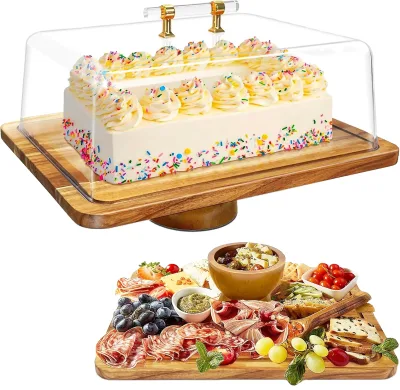
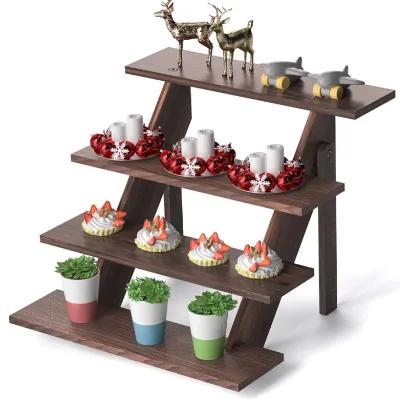
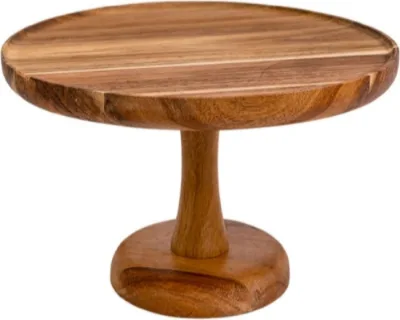


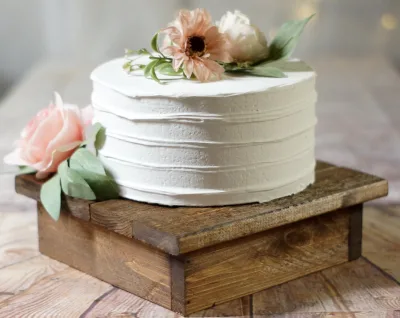
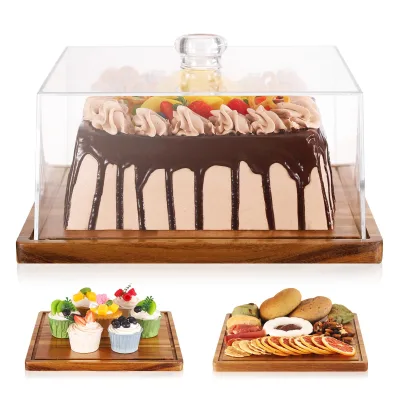
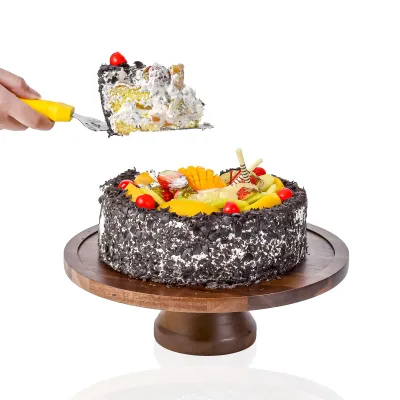
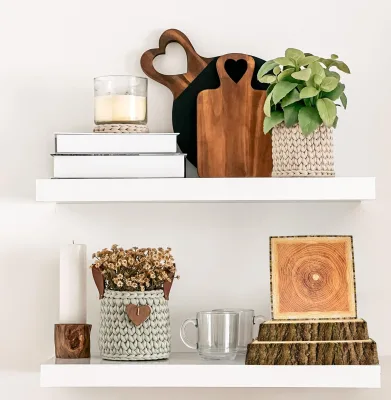
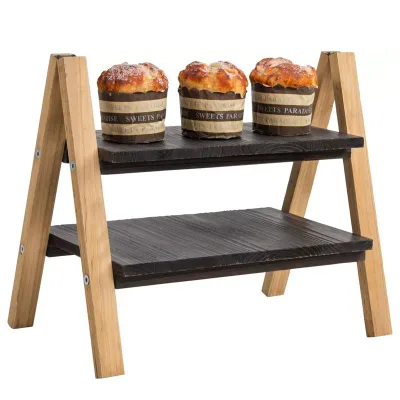
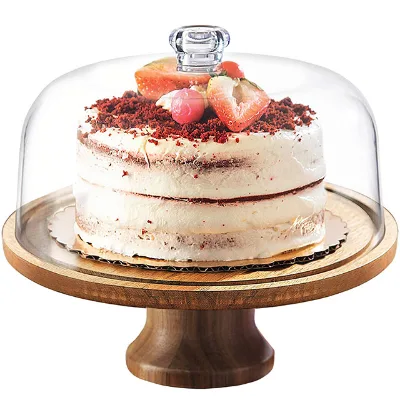
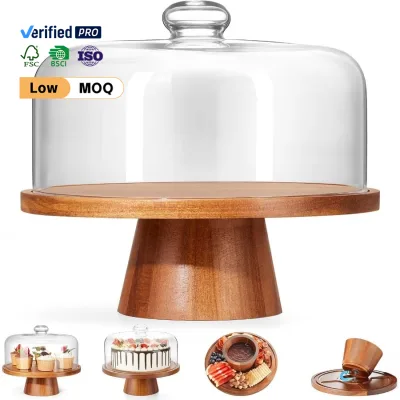
Wooden Dessert Cake Display Stand Acrylic Lid Party Wedding Restaurant Round Cake Stand
$5.8956 - $6.5266
MOQ: 500 pieces
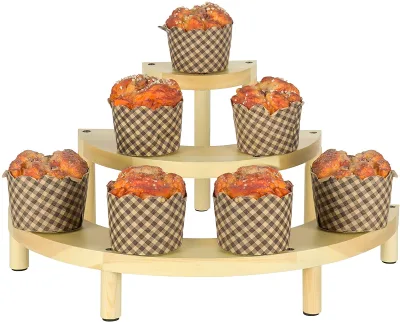
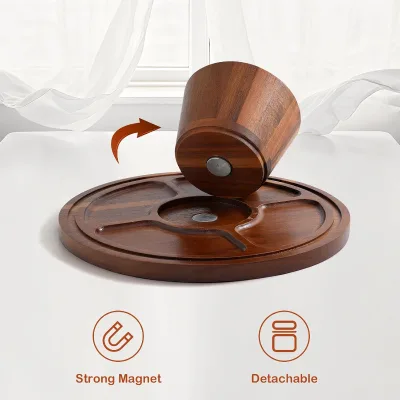
3 Tier Bread Holder Cake Stand Wood Cupcake Dessert Display Stand Nail Polish Holder
$5.2375 - $5.9555
MOQ: 500 pieces
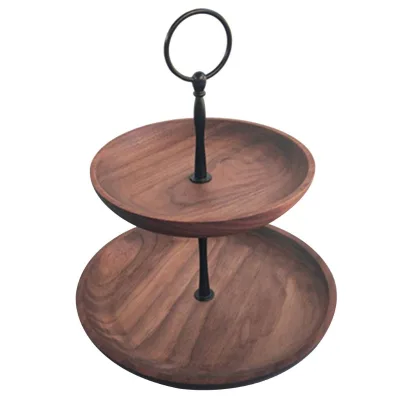
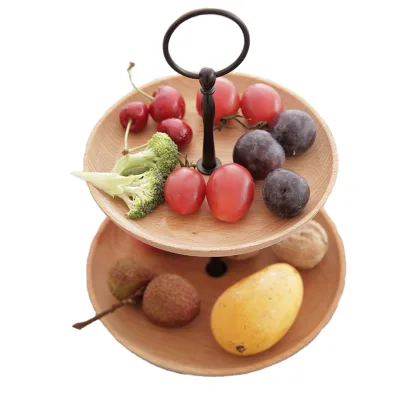
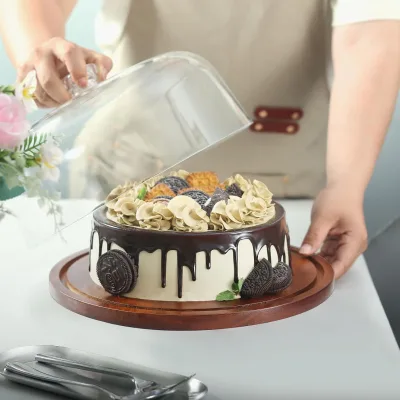

Food Table Rustic Wood Cake Stands Buffet Crate Wooden Dessert Display Stand
$50.00 - $80.00
MOQ: 100 Pieces



Comprehensive Sourcing Guide
Wooden Chocolate Cake Stand with Lid Sourcing Guide
Sourcing wooden chocolate cake stands with lids requires careful attention to material integrity and functional design, particularly for high-end confectionery presentation. Buyers must evaluate how the natural properties of wood interact with moisture and temperature, ensuring the stand maintains structural stability while protecting delicate chocolate items from environmental factors. The presence of a lid adds a layer of protection against dust and physical damage, making these units ideal for both retail display and secure transport. Procurement teams should prioritize suppliers who demonstrate expertise in treating wood to resist warping or cracking, as this directly impacts the longevity and aesthetic appeal of the final product.
The market offers a variety of configurations, ranging from simple single-tier platforms to more complex multi-level structures designed for elaborate dessert tables. When evaluating potential suppliers, it is crucial to assess the precision of the lid fit, as gaps can compromise the protective function and reduce the perceived quality of the item. Additionally, the finish applied to the wood plays a significant role in food safety and visual appeal, requiring verification that all coatings are non-toxic and compliant with relevant food-contact regulations. Buyers should also consider the customization options available, such as logo engraving or specific dimensional adjustments, to align the product with their brand identity and spatial requirements.
Product Scope and Observed Listing Signals
Current market listings indicate a diverse range of wooden cake stands, with observed price points spanning from $0.50 to $200 USD, reflecting variations in material quality, complexity, and order volume. Minimum order quantities (MOQs) typically range from 1 to 2,000 pieces, allowing flexibility for both small boutique orders and large-scale commercial procurement. Many suppliers highlight eco-friendly attributes and customization availability, suggesting a strong market trend toward sustainable materials and branded packaging solutions. Buyers should note that while some listings emphasize disposable features, the majority of wooden stands are positioned as durable, non-disposable items suitable for repeated use in professional settings.
Specific product models such as NF-NCS-203, NF-NCS-206, and NF-NCS-207 demonstrate the variety in standard dimensions available from manufacturers in Shaowu City, Fujian Province. These models often come with detailed packing specifications, including shrink wrap, color labels, inner boxes, and cartons, which are critical for logistics planning. The observed product attributes frequently include certifications like CE/EU and FDA, indicating a baseline level of regulatory compliance for food-contact materials. However, buyers must verify that these certifications apply specifically to the wooden components and any finishes used, rather than assuming blanket compliance across all product variations.
Technical Specifications to Verify
Dimensional accuracy is paramount when sourcing wooden cake stands, as the fit between the stand and its lid must be precise to ensure effective protection. Standard sizes observed in the market include board dimensions of 2418.51cm with lids measuring 21.215.86.7cm, as well as other configurations like 19.72cm or 26.52cm for specific stand types. Buyers should request detailed technical drawings or physical samples to verify that the internal clearance allows for easy insertion and removal of chocolate cakes without damaging the product. The thickness of the wood and the stability of the base are also critical factors, as they determine the stand's ability to support weight without tipping or warping over time.
Material selection significantly influences the performance and durability of the cake stand, with acacia wood and other hardwoods being common choices due to their density and resistance to moisture. Some listings specify the use of bamboo and wood composites, which may offer different aesthetic and structural properties compared to solid wood. It is essential to confirm whether the wood has been treated with oil or other sealants to enhance water resistance, as untreated wood may absorb humidity and degrade quickly in humid environments. Additionally, buyers should inquire about the single package size and gross weight, such as 30X30X1 cm and 0.500 KG, to optimize shipping costs and storage efficiency.
Compliance and Safety Documentation
Food safety compliance is non-negotiable for wooden cake stands, given their direct or indirect contact with edible products. Buyers must ensure that all suppliers provide valid FDA and CE/EU certifications, verifying that the materials and finishes used are safe for food contact. These certifications should cover not only the wood itself but also any adhesives, paints, or sealants applied during the manufacturing process. It is advisable to request recent test reports from accredited laboratories to confirm that the products meet current regulatory standards for heavy metals, formaldehyde, and other potentially harmful substances.
Beyond regulatory certifications, buyers should assess the supplier's quality management systems and their ability to maintain consistent compliance across production batches. Documentation should include material safety data sheets (MSDS) for any chemical treatments used, as well as proof of origin for the wood to ensure sustainable sourcing practices. Suppliers located in China, particularly in regions like Shaowu City, may have varying levels of documentation rigor, so buyers should establish clear requirements for compliance evidence before placing orders. Regular audits or third-party inspections can help ensure that the supplier continues to meet these safety standards throughout the production cycle.
Cost Drivers and Commercial Terms
The cost of wooden cake stands is influenced by several factors, including the type of wood used, the complexity of the design, and the volume of the order. Prices can vary significantly based on whether the product is customized or standard, with customization often incurring additional setup fees and higher per-unit costs. Minimum order quantities, such as 1,000 pieces for certain models, can affect the unit price, with larger orders typically benefiting from economies of scale. Buyers should also consider the lead time, which can range from 25 to 35 days, as expedited production may result in higher costs.
Commercial terms such as payment methods and shipping arrangements play a crucial role in the overall procurement cost. Many suppliers require a 30% deposit with the 70% balance paid before shipment, which impacts cash flow management. Shipping costs can be substantial, especially for bulky items like cake stands, so buyers should negotiate favorable freight terms and consider consolidating shipments to reduce expenses. The port of origin, such as Qingdao, may also influence logistics options and associated fees, so it is important to factor these into the total landed cost calculation.
Supplier Qualification and Quality Control
Evaluating supplier qualifications is essential to ensure reliable production and consistent quality of wooden cake stands. Buyers should verify the supplier's manufacturing capabilities, including their experience with wood processing and their ability to handle custom orders. Factories in Shaowu City are known for their expertise in wooden products, but buyers should still conduct due diligence to confirm that the supplier has the necessary equipment and skilled labor to meet specific requirements. Sample evaluation is a critical step, allowing buyers to assess the finish, fit, and overall craftsmanship before committing to a larger order.
Quality control measures should be clearly defined and agreed upon with the supplier to minimize the risk of defects. This includes establishing acceptance criteria for dimensional accuracy, surface finish, and structural integrity. Buyers may also consider implementing third-party inspections during production or before shipment to ensure that the products meet the agreed-upon standards. Clear communication regarding any customizations, such as logo placement or specific color requirements, is vital to avoid misunderstandings and ensure that the final product aligns with the buyer's expectations.
Long-Term Procurement Checks
Establishing long-term relationships with suppliers requires ongoing monitoring of performance and quality to ensure sustained value. Buyers should regularly review supplier performance metrics, including on-time delivery rates, defect rates, and responsiveness to issues. Consistent quality is crucial for maintaining brand reputation, so any deviations from agreed standards should be addressed promptly and effectively. Building a robust supply chain involves diversifying suppliers where possible to mitigate risks associated with single-source dependencies, while also fostering collaboration to drive continuous improvement.
Sustainability and ethical sourcing practices are increasingly important in the procurement of wooden products. Buyers should periodically assess their suppliers' adherence to environmental standards and labor practices, ensuring that the wood is sourced responsibly and that workers are treated fairly. This not only helps to mitigate reputational risks but also aligns with growing consumer demand for sustainable products. By maintaining a proactive approach to supplier management and quality assurance, buyers can secure a reliable supply of high-quality wooden cake stands that meet their business needs and customer expectations.
FAQs
What certifications do the wooden cake stands have?
The wooden cake stands are certified with FDA and CE/EU standards. These certifications ensure the products meet strict safety and quality requirements for food contact. Buyers can rely on these verified credentials when sourcing for regulated markets, ensuring compliance with international food safety regulations for wooden kitchenware.
Can the wooden cake stands be customized?
Yes, customization is available for these wooden cake stands. Buyers can request customized logos and colors to match their brand identity. The supplier also offers customized sizes, allowing for specific dimensional requirements. This flexibility supports private labeling and tailored packaging solutions for diverse business needs.
What is the minimum order quantity for these stands?
The minimum order quantity is 1000 pieces. This MOQ applies to the standard wooden cake stand models. Buyers should consider this threshold when planning inventory. The supplier requires a 30% deposit and 70% balance payment, ensuring secure transaction terms for bulk orders of these eco-friendly products.
How long does production take for these items?
The lead time is 25 to 35 days. This duration covers the manufacturing and preparation of the wooden cake stands. Sample preparation takes approximately one week. Buyers should plan their procurement schedules accordingly to account for this production window and ensure timely delivery for their specific market demands.
Where are these wooden cake stands manufactured?
These wooden cake stands are manufactured in Shaowu City, Fujian Province, China. The origin is clearly documented for transparency. Buyers can verify the production location to assess logistics and supply chain reliability. The products are packed in cartons with shrink wrap and color labels for safe transport.
What materials are used for the cake stands?
The cake stands are made from bamboo, wood, and acacia woods. These materials are selected for their durability and eco-friendly properties. The products are non-disposable and designed for repeated food service use. The natural material composition supports sustainable sourcing practices while maintaining high structural integrity for cake presentation.