Source eco-friendly silicone spill stopper lid for Bowls, Plates, and Dishes
Find 30 eco-friendly silicone spill stopper lid options from Ningbo and Xiamen suppliers. Compare FDA and LFGB certified models with custom colors and sizes for covering plates, bowls, and baking dishes; compare the available evidence and request quotations based on your requirements.
Updated
Key considerations
Products List


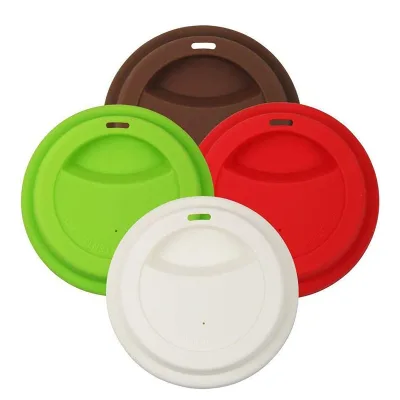
Eco-Friendly Reusable FDA Standard Leak Proof Silicone Coffee Cup Lids
$0.245 - $0.495
MOQ: 1000 Pieces


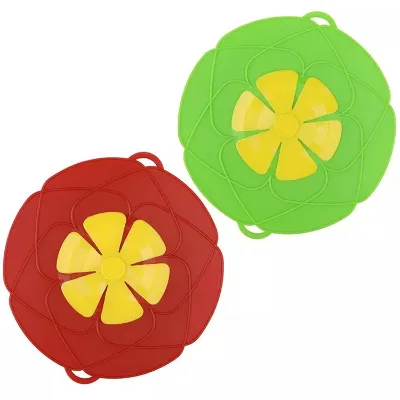
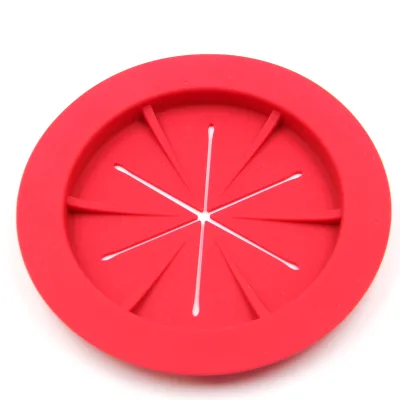
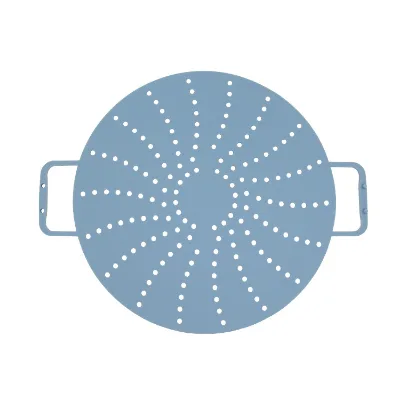
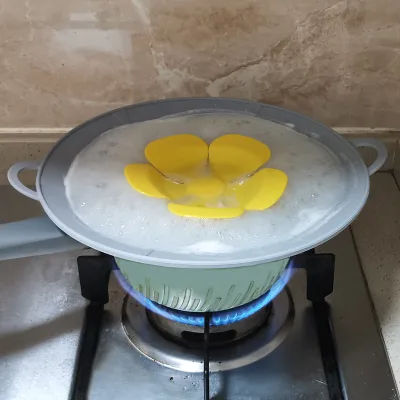
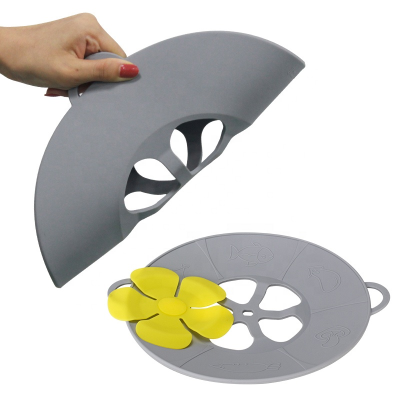
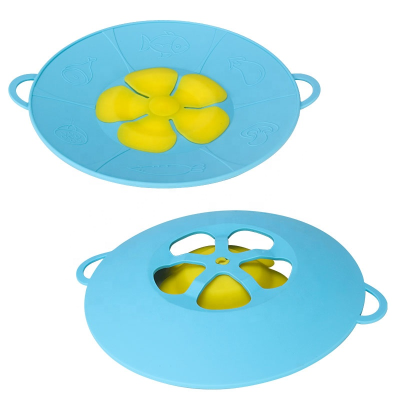
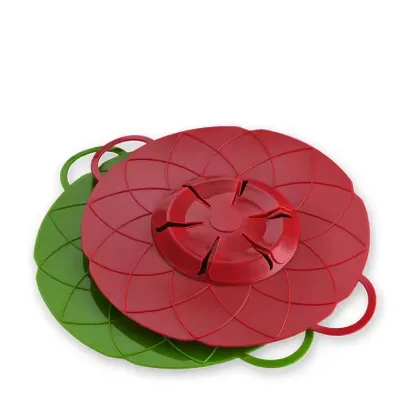
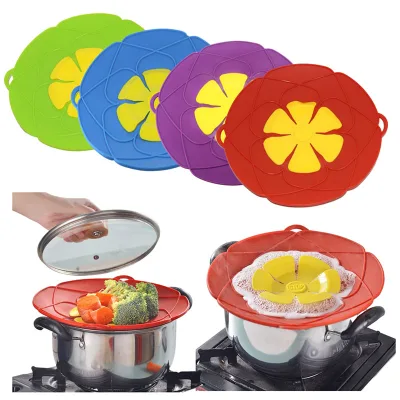
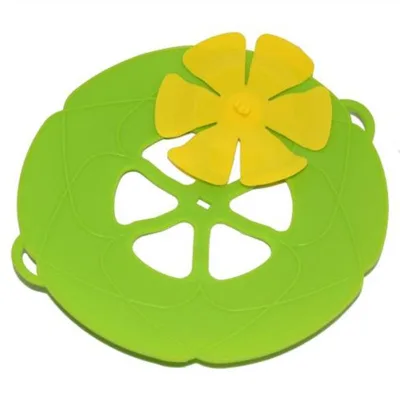
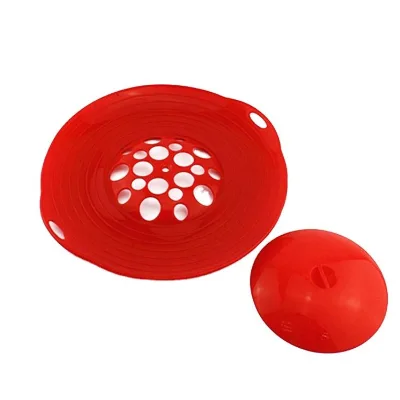
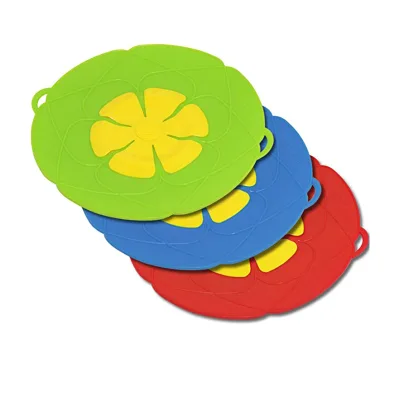
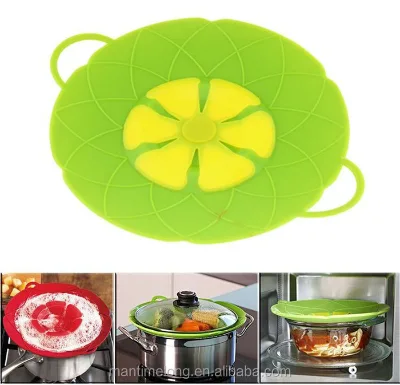
Kitchen High Temperature Spill Stopper Lid Splash Proof Pot Cover Pad Silicone Pot Lid
$3.4102 - $3.6935
MOQ: 500 pieces





Comprehensive Sourcing Guide
Eco-Friendly Silicone Spill Stopper Lid Sourcing Guide
Procuring eco-friendly silicone spill stopper lids requires a strategic approach that balances material integrity with functional versatility. These products are primarily designed to cover plates, bowls, baking dishes, and containers, offering a sustainable alternative to single-use plastics. Buyers must recognize that while the core material is silicone, specific product attributes vary significantly across suppliers. For instance, some listings highlight customization options and specific model numbers like HD-2544 or Fly-2021060101, indicating a wide range of manufacturing capabilities. Understanding these variations is crucial for aligning product selection with specific retail or industrial needs.
The sourcing landscape includes suppliers from key manufacturing hubs such as Ningbo and Xiamen in China, which influences logistics and lead times. Products are often marketed with features like eco-friendly status and FDA certification, but buyers must verify these claims against actual documentation. The observed market shows a diverse range of sizes, from 12 cm to 25 cm diameters, and various color options including blue, white, purple, and pink. This diversity allows for tailored procurement strategies, but it also necessitates rigorous specification checks to ensure the selected lids meet the intended application requirements, whether for household storage or commercial kitchen use.
Product Scope and Observed Listing Signals
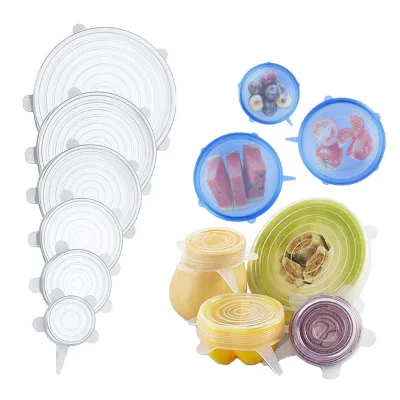
The product scope for eco-friendly silicone spill stopper lids encompasses a variety of forms, including stretch lids, airtight stoppers, and leak-proof coffee lids. Observed listings indicate that these items are non-disposable and feature soft hardness, typically ranging from 30 to 70 degrees, ensuring durability and reusability. Suppliers often offer OEM and ODM services, welcoming customized logos through silk screen printing, debossing, or embossing. This flexibility allows brands to integrate their identity into the product, enhancing market appeal. The standard packaging often involves OPP bags with color cards, with carton quantities varying from 100 to 30 pieces per set, depending on the specific model and supplier configuration.
Listing signals reveal a strong emphasis on customization and aesthetic variety. Colors such as pink, gray, white, red, and purple are commonly available, catering to diverse consumer preferences. Some products are specified with Western styles, targeting specific market segments. The item names often describe the function, such as "Flexible Silicone Stretch Bowl Lid" or "Silicone Food Covers and Suction Sealing Lids," which helps in identifying the exact mechanism of action. Buyers should note that while many products claim eco-friendly attributes, the specific material composition and manufacturing processes should be verified to ensure they align with sustainability goals. The presence of multiple model numbers suggests a fragmented market with distinct product lines.
Technical Specifications to Verify
Technical verification begins with confirming the temperature resistance and size compatibility of the silicone lids. Observed data indicates a temperature range of -40 to 260 degrees Celsius, which is critical for products intended to cover hot dishes or be used in baking applications. Buyers must verify that the selected lids can withstand the specific thermal conditions of their intended use without degrading or releasing harmful substances. Size specifications vary, with diameters ranging from 3 inches to 10 inches, and specific models offering eight different sizes. Ensuring that the lid dimensions match the containers they are meant to cover is essential for functionality, as improper sizing can lead to spillage or ineffective sealing.
Hardness and weight are also key technical parameters that affect user experience and product quality. The observed hardness range of 30 to 70 degrees suggests a balance between flexibility and structural integrity. Weight specifications, such as 32 grams per piece, provide insight into the material density and potential durability. Buyers should request detailed technical sheets that outline these properties for each specific model. Additionally, the production time of 10 to 20 days after sample confirmation is a logistical factor that impacts inventory planning. Verifying these specifications ensures that the procured lids meet both performance standards and operational requirements, reducing the risk of product failure in the field.
Compliance and Safety Documentation
Compliance with international safety standards is paramount when sourcing silicone kitchenware. Observed certifications include FDA, SGS, RoHS, LFGB, CE, and Reach, which indicate adherence to various regulatory frameworks. Buyers must verify that the certificates are current and issued by accredited bodies, as these documents are essential for market access in regions like the United States, Europe, and Asia. The presence of multiple certifications suggests that suppliers are capable of meeting diverse regulatory requirements, but buyers should cross-reference these claims with the specific models being ordered. Documentation should clearly state the scope of certification, ensuring it covers the exact materials and products in question.
Safety documentation also extends to the manufacturing process and material purity. Buyers should request test reports that confirm the absence of harmful substances such as BPA, phthalates, and heavy metals. The eco-friendly claim should be supported by evidence of sustainable sourcing or recycling capabilities, although specific details on this aspect are not always provided in standard listings. It is advisable to ask suppliers for their quality management system certifications, such as ISO 9001, which indicate a structured approach to quality control. Ensuring that all compliance documents are authentic and up-to-date protects the buyer from legal liabilities and enhances brand reputation by assuring consumers of product safety.
Cost Drivers and Commercial Terms
Cost drivers for eco-friendly silicone spill stopper lids include material quality, customization complexity, and order volume. The observed price range of 0.1 to 10 USD reflects significant variation based on these factors. Higher prices may correlate with premium silicone grades, intricate logo printing, or specialized packaging. Minimum order quantities (MOQs) range from 2 to 2000 pieces, allowing for flexibility in initial orders but potentially increasing per-unit costs for smaller batches. Buyers should negotiate terms that align with their sales forecasts, considering the trade-off between lower MOQs and higher unit prices. Understanding these cost dynamics helps in budgeting and pricing strategies for retail or wholesale distribution.
Commercial terms also encompass shipping methods and production lead times. Suppliers offer various shipping options, including UPS, DHL, FedEx, TNT, air, and sea freight, each with different cost and time implications. The production time of 10 to 20 days after sample confirmation is a standard timeframe, but buyers should confirm if expedited options are available for urgent orders. Payment terms, such as deposits and balance payments, should be clearly defined in the contract. Additionally, buyers should inquire about warranty policies and return procedures for defective products. Clear commercial terms reduce financial risk and ensure a smooth transaction process, facilitating better supply chain management.
Supplier Qualification and Quality Control
Supplier qualification involves assessing manufacturing capabilities, quality control processes, and past performance. Buyers should verify the supplier's location, with Ningbo and Xiamen being common origins, and evaluate their production capacity to handle order volumes. Requesting factory audits or third-party inspections can provide insights into the manufacturing environment and adherence to quality standards. Suppliers that welcome OEM and ODM services often have flexible production lines, but buyers must ensure that these capabilities do not compromise quality consistency. Checking references or case studies from previous clients can offer valuable evidence of reliability and professionalism.
Quality control measures should be explicitly defined in the procurement agreement. Buyers should specify inspection criteria, such as visual checks for defects, dimensional accuracy, and material hardness tests. Sampling protocols, including pre-production and pre-shipment inspections, are essential to catch issues early. Suppliers should provide a clear process for handling non-conforming products, including replacement or refund policies. Establishing a strong relationship with the supplier through regular communication and feedback can also enhance quality outcomes. By prioritizing supplier qualification and robust quality control, buyers can mitigate risks and ensure that the procured silicone lids meet their high standards.
Long-Term Procurement Checks
Long-term procurement success depends on continuous monitoring of supplier performance and market trends. Buyers should establish key performance indicators (KPIs) such as on-time delivery rates, defect rates, and responsiveness to issues. Regular reviews of these metrics help identify potential problems early and foster a collaborative relationship with the supplier. Additionally, staying informed about changes in regulatory requirements and consumer preferences is crucial for maintaining product relevance. The eco-friendly aspect of silicone lids is increasingly important, so buyers should periodically verify that suppliers continue to adhere to sustainability claims and update their practices as needed.
Adaptability to market shifts is another critical factor. As new models and features emerge, buyers should evaluate whether their current product line remains competitive. Engaging in periodic negotiations for better pricing or terms can also optimize costs over time. Building a diversified supplier base can reduce dependency on a single source and provide resilience against supply chain disruptions. Finally, gathering feedback from end-users can provide valuable insights for product improvements and future sourcing decisions. By implementing these long-term checks, buyers can ensure a sustainable and profitable procurement strategy for eco-friendly silicone spill stopper lids.
FAQs
What certifications do these silicone lids have?
These lids hold FDA, SGS, RoHS, LFGB, and CE certifications. They meet strict food safety standards for direct contact. The silicone material is non-toxic and durable. This ensures compliance for international trade and retail distribution. Buyers can verify these credentials for quality assurance and regulatory approval in various markets.
Can I customize the logo and color?
Yes, customization is available for both logo and color. You can choose any PMS color for the product. Logos can be applied via silk screen printing, debossing, embossing, or printing. OEM and ODM services are highly welcomed. This allows brands to create unique, branded kitchen supplies that match their specific design requirements.
What is the temperature range for these lids?
The lids withstand temperatures from -40 to 260 degrees Celsius. This wide range makes them suitable for freezing, microwaving, and oven use. The silicone material remains flexible and durable across these extremes. It prevents cracking or melting during thermal stress. This versatility supports various food storage and preparation methods for commercial and home use.
How long is the production lead time?
Production typically takes 10 to 20 days after sample confirmation. The exact time depends on the specific product model and order volume. Samples must be approved before mass production begins. This timeline ensures quality control and accurate manufacturing. Buyers should plan their inventory accordingly to avoid delays in receiving their customized orders.
What are the available sizes and standards?
Sizes range from 12 to 25 cm or 3 to 10 inches. Standards include XS, S, M, L, XL, or specific diameters like 5 to 10 inches. Eight different sizes are often available for comprehensive coverage. This variety ensures a proper seal for various bowls and containers. Buyers can select the exact dimensions needed for their specific product applications.
Are these lids reusable or disposable?
These lids are non-disposable and designed for repeated use. The soft silicone material is durable and easy to clean. They provide a leak-proof seal for fresh keeping. This reusability reduces waste and supports eco-friendly practices. Buyers benefit from long-term value and sustainability, making them ideal for retail and commercial kitchen supply chains.