eco-friendly olive oil sprayer bottle Suppliers and Manufacturers
Find 30 verified suppliers offering eco-friendly olive oil sprayer bottles with options for plastic or glass materials. Compare response times, lead times, certifications, and MOQs to select a partner. Contact suppliers directly to request samples and confirm customization details; review the available evidence before requesting comparable quotations from suitable candidates.
Updated
Suppliers List

- Verified by BV
- Trading Company
- China Zhejiang
- Lead time30 days
- Avg. response≤ 13h
Main productsLunch Box
Main marketsSouth America,Africa,Southeast Asia/ Mideast,East Asia(Japan/ South Korea),Europe,Australia,North America

Xuzhou Honghua Glass Technology Co., Ltd.
- Verified by CTI
- Combined
- China Jiangsu
- Lead time15 days
- Avg. response≤ 4h
Main productsGlass Bottle, Glass Jar, Candle Jar, Lunch Box, Glassware, Class Cup
Main marketsSouth America,Africa,Others(foreignTradeCapacity.exportBusinessCapacityMarketOther),Southeast Asia/ Mideast,East Asia(Japan/ South Korea),Domestic,Europe,Australia,North America


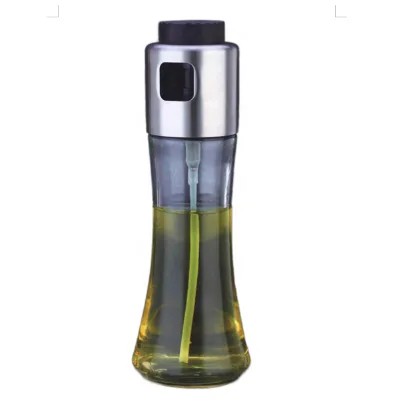
Custom Glass Spray Bottle BBQ Stainless Steel Olive Oil Sprayer Set for Cooking Oil Dispenser Bottle
$0.35 - $0.45
MOQ: 1000 Pieces

Hot Selling Stainless Steel Olive Glass Spray Oil Sprayer for Cooking Camping
$0.35 - $0.45
MOQ: 1000 Pieces

Hot Selling Luxury 100ml Stainless Steel Olive Glass Spray Oil Sprayer for Cooking Camping
$0.35 - $0.45
MOQ: 1000 Pieces

Chongren Longtime International Co.
- Verified by TUVRHEINLAND
- Trading Company,Manufacturer/Factory
- China Jiangxi
- Lead time23 days
- Avg. response≤ 5h
Main productsPlastic Trigger Sprayer, Lotion Pump, Sprayer Bottle, Plastic Cap, Plastic Jar, Plastic Push Pull Capp, Disc Top Cap, Crimp Sprayer, Pet Pipe, Pet Bottle
Main marketsSouth America,Western Europe,Africa


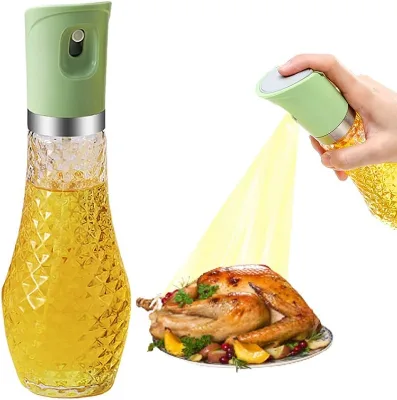
Kitchen Oil Sprayer for Cooking Olive Oil Sprayer Mister Olive Oil Spray Bottle
Negotiable
MOQ: 5000 Pieces

Anhui Everecosip Packaging Co., Ltd
- Trading Company
- Anhui, China
- Lead time15 days
- Avg. response≤ 6h
Main productsGlass Bottles,Aluminum Bottles,Boxes,Candles Jars,thermos cup
Main marketsNorth America(25.00%), Domestic Market(16.00%), Southeast Asia(11.00%), Western Europe(10.00%), Southern Europe(7.00%), Africa(5.00%), Eastern Asia(5.00%), Eastern Europe(5.00%), Mid East(5.00%), Oceania(4.00%), South America(2.00%), South Asia(2.00%), Northern Europe(2.00%), Central America(1.00%)
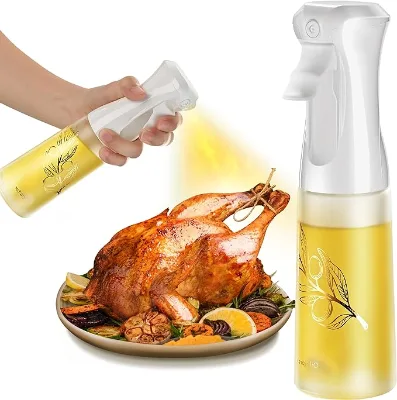
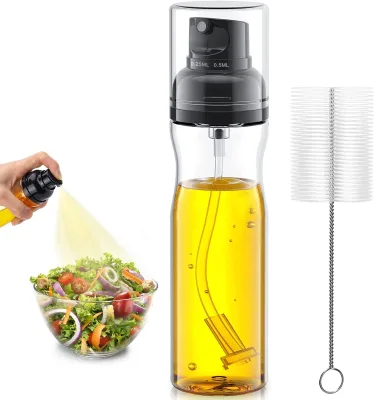
$1.35 - $1.50
MOQ: 1000 pieces

Xuzhou Boklan Import & Export Trade Co., Ltd.
- Verified by TUVRHEINLAND
- Trading Company,Manufacturer/Factory
- China Jiangsu
- Lead time38 days
- Avg. response≤ 9h
Main productsGlass Jar, Glass Bottle, Liquor Glass Bottle, Lids Caps Corks, Cosmetic Jar, Essential Oil Bottle, Glass Tube, Sauce Bottle, Mason Jar, Plastic Bottle
Main marketsSouth America,Eastern Europe,Mid East,North America,Southeast Asia,Eastern Asia,Oceania,Western Europe,Africa


$0.99 - $1.69
MOQ: 3000 Pieces

100ml 3.38oz Oil Spray Bottle BBQ Kitchen Roasting Cooking Olive Oil Sprayer Bottle for Cooking
$0.66 - $0.78
MOQ: 5000 Pieces

250ml Clear Square Olive Oil Sprayer Glass Bottle with Stainless Steel Nozzle for Soy Sauce Vinegar
$0.19 - $0.51
MOQ: 5000 Pieces


Kitchen Oil Storage Bottle 100 Ml Olive Oil Spray Glass Bottle Press Pump Bottle
$0.66 - $0.78
MOQ: 5000 Pieces

Ningbo Better Life Houseware Co., Ltd
- Verified by CTI
- Trading Company
- China Zhejiang
- Lead time30 days
- Avg. response≤ 2h
Main productsHouseware Products.
Main marketsSouth America,Africa,Southeast Asia/ Mideast,Europe,Australia,North America


16oz/470ml Olive Oil Bottle - Oil Sprayer for Cooking, Kitchen, Salad, Barbecue
$0.80 - $0.86
MOQ: 1000 Pieces

Qingdao E-Pack Material Co., Ltd
- Verified by BV
- Trading Company,Manufacturer/Factory
- China Shandong
- Lead time23 days
- Avg. response≤ 3h
Main productsGlass Bottle, Glass Jar, Plastic Cap, Pipette Cap, Tubular Glass Vial, Ampoule, Glass Vial, Plastic Bottle, Empty Wine Bottle, Rubber Stopper
Main marketsSouth America,Eastern Europe,Mid East,North America,Southeast Asia,Eastern Asia,Oceania,Western Europe,Africa

100ml 200ml Reusable Oil Sprayer Oil Sprayer for Cooking Olive Oil Spray Bottle Empty Bottles
$0.24 - $0.89
MOQ: 5000 Pieces

100ml 200ml Hot Selling Stainless Steel Olive Glass Spray Oil Sprayer Bottle for Cooking Camping
$0.24 - $0.89
MOQ: 5000 Pieces

$0.24 - $0.345
MOQ: 5000 Pieces
Jiangmen Guanying Household Products Co., Ltd.
- Verified by TüVRheinland
- Trading Company
- Lead time30 days
- Avg. response≤ 1h
Main productsKitchenware, Coffeeware, Barware, Bakeware, Sanitaryware
Main marketsNorth America(35%), Central America(25%), South America(15%)
Ningbo Chefshere Kitchen Technology Co., Ltd.
- Verified by TüVRheinland
- Manufacturer, Trading Company
- Lead time15 days
- Avg. response≤ 2h
Main productsSalt & Pepper Grinder, Coffee Grinder, Oil And Vinegar Dispenser, Spice Shaker, Oil Sprayer
Main marketsNorth America(27%), Western Europe(21%), Domestic Market(15%)
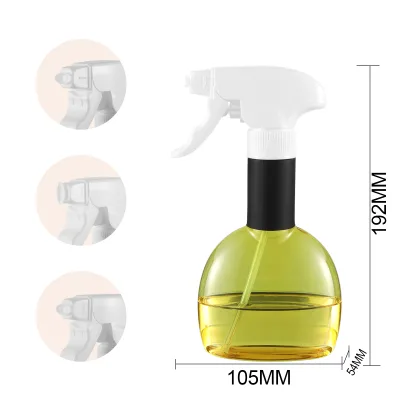
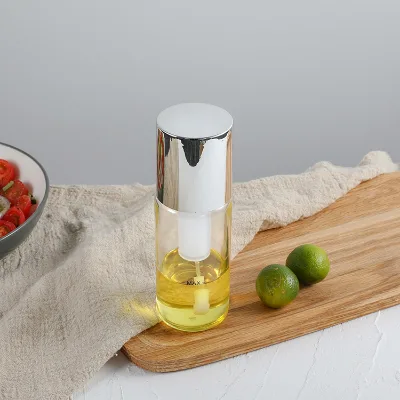
$1.18 - $1.50
MOQ: 50 pieces
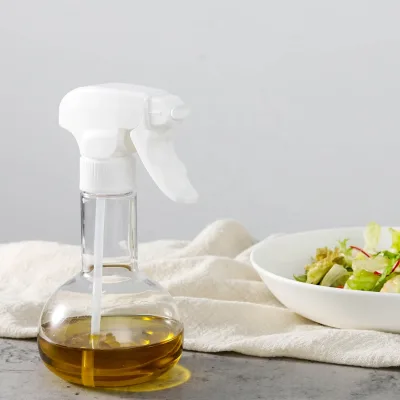
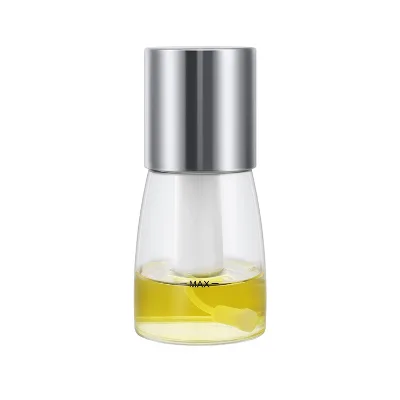
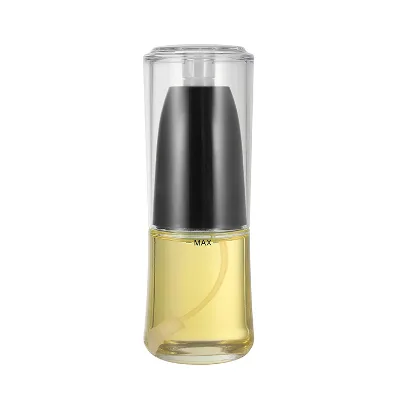
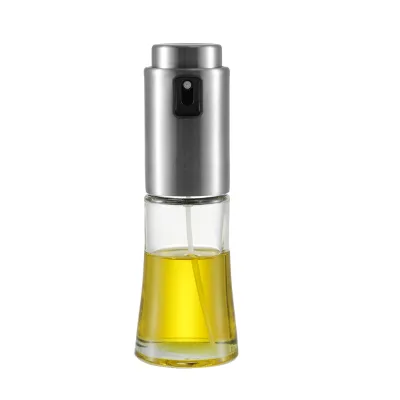

Huangshan Auliz Industrial Co., Ltd.
- Verified by TUVRHEINLAND
- Trading Company
- China Anhui
- Lead time30 days
- Avg. response≤ 14h
Main productsSalt and Pepper Grinder, Coffee Mill, Wine Opener, Cutting Board, Oil Sprayer, Defrosting Tray, Cleaning Brush, French Press, Measuring Scoop, Plastic Funnel
Main marketsSoutheast Asia/ Mideast,East Asia(Japan/ South Korea),Domestic,Europe,Australia,North America

Oil Sprayer for Cooking Olive Oil Dispenser 200ml Glass Kitchen Oil Sprayer Bottle
$0.91 - $1.10
MOQ: 50 Pieces

China Supplier Olive Oil Dispenser 300ml Glass Olive Oil Sprayer Bottle for Restaurant
$0.68 - $0.85
MOQ: 50 pieces

Kitchen Cooking 2 in 1 Oil Sprayer Dispenser Glass Bottle Large Capacity Olive Oil Sprayer Bottle
$0.69 - $0.92
MOQ: 100 pieces

Portable Stainless Steel Oil Sprayer BBQ Glass Olive Oil Dispenser Bottle for Kitchen Use
$0.88 - $1.28
MOQ: 100 pieces

Hot Sale 100ml Olive Oil Mister Olive Oil or Vinegar Sprayer with Glass Bottle
$0.75 - $0.94
MOQ: 100 Pieces

New Upgrade Spray and Oil Bottle Black Sprayer 200ml Glass Olive Oil Spray Bottle for Kitchen
$0.78 - $0.89
MOQ: 1000 pieces

Shenzhen Baibanfengxing Technology Co., Ltd.
- Manufacturer, Trading Company
- Guangdong Province, China
- Lead time5 days
- Avg. response≤ 3h
Main productshousehold products,Kitchen supplies
Main marketsDomestic Market(20.00%), Eastern Europe(15.00%), North America(15.00%), Western Europe(10.00%), Southern Europe(10.00%), Northern Europe(10.00%), South America(5.00%), Mid East(5.00%), Southeast Asia(5.00%), Central America(5.00%)

Dongyang Ome Plastic Technology Co., Ltd.
- Verified by TUVRHEINLAND
- Combined
- China Zhejiang
- Lead time30 days
- Avg. response≤ 12h
Main productsCosmetic Packaging, Lip Gloss Tube, Lipstick Container, Powder Case, Deodorant Stick Container, Mascara Tube, Eyeshadow Palette, Sunscreen Bottle, Lip Balm Tube, Squeeze Tube
Main marketsEast Asia(Japan/ South Korea),Europe

$0.43 - $0.59
MOQ: 5000 Pieces

$0.59 - $0.68
MOQ: 5000 Pieces
Yuyao Yapoly Plastic Industry Co., Ltd.
- Verified by SGS Group
- Manufacturer, Trading Company
- Lead time20 days
- Avg. response≤ 3h
Main productsTrigger Sprayer, Mist Sprayer; Lotion Pump, Perfume Spray Bottle; Airless Bottle
Main marketsDomestic Market(64%), North America(8%), Africa(8%)
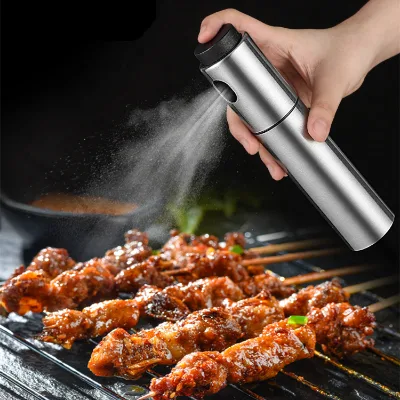
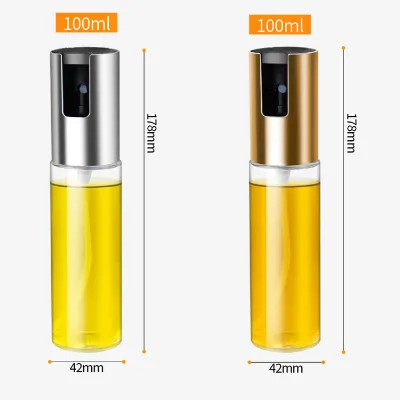
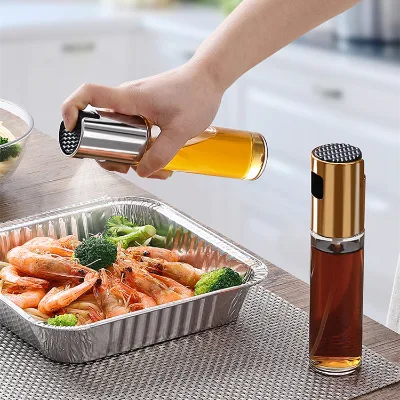
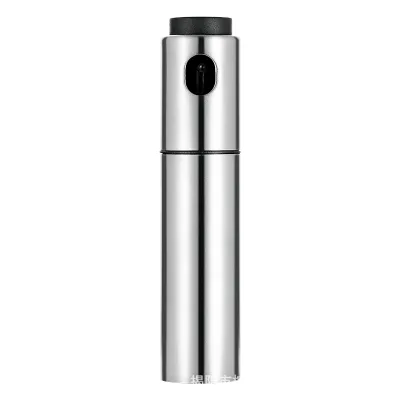
100ml stainless steel spray bottle kitchen cooking oil olive oil in separate bottles
$1.5414 - $1.7467
MOQ: 10000 pieces
Ningbo Dazen Technology Co., Ltd.
- Trading Company
- Zhejiang, China
- Lead time45 days
- Avg. response≤ 7h
Main productsKitchen Supplies, Household Supplies, Children's Supplies, Cleaning Supplies, Bar Supplies
Main marketsWestern Europe(23.00%), North America(19.00%), South America(16.00%), Southern Europe(12.00%), Northern Europe(11.00%), Eastern Europe(11.00%), Eastern Asia(5.00%), Southeast Asia(3.00%)

Ningbo Crete Plastic Co., Ltd.
- Trading Company
- China Zhejiang
- Lead time23 days
- Avg. response≤ 13h
Main productsCosmetic Bottle, Cosmetic Jar, Trigger Sprayer, Lotion Pump, Foam Pump, Mist Sprayer, Plastic Cap, Airless Bottle, Cosmetic Tube, Plastic Bottle
Main marketsSouth America,Africa,Southeast Asia/ Mideast,East Asia(Japan/ South Korea),Domestic,Europe,Australia,North America

200ml Glass Olive Oil Sprayer Mister Oil Continuous Spray Bottle for Cooking
$0.73 - $0.75
MOQ: 10000 Pieces

200ml 300ml BBQ Grilling Cooking Tools Olive Oil Spray Continuous Glass Bottle
$0.73 - $0.75
MOQ: 1000 Pieces
Nanning Yuebo Packaging Solutions Co., Ltd.
- Verified by Intertek
- Trading Company
- Lead time30 days
- Avg. response≤ 2h
Main productsGlass Bottle, Glass Jar, Perfume Bottle, Medicine Bottle, Cosmetic Bottle
Main marketsNorth America(20%), Southeast Asia(20%), South America(8%)
Ningbo Huazhou Packaging Co., Ltd.
- Manufacturer
- Zhejiang, China
- Lead time15 days
- Avg. response≤ 6h
Main productsFoaming Bottle, Plastic Jar, Trigger Sprayer, Oil Sprayer, Continuous Sprayer Bottle
Main marketsNorth America(54.00%), South America(25.00%), Eastern Asia(21.00%)

Xuzhou Zhengda Glass Products Co., Ltd.
- Verified by SGS
- Trading Company
- China Jiangsu
- Lead time15 days
- Avg. response≤ 8h
Main marketsDomestic

Eco Friendly Square Olive Glass Oil Bottle and Glass Bottle for Zero Waste Oil Dispenser
$2.90 - $4.50
MOQ: 50 Pieces

$2.90 - $4.50
MOQ: 50 Pieces

Xuzhou Huajing Glass Products Co., Ltd.
- Verified by BV
- Combined
- China Jiangsu
- Lead time23 days
- Avg. response≤ 8h
Main productsGlass Bottle, Glass Jar, Water Bottle, Perfume Bottle, Mason Jars, Candle Jar, Plastic Bottles, Lids Bottle Caps Closures, Wine Bottle, Juice Bottle
Main marketsSouth America,Africa,Southeast Asia/ Mideast,East Asia(Japan/ South Korea),Domestic,Europe,Australia,North America


$0.233 - $0.38
MOQ: 5000 Pieces


JINAN ROYALTOP IMP&EXP CO., LTD.
- Verified by BV
- Trading Company
- China Shandong
- Lead time23 days
- Avg. response≤ 4h
Main productsSalt and Pepper Grinder, Spice Mill, Spice Bottle, Electric Pepper Grinder, Water Bottle, Food Storage Container, Spice Jar, Kitchen Oil Bottle, Coffee Pot, Manual Coffee Grinder
Main marketsSouth America,Africa,Southeast Asia/ Mideast,East Asia(Japan/ South Korea),Europe,Australia,North America

$1.70 - $1.95
MOQ: 1000 Pieces

Ningbo IIIkitchen Technology Co., Ltd.
- Verified by Intertek
- Manufacturer, Trading Company
- Lead time20 days
- Avg. response≤ 5h
Main productsBlender, Vacuum Sealer, Grinder, Small Kitchen Appliances, Kitchen Utensils
Main marketsNorth America(28%), Eastern Europe(15%), Western Europe(15%)
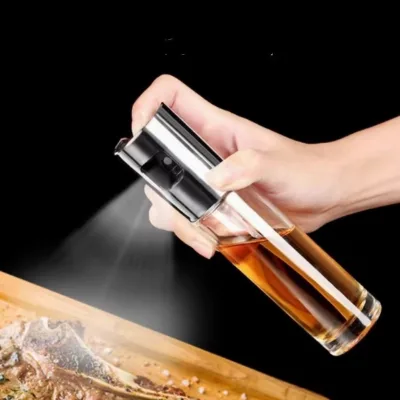
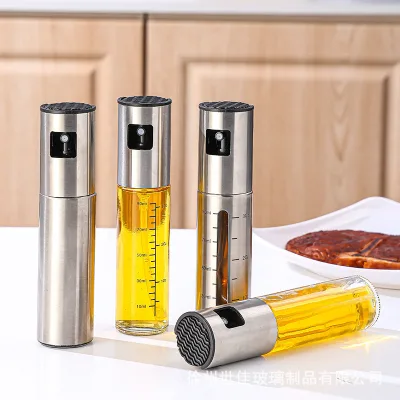
Custom Glass Spray Bottle Bbq Stainless Steel Olive Oil Sprayer Set for Cooking
$0.3251 - $0.409
MOQ: 100 pieces

Ningbo Beixuan International Trading Co., Ltd.
- Verified by TUVRHEINLAND
- Manufacturer/Factory
- China Zhejiang
- Lead time15 days
- Avg. response≤ 10h
Main productsPlastic Bottle, Plastic Cup, Plastic Honey Jar, Plastic Food Container, Glass Juice/ Beverage Bottle, Glass Jar, Glass Wine Bottle, Glass Essential Oil Bottles, Cosmetic & Perfume Glass Bottles, Paper Cup
Main marketsSouth America,Eastern Europe,Mid East,North America,Southeast Asia,Eastern Asia,Oceania,Western Europe,Africa

Kitchen 2-in-1 Oil Dispenser and Sprayer 16oz / 470ml Glass Olive Oil Spray Bottle for Cooking
$0.55 - $0.65
MOQ: 5000 Pieces


Huangshan Auliz Industrial Co., Ltd.
- Manufacturer, Trading Company
- Anhui, China
- Lead time30 days
- Avg. response≤ 3h
Main productsSalt And Pepper Mill, Coffee Grinder, Oil Sprayer, Wine Opener, Cutting Board
Main marketsNorth America(50.00%), Western Europe(11.00%), Southern Europe(10.00%), Northern Europe(10.00%), Eastern Europe(10.00%), Oceania(2.00%), South Asia(1.00%), Eastern Asia(1.00%), South America(1.00%), Central America(1.00%), Africa(1.00%), Mid East(1.00%), Southeast Asia(1.00%)
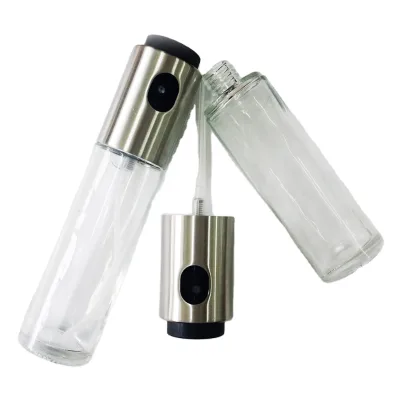
$0.6411 - $0.9213
MOQ: 100 pieces
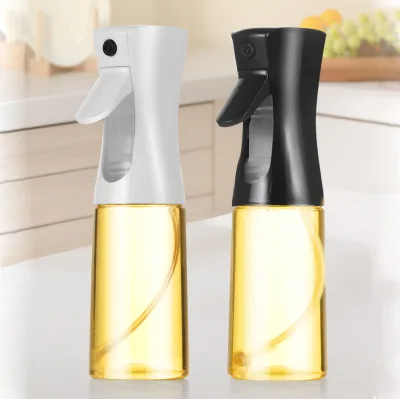
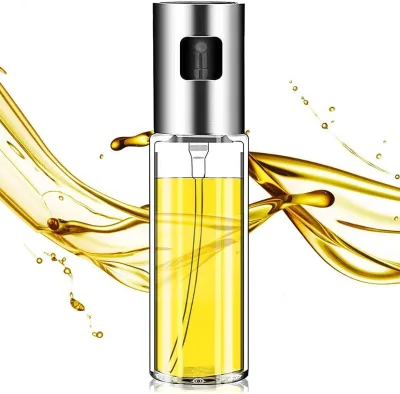
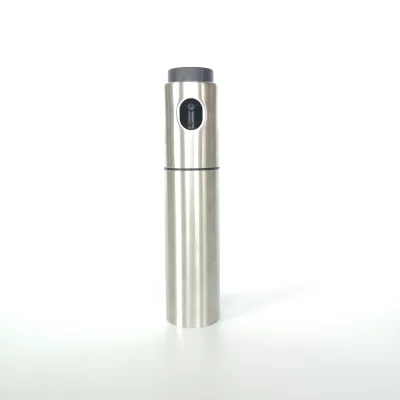
Factory Low MOQ Stainless Steel 90ml Vinegar Olive Oil Sprayer for Cooking
$1.104 - $1.3227
MOQ: 100 pieces
Hebei Laiyan Technology Co., Ltd.
- Trading Company
- Hebei, China
- Lead time7 days
- Avg. response≤ 2h
Main productsglass storage jar,glass bottles and jars,plastic bottles and jars,aluminum bottles and tins,caps accessories
Main marketsEastern Europe(20.00%), Eastern Asia(20.00%), Africa(15.00%), Western Europe(10.00%), South America(10.00%), North America(10.00%), Oceania(8.00%), Southeast Asia(5.00%), Mid East(2.00%)

Anhui Xianwei E-Commerce Co., Ltd
- Verified by TUVRHEINLAND
- Manufacturer/Factory
- China Anhui
- Lead time0 days
- Avg. response≤ 6h
Main productsLamp, Cup, Tent
Main marketsSouth America,Eastern Europe,Mid East,North America,Southeast Asia,Eastern Asia,Oceania,Western Europe,Africa

200ml 300ml 500ml Plastic Pump Sprayer Cooking Oil Bottle for Grill and Plant Care for Olive Oil
$0.42 - $0.55
MOQ: 100 Pieces

2 in 1 Olive Oil Spray and Pour Bottle Black Glass 470ml Oil Spray Bottle for Cooking
$0.46 - $0.78
MOQ: 100 Pieces

Ningbo Refiner Imp. & Exp. Co., Ltd.
- Verified by BV
- Trading Company,Manufacturer/Factory
- China Zhejiang
- Lead time23 days
- Avg. response≤ 12h
Main productsAll Plastic Trigger Sprayer, Oblique Pump Trigger Sprayer, Foam Pump, Lotion Pump, Mist Sprayer, Cream Pump, Plastic Cap, Plastic Bottle
Main marketsSouth America,Eastern Europe,Mid East,North America,Southeast Asia,Eastern Asia,Oceania,Western Europe,Africa

Black Color Oil Sprayer Bottle Ultra-Fine Spray Continuous Spray Bottle
$0.52 - $0.57
MOQ: 10000 Pieces

Shenzhen Cheerfast Wine Accessories Co., Ltd.
- Trading Company
- Lead time旺季: "1 - 3000":35,"> 3000":"To be negotiated", 淡季: "1 - 3000":35,"> 3000":"To be negotiated"
- Avg. response≤ 5h
Main productsWhiskey Accessories, Wine Accessories, Bar Tools, Custom Packaging, Drinkware
Xuzhou Longhua Glass Products Co., Ltd.
- Trading Company
- Jiangsu, China
- Lead time15 days
- Avg. response≤ 2h
Main productsglass bottle,Glass candle holder,Glass storage jar,Glass oil bottle,Cosmetic bottle
Main marketsDomestic Market(10.00%), Africa(10.00%), Southern Europe(10.00%), Eastern Europe(10.00%), South America(10.00%), Northern Europe(10.00%), Oceania(5.00%), South Asia(5.00%), Southeast Asia(5.00%), North America(5.00%), Central America(5.00%), Western Europe(5.00%), Eastern Asia(5.00%), Mid East(5.00%)

Jiangmen Yingchao Plastic Hardware Co., Ltd.
- Trading Company
- Guangdong, China
- Lead time30 days
- Avg. response≤ 14h
Main productsOil Sprayer,Food Mill,Stainless Steel Juicer,kitchen tool,kitchen ware
Main marketsDomestic Market(20.00%), North America(20.00%), Eastern Europe(15.00%), Southern Europe(15.00%), Northern Europe(15.00%), Western Europe(15.00%)

Huizhou Kingstar Industry And Trade Co., Ltd.
- Trading Company
- Guangdong, China
- Lead time15 days
- Avg. response≤ 6h
Main productsPepper Grinder,Coffee Distribution Tool,Milk Frother,Coffee Portafilter,Coffee Grinder
Main marketsMid East(40.00%), Domestic Market(25.00%), North America(15.00%), Southeast Asia(10.00%), South America(5.00%), Western Europe(5.00%)


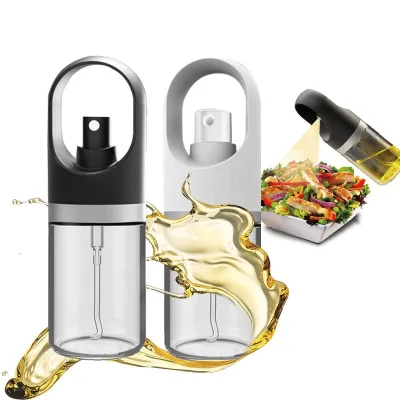
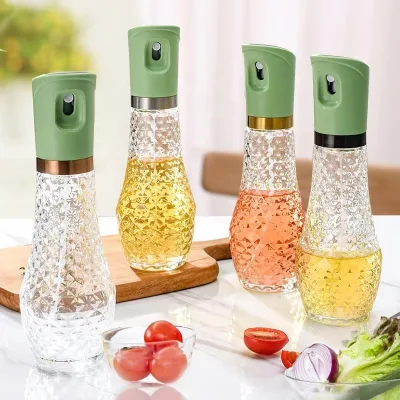
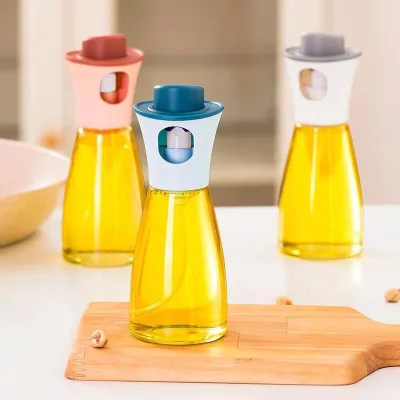
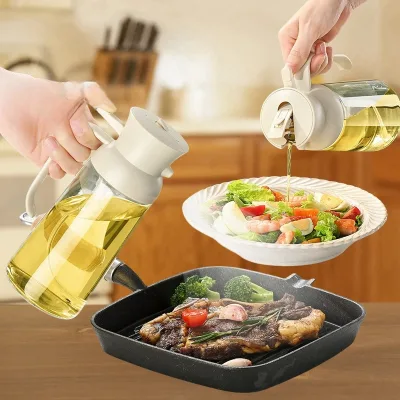
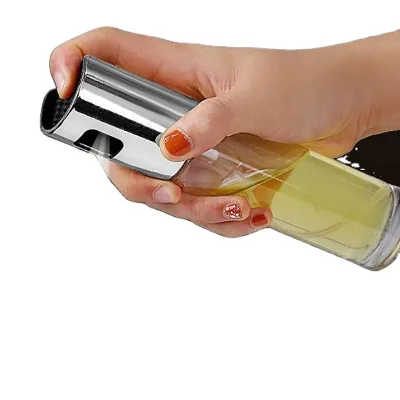
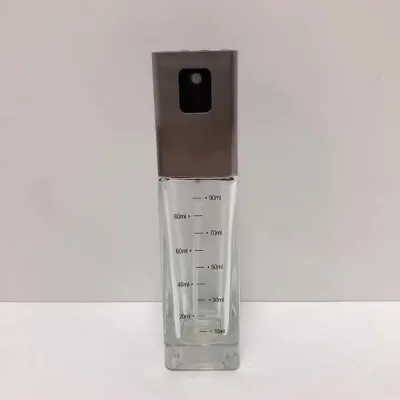
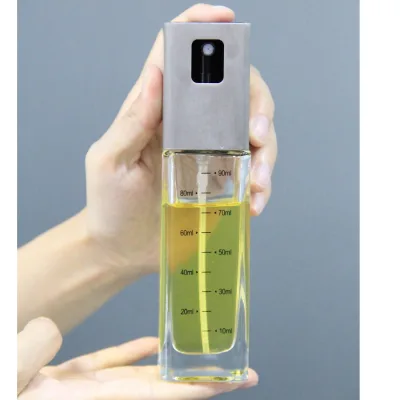
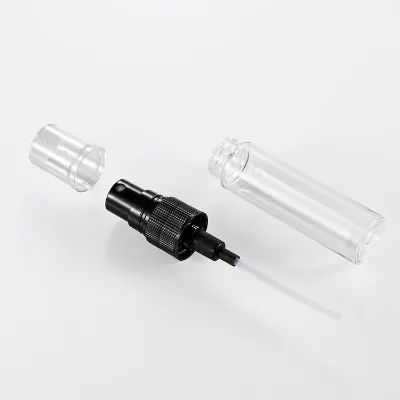
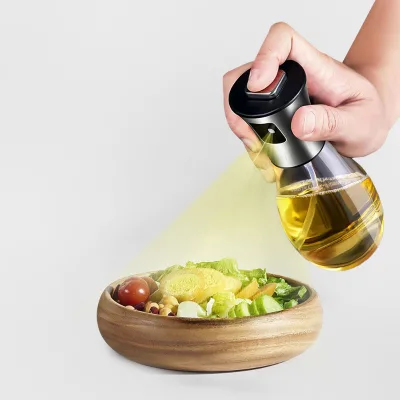
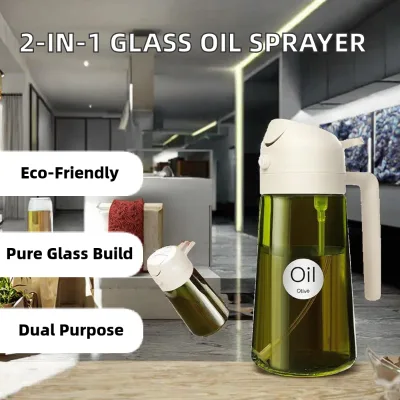

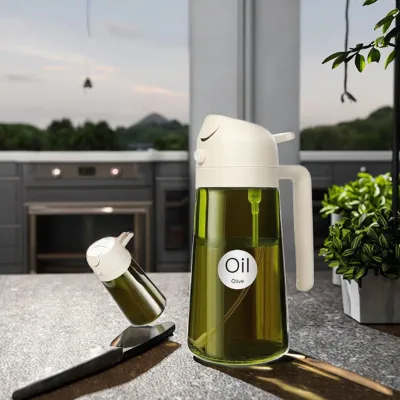
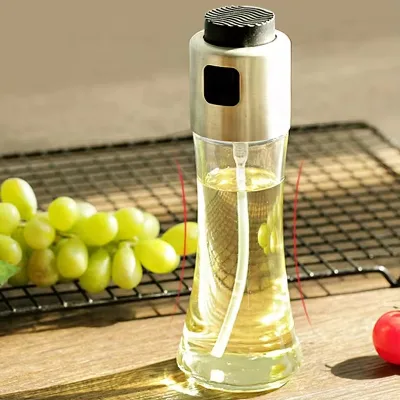
Comprehensive Sourcing Guide
Eco-Friendly Olive Oil Sprayer Bottle Supplier Concentration and Factory Types
The current supplier landscape for olive oil sprayer bottles reveals a distinct geographic concentration within China, specifically highlighting manufacturing hubs in Zhejiang and Jiangsu provinces. Suppliers located in Zhejiang are predominantly identified as trading companies, which often serve as intermediaries connecting buyers with broader manufacturing networks. These entities typically focus on a diverse range of kitchenware products, including lunch boxes and various cooking tools, indicating a versatile operational model rather than a specialized single-product factory. In contrast, suppliers based in Jiangsu present a more complex corporate structure, classified as combined entities that may encompass both manufacturing and trading capabilities. This distinction is critical for buyers seeking direct factory access versus those prioritizing supply chain flexibility. The presence of Jiangxi-based suppliers further diversifies the sourcing options, with some operations explicitly listing themselves as both trading companies and manufacturers. This hybrid model suggests a capacity to handle both custom OEM orders and standard product lines, offering buyers a middle ground between pure trading firms and dedicated factories. Understanding these structural differences allows procurement teams to align their sourcing strategy with their specific needs for customization, volume, and direct communication.
Factory types also vary significantly in their primary product focus and production capabilities. Some suppliers specialize in plastic-based kitchen tools, utilizing materials like PP and PET to create durable, lightweight sprayers suitable for high-volume distribution. Others focus on glass and stainless steel combinations, catering to premium market segments that prioritize aesthetics and material safety. The Jiangsu-based suppliers, for instance, highlight capabilities in ODM and OEM services, suggesting a robust engineering team capable of developing unique designs or adapting existing molds for specific brand requirements. Meanwhile, other suppliers emphasize their annual production capacity, with some claiming output volumes reaching tens of millions of pieces annually. This scale indicates a mature production infrastructure capable of handling large-scale orders with consistent quality control. Buyers must carefully evaluate whether their project requires the agility of a trading company or the specialized technical support of a manufacturer. The diversity in factory types ensures that buyers can find partners matching their specific volume requirements, customization needs, and quality expectations without being limited to a single sourcing model.
How to Verify Eco-Friendly Olive Oil Sprayer Bottle Suppliers
Verification is a critical step in mitigating risk when sourcing olive oil sprayer bottles, as the term "eco-friendly" can be ambiguous without proper documentation. Buyers should prioritize suppliers who hold recognized third-party verification badges, such as BV, CTI, or TÜV Rheinland certifications. These badges indicate that an independent agency has audited the supplier’s business operations, legal status, and production capabilities. For instance, some suppliers display BV verification, which confirms their business legitimacy and operational stability. Others may hold CTI verification, providing additional assurance regarding their manufacturing environment and quality management systems. Additionally, suppliers with ISO 9001:2015 certification demonstrate a commitment to standardized quality management processes, which is essential for maintaining consistent product quality across large orders. Buyers should request copies of these certificates and verify their validity through the issuing agency’s database. This step ensures that the supplier’s claims about their capabilities and compliance are substantiated by objective evidence rather than self-reported data.
Beyond verification badges, buyers should assess the supplier’s responsiveness and transparency as indicators of reliability. Response time metrics provide insight into the supplier’s operational efficiency and customer service quality. Suppliers with faster response times, such as those averaging under five hours, are often more agile in addressing inquiries and resolving issues during the procurement process. Conversely, slower response times may indicate a high volume of inquiries or less dedicated customer support teams. Buyers should also inquire about sample policies, as many suppliers offer free samples to allow for quality assessment before committing to large orders. This practice enables buyers to physically inspect the product’s material quality, spray mechanism functionality, and overall finish. Additionally, verifying the supplier’s production capacity and lead times is crucial for ensuring timely delivery. Suppliers who clearly state their lead times, such as 15 to 30 days, demonstrate transparency in their production scheduling. Buyers should cross-reference these claims with past performance data or customer reviews to ensure accuracy. By combining verification badges, responsiveness metrics, and sample evaluations, buyers can build a comprehensive profile of each supplier’s reliability and suitability for their specific sourcing needs.
What to Compare Across Eco-Friendly Olive Oil Sprayer Bottle Suppliers
When evaluating multiple suppliers, buyers must compare key operational metrics to identify the most suitable partner for their specific requirements. Lead time is a critical factor, as it directly impacts inventory management and market launch schedules. Suppliers may offer varying lead times, ranging from 15 days for standard products to 30 days for customized orders. Buyers should align their order planning with these timelines to avoid stockouts or delays. Minimum Order Quantity (MOQ) is another essential comparison point, as it determines the financial commitment required to initiate production. Some suppliers may have MOQs as low as 1,000 pieces, making them suitable for small businesses or test orders, while others may require 3,000 pieces or more, catering to larger volume buyers. Understanding these thresholds helps buyers optimize their initial investment and reduce inventory holding costs. Additionally, comparing pricing structures is vital, as costs can vary significantly based on material choices, customization options, and order volume. Buyers should request detailed quotes that break down costs for materials, labor, and packaging to ensure transparency and facilitate accurate budgeting.
Customization capabilities and material options are also key differentiators among suppliers. Some suppliers offer extensive customization services, including logo printing, packaging design, and color variations, allowing buyers to create unique products that stand out in the market. Others may focus on standard products with limited customization options, which can be advantageous for buyers seeking simplicity and faster turnaround times. Material selection is particularly important for eco-friendly products, as buyers must ensure that the materials used meet their sustainability standards. Suppliers may offer options such as glass, plastic, or stainless steel, each with distinct environmental and functional characteristics. Buyers should inquire about the specific types of plastics used, such as PP or PET, and verify their food-safe certifications. Additionally, comparing the supplier’s packaging methods is essential, as proper packaging protects the product during transit and enhances its market appeal. Options range from simple poly bags to more premium color boxes or carton packaging. By systematically comparing these operational and product-related factors, buyers can make informed decisions that balance cost, quality, and customization needs.
Common Eco-Friendly Olive Oil Sprayer Bottle Sourcing Risks
One of the primary risks in sourcing olive oil sprayer bottles is the potential mismatch between claimed eco-friendly attributes and actual product composition. Buyers must be cautious of suppliers who use vague terminology without providing specific material certifications or test reports. For example, a supplier may label a product as "eco-friendly" while using non-recyclable plastics or hazardous coatings. To mitigate this risk, buyers should request detailed material specifications and verify that all components, including the spray mechanism and bottle body, meet relevant safety and environmental standards. Additionally, buyers should be aware of the risk of quality inconsistencies, particularly when dealing with trading companies that may source from multiple factories. Variations in manufacturing processes can lead to differences in spray performance, durability, and aesthetic finish. To address this, buyers should establish clear quality control protocols and consider conducting pre-shipment inspections to ensure that the delivered products meet the agreed-upon specifications. This proactive approach helps prevent costly returns and maintains brand reputation.
Another significant risk is the potential for supply chain disruptions due to inadequate communication or unreliable logistics. Suppliers with slower response times may struggle to address urgent inquiries or resolve issues promptly, leading to delays in production and delivery. Buyers should prioritize suppliers with proven track records of timely communication and transparent order tracking. Additionally, buyers should be cautious of suppliers who do not offer clear return or warranty policies, as this can leave them vulnerable to financial losses in case of product defects. To mitigate these risks, buyers should establish strong contractual agreements that outline responsibilities, penalties for delays, and procedures for handling defective goods. Furthermore, buyers should diversify their supplier base to reduce dependency on a single source, ensuring continuity of supply in case of unforeseen disruptions. By identifying and addressing these common risks early in the sourcing process, buyers can build a more resilient and reliable supply chain for their eco-friendly olive oil sprayer bottles.
Eco-Friendly Olive Oil Sprayer Bottle Regional Sourcing and Logistics
Sourcing from specific regions in China offers distinct logistical advantages and challenges that buyers must consider when planning their supply chain. Suppliers located in Zhejiang province are often well-positioned for export due to their proximity to major ports like Shanghai and Ningbo. This geographic advantage can result in faster shipping times and lower freight costs for international buyers. Additionally, the concentration of trading companies in this region provides buyers with access to a wide variety of products and suppliers, facilitating easier comparison and negotiation. However, buyers should be aware that trading companies may add a markup to the final price, which can impact overall cost efficiency. In contrast, suppliers in Jiangsu province, particularly those with combined manufacturing and trading capabilities, may offer more direct factory pricing and greater control over the production process. This region is also well-connected to major transportation networks, ensuring reliable logistics for both domestic and international shipments.
Logistics planning should also account for the specific packaging requirements of olive oil sprayer bottles, which are often fragile and require careful handling. Suppliers may offer various packaging options, such as poly bags, color boxes, or carton packaging, each with different implications for shipping volume and protection. Buyers should work closely with their suppliers to optimize packaging designs to minimize damage during transit while maximizing container utilization. Additionally, buyers should consider the impact of seasonal fluctuations on logistics, as peak seasons can lead to port congestion and increased shipping costs. To mitigate these risks, buyers should plan their orders well in advance and maintain open communication with their suppliers regarding production schedules and shipping arrangements. Furthermore, buyers should explore options for consolidated shipping, particularly when sourcing from multiple suppliers, to reduce overall logistics costs and simplify customs clearance processes. By carefully considering regional logistics factors, buyers can optimize their supply chain for efficiency, cost-effectiveness, and reliability.
Eco-Friendly Olive Oil Sprayer Bottle Commercial Terms and Order Planning
Commercial terms play a crucial role in defining the financial and operational framework of the buyer-supplier relationship. Buyers should carefully review payment terms, such as T/T (Telegraphic Transfer), to understand the timing and conditions of payments. Some suppliers may require a deposit upfront, with the balance paid before shipment, while others may offer more flexible terms for repeat customers. Additionally, buyers should inquire about the supplier’s return policy and warranty coverage to ensure protection against defective products. Clear communication regarding these terms helps prevent misunderstandings and ensures a smooth transaction process. Buyers should also consider the impact of currency fluctuations on pricing, particularly when dealing with international suppliers. Establishing fixed-price contracts or hedging strategies can help mitigate this risk and provide greater cost predictability. By negotiating favorable commercial terms, buyers can enhance their profitability and reduce financial exposure.
Order planning is essential for maintaining a steady supply of olive oil sprayer bottles while minimizing inventory holding costs. Buyers should develop a comprehensive demand forecast based on historical sales data and market trends, allowing them to place orders at optimal intervals. Coordinating with suppliers to align production schedules with demand forecasts helps ensure timely delivery and reduces the risk of stockouts. Additionally, buyers should consider implementing a just-in-time (JIT) inventory system, where orders are placed closer to the time of sale, to reduce warehousing costs and improve cash flow. However, this approach requires close collaboration with suppliers to ensure flexibility and responsiveness to sudden changes in demand. Buyers should also establish safety stock levels to buffer against potential supply chain disruptions, such as production delays or logistics issues. By integrating commercial terms and order planning strategies, buyers can create a robust and efficient sourcing
FAQs
What is the price range for olive oil sprayer bottles?
Prices vary by material and capacity. Plastic models start around $1.09 with a minimum order of 3000 units. Glass options range from $0.35 to $1.59, often requiring 1000 units. Electric sprayers are priced higher at approximately $3.57 per unit. Buyers should verify specific costs based on customization needs and order volume.
What materials are used for these sprayer bottles?
Manufacturers offer both plastic and glass constructions. Plastic sprayers typically use PP and PET materials for durability. Glass bottles provide a transparent, premium look suitable for kitchen display. Some electric models combine glass containers with plastic components. Buyers can select materials based on their specific product requirements and target market preferences.
What are the typical lead times for orders?
Lead times generally range from 15 to 30 days depending on the supplier. Some manufacturers in Jiangsu offer faster delivery within 7 to 15 days. Other suppliers may require up to 30 days for production. Buyers should confirm specific timelines during negotiation to ensure timely delivery for their inventory planning and market launch schedules.
Is customization available for olive oil sprayers?
Customization is widely available across multiple suppliers. Buyers can request customized logos, packaging designs, and specific bottle capacities. Options include different colors and closure types like cork stoppers or press buttons. Many factories support OEM and ODM services to meet unique branding requirements and product specifications.
What are the minimum order quantities for these products?
MOQs vary significantly by product type and material. Plastic sprayers often require a minimum of 3000 units. Glass bottles may have lower thresholds, starting at 1000 units. Buyers should check specific product listings for exact MOQs. Higher volumes may unlock better pricing tiers and more flexible customization options from suppliers.
Where are these suppliers located?
Suppliers are primarily located in China, specifically in Zhejiang, Jiangsu, and Jiangxi provinces. Zhejiang focuses on plastic kitchen tools. Jiangsu hosts manufacturers of glass bottles and jars. Jiangxi suppliers specialize in plastic sprayers and pumps. Buyers can filter by location to manage logistics costs and shipping times effectively.