Source Smokeless Hot Pot Induction Cooker for Hotels, Garages, Households
Find 30 Smokeless Hot Pot Induction Cooker options with varying burner counts, power levels, and control types. Compare specifications for outdoor, commercial, and household applications to select the right unit for your needs; compare the available evidence and request quotations based on your requirements.
Updated
Key considerations
Products List

$43.00 - $44.00
MOQ: 800 Pieces

$100.00 - $105.00
MOQ: 500 Pieces


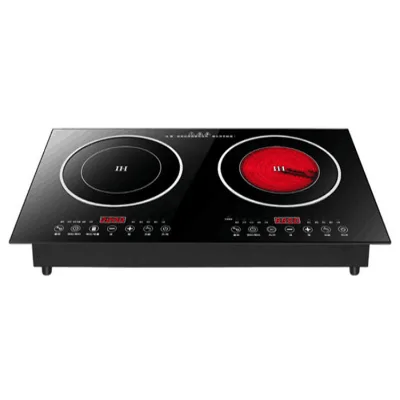
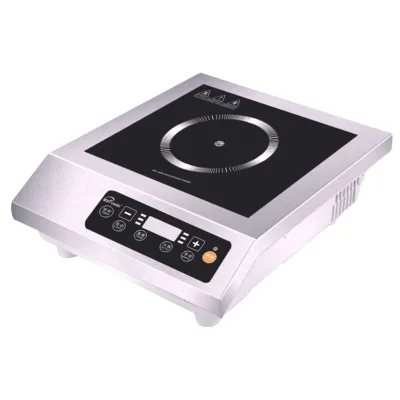
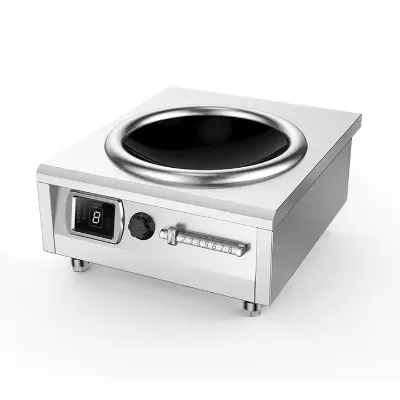
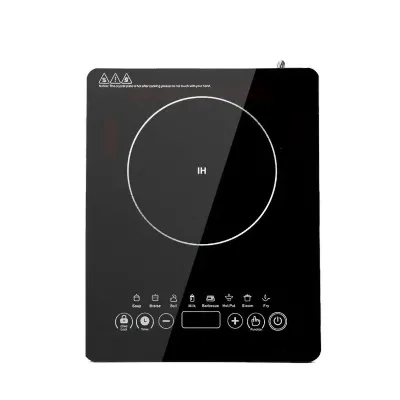

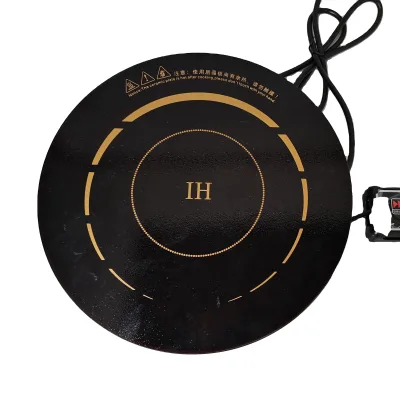
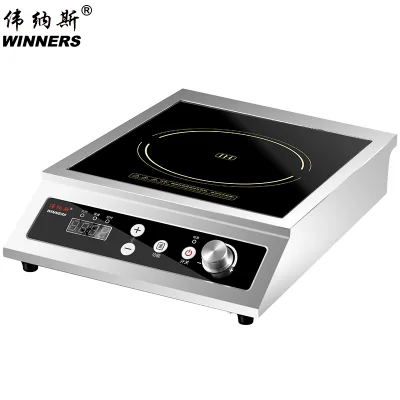
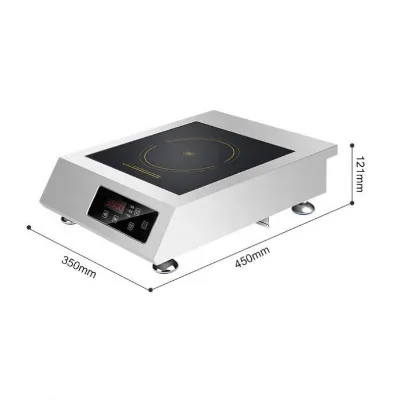
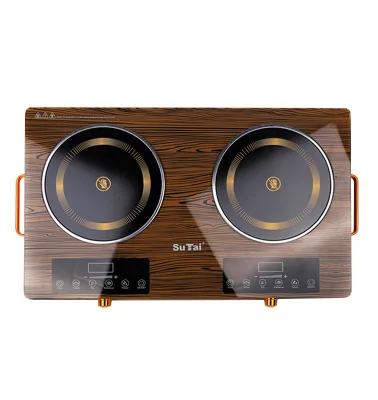
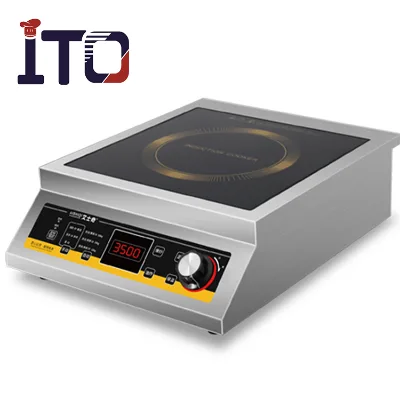
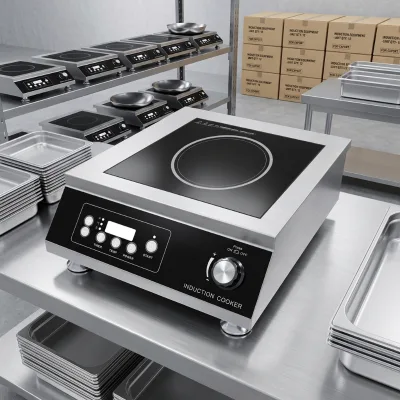
China Manufacturers Stainless Steel 3500W Single Burner Induction Cooker
$750.00 - $800.00
MOQ: 2 pieces
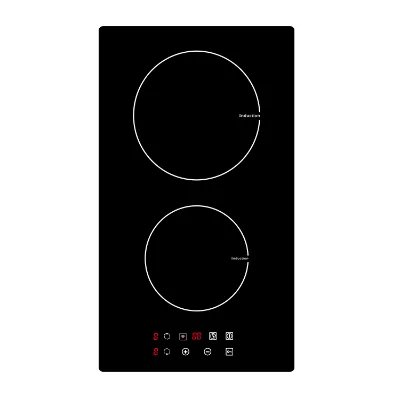
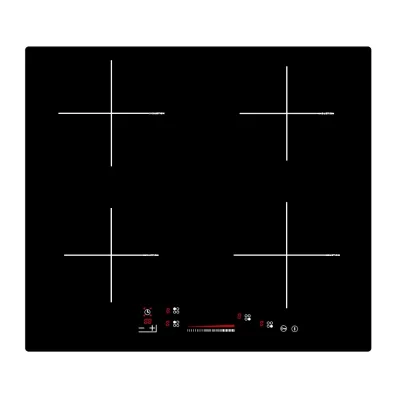
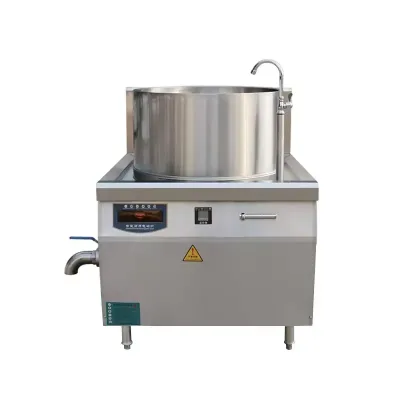
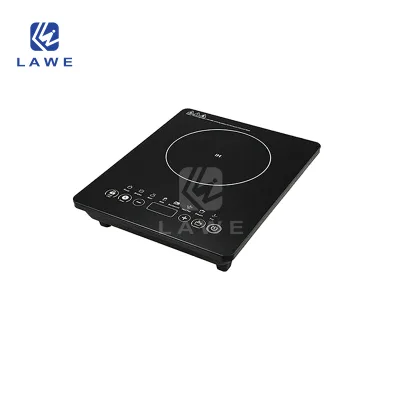
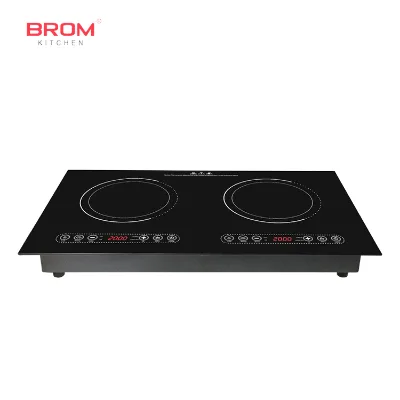
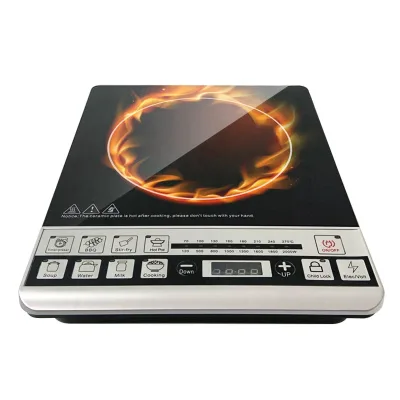
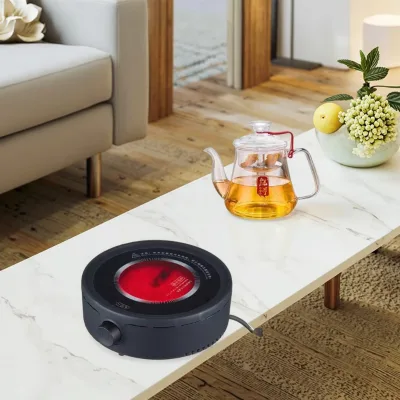
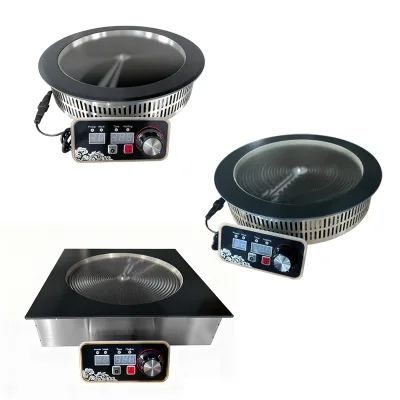
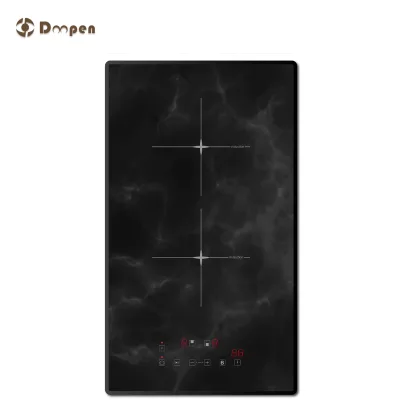
Auto Pan Detection 3600W 2 burner Induction Cooker with Multiple Safety Function
$58.20 - $65.20
MOQ: 100 pieces
Comprehensive Sourcing Guide
Smokeless Hot Pot Induction Cooker Sourcing Guide
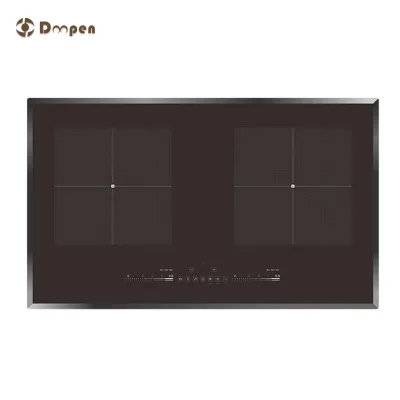
Procuring smokeless hot pot induction cookers requires a nuanced understanding of the diverse product landscape available from manufacturers, primarily based in China. The market offers a wide spectrum of configurations, ranging from compact single-burner countertop units to large, built-in four-burner models designed for commercial or high-capacity household use. Buyers must first define their specific operational needs, such as whether the device will be used in a hotel, garage, or commercial kitchen, as this dictates the necessary power output and physical dimensions. The observed product range includes models with ceramic panels, glass sizes varying from 290x520mm to 800x500mm, and housing materials that include plastic, metal, and stainless steel. Understanding these variations is critical for aligning the procurement with the intended installation environment and user experience.
The functional versatility of these appliances is another key consideration, with many models supporting multiple cooking modes such as soup stewing, hotpot, steam, boiling, porridge cooking, and milk stewing. Some units feature advanced control interfaces like touch or slide-touch panels, while others rely on traditional pushbutton operations. Power ratings can exceed 2730W, with specific high-capacity models reaching up to 4000W, ensuring rapid heating for diverse culinary applications. Additionally, features such as reservation functions, digital displays, and waterproof designs add value for specific market segments. Buyers should carefully evaluate these attributes against their target customer’s preferences to ensure the selected models meet both performance expectations and aesthetic requirements, avoiding mismatches between product capabilities and market demand.
Product Scope and Observed Listing Signals
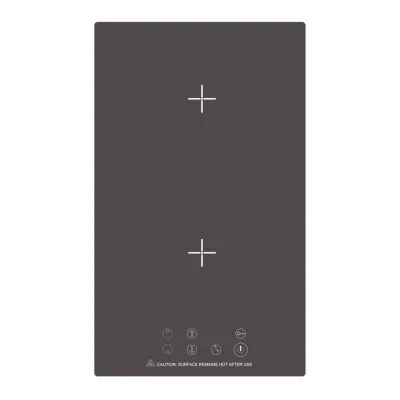
The current market listings reveal a significant diversity in product specifications, indicating that buyers cannot assume uniformity across all suppliers. For instance, heating elements vary between coil and solid types, which directly impacts cooking efficiency and maintenance requirements. Installation methods are equally varied, with options for both built-in and countertop setups, necessitating precise verification of the required cutout dimensions and spatial constraints. The observed glass sizes, such as 290x520mm for two-burner models and 800x500mm for four-burner units, highlight the importance of matching the product to the available kitchen space. Buyers must scrutinize these physical attributes to ensure compatibility with their distribution channels or end-user environments, as incorrect sizing can lead to high return rates and customer dissatisfaction.
Pricing and minimum order quantities (MOQ) also exhibit considerable variance, with observed prices ranging from $8.92 to $12,000 and MOQs from 1 to 800 units. This wide range suggests that buyers can find options suitable for both small-scale testing and large-volume commercial deployments. However, the disparity in pricing often correlates with differences in build quality, certification levels, and included features. For example, models with A-grade polished black crystal plates or stainless steel housings may command higher prices due to enhanced durability and aesthetic appeal. Buyers should use these signals to segment suppliers based on their value proposition, ensuring that the selected partners align with their budget constraints and quality expectations without compromising on essential safety and performance standards.
Technical Specifications to Verify
When evaluating technical specifications, buyers must prioritize the verification of power ratings and burner configurations to ensure adequate performance for smokeless cooking. Models with single, double, or four burners offer different capacity levels, with power outputs exceeding 2730W and reaching up to 4000W for high-demand applications. It is essential to confirm the exact power consumption and heating element type, whether coil or solid, as these factors influence cooking speed and energy efficiency. Additionally, the control interface, whether touch, slide-touch, or pushbutton, should be tested for responsiveness and durability, as user experience is a critical differentiator in the market. Buyers should also verify the presence of advanced features such as reservation functions and digital displays, which enhance usability and convenience for end-users.
Physical dimensions and material quality are equally critical, with glass sizes and housing materials varying significantly across models. Buyers must verify the exact dimensions, including built-in sizes where applicable, to ensure proper fit in the intended installation space. The housing material, whether plastic, metal, or stainless steel, affects the unit’s durability and heat resistance, so it is important to select materials that match the expected usage intensity. Furthermore, the panel type, such as ceramic or glass, should be assessed for scratch resistance and ease of cleaning. Buyers should request detailed technical datasheets and, if possible, physical samples to verify these specifications, ensuring that the products meet their quality standards and functional requirements before committing to large orders.
Compliance and Safety Documentation
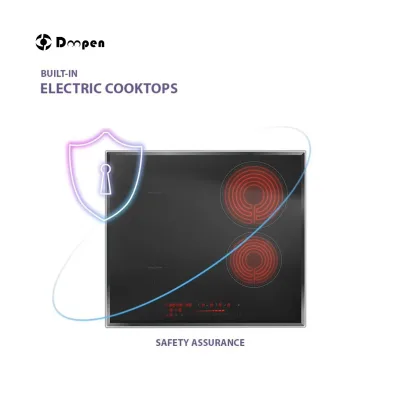
Compliance with international safety and electromagnetic compatibility standards is non-negotiable for smokeless hot pot induction cookers, given their electrical nature and high power consumption. Buyers must verify that suppliers hold valid certifications such as CE, RoHS, EMC, and CB, which indicate adherence to rigorous safety and environmental regulations. These certifications are essential for market access in many regions, including Europe and North America, and failing to secure them can result in customs delays or product recalls. Buyers should request copies of these certificates and verify their authenticity with the issuing bodies to ensure they are current and applicable to the specific models being procured. This due diligence protects the buyer from legal liabilities and ensures that the products meet the safety expectations of end-users.
In addition to certifications, buyers should inquire about the testing procedures and quality control measures implemented by the supplier. This includes verifying that the products undergo rigorous testing for electrical safety, thermal performance, and durability. Buyers should also check for any additional standards or labels, such as A-grade polished black crystal plate standards, which may indicate higher quality materials. Furthermore, it is important to confirm the warranty terms and after-sales service provisions, such as the availability of free spare parts, to ensure long-term support for the products. By prioritizing compliance and safety documentation, buyers can mitigate risks and build trust with their customers, ensuring that the procured induction cookers are safe, reliable, and compliant with global regulations.
Cost Drivers and Commercial Terms
The cost of smokeless hot pot induction cookers is influenced by several factors, including the complexity of the design, the quality of materials, and the level of customization offered. Models with advanced features such as slide-touch controls, digital displays, and multiple cooking functions tend to be more expensive due to the additional components and engineering required. Buyers should also consider the impact of packaging, with options ranging from simple cardboard boxes to gift boxes with custom foam, which can affect both the unit cost and shipping expenses. Understanding these cost drivers allows buyers to negotiate more effectively and select models that offer the best value for their target market, balancing features with affordability.
Commercial terms, including minimum order quantities (MOQ) and lead times, also play a significant role in the procurement process. Suppliers may offer flexible MOQs, ranging from 1 to 800 units, allowing buyers to test the market with smaller orders before scaling up. However, larger orders may qualify for volume discounts, so buyers should evaluate their sales forecasts to determine the optimal order size. Lead times can vary depending on the complexity of the order and the supplier’s production capacity, so it is important to establish clear timelines and communication channels with the supplier. Buyers should also negotiate payment terms and warranty conditions to ensure favorable commercial arrangements that protect their interests and support long-term business relationships.
Supplier Qualification and Quality Control
Supplier qualification is a critical step in ensuring the reliability and consistency of smokeless hot pot induction cookers. Buyers should conduct thorough due diligence on potential suppliers, verifying their manufacturing capabilities, quality control processes, and track record in the industry. This includes assessing their production facilities, equipment, and workforce to ensure they can meet the required volume and quality standards. Buyers should also request references or case studies from previous clients to gain insights into the supplier’s performance and reliability. By selecting qualified suppliers, buyers can minimize the risk of defects, delays, and other issues that can disrupt their supply chain and damage their brand reputation.
Quality control measures should be implemented throughout the production process, from raw material inspection to final product testing. Buyers should establish clear quality standards and inspection criteria, and consider hiring third-party inspection services to verify compliance before shipment. This includes checking for defects in the housing, glass, and control panels, as well as testing the electrical and thermal performance of the units. Buyers should also ensure that the suppliers provide adequate packaging to protect the products during transit, preventing damage and ensuring that the items arrive in perfect condition. By prioritizing supplier qualification and quality control, buyers can ensure that the procured induction cookers meet their high standards and deliver a positive experience to end-users.
Long-Term Procurement Checks
Long-term procurement success depends on continuous monitoring and evaluation of supplier performance and product quality. Buyers should establish key performance indicators (KPIs) to track metrics such as on-time delivery, defect rates, and customer feedback, allowing them to identify and address issues promptly. Regular audits and reviews of the supplier’s quality control processes can help maintain high standards and drive continuous improvement. Buyers should also stay informed about market trends and technological advancements, ensuring that their product offerings remain competitive and relevant. By maintaining a proactive approach to supplier management, buyers can build resilient supply chains and sustain long-term business growth.
Additionally, buyers should foster strong relationships with their suppliers, encouraging open communication and collaboration to resolve issues and explore new opportunities. This includes providing constructive feedback on product performance and sharing market insights to help suppliers improve their offerings. Buyers should also consider diversifying their supplier base to mitigate risks associated with single-source dependencies, ensuring continuity of supply even in the face of disruptions. By investing in long-term supplier relationships and continuous improvement, buyers can secure a competitive advantage and deliver high-quality smokeless hot pot induction cookers to their customers, driving satisfaction and loyalty in the market.
FAQs
What certifications do these induction cookers have?
These induction cookers carry CE, RoHS, EMC, and CB certifications. These standards ensure safety and electromagnetic compatibility for international markets. Buyers can verify these documents with suppliers before placing orders for bulk procurement.
Can I customize the housing material for this cooker?
Customization is available for the housing material, with options including plastic, metal, or stainless steel. Buyers should specify their preferred material during the inquiry process to ensure the final product meets their specific design and durability requirements.
What is the minimum order quantity for these units?
The minimum order quantity ranges from 1 to 800 units depending on the specific model and supplier. Buyers should confirm the exact MOQ with the manufacturer to align with their inventory planning and budget constraints before finalizing the purchase agreement.
Which installation types are supported for this cooker?
This cooker supports both built-in and countertop installation types. The built-in models feature specific glass sizes like 290 by 520 millimeters, while countertop versions offer flexibility for various kitchen setups without requiring permanent structural modifications.
How many burners are available in these models?
Models are available with single, double, or four burners to suit different cooking needs. The four-burner variant features a large glass size of 800 by 500 millimeters, making it ideal for commercial kitchens or large family gatherings requiring simultaneous cooking.
What is the power output of the high-performance model?
The high-performance model delivers a power output exceeding 2730 watts, with some variants reaching 4000 watts. This high power ensures rapid heating for functions like soup stewing, hotpot, and boiling, providing efficient cooking performance for demanding culinary tasks.
Where are these induction cookers manufactured?
These induction cookers are manufactured in China, specifically in the Guangdong region. Buyers can expect consistent production quality and competitive pricing due to the established manufacturing infrastructure in this location, which supports global export requirements.
What warranty and after-sales support are provided?
A one-year warranty is provided along with free spare parts for after-sales service. This support ensures long-term reliability and minimizes downtime for commercial or household users who rely on the cooker for daily cooking operations and professional food preparation.