10-30vdc photoelectric displacement sensor Suppliers and Manufacturers
Compare 13 verified suppliers offering 10-30vdc photoelectric displacement sensors with varying lead times, certifications, and response speeds. Review product specifications and MOQs to select the right factory for your needs; review the available evidence before requesting comparable quotations from suitable candidates.
Updated
Suppliers List

Jiangxi Nanma Electrical Co., Ltd.
- Verified by BV
- Trading Company,Manufacturer/Factory,Other
- China Jiangxi
- Lead time15 days
- Avg. response≤ 3h
Main productsMicro Switch, Limit Switch, Toggle Switch, Waterproof Switch, Foot Switch, Switch, Electrical Switch, Tact Switch, Time Relay, Rocker Switch
Main marketsSouth America,Eastern Europe,Mid East,North America,Southeast Asia,Eastern Asia,Oceania,Western Europe,Africa
Yueqing Bxuan Electrical Co., Ltd.
- Verified by Intertek
- Manufacturer, Trading Company
- Lead time0 days
- Avg. response≤ 5h
Main productsCapacitive Proximity Switch, Inductive Proximity Switch, Photoelectric Switch, Ultrasonic Sensor, Hall Switch
Main marketsDomestic Market(50%), Eastern Europe(30%), North America(20%)
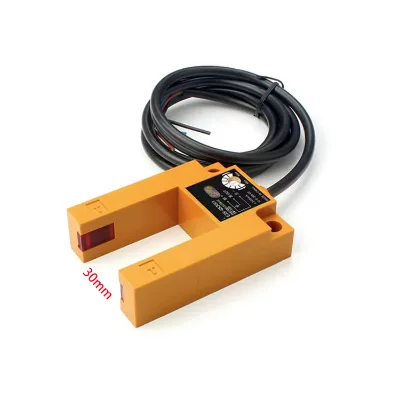
Photoelectric sensor switch slot type photoelectric sensor 30mm detection distance u type sensor
$5.4099 - $10.9232
MOQ: 1 Minimum

Shenzhen Miran Technology Co., Ltd.
- Trading Company
- China Guangdong
- Lead time15 days
- Avg. response≤ 3h
Main productsLinear Position Sensor, Lubrication Oil Pump, Draw Wire Potentiometer, Angle Sensor, Magnetostrictive Liquid Level Sensor, Lvdt Sensor, Magnetic Resistance Sensor, Ultrasonic Sensor, Linear Potentiometer, Eddy Current Sensor
Main marketsSouth America,Africa,Southeast Asia/ Mideast,East Asia(Japan/ South Korea),Europe,Australia,North America

Shanghai Lanbao Sensing Technology Co., Ltd.
- Verified by TUVRHEINLAND
- Combined
- China Shanghai
- Lead time23 days
- Avg. response≤ 5h
Main productsSensor, Proximity Switch, Photoelectric Sensor, Inductive Sensor, Capacitive Sensor, Light Curtains, Proximity Sensor, Magnetic Sensor, Laser Displacement Sensor, Photo Sensor
Main marketsSouth America,Africa,Southeast Asia/ Mideast,East Asia(Japan/ South Korea),Domestic,Europe,Australia,North America
Beijing Shuntu Technology Co., Ltd.
- Trading Company
- Beijing, China
- Lead time0 days
- Avg. response≤ 3h
Main productsrelay,connector,Rotary Encoder,Switch,Sensor
Main marketsSoutheast Asia(20.00%), Africa(10.00%), North America(10.00%), Eastern Europe(10.00%)

F&C Sensing Technology (Hunan) Co., Ltd.
- Verified by TUVRHEINLAND
- Combined
- China Hunan
- Lead time15 days
- Avg. response≤ 7h
Main productsFiber Optic Sensor, Proximity Sensor, Photoelectric Sensor, Label Sensor, Ultrasonic Sensor, Light Curtain, Laser Sensor, Pressure Sensor, Laser Displacement Sensor, DIN Power Supply
Main marketsSouth America,Others(foreignTradeCapacity.exportBusinessCapacityMarketOther)

Movement Position Sensor 5mm Photoelectric Sensor, 5-24VDC Range, No Impacted by Lighting
$3.50 - $4.00
MOQ: 1 Pieces


Ningbo Mingrui Zhongxing Electronics Technology Co., Ltd.
- Verified by TUVRHEINLAND
- Combined
- China Zhejiang
- Lead time23 days
- Avg. response≤ 4h
Main productsSensors, Level Switch, Float Level Sensor, Float Level Switch, Flow Sensor, Level Sensor, Flow Switch, Proximity Switch, Liquid Level Sensor, Liquid Level Switch
Main marketsOthers(foreignTradeCapacity.exportBusinessCapacityMarketOther),Europe,Australia,North America


Infrared Acquisition Photoelectricity Sensor for Electric Generator Equipment
$21.00 - $24.00
MOQ: 2 Pieces

- Verified by TUVRHEINLAND
- Combined
- China Guangdong
- Lead time15 days
- Avg. response≤ 6h
Main productsWiFi Door Controller, WiFi Gate Opener, Vehicle Loop Detector, Gate Barrier Safety Sensor, Vehicle Inductive Loop Sensor, Motion Radar Sensor, Infrared Photocell, Fast Speed Door Sensor, Infrared Light Curtain Sensor, Door Safety Sensor
Main marketsSouth America,North America

Hangzhou Zheda Jingyi Electromechanical Technology Corporation Limited
- Combined
- China Zhejiang
- Lead time15 days
- Avg. response≤ 4h
Main productsSensor, Position Sensor, Mts, Balluff, Magnetostrictive Sensor
Main marketsSoutheast Asia/ Mideast,Europe,North America


1050mm High Precision Displacement Sensor with Magnetostrictive Technology
$85.00 - $1150.00
MOQ: 1 Pieces

Magnetostrictive Linear Displacement Sensor with 4-20mA Output for Hydraulic Applications
$85.00 - $1150.00
MOQ: 1 Pieces
Shanghai Changjiang Electric Equipment Group Co., Ltd.
- Manufacturer, Trading Company
- Shanghai, China
- Lead time30 days
- Avg. response≤ 2h
Main productsproximity sensor,photoelectric sensor,light curtain sensor,fiber optic sensor,capactive sensor
Main marketsNorth America(20.00%), Northern Europe(10.00%), Eastern Asia(10.00%), South America(10.00%), Domestic Market(5.00%), South Asia(5.00%), Southern Europe(5.00%), Southeast Asia(5.00%), Central America(5.00%), Western Europe(5.00%), Eastern Europe(5.00%), Mid East(5.00%), Oceania(5.00%), Africa(5.00%)

- Verified by BV
- Combined
- China Jiangsu
- Lead time15 days
- Avg. response≤ 5h
Main productsHall Effect Sensor, Proximity Sensor, Temperature Sensor, Current Transformers, Current Transmitter, DC Leakage Transducer, Hall Proximity Sensor, Inductive Proximity Switch, Magnetic Switch, Temperature Transmitter
Main marketsAfrica,Southeast Asia/ Mideast,East Asia(Japan/ South Korea),Domestic,Europe,North America
Shanghai Lanbao Sensing Technology Co., Ltd.
- Verified by TüVRheinland
- Manufacturer, Trading Company
- Lead time10 days
- Avg. response≤ 3h
Main productsPhotoelectric Sensor, Inductive Sensor, Capacitive Sensor, Laser Measuring Sensor, Ultrasonic Sensor
Main marketsDomestic Market(39%), North America(20%), Western Europe(18%)
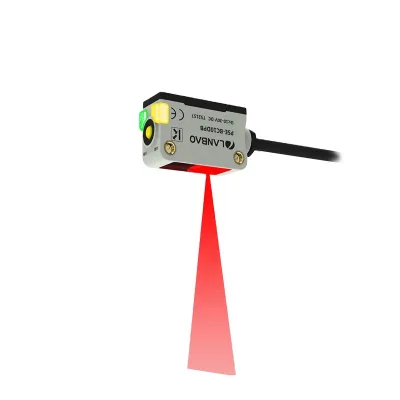
LANBAO 2021 new 10-30VDC optical switch Plastic square photoelectric sensor
$50.00 - $100.00
MOQ: 1 Minimum
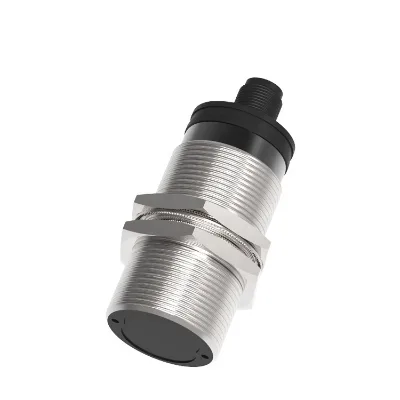
Lanbao Pr30 Photoelectric Sensor 100cm M12 Connector 10-30vdc Optical Sensor Position Sensor
$16.00 - $35.00
MOQ: 1 pieces

Longyan Zhongqun Automation Technology Co., Ltd.
- Trading Company
- Fujian, China
- Lead time3 days
- Avg. response≤ 2h
Main productsPLC,SENSORS,HMI,SWICHING POWER SUPPLY,RELAY
Main marketsWestern Europe(15.00%), Southeast Asia(15.00%), South America(10.00%), Eastern Asia(10.00%), Mid East(10.00%), Central America(10.00%), North America(10.00%), Eastern Europe(10.00%), South Asia(5.00%), Africa(5.00%)






Comprehensive Sourcing Guide
10-30Vdc Photoelectric Displacement Sensor Supplier Concentration and Factory Types
The current supplier landscape for 10-30Vdc photoelectric displacement sensors reveals a distinct geographic and structural distribution that buyers must navigate carefully. Evidence indicates that suppliers are located in China Jiangxi and China Guangdong, with some product origins specifically noted as Zhejiang China. This concentration suggests that while manufacturing hubs exist in these specific provinces, the supply chain is not monolithic. Buyers should recognize that a supplier’s listed location may differ from the actual factory origin of the specific sensor model they intend to purchase. For instance, a trading company based in Guangdong might source a specific photoelectric sensor from a factory in Zhejiang, meaning the logistical and quality control dynamics differ from a direct factory engagement in Jiangxi. Understanding this geographic nuance is critical for assessing shipping costs, lead times, and the ease of conducting on-site factory audits. The presence of suppliers in multiple provinces indicates a fragmented market where buyers cannot assume a single regional cluster dominates the entire category. Instead, buyers must evaluate each supplier’s specific operational footprint to determine if their sourcing strategy aligns with the actual production locations. This geographic diversity also implies that buyers should not rely on broad regional generalizations when evaluating supplier capabilities. Each location may have different industrial ecosystems, labor costs, and supply chain efficiencies that directly impact the final product quality and delivery speed. Therefore, verifying the actual manufacturing location for each specific sensor model is a necessary step in the sourcing process.
In terms of company structure, the market includes a mix of Trading Companies, Manufacturer/Factories, and Other entity types. This variety offers buyers different engagement models, each with distinct advantages and risks. Trading companies often provide broader product catalogs and flexible order quantities, which can be beneficial for small to medium-sized procurement needs. However, they may lack direct control over the manufacturing process, potentially leading to communication gaps or quality inconsistencies. On the other hand, Manufacturer/Factories typically offer more direct control over production, customization options, and potentially lower unit costs for larger volumes. The presence of "Other" company types adds another layer of complexity, as these entities may have specialized business models that do not fit neatly into traditional categories. Buyers must carefully assess the actual role of each supplier to ensure their procurement goals are met. For example, if a buyer requires deep customization of a photoelectric sensor, engaging directly with a manufacturer might be more effective than working with a trading company. Conversely, if a buyer needs a diverse range of sensors from different manufacturers, a trading company might offer a more streamlined procurement experience. The key is to align the supplier type with the specific project requirements, considering factors such as order volume, customization needs, and the level of direct involvement desired in the manufacturing process. This strategic alignment ensures that buyers can leverage the strengths of each supplier type while mitigating potential risks associated with their business models.
How to Verify 10-30Vdc Photoelectric Displacement Sensor Suppliers
Verification is a critical step in ensuring the reliability and quality of 10-30Vdc photoelectric displacement sensor suppliers. Buyers should prioritize suppliers who have undergone third-party verification processes, as these provide an additional layer of trust and assurance. In the current market, some suppliers have been verified by recognized entities such as BV and Intertek. These verifications typically involve audits of the supplier’s business operations, manufacturing facilities, and quality management systems. Buyers should look for these verification badges on supplier profiles as an initial indicator of credibility. However, verification alone is not sufficient; buyers must also examine the scope and depth of the verification. For instance, a BV verification might confirm the existence of the business, while an Intertek verification might include more detailed assessments of production capabilities and quality control measures. Understanding the specific nature of the verification helps buyers gauge the level of due diligence already performed by the third party. Additionally, buyers should consider the recency of the verification, as supplier conditions can change over time. A recent verification is more likely to reflect the current state of the supplier’s operations and capabilities. By prioritizing verified suppliers, buyers can reduce the risk of engaging with fraudulent or unreliable entities, thereby protecting their procurement investments and ensuring a smoother sourcing process.
Beyond third-party verification, buyers should assess the certifications and standards held by suppliers and their products. Evidence shows that some suppliers hold system certifications such as ISO 9000 and ISO 9001, which indicate a commitment to quality management principles. Product-specific certifications, such as CE, CCC, RoHS, REACH, and SCCP, are also present in the market, signaling compliance with regional regulatory requirements. Buyers should verify that the specific sensors they intend to purchase carry the necessary certifications for their target markets. For example, if selling in Europe, CE certification is often mandatory, while RoHS compliance is crucial for environmental regulations. It is important to note that certifications can be held by the supplier as a company or by individual products. Buyers must ensure that the specific model of the photoelectric displacement sensor they are sourcing has the relevant product certifications. Furthermore, buyers should request copies of certification documents to verify their authenticity and validity. This step helps prevent issues related to non-compliance, which can lead to customs delays, product recalls, or legal liabilities. By thoroughly checking certifications, buyers can ensure that their sourced sensors meet all necessary regulatory and quality standards, thereby safeguarding their brand reputation and market access. This diligence is particularly important in the electronics and sensor industry, where regulatory compliance is strictly enforced and non-compliance can have severe consequences.
What to Compare Across 10-30Vdc Photoelectric Displacement Sensor Suppliers
When evaluating multiple suppliers for 10-30Vdc photoelectric displacement sensors, buyers must compare several key dimensions to identify the most suitable partner. One critical factor is the lead time, which varies significantly among suppliers. Some suppliers indicate a lead time of 15 days, while others may have different production schedules. Understanding lead times is essential for inventory planning and meeting customer delivery expectations. Buyers should also consider the response time, which reflects the supplier’s efficiency in communication. A response time of 2.20 hours, for instance, suggests a high level of responsiveness, which can be crucial for resolving issues quickly and maintaining a smooth procurement process. Comparing these operational metrics helps buyers assess the reliability and efficiency of each supplier. Additionally, buyers should examine the minimum order quantity (MOQ) requirements. Some suppliers have an MOQ of 100 units, while others may accept orders as low as 1 unit. This flexibility can be advantageous for buyers who need to test products or fulfill small-scale orders. By comparing MOQs, buyers can determine which suppliers align with their volume needs and budget constraints. This comparison ensures that buyers can optimize their procurement strategy based on their specific order sizes and frequency.
Another important aspect to compare is the range of main products and customization capabilities offered by suppliers. Some suppliers specialize in a wide array of switches and sensors, including micro switches, limit switches, and photoelectric sensors, while others focus on specific types like inductive or capacitive proximity switches. Buyers should assess whether the supplier’s product portfolio aligns with their current and future sourcing needs. Customization capabilities are also crucial, as some suppliers offer OEM services, own brand development, or light customization options. Evidence shows that some suppliers provide customization for photoelectric sensors, allowing buyers to tailor products to specific application requirements. Buyers should inquire about the extent of customization available, including options for size, wiring, and detection principles. Furthermore, comparing the price ranges of similar products can provide insights into the cost structure of different suppliers. For example, prices for certain photoelectric sensors may range from $1.20 to $1.50, while others may be priced between $8.50 and $10.00. These price differences may reflect variations in quality, features, or production costs. By comparing these factors, buyers can make informed decisions that balance cost, quality, and service. This comprehensive comparison ensures that buyers select suppliers who not only meet their technical requirements but also offer competitive pricing and flexible terms, ultimately enhancing their overall sourcing efficiency and value.
Common 10-30Vdc Photoelectric Displacement Sensor Sourcing Risks
Sourcing 10-30Vdc photoelectric displacement sensors involves several potential risks that buyers must proactively manage to ensure successful procurement. One significant risk is the discrepancy between the supplier’s stated location and the actual manufacturing site. As noted, some suppliers are based in one province while their products originate from another. This geographic disconnect can complicate logistics, increase shipping costs, and make it difficult to conduct effective quality audits. Buyers may face challenges in verifying the true capabilities and conditions of the factory if they are not physically located near the supplier’s headquarters. This risk is particularly relevant when dealing with trading companies, which may act as intermediaries without direct oversight of the production process. To mitigate this risk, buyers should request detailed information about the manufacturing location and, if possible, arrange for third-party inspections at the actual factory. This step ensures that the product quality and production standards meet the buyer’s expectations. Additionally, buyers should be cautious of suppliers who provide vague or inconsistent information about their operational structure. Clear communication and transparency are essential for building trust and avoiding misunderstandings that could lead to delays or quality issues. By identifying and addressing these geographic and structural risks early in the sourcing process, buyers can establish a more reliable and transparent supply chain.
Another common risk is the variability in product quality and certification compliance. While some suppliers hold recognized certifications, others may not, or their certifications may not cover the specific sensor models being sourced. Buyers must verify that the products they purchase meet all necessary regulatory and quality standards for their target markets. Failure to do so can result in customs clearance issues, product rejections, or legal liabilities. Additionally, the lack of standardized testing procedures among suppliers can lead to inconsistencies in sensor performance, such as detection distance, output signal type, or voltage stability. Buyers should request detailed product specifications and test reports to ensure that the sensors meet their technical requirements. It is also important to be aware of the potential for counterfeit or substandard products, especially when dealing with suppliers who offer unusually low prices. Buyers should prioritize suppliers with a proven track record of quality and reliability, rather than solely focusing on cost. By implementing rigorous quality control measures and verifying certifications, buyers can minimize the risk of receiving defective or non-compliant products. This diligence is crucial for maintaining the integrity of the buyer’s brand and ensuring customer satisfaction. Ultimately, managing these risks requires a proactive and thorough approach to supplier evaluation and product verification.
10-30Vdc Photoelectric Displacement Sensor Regional Sourcing and Logistics
Regional sourcing and logistics play a pivotal role in the overall cost and efficiency of procuring 10-30Vdc photoelectric displacement sensors. The current supplier results indicate locations in China Jiangxi and China Guangdong, with some product origins in Zhejiang China. These regions are known for their robust manufacturing ecosystems, particularly in electronics and electrical components. However, the specific location of the supplier can significantly impact shipping costs, transit times, and customs procedures. Buyers should consider the proximity of the supplier to major ports or logistics hubs, as this can affect the efficiency of international shipping. For instance, suppliers in Guangdong may have easier access to major shipping routes compared to those in Jiangxi, potentially leading to faster delivery times and lower freight costs. Additionally, buyers should be aware of the logistical implications of dealing with suppliers in different provinces, as this may involve multiple handling points and increased complexity in the supply chain. Understanding these regional dynamics helps buyers make informed decisions about which suppliers to engage with based on their logistical preferences and requirements. By aligning their sourcing strategy
FAQs
What is the price range for 10-30vdc photoelectric displacement sensors?
Prices typically range from $1.20 to $10.92 per unit depending on the specific model and configuration. Basic proximity switches start around $1.20, while specialized U-type sensors with higher detection accuracy cost between $5.40 and $10.92. Buyers should check the exact product specifications to determine the final cost for their order volume.
What is the minimum order quantity for these sensors?
Minimum order quantities vary significantly by supplier and product type. Some manufacturers require a minimum of 100 units for standard switches, while others accept orders as low as one piece for sample processing or specialized U-type sensors. Buyers should verify the specific MOQ with the supplier before placing an order to ensure it meets their requirements.
How long does delivery take for these sensors?
Lead times generally range from zero to fifteen days depending on the supplier and stock availability. Some suppliers offer immediate delivery for in-stock items, while others require up to fifteen days for production. Specific products like U-type sensors may have a delivery time of three working days. Buyers should confirm the exact lead time with the supplier.
Are these sensors certified for international standards?
Yes, many suppliers provide sensors with ISO 9001, CE, CCC, RoHS, and REACH certifications. These certifications ensure compliance with international quality and safety standards. Buyers should verify the specific certification required for their market and request proof of certification from the supplier to ensure the products meet local regulatory requirements.
What is the response time of these suppliers?
Supplier response times vary, with some responding within 2.20 hours and others taking up to five hours. Faster response times indicate a more responsive sales team. Buyers should prioritize suppliers with quicker response times to ensure efficient communication and timely resolution of any inquiries or issues during the sourcing process.
Can these sensors be customized for specific applications?
Yes, customization is available for many products, including graphic processing and on-demand customization. Suppliers offer OEM services and can adapt sensors for specific applications like elevator detection or industrial control sites. Buyers should provide detailed specifications to the supplier to ensure the customized product meets their exact requirements.