ABS Airless Pump Bottle Suppliers and Manufacturers
Compare 29 verified suppliers offering abs airless pump bottles with varying lead times, certifications, and pricing. Review response times and MOQs to select a partner for your cosmetic packaging needs; review the available evidence before requesting comparable quotations from suitable candidates.
Updated
Suppliers List
Xiamen Finepack Industrial Co., Ltd.
- Verified by Intertek
- Trading Company
- Lead time25 days
- Avg. response≤ 2h
Main productsPET Bottle, HDPE Bottle, PET Jar, PP Jar, Plastic Cap
Main marketsNorth America(26%), Western Europe(25%), Oceania(15%)

Ningbo Somewang Packaging Co., Ltd.
- Verified by SGS
- Combined
- China Zhejiang
- Lead time23 days
- Avg. response≤ 4h
Main productsCosmetic Packaging, Cosmetic Bottle, Plastic Bottle, Cosmetic Tube, Cream Jar, Lotion Pump, Mist Sprayer, Trigger Sprayer, Plastic Cap, Glass Bottle
Main marketsSoutheast Asia/ Mideast,Europe,North America


as Airless Pump Bottle Plastic Skincare Bottles with Convenient Airless Pump System
$0.34 - $0.35
MOQ: 10000 Pieces


Ningbo YMS Imp & Exp Co., Ltd.
- Trading Company
- China Zhejiang
- Lead time45 days
- Avg. response≤ 9h
Main productsLipstick Case, Cosmetic Compact, Lip Gloss Case, Mascara Tube, Eyeliner Bottle, Cosmetic Pen, Acrylic Jar, Cosmetic Pot, Loose Powder Container, Airless Lotion Bottle
Main marketsSouth America,Southeast Asia/ Mideast,Europe
Ningbo Beyon Plastic Co., Ltd.
- Manufacturer
- Zhejiang, China
- Lead time25 days
- Avg. response≤ 7h
Main productsPET Bottles, Airless Bottle, PET Thick Wall Bottle, Travel Kit, Sprayer Parts
Main marketsNorth America(30.00%), Southern Europe(20.00%), Domestic Market(20.00%), Southeast Asia(20.00%), Oceania(5.00%), Eastern Asia(5.00%)

YUYAO SHUOHONG COMMODITY CO., LTD.
- Verified by BV
- Combined
- China Zhejiang
- Lead time23 days
- Avg. response≤ 6h
Main productsMist Sprayer, Lotion Pump, Trigger Sprayer, Perfume Atomizer, Plastic Cap, Plastic Bottle, Cream Jar, Plastic Tube, Foam Pump, out Spring Lotion Pump
Main marketsSouth America,Africa,Southeast Asia/ Mideast,East Asia(Japan/ South Korea),Europe,Australia,North America
Shijiazhuang Chunbai Plastic Co., Ltd.
- Verified by Intertek
- Manufacturer, Trading Company
- Lead time7 days
- Avg. response≤ 2h
Main productsPlastic Bottle, Plastic Tube, Glass Bottle, Plastic Jar, Paper Packaging
Main marketsNorth America(61%), Eastern Europe(10%), Western Europe(10%)

Ningbo Queen Packaging Co., Ltd
- Verified by TUVRHEINLAND
- Trading Company
- China Zhejiang
- Lead time15 days
- Avg. response≤ 1h
Main productsAirless Lotion Bottle, Airless Cream Jar, Airless Spray Bottle, OEM Cosmetic Packaging, ODM Cosmetic Packaging, Eye Cream Tube, Double Wall Airless Jar, Bath Salt Bottle, Acrylic Jar, Pet Jar
Main marketsOthers(foreignTradeCapacity.exportBusinessCapacityMarketOther),Southeast Asia/ Mideast,East Asia(Japan/ South Korea),North America

Ningbo Shengxin Import and Export Co., Ltd.
- Verified by CTI
- Trading Company
- China Zhejiang
- Lead time23 days
- Avg. response≤ 3h
Main marketsSoutheast Asia/ Mideast,Europe,North America

Return Odorless Clean Hygienic Dust Proof and Non Oxidizing Plastic Airless Pump Bottle
$0.80 - $1.00
MOQ: 10000 Pieces

No Residue No Need Cleaning No Dirt Showing Leak Proof Plastic Airless Pump Bottle
$0.80 - $1.00
MOQ: 10000 Pieces


Good Sealing Performance No Oxidation No Leakage No Residue Plastic Airless Pump Bottle
$0.80 - $1.00
MOQ: 10000 Pieces

Dust Proof Non Oxidizing Good Sealing Performance Plastic Airless Pump Bottle
$0.80 - $1.00
MOQ: 10000 Pieces

Yuyao Lonshine Sprayer Co.,ltd
- Verified by SGS Group
- Manufacturer, Trading Company
- Lead time20 days
- Avg. response≤ 3h
Main productsTrigger Sprayer, Nail & Cleaning Pump, Fine Mist Sprayer, Lotion Pump, Airless Bottle
Main marketsSoutheast Asia(60%), North America(10%), South America(10%)
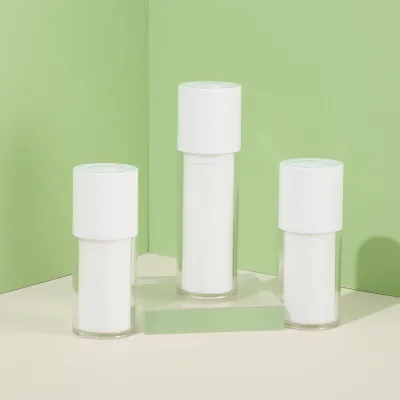
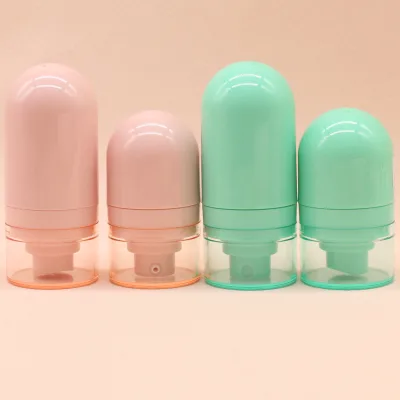
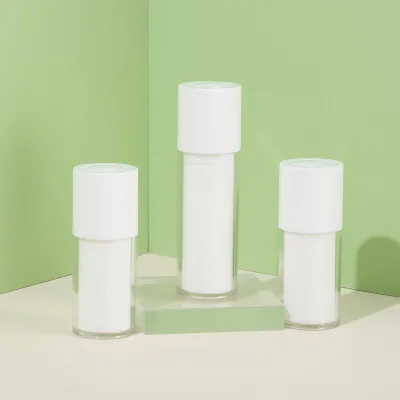
$0.4047 - $0.4362
MOQ: 10000 Minimum
Ningbo Boolong Packaging Co., Ltd.
- Verified by TüVRheinland
- Manufacturer, Trading Company
- Lead time15 days
- Avg. response≤ 3h
Main productsCream Pump, Roll On Bottle, Airless Bottle, All Plastic Trigger Sprayer, Deodorant Stick Tube
Main marketsNorth America(28%), Eastern Europe(19%), Western Europe(16%)

Jinhua Allies Import and Export Co., Ltd.
- Verified by SGS
- Manufacturer/Factory
- China Zhejiang
- Lead time23 days
- Avg. response≤ 7h
Main productsCanister, Container, Bottle, Cosmetic, Make up, Plastic Packaging, Eyeshadow, Palette, Box, Compact Case
Main marketsSouth America,Mid East

Plastic Airless Bottle Airless Pump Bottle for Eco-Friendly Skin Care Use
$0.11 - $0.65
MOQ: 10000 Pieces


- Manufacturer, Trading Company
- Guangdong, China
- Lead time20 days
- Avg. response≤ 4h
Main productsPlastic Bottle, Plastic Cap, Plastic Jar, Sprayer, Pump
Main marketsNorth America(15.00%), Eastern Europe(15.00%), Southeast Asia(15.00%), South America(10.00%), Oceania(10.00%), Mid East(10.00%), South Asia(5.00%), Southern Europe(5.00%), Africa(5.00%), Eastern Asia(2.00%), Western Europe(2.00%), Central America(2.00%), Northern Europe(2.00%), Domestic Market(2.00%)

Yuyao Zhuoxin Import & Export Co., Ltd.
- Trading Company,Manufacturer/Factory
- China Zhejiang
- Lead time0 days
- Avg. response≤ 13h
Main productsTrigger Sprayer, Lotion Pump, Mist Sprayer, Cream Pump, Plastic Vacuum Bottle, Plastic Acrylic Jar, Plastic Cap, Card/Pen Perfume Sprayer, Lipstick Case, Cream Jar
Main marketsSouth America,Eastern Europe,Mid East,North America,Southeast Asia,Eastern Asia,Oceania,Western Europe,Africa
Duanny (Beijing) Int'l Trading Co., Ltd.
- Trading Company
- Beijing, China
- Lead time30 days
- Avg. response≤ 4h
Main productsCosmetic Jar, Plastic Bottle
Main marketsNorth America(35.00%), Eastern Europe(20.00%), Western Europe(10.00%), Northern Europe(10.00%), South America(5.00%), Oceania(5.00%), Africa(5.00%), Mid East(5.00%), Southeast Asia(5.00%)

NINGBO KINPACK COMMODITY CO., LTD.
- Verified by TUVRHEINLAND
- Trading Company
- China Zhejiang
- Lead time30 days
- Avg. response≤ 5h
Main productsFoam Pump, Ailress Bottle, Trigger Sprayer, Lotion Pump, Airless Jars, Treatment Pump, Lotion Bottle, Mini Trigger Sprayer, Cosmetics Package, Outdoor Products
Main marketsSouth America,Africa,Southeast Asia/ Mideast,East Asia(Japan/ South Korea),Domestic,Europe
Hebei Laiyan Technology Co., Ltd.
- Trading Company
- Hebei, China
- Lead time7 days
- Avg. response≤ 2h
Main productsglass storage jar,glass bottles and jars,plastic bottles and jars,aluminum bottles and tins,caps accessories
Main marketsEastern Europe(20.00%), Eastern Asia(20.00%), Africa(15.00%), Western Europe(10.00%), South America(10.00%), North America(10.00%), Oceania(8.00%), Southeast Asia(5.00%), Mid East(2.00%)

YUYAO NUOBANG PLASTIC INDUSTRY CO., LTD.
- Verified by BV
- Combined
- China Zhejiang
- Lead time23 days
- Avg. response≤ 2h
Main productsLotion Pump, Treatment Pump, Fine Mist Sprayer, Trigger Sprayer, Bottle, Caps, Beauty Tools, Beauty Cosmetic Package, Airless Bittle, Cosmetics Tube
Main marketsSouth America,Africa,Southeast Asia/ Mideast,East Asia(Japan/ South Korea),Europe,Australia,North America

YUYAO YIHE COMMODITY CO., LTD.
- Verified by TUVRHEINLAND
- Manufacturer/Factory
- China Zhejiang
- Lead time23 days
- Avg. response≤ 5h
Main products20ml Pocket Perfume Bottle with Caps, Trigger Sprayer, Lotion Pump, Mist Sprayer, Pet Bottle, Disc Top Cap, Flip Top Cap, Foam Sprayer, Foam Sprayer Bottle, Perfume Sprayer
Main marketsSouth America,Eastern Europe,Mid East,North America,Southeast Asia,Eastern Asia,Oceania,Western Europe
Ellimi Plastic Products Co., Ltd.
- Verified by SGS Group
- Manufacturer, Trading Company
- Lead time35 days
- Avg. response≤ 13h
Main productsCosmetic packaging
Main marketsDomestic Market(42%), Southeast Asia(20%), North America(5%)

Shangyu Shengruisi Packaging Co., Ltd.
- Verified by CTI
- Combined
- China Zhejiang
- Lead time60 days
- Avg. response≤ 10h
Main productsRoll on Bottle, Roller Bottle, Airless Bottle, Perfume Bottle, Essential Oil Bottle, Cosmetic Packaging, Plastic Bottle, Make up Series, Pet Bottle, Cosmetic Jar
Main marketsSouth America,Southeast Asia/ Mideast,East Asia(Japan/ South Korea),Europe,Australia,North America
Impac International Trading Co., Ltd. (zhangjiagang)
- Verified by Intertek
- Trading Company
- Lead time30 days
- Avg. response≤ 4h
Main productsAcrylic Bottles And Jars, Plastic Bottles And Jars, Glass Bottles And Jars, Cosmetic Packaging, Spray Bottles
Main marketsNorth America(45%), Western Europe(25%), South America(8%)

ningbo crown commodity co.,ltd
- Verified by SGS
- Combined
- China Zhejiang
- Lead time30 days
- Avg. response≤ 25h
Main productsPerfume Sprayer, Lotion Pump, Trigger Sprayer, Pet Bottle, Cosmetic Package, Eyeliner Package
Main marketsAfrica,Southeast Asia/ Mideast,Europe,North America

Ningbo Partner Commodity Co., Ltd.
- Trading Company
- Zhejiang, China
- Lead time30 days
- Avg. response≤ 6h
Main productscosmetic jar,perfume bottle,cream jar,lotion bottle,makeup
Main marketsNorth America(20.00%)
Fuzhou Fithome Bamboo Technology Co., Ltd.
- Verified by TüVRheinland
- Manufacturer, Trading Company
- Lead time15 days
- Avg. response≤ 1h
Main productsGlass Packaging, Plastic Packaging, Cosmetic Packaging, Bamboo Cosmetic Packaging, Bamboo Products
Main marketsNorth America(66%), Western Europe(22%), Southeast Asia(12%)
- Trading Company
- Shandong, China
- Lead time35 days
- Avg. response≤ 5h
Main productsAirless Bottle,Lotion Bottle,Cosmetic Jar,Plastic cap,Trigger Sprayer
Main marketsWestern Europe(44.00%), North America(20.00%), Eastern Europe(15.00%), Mid East(12.00%), Oceania(5.00%), Southeast Asia(3.00%), Eastern Asia(1.00%)
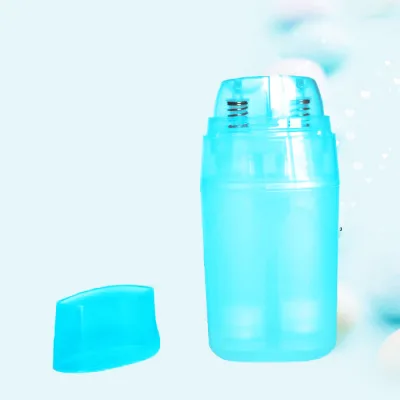
Hot Sale Empty PP Airless Pump Bottle With Two Tubes 15mlx2, 30mlx2 of ABN05-001
$0.50 - $1.50
MOQ: 5000 Minimum
Shijiazhuang Gaoou Trade Co., Ltd.
- Verified by SGS Group
- Trading Company
- Lead time10 days
- Avg. response≤ 2h
Main productsCosmetic Packaging, Customize Glass Bottles, Dropper Bottle, Customize Glass Jar
Main marketsEastern Europe(31%), Southeast Asia(16%), Africa(16%)
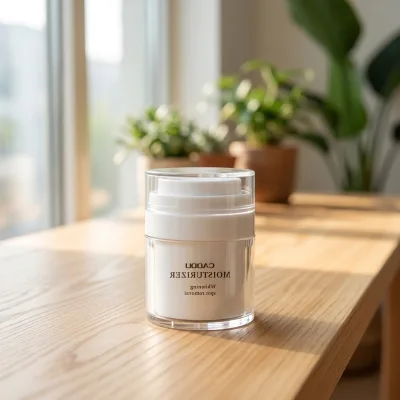
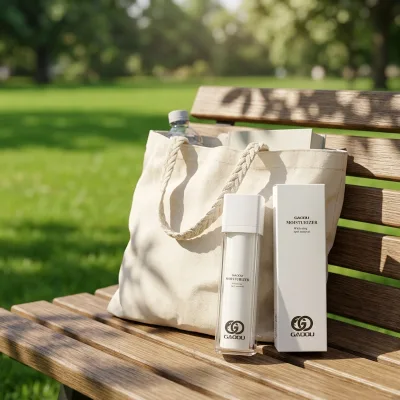
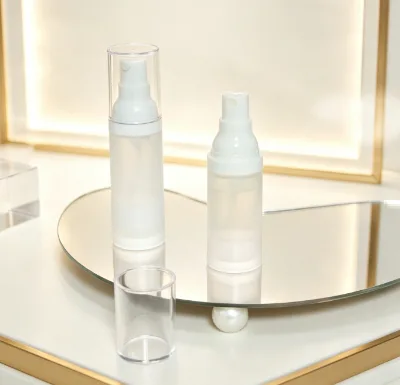
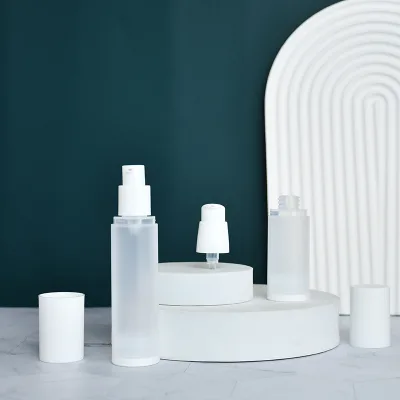
Factory Price Hot Selling 30ml 50ml Airless Pump Bottle Luxury Round Bottle
$0.2683 - $0.4017
MOQ: 5 Minimum
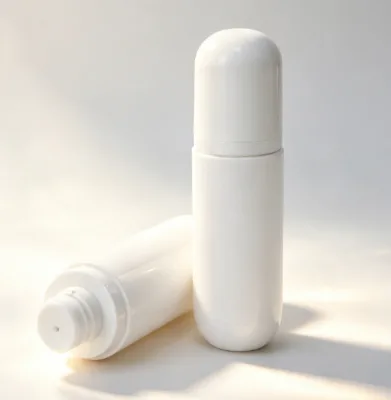
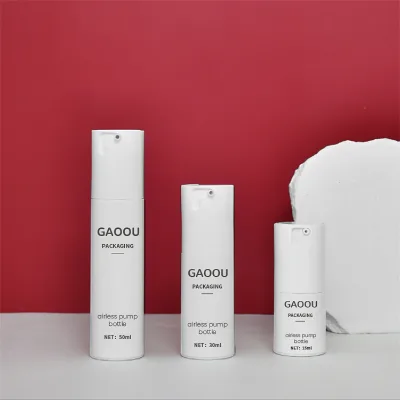
$0.33 - $0.45
MOQ: 3000 Minimum
Guangzhou Boryel Packaging Products Co., Ltd.
- Manufacturer, Trading Company
- Guangdong, China
- Lead time30 days
- Avg. response≤ 4h
Main productsGlass Bottle,Glass Jar,Plastic Bottle,Plastic Jar,Pump
Main marketsNorth America(30.00%), Western Europe(20.00%), Southern Europe(10.00%), South America(10.00%), Oceania(3.00%), Central America(3.00%), Eastern Europe(3.00%), Southeast Asia(2.00%), Mid East(2.00%), Domestic Market(2.00%), South Asia(2.00%), Northern Europe(2.00%), Africa(2.00%), Eastern Asia(2.00%)
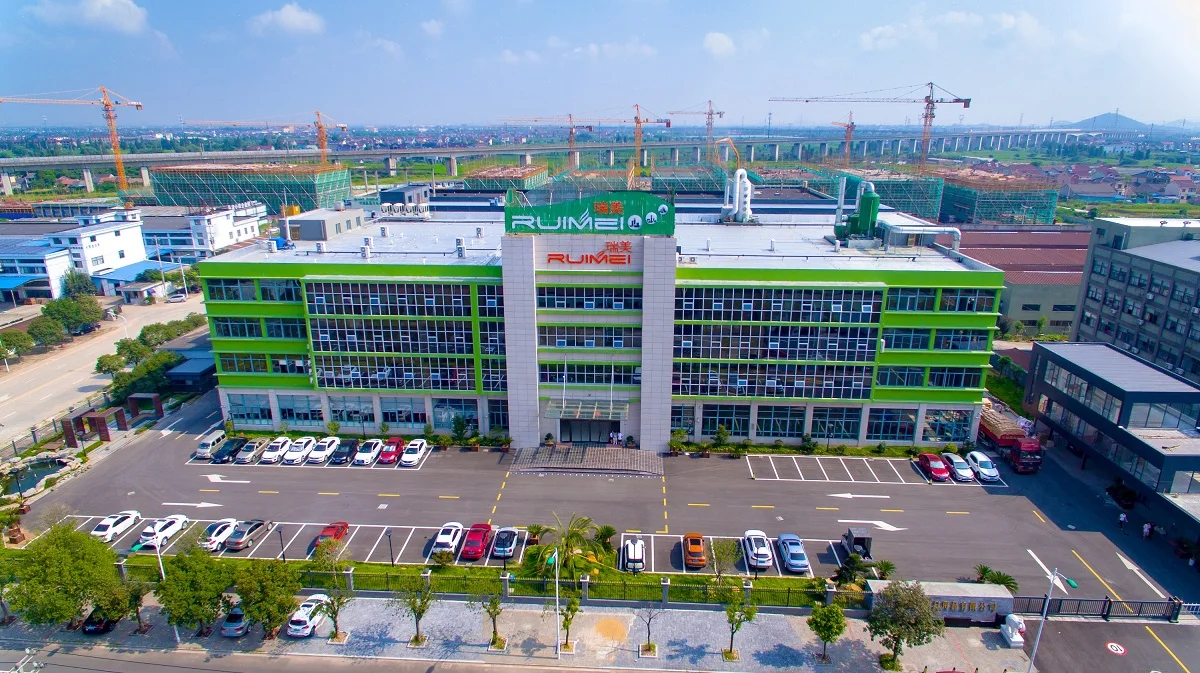
Yuyao Ruimei Commodity Co., Ltd.
- Manufacturer
- Zhejiang, China
- Lead time30 days
- Avg. response≤ 7h
Main productsCosmetics Bottle Set
Main marketsNorth America(25.00%), Southern Europe(20.00%), Western Europe(20.00%), South America(20.00%), South Asia(15.00%)
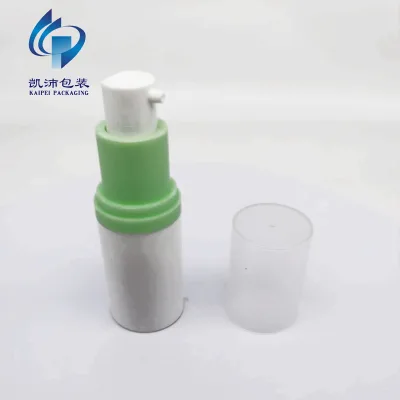
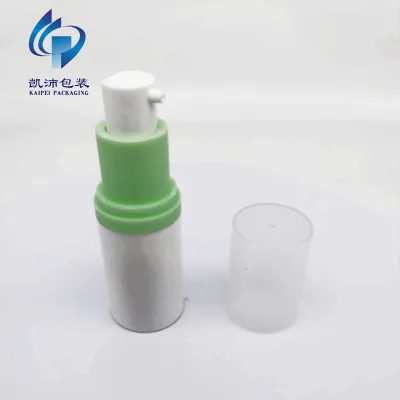
ZHEJIANG KAIPEI PACKAGING CO., LTD.
- Manufacturer, Trading Company
- Zhejiang, China
- Lead time30 days
- Avg. response≤ 4h
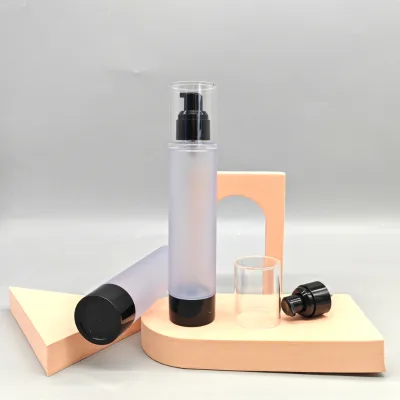
Main productsAcrylic Jars And Bottles,Acrylic Cream Jar,PETG Jar,Airless Bottle,Gel Stick
Main marketsDomestic Market(50.00%), North America(30.00%), Eastern Asia(10.00%), South America(5.00%), Western Europe(5.00%)






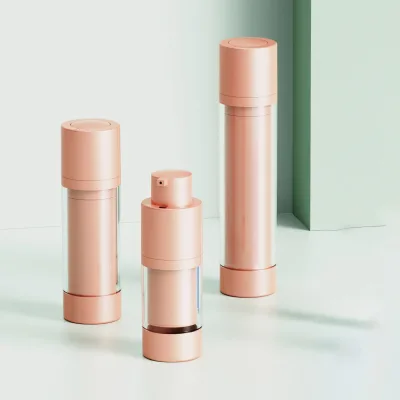


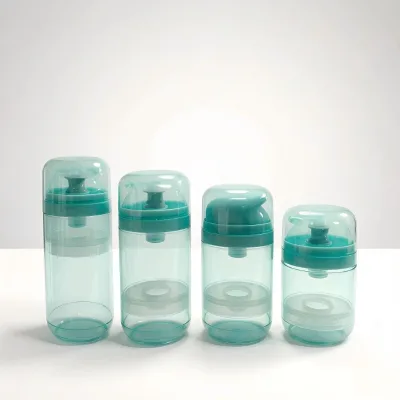
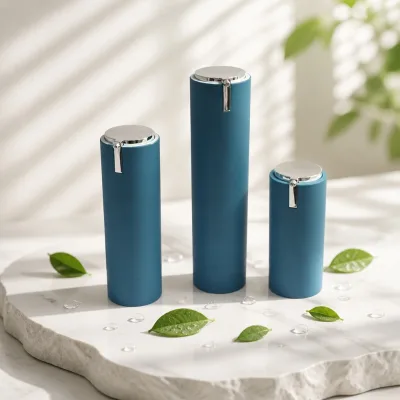
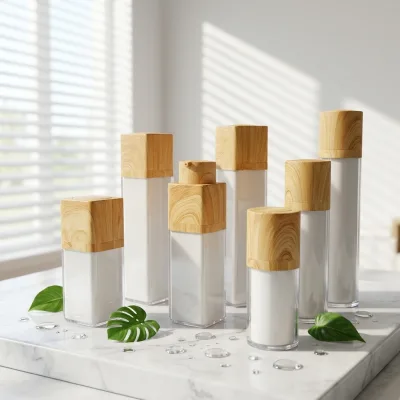


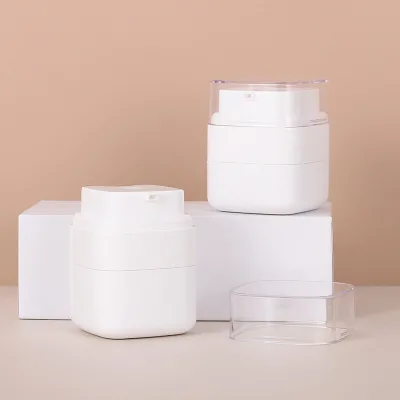
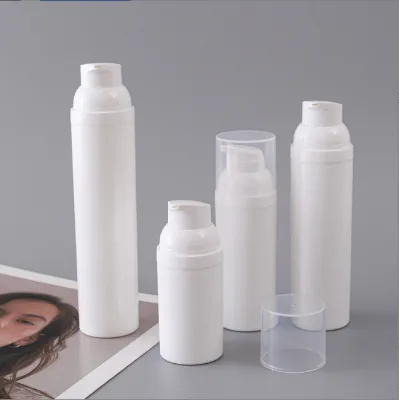
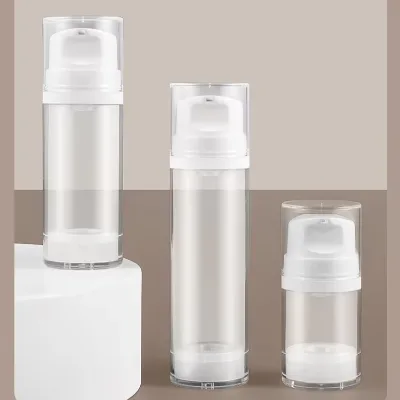
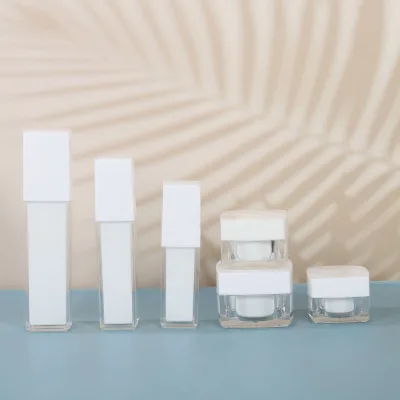






Comprehensive Sourcing Guide
ABS Airless Pump Bottle Supplier Concentration and Factory Types
The current supplier landscape for ABS airless pump bottles reveals a distinct mix of company types, primarily dominated by trading companies and combined entities that offer broader packaging solutions. Buyers will observe that many listed suppliers operate as trading companies, which often implies a focus on sourcing and distribution rather than direct manufacturing. This structure can be advantageous for buyers seeking a single point of contact for diverse packaging needs, such as combining bottles with caps or tubes. However, it is crucial to understand that these trading entities may act as intermediaries, potentially adding layers to the supply chain. The presence of combined companies suggests that some suppliers have evolved to offer both manufacturing capabilities and trading services, providing a hybrid model that can streamline procurement for complex cosmetic packaging projects.
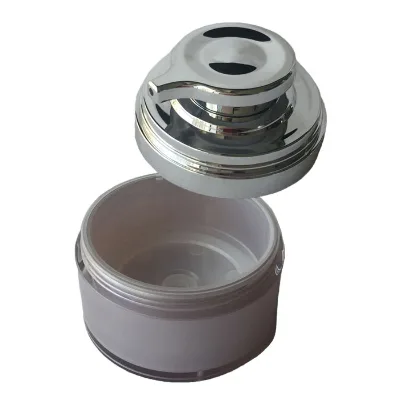
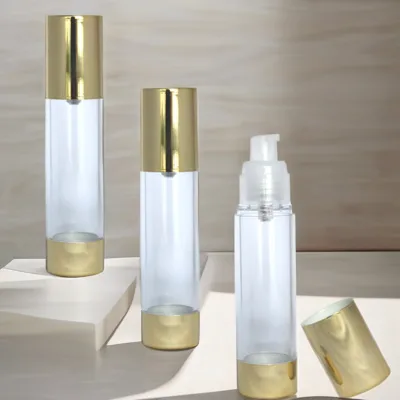
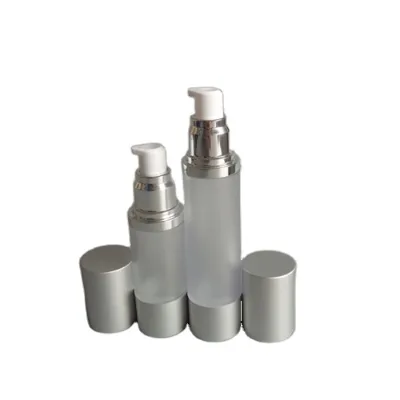
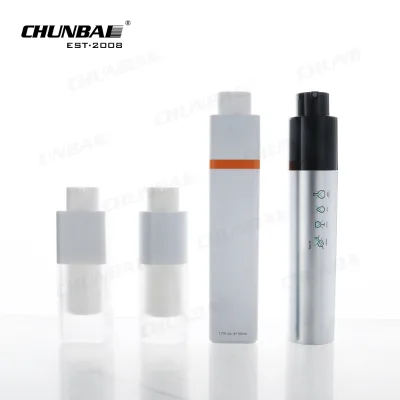
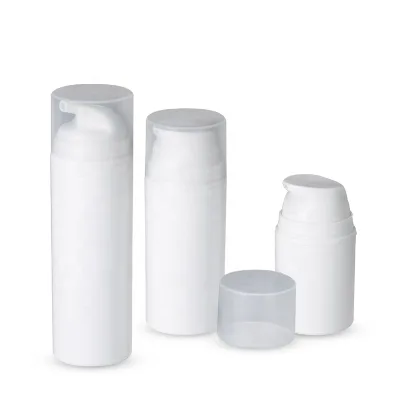
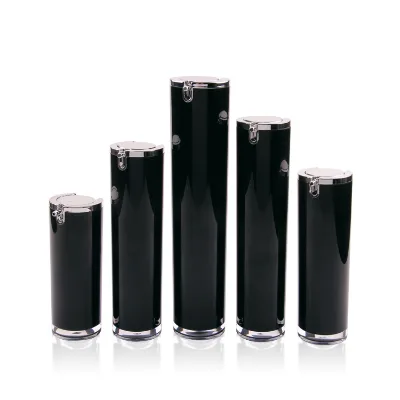
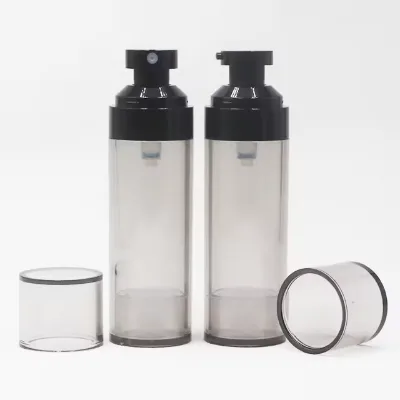
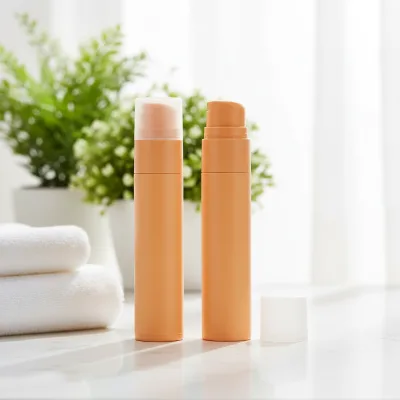
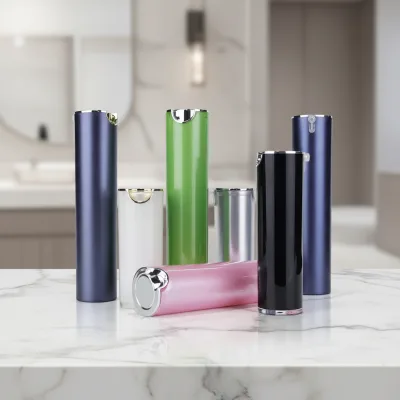
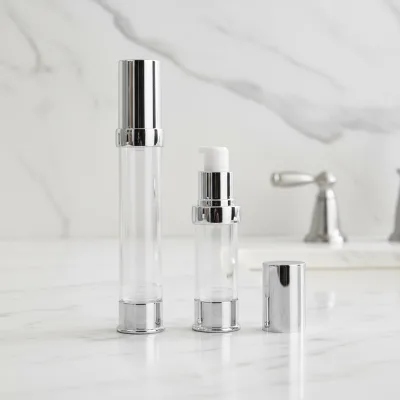
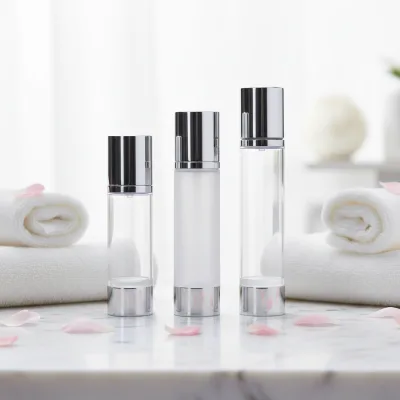
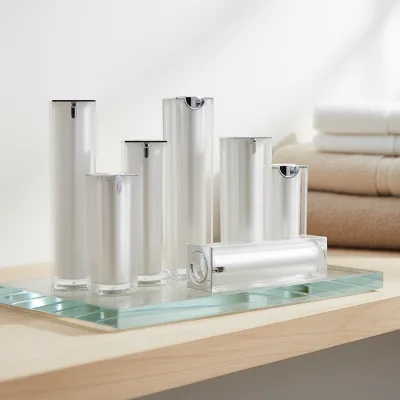
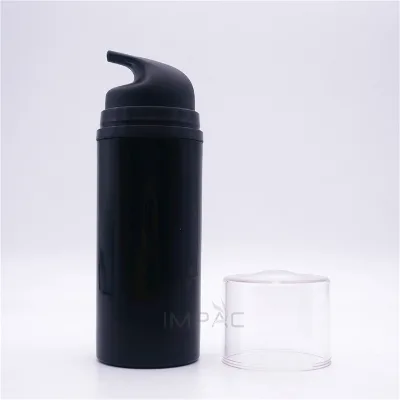
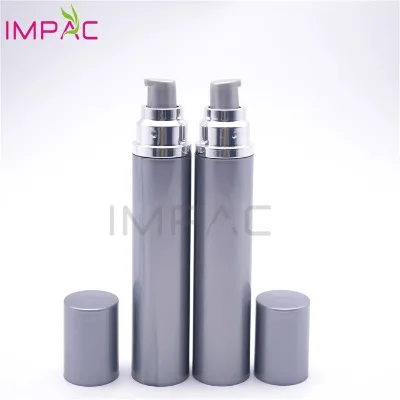
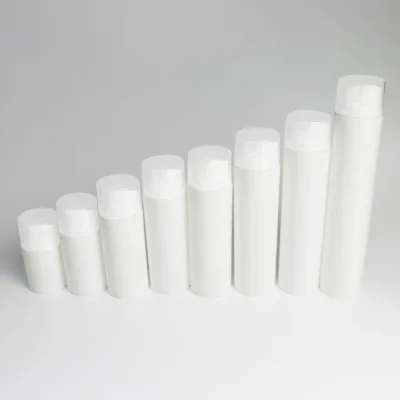
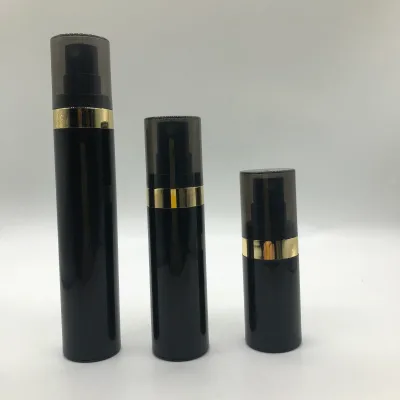
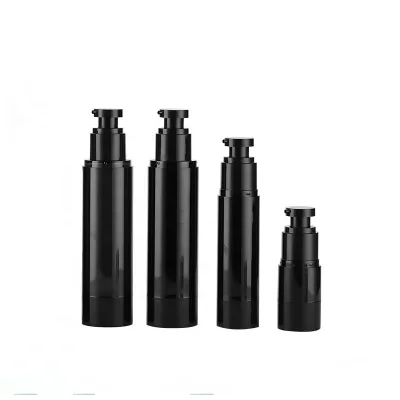
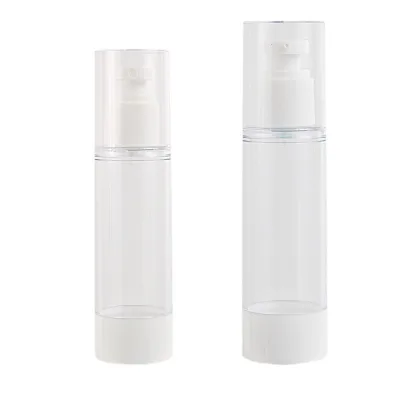
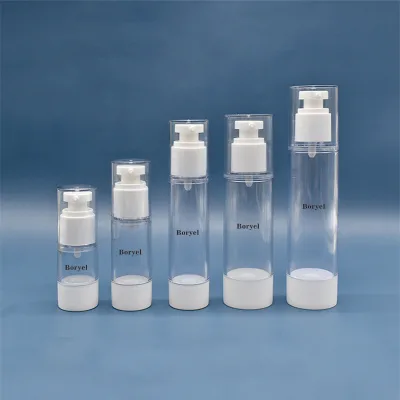
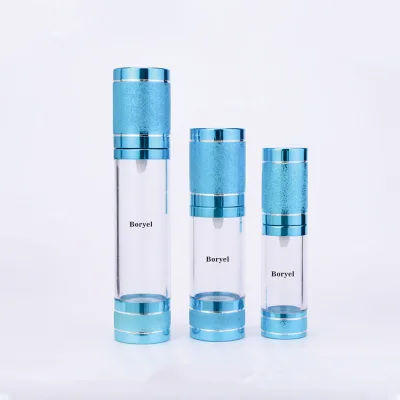
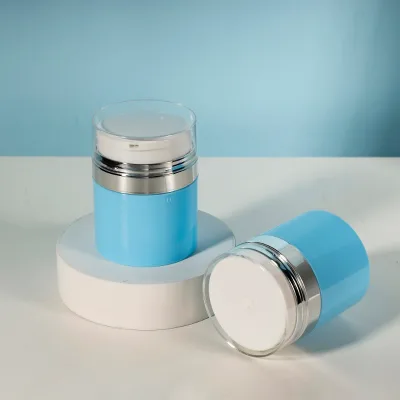
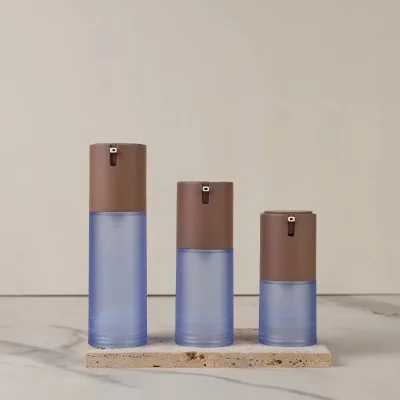
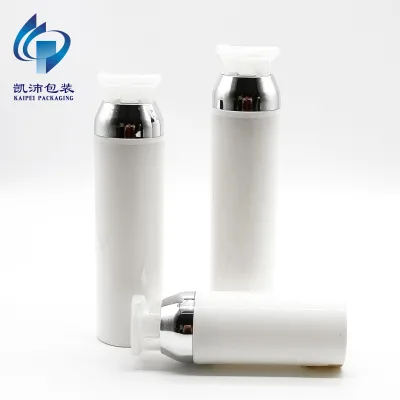
In terms of specific product evidence, the market features specialized manufacturers producing items like plastic airless pump bottles with AS collars and PP bases, as well as frosted silver variants with aluminum components. These product attributes indicate a high degree of material specificity, where ABS or similar plastics are often combined with other materials for functional parts like pumps and collars. The industrial use is consistently identified as cosmetic, highlighting the stringent quality requirements for these containers. Buyers should note that while the main products often include PET and HDPE bottles, the specific niche of airless pump technology requires specialized molding and assembly expertise. This specialization means that not all general plastic bottle manufacturers may possess the necessary tooling or technical knowledge to produce high-quality airless systems, making the distinction between pure trading companies and those with actual production capacity vital for sourcing success.
How to Verify ABS Airless Pump Bottle Suppliers
Verification is a critical step in ensuring the reliability of suppliers offering ABS airless pump bottles, as the market includes both verified and unverified entities. Buyers should prioritize suppliers who have undergone third-party verification processes, such as those conducted by Intertek or SGS, as these audits provide an independent assessment of the supplier’s business legitimacy and operational capabilities. The presence of verification badges serves as a baseline indicator of trustworthiness, reducing the risk of engaging with fraudulent or non-existent entities. However, verification alone does not guarantee product quality or manufacturing consistency, so buyers must look beyond these initial credentials. It is advisable to request detailed documentation of the supplier’s internal quality control processes, particularly regarding the assembly of the airless pump mechanism, which is prone to failure if not manufactured with precision.
Beyond basic verification, buyers should assess the supplier’s certification status and compliance with international standards. Some suppliers display certifications such as ISO 9001, CE, and RoHS, which indicate adherence to quality management systems and environmental regulations. These certifications are particularly important for suppliers targeting markets with strict regulatory requirements, such as the European Union or North America. Buyers should verify the validity of these certificates by requesting copies and checking their expiration dates. Additionally, the absence of displayed certifications, indicated as NIL in some profiles, should prompt further inquiry. Buyers must ask suppliers directly about their compliance with relevant industry standards and whether they can provide test reports for material safety and pump functionality. This due diligence helps mitigate risks associated with non-compliant products that could lead to regulatory issues or product recalls in the buyer’s home market.
What to Compare Across ABS Airless Pump Bottle Suppliers
When evaluating multiple suppliers for ABS airless pump bottles, buyers must compare key operational metrics to determine the best fit for their specific needs. One of the most critical factors is the lead time, which can vary significantly between suppliers. For instance, some suppliers may offer a lead time of 25 days, while others might provide faster turnaround times of 23 days. Understanding these differences is essential for inventory planning and meeting product launch deadlines. Buyers should also consider the response time, which indicates how quickly a supplier communicates with potential clients. A response time of 2 days versus 3.84 days can impact the efficiency of the negotiation and sampling process. Faster response times often correlate with better customer service and more agile problem-solving capabilities, which are valuable when dealing with custom packaging requirements.
Another vital aspect to compare is the minimum order quantity (MOQ) and pricing structure. Suppliers may have different MOQs, such as 10,000 pieces, which can be a barrier for smaller buyers or those testing new products. Pricing also varies, with some suppliers offering prices around $0.65 per unit for standard models, while others may charge between $0.22 and $0.27 for different sizes or materials. Buyers should request detailed quotes that include all costs, such as tooling, printing, and shipping, to ensure accurate cost comparisons. Additionally, the availability of customization options, such as silk screen printing, hot stamping, or custom colors, should be evaluated. Suppliers that offer ODM and OEM services provide greater flexibility for brand differentiation. By systematically comparing these factors, buyers can identify suppliers that offer the best balance of cost, speed, and customization capabilities for their ABS Airless Pump Bottle requirements.
Common ABS Airless Pump Bottle Sourcing Risks
Sourcing ABS airless pump bottles involves several inherent risks that buyers must proactively manage to ensure a smooth procurement process. One significant risk is the potential for pump failure or leakage, which can compromise the integrity of the cosmetic product inside. This issue often arises from poor quality control during the manufacturing of the pump mechanism or the use of substandard materials. Buyers should be aware that not all suppliers may have robust testing protocols in place to detect these defects before shipment. To mitigate this risk, buyers should request samples for rigorous testing, including drop tests and long-term storage trials, to ensure the pump functions correctly over time. Additionally, buyers should inquire about the supplier’s defect rate and their policy for handling defective products, as this can impact the overall cost and reliability of the supply chain.
Another common risk is the inconsistency in product quality across different production batches. This can occur when suppliers lack standardized manufacturing processes or when they switch materials without proper notification. Buyers may receive batches with varying colors, finishes, or pump performance, which can disrupt their production lines and brand consistency. To address this, buyers should establish clear quality specifications and require pre-production samples for approval before mass production begins. It is also important to verify the supplier’s ability to maintain consistency, which can be indicated by their experience and the stability of their supply chain. Buyers should ask for references or case studies from other clients to gauge the supplier’s reliability. Furthermore, buyers should consider the risk of intellectual property infringement, especially when working with suppliers that offer custom designs, and ensure that appropriate legal protections are in place.
ABS Airless Pump Bottle Regional Sourcing and Logistics
The geographic location of suppliers plays a crucial role in the logistics and cost structure of sourcing ABS airless pump bottles. Many suppliers are located in China, with specific clusters in regions like Zhejiang and Fujian. These areas are known for their robust manufacturing infrastructure and expertise in plastic packaging production. Buyers should consider the logistical advantages of sourcing from these regions, such as proximity to major ports and established supply chains for raw materials. However, it is important to verify the exact location of the supplier’s factory, as some trading companies may list a different address than their actual manufacturing base. This verification helps buyers assess the true origin of the products and ensures that they are dealing with the actual source of production.
Logistics planning should also account for the transit time and shipping costs associated with importing ABS airless pump bottles from China. Buyers should work with freight forwarders to obtain accurate shipping quotes and estimate delivery times to their destination. The size and weight of the bottles, as well as the packaging method, will impact the shipping volume and cost. Buyers should consider using consolidated shipping methods to reduce costs, especially for smaller orders. Additionally, buyers should be aware of any import duties, taxes, or regulatory requirements in their home country that may affect the total landed cost of the products. Understanding these logistical factors allows buyers to make informed decisions about their sourcing strategy and optimize their supply chain for efficiency and cost-effectiveness.
ABS Airless Pump Bottle Commercial Terms and Order Planning
Effective order planning for ABS airless pump bottles requires careful attention to commercial terms and payment structures. Buyers should negotiate clear terms regarding payment methods, such as using secure platforms like Escrow to protect their funds until the goods are received and verified. This approach minimizes financial risk and ensures that suppliers are motivated to deliver on time and to specification. Buyers should also clarify the terms for sample orders, including whether samples are free or charged, and how sample costs are handled for future bulk orders. Some suppliers offer free samples, which can be beneficial for testing product quality before committing to a large purchase. Understanding these terms helps buyers manage their cash flow and reduce upfront costs.
Another critical aspect of order planning is the management of customization and tooling costs. If buyers require custom designs, colors, or printing, they should inquire about the associated tooling fees and whether these costs can be amortized over the order quantity. Some suppliers may waive tooling fees for large orders, which can significantly reduce the initial investment. Buyers should also establish clear timelines for design approval, sample production, and mass production to avoid delays. Communication is key, so buyers should maintain regular contact with their suppliers to monitor progress and address any issues promptly. By planning these commercial terms and operational details in advance, buyers can ensure a smooth and efficient sourcing process for their ABS Airless Pump Bottle needs.
FAQs
What is the typical lead time for airless pump bottles?
The typical lead time for these bottles is around 23 to 25 days. This duration allows for sample processing, graphic processing, and customized production on demand. Buyers should confirm specific timelines with suppliers, as capacity and order volume may affect the final delivery schedule.
What is the minimum order quantity for these bottles?
The minimum order quantity is generally 10,000 pieces. This standard applies to most plastic airless pump bottles listed. Buyers seeking smaller quantities should verify if suppliers offer lower MOQs for samples or trial orders, as some may provide free samples for evaluation purposes.
What materials are used for the bottle body and base?
Common materials include AS plastic for the body and PP plastic for the base. Some variants use aluminum for the collar or base. The material choice depends on the specific design, such as frosted silver or clear finishes, ensuring durability and compatibility with cosmetic formulations.
Are these bottles suitable for cosmetic and personal care products?
Yes, these bottles are specifically designed for cosmetic and personal care products. They feature airless pump sealing types to preserve product integrity. The industrial use is explicitly listed as cosmetic, making them ideal for lotions, creams, and other viscous skincare formulations requiring hygienic dispensing.
What certifications do the suppliers hold?
Suppliers may hold ISO 9001, CE, and RoHS certifications. Verification is often conducted by Intertek or SGS. Buyers should request current certification documents to ensure compliance with international standards, as not all suppliers display the same system certifications on their product listings.
What is the price range for airless pump bottles?
Prices typically range from $0.22 to $1.06 per unit. The cost varies based on material, size, and customization options. For example, basic plastic bottles may start around $0.22, while luxury or specialized designs can reach higher price points. Buyers should request quotes for accurate pricing.
Can suppliers provide customization services?
Yes, suppliers offer OEM, ODM, and own brand customization. Services include silk screen printing, hot stamping, and labeling. Graphic processing and customized designs are available on demand. Buyers should discuss specific requirements, such as shape, color, and printing methods, to ensure the final product meets their brand needs.