Recycled PET Food Packing Tray Suppliers and Manufacturers
Compare 25 verified suppliers offering recycled pet food packing trays with customizable sizes, PET materials, and certifications like FSSC22000 and FDA. Review response times, lead times, and MOQs to select the right factory for your packaging needs; review the available evidence before requesting comparable quotations from suitable candidates.
Updated
Suppliers List

OMC INTERNATIONAL (HK) CO., LIMITED
- Verified by TUVRHEINLAND
- Combined
- China Guangdong
- Lead time30 days
- Avg. response≤ 2h
Main productsAluminum Foil Container, Household Foil Roll, PP Sauce Container, PP Food Container, Aluminum Fol Roaster, Aluminum Foil BBQ Tray, Printing Aluminum Foil, Plastic Food Container, PP Sauce Cup, Plastic Cutlery
Main marketsSoutheast Asia/ Mideast
Changzhou Huisu Qinye Import & Export Co., Ltd.
- Verified by SGS Group
- Trading Company
- Lead time15 days
- Avg. response≤ 2h
Main productsCPET Tray, PP Food Container, PET Food Container, Bagasse Food Container, PLA Food Container
Main marketsNorth America(30%), South America(30%), Western Europe(20%)
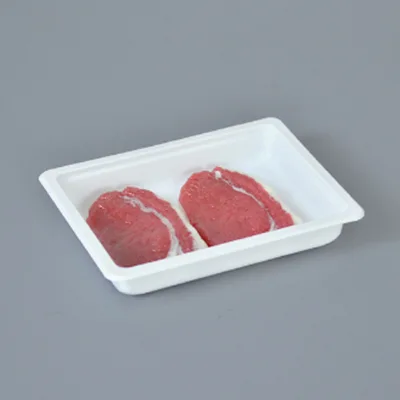
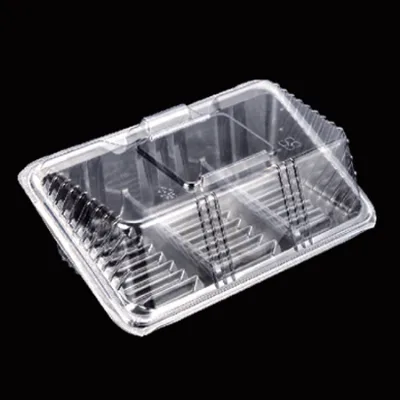
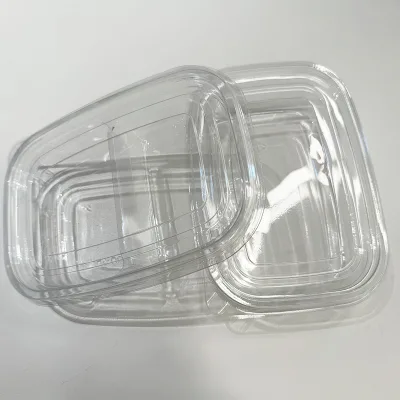
Wholesale Plastic Pet Trays Plastic Tray Pet Custom Size Pet/Ecoh/Pe Food Tray
$0.02 - $0.09
MOQ: 50000 Minimum
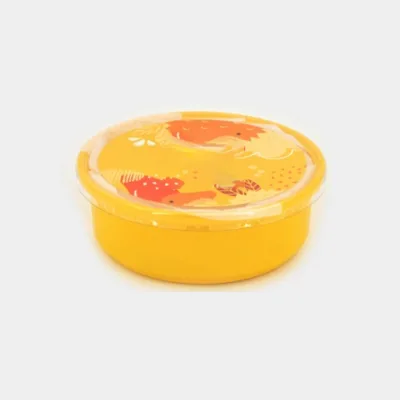
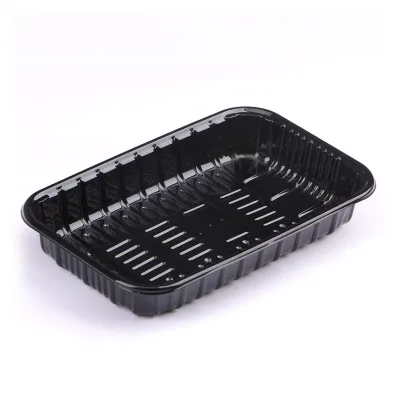
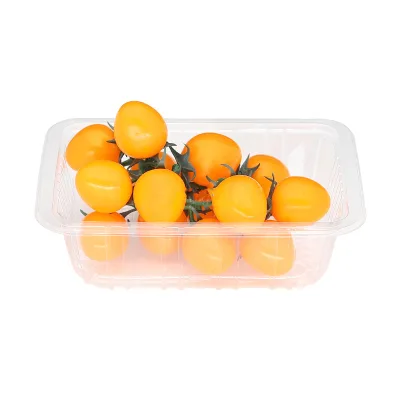
Custom Recycled PET Food Packaging Tray for Vacuum Forming Sushi Fruit and Bakery Products
$0.034 - $0.0948
MOQ: 50 Minimum

JIANGSU JINCAI POLYMER MATERIALS SCIENCE AND TECHNOLOGY CO., LTD.
- Verified by TUVRHEINLAND
- Combined
- China Jiangsu
- Lead time15 days
- Avg. response≤ 4h
Main productsPet Sheet, PVC Sheet, PVC Film, Cpet Tray, PVC Foam Board, Acrylic Sheet, Other Plastic Sheet
Main marketsAfrica,Domestic


$0.04 - $0.36
MOQ: 50000 Pieces


Disposable Pet Fruit Tray Rectangular Clear Plastic Container Pet Fresh Food Container
$0.04 - $0.36
MOQ: 50000 Pieces


Globalink International Limited
- Verified by SGS
- Trading Company,Manufacturer/Factory,Other
- China Shandong
- Lead time45 days
- Avg. response≤ 13h
Main productsPlastic Packaging, Food Container, Fruit packaging, Paper Bags, Paper Packaging, Plastic Bags, Plastic Tape, Egg Tray, Aluminum Foil, Sushi Container
Main marketsSouth America,Eastern Europe,Mid East,North America,Southeast Asia,Eastern Asia,Oceania,Western Europe,Africa


Plastic Food Packaging Container Pet Food Grade Material Packaging Tray 170 Gram
$0.045
MOQ: 10000 Pieces

Guangzhou Yick Tak Blister Packaging Co., Ltd.
- Manufacturer
- Guangdong, China
- Lead time0 days
- Avg. response≤ 6h
Main productsPET Plastic Box,PET Plastic Tray,PP Plastic Tray
Main marketsEastern Asia(14.29%), Mid East(14.29%), Oceania(14.29%), Eastern Europe(14.29%), South America(14.29%), North America(14.29%), Western Europe(10.00%)
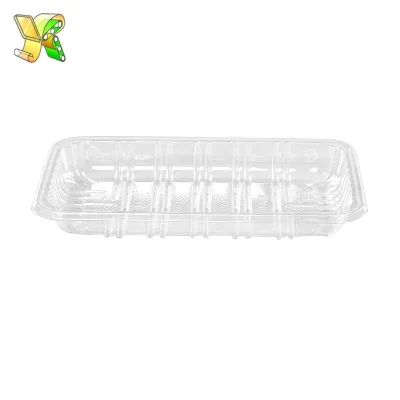
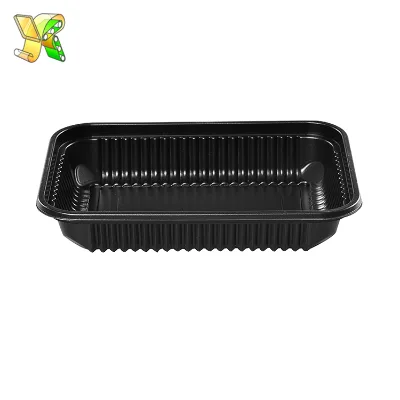
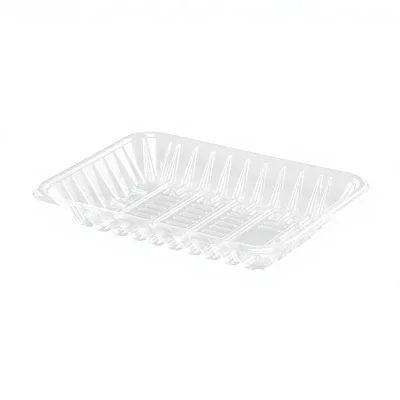
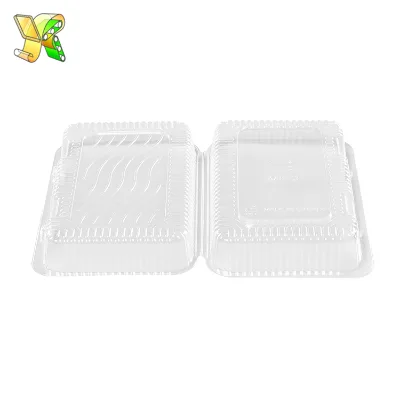
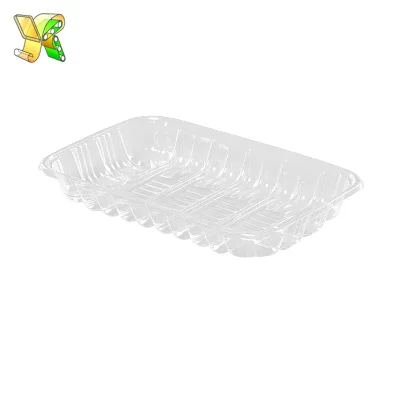
Large Plastic Pet Tray Pet Frozen Chicken Meat Packing Tray Superior Cpet Food Tray Container
$0.03 - $0.12
MOQ: 20000 Minimum
Foshan Feiqi Hardware Plastic Products Co., Ltd.
- Verified by Intertek
- Manufacturer, Trading Company
- Lead time7 days
- Avg. response≤ 3h
Main productsPP Tray For Food, PET Hinged Container, Cake Box, Tamper Evident Container, BOPS Clamshell
Main marketsDomestic Market(67%), Oceania(15%), North America(9%)
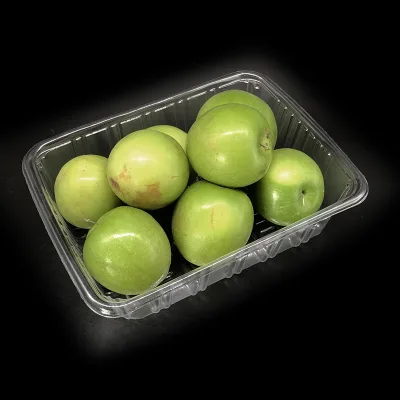
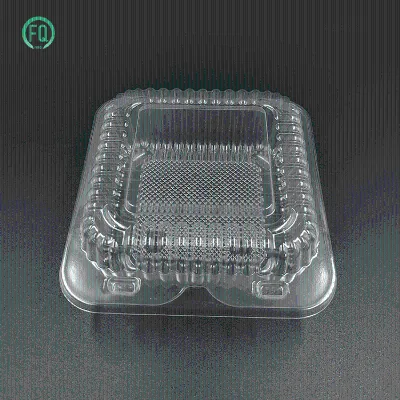
Pet Heat Sealing Food Packaging Plastic Meat Tray Fruits Meat Food Box Food Container
$0.134 - $0.143
MOQ: 10000 Minimum

Changzhou Huisu Qinye Import & Export Co., Ltd.
- Verified by BV
- Combined
- China Jiangsu
- Lead time15 days
- Avg. response≤ 4h
Main productsPVC Film, PVC Sheet, PVC Foam Board, PVC Soft Film, PVC Foam Sheet, PVC Board, Acrylic Sheet, Safety Matches, PVC Rigid Film, PVC Matte Sheet
Main marketsSouth America,Africa,Southeast Asia/ Mideast,Europe,Australia

Ningbo Greenhome International Trade Co., Ltd.
- Verified by SGS
- Trading Company
- China Zhejiang
- Lead time30 days
- Avg. response≤ 5h
Main productsDisposable Plastic Tableware, Disposable Woodentableware, Disposable Bamboo Tableware, Disposable Paper Tableware, Disposable Biobased Tableware, Disposable Biodearadable Tableware
Main marketsAfrica,Southeast Asia/ Mideast,Europe,North America
- Manufacturer, Trading Company
- Shandong, China
- Lead time0 days
- Avg. response≤ 1h
Main productsPLASTIC BOX,PAPER BOWL,PAPER CARTON,STICKER,PAPER BOX
Main marketsNorth America(30.00%), Northern Europe(20.00%), Central America(20.00%), Southeast Asia(10.00%), South America(10.00%), Mid East(10.00%)
Zhongkai Packaging Technology (zhejiang) Co., Ltd.
- Verified by SGS Group
- Manufacturer, Trading Company
- Lead time15 days
- Avg. response≤ 5h
Main productsEgg Package, CPET Tray, PET Tray, Food Packaging Box, Sealing Film
Main marketsNorth America(30%), Mid East(20%), Domestic Market(20%)
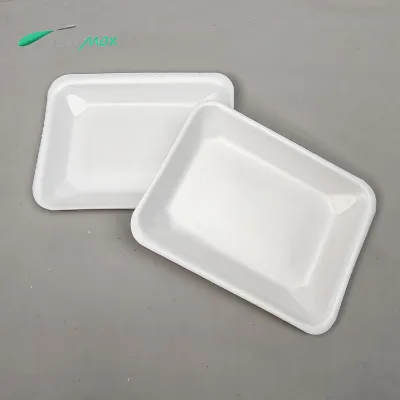
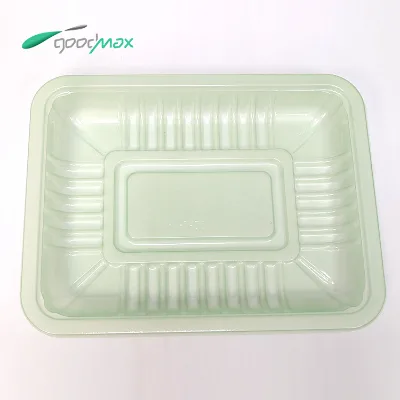
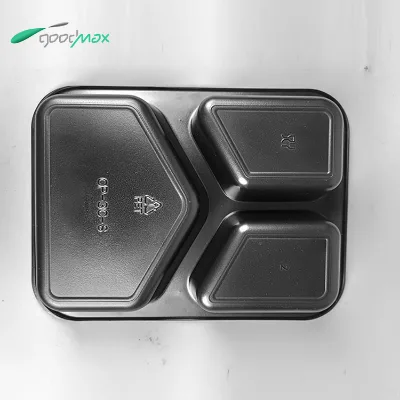
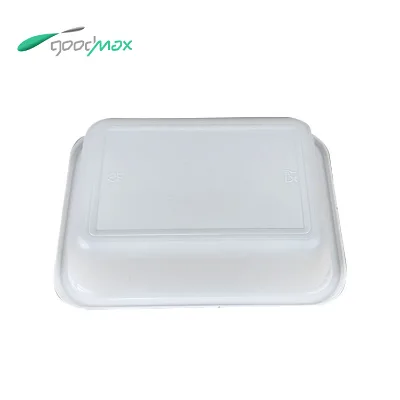
$0.114 - $0.1244
MOQ: 50000 pieces

Anhui Nature Imp. & Exp. Co., Ltd.
- Verified by SGS
- Trading Company
- China Anhui
- Lead time15 days
- Avg. response≤ 2h
Main productsBamboo Products, Wooden Products, Multiple Knife Fork & Spoon, Bamboo Scissors Stick, Bamboo Sushi Curtain, Disposable Creative Bead Bamboo Stick, Bamboo Straw, Bamboo Stick, Wooden Cutlery, Wooden Knife Spoon Fork
Main marketsSoutheast Asia/ Mideast,Europe,North America

Frozen Fresh Food Pet Plastic Tray for Supermarket Meat Packaging Disposable Packing Tray
$0.001 - $0.002
MOQ: 100 Pieces

$0.001 - $0.002
MOQ: 100 Pieces

Plastic Food Tray Rectangle Sushi Food Container Packing Box Container Plastic Food Tray
$0.001 - $0.002
MOQ: 100 Pieces

Disposable Takeout Sushi Container Plastic Food Box Serving Trays Recyclable Pet Sushi Tray
$0.001 - $0.002
MOQ: 100 Pieces

Henan First Rise Technology Co., Ltd
- Verified by SGS
- Combined
- China Henan
- Lead time23 days
- Avg. response≤ 4h
Main productsDisposable Food Container, Plastic Food Container, Disposable Tableware, Plastic Tableware, Disposable Plastic Cup, Disposable Plastic Cutlery, Disposable Food Tray, Plastic Food Tray, Takeaway Food Container, Takeaway Food Box
Main marketsSoutheast Asia/ Mideast


Versatile Food Grade Eco-Friendly Fruit Plastic Pet Tray for Food Packaging
$0.016 - $0.05
MOQ: 50000 Pieces

All-Purpose Portable Food Grade Customized Plastic Pet Tray Container
$0.016 - $0.05
MOQ: 50000 Pieces

Laizhou Guoliang Packing Products Co., Ltd.
- Verified by TUVRHEINLAND
- Combined
- China Shandong
- Lead time15 days
- Avg. response≤ 6h
Main productsFood Packaging Tray, Fruit Tray, Frozen Food Box Packaging, Plastic Food Box, Foam Fruit Net, Bottle Foam Sleeve Net, Meat Tray, Fresh Food Tray, Food Packaging Container, Plastic Container Food Packaging
Main marketsAustralia,North America
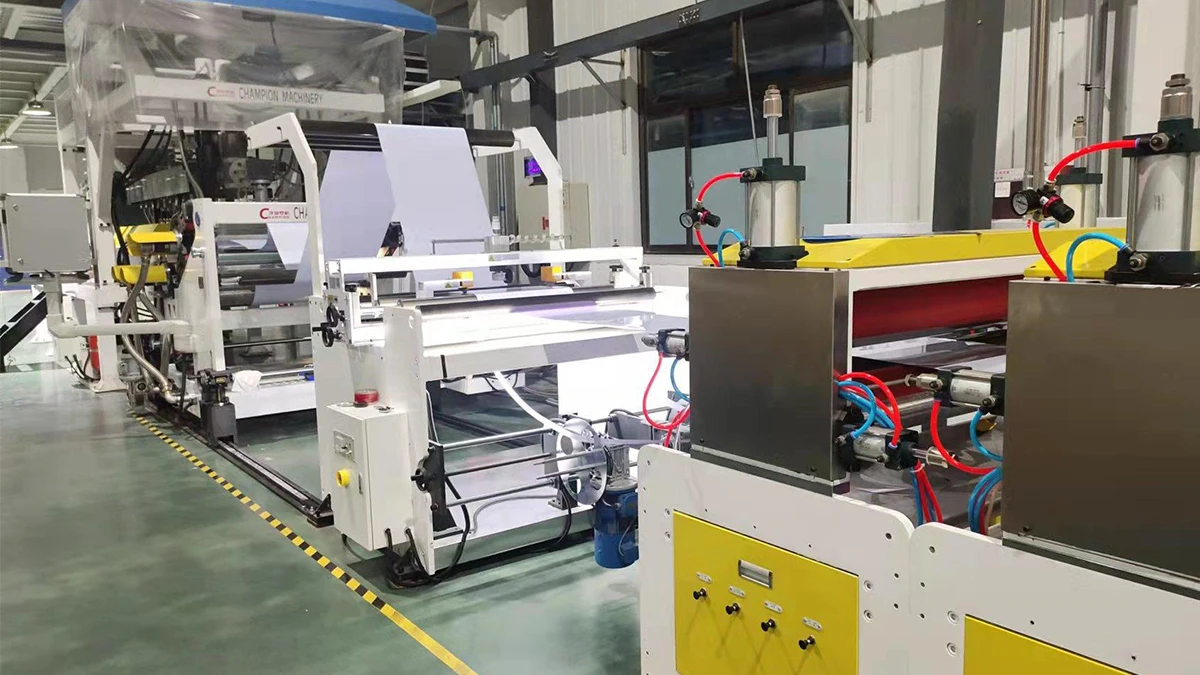
Beijing Daqian Plastic Products Factory
- Manufacturer, Trading Company
- Beijing, China
- Lead time0 days
- Avg. response≤ 3h
Main productsGeneral Plastic Products,Food Grade Plastic Products,Food Container,Plastic Packaging,Fruit Tray
Main marketsDomestic Market(60.00%), North America(30.00%), Northern Europe(10.00%)

Guangzhou Jianxin Plastic Products Co., Ltd.
- Verified by BV
- Combined
- China Guangdong
- Lead time15 days
- Avg. response≤ 4h
Main productsPlastic Packaging, Disposable Tableware, Disposable Plastic Cup&Lid, Plastic Bowl, Plastic Tary, Plastic Container, Blister Packaging, Plastic Food Packaging, Disposable Food Container, Disposable Catering Supplies
Main marketsSouth America,Africa,Southeast Asia/ Mideast,East Asia(Japan/ South Korea),Europe,Australia,North America
Shanghai Angyu Industrial Co., Ltd.
- Manufacturer
- Shanghai, China
- Lead time10 days
- Avg. response≤ 9h
Main productsPlastic Packaging Container For Food,Plastic tray
Main marketsDomestic Market(95.00%), Northern Europe(5.00%)

Hunan Songda Packaging Co., Ltd.
- Verified by SGS
- Combined
- China Hunan
- Lead time15 days
- Avg. response≤ 2h
Main marketsDomestic,Australia,North America

Disposable Pet Custom Clear Plastic Packaging Tray Disposable Fruit Packing Tray
$0.01 - $0.03
MOQ: 10000 Pieces

Pet Food Grade Frozen Fresh Packaging Box Fruit Plastic Disposable Tray for Supermarket
$0.01 - $0.03
MOQ: 10000 Pieces


Hangzhou Junshengjia International Trade Co., Ltd.
- Trading Company
- China Zhejiang
- Lead time0 days
- Avg. response≤ 3h
Main productsPlastic Cup, Plastic Box, Egg Box, Fruit Box, Clear Plastic Cup

Shandong Top Leader Plastic Packing Co., Ltd.
- Manufacturer/Factory
- China Shandong
- Lead time15 days
- Avg. response≤ 8h
Main productsRigid PVC Film, Pet Film /Sheet, PP Film/Sheet Roll, PS Film /Sheet, PC Film/Sheet, HIPS, Polyvinyl Chloride Film Roll, Pet, PVC, PLA
Main marketsSouth America,Eastern Europe,Mid East,North America,Southeast Asia,Eastern Asia,Oceania,Western Europe,Africa

Dongguan Sunyo Plastic Co., Ltd.
- Verified by TUVRHEINLAND
- Manufacturer/Factory
- China Guangdong
- Lead time15 days
- Avg. response≤ 3h
Main productsSushi Tray, Food Container, Pet Sheet, PVC Sheet, PETG Sheet, PP Sheet, PS Sheet
Main marketsSouth America,Mid East,North America,Southeast Asia,Eastern Asia,Western Europe,Africa


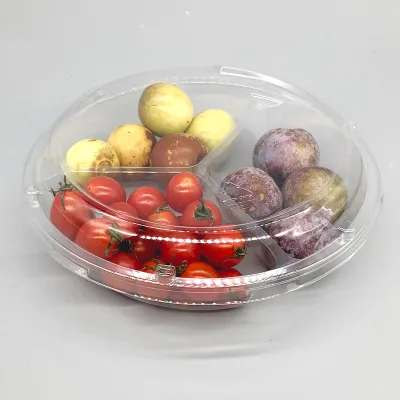
Round Packaging Recyclable Pet Plastic Sushi Tray Food Packaging Containers
$0.091 - $0.098
MOQ: 5000 Pieces

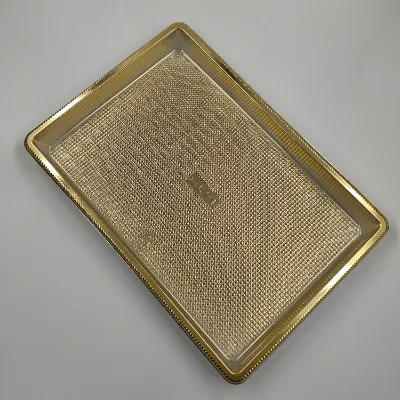
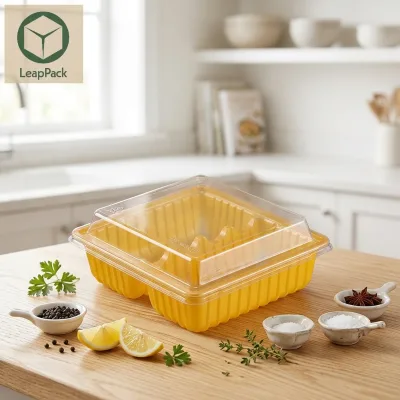
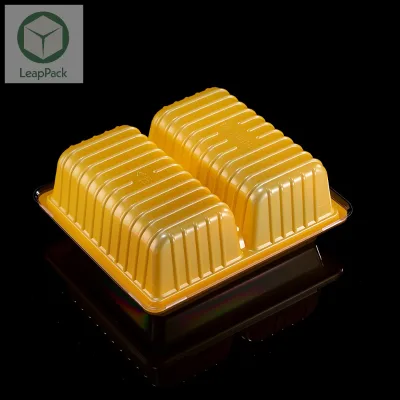
Recyclable Golden Color Pet Plastic Food Trays for Retail Food Packaging
$0.098 - $0.107
MOQ: 500 Pieces


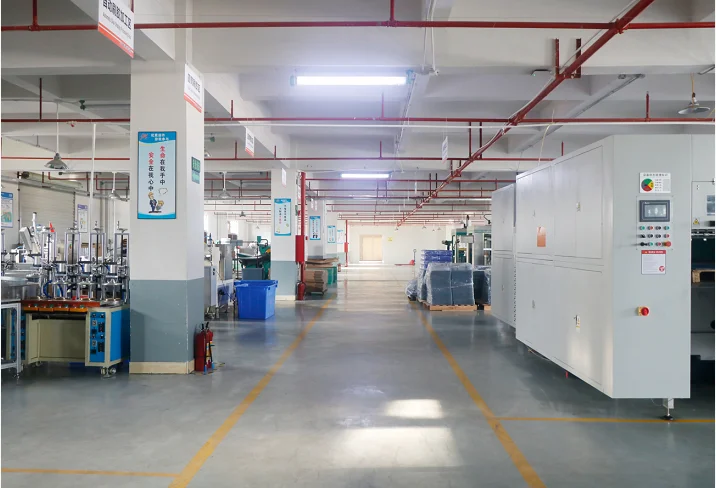
Dongguan Xingrisheng Packaging Technology Co., Ltd.
- Manufacturer, Trading Company
- Guangdong, China
- Lead time15 days
- Avg. response≤ 4h
Main productsBlister Packaging Plastic Boxes, Clear Fruit Salad Container, Plastic Egg Tray, Cake Cupcake Boxes, Lettuce Herb Clamshell
Main marketsNorth America(60.00%), South America(20.00%), Mid East(10.00%), Southeast Asia(10.00%)
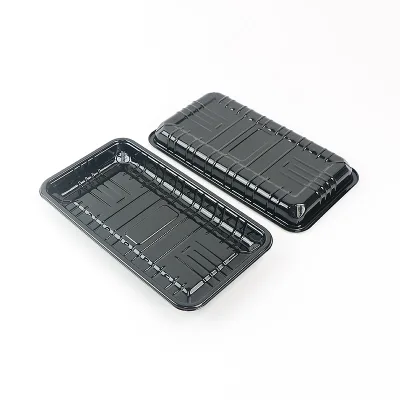
Meat Packing square Disposable Food Tray Absorbent Meat Tray Plastic Food Tray
$0.10 - $0.18
MOQ: 10000
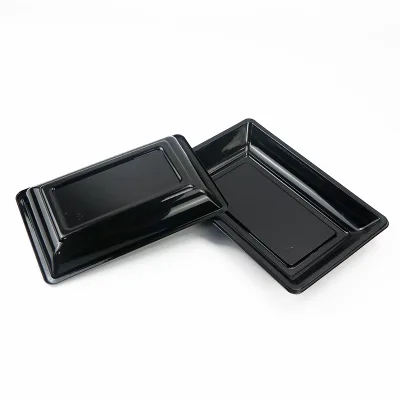
Biodegradable Fresh Food Box Tray Black Polypropylene Food Meat Trays Food Display Trays
$0.10 - $0.18
MOQ: 10000
Zhejiang Hengjiang Plastic Co., Ltd.
- Verified by SGS Group
- Manufacturer, Trading Company
- Lead time30 days
- Avg. response≤ 2h
Main productsPlastic CPET Tray, Plastic Bottle, Plastic Crisper, Plastic Food Container, Plastic Food Tray Packaging
Main marketsDomestic Market(60%), North America(8%), South America(8%)
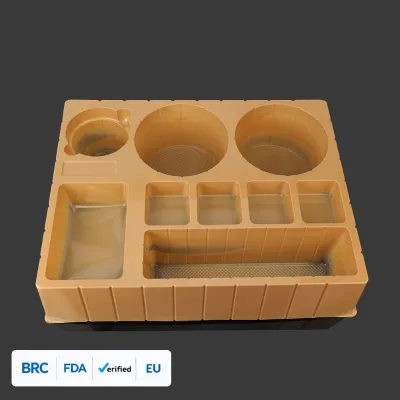
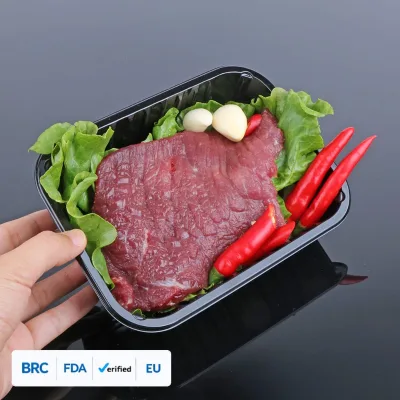
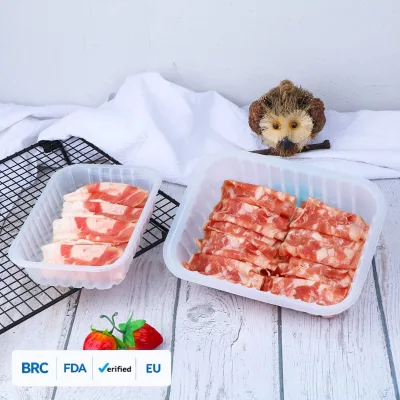
Disposable pp Recyclable Plastic Frozen Safe Food Meat Packaging Tray for Food
$0.02 - $0.03
MOQ: 50000
Hangzhou Shenheng Packaging Co., Ltd.
- Verified by TüVRheinland
- Manufacturer, Trading Company
- Lead time0 days
- Avg. response≤ 2h
Main productsMAP Tray, Vacuum Skin Pack Box, Disposable Plastic Cup, Disposable Lunch Box
Main marketsDomestic Market(90%), North America(3%), Eastern Europe(1%)
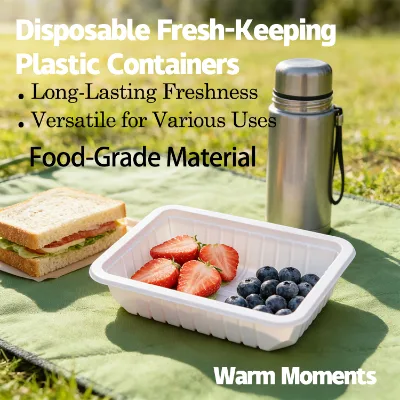
$0.0511 - $0.1544
MOQ: 10 Minimum
Dongguan Yinghao Plastic Products Co., Ltd.
- Manufacturer, Trading Company
- Guangdong, China
- Lead time15 days
- Avg. response≤ 3h
Main productsPlastic Box,Plastic Cup,Plastic Tray,Degradable Food Packaging
Main marketsWestern Europe(100.00%), Eastern Asia(100.00%), South Asia(100.00%), Central America(100.00%), Africa(100.00%), Domestic Market(100.00%), Southern Europe(100.00%), South America(100.00%), Northern Europe(100.00%), Oceania(40.00%), North America(20.00%), Mid East(15.00%), Eastern Europe(15.00%), Southeast Asia(10.00%)
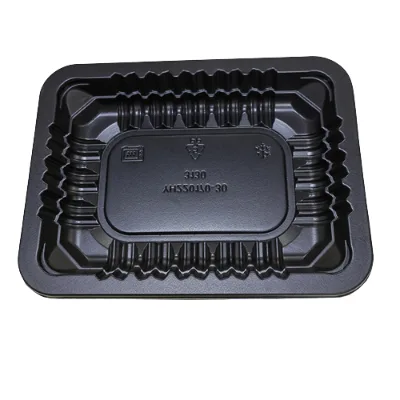
Disposable Fresh Tray for Vegetables Fruits Meat Seafood Salmon Rectangular Food Packaging Trays
$0.0186 - $0.0703
MOQ: 5000 Minimum
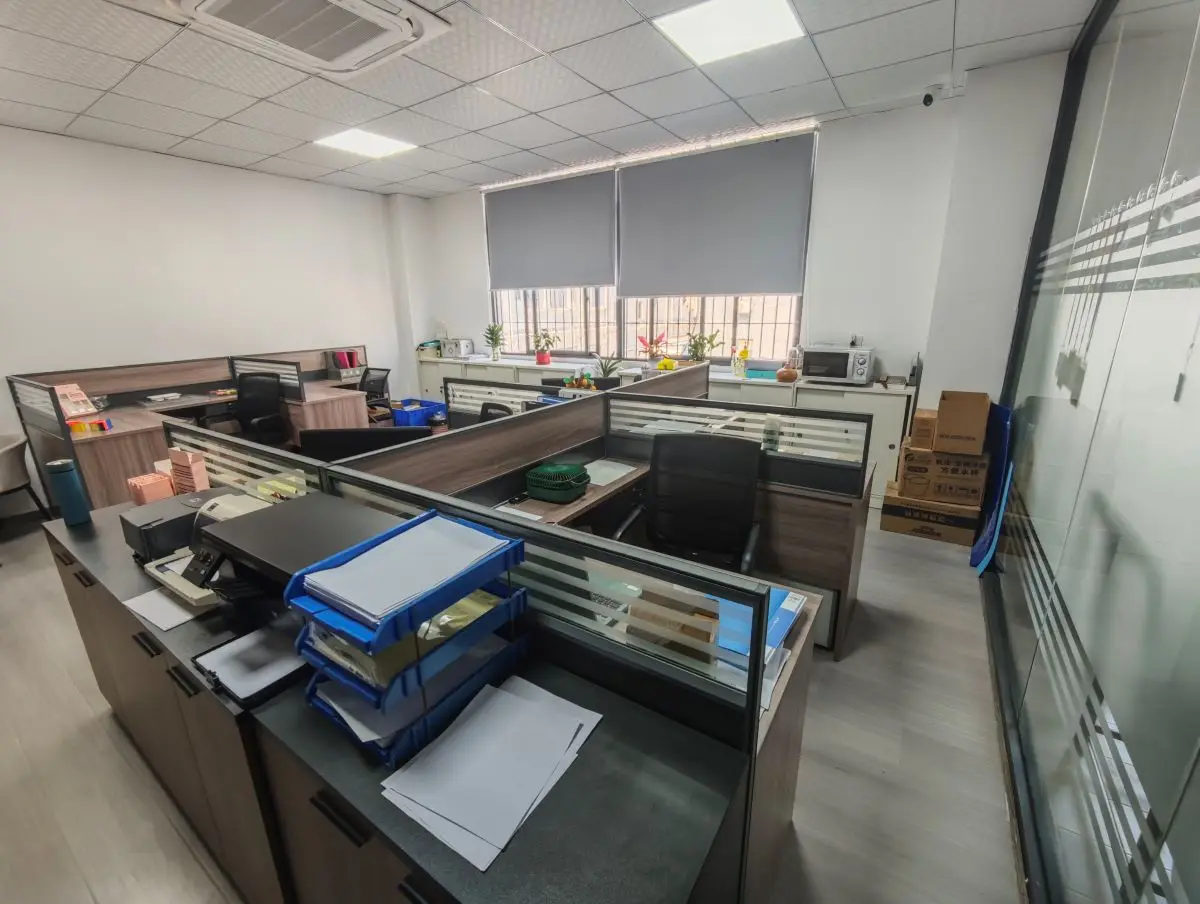
Dongguan Jiachang Plastic Hardware Co., Ltd.
- Manufacturer, Trading Company
- Guangdong, China
- Lead time10 days
- Avg. response≤ 6h
Main productsGift Wrapping,Cosmetics packaging,Toy packaging,Food packaging,Basketball equipment
Main marketsDomestic Market(90.00%), Southeast Asia(10.00%)








Comprehensive Sourcing Guide
Recycled PET Food Packing Tray Supplier Concentration and Factory Types
The current supplier landscape for recycled PET food packing trays reveals a distinct concentration of manufacturing capabilities within specific industrial regions, primarily centered in China. Data indicates that a significant portion of verified suppliers operates out of Guangdong, a province renowned for its robust packaging infrastructure and export-oriented manufacturing ecosystem. This geographic clustering suggests that buyers seeking rapid prototyping and established supply chains may find a higher density of options in this area. However, the results also highlight suppliers located in Jiangsu, indicating that the sourcing field is not monolithic and that alternative manufacturing hubs exist for those willing to explore different logistical corridors. Understanding this geographic distribution is crucial for assessing shipping costs and lead times, as proximity to major ports in Guangdong often translates to more efficient export processes compared to inland or northern manufacturing centers.
Beyond location, the types of entities offering these trays vary significantly, influencing the nature of the buyer-supplier relationship. The observed supplier base includes both combined manufacturers and dedicated trading companies, each presenting distinct advantages for different procurement strategies. Combined entities often possess integrated production lines capable of handling complex customization requests, such as specific blister packaging shapes or custom logo printing, directly from the factory floor. In contrast, trading companies may offer a broader portfolio of related products, such as CPET trays, PP containers, and bagasse options, allowing buyers to consolidate orders across multiple packaging types. This diversity in company structure means that buyers must carefully evaluate whether they require direct factory access for cost optimization or the flexibility and breadth of a trading partner who can manage diverse material specifications and smaller, mixed orders.
How to Verify Recycled PET Food Packing Tray Suppliers
Verifying the legitimacy and capability of a supplier requires a multi-layered approach that goes beyond simple profile reviews. One of the most critical steps is to confirm third-party verification status, as this provides an independent assessment of the supplier’s business operations and financial stability. In the current results, several suppliers display verification badges from reputable organizations such as TÜV Rheinland and SGS Group. These certifications indicate that the supplier has undergone rigorous audits regarding their business license, production capacity, and quality management systems. Buyers should prioritize suppliers with these visible verification marks, as they offer a higher degree of assurance compared to unverified entities. Additionally, checking the supplier’s response time can serve as a proxy for their operational efficiency and customer service commitment, with faster response times often correlating with more agile and responsive supply chains.
Equally important is the verification of product-specific certifications and compliance standards, particularly for food-contact materials. Since recycled PET is used for food packaging, suppliers must demonstrate adherence to strict safety regulations to ensure the material is safe for human consumption. The observed supplier data includes a wide array of system certifications, including FSSC22000, HACCP, FDA 21 CFR 177, and various EU regulations such as (EC) 1935/2004 and (EU) 2015/863. These certifications are not merely decorative; they are legal requirements in many markets and indicate that the supplier’s recycling processes and final products have been tested for contaminants and chemical migration. Buyers should explicitly request copies of these certificates and verify their validity with the issuing bodies. Furthermore, checking for specific material claims, such as the use of food-grade PET or R-PET, and ensuring that the supplier provides test reports for these materials is essential to mitigate health and regulatory risks.
What to Compare Across Recycled PET Food Packing Tray Suppliers
When evaluating multiple suppliers, buyers must systematically compare key operational metrics to determine the best fit for their specific needs. One of the most significant differentiators is the minimum order quantity (MOQ), which can vary drastically across the supplier base. Some suppliers may require high MOQs, such as 50,000 pieces, which is typical for large-scale production runs and cost-efficient unit pricing. In contrast, other suppliers may offer much lower MOQs, such as 50 pieces, catering to smaller businesses, startups, or those testing new market segments. This variance allows buyers to align their order volume with their inventory capacity and cash flow constraints. Additionally, comparing the price ranges is essential, as unit costs can fluctuate based on material quality, customization complexity, and order volume. Buyers should analyze the price per unit across different MOQ tiers to understand the true cost structure and identify the most economical option for their projected sales volume.
Another critical factor to compare is the lead time and customization capabilities, which directly impact time-to-market. The observed data shows lead times ranging from 15 to 30 days, reflecting differences in production scheduling, material availability, and order complexity. Suppliers offering shorter lead times may be better suited for urgent orders or just-in-time inventory strategies, while those with longer lead times might offer more competitive pricing for planned, bulk purchases. Customization options also vary, with some suppliers offering standard sizes and others providing fully customized solutions, including specific dimensions, shapes, and logo printing. Buyers should assess whether the supplier’s customization capabilities align with their branding and functional requirements. Additionally, comparing the main products offered by each supplier can reveal their core competencies; for instance, a supplier specializing in PET trays may offer better quality and consistency than a generalist packaging provider.
Common Recycled PET Food Packing Tray Sourcing Risks
Sourcing recycled PET food packing trays involves several inherent risks that buyers must proactively manage to ensure product quality and regulatory compliance. One of the primary risks is the variability in material quality, particularly when dealing with recycled content. Not all recycled PET is created equal, and the source of the recycled material can significantly impact the final product’s clarity, strength, and safety. Buyers must ensure that their suppliers use high-quality, food-grade recycled PET that meets strict purity standards. Failure to do so can result in products that are prone to breaking, discoloration, or contamination, leading to customer dissatisfaction and potential health hazards. Additionally, buyers should be wary of suppliers who do not provide clear documentation regarding the source and processing of their recycled materials, as this lack of transparency can obscure potential quality issues.
Another significant risk is the potential for non-compliance with international food safety regulations, which can lead to costly recalls and legal liabilities. Different markets have varying requirements for food-contact materials, and suppliers may not always be aware of or compliant with the regulations in the buyer’s target market. For example, some regions have strict limits on certain chemicals or require specific labeling for recycled content. Buyers must verify that their suppliers are up-to-date with the latest regulatory changes and can provide the necessary documentation to prove compliance. Additionally, there is a risk of intellectual property infringement if buyers request custom designs or logos without proper legal agreements in place. Buyers should ensure that their contracts clearly define ownership of any custom designs and include indemnification clauses to protect against third-party claims. Finally, logistical risks, such as delays or damage during shipping, can disrupt supply chains, so buyers should work with suppliers who have reliable logistics partners and clear shipping terms.
Recycled PET Food Packing Tray Regional Sourcing and Logistics
The geographic location of suppliers plays a pivotal role in determining logistics costs, lead times, and overall supply chain resilience. As noted, many suppliers are concentrated in Guangdong, China, a region with well-established export infrastructure and proximity to major ports like Shenzhen and Guangzhou. This location advantage often results in faster shipping times and lower freight costs for buyers in North America, Europe, and other global markets. However, buyers should also consider suppliers in other regions, such as Jiangsu, which may offer different logistical benefits depending on the buyer’s specific location and shipping preferences. For instance, buyers in East Asia might find shorter transit times from Jiangsu, while those in Europe might benefit from different port connections. Understanding these regional nuances allows buyers to optimize their logistics strategy and reduce overall procurement costs.
Logistics planning also involves considering the packaging and handling of the trays to prevent damage during transit. Recycled PET trays, while durable, can be susceptible to scratching or deformation if not packed correctly. Buyers should inquire about the supplier’s packing methods, such as the use of protective materials, carton specifications, and palletization techniques. Additionally, buyers should assess the supplier’s experience with international shipping, including their familiarity with customs documentation, import regulations, and insurance requirements. Suppliers with extensive export experience are more likely to navigate logistical challenges smoothly, ensuring that orders arrive on time and in good condition. Furthermore, buyers should consider the environmental impact of their logistics choices, such as opting for sea freight over air freight to reduce carbon emissions, which aligns with the sustainability ethos of recycled products.
Recycled PET Food Packing Tray Commercial Terms and Order Planning
Effective order planning requires a thorough understanding of the commercial terms offered by suppliers, including payment terms, pricing structures, and after-sales support. Payment terms can vary significantly, with some suppliers requiring full upfront payment, while others may offer partial payments or credit terms for established buyers. Buyers should negotiate terms that align with their cash flow management and risk tolerance, ensuring that they have adequate protection against non-delivery or quality issues. Additionally, buyers should clarify any additional costs, such as mold fees for custom designs, sample charges, or shipping insurance, to avoid unexpected expenses. Understanding the total cost of ownership, including these ancillary costs, is essential for accurate budgeting and profitability analysis.
Order planning also involves establishing clear communication channels and expectations with suppliers to ensure smooth execution. Buyers should define their quality standards, delivery schedules, and reporting requirements upfront, and ensure that these are documented in the purchase agreement. Regular communication and progress updates can help identify and resolve potential issues early, preventing delays and disruptions. Additionally, buyers should consider building long-term relationships with suppliers who demonstrate reliability, quality, and responsiveness, as this can lead to better pricing, priority production, and improved service over time. Finally, buyers should have a contingency plan in place, such as identifying alternative suppliers or maintaining safety stock, to mitigate the risk of supply chain disruptions. By carefully managing commercial terms and order planning, buyers can secure a stable and efficient supply of recycled PET food packing trays.
FAQs
What is the price range for recycled PET food trays?
Recycled PET food trays are priced between $0.02 and $0.09 per unit. The specific cost depends on the order volume and customization requirements. Buyers can find options starting at $0.02 for standard trays, while specialized designs may reach $0.09. Minimum order quantities typically start at 50 units, allowing for flexible procurement strategies.
What certifications do these suppliers hold?
Suppliers offer extensive certifications including FSSC22000, HACCP, FDA 21 CFR 177, and GRS. Additional standards like (EC) 1935/2004 and BPA compliance are available. These credentials ensure food safety and regulatory adherence. Buyers should verify specific certificates for their target markets to guarantee full compliance with local import regulations and quality standards.
What is the typical lead time for orders?
Lead times generally range from 15 to 30 days. Some suppliers offer faster production with a 15-day turnaround, while others require up to 30 days. This variation depends on order size and customization needs. Buyers should confirm exact delivery schedules with suppliers to align with their inventory planning and avoid potential stockouts.
Are customization options available for PET trays?
Customization is widely available, including size, shape, and logo printing. Suppliers accept custom orders for specific dimensions and branding. Options include recycled PET material and various colors. Buyers can request tailored solutions for vacuum forming or blister packaging. Confirming customization details with suppliers ensures the final product meets specific packaging requirements.
What is the minimum order quantity for these trays?
Minimum order quantities vary, with some suppliers requiring as few as 50 units. Others may have higher thresholds, such as 50,000 units for certain products. Buyers should check specific MOQs for their desired tray type. Lower MOQs are ideal for testing markets, while larger orders may offer better pricing and production efficiency.
How quickly do suppliers respond to inquiries?
Supplier response times are typically around 2 hours. Some suppliers respond even faster, within 1.98 hours. Quick responses facilitate efficient communication and faster order processing. Buyers can expect prompt replies to inquiries about pricing, customization, and shipping. Faster response times help streamline the sourcing process and reduce delays.