Adjustable Suspension Aerial Yoga Hammock Suppliers and Manufacturers
Compare 23 verified suppliers of Adjustable Suspension Aerial Yoga Hammock by location, response time, and certifications. Review product specs like weight capacity and material before contacting factories for quotes; review the available evidence before requesting comparable quotations from suitable candidates.
Updated
Suppliers List

Ningbo Lounger Import & Export Co., Ltd.
- Manufacturer/Factory
- China Zhejiang
- Lead time23 days
- Avg. response≤ 12h
Main productsHammock, Hammock Chair, Swing Chair, Hammock Swing, Garden Swing, Garden Umbrella, Beach Blanket, Garden Chair, Kids Swing, Hanging Chair
Main marketsSouth America,Eastern Europe,Mid East,North America,Southeast Asia,Eastern Asia,Oceania,Western Europe,Africa

Ningbo Mingni Import And Export Co., Ltd.
- Verified by SGS
- Manufacturer/Factory
- China Zhejiang
- Lead time23 days
- Avg. response≤ 3h
Main productsWindow Handle, Door Handle, Hinge, Gas Cooker Knob, Oven Knob, Name Plate, Cabinet Handle, Bathroom Hardware, Auto Parts
Main marketsSouth America,Eastern Europe,North America,Western Europe


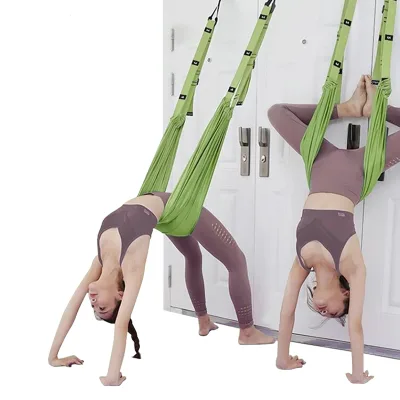
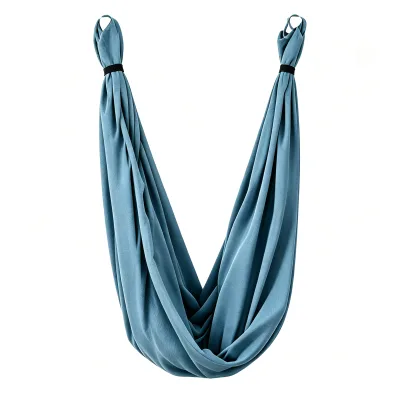
Anti-Gravity Swing Home 6 Handles Strap Pilates Hammock Yoga Silk Aerial Yoga Hammock
$12.00 - $14.00
MOQ: 20 Pieces
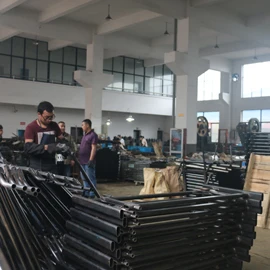
Yongkang Hanmu Industry & Trade Co., Ltd.
- Manufacturer, Trading Company
- Zhejiang, China
- Lead time20 days
- Avg. response≤ 9h
Main productsyoga equipment,Pilates equipment,suspension trainer,dance pole,exercise band
Main marketsNorthern Europe(25.00%), Western Europe(20.00%), South America(10.00%), Southern Europe(10.00%), North America(10.00%), Domestic Market(5.00%), Eastern Europe(5.00%), Central America(5.00%), Oceania(5.00%), Africa(1.00%), South Asia(1.00%), Southeast Asia(1.00%), Eastern Asia(1.00%), Mid East(1.00%)
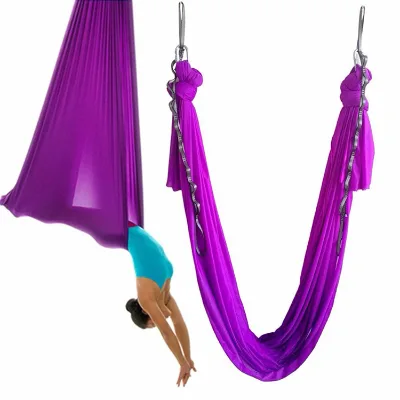
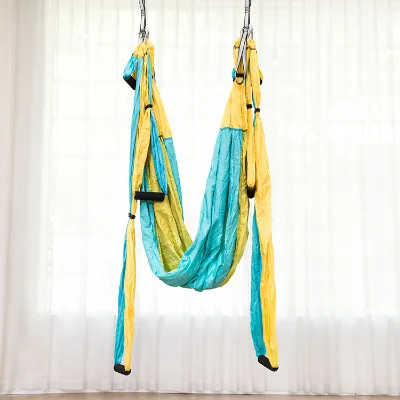
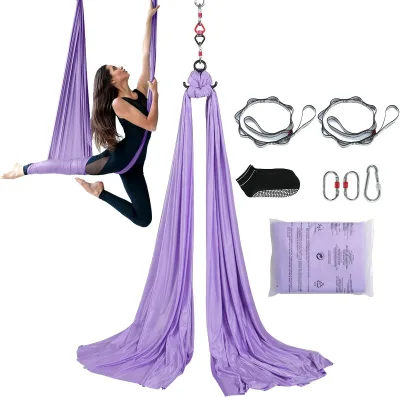
$30.00 - $36.00
MOQ: 3 sets
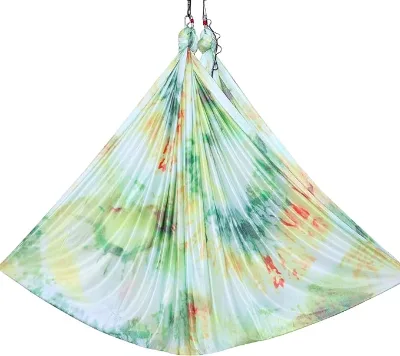
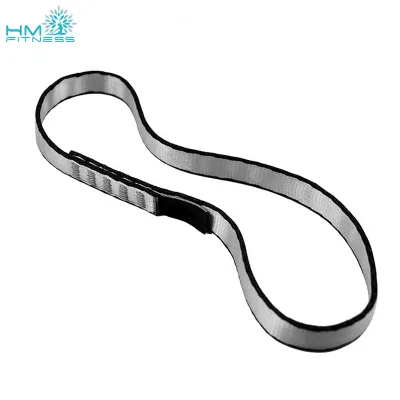
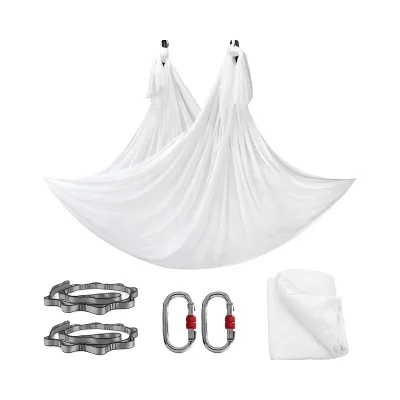
6M Aerial Yoga Silk Equipment Yoga Pilates Swing Anti-gravity Hammock for Yoga Strap Bodybuilding
$5.80 - $6.80
MOQ: 100 sets
Nantong Get Power Fitness Equipment Co., Ltd.
- Verified by TüVRheinland
- Trading Company
- Lead time30 days
- Avg. response≤ 3h
Main productsDumbbell, Barbell, Weight Plate, Power Rack, Bench
Main marketsNorthern Europe(40%), North America(20%), Southeast Asia(20%)

Yongkang Chaoyuan Housewares Co., Ltd.
- Verified by SGS
- Combined
- China Zhejiang
- Lead time15 days
- Avg. response≤ 12h
Main marketsSouth America,Southeast Asia/ Mideast,Domestic,Europe,Australia,North America
Nantong Cloudoo Sports Goods Co., Ltd.
- Trading Company
- Jiangsu, China
- Lead time35 days
- Avg. response≤ 4h
Main productsdumbbell,weight plate,yoga mat,roller,racks
Main marketsSouth Asia(30.00%), South America(20.00%), Mid East(10.00%)
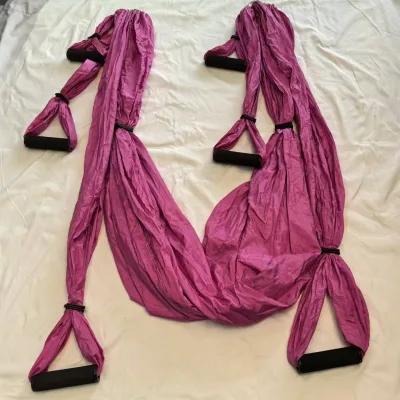
$16.5565 - $18.3103
MOQ: 2 pieces
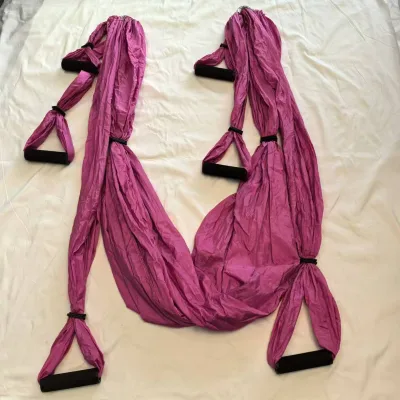
$24.00 - $25.00
MOQ: 10 pieces
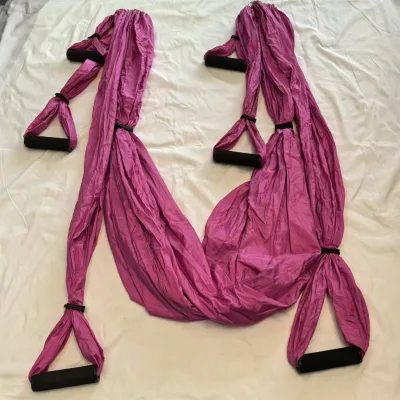
$16.5565 - $18.3103
MOQ: 2 pieces
Jianlemei (suzhou) Sports Goods Co., Ltd.
- Manufacturer
- Jiangsu, China
- Lead time0 days
- Avg. response≤ 10h
Main productsResistance band,Pull up,Strength training,Pilates Rod,Yoga products
Main marketsEastern Europe(20.00%), South America(20.00%), North America(20.00%), Domestic Market(10.00%), South Asia(10.00%), Northern Europe(10.00%), Central America(10.00%), Western Europe(10.00%), Mid East(10.00%), Southeast Asia(10.00%)
Hengshui Lihao Import And Export Trading Co., Ltd.
- Trading Company
- Hebei, China
- Lead time15 days
- Avg. response≤ 4h
Main productsMen's clothing,Women's clothing,Underwear,watch,socks
Main marketsNorth America(50.00%), Eastern Europe(10.00%), Southeast Asia(9.00%), Western Europe(5.00%), South America(5.00%), Africa(4.00%), Eastern Asia(4.00%), Mid East(4.00%), Oceania(4.00%), Domestic Market(1.00%), South Asia(1.00%), Southern Europe(1.00%), Northern Europe(1.00%), Central America(1.00%)
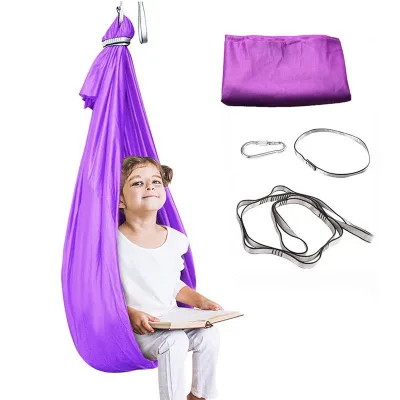
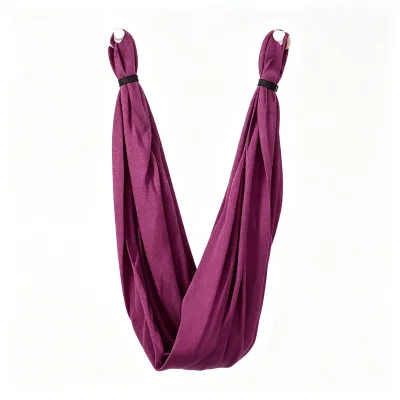
Durable Polyester Colorful Silk Aerial Exercises Yoga Hammock Swing Flying Yoga Hammock
$5.21 - $5.99
MOQ: 1 pieces
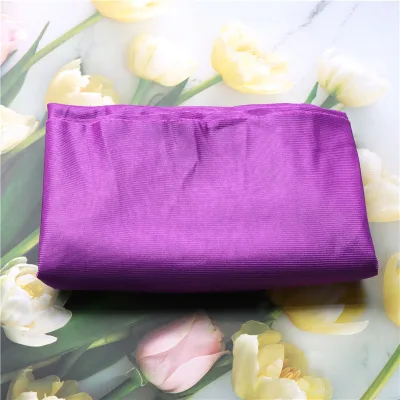
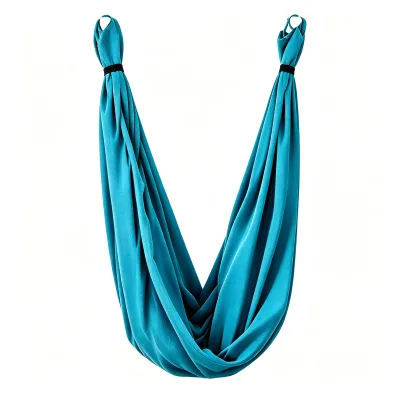
Multi-Functional Anti-Gravity Swing Aerial Hammock Yoga Hammock for Yoga Exercise
$5.21 - $5.99
MOQ: 1 pieces

Shandong Bestway Fitness Equipment Co., Ltd.
- Verified by BV
- Trading Company
- China Shandong
- Lead time15 days
- Avg. response≤ 3h
Main productsPilates Reformer Pilates Machine Gym Fitness, Pilates Machine, Gym Fitness
Main marketsDomestic
Henan Jingyu Network Technology Co., Ltd.
- Verified by TüVRheinland
- Trading Company
- Lead time15 days
- Avg. response≤ 2h
Main productsHome Gardening Products, Sports And Entertainment Products, Mother And Baby Toys, Wooden Furniture, Automotive Supplies
Main marketsNorth America(43%), Western Europe(15%), Eastern Asia(10%)
Nantong Jinruite Sports Goods Co., Ltd.
- Manufacturer, Trading Company
- Jiangsu, China
- Lead time60 days
- Avg. response≤ 11h
Main productsCamping Tent/Camping Hammock/Sleeping Bag/Golf Trainer/Soccer Trainning/Fitness Accessories
Main marketsNorth America(48.00%), Western Europe(8.00%), Eastern Europe(8.00%), South America(6.00%), Southern Europe(6.00%), Northern Europe(6.00%), Eastern Asia(4.00%), Domestic Market(4.00%), Southeast Asia(4.00%), Oceania(3.00%), Africa(3.00%)
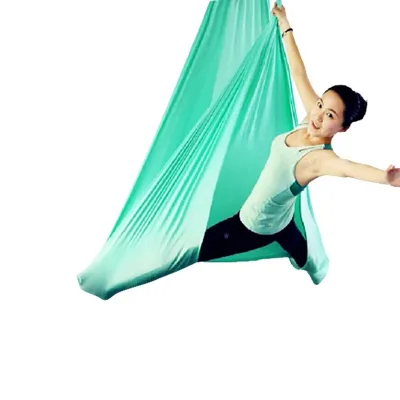
Customized Logo Colorful Yoga Flying Hammock Swing Sustainable Aerial Yoga Aerial Hammock Yoga
$14.30 - $15.50
MOQ: 500 pieces
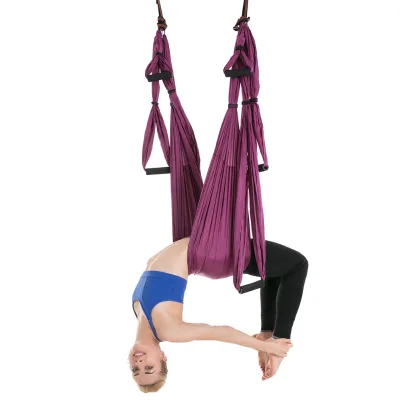
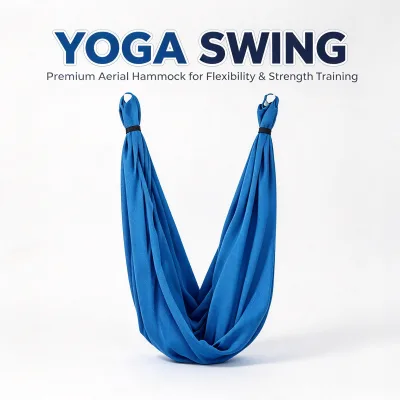
Wholesale High Quality Durable Flying Swing Strength Training Aerial Silk Yoga Hammock
$22.30 - $28.00
MOQ: 2 pieces
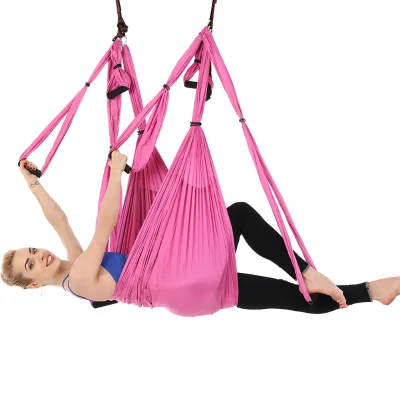
210d Fabric Comfortable Aerial Yoga Hammock Set Aerial Yoga Props Swing Hammock
$18.50 - $20.00
MOQ: 500 pieces
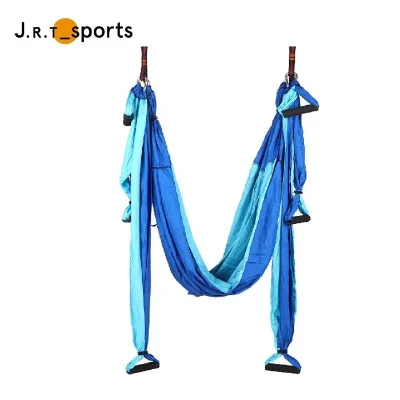
Anti-gravity Suspension Aerial Yoga Hammock Swing with Nylon Fabric Multifunction 250*145CM
$17.7931
MOQ: 200 Minimum

Nantong Enerize Sporting Goods Co., Ltd.
- Trading Company,Manufacturer/Factory
- China Jiangsu
- Lead time0 days
- Avg. response≤ 19h
Main productsBarbells, Weight Plates, Bumper Plate, Dumbbell, Adjustable Bench, Rig and Rack, Power Rack, Kettlebell, Crossfit, Jump Ropes
Main marketsSouth America,Eastern Europe,Mid East,North America,Africa

Fuqing Shengde Intelligent Manufacturing Technology Co., Ltd.
- Verified by BV
- Trading Company
- China Fujian
- Lead time23 days
- Avg. response≤ 6h
Main productsYoga Mat, Exercise Mat, Yoga Block, Gym Mat, Yoga Wheel, Foam Roller, Yoga Strap, Yoga Ball, Resistance Band
Main marketsDomestic


Best 5m Anti-Gravity Flying Yoga Swing Set Soft Polyester Fabric Aerial Yoga Hammock
$16.00 - $17.00
MOQ: 100 Pieces
- Trading Company
- Jiangsu, China
- Lead time15 days
- Avg. response≤ 1h
Main productsSutuspension Trainer/Ballet Strap/Resistance Bands/Booty Belt/Hip Cicle/Speed Che/Trampoline/Weight-lifting Belt/AB Roller/Yoga Ball,Suspension Trainer,Yoga Blanket,Massage ball,Wateproof dry bag
Main marketsNorth America(52.00%), Western Europe(20.00%), Northern Europe(10.00%), Oceania(5.00%), South America(5.00%), Mid East(5.00%), Domestic Market(3.00%)
$1.7358 - $3.0789
MOQ: 10 pieces

Shanghai Ritmark Sports Co., Ltd.
- Verified by BV
- Trading Company,Manufacturer/Factory
- China Shanghai
- Lead time23 days
- Avg. response≤ 4h
Main productsPVC Boat Fender, Fitness Ball, Fitness Sandbag, Waist Belt, Massage Tools, Acupressure Mat, Buoys, Dock Bumper, Yoga Items, Fitness Products
Main marketsSouth America,Eastern Europe,Mid East,North America,Southeast Asia,Eastern Asia,Oceania,Western Europe,Africa
Yiwu Feide Sports Goods Co., Ltd.
- Verified by SGS Group
- Manufacturer, Trading Company
- Lead time20 days
- Avg. response≤ 4h
Main productsFoam Roller, Resistance Bands, Weight Vest, Pull Up Bar, Dumbbell
Main marketsNorth America(31%), Western Europe(21%), Eastern Europe(9%)
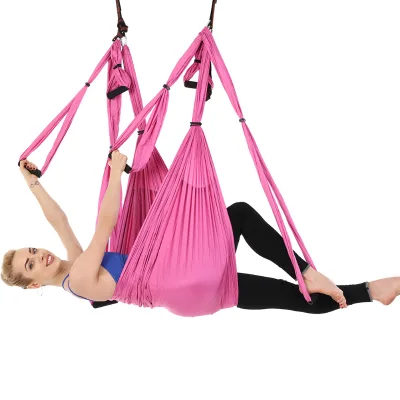
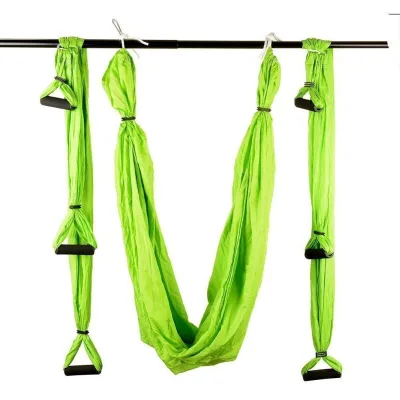
FDFIT Air Aerial Para Yoga Hammock Inversion Exercises Swing Aerial Yoga Hammock Antigravity Hamaca
$9.6521 - $14.4773
MOQ: 10 pieces
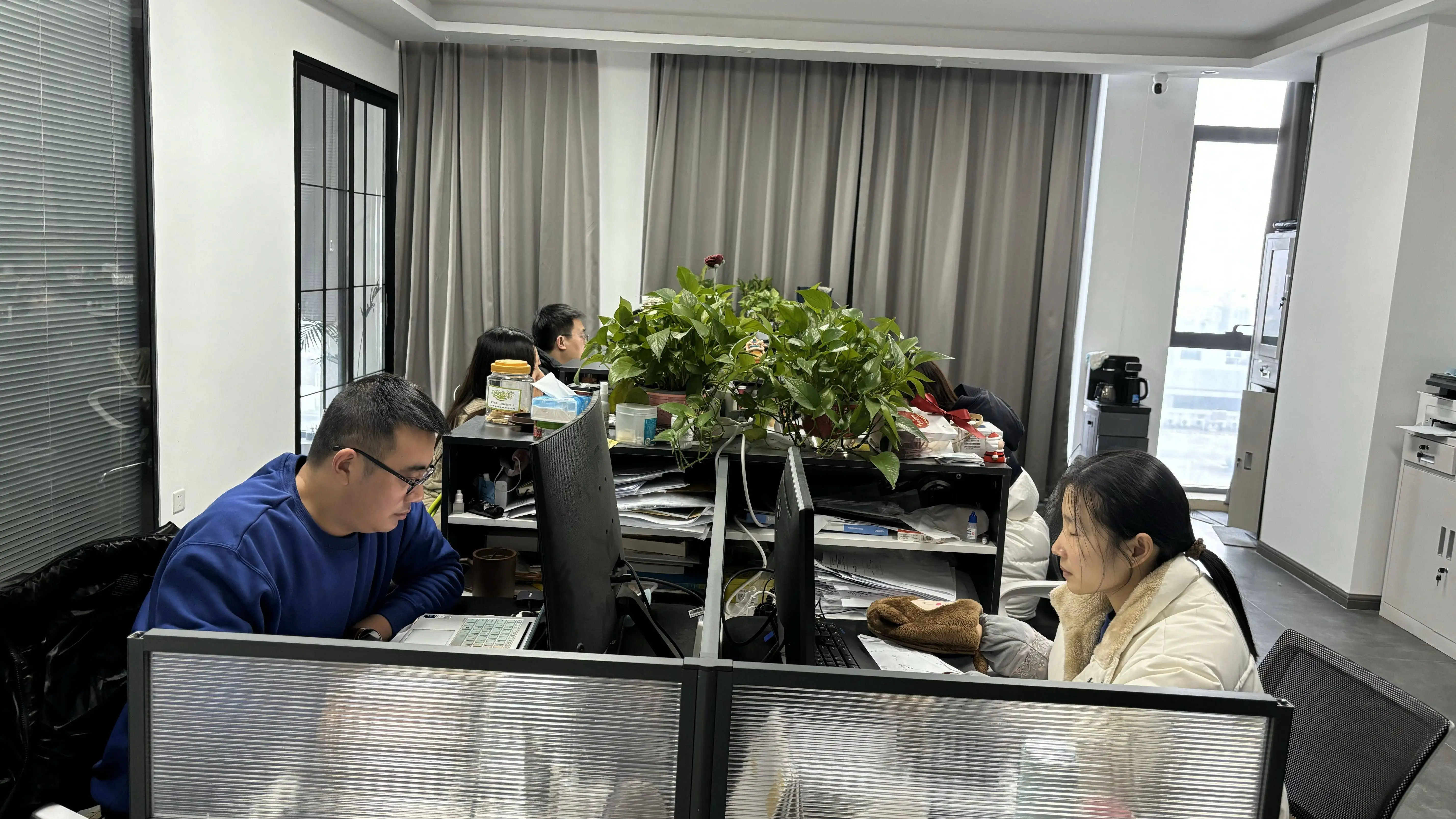
Nantong Rising Sports Technology Co., Ltd.
- Trading Company
- Jiangsu, China
- Lead time30 days
- Avg. response≤ 2h
Main productsrope,rack,dumbbell,palte,bar
Main marketsSouthern Europe(20.00%), Central America(20.00%), North America(20.00%), South Asia(10.00%), Eastern Asia(10.00%), Northern Europe(10.00%), Eastern Europe(10.00%)
Hunan Sanmo Sports Goods Co., Ltd.
- Verified by TüVRheinland
- Trading Company
- Lead time0 days
- Avg. response≤ 2h
Main productsYoga Mats, Pilates Accessories, Pilates Apparatus, Fitness Equipment, Activewear & Sports Accessories
Main marketsNorth America(27%), Western Europe(24%), Oceania(19%)
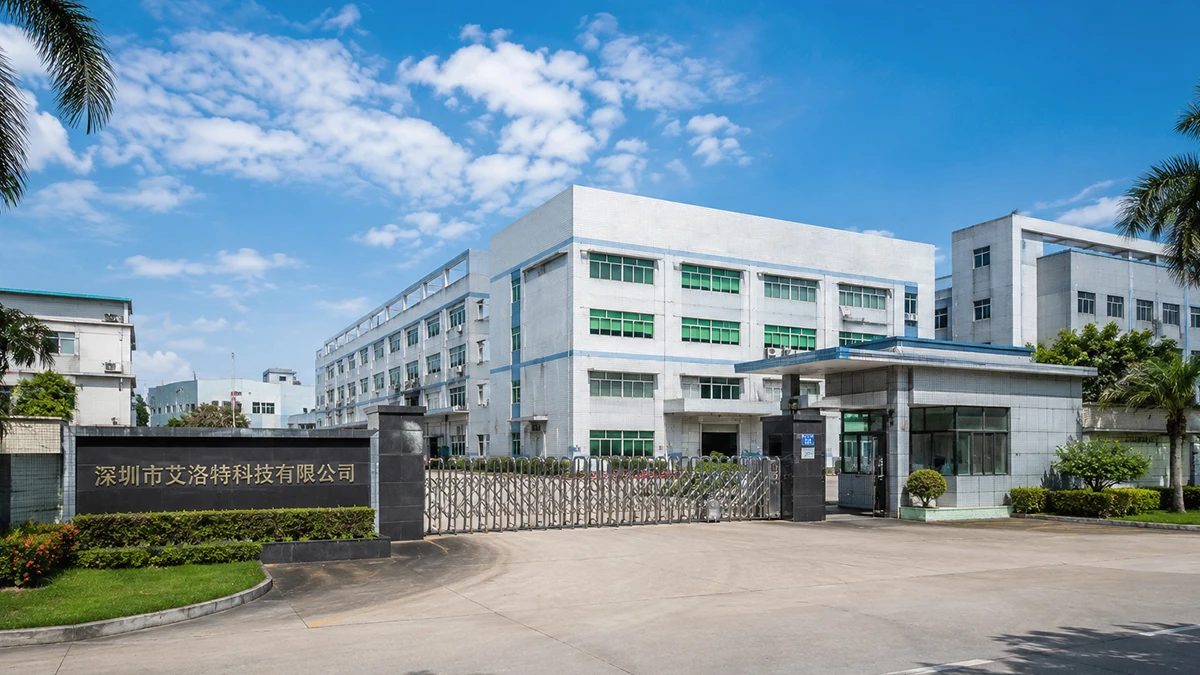
Shenzhen Ailot Technology Co., Ltd.
- Manufacturer, Trading Company, Buying Office, Agent, Distributor/Wholesaler, Business Service (Transportation, finance, travel, Ads, etc)
- Guangdong, China
- Lead time15 days
- Avg. response≤ 6h
Main productsCarabiner,Descender,Aluminum Pulley,Body Harness,Rigging
Main marketsNorth America(30.00%), Domestic Market(20.00%), Southern Europe(10.00%), Western Europe(10.00%), South America(5.00%), Southeast Asia(5.00%), Oceania(5.00%), Eastern Europe(5.00%), Mid East(3.00%), Northern Europe(3.00%), Eastern Asia(1.00%), South Asia(1.00%), Central America(1.00%), Africa(1.00%)
WuYi Chaoyuan Sports Equipment Co., Ltd.
- Verified by Intertek
- Manufacturer, Trading Company
- Lead time25 days
- Avg. response≤ 3h
Main productsPilates Reformer, Sissy Squat Maching, Roman Chair, Pilates Accessories, Dumbbell Rack
Main marketsNorth America(50%), Western Europe(40%), Oceania(10%)
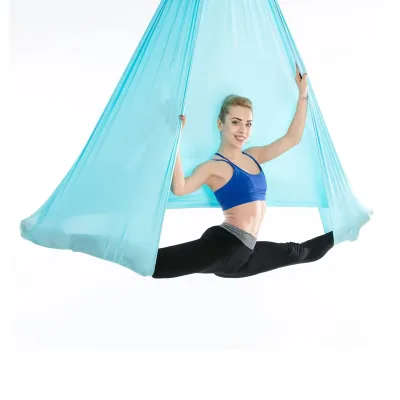
$25.7708 - $36.4497
MOQ: 1 Minimum
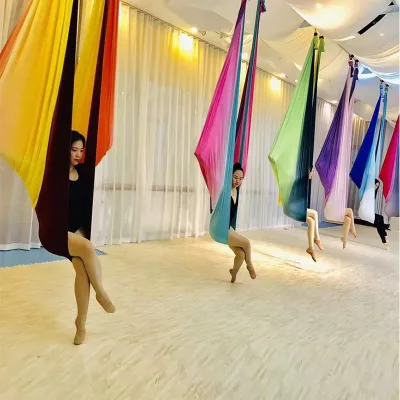
$16.2866 - $21.4312
MOQ: 1 Minimum
Ningbo E Best Leisure Product Co., Ltd.
- Verified by Intertek
- Trading Company
- Zhejiang, China
- Lead time30 days
- Avg. response≤ 6h
Main productsPet Training Supplies, Pilates Reformer , Gymnastic Bar
Main marketsNorth America(50%), South America(17%), Eastern Europe(15%)
Shandong Bestway Fitness Equipment Co., Ltd.
- Verified by Intertek
- Trading Company
- Lead time30 days
- Avg. response≤ 1h
Main productsPilates reformer
Shijiazhuang Cening Trading Co., Ltd.
- Trading Company
- Hebei, China
- Lead time7 days
- Avg. response≤ 3h
Main productsYoga products,gym fitness products,Boxing equipment,Outdoor sports,Sports Safety
Main marketsNorth America(20.00%), Southeast Asia(11.00%), Oceania(8.00%), Northern Europe(8.00%), Mid East(8.00%), Western Europe(8.00%), South Asia(7.00%), Southern Europe(6.00%), Eastern Europe(6.00%), Eastern Asia(6.00%), Central America(5.00%), South America(4.00%), Africa(2.00%), Domestic Market(1.00%)








Comprehensive Sourcing Guide
Adjustable Suspension Aerial Yoga Hammock Supplier Concentration and Factory Types
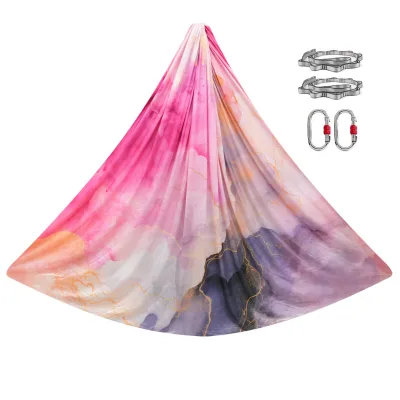
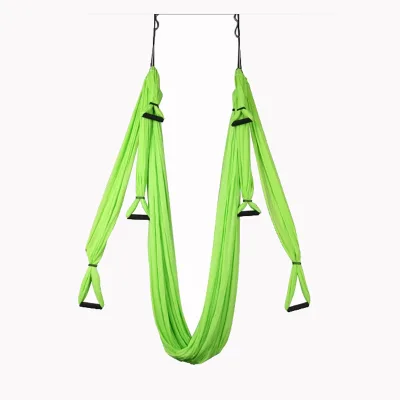
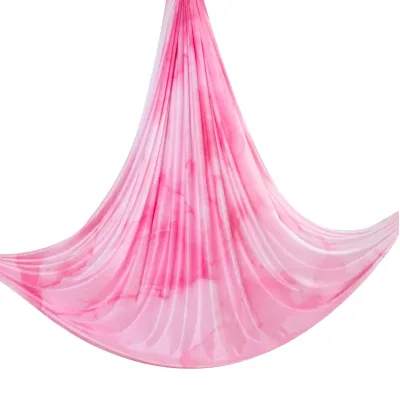
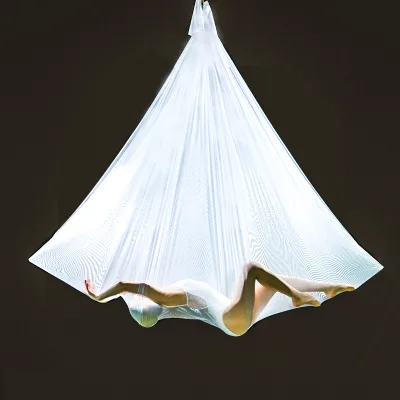
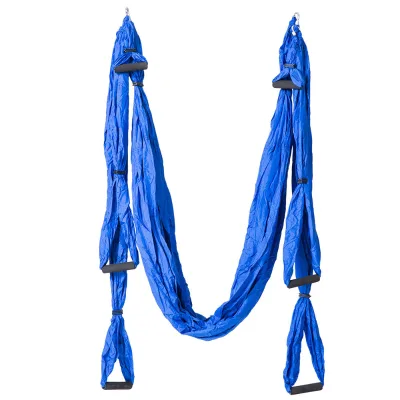
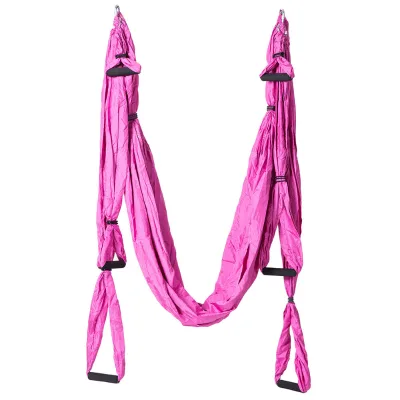
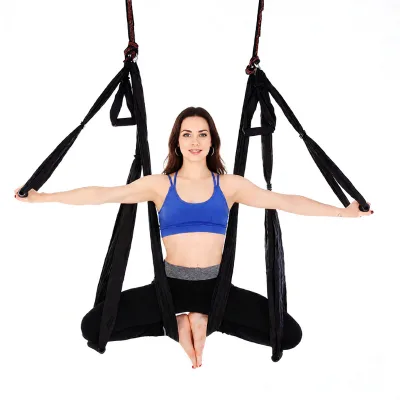
The current supplier landscape for adjustable suspension aerial yoga hammocks reveals a distinct concentration of manufacturing activity within China, specifically in the Zhejiang province. This regional clustering suggests a mature industrial ecosystem where raw material sourcing, textile processing, and final assembly are geographically proximate, potentially reducing logistical friction for bulk orders. Buyers evaluating these suppliers will encounter a mix of pure manufacturing entities and hybrid operations that function as both manufacturers and trading companies. The presence of factory-type entities indicates direct control over production lines, which often translates to greater flexibility in customizing product specifications such as fabric weight, strap length, and handle configuration. Conversely, the inclusion of trading companies in the results implies a layer of intermediary service that may offer broader product assortments or consolidated shipping options, though potentially at the cost of direct technical oversight. Understanding this dichotomy is crucial for determining whether the priority is deep technical collaboration or streamlined procurement convenience.
Within this concentrated region, the primary product focus for many suppliers extends beyond just yoga hammocks to include a wide array of fitness and garden equipment. This diversification often means that factories possess versatile machinery capable of handling different textile types, from nylon to polyester, which is essential for producing durable aerial yoga gear. The main products listed for these entities frequently include items like swing chairs, garden umbrellas, and various suspension trainers, indicating that the core competency lies in textile-based fitness accessories rather than specialized medical or industrial equipment. This broad manufacturing capability allows suppliers to offer OEM and ODM services, enabling buyers to request specific customizations such as branded logos, unique colorways, or modified structural designs. The availability of customization options is a key differentiator, as it allows brands to create proprietary products that stand out in the competitive fitness market. Buyers should assess whether the supplier’s broader product range supports the specific technical requirements of their aerial yoga line or if they are better suited for generic, off-the-shelf procurement.
How to Verify Adjustable Suspension Aerial Yoga Hammock Suppliers
Verifying the legitimacy and capability of suppliers requires a multi-layered approach that goes beyond surface-level profile reviews. One critical step is to examine the system certifications displayed by the supplier, such as ISO 9001 for quality management or BSCI for social compliance. These certifications provide a baseline assurance that the factory adheres to standardized operational procedures and ethical labor practices, which is particularly important for brands concerned with supply chain transparency. Additionally, third-party verification badges, such as those from SGS, offer an independent layer of trust by confirming that the supplier’s business license and operational claims have been audited by an external agency. Buyers should prioritize suppliers who display these verifications, as they reduce the risk of engaging with fraudulent entities or poorly managed operations. It is also advisable to check the response time metrics, as a quicker response often correlates with a more active and professional sales team that is better equipped to handle complex inquiries and technical specifications.
Beyond certifications and response metrics, buyers must scrutinize the specific product evidence provided to ensure alignment with their quality standards. This involves reviewing detailed product attributes such as material composition, weight capacity, and customization availability. For instance, some suppliers offer hammocks made from nylon with a weight capacity exceeding 200 kg, while others may use 100% polyester for different price points. Verifying these material specifications is essential to ensure the product meets safety and durability expectations. Buyers should also look for evidence of past performance, such as consistent model numbers and detailed packing information, which indicates a standardized production process. Furthermore, checking if the supplier offers logo customization or specific accessory inclusions, like daisy chains or EVA handles, can help determine their flexibility in meeting brand-specific requirements. By cross-referencing these technical details with the supplier’s stated capabilities, buyers can build a more accurate picture of their reliability and suitability for long-term partnership.
What to Compare Across Adjustable Suspension Aerial Yoga Hammock Suppliers
When evaluating multiple suppliers, it is essential to compare key operational metrics such as lead time, minimum order quantity, and pricing structures to determine the best fit for your business model. Lead times can vary significantly, with some suppliers offering production cycles of around 20 to 23 days, while others may have different turnaround times based on order volume and customization complexity. Understanding these timelines is crucial for inventory planning and ensuring timely delivery to end customers. Similarly, the minimum order quantity (MOQ) is a critical factor, as it dictates the initial financial commitment and risk exposure. Some suppliers may have an MOQ as low as one unit, which is ideal for testing the market or fulfilling small boutique orders, while others may require a minimum of 10 or 20 units, which is more suitable for larger retail chains or established brands. Comparing these thresholds helps buyers align their procurement strategy with their sales volume and cash flow capabilities.
Pricing and customization options also play a pivotal role in the comparison process. The price range for aerial yoga hammocks can vary based on material quality, size, and additional features such as multiple handles or specific packing methods. For example, prices may range from approximately $12 to $55 per unit, depending on the complexity of the design and the volume of the order. Buyers should request detailed quotes that break down costs for customization, such as logo printing or unique colorways, to avoid hidden fees. Additionally, comparing the response time of suppliers can provide insight into their customer service quality, with faster responses often indicating a more responsive and supportive partnership. It is also important to assess the supplier’s main product focus to ensure they have the necessary expertise in aerial yoga equipment rather than just general fitness gear. By systematically comparing these factors, buyers can identify suppliers that offer the best balance of cost, quality, and service for their specific needs.
Common Adjustable Suspension Aerial Yoga Hammock Sourcing Risks
One of the primary risks in sourcing adjustable suspension aerial yoga hammocks is the potential discrepancy between advertised specifications and actual product quality. Suppliers may list high weight capacities or durable materials in their product descriptions, but without rigorous testing or third-party verification, these claims may not hold up under real-world usage. This is particularly concerning for aerial yoga equipment, where safety is paramount, as failure of the hammock or straps could lead to serious injury. Buyers must be vigilant in verifying material compositions, such as ensuring that nylon or polyester fabrics meet specific tensile strength standards. Additionally, the risk of inconsistent quality control is heightened when dealing with suppliers who have a broad range of main products, as their focus may be diluted across different categories. To mitigate this, buyers should request samples and conduct their own quality checks before committing to large orders, ensuring that the product meets their safety and durability requirements.
Another significant risk is the variability in lead times and communication reliability, which can disrupt supply chain operations. Suppliers may promise quick response times and short lead times, but these commitments may not be honored during peak seasons or when facing production bottlenecks. This can lead to delayed shipments and dissatisfied customers, particularly for brands that rely on just-in-time inventory models. Furthermore, the risk of intellectual property infringement exists when working with suppliers who offer extensive customization options, as they may replicate designs for other clients without authorization. Buyers should establish clear contractual agreements regarding confidentiality and exclusivity to protect their brand identity. Additionally, the lack of standardized certifications across all suppliers means that buyers must independently verify compliance with relevant safety and quality standards. By proactively addressing these risks through thorough due diligence and clear communication, buyers can minimize potential disruptions and ensure a more secure sourcing relationship.
Adjustable Suspension Aerial Yoga Hammock Regional Sourcing and Logistics
Sourcing adjustable suspension aerial yoga hammocks from China, particularly from the Zhejiang province, offers distinct logistical advantages due to the region’s well-developed manufacturing infrastructure and export capabilities. The concentration of factories in this area facilitates efficient raw material sourcing and streamlined production processes, which can lead to competitive pricing and faster turnaround times. However, buyers must also consider the logistical implications of shipping from this region, including transit times, customs clearance procedures, and potential tariffs. Understanding the local logistics landscape is crucial for planning inventory levels and managing delivery expectations. Suppliers in this region are often experienced in handling international shipments, which can simplify the export process for buyers. Nevertheless, it is important to verify the supplier’s experience with specific destination markets to ensure they can navigate local regulatory requirements and provide accurate shipping documentation.
The regional focus on textile-based fitness equipment in Zhejiang also means that buyers may benefit from a robust ecosystem of supporting services, such as packaging suppliers and freight forwarders. This ecosystem can enhance the overall sourcing experience by providing integrated solutions for product customization and logistics management. Buyers should leverage this by working with suppliers who have established relationships with reliable logistics partners, ensuring that products are shipped safely and efficiently. Additionally, the proximity of manufacturing facilities to major ports in the region can reduce inland transportation costs and lead times. However, buyers must remain aware of potential logistical challenges, such as seasonal congestion or global supply chain disruptions, which can impact delivery schedules. By understanding the regional logistics landscape and working with experienced suppliers, buyers can optimize their supply chain and ensure timely delivery of their aerial yoga hammocks to end customers.
Adjustable Suspension Aerial Yoga Hammock Commercial Terms and Order Planning
Effective order planning for adjustable suspension aerial yoga hammocks requires a clear understanding of commercial terms, including payment structures, warranty policies, and after-sales support. Buyers should negotiate favorable payment terms, such as partial upfront payments and balance upon shipment, to mitigate financial risk while ensuring supplier commitment. It is also important to clarify the supplier’s warranty and return policies, particularly regarding defects or quality issues, to protect against potential losses. Additionally, buyers should assess the supplier’s capacity for handling large orders, as this can impact lead times and pricing. Suppliers with higher production capacities may offer more competitive pricing for bulk orders, but buyers must ensure that quality control measures are maintained at scale. By establishing clear commercial terms and planning orders strategically, buyers can build a sustainable and profitable sourcing relationship.
Furthermore, buyers should consider the long-term potential for scaling their orders and expanding their product lines. Suppliers that offer OEM and ODM services can provide valuable support in developing new products or customizing existing ones to meet changing market demands. This flexibility is essential for brands looking to innovate and stay competitive in the fitness industry. Buyers should also evaluate the supplier’s responsiveness to market trends and their ability to adapt to new requirements, such as sustainable materials or innovative designs. By fostering a collaborative relationship with suppliers who share their vision for growth, buyers can ensure a steady supply of high-quality aerial yoga hammocks that meet their customers’ needs. Ultimately, successful order planning involves a balance of strategic foresight, clear communication, and a deep understanding of the supplier’s capabilities and limitations.
FAQs
What is the typical lead time for aerial yoga hammocks?
The typical lead time for these products is 23 days based on current supplier data. Some manufacturers offer a faster 20-day turnaround for specific orders. Buyers should confirm exact delivery schedules with the factory before placing bulk orders to ensure timely arrival.
What are the minimum order quantities for these hammocks?
Minimum order quantities vary by supplier, with some accepting orders as low as one unit. Other factories require a minimum of 10 or 20 pieces per order. Buyers must check the specific product listing to verify the exact MOQ required for their desired model and customization needs.
Which certifications do the manufacturers hold?
Many manufacturers hold ISO 9001 and BSCI certifications for quality and social compliance. Some suppliers also possess ISO 14001 certification for environmental management. Verification of these credentials is essential to ensure the factory meets international safety and operational standards for your specific sourcing requirements.
Where are the suppliers located?
The primary manufacturing locations for these products are in Zhejiang, China. This region is known for its concentration of fitness equipment factories. Buyers should verify the specific city or district within Zhejiang to assess logistics costs and shipping times for their international delivery needs.
What materials are used for the hammocks?
Common materials include nylon and 100% polyester for durability and comfort. Some models feature thick fabrics designed to support weights exceeding 200 kg. Buyers should review product specifications to confirm the exact material composition and ensure it matches their intended usage environment.
How quickly do suppliers respond to inquiries?
Response times vary significantly among suppliers, ranging from approximately 2 hours to nearly 12 hours. Faster response times often indicate higher availability and better customer service. Buyers should prioritize suppliers with shorter response windows to ensure efficient communication during the negotiation process.
Are customization options available for these products?
Customization is widely available, including options for logos, colors, and specific sizes. Many factories offer OEM and ODM services to meet unique branding requirements. Buyers should specify their customization needs clearly to ensure the manufacturer can accommodate their design and production specifications.
What is the price range for these hammocks?
Prices typically range from about 12 to 56 dollars per unit depending on the model and features. Basic nylon models start near 12 dollars, while specialized gym equipment may cost up to 56 dollars. Buyers should compare multiple listings to find the best value for their specific budget and quality expectations.