Interlocking Non-Toxic Gym Rubber Floor Suppliers and Manufacturers
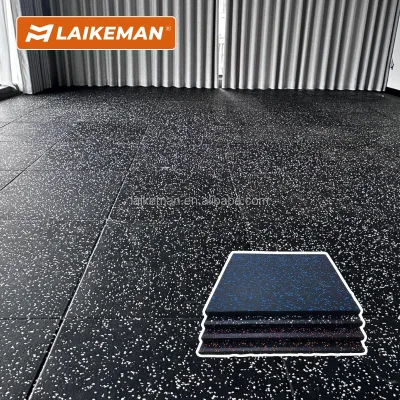
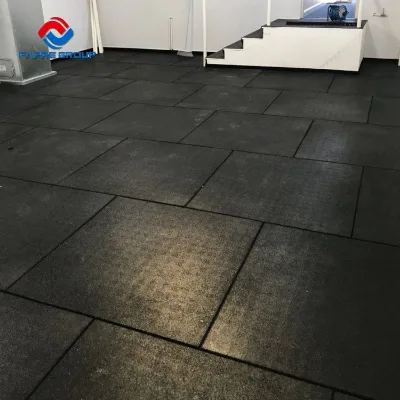
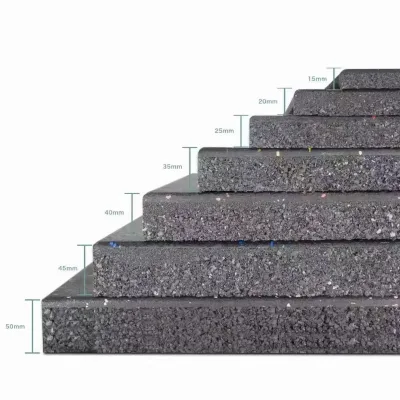
Compare 28 verified suppliers offering interlocking non-toxic gym rubber floor with CE, ISO, and RoHS certifications. Review lead times, MOQs, and thickness options ranging from 15mm to 50mm before requesting samples or custom quotes; review the available evidence before requesting comparable quotations from suitable candidates.
Updated
Suppliers List

Hebei Chen Zhi Yuan Trading Company Limited
- Verified by CTI
- Trading Company
- China Hebei
- Lead time30 days
- Avg. response≤ 7h
Main productsArtificial Grass, Gym Floor, Gym Mat, Rubber Mat
Main marketsSouth America,Africa,Southeast Asia/ Mideast,East Asia(Japan/ South Korea),Domestic,Europe,Australia,North America

- Verified by SGS
- Trading Company
- China Hebei
- Lead time15 days
- Avg. response≤ 3h
Main productsOil Seal, Oring, Gaskets, Diaphragm, Mounts and Bushings
Main marketsSoutheast Asia/ Mideast,North America
Zhejiang Green Valley Sports Industry Co., Ltd.
- Verified by SGS Group
- Manufacturer, Trading Company
- Lead time20 days
- Avg. response≤ 2h
Main productsRubber Flooring, Modular Interlocking Tiles, PVC Flooring, Garage Tiles, Rubber Granules
Main marketsNorth America(13%), Oceania(12%), Mid East(12%)

Zhejiang Green Valley Sports Industry Co., Ltd.
- Verified by BV
- Trading Company,Manufacturer/Factory
- China Zhejiang
- Lead time15 days
- Avg. response≤ 4h
Main productsRubber Tiles, Rubber Rolls, EPDM Granule, EPDM/SBR Rubber Mats, Rubber Flooring, PU Adhesive/Glue, Playground Rubber Tile, Rubber Machine, Elastic Interlocking Tiles, PVC Flooring
Main marketsSouth America,Eastern Europe,Mid East,North America,Southeast Asia,Eastern Asia,Oceania,Western Europe,Africa

$10.00 - $25.00
MOQ: 200 Square Meters


Non-Toxic Gym Rubber Flooring Rolls/Gym Interlocking Rubber Tiles/Sports
$2.50 - $3.50
MOQ: 200 Pieces

Interlocking Shape Gym Fitness Flooring Interlocking Rubber Mat
$10.00 - $25.00
MOQ: 200 Square Meters

Gym Interlocking Rubber Tiles Crossfit Rubber Gym Flooring for Indoor
$3.00 - $15.00
MOQ: 200 Square Meters

Qingdao SOL Industrial and Trade Co., Ltd.
- Verified by BV
- Manufacturer/Factory
- China Shandong
- Lead time15 days
- Avg. response≤ 3h
Main productsRubber Flooring, Rubber Mat, Rubber Tile, Gym Floor Mat, Fitness Equipment, Rubber Paver, Acoustic Underlayer, Rubber Floor Tile, Gym Flooring, Gym Tile
Main marketsSouth America,Eastern Europe,Mid East,North America,Southeast Asia,Eastern Asia,Oceania,Western Europe,Africa


Indoor Easy Install Interlock Mat Gym Floor Sports Rubber Flooring Tile
$5.00 - $7.00
MOQ: 200 Square Meters
XIONG COUNTY LAIKEMAN PLASTIC PRODUCTS CO.,LTD
- Trading Company
- HEBEI, China
- Lead time7 days
- Avg. response≤ 1h
Main productsSports vinyl Flooring,pickleball flooring,Custom printed vinyl Flooring,pvc flooring,dance flooring
Main marketsSoutheast Asia(35.00%), North America(25.00%), South America(20.00%), Mid East(15.00%), Eastern Asia(5.00%)
Nantong Cloudoo Sports Goods Co., Ltd.
- Trading Company
- Jiangsu, China
- Lead time35 days
- Avg. response≤ 4h
Main productsdumbbell,weight plate,yoga mat,roller,racks
Main marketsSouth Asia(30.00%), South America(20.00%), Mid East(10.00%)
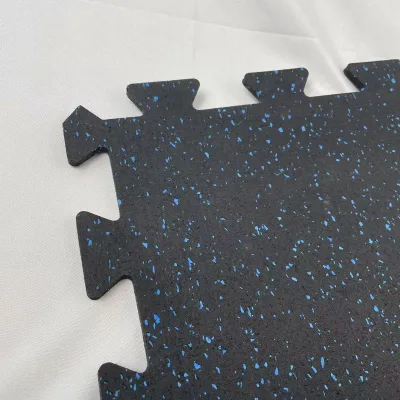
Interlocking Gym Rubber Floor Mat Anti-slip EPDM Gym Rubber Flooring Rolls Tiles
$3.5152 - $4.1357
MOQ: 300 pieces
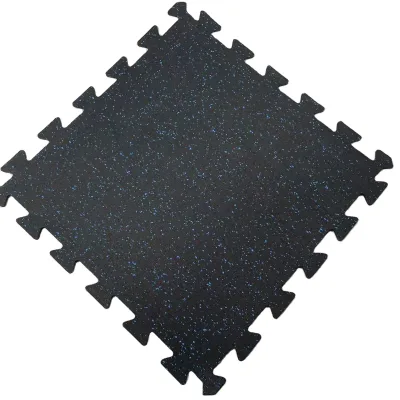
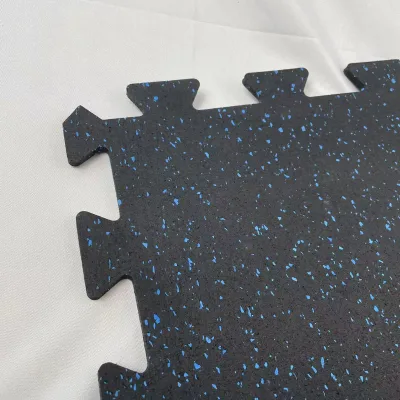
Gym Floor Rubber Flooring Colorful Fleck Rubber Gym Mat Gym Rubber Floor Rolls
$2.80 - $6.00
MOQ: 500 pieces
Qingdao Fapre Industrial Co., Ltd.
- Verified by Intertek
- Trading Company
- Lead time25 days
- Avg. response≤ 2h
Main productsRubber Conveyor Belt, Rubber Sheet, Rollout Mat, PVC Curtain Mat, PVC Coil Mat
Main marketsNorth America(45%), Western Europe(18%), Southeast Asia(15%)
Qingdao Faba Industry And Trade Co., Ltd.
- Verified by SGS Group
- Manufacturer, Trading Company
- Lead time15 days
- Avg. response≤ 8h
Main productsRubber Flooring, Bumper Plates, Barbell Bar, Dumbbell, Gym Equipment
Main marketsNorth America(40%), Western Europe(30%), Northern Europe(10%)
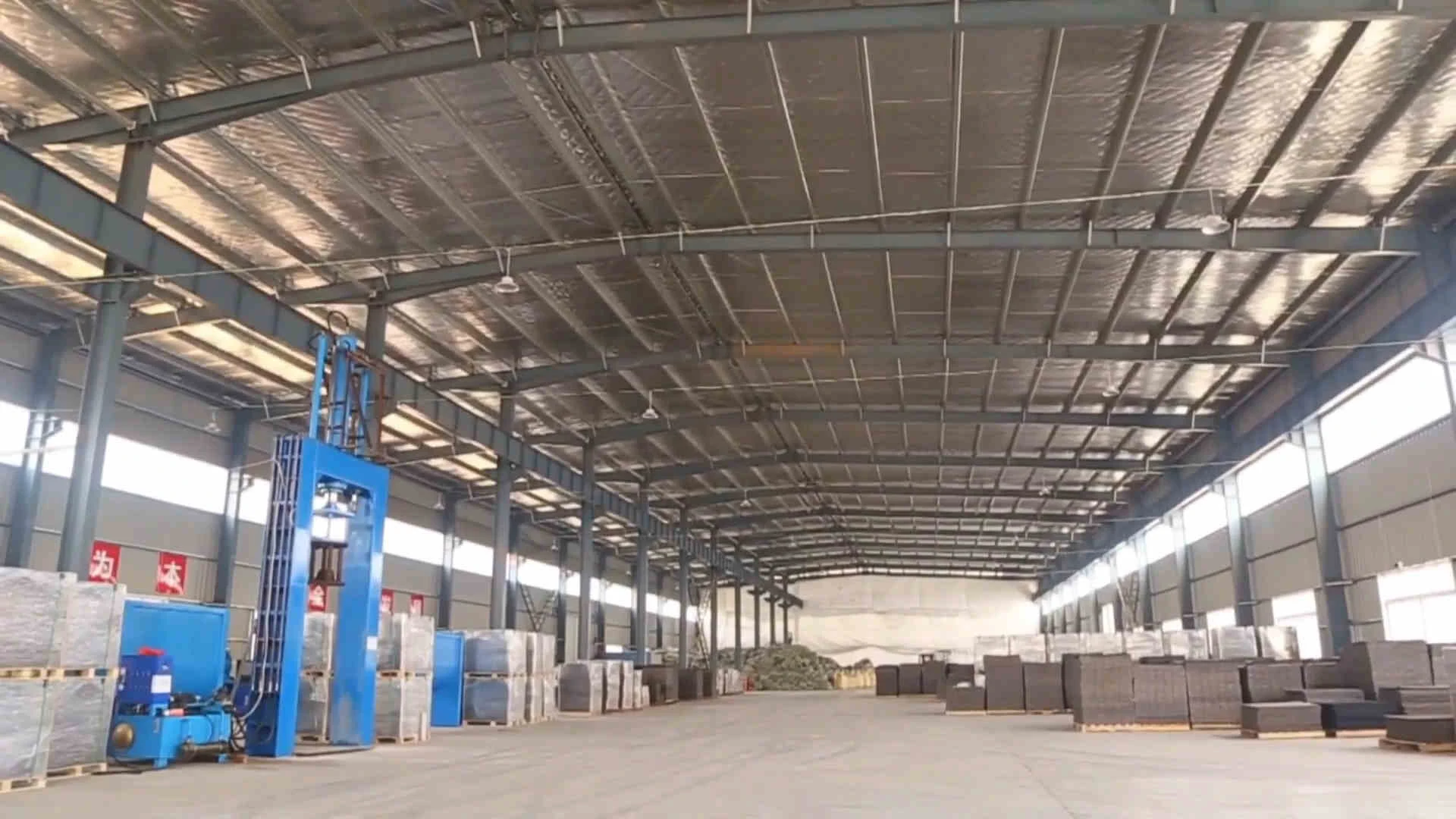
Qingdao Jianli Rubber And Plastic Products Co., Ltd.
- Manufacturer, Trading Company
- Shandong, China
- Lead time0 days
- Avg. response≤ 14h
Main productsRubber Mat,Interlocking Soundproof Shock Absorbing Mat,Gym flooring mat,fitness flooring,gym rubber roll
Main marketsDomestic Market(25.00%), Mid East(17.00%), Eastern Asia(11.00%), Eastern Europe(10.00%), Southeast Asia(9.00%), North America(6.00%), Oceania(6.00%), Southern Europe(5.00%), Northern Europe(5.00%), Western Europe(4.00%), South America(1.00%)
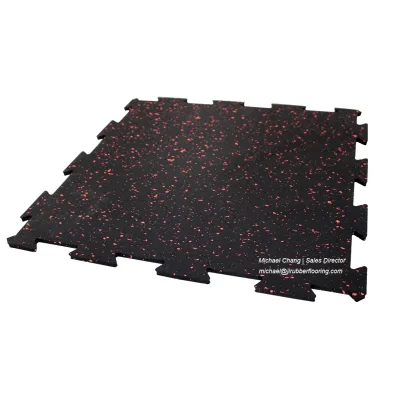
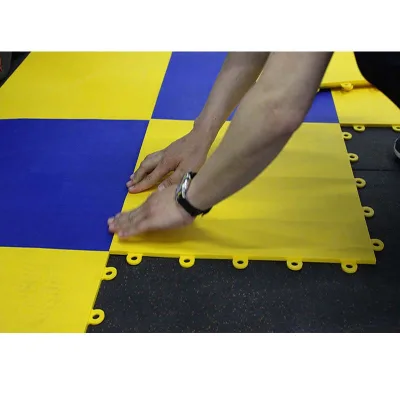
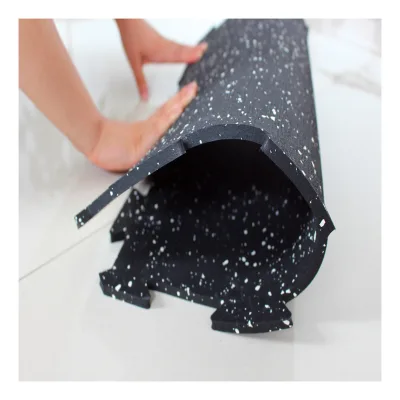
Cheap Price Anti-slip Gym Interlocking EPDM/SBR Rubber Mat/sheet Gym Rubber Flooring
$8.00 - $10.00
MOQ: 400
Hebei Lijian Lihe Sports Facilities Engineering Co., Ltd.
- Manufacturer, Trading Company
- Hebei, China
- Lead time5 days
- Avg. response≤ 1h
Main productsRubber floor mats,Rubber rolls,PVC plastic flooring,artificial grass,Suspended floors
Main marketsMid East(13.00%), Southern Europe(12.00%), Southeast Asia(12.00%), North America(12.00%), Western Europe(10.00%), Eastern Asia(8.00%), South America(8.00%), Northern Europe(5.00%), Africa(5.00%), Eastern Europe(5.00%), Domestic Market(3.00%), South Asia(3.00%), Central America(2.00%), Oceania(2.00%)
Shandong Walker Sports Co., Ltd.
- Verified by TüVRheinland
- Manufacturer, Trading Company
- Lead time30 days
- Avg. response≤ 2h
Main productsGymnastic Mat, Balance Beam, Judo Mat, Roll Mat, Wall Pad
Main marketsDomestic Market(48%), North America(10%), Northern Europe(10%)

Qingdao Modun Industry & Trade Co., Ltd.
- Manufacturer/Factory
- China Shandong
- Lead time30 days
- Avg. response≤ 4h
Main productsGym Equipment, Power Rack, Squat Rack, Barbells, Bumper Plates, Weightplates, Kettlebell, Dumbbell, Multi Function Station, Rubber Flooring Mat
Main marketsSouth America,Eastern Europe,North America,Southeast Asia,Eastern Asia,Western Europe

High Quality Gym Rubber Flooring Mat Interlocking Rubber Tiles Indoor
$9.10 - $10.10
MOQ: 200 Square Meters

Gym Equipment Fitness Commercial Fitness Equipment Rubber Interlocking Floor Tiles
$9.60 - $10.80
MOQ: 200 Square Meters

Factory Wholesale Gym Rubber Flooring Mat Interlocking Rubber Tiles for Gym
$9.10 - $10.50
MOQ: 200 Square Meters

Factory Custom High Quality Gym Rubber Flooring Mat Interlocking Rubber Tiles
$9.10 - $10.10
MOQ: 100 Square Meters

EPDM Rubber Flooring Gym Use Rubber Gym Floor Training Floor 100mm
$9.60 - $10.80
MOQ: 200 Square Meters

$13.50 - $15.10
MOQ: 200 Square Meters
Ganzhou Meizhe Environmental Protection Materials Co., Ltd.
- Manufacturer, Trading Company
- Jiangxi, China
- Lead time10 days
- Avg. response≤ 4h
Main productsRubber flooring rolls,Rubber flooring tiles,vibration damping materials,large active space sheet,Plastic track
Main marketsDomestic Market(60.00%), South America(10.00%), North America(8.00%), Central America(5.00%), Southeast Asia(5.00%), Eastern Europe(5.00%), Mid East(2.00%), Western Europe(2.00%), Northern Europe(1.00%), Eastern Asia(1.00%), Oceania(1.00%)
Hengshui Mingyu Hanqin Sports Facilities Engineering Co., Ltd.
- Manufacturer, Trading Company
- Hebei, China
- Lead time15 days
- Avg. response≤ 4h
Main productsGym Flooring Mat,Prefabricated Runway,EPDM Granules,Modular Interlocking Floor Tiles,Artificial Turf
Main marketsSouth America(20.00%), Western Europe(20.00%), North America(20.00%), Northern Europe(15.00%), Eastern Europe(10.00%), Oceania(10.00%), Southeast Asia(5.00%)

Feiyue New Materials Technology Co., Ltd
- Verified by SGS
- Trading Company
- China Jiangsu
- Lead time15 days
- Avg. response≤ 1h
Main productsCommercial Vinyl Flooring, PVC/Spc Flooring, Self- Adhesive PVC Flooring, PVC Linoleum Flooring, Homogeneous Vinyl Flooring, Heterogeneous Vinyl Flooring, PVC Sports Flooring, Quartz Vinyl Tiles, Conductive /ESD Flooring, PVC Wall Panel
Main marketsAfrica,East Asia(Japan/ South Korea),North America
Guangdong Chuanao High-Tech Co., Ltd.
- Manufacturer, Trading Company
- Guangdong, China
- Lead time0 days
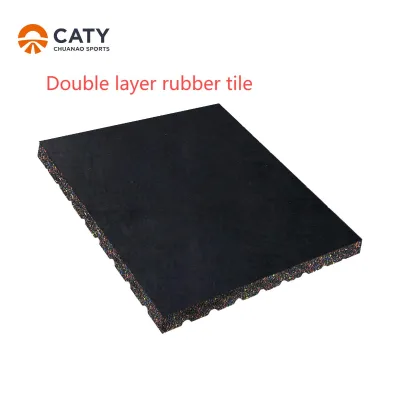
Main productsEPDM Granules, Running Track, Rubber Tiles, Rubber Rolls, Artificial Turf Infills
Main marketsWestern Europe(50.00%), Mid East(20.00%), Northern Europe(10.00%), North America(10.00%), Southeast Asia(10.00%), Africa(10.00%)
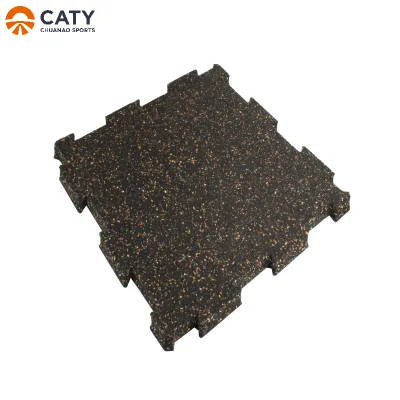
$15.4337 - $30.8659
MOQ: 200 Minimum
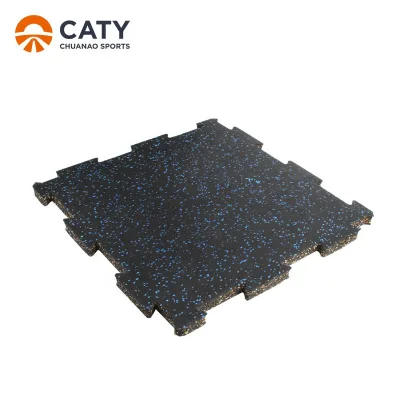
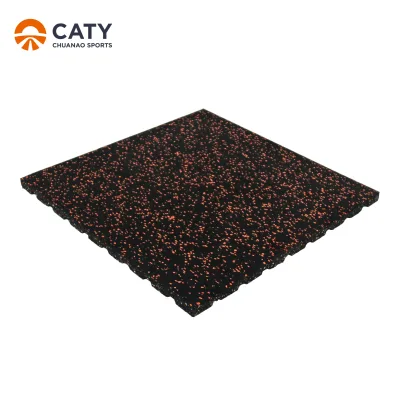
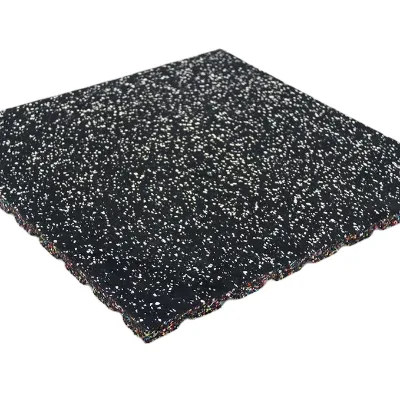
Dezhou Eagle Fitness Equipment Co., Ltd.
- Verified by SGS Group
- Trading Company
- Lead time20 days
- Avg. response≤ 3h
Main productsFITNESS EQUIPMENT , COMMERCIAL TREADMILL , EXERCISE BIKE , DUMBBEELL , MULTI FUNCTIONAL RACKS
Main marketsSouth America(20%), Domestic Market(20%), Eastern Europe(15%)
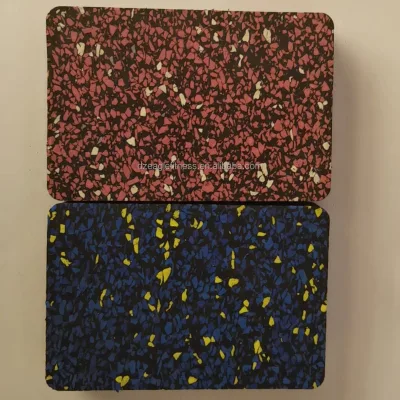
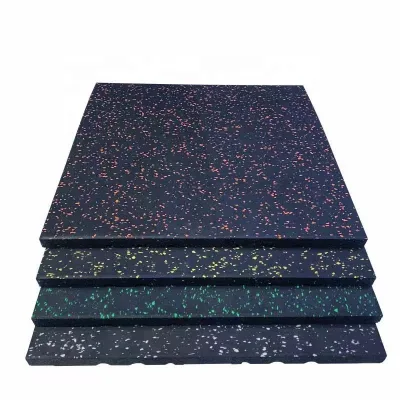
Professional Color Gym Rubber Flooring Interlocking Mat Rubber Tile
$17.8456 - $20.7851
MOQ: 20 square
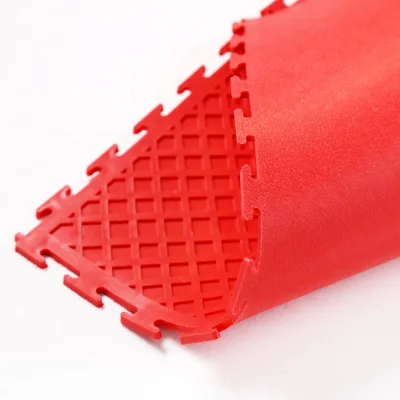
Factory Customized Plastic Flooring Interlocking Gym Flooring Interlocking
$3.00 - $4.80
MOQ: 1 pieces
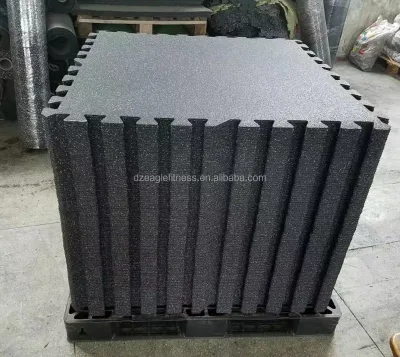
Gym Flooring Exercise Mat, Interlocking Foam Floor Mats With Rubber Top for Workout
$16.00 - $17.90
MOQ: 20
Qingdao Csp Industry And Trade Co., Ltd.
- Verified by SGS Group
- Manufacturer, Trading Company
- Lead time7 days
- Avg. response≤ 3h
Main productsArtificial Grass, Rubber Floor, EVA Mat, Dumbbells
Main marketsNorth America(20%), South America(10%), Eastern Europe(10%)

Qingdao Vantis New Material Co., Ltd
- Trading Company
- China Shandong
- Lead time0 days
- Avg. response≤ 2h
Main productsEVA Mat, Taekwondo Mats, Gym Rubber Flooring Mat, Judo Mats, EVA Puzzle Mat, Rubber Floor, Baby Play Mat, MMA Roll Mat
Jiangsu Shuangzhu Artificial Lawn Co., Ltd.
- Verified by TüVRheinland
- Trading Company
- Lead time15 days
- Avg. response≤ 2h
Main productsArtificial Grass, Rubber Flooring, Sports Flooring, Padel Court, Artificial Plant
Main marketsNorth America(30%), South America(20%), Domestic Market(20%)
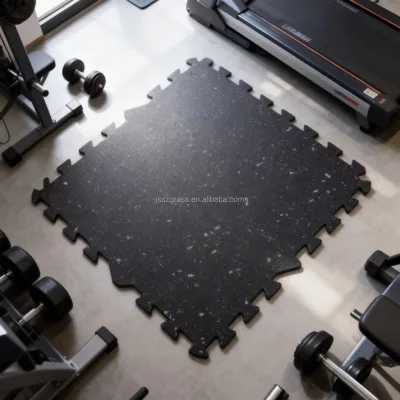
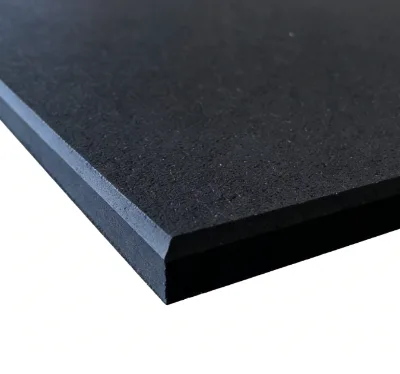
Premium Interlocking Rubber Floor - Multipurpose for Sports Court & Industrial Area
$3.6456 - $5.6063
MOQ: 1 pieces

Nanjing Demeters Rubber & Plastic Products Co., Ltd.
- Manufacturer/Factory
- China Jiangsu
- Lead time23 days
- Avg. response≤ 14h
Main productsIndustrial Rubber Sheet, Special Industrial Rubber Sheet, Anti-Slip Flooring, Livestock Rubber Mat, Insulation Rubber Sheet, Waterproof Rubber Sheet and Rubber Lining
Main marketsSouth America,Eastern Europe,Mid East,North America,Southeast Asia,Eastern Asia,Oceania,Western Europe,Africa

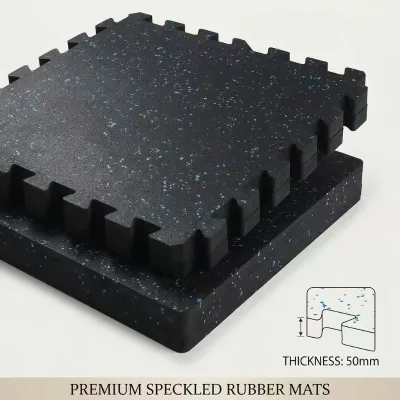
Anti-Skid Interlocking Rubber Tile Mat /Gym Rubber Flooring Sheet
$7.00 - $9.96
MOQ: 100 Square Meters

485mm*485mm*20mm Interlock Rubber Flooring /Rubber Tiles /Gym Rubber Mat
$7.00 - $9.96
MOQ: 100 Square Meters
Linyi Weiye New Materials Co., Ltd.
- Trading Company
- Shandong, China
- Lead time30 days
- Avg. response≤ 2h
Main productshomogeneous vinyl flooring,PVC flooring mat,anti slip PVC flooring mat,door mat,bathroom mat
Main marketsSouth America(20.00%), Southeast Asia(20.00%), Domestic Market(10.00%), Western Europe(10.00%), Eastern Asia(10.00%), Mid East(10.00%), Oceania(10.00%), North America(10.00%)
Guangdong Honghan Sports Material Co., Ltd.
- Verified by SGS Group
- Manufacturer, Trading Company
- Lead time7 days
- Avg. response≤ 3h
Main productsGym Rubber Mat, Outdoor Playground Rubber Mat, Puzzle Rubber Mat, Sound-proof Rubber Tile, Gym Ruber Roll
Main marketsDomestic Market(40%), Southeast Asia(30%), Eastern Europe(5%)
Qingdao Body Sport Facility Co., Ltd.
- Verified by SGS Group
- Manufacturer, Trading Company
- Lead time15 days
- Avg. response≤ 2h
Main productsBumper Plates, Barbell Plates, Dumbell, Kettlebell, Gym Flooring
Main marketsNorth America(20%), South America(10%), Eastern Europe(10%)
Jinan Gls Sporting Goods Co., Ltd.
- Trading Company
- Shandong, China
- Lead time30 days
- Avg. response≤ 4h
Main productsCardio Training,Strength Training,Fitness Accessories,Free weight,Yoga and Pilates
Main marketsSoutheast Asia(20.00%), North America(20.00%), Mid East(20.00%), Africa(10.00%), Eastern Asia(10.00%), Central America(5.00%), South Asia(5.00%), Northern Europe(3.00%), South America(3.00%), Domestic Market(2.00%), Oceania(2.00%)
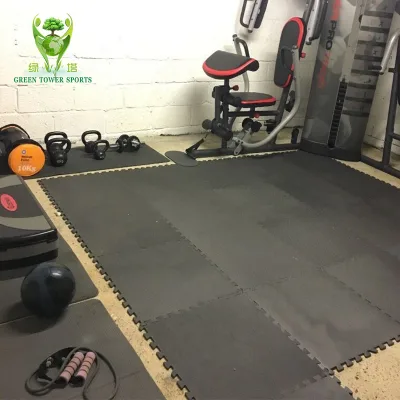
Guangzhou Green Tower Sports Facilities Co., Ltd.
- Verified by SGS Group
- Trading Company
- Lead time7 days
- Avg. response≤ 3h
Main productsArtificial Grass, Rubber Tile, Rubber Running Track, Plastic Interlocking Flooring, PVC Sports Flooring
Main marketsSoutheast Asia(20%), Northern Europe(10%), Western Europe(10%)
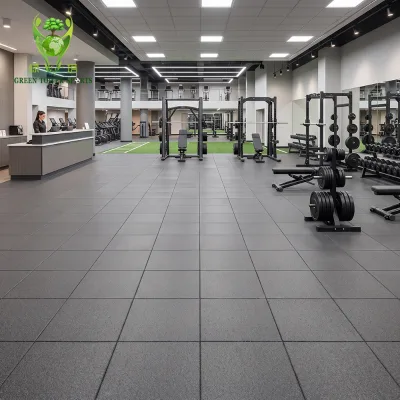
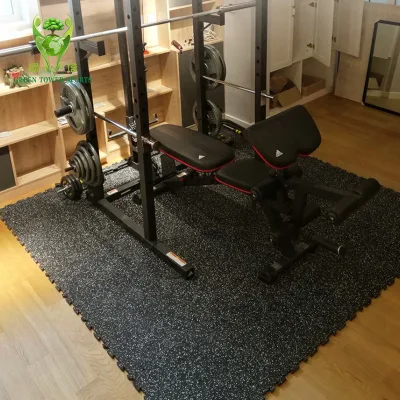
$12.3218 - $12.5271
MOQ: 50 square

Qingdao Hvsun Industry Co., Ltd.
- Verified by BV
- Trading Company
- China Shandong
- Lead time15 days
- Avg. response≤ 13h
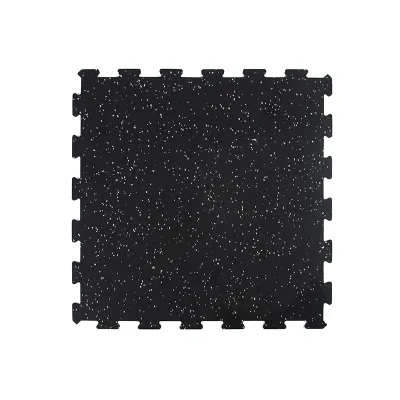
Main productsRubber Mat, Rubber Floor, Rubber Flooring, Rubber Tile, Gym Rubber Floor, Fitness Rubber Floor, Playground Rubber Tiles, Rubber Paver, Rubber Brick, Rubber Sheet
Main marketsEurope,Australia








Comprehensive Sourcing Guide
Interlocking Non-Toxic Gym Rubber Floor Supplier Concentration and Factory Types
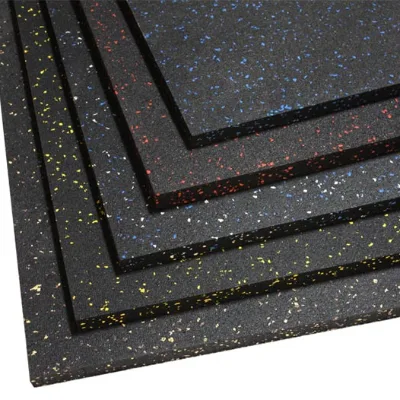
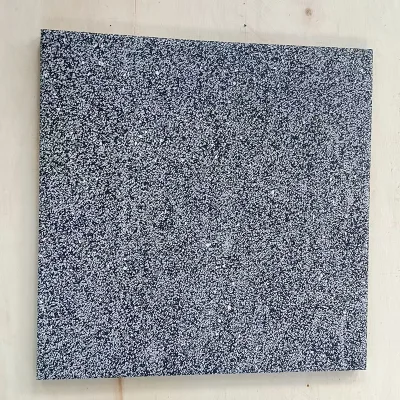
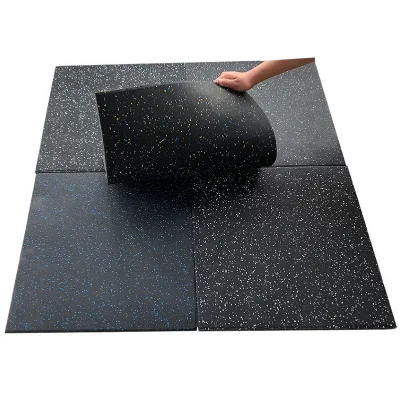
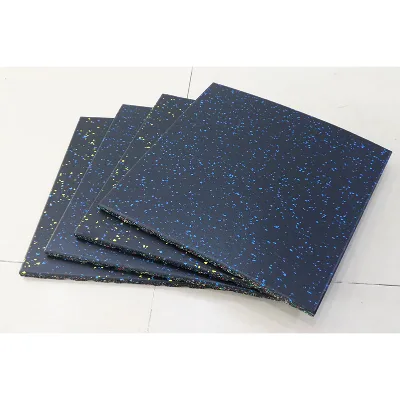
The current supplier landscape for interlocking non-toxic gym rubber flooring reveals a distinct concentration of manufacturing and trading entities within specific industrial regions. Data indicates that a significant portion of available suppliers are located in China Hebei, a region known for its robust rubber processing infrastructure. This geographic clustering suggests that buyers seeking direct factory access or competitive pricing should prioritize suppliers with verified origins in this area. The presence of these suppliers in Hebei provides a tangible anchor for assessing supply chain reliability, as regional specialization often correlates with established raw material sourcing networks and mature production capabilities. When evaluating potential partners, buyers should look for explicit location data in supplier profiles to confirm this geographic advantage. Suppliers listing Hebei as their origin are more likely to have streamlined logistics for heavy rubber products, potentially reducing freight costs and transit times compared to manufacturers in more distant industrial zones.
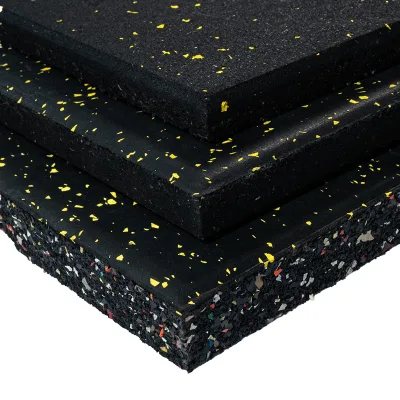
Beyond location, understanding the type of business entity is crucial for managing expectations regarding pricing, communication, and quality control. The observed results show a mix of Trading Companies and direct manufacturers, each offering distinct advantages for different procurement strategies. Trading companies often provide a broader catalog of fitness accessories, including gym mats and artificial grass, which can simplify sourcing for buyers looking to consolidate orders. However, they may add a margin to the final price. In contrast, factories specializing in rubber flooring might offer more customization options and lower unit costs for large volumes. Buyers must carefully review the company type listed in supplier profiles to determine if they are dealing with a middleman or the actual producer. This distinction impacts negotiation leverage and the ability to request specific material compositions, such as EPDM or recycled rubber blends, which are common in this product category.
How to Verify Interlocking Non-Toxic Gym Rubber Floor Suppliers
Verification is the first critical step in mitigating risk when sourcing interlocking non-toxic gym rubber flooring from international markets. Buyers should prioritize suppliers who have undergone third-party verification processes, as these audits provide an independent assessment of the company’s legitimacy and operational capacity. In the current results, some suppliers display verification badges from recognized agencies such as CTI and SGS. These certifications indicate that the supplier has met specific standards for business registration and operational integrity. However, buyers must understand that verification alone does not guarantee product quality or compliance with safety standards. It is essential to cross-reference these verification badges with specific product certifications. For instance, while a supplier may be verified as a legitimate business, the actual rubber flooring products must carry relevant safety and environmental certifications to ensure they are truly non-toxic and suitable for gym environments.
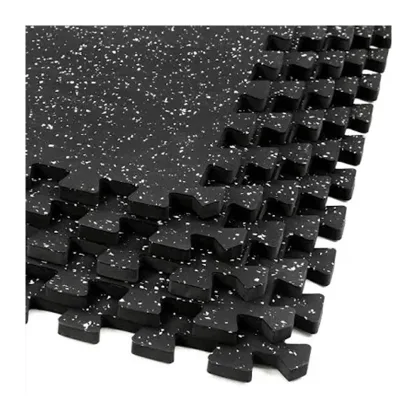
In addition to third-party verification, buyers should scrutinize the specific certifications listed for the products themselves. The data shows that many interlocking gym rubber floor tiles carry CE, ISO, and RoHS certifications. These marks are critical for ensuring that the materials used, such as EPDM rubber, do not contain harmful substances like heavy metals or volatile organic compounds. Buyers should request copies of these certificates and verify their validity with the issuing bodies. Furthermore, it is important to check if the supplier offers OEM or ODM services, as this indicates a level of manufacturing flexibility and technical capability. Suppliers that allow customization often have more advanced production lines and quality control measures in place. By combining verification badges with product-specific certifications and manufacturing capabilities, buyers can build a comprehensive profile of a supplier’s reliability and suitability for their specific sourcing needs.
What to Compare Across Interlocking Non-Toxic Gym Rubber Floor Suppliers
When evaluating multiple suppliers for interlocking non-toxic gym rubber flooring, buyers must compare key operational metrics to identify the best fit for their project requirements. One of the most significant differentiators is the minimum order quantity (MOQ). The observed data reveals a wide range, with some suppliers requiring as few as 50 pieces or 10 square meters, while others demand MOQs of 500 pieces or 100 square meters. This variance allows buyers with smaller budgets or pilot projects to test quality without committing to large volumes. However, higher MOQs often correlate with lower unit prices, so buyers should calculate the total landed cost, including freight, to determine the true economic advantage. Comparing MOQs helps buyers align their order size with their inventory capacity and cash flow constraints, ensuring they do not overstock or face stockouts.
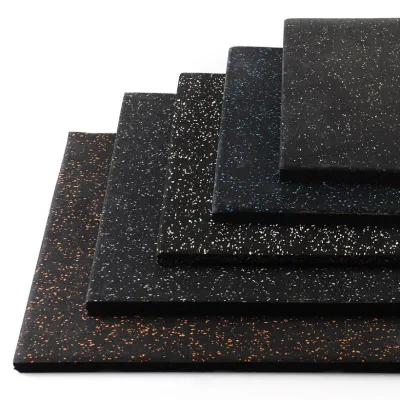
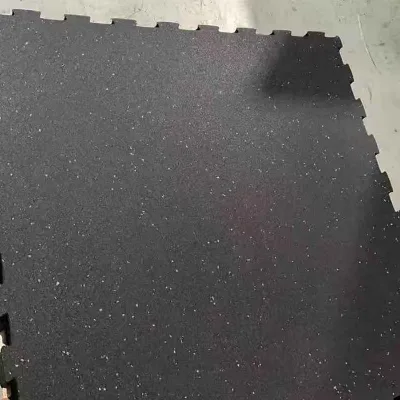
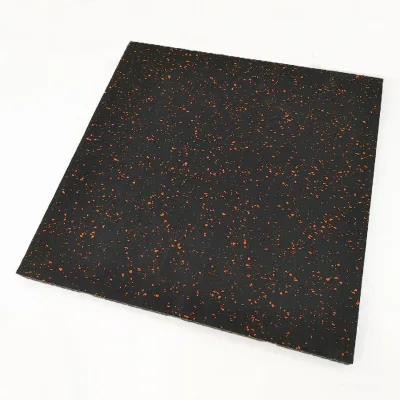
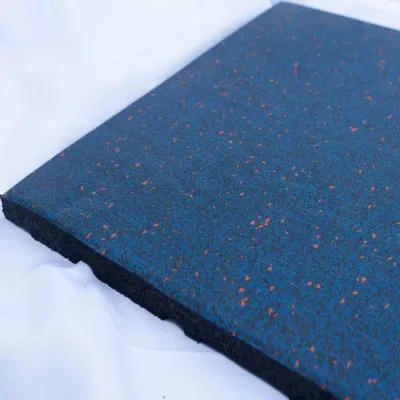
Another critical factor is the lead time and response speed of the supplier. The data indicates lead times ranging from 15 to 30 days, with some suppliers offering faster delivery windows of 5-15 days for specific items. Response times, measured in hours, also vary, with some suppliers responding within 2.48 hours and others taking longer. Faster response times often indicate a more agile sales team and better customer service, which is vital for resolving issues quickly. Buyers should also compare the thickness options available, as products range from 15mm to 50mm, with specific tolerances like +/-2mm. Thicker tiles offer better shock absorption but may cost more. Additionally, comparing the shape and size options, such as 485x485mm or 970x970mm, ensures the selected flooring fits the gym’s layout efficiently. By systematically comparing these operational details, buyers can select a supplier that balances cost, speed, and product specifications effectively.
Common Interlocking Non-Toxic Gym Rubber Floor Sourcing Risks
Sourcing interlocking non-toxic gym rubber flooring involves several inherent risks that buyers must actively manage to ensure product quality and project success. One major risk is the discrepancy between advertised material properties and the actual product received. While suppliers claim their products are non-toxic and made from EPDM, buyers must verify the material composition through independent testing. Some lower-cost options may use recycled rubber or synthetic blends that emit odors or contain harmful chemicals, contradicting the "non-toxic" claim. Buyers should request material safety data sheets (MSDS) and conduct third-party lab tests for volatile organic compounds (VOCs) before placing large orders. This step is crucial for protecting the health of gym users and avoiding potential liability issues associated with poor indoor air quality.
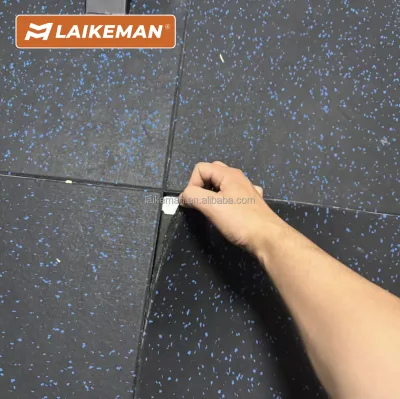
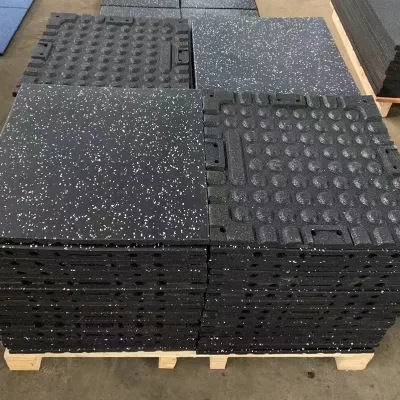
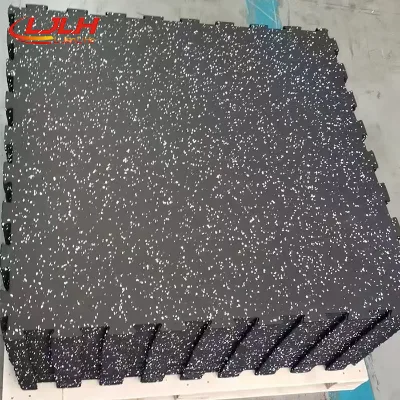
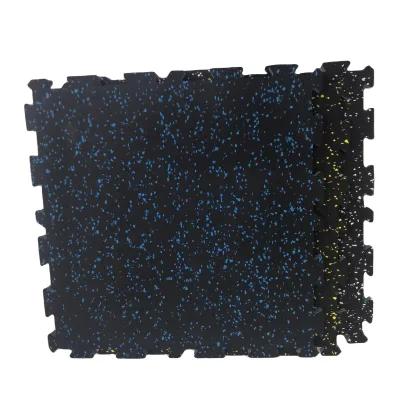
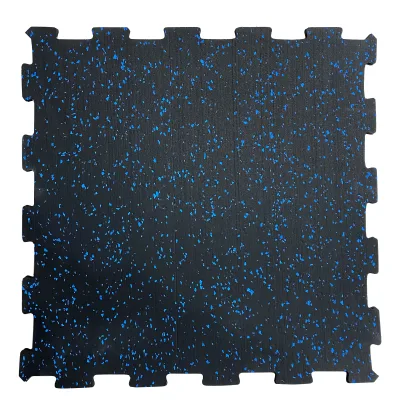
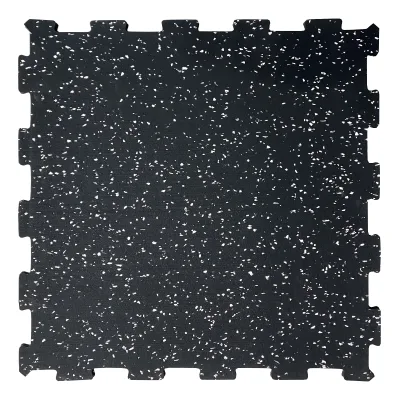
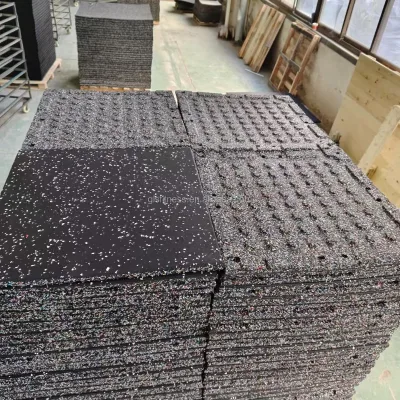
Another significant risk is the inconsistency in product dimensions and thickness. The data shows variations in standard sizes, such as 485x485mm or 50cm x 50cm, with thickness tolerances of +/-2mm. If a supplier fails to adhere to these tolerances, the interlocking mechanism may not fit properly, leading to gaps, tripping hazards, and an unprofessional appearance. Buyers should request samples to physically inspect the fit and finish of the tiles. Additionally, the durability of the flooring is a concern, with some suppliers claiming a service life of over 8 years. Buyers should verify these claims by reviewing wear resistance test results and customer feedback. Furthermore, packaging quality is often overlooked but critical; improper packing can lead to damaged tiles during transit. Buyers should ensure suppliers use robust palletizing and protective wrapping to minimize shipping damage and reduce the risk of receiving defective goods.
Interlocking Non-Toxic Gym Rubber Floor Regional Sourcing and Logistics
The geographic location of suppliers significantly impacts logistics costs and delivery timelines for interlocking non-toxic gym rubber flooring. As noted, many suppliers are concentrated in China Hebei, a region with well-developed manufacturing and export infrastructure. Sourcing from this area can offer logistical advantages due to proximity to major ports and established freight forwarding networks. Buyers should consider the total landed cost, which includes not only the product price but also freight, insurance, and customs duties. Shipping heavy rubber products can be expensive, so optimizing container space is essential. Interlocking tiles are designed to fit efficiently, but buyers must confirm the packing dimensions, such as 1.1x1.1x1.5m per pallet, to maximize container utilization. Working with suppliers who have experience in international shipping can help navigate customs regulations and reduce the risk of delays.
Logistics planning should also account for the lead time and delivery windows provided by suppliers. The data shows lead times ranging from 15 to 30 days, with some suppliers offering expedited options. Buyers should align their order placement with their project timelines to avoid delays in gym construction or renovation. It is advisable to choose suppliers with reliable track records for on-time delivery, as any delay can disrupt the entire project schedule. Additionally, buyers should consider the supplier’s ability to handle large volumes, as some have MOQs of 100 square meters or more. For larger projects, consolidating orders with a single supplier can simplify logistics and reduce administrative overhead. Buyers should also verify the supplier’s packaging standards to ensure products arrive in good condition, minimizing the need for returns or replacements. By carefully planning logistics, buyers can ensure a smooth and cost-effective sourcing process.
Interlocking Non-Toxic Gym Rubber Floor Commercial Terms and Order Planning
Commercial terms and order planning are pivotal for securing favorable pricing and ensuring a smooth transaction when sourcing interlocking non-toxic gym rubber flooring. The observed price ranges vary, with some products priced between $1.99 and $3.58 per unit, while others are quoted at $25.00 per unit, likely reflecting differences in thickness, material quality, or packaging. Buyers should request detailed quotations that break down costs, including unit price, freight, and any additional fees. Comparing prices across multiple suppliers helps identify market rates and negotiate better terms. It is also important to clarify payment terms, such as whether the supplier accepts escrow services or requires upfront deposits. Using secure payment methods protects buyers from fraud and ensures funds are released only upon satisfactory delivery.
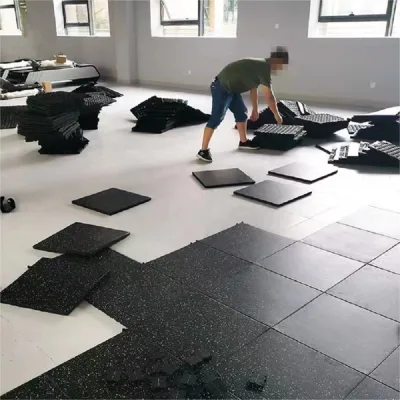
Order planning should also consider the supplier’s customization capabilities and sample policies. Many suppliers offer free samples, which is an excellent opportunity to evaluate product quality before committing to a large order. Buyers should take advantage of this to test the interlocking mechanism, material feel, and overall durability. Additionally, suppliers that offer OEM/ODM services can provide custom branding or specific product configurations, which may be necessary for large commercial projects. Buyers should confirm the lead time for custom orders, as these may take longer than standard products. Finally, buyers should establish clear communication channels with their chosen supplier to address any issues promptly. Regular updates on production status and shipping details help maintain project momentum and ensure timely delivery. By carefully managing commercial terms and order planning, buyers can achieve a successful sourcing outcome.
FAQs
What certifications are available for interlocking gym rubber floors?
Suppliers offer products certified with CE, ISO, and RoHS standards to ensure safety and quality compliance. These certifications confirm that the materials meet international regulatory requirements for environmental protection and non-toxic properties. Buyers should verify specific certificates for their target market to ensure full compliance with local import regulations and safety standards.
What is the typical lead time for these orders?
Manufacturers generally require 15 to 30 days to produce and ship interlocking gym rubber flooring. Some suppliers indicate a faster delivery window of 5 to 15 days for specific items. The exact timeline depends on order volume and customization needs, so buyers should confirm production schedules directly with the supplier before finalizing purchase agreements.
What is the minimum order quantity for these mats?
Minimum order quantities vary significantly, ranging from 50 pieces to 100 square meters depending on the supplier. Some vendors accept orders as low as 10 units, while others require larger bulk purchases. Buyers should check the specific MOQ for their chosen product size and thickness to ensure it aligns with their project requirements and budget constraints.
What thickness options are available for rubber gym tiles?
Common thickness options include 15mm, 20mm, and ranges extending up to 50mm. These variations allow buyers to select the appropriate shock absorption and durability for different gym applications. Custom thickness requests are often available, enabling precise specification for commercial clubs, schools, or home gyms requiring specific performance characteristics.
Are samples available for quality verification?
Many suppliers provide free samples to allow buyers to assess material quality and installation ease. This enables verification of features like anti-slip properties and non-toxic composition before committing to large orders. Buyers should contact suppliers directly to request samples, noting that shipping costs may apply depending on the vendor's specific policy.
Where are these gym flooring products manufactured?
These products are primarily manufactured in China, with specific production hubs located in Hebei province. This region is known for its rubber processing capabilities and competitive pricing. Buyers sourcing from this location should consider logistics and shipping times when planning their inventory and project timelines for delivery to international destinations.
What is the typical response time from suppliers?
Supplier response times generally range from 2.48 to 6.38 hours, indicating prompt communication availability. Fast response rates help buyers clarify technical specifications and negotiate terms efficiently. Buyers should expect timely replies during business hours, which facilitates smoother coordination for custom orders and urgent project requirements.