Indoor Kids Gymnastics Bar Suppliers and Manufacturers
Explore 18 verified options for Indoor Kids Gymnastics Bar from Zhejiang and Guangdong factories. Compare lead times, MOQs, and response rates to source steel equipment with adjustable heights. Request quotes directly from suppliers; review the available evidence before requesting comparable quotations from suitable candidates.
Updated
Suppliers List

Hangzhou Qingchun Fitness Equipment Co., Ltd.
- Manufacturer, Trading Company
- Zhejiang, China
- Lead time35 days
- Avg. response≤ 4h
Main productskids gym,Fitness equipment,gymnastics bar,Pull-up Station,Hammock
Main marketsEastern Asia(40.00%), North America(25.00%), Western Europe(10.00%), Northern Europe(6.00%), Southern Europe(6.00%), South Asia(3.00%), South America(2.00%)
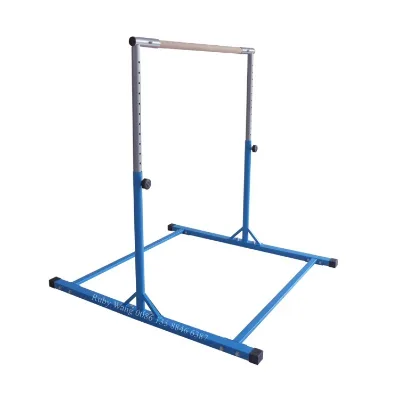
Factory Indoor Gymnastics Equipment Kids Gymnastics Bar Horizontal Bar
$66.737 - $69.8174
MOQ: 280 pieces
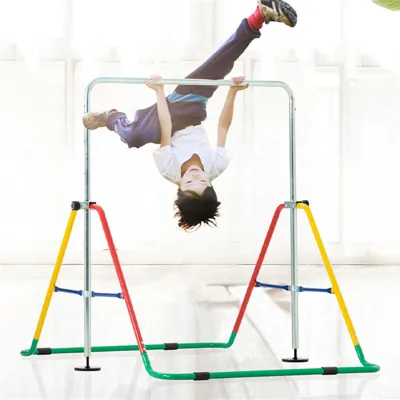
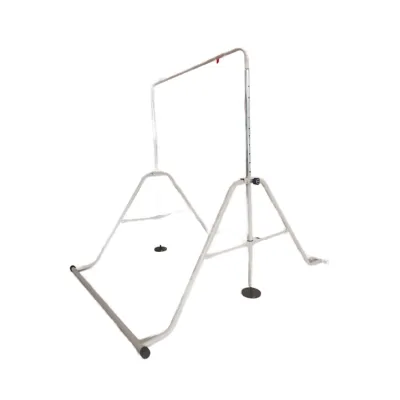
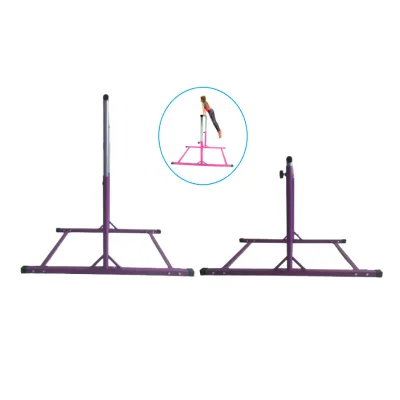
Horizontal Bar Gymnastics for Kids Pull Up Bar Training Bar Height Adjustable
$66.737 - $71.3569
MOQ: 280 pieces
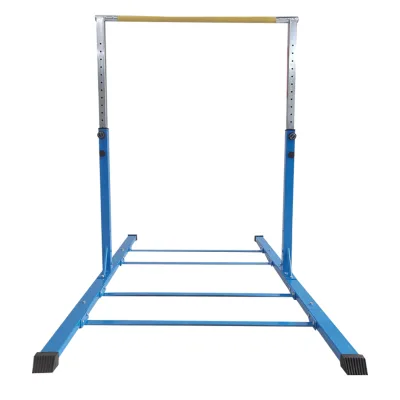
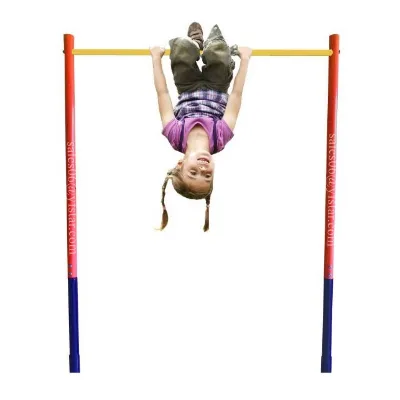
Indoor Junior Kids Professional Gymnastic Bar Heavy Duty Height Adjustable
$94.9332 - $98.1185
MOQ: 200 sets

Shenzhen LDK Industrial Co., Ltd.
- Verified by CTI
- Combined
- China Guangdong
- Lead time45 days
- Avg. response≤ 5h
Main productsFootball Equipment, Basketball Equipment, Gymnastics Equipment, Gymnastics Mat, Indoor Fitness Equipment, Outdoor Fitness Equipment, Padel Court, Paddle Tennis Court, Spinning Bike, Treadmill
Main marketsSouth America,Africa,Southeast Asia/ Mideast,East Asia(Japan/ South Korea),Europe,Australia,North America

Adjustable Indoor Gymnastics Bar Training Equipment Kids Horizontal Bar
$1100.00 - $1450.00
MOQ: 5 Pieces

Horizontal Bar Gymnastics Ballet Bar Adjustable Height Kids Gymnastics Bar
$41.90 - $48.50
MOQ: 2 Pieces


Commercial Kids Parallel Bars for Gymnastics Training & Preschool Sports Centers
$900.00 - $1000.00
MOQ: 4 Pieces

Popular Adjustable Height Kids Indoor Gymnastic Horizontal Bar for Sale
$99.00 - $165.00
MOQ: 10 Pieces

Cangzhou Chuangwen Sports Equipment Co., Ltd.
- Manufacturer, Trading Company
- Hebei, China
- Lead time15 days
- Avg. response≤ 4h
Main productsBalance beam,High and low bars,Sponge pad,Physical fitness slope,Gymnastics horizontal bar
Main marketsEastern Europe(40.00%), North America(30.00%), South America(30.00%)
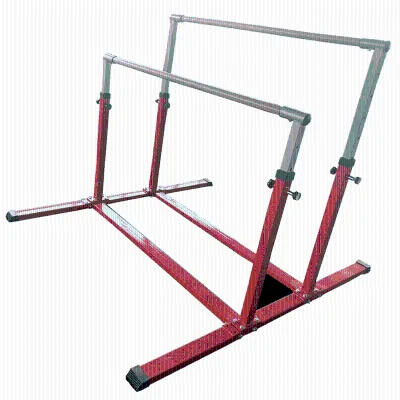
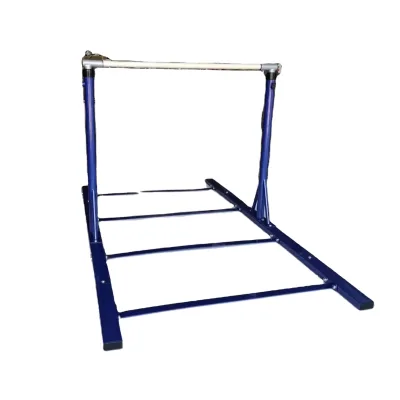
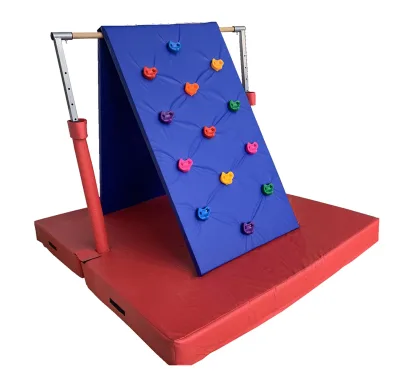
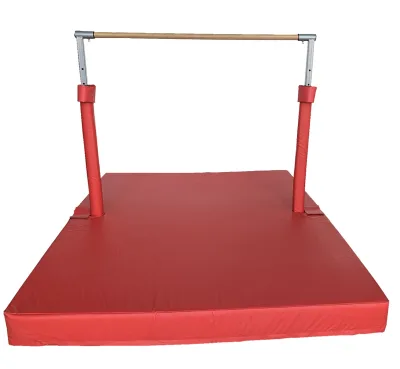
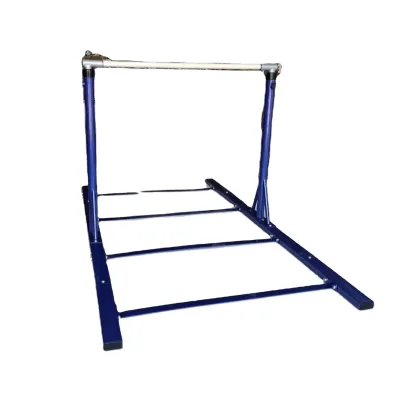
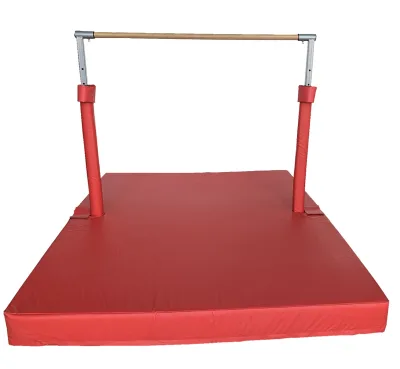
High Quality Safly Fun Adjustable Gymnastics Horizontal Bar for Kids
$170.90 - $199.90
Cangzhou Maidong Sports Equipment Co., Ltd.
- Verified by Intertek
- Manufacturer, Trading Company
- Lead time15 days
- Avg. response≤ 3h
Main productsGymnastics Equipment, Gym Mats, Children Sport Products, Ninja Obstacle Course
Main marketsNorth America(30%), Eastern Europe(15%), Southeast Asia(10%)
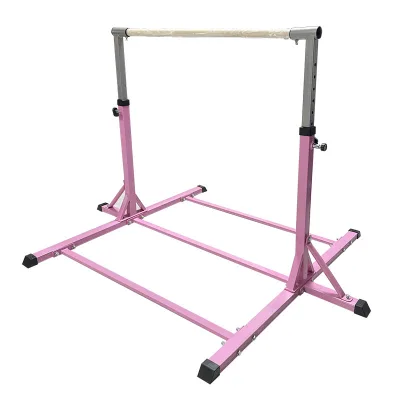
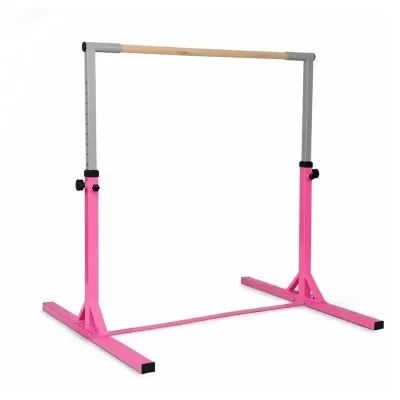
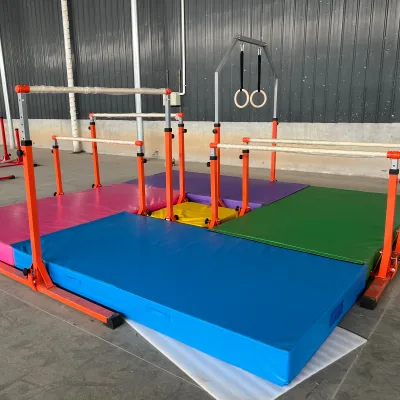
$1218.4592 - $1372.7078
MOQ: 1 sets
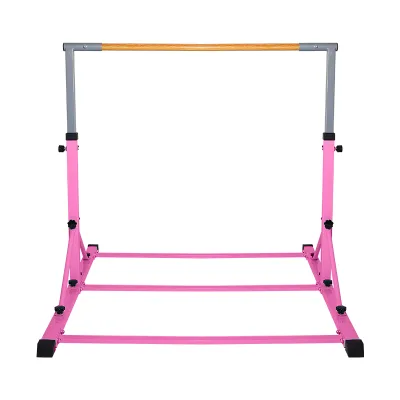
$62.3719 - $74.8466
MOQ: 20 sets

Yongkang Chaoyuan Housewares Co., Ltd.
- Verified by SGS
- Combined
- China Zhejiang
- Lead time15 days
- Avg. response≤ 12h
Main marketsSouth America,Southeast Asia/ Mideast,Domestic,Europe,Australia,North America


Stable Gym Horizontal Bars Adjustable Height Kids Gymnastics Bar Steel Horizontal Bar
$26.00 - $31.00
MOQ: 1 Sets

Adjustable Height Children's Horizontal Bar - Foldable Gymnastics Equipment for Home
$26.00 - $31.00
MOQ: 1 Sets

Durable High Quality Children's Horizontal Bar for Gymnastics with Adjustable Frame
$26.00 - $31.00
MOQ: 1 Sets
Shenzhen Ldk Industrial Co., Limited
- Verified by SGS Group
- Manufacturer, Trading Company
- Lead time25 days
- Avg. response≤ 3h
Main productsSoccer Cages, Basketball Hoops, Padel Courts/ Squash Courts/Pickleball Courts, Artificial Grass, Gymnastics Equipment
Main marketsNorth America(15%), South America(15%), Southeast Asia(10%)
$534.7742 - $592.036
MOQ: 1 sets
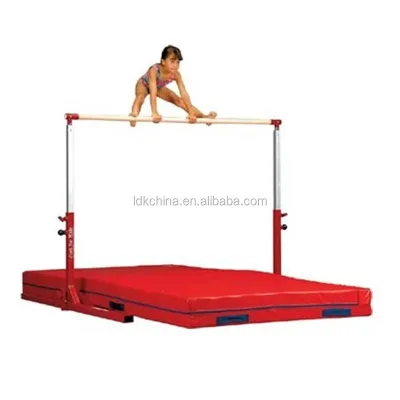
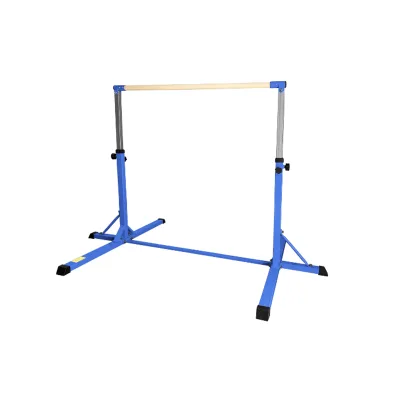
Children's Gymnastic bar Indoor Floor Horizontal Bars Indoor Home Gymnastics Horizontal bar Rail
$99.00 - $149.00
MOQ: 1 sets
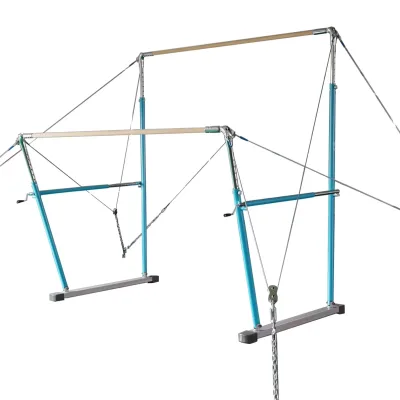
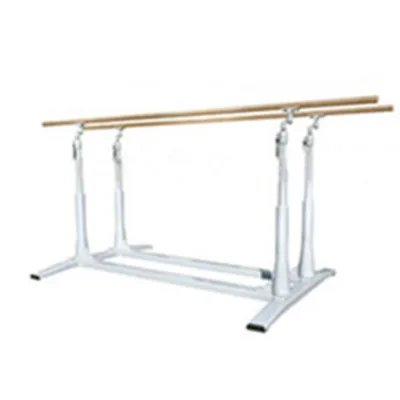
LDK Sport Equipment Training Rhythmic Gymnastics Parallels Bars for Kids
$1025.6848 - $1494.8912
MOQ: 1 sets
Yongkang City Hecheng industry and trade Co., LTD
- Manufacturer, Trading Company
- Zhejiang Province, China
- Lead time15 days
- Avg. response≤ 2h
Main productsSPINNING,treadmill,dumbbell bench,rowing machine,Mini stepper
Main marketsNorth America(40.00%), Southeast Asia(34.00%), Africa(5.00%), Mid East(5.00%), Central America(3.00%), South Asia(3.00%), South America(2.00%), Eastern Europe(2.00%), Oceania(1.00%), Eastern Asia(1.00%), Western Europe(1.00%), Northern Europe(1.00%), Southern Europe(1.00%), Domestic Market(1.00%)
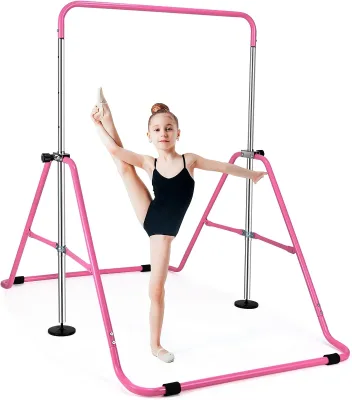
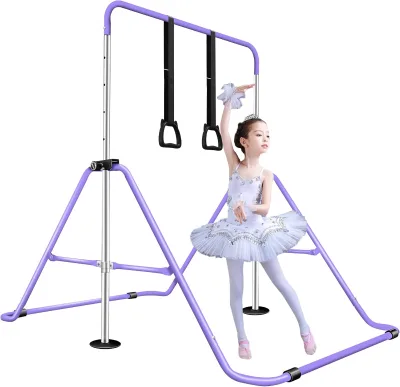
$23.5868 - $25.6824
MOQ: 10 pieces
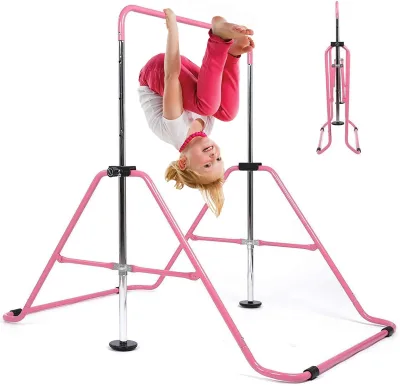
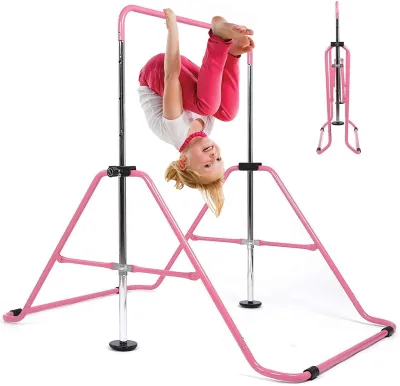
Gymnast bar for Home Gymnastic bar Pull up bar Gym Equipment
$21.00 - $23.00
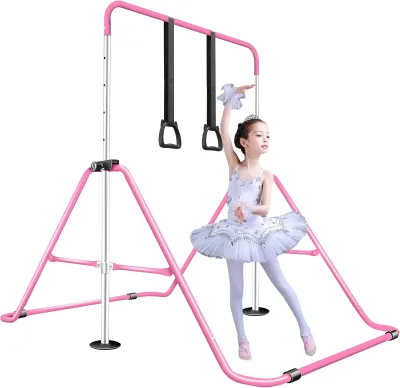
$23.5868 - $25.6824
MOQ: 10 pieces
Shandong Aofan Sports Equipment Co., Ltd.
- Manufacturer, Trading Company
- Shandong, China
- Lead time15 days
- Avg. response≤ 3h
Main productsGym folding mat,The judo MATS,wrestling mat,Pole vault spongy mat,Back over spongy cushion
Main marketsSouth Asia(10.00%), Eastern Asia(10.00%), Northern Europe(5.00%)
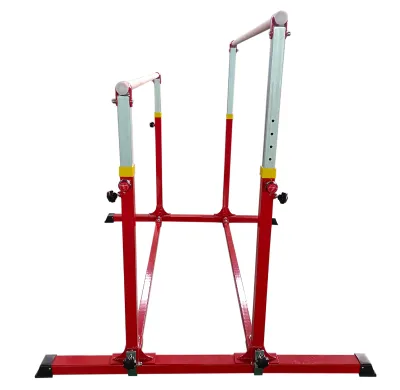
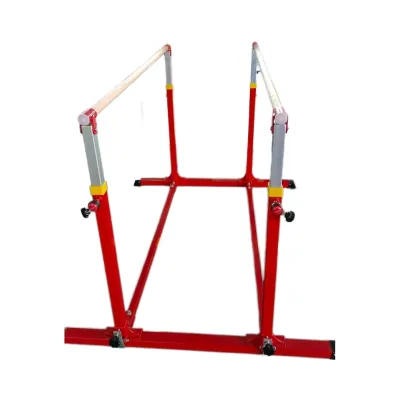
Adjustable Steel Gymnastics Uneven Bar for Kids Gymnastics Equipment
$330.00 - $350.00
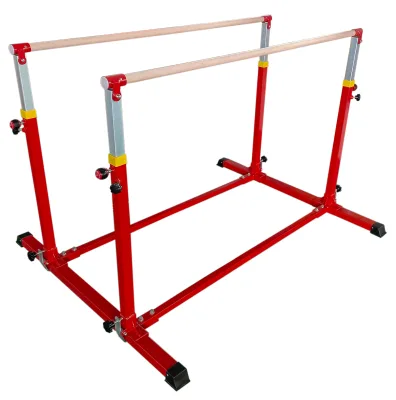
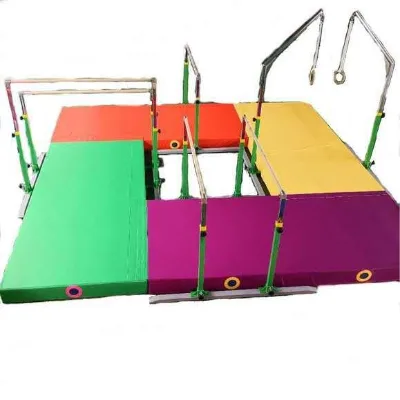
$1750.00 - $1800.00
MOQ: 1 pieces
HEBEI QIFAN SPORTS INDUSTRY CO., LTD.
- Manufacturer, Trading Company
- Hebei, China
- Lead time0 days
- Avg. response≤ 3h
Main productsPadel court, Fitness equipment, Football court, Squash court, Padel rackets
Main marketsDomestic Market(54.00%), Oceania(10.00%), South America(10.00%), Central America(8.00%), Northern Europe(5.00%), Mid East(5.00%), North America(5.00%), Western Europe(3.00%)
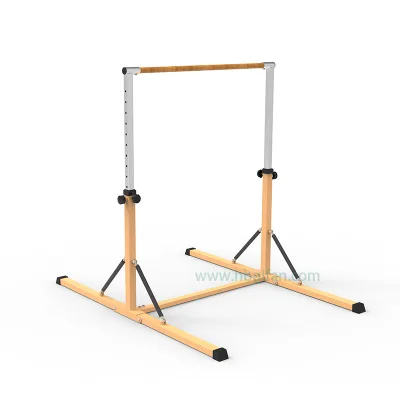
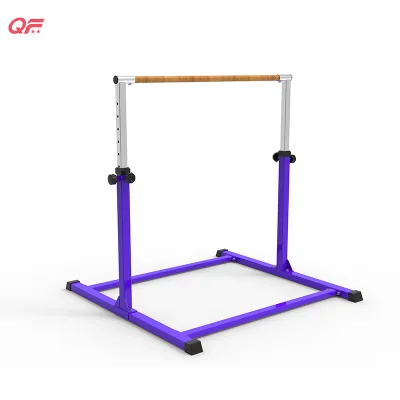
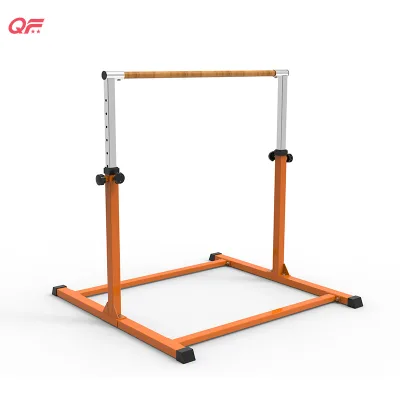
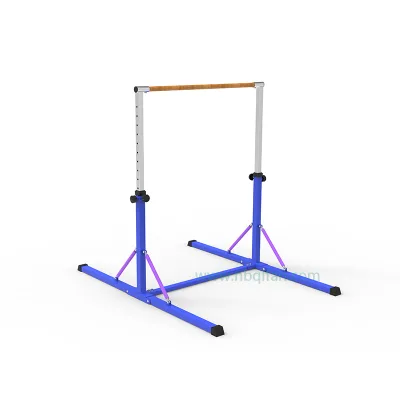
Best Sale Outdoor Indoor Gymnastic Equipment Horizontal Bar for Kids
$110.00 - $135.00

Nantong Get-Fit Sports Co., Ltd.
- Verified by TUVRHEINLAND
- Combined
- China Jiangsu
- Lead time30 days
- Avg. response≤ 3h
Main productsDumbbell, Weight Plate, Barbell, Gym Machine, Maquinas De Gimnasio, Pilates Reformer, Kettlebell, Gym Equipment, Fitness Equipment, Gym
Main marketsSouth America,Southeast Asia/ Mideast,East Asia(Japan/ South Korea),Europe,Australia,North America

Adjustable Kids Horizontal Pull up Bar Indoor Home Gym Fitness Workout Bar
$27.00 - $29.00
MOQ: 50 pieces

Durable Gym Horizontal Bars Adjustable Height Kids Gymnastics Bar Steel Horizontal Bar
$31.00 - $33.00
MOQ: 50 pieces

Adjustable Kids Gymnastics Bar Free Standing Pull up Bar for Home Training
$31.00 - $33.00
MOQ: 50 sets
Yanshan Fitting Sport Equipment Manufacturing Co., Ltd.
- Verified by SGS Group
- Manufacturer, Trading Company
- Lead time7 days
- Avg. response≤ 5h
Main productsGymnastics equipment , Soccer goal, Basketball hoop, Pickleball post, Tennis post
Main marketsNorth America(20%), South America(20%), Western Europe(15%)
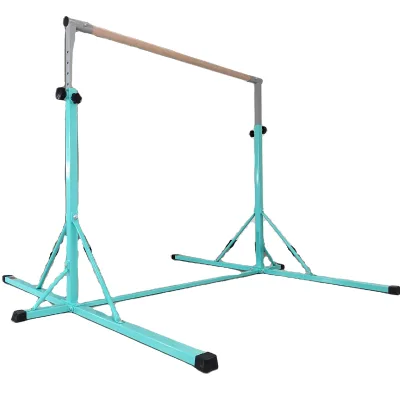
Free Standing Kids/children Gymnastic Horizontal Bar
$64.00 - $74.00
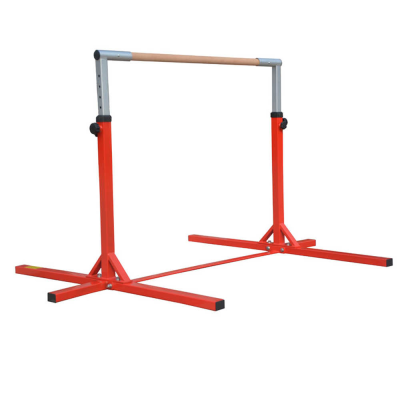
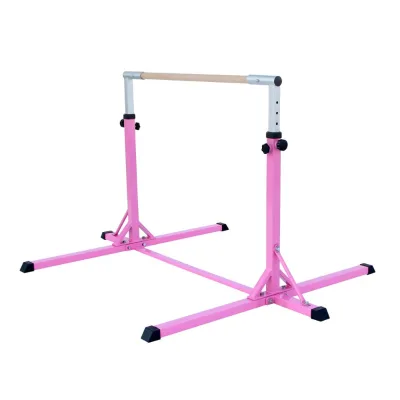
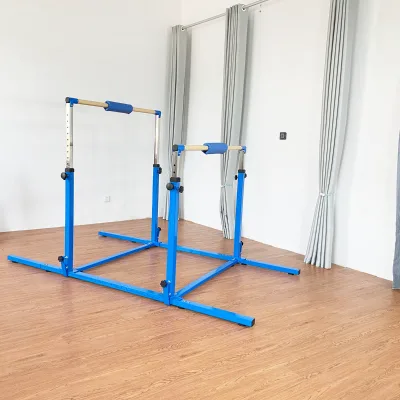
Home Use Kids Parallel Bars for Gymnastics Exercise Sports & Entertainment Product for Children
$700.00 - $850.00
MOQ: 10
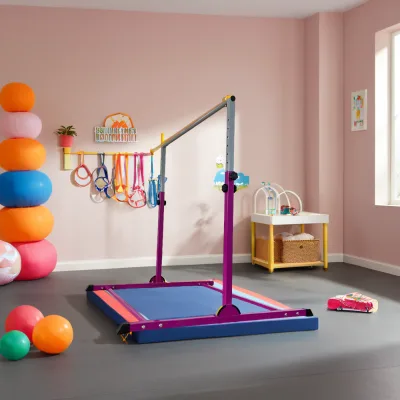
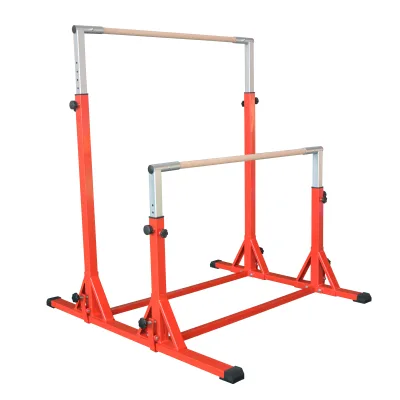
Adjustable Junior Uneven Bars for Kids Gymnastic Training Equipment in Sports & Entertainment
$700.00 - $850.00
MOQ: 10

- Verified by BV
- Trading Company
- China Anhui
- Lead time30 days
- Avg. response≤ 15h
Main productsDumbbell, Cast Iron Plate, Chrome Bar, Fitness Equipment, Traing Set
Main marketsSouth America,Africa,Southeast Asia/ Mideast,East Asia(Japan/ South Korea),Europe,Australia,North America

Customization Adjustable Children Kids Gymnastic for Uneven Bars Gymnastics Equipment
$87.49 - $93.89
MOQ: 2 Sets


Jinyun Haobai Fitness Equipment Co., Ltd.
- Manufacturer, Trading Company
- Zhejiang, China
- Lead time30 days
- Avg. response≤ 13h
Main productssupine board,Electric handstand,children's horizontal bar,Weight lifting bed
Main marketsNorth America(50.00%), Eastern Asia(50.00%)
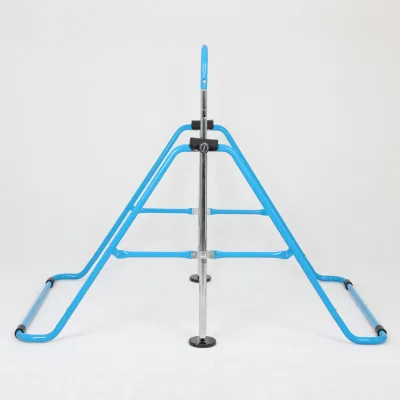
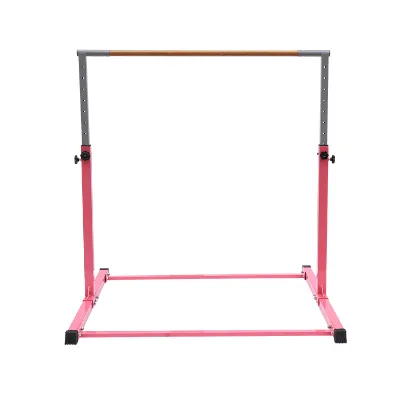
Gymnastics Training Bar- Height Adjustable 85 to 129.5 cm Kids Horizontal Bar
$24.06 - $26.31
MOQ: 200 pieces
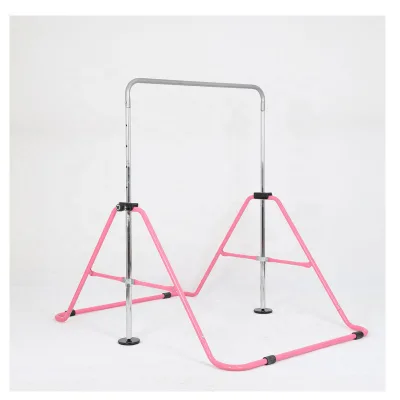
$20.50 - $28.00
MOQ: 2 pieces
Yancheng Leerpoo Import And Export Co., Ltd.
- Trading Company
- Jiangsu, China
- Lead time20 days
- Avg. response≤ 4h
Main productsfitness products,fitness wears,yoga products,gym training products,outdoor products
Main marketsNorthern Europe(30.00%), North America(20.00%), Southern Europe(10.00%), Western Europe(10.00%), South America(10.00%), Southeast Asia(10.00%), Eastern Asia(6.00%), Central America(4.00%)
Cangzhou Legend Sports Technology Company Limited
- Verified by SGS Group
- Manufacturer, Trading Company
- Lead time30 days
- Avg. response≤ 2h
Main productsOutdoor Fitness Equipment, Padel Court
Main marketsDomestic Market(80%), North America(10%), Western Europe(10%)
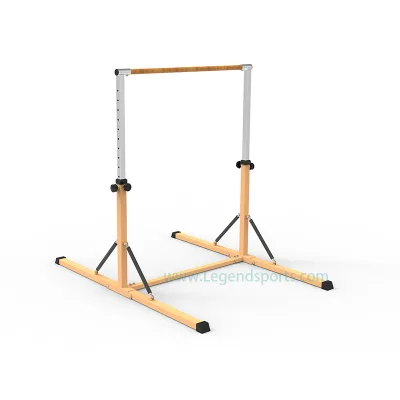
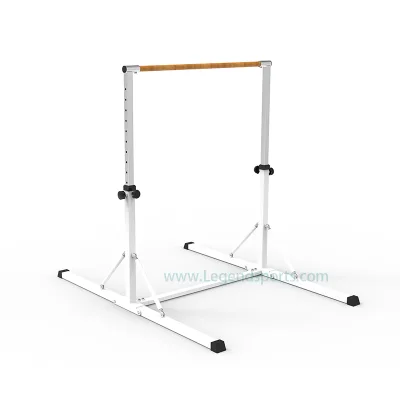
Super Easy Folding Gymnastics Bar, Adjustable Gymnastics Kip Bar for Kids
$113.6392 - $139.467
MOQ: 2 sets
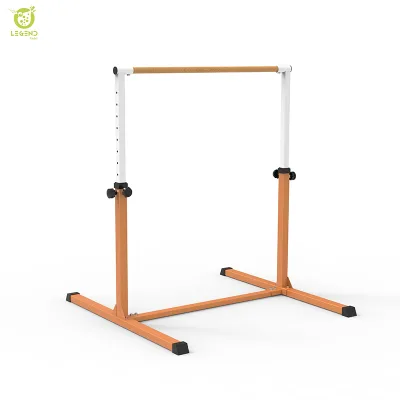
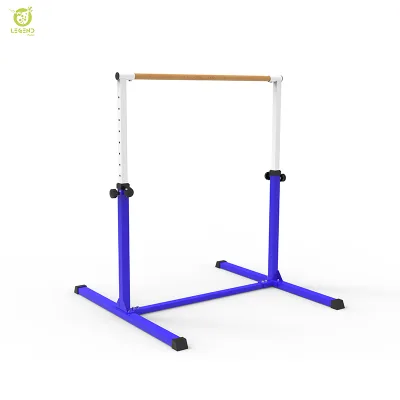
High Quality Height Adjustable Kids Gymnastics Horizontal Bar for Sale
$113.3274 - $139.0847
MOQ: 2 sets
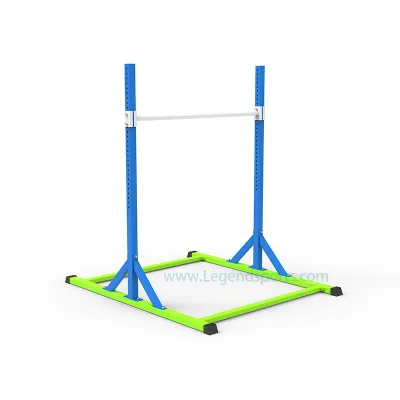
Ningbo E Best Leisure Product Co., Ltd.
- Verified by Intertek
- Trading Company
- Zhejiang, China
- Lead time30 days
- Avg. response≤ 6h
Main productsPet Training Supplies, Pilates Reformer , Gymnastic Bar
Main marketsNorth America(50%), South America(17%), Eastern Europe(15%)
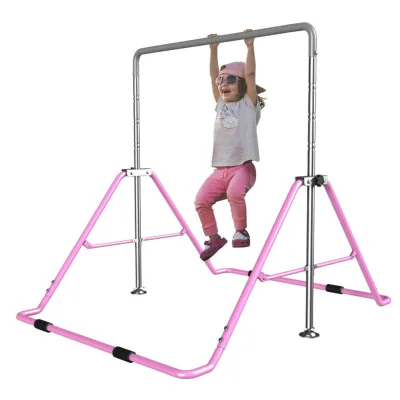
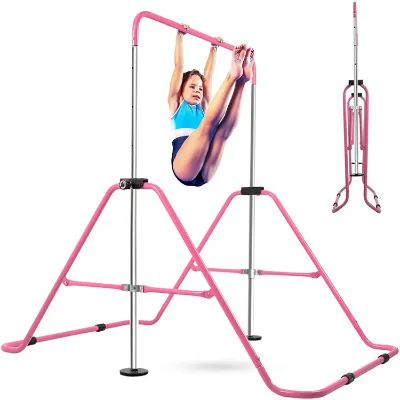
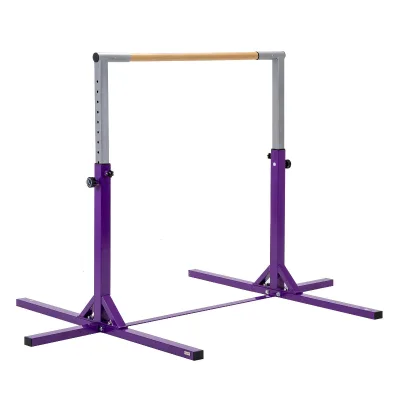
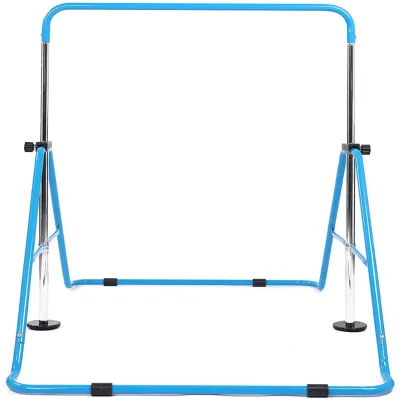
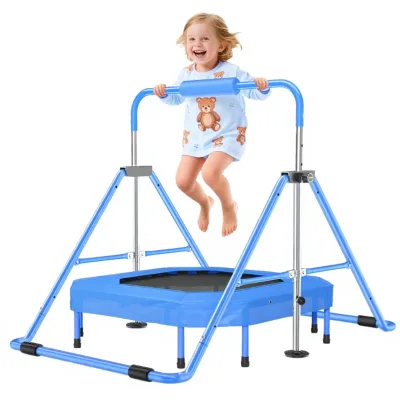
130cm Adjustable for Kids Exercise Gymnastic Bar Horizontal Sports Gym Home Gym Equipment
$25.4081
MOQ: 500 Minimum
Jiangsu Xingyu Outdoor Leisure Products Co., Ltd.
- Verified by TüVRheinland
- Manufacturer, Trading Company
- Lead time30 days
- Avg. response≤ 4h
Main productsSoccer Goal, Basketball Stand, Ball Pump, Hammock, Gymnastic Mat
Main marketsDomestic Market(49%), North America(15%), Western Europe(8%)
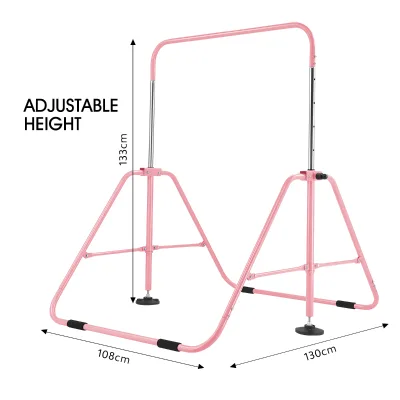
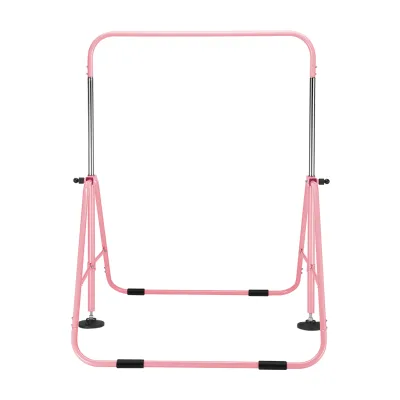
Mini Artistic Gymnastics bar and Beam for Tall 8 Years Old
$35.00 - $39.00
Shanghai Gaohao Sports Co.,Ltd
- Trading Company
- Shanghai, China
- Lead time20 days
- Avg. response≤ 6h
Main productsSports & Entertainment,gymnastic,fitness,football,martial artist
Main marketsOceania(20.00%), Central America(20.00%), North America(15.00%), Southern Europe(10.00%), Eastern Europe(10.00%), South America(5.00%), Western Europe(5.00%), Africa(5.00%), Eastern Asia(5.00%), Mid East(5.00%)
Comprehensive Sourcing Guide
Indoor Kids Gymnastics Bar Supplier Concentration and Factory Types
The current supplier landscape for indoor kids gymnastics bars reveals a distinct concentration of manufacturing activity within Zhejiang, China. This region serves as a primary hub for producers specializing in strength training equipment, including horizontal bars and parallel bars designed for children. The presence of these manufacturers indicates a mature supply chain capable of handling the specific material and structural requirements of gymnastics equipment. Buyers evaluating this market should note that the majority of available options originate from this specific geographic cluster, which suggests established logistics networks and specialized labor pools focused on fitness hardware. Understanding this concentration helps in narrowing down potential partners, as suppliers in this area are likely to have deeper expertise in steel fabrication and safety standards relevant to children's fitness gear.
In addition to pure manufacturing entities, the market includes trading companies and combined business models that offer a broader range of product lines. Some suppliers list themselves as manufacturers, while others operate as trading companies or combined entities that may source from multiple factories. This diversity in company types affects the buyer’s approach to engagement. Manufacturers often provide more direct control over production processes and customization options, such as OEM services, which are explicitly mentioned in product attributes for certain models. Trading companies, on the other hand, might offer a wider variety of related products, such as gymnastics mats or other fitness equipment, potentially simplifying the procurement process for buyers seeking a comprehensive solution. Recognizing these distinctions is crucial for determining whether a supplier can meet specific volume or customization needs.
How to Verify Indoor Kids Gymnastics Bar Suppliers
Verification is a critical step in ensuring the reliability of suppliers offering indoor kids gymnastics bars. Buyers should prioritize suppliers who display specific verification badges, such as CTI verification, which indicates that a third-party inspection has been conducted to validate the supplier’s business credentials and operational capabilities. This level of verification provides a baseline of trust, reducing the risk of engaging with fraudulent or non-existent entities. In the absence of such badges, buyers must conduct more rigorous due diligence, which may include requesting business licenses, factory audit reports, or references from previous clients. The presence of a verified status is a strong indicator of a supplier’s commitment to transparency and quality, making it a key factor in the initial screening process.
Beyond verification badges, buyers should assess the supplier’s responsiveness and communication efficiency. Response time is a significant metric that reflects the supplier’s operational readiness and customer service quality. In the current market, response times vary, with some suppliers demonstrating rapid engagement capabilities while others may take longer to provide detailed quotations or technical specifications. A quick response time often correlates with a well-organized internal team that can handle inquiries and order processing efficiently. Buyers should also look for suppliers who provide detailed product information, including model numbers, material specifications, and customization options. Suppliers that are transparent about their production capabilities and willing to provide comprehensive product data are more likely to be reliable partners for long-term sourcing relationships.
What to Compare Across Indoor Kids Gymnastics Bar Suppliers
When evaluating multiple suppliers for indoor kids gymnastics bars, buyers must compare key operational metrics to identify the most suitable partner. One of the primary factors is the Minimum Order Quantity (MOQ), which varies significantly across different suppliers. For instance, some suppliers may require an MOQ of 200 pieces, while others might set the threshold at 280 or even 500 pieces. This variation can impact the buyer’s inventory management and cash flow, especially for smaller orders or new market entries. Buyers should align their order volumes with the supplier’s MOQ requirements to avoid unnecessary costs or production delays. Additionally, comparing the price ranges is essential, as costs can differ based on material quality, customization options, and order volume. Understanding these financial parameters helps in budgeting and negotiating favorable terms.
Another critical aspect to compare is the lead time and production capacity. Lead times can range from 35 to 50 days, depending on the supplier’s current workload and the complexity of the order. Suppliers with shorter lead times may be more attractive for buyers with tight delivery schedules, while those with longer lead times might offer more competitive pricing or higher customization flexibility. Buyers should also consider the supplier’s main product focus; some specialize in gymnastics equipment, while others offer a broader range of fitness products. This specialization can influence the quality and expertise provided. Furthermore, comparing the available customization options, such as OEM services and color choices, allows buyers to tailor products to their specific market needs. A thorough comparison of these factors ensures a balanced decision that considers both cost and operational efficiency.
Common Indoor Kids Gymnastics Bar Sourcing Risks
Sourcing indoor kids gymnastics bars involves several potential risks that buyers must actively manage to ensure a smooth procurement process. One significant risk is the variability in product quality and safety standards. Since these products are designed for children, strict adherence to safety regulations is paramount. Buyers must verify that suppliers comply with relevant international safety standards and conduct appropriate testing to ensure the equipment is durable and safe for young users. Failure to do so can result in product recalls, legal liabilities, and damage to the buyer’s brand reputation. Additionally, the risk of miscommunication regarding product specifications, such as dimensions, materials, and customization details, can lead to discrepancies between the ordered and delivered goods. Clear and detailed communication is essential to mitigate this risk.
Another common risk is the potential for supply chain disruptions, which can affect lead times and delivery schedules. Factors such as raw material shortages, production bottlenecks, or logistical challenges can delay order fulfillment. Buyers should assess the supplier’s ability to handle such disruptions and their contingency plans for maintaining production continuity. Furthermore, the risk of currency fluctuations and changes in shipping costs can impact the final landed cost of the products. Buyers should consider these financial variables when negotiating prices and planning their budgets. By identifying and addressing these risks proactively, buyers can establish more resilient sourcing strategies and protect their interests in the competitive gymnastics equipment market.
Indoor Kids Gymnastics Bar Regional Sourcing and Logistics
The regional concentration of suppliers in Zhejiang, China, offers distinct advantages for sourcing indoor kids gymnastics bars. This location is well-connected to major shipping ports, facilitating efficient export logistics and reducing transit times to international markets. Buyers benefit from the established infrastructure in this region, which includes reliable freight forwarding services and customs clearance processes. Understanding the logistical landscape of Zhejiang helps buyers plan their supply chain more effectively, ensuring timely delivery and minimizing storage costs. Additionally, the proximity of suppliers to raw material sources, such as steel, can contribute to cost efficiencies and consistent material quality. Buyers should leverage this regional advantage by coordinating closely with suppliers to optimize shipping schedules and consolidate orders where possible.
However, buyers must also consider the logistical implications of sourcing from different regions, such as Guangdong, China, which also hosts some suppliers. While Zhejiang is a primary hub, Guangdong offers alternative options with potentially different logistical profiles. Buyers should compare the shipping routes, transit times, and associated costs from both regions to determine the most cost-effective solution for their specific needs. Furthermore, the choice of region can impact the supplier’s ability to handle large volumes or complex customization requests. Buyers should evaluate the logistical capabilities of each potential supplier, including their experience with international shipping and their ability to manage documentation and compliance requirements. A thorough understanding of regional logistics enables buyers to make informed decisions that balance cost, speed, and reliability.
Indoor Kids Gymnastics Bar Commercial Terms and Order Planning
Effective order planning for indoor kids gymnastics bars requires careful attention to commercial terms and payment structures. Buyers should negotiate clear terms regarding pricing, payment methods, and delivery schedules to avoid misunderstandings and financial disputes. Common payment terms may include a deposit followed by the balance upon shipment, or the use of secure payment platforms like Escrow to protect both parties. Understanding these terms is crucial for cash flow management and risk mitigation. Additionally, buyers should clarify the responsibilities for shipping costs, insurance, and customs duties to determine the total landed cost of the products. Transparent commercial terms help in building trust and ensuring a smooth transaction process.
Order planning also involves aligning production schedules with market demand to avoid overstocking or stockouts. Buyers should work closely with suppliers to establish realistic production timelines and monitor progress throughout the manufacturing process. Regular communication and updates from the supplier can help identify potential delays or issues early, allowing for timely adjustments. Furthermore, buyers should consider the supplier’s capacity for handling repeat orders and scaling production as demand grows. Establishing a long-term partnership with a reliable supplier can lead to better pricing, priority production slots, and improved service quality. By focusing on these commercial and planning aspects, buyers can optimize their sourcing strategy and achieve greater efficiency in their procurement operations.
FAQs
What is the typical MOQ for indoor kids gymnastics bars?
The minimum order quantity for these bars generally ranges from 200 to 500 pieces. Specific models require 200 units, while others demand 280 or 500 units. Buyers should verify the exact MOQ for their chosen model before placing an order to ensure compliance with supplier requirements.
How long does production take for these gymnastics bars?
Production lead times typically span 35 to 50 days depending on the specific supplier and order volume. Some manufacturers offer a 35-day turnaround, while others may require up to 50 days for completion. Buyers should confirm the exact timeline with the supplier during negotiation.
What materials are used to construct these indoor bars?
Manufacturers primarily use steel and stainless steel to construct these indoor gymnastics bars. These materials ensure durability and stability for children's training. The bars are designed to withstand regular use while maintaining structural integrity. Buyers should check specific product listings for detailed material specifications.
Are these gymnastics bars adjustable for different heights?
Yes, many indoor kids gymnastics bars feature height-adjustable designs. Some models offer four adjustable levels, while others provide continuous adjustment within a specific range. This flexibility allows the equipment to grow with the child. Buyers should verify the adjustment mechanism and range for each specific product.
Where are these gymnastics bars typically manufactured?
These products are predominantly manufactured in Zhejiang, China, and Guangdong, China. These regions are known for their fitness equipment production capabilities. Buyers sourcing from these locations can expect established supply chains. Always verify the specific place of origin listed for each product to ensure accurate logistics planning.
What is the price range for these indoor bars?
Prices for indoor kids gymnastics bars generally range from approximately $20 to $98 per unit. The cost varies based on features, materials, and customization options. Basic models start around $20, while heavy-duty or professional-grade bars can exceed $90. Buyers should request quotes for accurate pricing.