Inclined Bench Chest Press Machine Suppliers and Manufacturers
Compare 26 verified suppliers of inclined bench chest press machines from China Shandong. Review lead times, certifications like CE and ISO, response times, and pricing ranges. Contact suppliers directly to request samples or customizations; review the available evidence before requesting comparable quotations from suitable candidates.
Updated
Suppliers List

Qingdao Sirer Technology Co., Ltd.
- Verified by SGS
- Trading Company
- China Shandong
- Lead time30 days
- Avg. response≤ 7h
Main productsFitness Equipment, Treadmill, Stregth Machine, Cardio Fitness, Commercial Gym Equipment, Gym Equipment, Gym Machine, Shoulder Press, Fitness Machine, Hammer Fitness Machine
Main marketsSouth America,Southeast Asia/ Mideast,North America
Dezhou Bodi Fitness Equipment Co., Ltd.
- Verified by TüVRheinland
- Manufacturer, Trading Company
- Lead time20 days
- Avg. response≤ 6h
Main productsFitness Equipment, Treadmill, Exercise Bike, Dumbbell, Fitness Accessories
Main marketsDomestic Market(50%), Western Europe(20%), North America(10%)
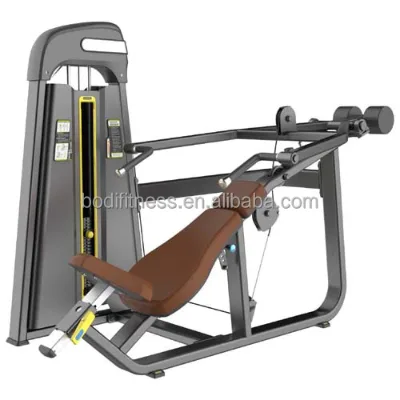
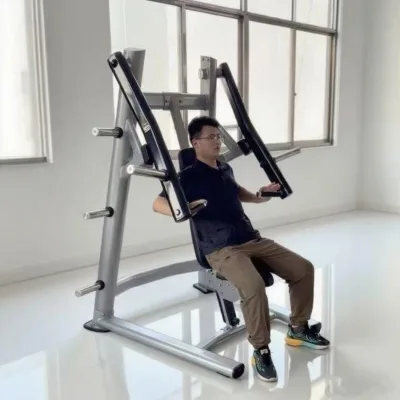
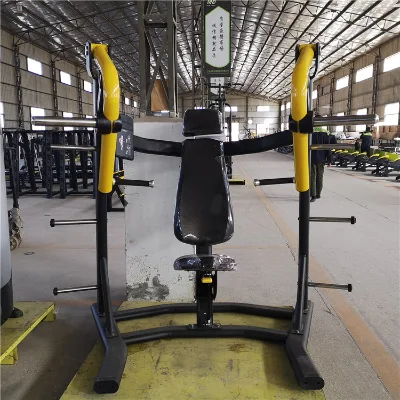
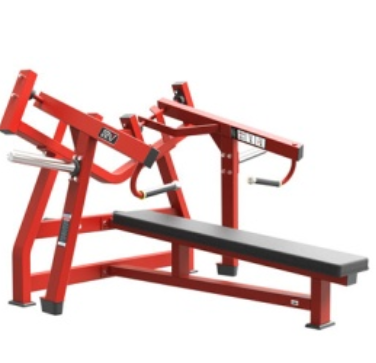
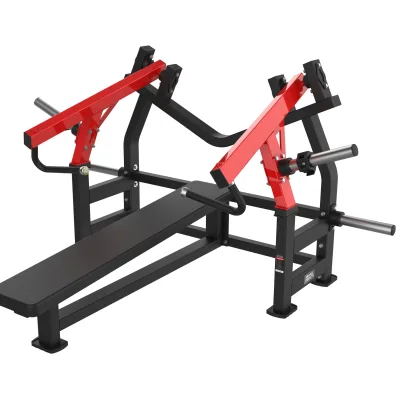
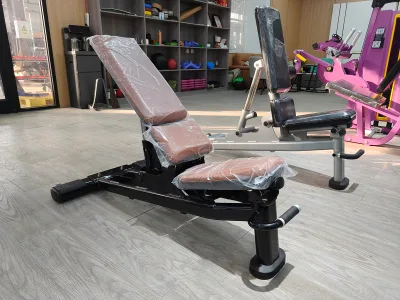
Gym Plate Loaded Fitness Equipment Commercial Chest Press Inclined Bench Press Machine
$450.00 - $460.00
MOQ: 1 pieces
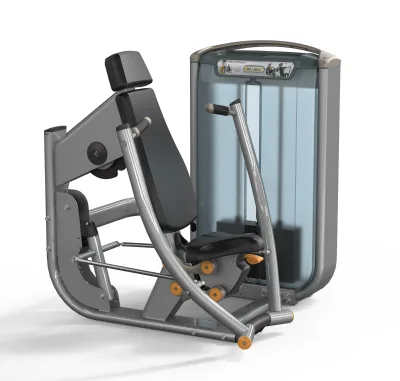

Shandong Tianzhan Fitness Equipment Co., Ltd.
- Verified by BV
- Combined
- China Shandong
- Lead time30 days
- Avg. response≤ 9h
Main productsGym Equipment, Fitness Equipment, Strength Machines, Exercise Bike, Body Building Machines, Commercial Fitness Equipment, Motorized Treadmill, Fitness Equipment Gym Machine, Free Weight Accessories, Treadmill
Main marketsSouth America,Southeast Asia/ Mideast,East Asia(Japan/ South Korea),Europe,Australia,North America


Chest Press Bench Gym Machine Gym Fitness Equipment Bodybuilding Machine
$245.00 - $269.00
MOQ: 1 Pieces


Dingzhou Hairui Sporting Goods Co., Ltd.
- Manufacturer
- Hebei, China
- Lead time25 days
- Avg. response≤ 4h
Main productsgym equipment,sport goods,gym accessories,Martial arts equipment,Training and fitness equipment
Main marketsMid East(10.00%), Domestic Market(10.00%), Oceania(10.00%), Eastern Europe(10.00%), Southern Europe(10.00%), Northern Europe(10.00%), South Asia(10.00%), Western Europe(10.00%), Africa(5.00%), Southeast Asia(5.00%), North America(5.00%), South America(3.00%), Eastern Asia(2.00%)
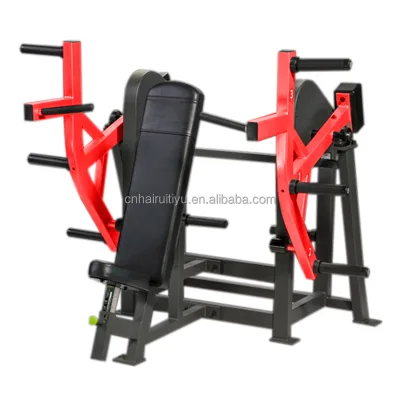
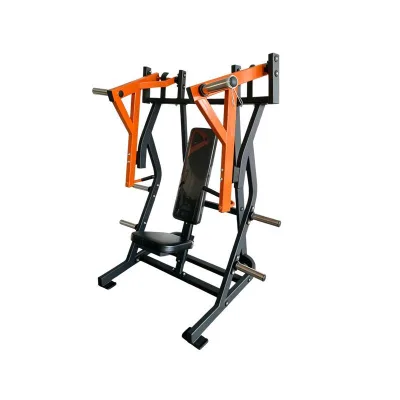
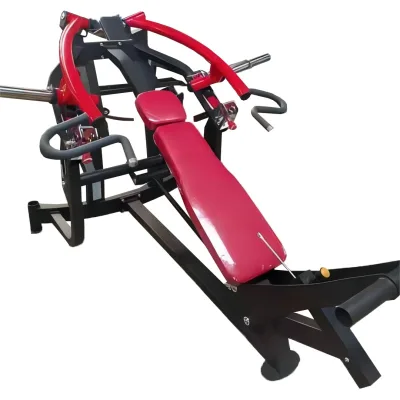
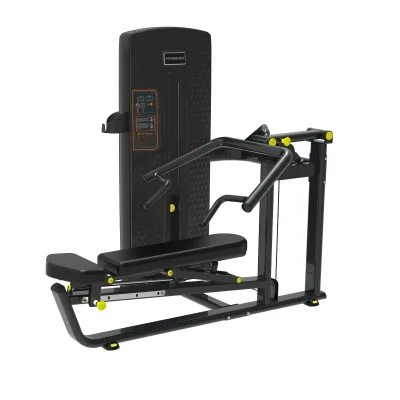
Plate Loaded Seated Chest Press Functional Trainer Machine Incline Shoulder Chest Bench Press
$543.68 - $562.68
MOQ: 1 pieces
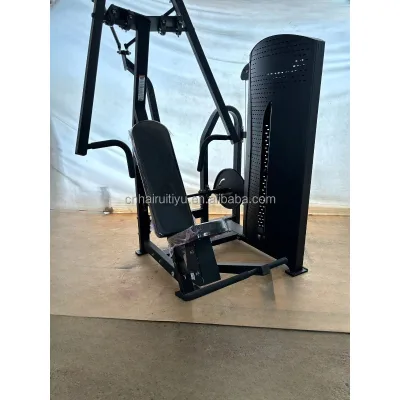
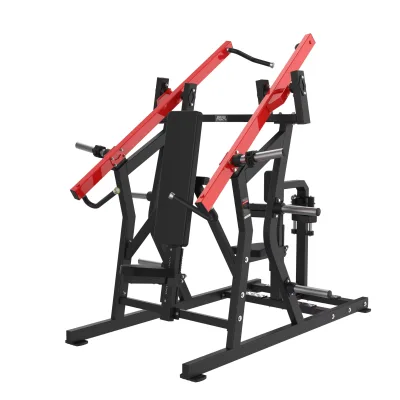
Best New Design Gym Exercise Machine Commercial Fitness Equipment Body Building Inclined Chest Press
$780.00 - $888.00
MOQ: 2 pieces

Shandong Hammer Fitness Equipment Co., Ltd.
- Verified by BV
- Combined
- China Shandong
- Lead time15 days
- Avg. response≤ 2h
Main productsPilates Reformer, Multifunctional Trainer, Hack Squat, Cardio Equipment, Strength Equipment, Fitness Equipment Accessories, Functional Trainer Cable Machine, Hip Thrust Machine, Stair Climbing Machine
Main marketsSoutheast Asia/ Mideast,Domestic,Europe,North America


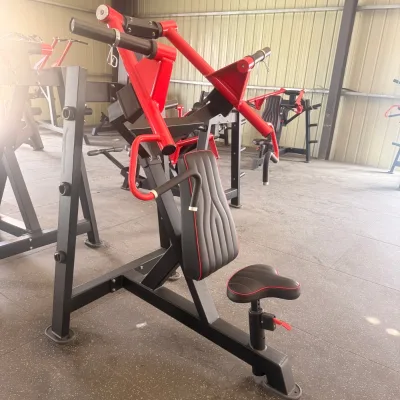
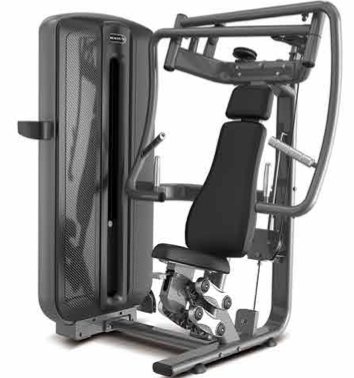
Factory Price Gym Fitness Equipment Seated Incline Chest Press Machine
$365.00 - $395.00
MOQ: 1 Pieces


Xintai Aoxiang Fitness Co., Ltd.
- Manufacturer, Trading Company
- Shandong, China
- Lead time18 days
- Avg. response≤ 4h
Main productsfitness equipment,gym equipment,sports goods,strength machines,cardio machines
Main marketsSouthern Europe(8.33%), Northern Europe(8.33%), Central America(8.33%), Western Europe(8.33%), Eastern Asia(8.33%), Mid East(8.33%), Oceania(8.33%), Africa(8.33%), Southeast Asia(8.33%), Eastern Europe(8.33%), South America(8.33%), North America(8.33%)
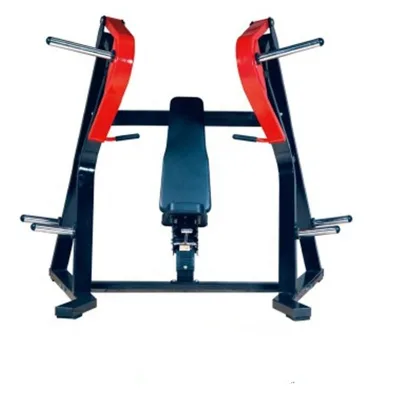
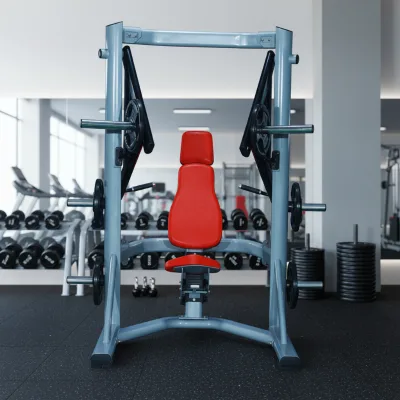
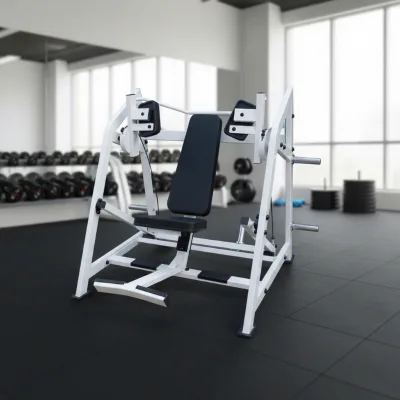
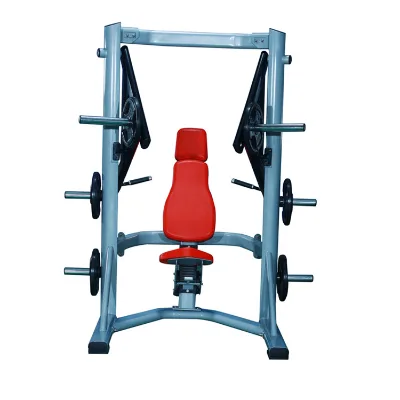
$339.2807 - $359.8424
MOQ: 1 Minimum

Shandong Realleader Fitness Co., Ltd.
- Trading Company,Manufacturer/Factory
- China Shandong
- Lead time60 days
- Avg. response≤ 5h
Main productsFitness Equipment, Fitness Equipment-Made in China, Gym, Gym Equipment, Fitness, Bodybuilding Equipment, Fitness Equipment-Made-in-China. com, Gym Equipment-Made-in-China, Cardio Equipment-Made-in-China, Home Gym
Main marketsSouth America,Eastern Europe,Mid East,North America,Southeast Asia,Eastern Asia,Oceania,Western Europe,Africa
Jinan Gls Sporting Goods Co., Ltd.
- Trading Company
- Shandong, China
- Lead time30 days
- Avg. response≤ 4h
Main productsCardio Training,Strength Training,Fitness Accessories,Free weight,Yoga and Pilates
Main marketsSoutheast Asia(20.00%), North America(20.00%), Mid East(20.00%), Africa(10.00%), Eastern Asia(10.00%), Central America(5.00%), South Asia(5.00%), Northern Europe(3.00%), South America(3.00%), Domestic Market(2.00%), Oceania(2.00%)
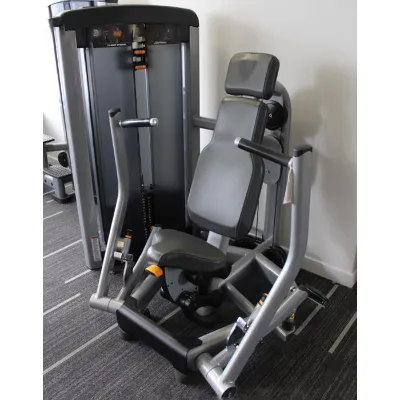
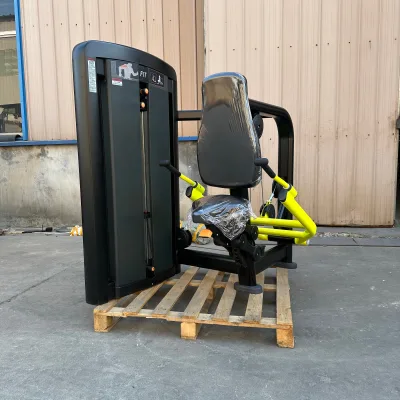
$532.00 - $730.00
MOQ: 1 pieces
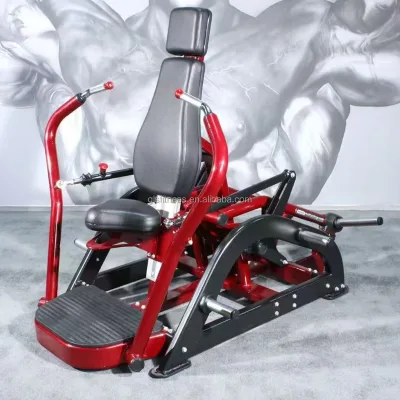
$720.00 - $765.00
MOQ: 2 pieces
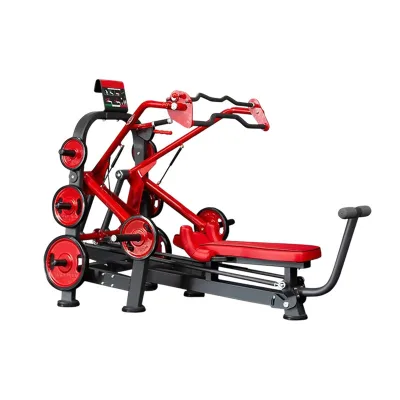
$675.19 - $797.95
MOQ: 1 pieces
Dezhou Maibo Fitness Equipment Co., Ltd.
- Verified by SGS Group
- Manufacturer, Trading Company
- Lead time10 days
- Avg. response≤ 2h
Main productsTreadmill, Stair Master, SkiErg, RowErg, Strength Machine
Main marketsSouth America(40%), North America(30%), Southeast Asia(20%)

DEZHOU HENGQING FITNESS EQUIPMENT CO., LTD.
- Combined
- China Shandong
- Lead time23 days
- Avg. response≤ 7h
Main productsGym Equipment, Fitness Equipment, Strength Equipment, Cardio Equipment
Main marketsSouth America,Southeast Asia/ Mideast,Europe


Exercise Machine Commercial Bodybuilding Gym Equipment Incline Chest Press
$420.00 - $460.00
MOQ: 1 Pieces


Fitness Equipment Gym Use Machine Gym Equipment Exercise Fitness Machine Decline Chest Press
$385.00 - $400.00
MOQ: 1 set
Dingzhou Lingxi Sports Goods Sales Co., Ltd.
- Verified by TüVRheinland
- Manufacturer, Trading Company
- Lead time30 days
- Avg. response≤ 2h
Main productsBarbell, Dumbbell, Kettle Bell, Weight Plate, Fitness Equipmen
Main marketsNorth America(35%), Central America(21%), Western Europe(20%)
Ningjin Yatong Machinery Plastics Co., Ltd.
- Verified by TüVRheinland
- Manufacturer, Trading Company
- Shandong, China
- Lead time7 days
- Avg. response≤ 5h
Main productsAerobic Equipment, Benches, Mutli Function Station, Pin Load Selection Machines, Plate Loaded Machines
Main marketsDomestic Market(75%), South Asia(13%), North America(1%)
GUANGZHOU CORE MAX FITNESS EQUIPMENT CO., LTD.
- Verified by TüVRheinland
- Trading Company
- Lead time15 days
- Avg. response≤ 3h
Main productsTreadmill, Spinning Bike, Dumbbell, Cardio Machine, Gym Equipment
Main marketsMid East(30%), Eastern Asia(10%), Western Europe(9%)
Qingdao Sirer Technology Co., Ltd.
- Verified by Intertek
- Trading Company
- Lead time30 days
- Avg. response≤ 2h
Main productsgym strength machine, Fitness Equipment, Commercial cardio trainer
Main marketsNorth America(50%), Northern Europe(30%), Eastern Europe(10%)
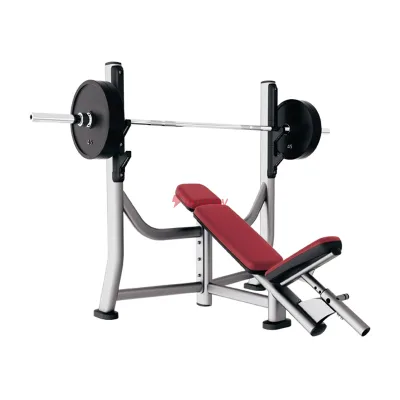
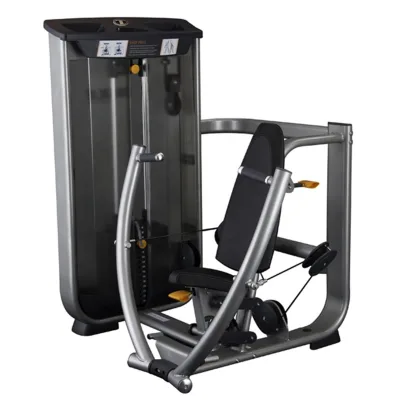
Quality Assurance Fitness Equipment Adjustable Tilt Bench Commercial Chest Press Machine
$300.8328 - $348.2252
MOQ: 1 pieces
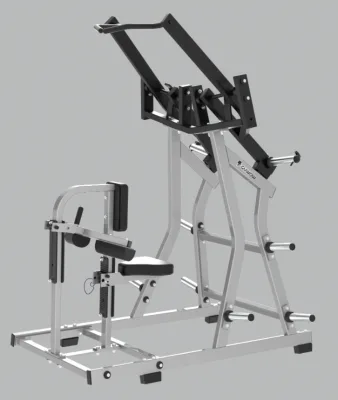
Independent High Incline Chest Press Machine Super Incline Press Gym Equipment
$648.5019 - $668.1852
MOQ: 1 pieces
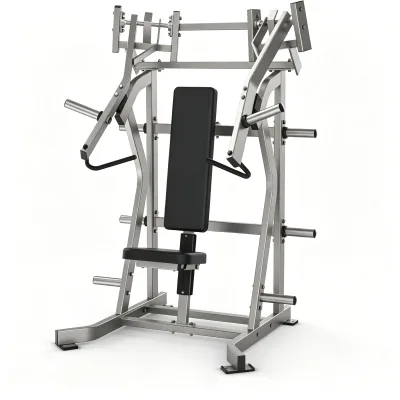
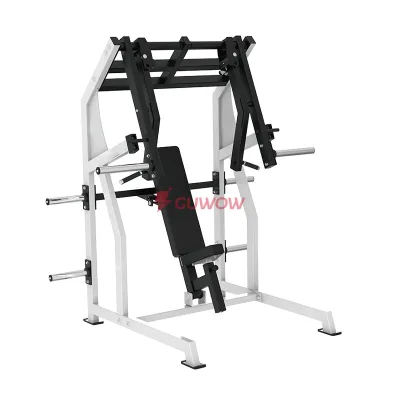
Hot Selling Fitness Equipment Sitting Chest Compressions Gym Strength Training Fitness Equipment
$465.6733 - $522.337
MOQ: 1 pieces
Anhui Craftsmanship E-Commerce Co., Ltd.
- Trading Company
- Anhui, China
- Lead time30 days
- Avg. response≤ 2h
Main productsSquat Racks,Training Chairs and Storage Racks,Barbell Bars,Dumbbells,Weight Plate
Main marketsNorth America(70.00%), Northern Europe(5.00%), Western Europe(5.00%), Mid East(5.00%), Africa(5.00%), Eastern Europe(5.00%), South America(5.00%)
Ningjin Huanyu Fitness Co., Ltd.
- Manufacturer, Trading Company
- Shandong, China
- Lead time30 days
- Avg. response≤ 2h
Main productsExercise bike,Fitness equipment,gym equipment,OEM Gym equipment,multi smith machine
Main marketsDomestic Market(30.00%), South America(15.00%), Southeast Asia(8.00%), South Asia(8.00%), North America(7.00%), Eastern Asia(6.00%), Western Europe(6.00%), Africa(5.00%), Eastern Europe(5.00%), Central America(4.00%), Northern Europe(3.00%), Mid East(3.00%)
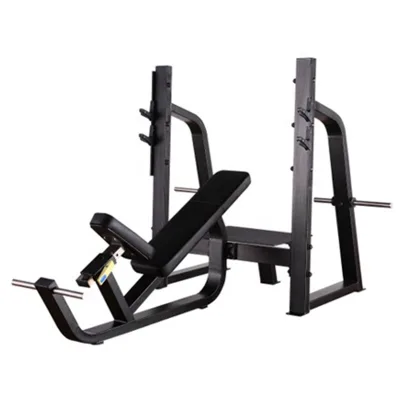
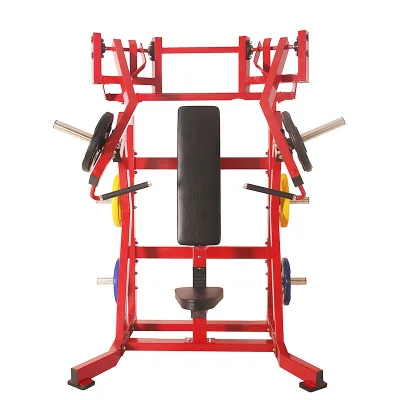
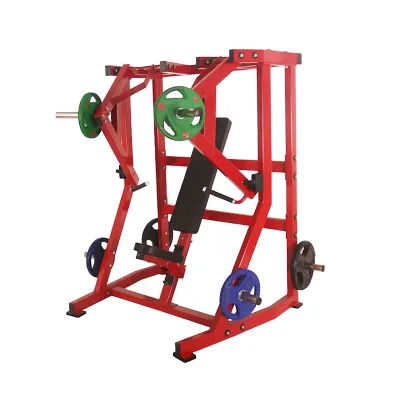
China Factory Chest Exercise Incline Bench Adjustable Flat Incline Bench Press for Sale
$396.00 - $437.00
MOQ: 2
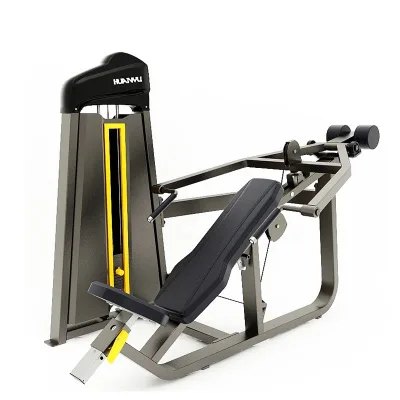
$412.7676 - $443.8029
MOQ: 1 pieces
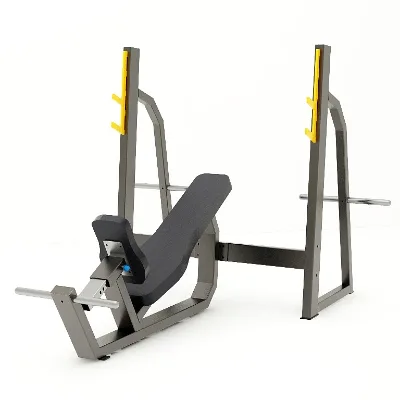
$104.3274 - $319.9586
MOQ: 2 sets
$430.3554 - $471.7353
MOQ: 2 sets
Shandong Commander Fitness Equipment Co., Ltd
- Manufacturer, Trading Company
- Shandong, China
- Lead time15 days
- Avg. response≤ 2h
Main productsFitness equipment,Gym equipment,Power strength,Plate loaded machine,Gym accessory
Main marketsMid East(15.00%), Central America(10.00%), Southeast Asia(10.00%), North America(10.00%), South America(10.00%), Domestic Market(5.00%), South Asia(5.00%), Southern Europe(5.00%), Northern Europe(5.00%), Africa(5.00%), Western Europe(5.00%), Eastern Asia(5.00%), Eastern Europe(5.00%), Oceania(5.00%)
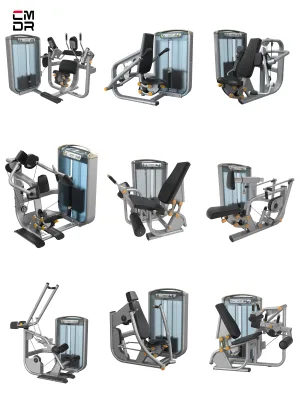
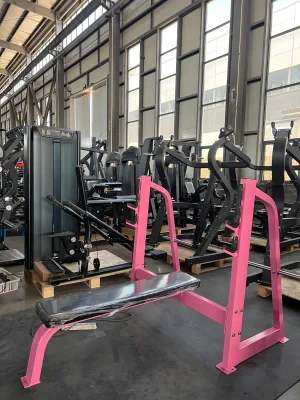
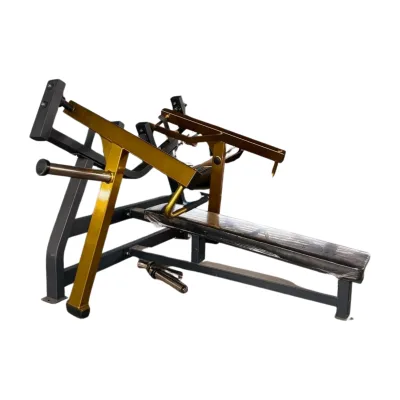
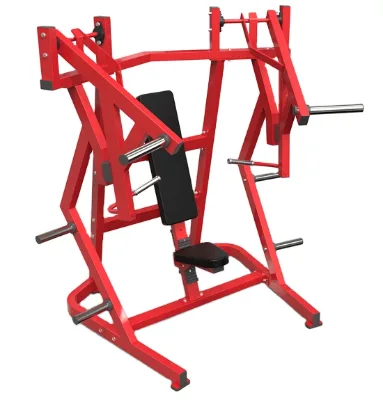
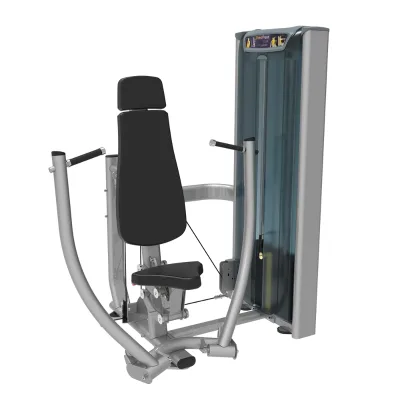
Chest Press Machine - Ideal for Gym, Studio & Home Use
$500.00 - $520.00

Dezhou Strongway Fitness Equipment Co., Ltd.
- Verified by TUVRHEINLAND
- Combined
- China Shandong
- Lead time15 days
- Avg. response≤ 5h
Main productsFitness Equipment, Gym Equipment, Treadmill, Dumbbell, Spin Bike, Plates
Main marketsSouth America,Africa,Southeast Asia/ Mideast,Europe,Australia,North America


Fitness Equipment Commercial Strength Machine Seated Incline Chest Press
$375.00 - $412.00
MOQ: 5 Pieces

High Quality Gym Equipment Commercial Fitness Seated Chest Press Machine
$400.00 - $600.00
MOQ: 5 Pieces

Best Quality Gym Fitness Equipment Commercial Seated Chest Press Machine
$565.00 - $675.00
MOQ: 5 Pieces


Dezhou Kamani Fitness Equipment Co., Ltd.
- Verified by SGS Group
- Trading Company
- Lead time0 days
- Avg. response≤ 6h
Main productsCommercial Strength Fitness Equipment, Cardio Machine
Shandong Evere Fitness Equipment Co., Ltd.
- Manufacturer, Trading Company
- Shandong, China
- Lead time10 days
- Avg. response≤ 2h
Main productsTreadmill,Spinning Bike,Strength Machine
Main marketsMid East(50.00%), Southeast Asia(30.00%), South America(20.00%)
Shandong MBH Fitness Co., Ltd.
- Verified by TüVRheinland
- Manufacturer, Trading Company
- Lead time20 days
- Avg. response≤ 4h
Main productsFitness Equipment
Main marketsNorth America(20%), Western Europe(15%), South America(10%)

Shandong Baodelong Fitness Co., Ltd.
- Verified by BV
- Combined
- China Shandong
- Lead time23 days
- Avg. response≤ 7h
Main productsGym Equipment, Fitness Equipment, Fitness Machine, Gym Machine, Treadmill, Spinning Bike, Exercise Bike, Chest Press Machine, Leg Press Machine, Multi Functional Machine
Main marketsSouth America,Africa,Southeast Asia/ Mideast,East Asia(Japan/ South Korea),Domestic,Europe,Australia,North America
Dezhou Aoshengjia Fitness Equipment Co., Ltd.
- Manufacturer, Trading Company
- Lead time旺季: "1 - 1":25,"> 1":"To be negotiated", 淡季: "1 - 1":25,"> 1":"To be negotiated"
- Avg. response≤ 2h
Main productsFitness Equipment, Strength Training, Free Weights, Cardio Training, Gym Accessory
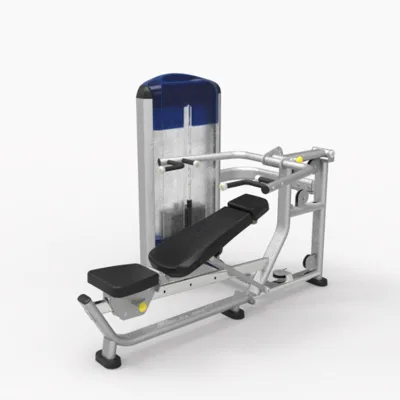
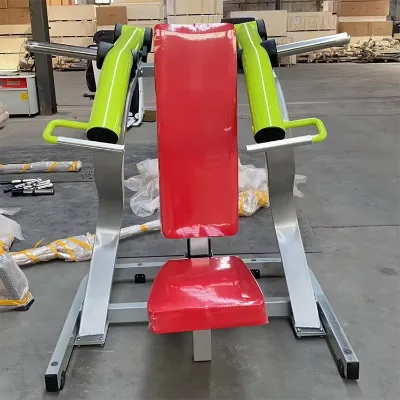
New Hot Sales Commercial Fitness Equipment Seated Adjustable Incline Chest Press Machine Gym Use
$430.00 - $480.00
MOQ: 2 pieces
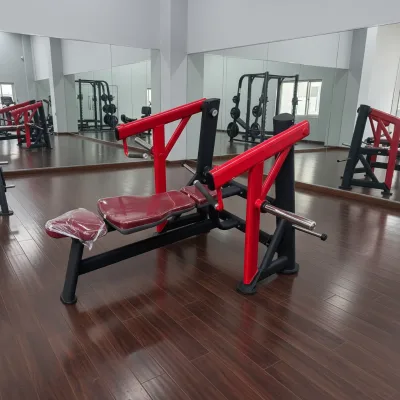
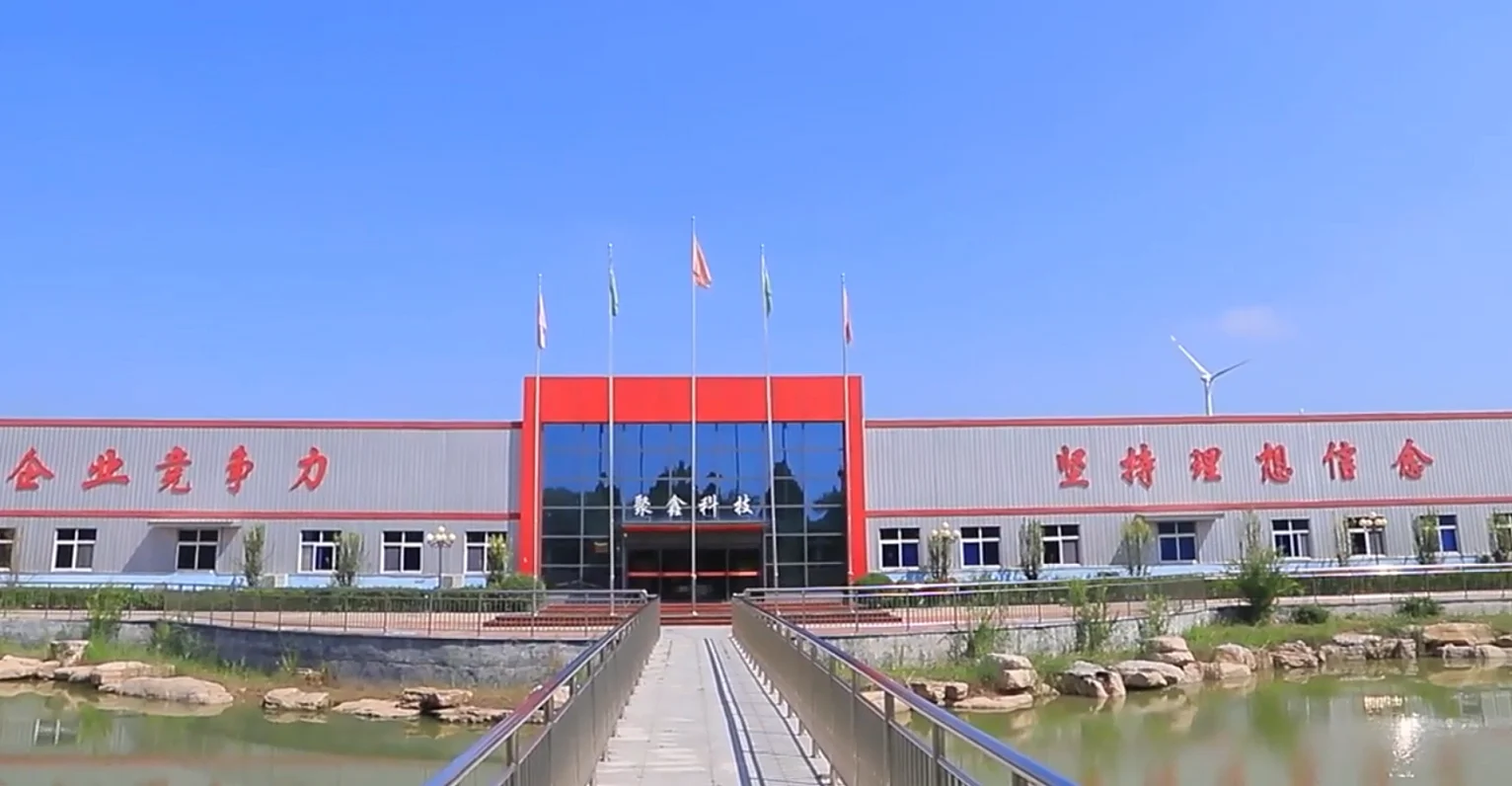
Hebei Chahang Fitness Equipment Co., Ltd.
- Verified by TüVRheinland
- Manufacturer, Trading Company
- Hebei, China
- Lead time15 days
- Avg. response≤ 3h
Main productsDumbbells, Barbells, Kettlebells, Weight Plates, Barbell Bars
Main marketsDomestic Market(58%), North America(20%), Southeast Asia(5%)
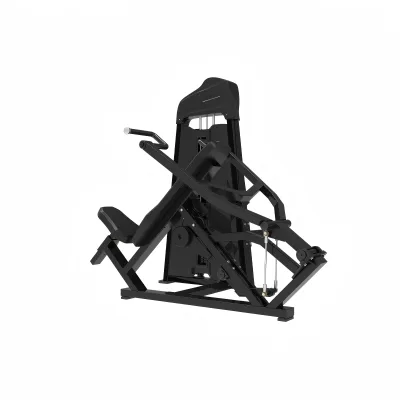
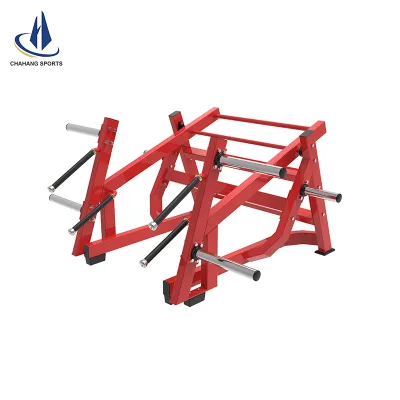
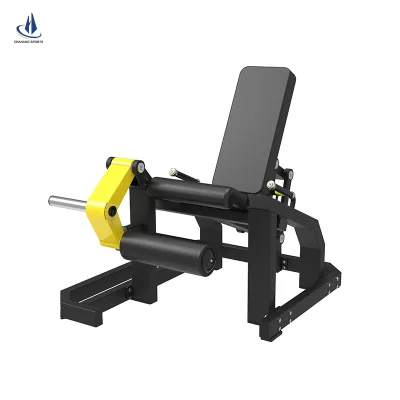
High Quality Incline Chest Press Fitness Machine Smooth Linkage for Isolated Chest Exercise
$395.00 - $455.00
MOQ: 2
Follomotion Fitness Equipment Co., ltd.
- Manufacturer, Trading Company
- Shandong, China
- Lead time30 days
- Avg. response≤ 3h
Main productsPadel court,Paddle court,Tennis court,fitness equiment
Main marketsNorth America(50.00%), South America(20.00%), Eastern Asia(10.00%), Southeast Asia(10.00%)
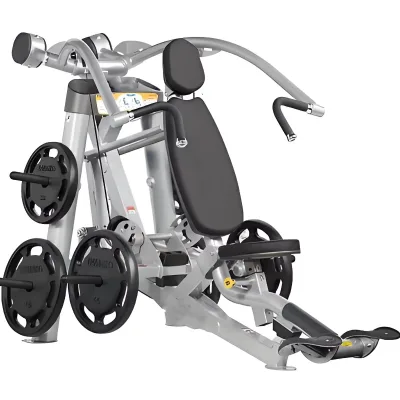
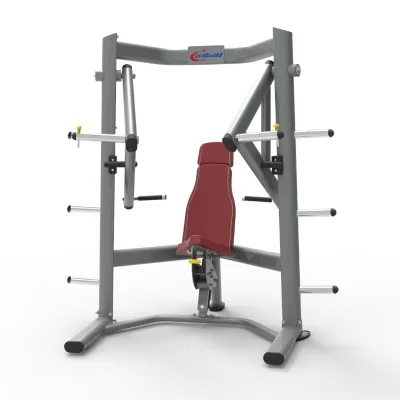
$480.00 - $540.00
MOQ: 1 sets
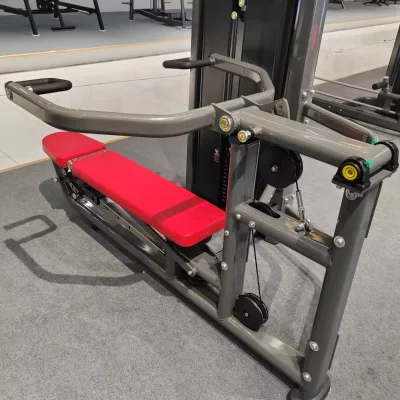
$617.7169 - $669.1941
MOQ: 1 pieces

Dezhou Runlangde Fitness Equipment Co., Ltd.
- Verified by SGS
- Trading Company
- China Shandong
- Lead time30 days
- Avg. response≤ 4h
Main productsClub Equipment, Fitness Equipment, Gym Equipment, Hammer Strength Machine, Body Building Equipment, Indoor Exercise Machine, Cardio Machines, Dumbbell & Plates, Treadmill, Pin Loaded Machine
Main marketsSouth America,Southeast Asia/ Mideast,Europe,North America


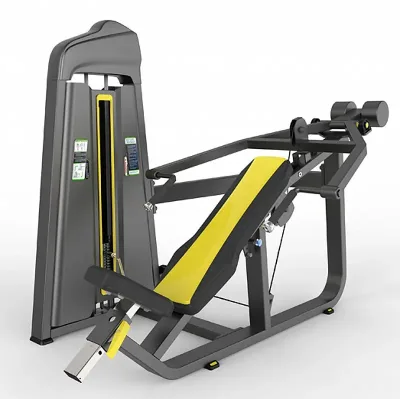
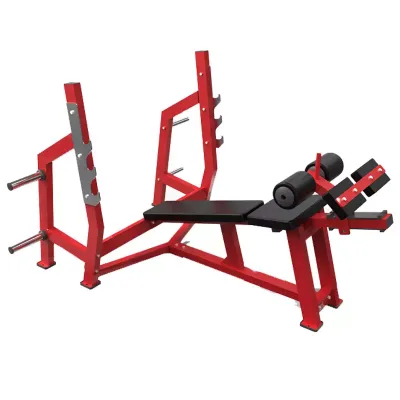
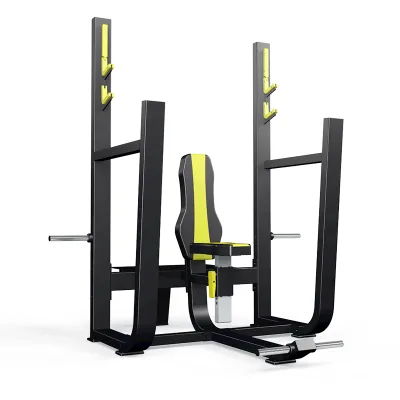
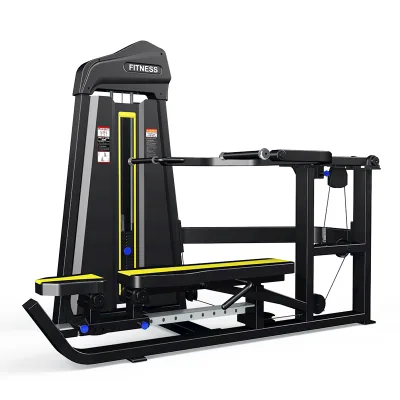
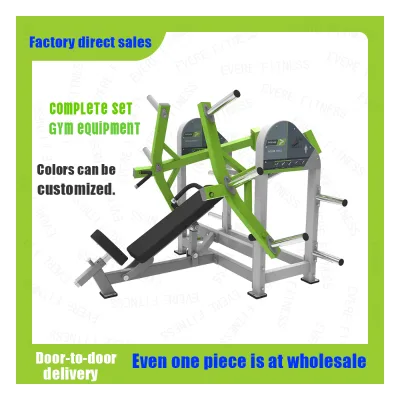
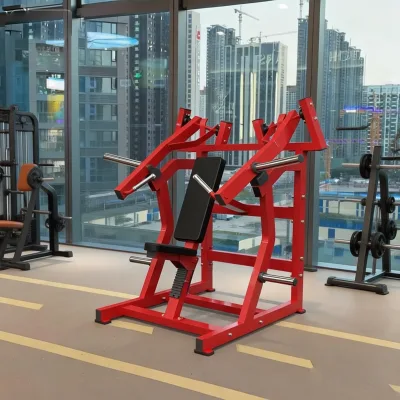


Comprehensive Sourcing Guide
Inclined Bench Chest Press Machine Supplier Concentration and Factory Types
The current supplier landscape for inclined bench chest press machines reveals a distinct concentration of manufacturing and trading entities within specific industrial regions in China. Evidence indicates that a significant portion of these suppliers are located in Shandong, a province known for its robust heavy industry and fitness equipment manufacturing base. This geographic clustering suggests that buyers sourcing this specific type of strength training equipment will likely encounter suppliers originating from this area, which can streamline logistics and reduce shipping complexities for large, heavy items. The presence of suppliers in Shandong provides a tangible anchor for identifying potential partners, as this region has developed specialized supply chains for steel fabrication and gym equipment assembly. Buyers should prioritize verifying the specific city or industrial zone within Shandong to better estimate transit times and understand the local regulatory environment.
Supplier types in this category vary between pure manufacturers, trading companies, and combined entities that offer both production and sales services. Some suppliers are identified as trading companies, which may offer a broader range of fitness accessories and complementary gym equipment but might have less direct control over the manufacturing process. Others are listed as manufacturers or combined entities, indicating they possess the internal capacity for OEM and ODM services, allowing for greater customization of the inclined bench chest press machines. The distinction is crucial because manufacturers often provide more flexibility in material specifications and structural modifications, while trading companies might offer faster access to diverse product lines. Buyers must carefully review the company type to determine if their priority is cost efficiency through trading networks or quality control through direct factory engagement.
How to Verify Inclined Bench Chest Press Machine Suppliers
Verification is a critical step in ensuring the reliability and legitimacy of suppliers offering inclined bench chest press machines. Buyers should look for third-party verification badges that indicate a supplier has undergone rigorous audits of their business operations and manufacturing capabilities. For instance, some suppliers in the current results hold SGS verification, which signifies that an independent inspection company has validated their business credentials and potentially their production processes. Other suppliers may display TüV Rheinland verification, a globally recognized standard for testing and certification that adds a layer of trust regarding the supplier’s operational integrity. These verification marks serve as initial filters, helping buyers distinguish between established entities and those with less proven track records in the international fitness equipment market.
Beyond verification badges, buyers must scrutinize the specific certifications associated with the products themselves, as these directly impact market access and safety compliance. The available data shows that some inclined bench chest press machines carry CE certification, which is essential for selling into European markets and indicates adherence to health, safety, and environmental protection standards. Additionally, some products list ISO RoHS compliance, ensuring that the materials used, particularly the steel frames and coatings, meet restrictions on hazardous substances. Buyers should request copies of these certificates and verify their validity with the issuing bodies. It is also important to check for system certifications such as ISO9001:2015 or ISO14001:2015, which demonstrate that the supplier’s management systems for quality and environmental control are formally certified. These documents provide concrete evidence of a supplier’s commitment to consistent quality and regulatory compliance.
What to Compare Across Inclined Bench Chest Press Machine Suppliers
When evaluating multiple suppliers for inclined bench chest press machines, buyers should compare key operational metrics to determine the best fit for their business needs. One of the most critical factors is the lead time, which varies among suppliers and directly impacts inventory management and order fulfillment. Current data indicates lead times ranging from 20 to 30 days, depending on the supplier’s production capacity and current order backlog. A shorter lead time of 20 days may be preferable for buyers needing rapid restocking, while a 30-day lead time might be acceptable for planned seasonal orders. Buyers should also consider the response time, which reflects the supplier’s efficiency in communication. A response time of around six hours suggests a responsive sales team capable of addressing queries and resolving issues promptly, which is vital for smooth international trade operations.
Another essential comparison point is the minimum order quantity (MOQ) and pricing structure, which affect the financial viability of the order. Many suppliers in this category offer an MOQ of just one piece, which is advantageous for buyers testing the market or fulfilling small boutique gym orders. However, pricing can vary significantly based on the model and specifications. For example, some plate-loaded or pin-load selection machines are priced between $450 and $460, while other heavy-duty steel frame models may range from $356 to $406. Buyers should compare these price points against the product attributes, such as material thickness, weight capacity, and customization options. Additionally, comparing the main products offered by each supplier can reveal their specialization; some focus heavily on commercial gym equipment and treadmills, while others may have a broader range of strength training machines. This holistic comparison helps buyers select a supplier that aligns with their specific volume and product requirements.
Common Inclined Bench Chest Press Machine Sourcing Risks
Sourcing inclined bench chest press machines from international suppliers involves several inherent risks that buyers must proactively manage to avoid costly disruptions. One significant risk is the variability in product quality and material specifications, which can lead to customer dissatisfaction or safety issues. While suppliers may claim their machines are made of high-grade steel, the actual thickness and durability can vary. Buyers should be cautious of discrepancies between advertised specifications and the actual product received. For instance, some machines are described as having a maximum user weight capacity of 200kg, but without rigorous testing or third-party verification, this claim may not hold up under heavy commercial use. Buyers must insist on detailed technical drawings and material certificates to ensure the structural integrity of the steel frames and the reliability of the moving parts.
Another common risk is the potential for communication gaps and delays in after-sales support, particularly regarding warranty claims and spare parts. Although some suppliers offer a one-year warranty and customized logo services, the practical implementation of these services can be challenging across borders. Buyers should verify the supplier’s ability to provide timely technical support and replacement parts for components like cables, pulleys, and padding. Additionally, the risk of intellectual property infringement exists, especially when dealing with OEM orders. Buyers must ensure that their brand designs and proprietary features are protected through proper legal agreements. It is also important to be aware of the risk of shipping damage, given the heavy and bulky nature of these machines. Proper packaging, such as wooden boxes or plywood crates, is essential to prevent damage during transit, and buyers should confirm that the supplier uses robust packaging standards to mitigate this risk.
Inclined Bench Chest Press Machine Regional Sourcing and Logistics
The regional concentration of suppliers in Shandong, China, has significant implications for logistics and shipping costs when sourcing inclined bench chest press machines. As these machines are typically large, heavy, and made of steel, shipping them via sea freight is the most cost-effective method. Buyers should factor in the transit time from Chinese ports to their destination, which can vary based on the shipping route and port congestion. Understanding the specific port of loading in Shandong can help buyers negotiate better freight terms and estimate delivery schedules more accurately. Additionally, buyers should consider the packaging dimensions and weight, as these directly impact shipping costs. Some suppliers provide detailed product dimensions, such as 186012201320mm or 1440×1570×1000MM, which are crucial for calculating volumetric weight and selecting the appropriate container size.
Logistics planning also involves coordinating with freight forwarders to ensure smooth customs clearance and delivery. Buyers should verify that the supplier provides all necessary documentation, including commercial invoices, packing lists, and certificates of origin. The presence of CE certification and other compliance documents can facilitate smoother entry into regulated markets. Furthermore, buyers should assess the supplier’s experience with international shipping to ensure they can handle the complexities of export procedures. Some suppliers may offer FOB (Free on Board) or CIF (Cost, Insurance, and Freight) terms, which determine who is responsible for the shipping costs and risks. Understanding these terms is essential for budgeting and risk management. Buyers should also consider the potential for additional costs, such as port fees, customs duties, and inland transportation, to get a complete picture of the landed cost of the inclined bench chest press machines.
Inclined Bench Chest Press Machine Commercial Terms and Order Planning
Effective order planning for inclined bench chest press machines requires a clear understanding of the commercial terms and payment structures offered by suppliers. Many suppliers in this category are flexible with order quantities, often accepting a minimum order of just one piece, which allows buyers to start with small test orders before scaling up. However, buyers should negotiate volume discounts for larger orders to improve profit margins. Payment terms are another critical aspect, with suppliers typically requiring a deposit and the balance before shipment or against copy of bills of lading. Buyers should ensure that the payment terms are secure and aligned with their cash flow needs. Additionally, buyers should clarify the warranty terms, which may include a one-year coverage for manufacturing defects, and understand the process for claiming warranty services.
Customization options are a key commercial consideration for buyers looking to differentiate their product offerings. Some suppliers offer OEM and ODM services, allowing buyers to customize the color, logo, and even certain structural features of the inclined bench chest press machines. Buyers should confirm the availability of these services and any associated costs or minimum order requirements for customization. For example, some suppliers offer customized logos and choosable colors, which can enhance brand visibility in the target market. Buyers should also discuss the lead time for customized orders, as these may take longer than standard products. Finally, buyers should establish clear communication channels and regular update schedules with their suppliers to monitor production progress and address any issues promptly. This proactive approach ensures that orders are completed on time and meet the specified quality standards.
FAQs
What is the typical lead time for these machines?
Lead times vary between 20 and 30 days depending on the specific supplier and order volume. Some manufacturers offer faster processing for sample requests, while standard commercial orders typically require the full month for production and quality checks before shipping.
Are these machines available for customization?
Yes, customization is available for many models including logo printing and specific design adjustments. Suppliers offer OEM and ODM services to meet unique requirements, allowing buyers to tailor the equipment for their specific gym or commercial facility needs effectively.
What certifications do the fitness machines hold?
Common certifications include CE, ISO, and RoHS standards ensuring safety and quality compliance. Some suppliers also hold ISO9001 and ISO14001 certificates, verifying their manufacturing processes meet international environmental and management system requirements for reliable commercial equipment.
What is the minimum order quantity for these items?
The minimum order quantity is typically one piece, allowing buyers to test products before bulk purchasing. This low threshold supports small gym setups or individual resellers who need to evaluate the quality and functionality of the chest press machines first.
Where are these fitness equipment manufacturers located?
Most manufacturers are located in Shandong, China, a major hub for fitness equipment production. This region offers a concentrated supply chain for steel components and assembly, ensuring efficient logistics and competitive pricing for international buyers sourcing commercial gym machinery.
What is the maximum user weight capacity?
Maximum user weight capacities range from 200 kg to 2 tons depending on the machine model. Heavy-duty commercial units often support higher loads, ensuring durability and safety for intense training sessions in professional gym environments or community fitness centers.
How quickly do suppliers typically respond to inquiries?
Response times average around six hours, ensuring prompt communication for potential buyers. This quick turnaround helps facilitate faster decision-making and allows suppliers to address specific technical questions or provide detailed quotations for custom orders efficiently.