Black Steel Rubber Adjustable Dumbbell Suppliers and Manufacturers
Compare 28 verified suppliers offering black steel rubber adjustable dumbbells with details on location, lead times, certifications, and pricing. Review product specifications like weight ranges and customization options to select the right partner for your fitness equipment needs; review the available evidence before requesting comparable quotations from suitable candidates.
Updated
Suppliers List

Nantong Tengtai Sporting Fitness Co., Ltd.
- Trading Company,Manufacturer/Factory
- China Jiangsu
- Lead time23 days
- Avg. response≤ 7h
Main productsWeight Bench, Gym Ball, Power Rack, Home Gym, Yoga Mat, Slam Ball, Dumbbell, Kettlebell, Weight Plate, Barbell
Main marketsSouth America,North America,Eastern Asia,Western Europe
Dingzhou Meiao Import And Export Trade Co., Ltd.
- Manufacturer, Trading Company
- Hebei, China
- Lead time30 days
- Avg. response≤ 2h
Main productsDumbbell,Kettlebell,Barbell,Barbell Plate,Barbell Bar
Main marketsNorth America(28.00%), Southern Europe(15.00%), Northern Europe(15.00%), Eastern Europe(15.00%), Western Europe(15.00%), Eastern Asia(5.00%), South Asia(1.00%), Africa(1.00%), Southeast Asia(1.00%), Central America(1.00%), South America(1.00%), Oceania(1.00%), Mid East(1.00%)
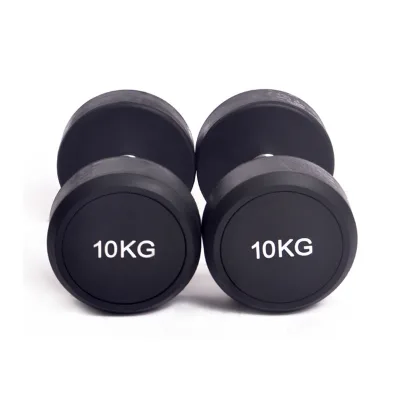
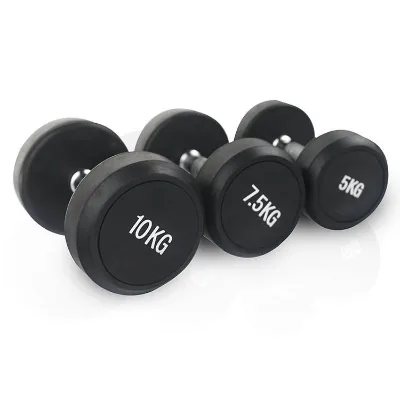
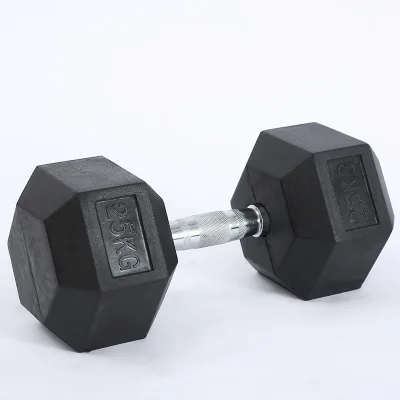
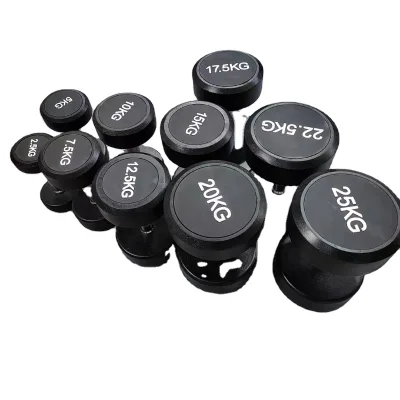
Customized Bodybuilding Deluxe Gym Black Rubber Coated Fixed Round Dumbbell
$1.09 - $1.30
MOQ: 200 kilograms
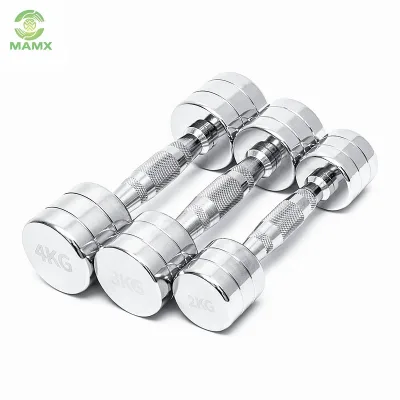
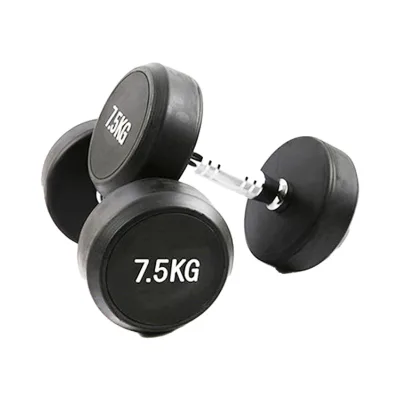
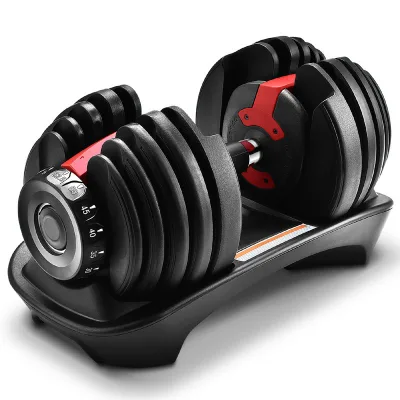
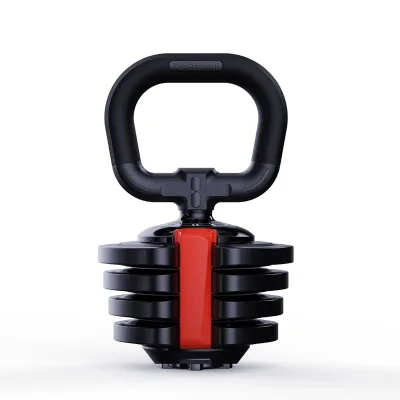
Professional Custom 24 kg Weight Adjustments with Twist Handle Adjustable Dumbbell
$40.30 - $44.80
MOQ: 10

- Verified by SGS
- Trading Company,Manufacturer/Factory
- China Shandong
- Lead time0 days
- Avg. response≤ 3h
Main productsKettlebell, Dumbbell, Weight Plate, Barbell, Weighted Vest, Wall Ball, Plyo Box, Fitness Rack, Jump Rope, Rubber Floor
Rizhao Bull King Sports Technology Co., Ltd.
- Verified by SGS Group
- Manufacturer, Trading Company
- Lead time30 days
- Avg. response≤ 11h
Main productsKettlebell, Dumbbell, Barbell Plate, Counter Weight, Bumper Plate
Main marketsNorth America(38%), Eastern Europe(10%), Western Europe(10%)
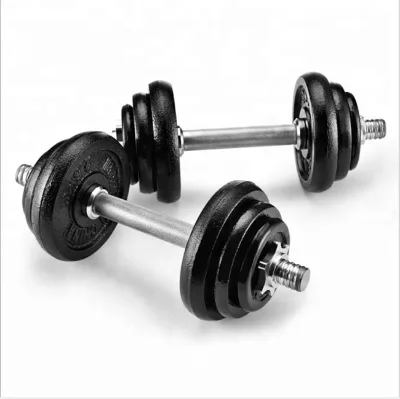
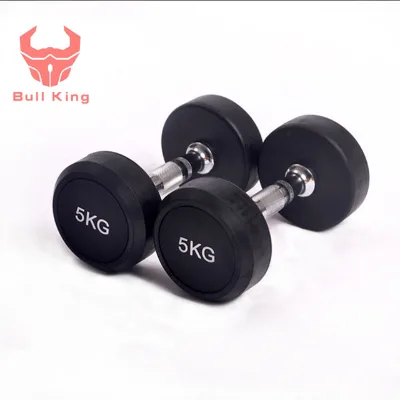
$1.1857 - $1.2891
MOQ: 1 kilometers
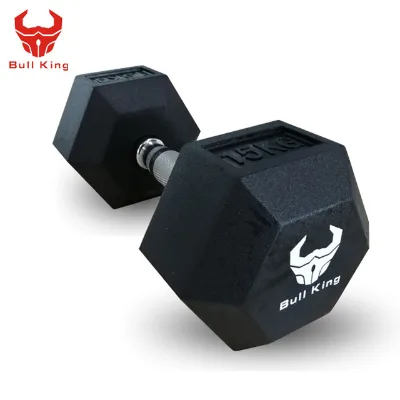

- Verified by BV
- Trading Company
- China Anhui
- Lead time30 days
- Avg. response≤ 15h
Main productsDumbbell, Cast Iron Plate, Chrome Bar, Fitness Equipment, Traing Set
Main marketsSouth America,Africa,Southeast Asia/ Mideast,East Asia(Japan/ South Korea),Europe,Australia,North America
Dezhou Eagle Fitness Equipment Co., Ltd.
- Verified by SGS Group
- Trading Company
- Lead time20 days
- Avg. response≤ 3h
Main productsFITNESS EQUIPMENT , COMMERCIAL TREADMILL , EXERCISE BIKE , DUMBBEELL , MULTI FUNCTIONAL RACKS
Main marketsSouth America(20%), Domestic Market(20%), Eastern Europe(15%)
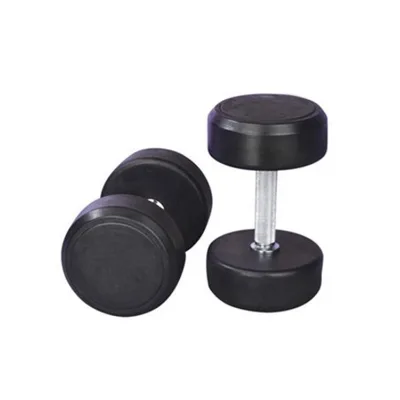
Dumbbell Gym Equipment Fixed Rubber Dumbbell
MOQ: 1 Minimum
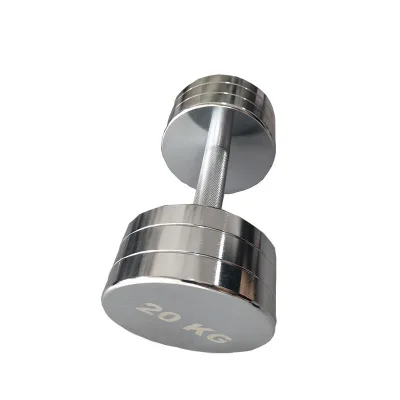

Shanghai Sinogym Fitness Co., Ltd.
- Verified by BV
- Trading Company,Manufacturer/Factory
- China Shanghai
- Lead time23 days
- Avg. response≤ 16h
Main productsWeight Plate, Weight Lifting, Barbell Bar, Aerobic Stepper, Gymnastic Mat, Yoga & Pilates, Gymnastic Ball, Benches, Resistance Bands, Chin up Bar
Main marketsSouth America,Eastern Europe,Mid East,North America,Southeast Asia,Eastern Asia,Oceania,Western Europe,Africa

Dingzhou Yunlingyu Sports Goods Co., Ltd.
- Verified by SGS
- Combined
- China Hebei
- Lead time60 days
- Avg. response≤ 6h
Main productsDumbbell, Barbell Plates, Kettlebell, Barbell, Weight Bench, Fitness & Body Building
Main marketsSouth America,Europe,North America

Home Steel Adjustable Dumbbells Gym Use High Advanced Rubber Coated Dumbbell
$49.50 - $90.50
MOQ: 1 Pieces

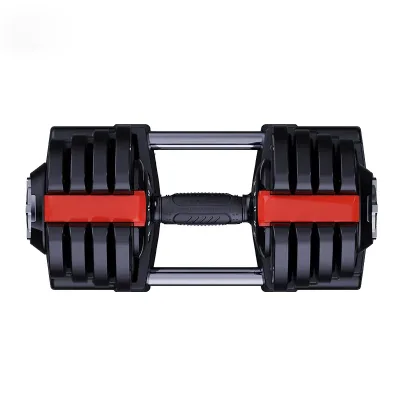
High Quality China 44lbs Adjustable Dumbbell Set 20kg Fast Adjust Weights Dumbbell
$49.50 - $90.50
MOQ: 1 Pieces

Dezhou Eagle Fitness Equipment Co., Ltd.
- Verified by SGS
- Trading Company
- China Shandong
- Lead time15 days
- Avg. response≤ 6h
Main productsFitness Equipment, Gym Equipment, Commercial Treadmill, Spinning Bike, Air Bike Rowing Machine, Hammer Strength, Hydraulic Circuit Training Equipment, Pilates Equipment, Crossfit Equipment, Fitness Accessory
Main marketsAfrica,Europe,Australia

Fitness Equipment Adjustable Dumbbell for Body Building Custom Dumbbell Adjustable
$69.00 - $129.00
MOQ: 1 Pieces


- Verified by TUVRHEINLAND
- Trading Company
- China Anhui
- Lead time30 days
- Avg. response≤ 7h
Main productsDumbbells, Kettlebells, Barbells, Weight Plates, Crossfit Gym, Home Gym, Power Rack, Aerobic Step, Yoga Mat, Foam Roller
Main marketsEurope,Australia,North America
Dingzhou Lingxi Sports Goods Sales Co., Ltd.
- Verified by TüVRheinland
- Manufacturer, Trading Company
- Lead time30 days
- Avg. response≤ 2h
Main productsBarbell, Dumbbell, Kettle Bell, Weight Plate, Fitness Equipmen
Main marketsNorth America(35%), Central America(21%), Western Europe(20%)

Qingdao Goldroad Industry & Trade Co., Ltd
- Verified by TUVRHEINLAND
- Trading Company
- China Shandong
- Lead time30 days
- Avg. response≤ 10h
Main productsKettlebell, Bumper Plates, Dumbbells, Barbells, Weighted Vest, Weighted Sand Bag, Weight Plate, Training Bench, Wall Ball, Medicine Ball
Main marketsNorth America

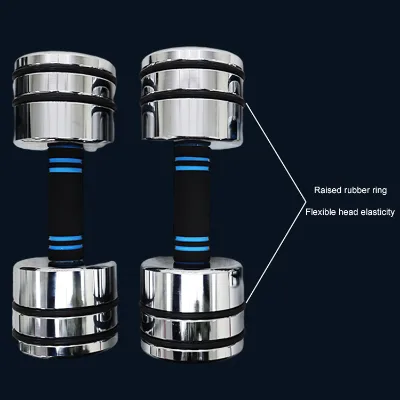
Adjustable Rubber Coated Dumbbell for Comprehensive Strength Training Solutions
$0.89 - $1.19
MOQ: 1000 kg


Professional Gym Use Rubber Coated Dumbbells Standard Weight Rubber Dumbbell
$1.60 - $2.10
MOQ: 1000 kg

- Verified by Intertek
- Trading Company
- Shanghai, China
- Lead time0 days
- Avg. response≤ 3h
Main productsDumbbell, Plate, Yoga Mat, Olympic Bar, Cos Function Station
Main marketsMid East(65%), Southeast Asia(15%), Western Europe(12%)
Sing Song Sports Equipment Co., Ltd.
- Verified by SGS Group
- Trading Company
- Lead time7 days
- Avg. response≤ 3h
Main productsPadel Rackets/Beach Tennis Rackets, Pickleball Paddle, Fitness Equipment
Main marketsNorth America(60%), Western Europe(17%), South America(5%)

Nantong Enerize Sporting Goods Co., Ltd.
- Trading Company,Manufacturer/Factory
- China Jiangsu
- Lead time0 days
- Avg. response≤ 19h
Main productsBarbells, Weight Plates, Bumper Plate, Dumbbell, Adjustable Bench, Rig and Rack, Power Rack, Kettlebell, Crossfit, Jump Ropes
Main marketsSouth America,Eastern Europe,Mid East,North America,Africa

Beijing Set Sail Sports Co., Ltd
- Verified by BV
- Manufacturer/Factory
- China Beijing
- Lead time15 days
- Avg. response≤ 5h
Main productsFitness Equipment, Boxing Goods, Camping Products, Gym Mat, Table Tennis Table, Track and Field Equipment, Gym Equipment, Basketball Stands
Main marketsSouth America,Eastern Europe,Mid East,North America,Southeast Asia,Eastern Asia,Oceania,Western Europe,Africa


Adjustable Steel Dumbbell Set with Rubber Handle for Comfortable Weight Lifting Fitness Equipment
$1.18 - $1.32
MOQ: 1000 kg
SHANDONG AOCHUANG FITNESS EQUIPMENT CO., LTD
- Verified by TüVRheinland
- Manufacturer, Trading Company
- Shandong, China
- Lead time25 days
- Avg. response≤ 4h
Main productsPilates Reformers, Pilates Accessories, Adjustble Dumbbell, Adjustable Benches, Pin Load Machine
Main marketsDomestic Market(45%), North America(5%), Eastern Europe(5%)

Dezhou TOP Fitness Equipment Co., Ltd.
- Verified by CTI
- Manufacturer/Factory
- China Shandong
- Lead time23 days
- Avg. response≤ 3h
Main productsDumbbell, Smith Machine, Fitness Equipment, Gym Equipment, Teadmill, Spinning Bike, Strength Building Equipment, Weight Plate, Squat Rack, Rubber Floor
Main marketsSouth America,Eastern Europe,Mid East,North America,Southeast Asia,Eastern Asia,Oceania,Western Europe,Africa
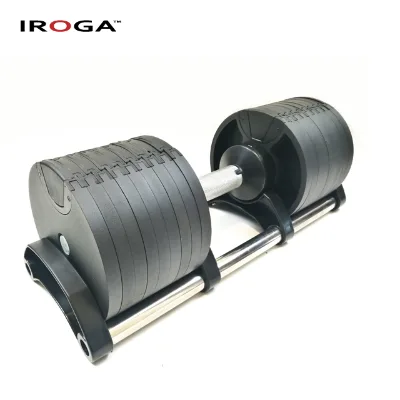
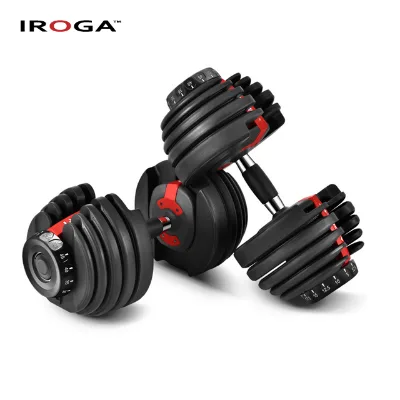
Nantong Iroga Sports Co., Ltd.
- Trading Company
- Jiangsu, China
- Lead time35 days
- Avg. response≤ 1h
Main productsFREE WEIGHT,FUNCTIONAL TRAINING,YOGA & PILATES,MASSAGE & RECOVERY,OUTDOOR
Main marketsNorth America(45.00%), Western Europe(25.00%), South America(15.00%), Eastern Europe(5.00%), Eastern Asia(5.00%), Mid East(5.00%)
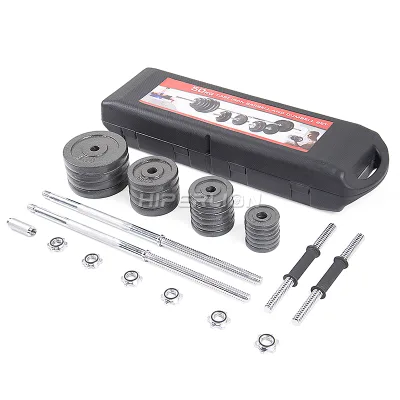
Qingdao Hiperlion Fitness Technology Co., Ltd.
- Trading Company
- Shandong, China
- Lead time15 days
- Avg. response≤ 5h
Main productsDumbbells,bumper plates,kettlebells,barbells,Racks & Benches
Main marketsNorth America(25.00%), Western Europe(18.00%), South America(10.00%), Central America(9.00%), Oceania(7.00%), Southeast Asia(7.00%), Eastern Europe(6.00%), Northern Europe(5.00%), Eastern Asia(3.00%), Africa(3.00%), Southern Europe(3.00%), South Asia(2.00%), Mid East(2.00%)
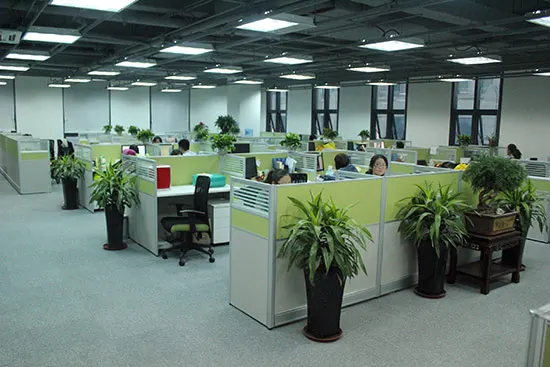
E-Born(tianjin) New Material Technology Co., Ltd.
- Trading Company
- Tianjin, China
- Lead time15 days
- Avg. response≤ 3h
Main productsgym fitnes,dumbbell,barbell,Barbell plate,health and fitness facilities
Main marketsEastern Europe(30.00%), Southern Europe(10.00%), Northern Europe(10.00%), Western Europe(10.00%), Southeast Asia(10.00%), North America(10.00%), South America(10.00%)
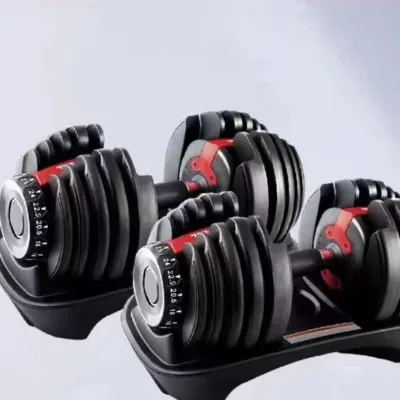
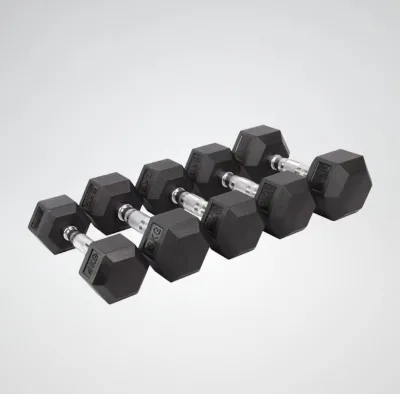
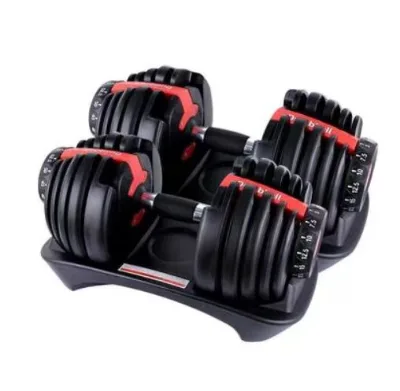
$30.00 - $32.50
MOQ: 2 kilograms

Taian City Konmeida Fitness Co, Ltd.
- Verified by TUVRHEINLAND
- Trading Company,Manufacturer/Factory
- China Shandong
- Lead time45 days
- Avg. response≤ 11h
Main productsDumbbell, Weight Plate, Strength Equipment, Accessories, Aerobic Equipment, Boxing Equipment, Rubber Mat, Cardio Equipment, Sports Protective Equipment
Main marketsSouth America,Eastern Europe,Mid East,North America,Southeast Asia,Eastern Asia,Oceania,Western Europe,Africa

Quanzhou Lianxin Silicon Rubber Product Co., Ltd.
- Manufacturer, Trading Company
- Fujian, China
- Lead time5 days
- Avg. response≤ 6h
Main productsRubber Bumper Plate,Barbell Plate,Competition bumper plate,Olympic Bumper plate,Elite Bumper plate
Main marketsNorth America(60.00%), Southern Europe(15.00%), Western Europe(15.00%), Northern Europe(10.00%)
Nantong New Vigour Trade Co., LTD
- Trading Company
- Jiangsu, China
- Lead time0 days
- Avg. response≤ 12h
Main productsdumbbell,weight bench,barbell,barbell rack,dumbbell rack
Main marketsNorth America(42.28%), Eastern Europe(17.44%), Western Europe(14.65%), South America(13.67%), Africa(8.23%), Central America(3.73%)
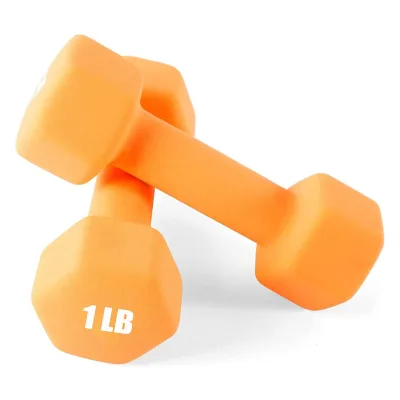
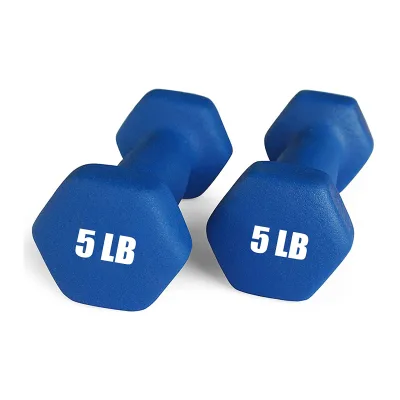
hot sale custom hex dumbbell with high quality
$0.58 - $0.86
Dezhou Deren Fitness Equipment Co., Ltd.
- Verified by TüVRheinland
- Manufacturer, Trading Company
- Lead time20 days
- Avg. response≤ 2h
Main productsPilates Reformer, Rowing Machina, Dumbbell, Barbell Rod, Spinning Bike
Main marketsEastern Asia(21%), Domestic Market(20%), South America(18%)

Dezhou Kasung Fitness Equipment Co., Ltd.
- Verified by SGS
- Trading Company,Manufacturer/Factory
- China Shandong
- Lead time23 days
- Avg. response≤ 2h
Main productsGym Equipment, Fitness Equipment, Fitness Machine, Kids Gym Equipment, Spinning Bike, Commercial Treadmill, Multi Gym Equipment, Pilates Equipment, Crossfit Equipment, Fitness Accessory
Main marketsSouth America,Eastern Europe,Mid East,North America,Southeast Asia,Eastern Asia,Oceania,Western Europe,Africa
Suzhou Chuzhong Sports Goods Co., Ltd.
- Trading Company
- Jiangsu, China
- Lead time0 days
- Avg. response≤ 2h
Main productsStrength training,Aerobic exercise,Fitness accessories,Team ball games,Yoga and Pilates equipment
Main marketsNorth America(20.00%), Africa(10.00%), Eastern Europe(10.00%), South America(10.00%), Domestic Market(5.00%), South Asia(5.00%), Southern Europe(5.00%), Southeast Asia(5.00%), Northern Europe(5.00%), Central America(5.00%), Western Europe(5.00%), Eastern Asia(5.00%), Mid East(5.00%), Oceania(5.00%)
Qingdao Boyute Fitness Equipment Co., Ltd.
- Verified by Intertek
- Trading Company
- Lead time30 days
- Avg. response≤ 3h
Main productsRubber Bumper Plate, Barbell, Dumbbell, Kettlebell, Rack
Main marketsNorth America(90%), Western Europe(7%), Oceania(2%)
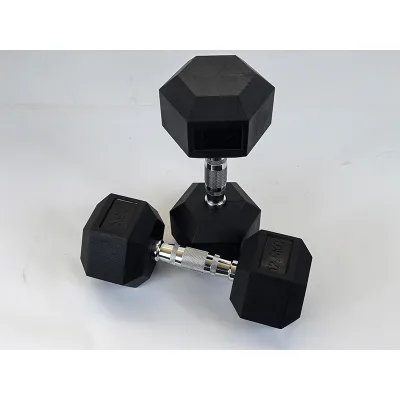
$0.9444 - $1.0058
MOQ: 2 kilograms
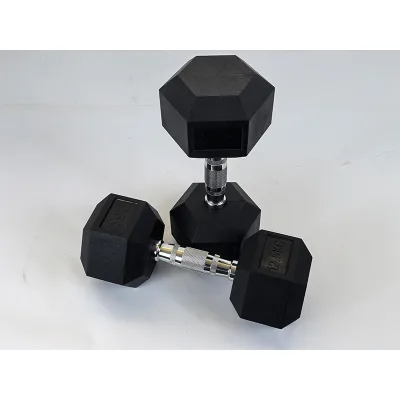
$0.9444 - $1.0058
MOQ: 2 kilograms








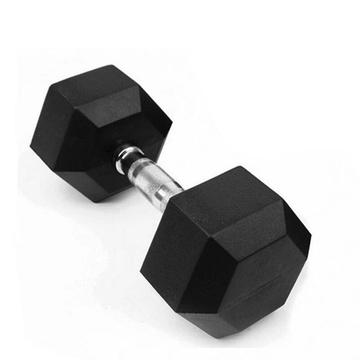
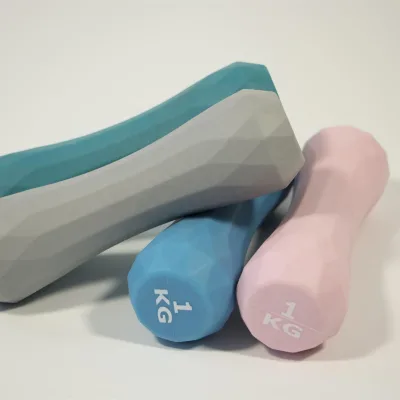
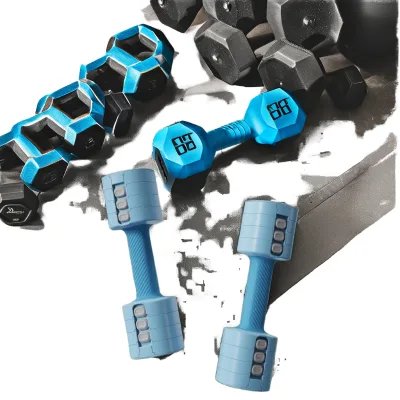
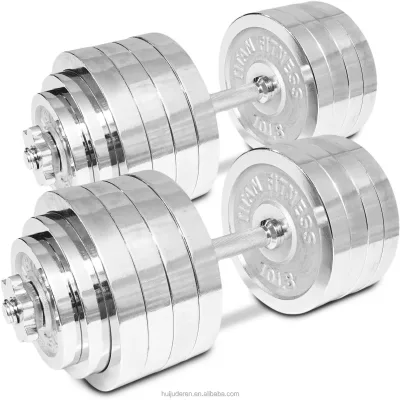


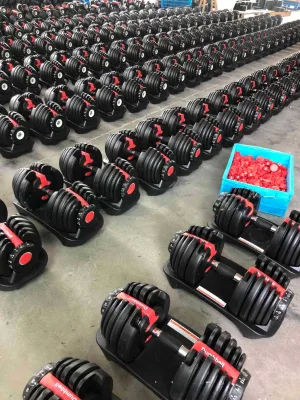
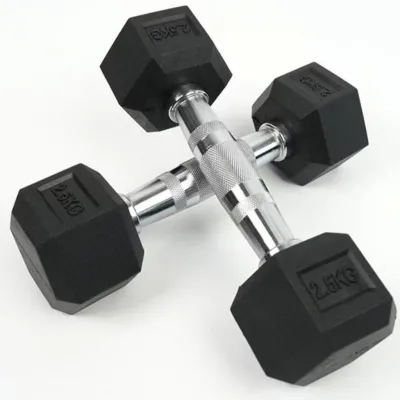
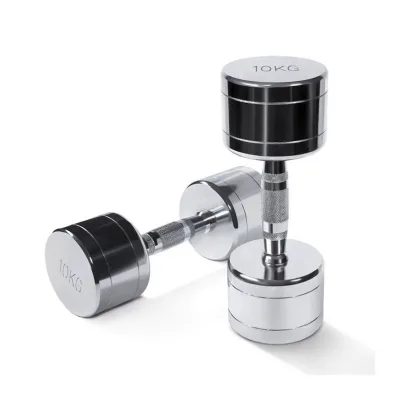
Comprehensive Sourcing Guide
Black Steel Rubber Adjustable Dumbbell Supplier Concentration and Factory Types
The current supplier landscape for black steel rubber adjustable dumbbells reveals a distinct geographic concentration within China, specifically highlighting manufacturing hubs in Jiangsu and Hebei provinces. These regions serve as primary centers for fitness equipment production, offering buyers access to established industrial clusters that specialize in strength training gear. Suppliers located in these areas often benefit from localized supply chains for raw materials such as cast iron, steel, and rubber compounds, which are essential for producing durable dumbbell heads and handles. The presence of both trading companies and manufacturers in these locations indicates a diverse market structure where buyers can choose between direct factory engagement or intermediary services. Trading companies may offer broader product assortments, including related items like yoga mats, power racks, and kettlebells, while manufacturers focus on specialized production capabilities. This concentration allows for efficient logistics and potentially lower shipping costs due to the density of export-oriented facilities. Buyers should recognize that while these regions are prominent, the specific factory type influences the level of customization and control over the production process. Understanding whether a supplier is a pure manufacturer or a trading entity helps in assessing their ability to handle complex OEM requests or provide standardized products with quick turnaround times. The geographic clustering also suggests that many suppliers share similar technical expertise and quality control standards, which can simplify the initial vetting process for buyers seeking reliable partners in the fitness equipment sector.
Within these manufacturing clusters, the company types vary significantly, impacting how buyers interact with potential suppliers. Some entities operate strictly as manufacturers, possessing their own factories and equipment for casting, coating, and assembling dumbbells. These suppliers often emphasize their production capacity and ability to handle large volume orders with consistent quality. Others function as trading companies, leveraging their network to source products from multiple factories or offering comprehensive solutions that include design, sourcing, and logistics management. The distinction is crucial because it affects communication efficiency, pricing structures, and flexibility in meeting specific buyer requirements. For instance, a manufacturer might offer more competitive pricing on standard items due to lower overheads, while a trading company might provide better service for customized orders requiring coordination across different production lines. Additionally, some suppliers may hold certifications such as ISO 9001 or BSCI, indicating adherence to international quality and social responsibility standards. These certifications are often displayed prominently by suppliers aiming to attract global buyers who prioritize compliance and ethical sourcing. The presence of these credentials can serve as a preliminary filter for buyers, helping them identify suppliers who meet specific corporate social responsibility or quality management requirements. By understanding the mix of factory types and their associated capabilities, buyers can better align their sourcing strategies with their operational needs, whether they prioritize cost efficiency, customization flexibility, or compliance assurance.
How to Verify Black Steel Rubber Adjustable Dumbbell Suppliers
Verifying the legitimacy and capability of suppliers requires a systematic approach that goes beyond surface-level product listings. Buyers should prioritize checking for recognized system certifications such as ISO 9001 and BSCI, which provide evidence of standardized quality management and ethical labor practices. These certifications are not merely decorative; they indicate that the supplier has undergone rigorous audits and maintains consistent operational procedures. When evaluating a supplier, buyers should request copies of these certificates and verify their validity through the issuing bodies if possible. Additionally, examining the supplier’s response time can offer insights into their operational efficiency and customer service quality. A rapid response time, such as under seven hours, suggests a dedicated team ready to address inquiries and resolve issues promptly. This metric is particularly important for buyers who need quick turnaround times for samples or urgent order adjustments. Furthermore, buyers should assess the supplier’s main product focus to ensure they specialize in fitness equipment rather than offering a disjointed range of unrelated items. Suppliers with a clear focus on dumbbells, kettlebells, and barbells are likely to have deeper expertise and better quality control measures in place.
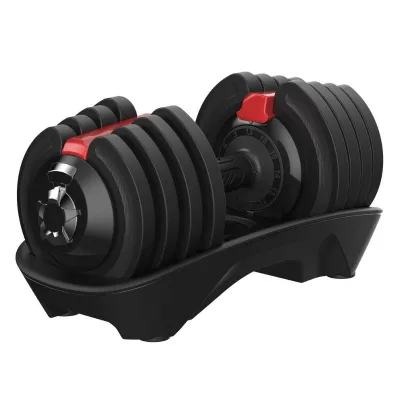
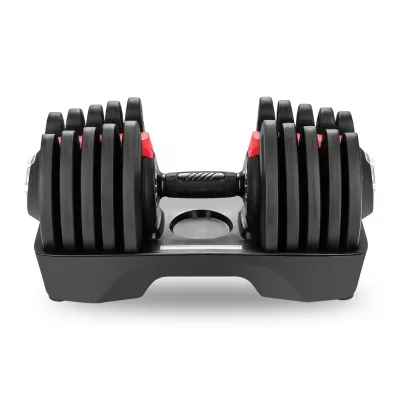
Beyond certifications and response metrics, buyers should scrutinize the detailed product attributes and specifications provided by suppliers. Look for clear indications of material composition, such as steel cores with rubber or PU coatings, and verify that these match the buyer’s quality requirements. The presence of customization options, including logo printing and packaging variations, can indicate a supplier’s flexibility and willingness to accommodate brand-specific needs. Buyers should also check for evidence of past production experience, such as model numbers and specific product names that demonstrate a history of manufacturing similar items. For adjustable dumbbells, verifying the mechanism’s durability and weight adjustment range is critical, as these features directly impact product performance and safety. Additionally, buyers should inquire about the supplier’s ability to provide samples, which allows for physical inspection of build quality, coating adhesion, and handle comfort. The availability of samples is a strong indicator of a supplier’s confidence in their product and their readiness to support buyer evaluation processes. By combining these verification steps, buyers can build a comprehensive profile of each supplier, reducing the risk of partnering with unreliable entities and ensuring that selected suppliers meet the necessary technical and operational standards for producing high-quality black steel rubber adjustable dumbbells.
What to Compare Across Black Steel Rubber Adjustable Dumbbell Suppliers
When evaluating multiple suppliers, buyers must compare key operational metrics to determine the best fit for their specific needs. Lead time is a critical factor, as it directly impacts inventory management and order fulfillment schedules. Suppliers may offer varying lead times, ranging from twenty-three to thirty days, depending on their current production capacity and order volume. Buyers should align their procurement timelines with these lead times to avoid stockouts or excess inventory. Similarly, the minimum order quantity (MOQ) varies significantly across suppliers, with some requiring as few as ten pieces for adjustable models, while others may demand higher volumes for fixed dumbbells. Understanding these MOQ differences helps buyers assess the financial feasibility of initial orders and plan their inventory strategy accordingly. Response time is another important comparative metric, as it reflects the supplier’s responsiveness to inquiries and potential issues. Suppliers with faster response times can provide quicker clarifications on specifications, pricing, and shipping details, facilitating smoother communication throughout the procurement process.
Price and customization capabilities are also essential comparison points. Buyers should compare unit prices for similar product specifications, keeping in mind that lower prices may correlate with different material grades or packaging options. For instance, prices for adjustable dumbbells can range significantly based on the weight range and adjustment mechanism complexity. Additionally, buyers should evaluate the extent of customization offered, including logo placement, color options, and packaging designs. Suppliers that offer flexible customization options can help buyers differentiate their products in the market. The type of packaging, such as plywood cases or cartons, also affects shipping costs and product protection during transit. Buyers should compare these logistical details to calculate the total landed cost accurately. Furthermore, examining the supplier’s main product range can reveal their breadth of expertise. Suppliers offering a wide array of fitness equipment may provide better cross-selling opportunities or bundled shipping discounts. By systematically comparing these dimensions, buyers can make informed decisions that balance cost, quality, and operational efficiency, ensuring they select suppliers who align with their strategic sourcing goals.
Common Black Steel Rubber Adjustable Dumbbell Sourcing Risks
Sourcing black steel rubber adjustable dumbbells involves several potential risks that buyers must actively manage to ensure successful procurement. One significant risk is the variability in material quality, particularly regarding the rubber coating and steel core. Inconsistent coating thickness or poor adhesion can lead to premature wear, noise during use, and potential safety hazards. Buyers should mitigate this risk by requesting detailed material specifications and conducting thorough sample inspections before placing large orders. Another risk is the discrepancy between quoted lead times and actual delivery dates. Suppliers may underestimate production complexities or face raw material shortages, leading to delays. To address this, buyers should establish clear communication channels and request regular production updates. Additionally, the risk of non-compliance with international standards or certifications cannot be overlooked. Suppliers may claim certifications that are not valid or do not cover the specific products being ordered. Buyers should verify certification scopes and ensure they include the relevant product categories.
Packaging and logistics present another area of risk, as improper packaging can result in product damage during transit. Dumbbells are heavy and dense, requiring robust packaging solutions to prevent crushing or deformation. Buyers should review packaging details, such as the use of wooden cases or reinforced cartons, and ensure they meet the requirements for long-distance shipping. Furthermore, the risk of intellectual property infringement exists if suppliers use unauthorized logos or designs. Buyers must ensure that all customization requests are handled securely and that suppliers adhere to confidentiality agreements. Another common risk is the lack of transparency in pricing, where hidden costs for molds, tooling, or shipping may emerge later in the process. Buyers should request detailed quotations that break down all costs to avoid surprises. Additionally, the risk of poor after-sales support can impact long-term business relationships. Buyers should assess the supplier’s willingness to handle returns, replacements, or technical support issues. By identifying and proactively addressing these risks, buyers can protect their investments and maintain high standards of product quality and service reliability throughout the sourcing process.
Black Steel Rubber Adjustable Dumbbell Regional Sourcing and Logistics
Regional sourcing from China, particularly from Jiangsu and Hebei provinces, offers distinct logistical advantages and challenges for buyers. These regions are well-connected to major ports such as Tianjin and Qingdao, facilitating efficient export operations. Buyers should consider the proximity of suppliers to these ports when calculating shipping costs and transit times. Suppliers located closer to port cities may offer lower inland transportation fees and faster loading times, reducing overall logistics expenses. Additionally, the concentration of suppliers in these areas allows for consolidated shipping opportunities, where buyers can combine orders from multiple factories to achieve better freight rates. However, buyers must also account for potential regional disruptions, such as weather events or local policy changes, which could impact production and shipping schedules. Understanding the specific logistics infrastructure of each supplier’s location helps buyers plan more accurately and mitigate potential delays.
Logistics planning also involves selecting the appropriate shipping method based on order volume and urgency. For large orders of dumbbells, sea freight is typically the most cost-effective option, given the heavy weight and bulk of the products. Buyers should work with suppliers to optimize container loading, ensuring that products are packed securely to maximize space utilization and minimize damage risk. For smaller or urgent orders, air freight may be considered, although it comes at a higher cost. Buyers should also evaluate the supplier’s experience with international shipping documentation and customs clearance processes. Suppliers who are familiar with export regulations can help streamline the clearance process, reducing the risk of delays at destination ports. Additionally, buyers should consider the use of third-party logistics providers to manage complex shipping arrangements, especially if they lack in-house expertise. By carefully planning regional sourcing and logistics strategies, buyers can optimize their supply chain efficiency, reduce costs, and ensure timely delivery of black steel rubber adjustable dumbbells to their target markets.
Black Steel Rubber Adjustable Dumbbell Commercial Terms and Order Planning
Commercial terms and order planning are critical components of successful supplier engagement for black steel rubber adjustable dumbbells. Buyers should negotiate clear payment terms that balance risk and cash flow, such as using escrow services or letter of credit for initial orders. These financial instruments provide security for both parties, ensuring that payments are released only upon satisfactory delivery and inspection of goods. Additionally, buyers should establish detailed order specifications, including weight ranges, adjustment mechanisms, and coating types, to avoid misunderstandings. Clear communication of these details helps suppliers provide accurate quotations and production schedules. Buyers should also plan for quality control measures, such as pre-shipment inspections, to verify that products meet agreed-upon standards before final payment. This step is crucial for identifying any defects or discrepancies early in the process, allowing for timely corrections.
Order planning should also consider inventory management strategies, taking into account lead times and MOQs. Buyers should align their order quantities with sales
FAQs
What is the price range for adjustable dumbbells?
Adjustable dumbbells typically range from $48.50 to $82.00 per unit. Prices vary based on material, such as cast iron or steel, and customization options. Buyers should verify specific model costs, as fixed rubber-coated options may differ significantly from adjustable sets.
What is the minimum order quantity for these products?
Minimum order quantities vary by product type. Adjustable dumbbells often require a minimum of 50 units, while fixed rubber-coated options may require 200 kilograms. Some quick-adjusting models have a lower minimum of 10 pieces. Buyers must check specific product listings for exact MOQs.
Where are these dumbbells manufactured?
Manufacturers are primarily located in China, specifically in Jiangsu and Hebei provinces. These regions specialize in fitness equipment production. Buyers should confirm the exact place of origin for each supplier to ensure alignment with sourcing preferences and logistics planning.
How long does production take?
Standard lead times range from 23 to 30 days. This duration depends on order volume and customization requirements. Buyers should confirm specific timelines with suppliers before placing orders to ensure timely delivery for their fitness equipment projects.
What certifications do suppliers hold?
Suppliers often hold ISO 9001 and BSCI certifications. These indicate adherence to quality management and social compliance standards. Buyers should verify specific certification documents for each supplier to ensure they meet their procurement requirements and regulatory standards.
What materials are used in dumbbells?
Dumbbells are commonly made from cast iron, steel, or steel with rubber coatings. Adjustable models often use cast iron cores with steel handles. Fixed options may feature PU or rubber coatings for durability. Buyers should select materials based on intended use and durability needs.