Source Interlocking Non-Toxic Gym Rubber Floor for Gyms, Schools, and Playgrounds
Compare 30 listings of interlocking non-toxic gym rubber floor from verified Chinese suppliers. Buyers can evaluate specifications like thickness, size, and certifications including CE and ISO for commercial and sports venues; compare the available evidence and request quotations based on your requirements.
Updated
Key considerations
Products List


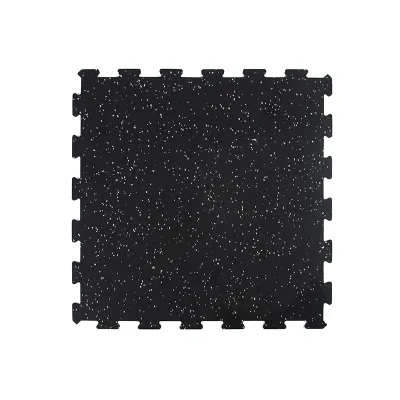
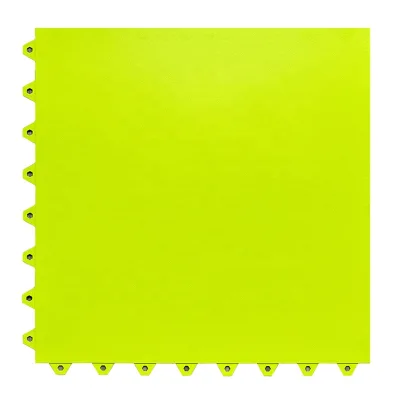
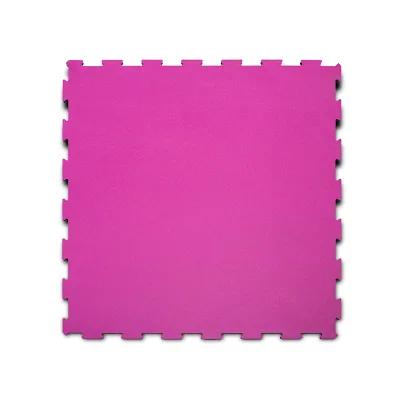


Interlocking Shape Gym Fitness Flooring Interlocking Rubber Mat
$10.00 - $25.00
MOQ: 200 Square Meters

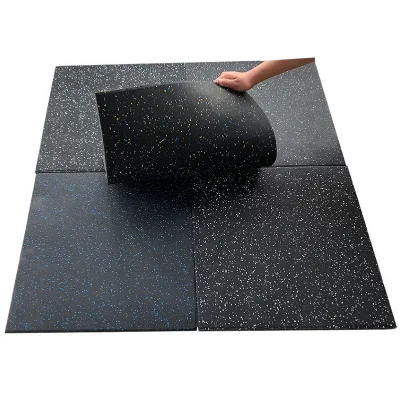
Gym Interlocking Rubber Tiles Crossfit Rubber Gym Flooring for Indoor
$3.00 - $15.00
MOQ: 200 Square Meters
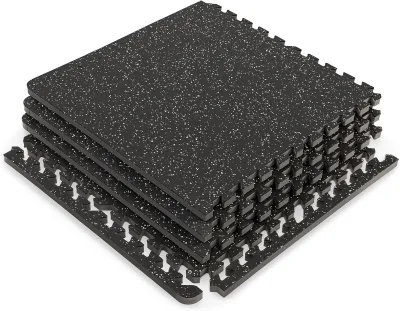
Fitness Gym Floor Mat Sound Insulation Shock Absorption Rubber Interlocking Floor for Gym
$3.2363 - $3.5541
MOQ: 100 pieces

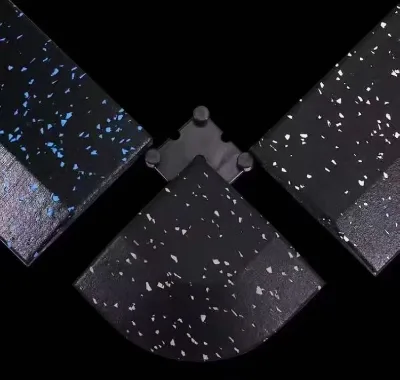
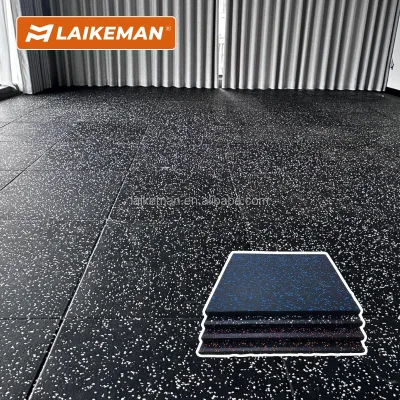
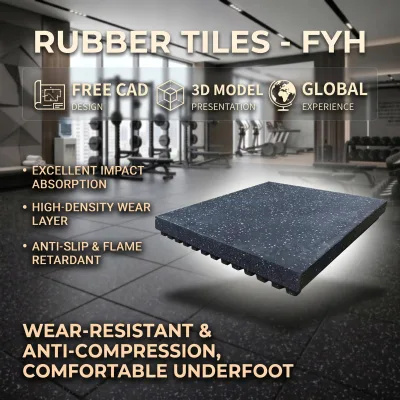
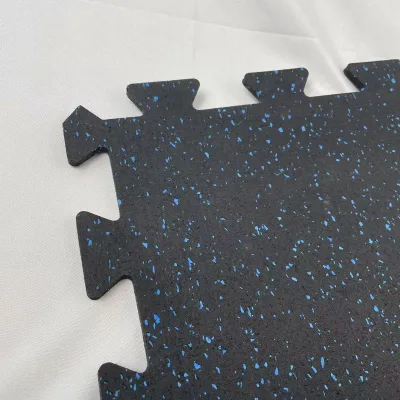
Interlocking Gym Rubber Floor Mat Anti-slip EPDM Gym Rubber Flooring Rolls Tiles
$3.5152 - $4.1357
MOQ: 300 pieces
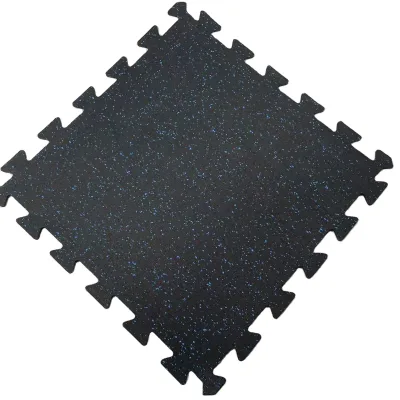
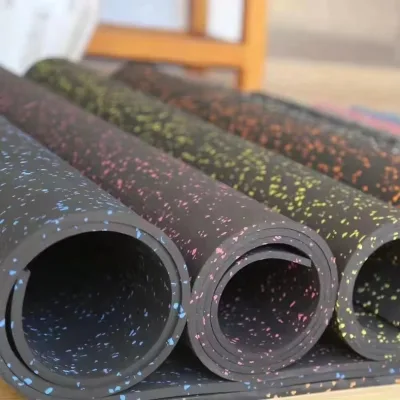


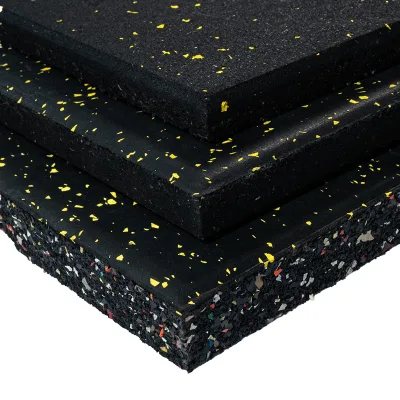
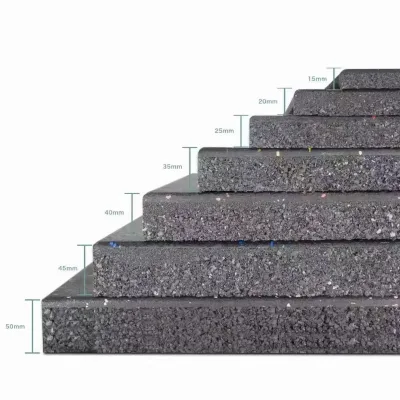
Sport Floor Tiles Indoor Gym Floor 20-50mm Interlocking Mat Rubber for Floor
$5.80 - $6.00
MOQ: 50 Square Meters
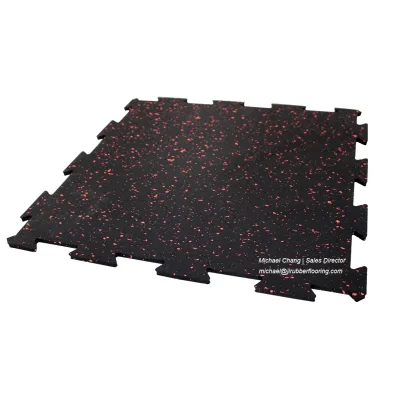
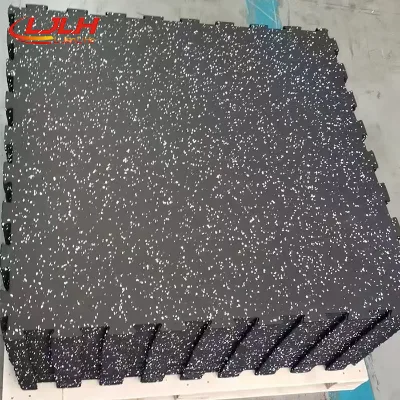
Comprehensive Sourcing Guide
Interlocking Non-Toxic Gym Rubber Floor Sourcing Guide
Procuring interlocking non-toxic gym rubber floors requires a disciplined approach to material verification and supplier validation. Buyers must prioritize products that explicitly state non-toxic composition, such as EPDM or synthetic rubber blends, to ensure indoor air quality and user safety. The observed market data indicates a strong presence of Chinese manufacturers offering customizable solutions, with origins noted in regions like Hebei and Anhui. Sourcing teams should focus on verifying the raw material composition rather than relying solely on marketing terms, ensuring the product meets the specific environmental and health standards required for commercial fitness centers and home gyms.
The interlocking mechanism is a critical functional attribute that simplifies installation and allows for modular replacement. Listings frequently highlight features such as anti-static, acid-resistant, and thermal insulation properties, which are essential for high-traffic commercial environments. Buyers should evaluate the surface treatment processes, such as press techniques, to ensure durability and slip resistance. Additionally, the availability of customization options, including logo printing and specific thicknesses ranging from 3mm to 12mm, allows for tailored solutions that meet diverse aesthetic and performance requirements across different facility types.
Product Scope and Observed Listing Signals
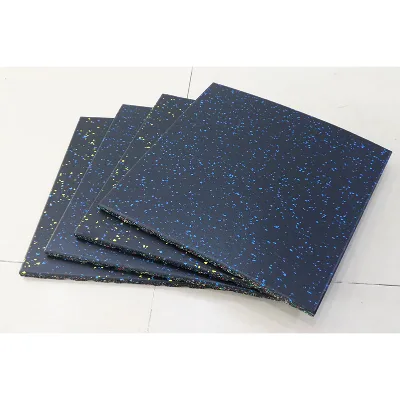
The current market landscape for interlocking gym flooring reveals a diverse range of product formats, primarily categorized as matt tiles and rolls. Observed listings indicate standard sizes such as 500x500mm and 485x485mm, with larger formats like 970x970mm also available. These dimensions cater to both small residential spaces and expansive commercial gyms. The presence of "Type and in Roll" specifications suggests flexibility in procurement, allowing buyers to mix and match formats based on installation complexity and aesthetic preferences. This variety supports the creation of custom patterns and layouts, which is a key selling point for interior designers and facility managers.
Application signals from supplier data point to a broad usage spectrum, including households, commercial clubs, schools, and outdoor playgrounds. This versatility indicates that the products are engineered to withstand varying levels of impact and wear. The mention of "All Sports" as a sports category further reinforces the general-purpose nature of these floors. However, buyers must carefully match the product’s specific feature set, such as corrosion or heat resistance, to the intended environment. For instance, industrial rubber slabs may offer different durability profiles compared to specialized sport rubber flooring rolls, necessitating a clear definition of the end-use scenario before selection.
Technical Specifications to Verify
Thickness is a primary technical variable that directly influences shock absorption and longevity. Observed data shows a thickness range of 3mm to 12mm, with specific options like 1.5cm or 2.5cm available for certain slab products. Buyers must verify the exact thickness for each tile or roll, as thinner options may not provide adequate cushioning for high-impact activities like weightlifting or CrossFit. The width of rolls is also a critical specification, with observed ranges from 1 meter to 1.25 meters. Ensuring consistency in thickness and width across batches is essential for maintaining a level surface and preventing tripping hazards in large installations.
The material composition and surface treatment are equally important technical factors. Products are described as being made from EPDM, synthetic rubber, or pure gum rubber sheets, often with fabric mediums. The surface treatment process, identified as "Press," affects the texture and grip of the floor. Buyers should request samples to assess the tactile quality and check for uniformity in the interlocking edges. Additionally, the single package size and gross weight, such as 50x50x1 cm and 1.000 kg, provide insights into handling and logistics. Understanding these physical attributes helps in planning storage space and installation labor requirements accurately.
Compliance and Safety Documentation
Certification status is a non-negotiable aspect of sourcing non-toxic gym flooring. The observed market includes products with CE, ISO, and RoHS certifications, which are critical for demonstrating compliance with international safety and environmental standards. Buyers must verify the validity of these certificates and ensure they cover the specific product models being ordered. RoHS certification, in particular, is vital for confirming the absence of hazardous substances, aligning with the "non-toxic" claim. Without proper documentation, buyers risk procuring materials that may not meet local regulatory requirements, leading to potential legal and liability issues.
Safety features such as anti-static and insulating properties contribute to the overall risk management strategy for gym operators. These attributes help prevent electrical hazards and provide thermal comfort, enhancing the user experience. The "Corrosion-resistant" and "Wear-resistant" features further indicate the product's ability to maintain safety standards over time. Buyers should request test reports that validate these performance claims, especially for high-traffic areas. Ensuring that the flooring meets specific slip-resistance and impact-absorption standards is crucial for protecting users from injuries and maintaining a safe operating environment.
Cost Drivers and Commercial Terms
Pricing in the observed market ranges from $1.7 to $25 USD, reflecting significant variation based on material quality, thickness, and customization. The minimum order quantity (MOQ) typically starts at 500 square meters, which can be a barrier for smaller projects. Buyers should negotiate MOQ flexibility or consider combining orders with other suppliers to meet thresholds. The delivery time is noted as 25 days, which is a standard lead time but requires careful planning to avoid project delays. Understanding the cost structure, including packaging and shipping, is essential for accurate budgeting and total cost of ownership analysis.
Customization options, such as OEM services and customized logos, add value but may increase costs and lead times. Buyers should clarify the additional charges for these services upfront. The packing method, involving plastic films and pallets, ensures product protection during transit but adds to the overall weight and volume. It is important to verify if the supplier offers consolidated shipping or if pallets are reusable. Clear communication regarding commercial terms, including payment methods and warranty policies, helps mitigate financial risks and ensures a smooth procurement process from order placement to final delivery.
Supplier Qualification and Quality Control
Supplier location and origin are key indicators of manufacturing capability and supply chain reliability. The observed data highlights origins in China, specifically Hebei and Anhui provinces, which are known for rubber product manufacturing. Buyers should conduct due diligence on these suppliers, verifying their business licenses and production capacity. The availability of online technical support and onsite installation services adds value, indicating a commitment to customer satisfaction. However, buyers must assess the responsiveness and expertise of the support teams to ensure effective problem resolution during and after installation.
Quality control processes should be explicitly defined in the procurement contract. Buyers should request information on the supplier’s quality management systems and inspection protocols. The "Standard or customized" product standards suggest flexibility, but buyers must ensure that custom orders meet rigorous quality benchmarks. Regular factory audits or third-party inspections can help verify production consistency. Additionally, the brand name "Green Valley" appears in some listings, indicating established market presence. Buyers should evaluate brand reputation and customer feedback to gauge reliability and product performance over time.
Long-Term Procurement Checks
After-sales service is a critical factor for long-term satisfaction and operational continuity. The observed offerings include online technical support and onsite installation, which are valuable for addressing initial setup issues. Buyers should verify the extent of warranty coverage and the availability of spare parts for future repairs. The ability to replace individual tiles or sections of rolls without replacing the entire floor is a significant advantage. Ensuring that the supplier provides clear maintenance guidelines and troubleshooting resources helps extend the lifespan of the flooring and reduces long-term maintenance costs.
Sustainability and environmental impact are increasingly important considerations for modern procurement strategies. Buyers should inquire about the recyclability of the rubber materials and the supplier’s environmental policies. The use of non-toxic materials aligns with green building standards, which may offer certification benefits for the facility. Regularly reviewing supplier performance and product durability allows buyers to make informed decisions for future purchases. Building a long-term relationship with a reliable supplier ensures consistent quality and potentially better pricing, supporting the facility’s ongoing operational needs and safety standards.
FAQs
What certifications do interlocking non-toxic gym rubber floors have?
These floors typically hold CE, ISO, and RoHS certifications to ensure safety and quality standards. The materials used, such as EPDM and synthetic rubber, are selected for their non-toxic properties. This compliance ensures the flooring is safe for use in schools, commercial clubs, and home gyms without harmful emissions.
Can I customize the logo on interlocking non-toxic gym rubber floors?
Yes, customization is available for interlocking non-toxic gym rubber floors. Buyers can request a customized logo to be printed or embedded into the mats. This service allows businesses and fitness centers to brand their spaces effectively while maintaining the durable and anti-static properties of the rubber flooring.
What are the standard sizes for interlocking non-toxic gym rubber floors?
Standard sizes include 500x500mm and 485x485mm tiles, as well as 1000x1000mm options. Some products are also available in rolls with widths ranging from 1 to 1.25 meters. Thicknesses vary from 3mm to 12mm, allowing users to select the appropriate level of cushioning and durability for their specific gym environment.
How long is the delivery time for interlocking non-toxic gym rubber floors?
The typical delivery time is approximately 25 days after order confirmation. This lead time allows for production and quality checks before shipment. Buyers should account for this duration when planning their gym installation schedules, ensuring that the flooring arrives in time for the intended opening or renovation project completion.
What is the minimum order quantity for interlocking non-toxic gym rubber floors?
The minimum order quantity is often set at 500 square meters. This MOQ ensures efficient production runs and cost-effective shipping for bulk orders. Buyers looking for smaller quantities may need to check with specific suppliers, as some may offer flexible terms for pilot projects or smaller commercial installations.
Where are interlocking non-toxic gym rubber floors manufactured?
These products are primarily manufactured in China, with origins in regions like Hebei and Anhui. The manufacturing process involves pressing synthetic rubber and EPDM materials to create durable, interlocking tiles. This centralized production helps maintain consistent quality and competitive pricing for international buyers sourcing gym flooring solutions.