Manual Beverage Spout Sealing Machine Suppliers and Manufacturers
Source 22 suppliers for Manual Beverage Spout Sealing Machine equipment. Compare locations in China, ISO 9001 certification, response times, and pricing ranges from $1,400 to $60,000. Review product specifications and lead times to identify the right partner for your packaging needs.
Updated
Suppliers List

Ruian Zhechuang International Trade Co., Ltd.
- Trading Company,Manufacturer/Factory,Other
- China Zhejiang
- Lead time30 days
- Avg. response≤ 5h
Main productsBubble Bag Making Machine, Paper Buffer Mailer Converting Machine, Paper Envelope Making Machine
Main marketsSouth America,Eastern Europe,Mid East,North America,Southeast Asia,Eastern Asia,Oceania,Western Europe,Africa

- Verified by BV
- Trading Company
- China Hebei
- Lead time30 days
- Avg. response≤ 1h
Main productsElbow Machine, Induction Pipe Bending Machine, Tee Machine, Seamless Elbow, Pipe Expanding Machine, Hydraulic Press, GOST Elbow, Tee
Main marketsSouth America,Africa,Southeast Asia/ Mideast,East Asia(Japan/ South Korea),Europe,North America

$3900.00 - $4500.00
MOQ: 1 Pieces

Juice Pouch Packaging Filling Machine Spout Pouch Filling Capping Machine Beverage Packing Machine
$12400.00 - $12500.00
MOQ: 1 Pieces

Hebei Haosen Leituo Machinery Technology Co., Ltd.
- Verified by SGS
- Trading Company
- China Hebei
- Lead time30 days
- Avg. response≤ 5h
Main productsPP Woven Valve Bag Production Line, PP Woven Bag Production Line, FIBC Jumbo Bag Production Line, Paper Laminated PP Bag Production Line, Kraft Paper Valve Bag Production Line, Dunnage Airbag Production Line, Spout Pouch Making Machine, Flexitank Bag Making Machine, Bib Bag Making Machine, Stand up Pouch Making Machine
Main marketsSouth America,Africa
Jiangyin Brenu Industry Technology Co., Ltd.
- Verified by Intertek
- Manufacturer, Trading Company
- Lead time20 days
- Avg. response≤ 2h
Main productsFilling Machine, Packing Machine, Capping Machine, Labeling Machine, Ice maker
Main marketsSouth America(24%), Mid East(20%), Southeast Asia(15%)
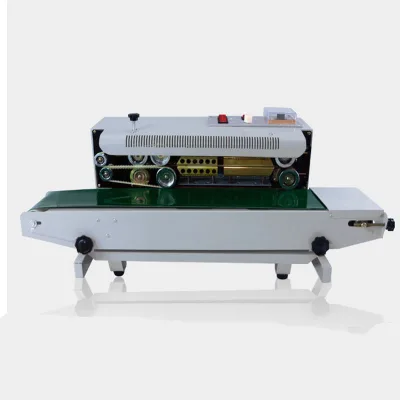
New Arrival Manual Spout Pouch Sealing Machine
$160.00 - $185.00
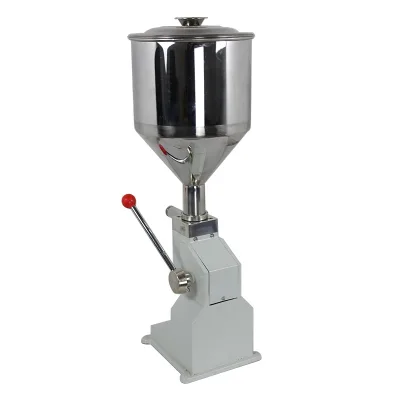
Hot Sell Manual Spout Pouch Ampoule Filling Sealing Machine
$152.00 - $166.00
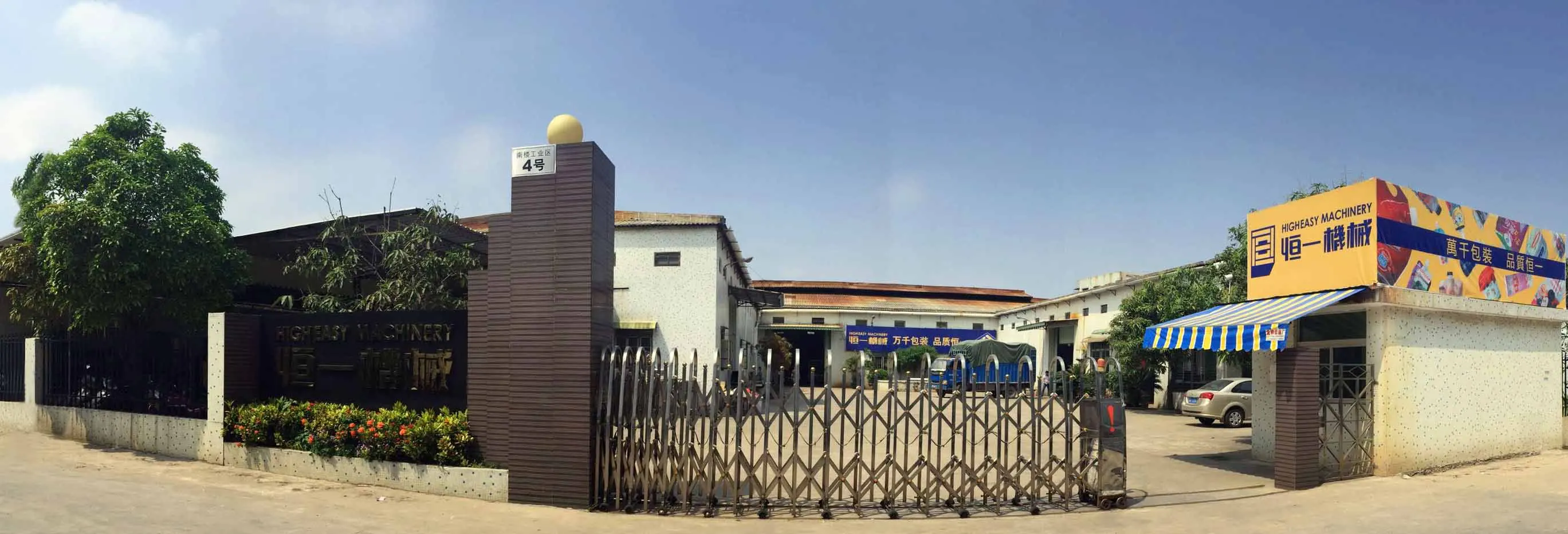
Shantou Higheasy Machinery Co., Ltd.
- Manufacturer, Trading Company
- Guangdong, China
- Lead time0 days
- Avg. response≤ 1h
Main productsAutomatic spout pouch filling capping machine,Automatic cup filling sealing machine,Automatic bottle filling capping machine,Automatic spout sealing machine,Pasteurizing line
Main marketsDomestic Market(40.00%), North America(15.00%), Western Europe(5.00%), Southern Europe(5.00%), Central America(5.00%), Northern Europe(5.00%), South America(5.00%), Southeast Asia(5.00%), Eastern Europe(5.00%), Mid East(3.00%), South Asia(2.00%), Eastern Asia(2.00%), Africa(2.00%), Oceania(1.00%)

Shanghai Huacheng Packing Machinery Co., Ltd.
- Verified by TUVRHEINLAND
- Combined
- China Shanghai
- Lead time45 days
- Avg. response≤ 7h
Main productsAutomatic Pouch Packing Machine, Premade Pouch Packing Machine, Horizontal Form Fill Seal Machine, Spout Pouch Packing Machine, Zipper Pouch Packing Machine, Doypack Packing Machine, Filling and Capping Machine, High Speed Pouch Packing Machine, Flexible Pouch Packing Machine, Bottle Filling Line
Main marketsAfrica,Southeast Asia/ Mideast,Europe


$22000.00 - $25000.00
MOQ: 1 Sets


100ml-1000ml Food and Beverages Spout Pouch Forming Filling and Sealing Packing Machine
$30000.00 - $35000.00
MOQ: 1 Pieces

Spout Pouch Forming Filling Sealing Packaging Machine for Food/ Healthy Best Quality
$30000.00 - $35000.00
MOQ: 1 Sets
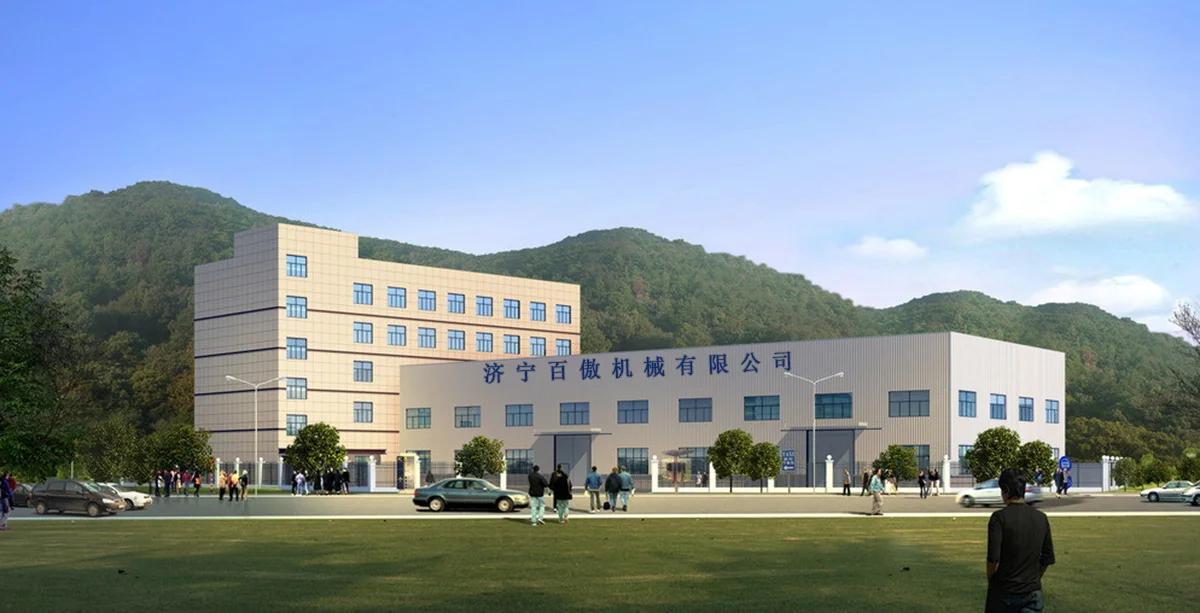
Jining Better Origin Machinery Co., Ltd.
- Trading Company
- Shandong, China
- Lead time7 days
- Avg. response≤ 3h
Main productsPackaging machinery,Cutting machinery,Hardware tools
Main marketsNorth America(20.00%), Western Europe(15.00%), Northern Europe(10.00%), South America(10.00%), Africa(10.00%), Southeast Asia(10.00%), Eastern Europe(10.00%), Southern Europe(5.00%), Mid East(5.00%), Oceania(5.00%)
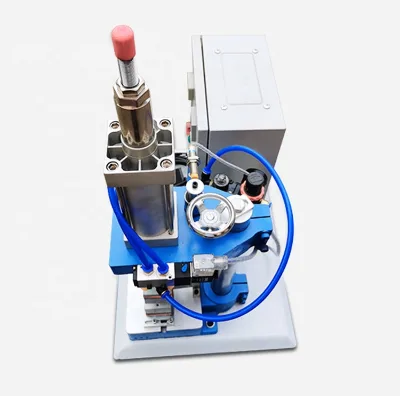
High Power Plastic Spout Sealing Machine for Sale
$1150.00 - $1180.00
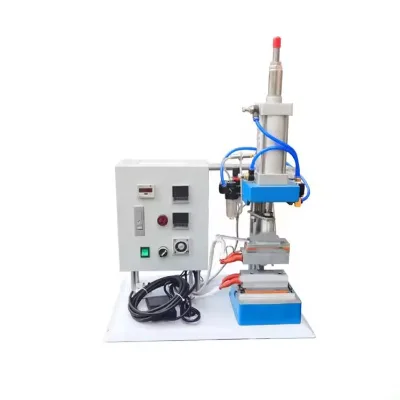
Spout Insert Sealing Machine Spout Pouch Sealing Machine for Suction Nozzle
$1150.00 - $1180.00
MOQ: 1 sets
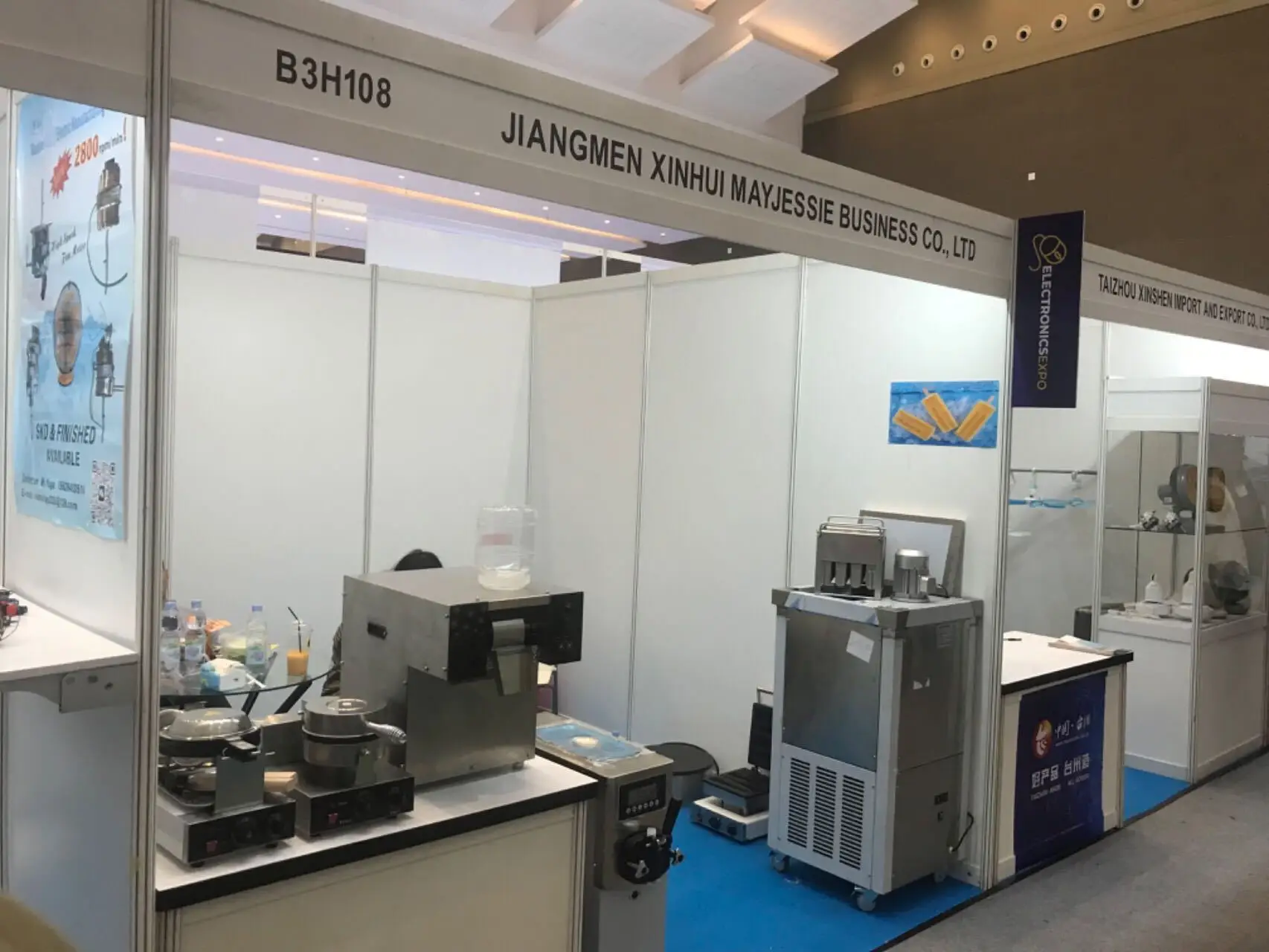
Jiangmen Xinhui Mayjessie Industrial Co., Ltd.
- Trading Company
- Guangdong, China
- Lead time5 days
- Avg. response≤ 7h
Main productsice cream machine,kitchen equipment,food equipment,beverage machinery
Main marketsNorth America(40.00%), Southern Europe(20.00%), Western Europe(20.00%), Eastern Europe(10.00%), South America(10.00%)
Henan Huanor Import And Export Trade Co., Ltd.
- Verified by TüVRheinland
- Trading Company
- Lead time0 days
- Avg. response≤ 6h
Main productsMeat Grinder, Bowl Cutter, Slicer, Beef Patty Machine
Main marketsNorth America(20%), Western Europe(20%), Eastern Europe(8%)

Guangzhou Fuluke Cosmetics Equipment Co., Ltd.
- Verified by CTI
- Combined
- China Guangdong
- Lead time15 days
- Avg. response≤ 9h
Main productsVacuum Cosmetics Emulsifier Mixer, Mixing Machine, Water Treatment System, Cosmetics Cream Making Machine, Shampoo Detergent Mixing Machine, Label Machine, Filling and Sealing Machine, Capping Machine, Cream Loction Making Machine, Inkjet Print
Main marketsAfrica,Southeast Asia/ Mideast,Domestic,Europe,Australia,North America

Sealing Machine Cup Sealing Machine Plastic Bottle Cap Sealing Machine
$3000.00 - $10000.00
MOQ: 1 Sets

Seeds Filling and Sealing Machine Milk Cup Filling Seal Machine Drinks Filling Sealing Machine
$8658.00 - $28968.00
MOQ: 1 Pieces

$8658.00 - $28968.00
MOQ: 1 Pieces
Foshan Nanhai District Shui Yiteng Kitchenware Equipment Factory
- Verified by SGS Group
- Manufacturer, Trading Company
- Lead time20 days
- Avg. response≤ 5h
Main productsIce Crusher, Food Cutter, Cup Sealing Machine, Coconut Peeler, Vegetable Cutter
Main marketsNorth America(46%), Southeast Asia(30%), Eastern Europe(5%)
Henan Jinfuda Machinery Equipment Co., Ltd.
- Trading Company
- Henan, China
- Lead time0 days
- Avg. response≤ 3h
Main productsAgricultural Machinery, Food Machinery, Construction And Building Materials Machinery, Construction Machinery, Packaging Machinery
Main marketsCentral America(20.00%), Southern Europe(10.00%), Northern Europe(10.00%), Mid East(10.00%), Domestic Market(5.00%), South Asia(5.00%), Southeast Asia(5.00%), Eastern Europe(5.00%), North America(5.00%), Western Europe(5.00%), Eastern Asia(5.00%), South America(5.00%), Oceania(5.00%), Africa(5.00%)
Ganzhou Meizhenghui Trading Co., Ltd.
- Verified by Intertek
- Trading Company
- Lead time0 days
- Avg. response≤ 1h
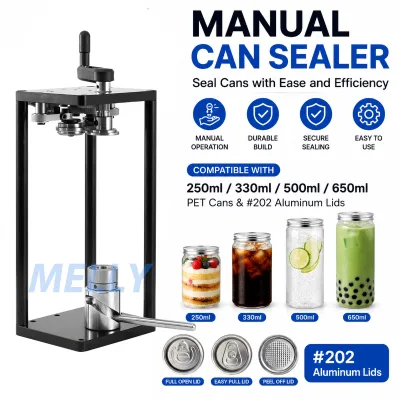
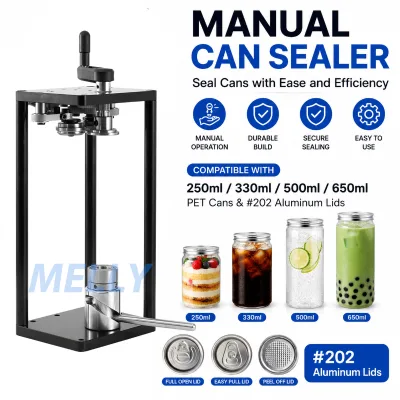
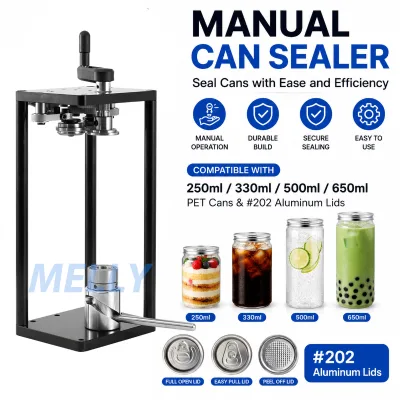
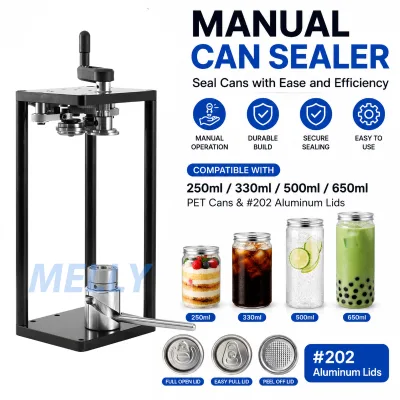
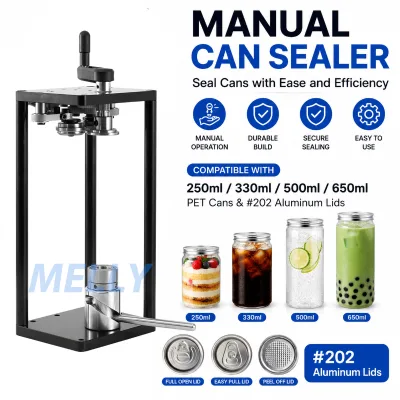
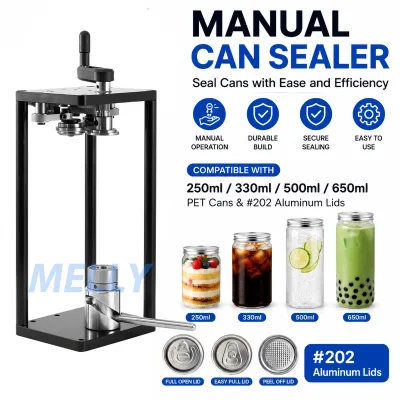
Main productsCan Sealing Machine, PET Can
Main marketsAfrica(25%), Southeast Asia(16%), Mid East(14%)
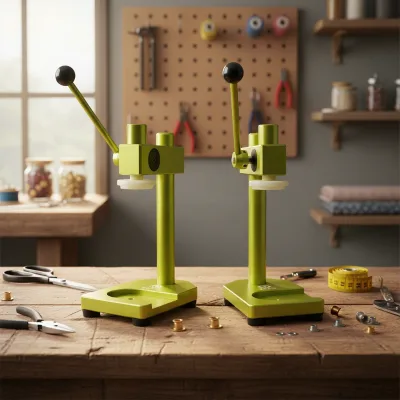
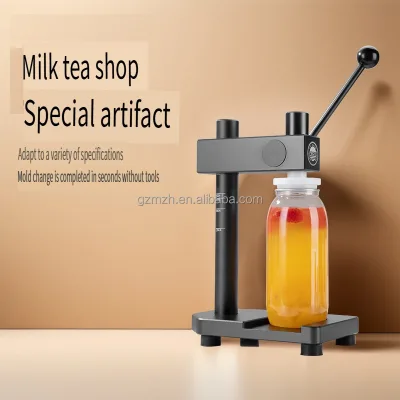
$93.2325 - $145.6101
MOQ: 1 pieces
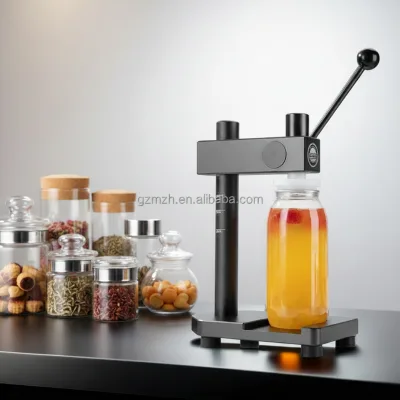
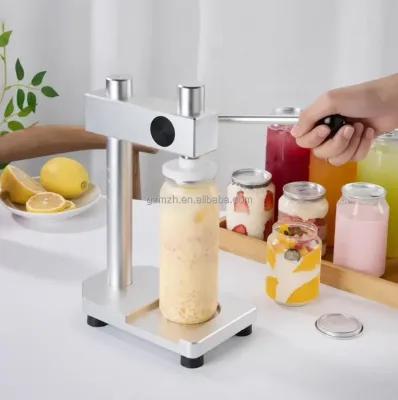
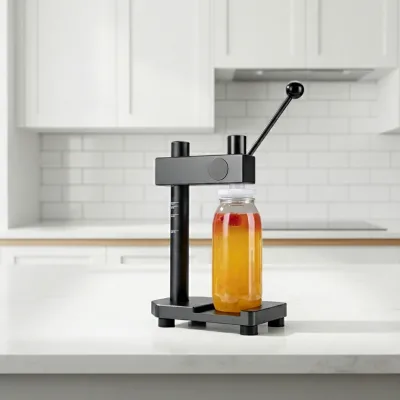
Guangzhou Eton Electromechanical Co., Ltd.
- Verified by SGS Group
- Manufacturer, Trading Company
- Lead time15 days
- Avg. response≤ 5h
Main productsPopcorn Machine, Cotton Candy Machine, Cup Sealing Machine, Hot Dog Roller, BBQ Roaster
Main marketsNorth America(27%), Southeast Asia(18%), Western Europe(17%)

Seamax(Xiamen)Technology Co Ltd
- Verified by TUVRHEINLAND
- Trading Company
- China Fujian
- Lead time15 days
- Avg. response≤ 1h
Main productsCan Sealing Machine, Can Seamer, Aluminum Cans and Ends, Food&Beverage Package, Plastic Cans, Can Sealer, Pet PP Cups and Cup Sealer, Canning Machine, Plastic Bottles and Preforms
Main marketsEast Asia(Japan/ South Korea)

- Manufacturer/Factory
- China Guangdong
- Lead time15 days
- Avg. response≤ 3h
Main productsOven Mixer Dough Sheeter, Oven Mixer
Main marketsSouth America,Eastern Europe,Mid East,North America,Southeast Asia,Eastern Asia,Oceania,Western Europe,Africa

Guangzhou ETON Electromechanical Co., Ltd.
- Verified by BV
- Combined
- China Guangdong
- Lead time30 days
- Avg. response≤ 8h
Main productsPopcorn Machine, Candy Floss Machine, Fryer, Soymilk Machine, Sealing Machine, Sealer, Hot Dog Roller, Ice Crusher, Oven, Sugar Cane Presser
Main marketsSouth America,Africa,Southeast Asia/ Mideast,East Asia(Japan/ South Korea),Domestic,Europe,Australia,North America

Zhengzhou Honest Machinery Co., Ltd.
- Trading Company,Manufacturer/Factory
- China Henan
- Lead time15 days
- Avg. response≤ 6h
Main productsFood Machinery, Packing Machines, Microwave Equipment, Drying Machines, Grain Product Making Machines, Commodity Making Machines, Texitle Machines, Construction Machinery
Main marketsSouth America,Eastern Europe,Mid East,North America,Southeast Asia,Eastern Asia,Oceania,Western Europe,Africa

Guangzhou ETON Import & Export Co., Ltd.
- Verified by SGS
- Combined
- China Guangdong
- Lead time30 days
- Avg. response≤ 14h
Main productsCandy Floss Machine, Popcorn Machine, Cup Sealing Machine, BBQ Roaster, Electric Fryer, Hot-Dog Roller, Ice Blender, Ice Crusher, Juice Extrctor, Slush Machine
Main marketsSouth America,Europe
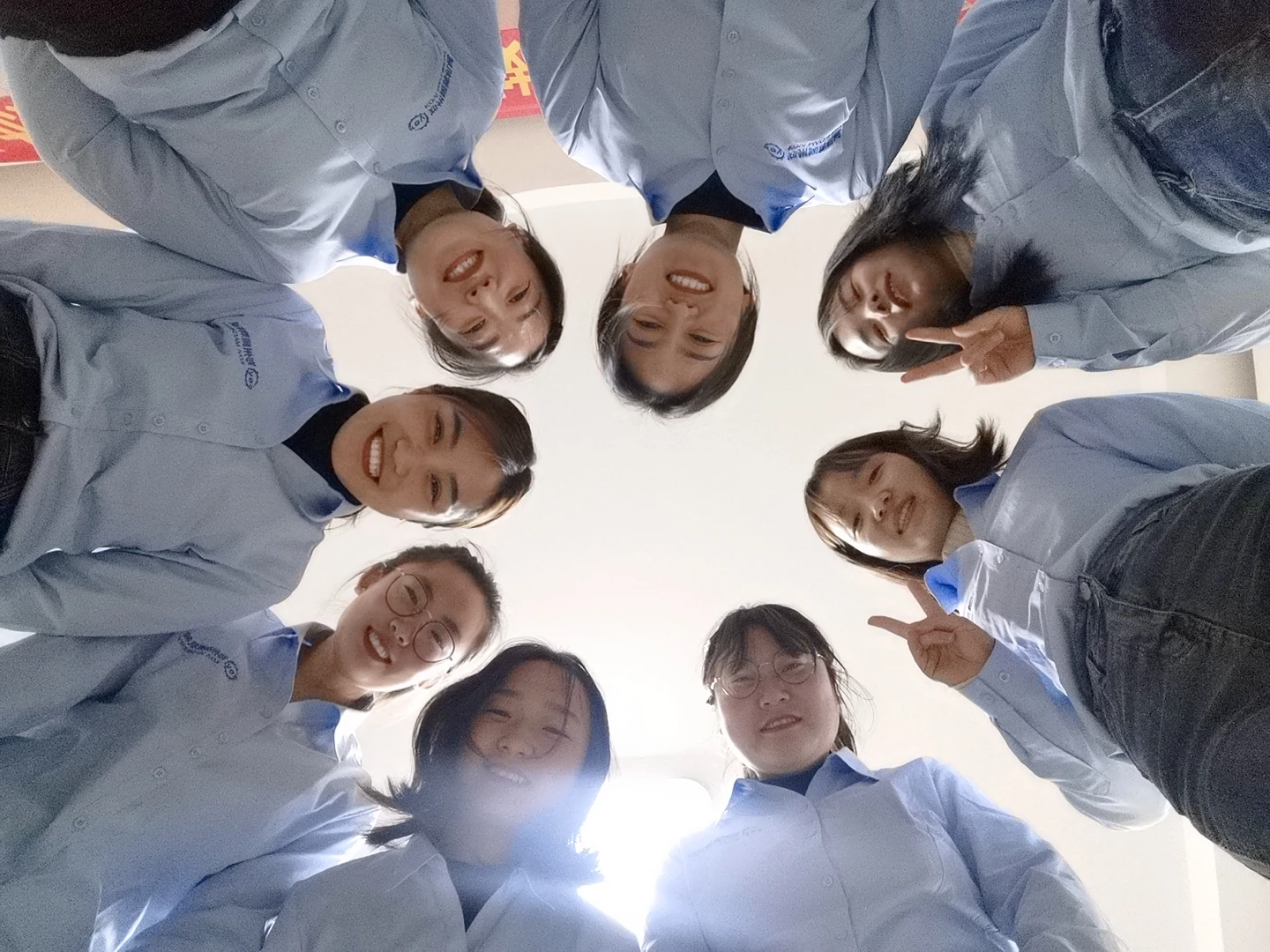
Zhengzhou Jieyuan Machinery Manufacturing Co., Ltd.
- Trading Company
- Henan, China
- Lead time7 days
- Avg. response≤ 2h
Main productsCurtain machine,quilt machine,cotton fiber machine,Aluminum cutting machine,Pipe bending machine
Main marketsSouthern Europe(20.00%), Western Europe(20.00%), South Asia(10.00%), Africa(10.00%), Central America(10.00%), Mid East(5.00%), South America(5.00%), Northern Europe(5.00%), Southeast Asia(5.00%), North America(5.00%), Eastern Asia(5.00%)
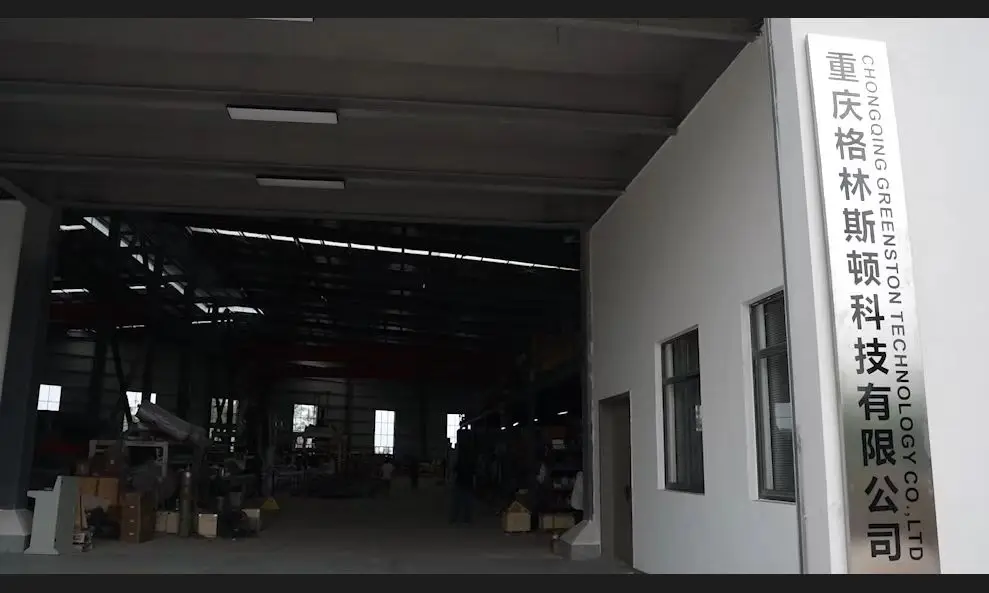
Chongqing Greenston Technology Co., Ltd.
- Trading Company
- Chongqing, China
- Lead time0 days
- Avg. response≤ 2h
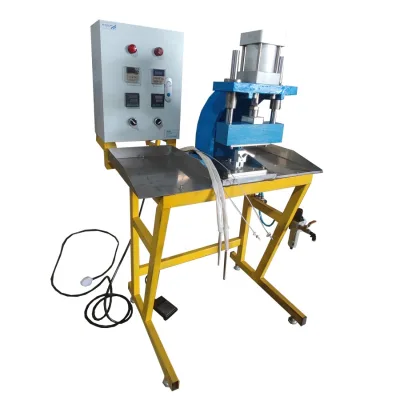
Main productsCan sealing machine,Cup Sealing machine,Cans,Film roll,bubble tea machines
Main marketsSoutheast Asia(40.00%), Africa(30.00%), Domestic Market(20.00%), South America(10.00%)

Guangzhou Nantian Sources Co., Ltd.
- Manufacturer/Factory
- China Guangdong
- Lead time15 days
- Avg. response≤ 6h
Main productsKitchen Equipment, Kitchenware, Food Machine, Kitchen Appliance, Glassware, Food Machinery, Bakery Equipment, Dinnerware, Kitchen Utensils, Food Processor
Main marketsSouth America,Mid East,Southeast Asia,Eastern Asia,Oceania,Africa






Comprehensive Sourcing Guide
Manual Beverage Spout Sealing Machine Supplier Concentration and Factory Types
The current supplier landscape for manual beverage spout sealing machines reveals a distinct geographic concentration in China, with Zhejiang and Hebei emerging as primary manufacturing hubs. Suppliers located in Zhejiang often operate as a hybrid of trading companies and manufacturers, offering a broad range of industrial machinery including bubble bag making and paper envelope production alongside spout sealing equipment. This diversity in company type suggests that buyers may encounter entities that act as intermediaries for factory output or direct producers with diversified product lines. In contrast, suppliers based in Hebei are predominantly identified as trading companies, which may indicate a different supply chain structure focused on aggregation rather than direct fabrication. Understanding these structural differences is critical for buyers, as the company type directly influences the level of technical support, customization flexibility, and direct communication available during the sourcing process. The presence of both manufacturer and trading company profiles within the same category allows for varied negotiation strategies, though it requires careful due diligence to ensure the claimed manufacturing capability aligns with the actual production capacity and quality control measures in place.
Beyond geographic location, the variety of main products offered by these suppliers provides insight into their operational focus and technical expertise. Many suppliers list core competencies in areas such as pipe bending, hydraulic pressing, or general packaging machinery, which may or may not correlate with specialized expertise in spout sealing technology. For instance, some entities highlight main products like elbow machines or seamless elbows, suggesting a background in metalworking or heavy industrial equipment rather than flexible packaging conversion. This divergence implies that buyers must scrutinize the specific product evidence provided for spout sealing machines rather than relying solely on the supplier’s general catalog. The availability of OEM capabilities, as noted in some supplier profiles, indicates a potential for customization, but this must be verified against the supplier’s actual engineering resources. Buyers should assess whether the supplier’s primary focus aligns with the specific technical demands of beverage spout sealing, such as precision in capping and sealing mechanisms, to ensure that the equipment meets the rigorous standards required for liquid and paste product packaging.
How to Verify Manual Beverage Spout Sealing Machine Suppliers
Verification of suppliers requires a multi-layered approach that goes beyond basic profile checks, focusing on tangible evidence of capability and compliance. One critical step is to examine the system certifications listed, such as ISO 9001, which serves as a baseline indicator of quality management systems in place. However, the absence of such certifications, or a status of NIL, does not automatically disqualify a supplier but necessitates deeper investigation into their internal quality control processes. Buyers should request detailed documentation of their quality assurance protocols, including inspection reports for key components like sealing heads and filling nozzles. Additionally, third-party verification badges, such as BV verification, provide an external layer of trust regarding the supplier’s business legitimacy and operational stability. These badges confirm that an independent agency has validated certain aspects of the supplier’s business, offering a higher degree of confidence compared to self-declared claims. Buyers must ensure that the verification scope covers the specific manufacturing or trading activities relevant to spout sealing machines, as general business verification may not encompass technical competency or production capacity.
Another essential verification step involves assessing the supplier’s responsiveness and technical communication capabilities. The response time metric, which can vary significantly between suppliers, serves as a proxy for their operational efficiency and customer service commitment. A faster response time, such as under one hour, often correlates with a more agile and attentive support team, which is crucial for resolving technical queries or negotiating custom specifications. Buyers should initiate direct communication to test the depth of technical knowledge, asking specific questions about machine models, sealing mechanisms, and compatibility with various beverage types. The availability of customization options, such as adjustable filling ranges or specific voltage configurations, should be confirmed through direct dialogue rather than assumed from product listings. Furthermore, verifying the origin of the machinery and the materials used, such as stainless steel grades for food contact parts, is vital for ensuring compliance with food safety standards. Buyers should request material certificates or test reports to validate claims about construction quality, ensuring that the equipment is suitable for handling liquids, pastes, and dairy products without contamination risks.
What to Compare Across Manual Beverage Spout Sealing Machine Suppliers
When evaluating multiple suppliers, buyers must systematically compare key operational metrics to identify the most suitable partner for their specific needs. One of the most significant differentiators is the lead time, which can impact production scheduling and inventory management. Suppliers may offer varying lead times, with some providing standard delivery windows of around thirty days, while others might have longer or shorter periods depending on current order volumes and customization requirements. Buyers should clarify whether the stated lead time includes manufacturing, testing, and shipping, or if it refers solely to production time. Additionally, the minimum order quantity (MOQ) is a critical factor, especially for smaller businesses or those testing new product lines. Some suppliers may have an MOQ of just one unit, allowing for flexible trial orders, while others might require larger volumes to justify production setup costs. Comparing these metrics across suppliers helps buyers balance cost efficiency with operational flexibility, ensuring that the chosen supplier can accommodate their order size and timeline constraints without compromising on quality or service levels.
Price and technical specifications also play a pivotal role in the comparison process, requiring a detailed analysis of value rather than just the lowest cost. The price range for spout sealing machines can vary widely, from a few thousand dollars for basic models to tens of thousands for fully automatic, high-speed units with advanced features. Buyers should compare the price against the included features, such as automatic grading, sealing precision, and compatibility with different packaging materials like plastic or film. The application range, whether for drinks, dairy products, or hair care products, should also be matched against the supplier’s machine capabilities to ensure suitability. Furthermore, the customization availability and specific technical attributes, such as filling speed, nozzle configuration, and power consumption, should be evaluated to determine the long-term operational efficiency of the equipment. Buyers must also consider the after-sales support and warranty terms, as these can significantly impact the total cost of ownership. By creating a comprehensive comparison matrix that includes lead time, MOQ, price, technical specs, and support terms, buyers can make an informed decision that aligns with their production goals and budgetary constraints.
Common Manual Beverage Spout Sealing Machine Sourcing Risks
Sourcing manual beverage spout sealing machines from international suppliers introduces several risks that buyers must proactively manage to ensure a successful procurement outcome. One significant risk is the potential mismatch between advertised specifications and actual machine performance, particularly regarding sealing quality and filling accuracy. Suppliers may list machines as suitable for a wide range of products, but the actual performance might vary when handling specific viscosities or packaging materials. Buyers should request video demonstrations or sample testing results to verify that the machine can effectively seal spouts and fill products without leakage or contamination. Another risk is the variability in build quality and material standards, especially when suppliers do not provide detailed material certificates. The use of non-food-grade materials or substandard components can lead to regulatory compliance issues and product safety concerns. Buyers must insist on clear documentation regarding the materials used in construction, particularly for parts that come into direct contact with beverages, to mitigate these risks and ensure long-term durability and safety.
Logistical and communication challenges also pose substantial risks in the sourcing process, potentially leading to delays, misunderstandings, or additional costs. Language barriers and time zone differences can hinder effective communication, making it difficult to convey precise technical requirements or resolve issues promptly. Buyers should establish clear communication protocols and ensure that all technical specifications are documented in writing to avoid misinterpretations. Additionally, the risk of shipping damage or loss during transit is a concern, particularly for heavy and delicate machinery. Buyers must verify the packaging standards used by suppliers, such as wooden cases or sea-suitable packages, to ensure that the equipment is protected during transport. Insurance coverage and clear responsibility for shipping risks should be defined in the contract to protect the buyer’s investment. Furthermore, the risk of post-sale support inadequacy cannot be overlooked, as technical issues may arise after installation. Buyers should assess the supplier’s support infrastructure, including availability of spare parts and technical assistance, to ensure that any problems can be resolved efficiently without disrupting production operations.
Manual Beverage Spout Sealing Machine Regional Sourcing and Logistics
Regional sourcing decisions significantly impact the logistics, costs, and overall efficiency of acquiring manual beverage spout sealing machines. Suppliers located in China, particularly in provinces like Zhejiang and Hebei, offer distinct advantages in terms of manufacturing density and supply chain integration. Zhejiang’s concentration of packaging machinery manufacturers provides buyers with access to a diverse range of options, from basic manual units to complex automatic systems. The proximity of suppliers to major ports and logistics hubs in this region can facilitate faster and more cost-effective shipping arrangements. Buyers should consider the specific logistics requirements of their destination, as shipping heavy machinery involves considerations such as container space, weight restrictions, and handling procedures. Understanding the regional logistics landscape allows buyers to negotiate better freight terms and plan for efficient customs clearance, reducing the overall time from order placement to machine installation. Additionally, the presence of a robust local supply chain in these regions can lead to quicker availability of spare parts and accessories, enhancing long-term operational reliability.
However, regional sourcing also requires careful attention to import regulations and compliance standards in the buyer’s home country. Different regions may have varying requirements for electrical standards, safety certifications, and environmental regulations, which must be met by the imported machinery. Buyers must ensure that the supplier’s machines comply with these local standards, particularly regarding voltage frequencies and safety features. The choice of shipping method, whether by sea or air, will also depend on the urgency of the order and the budget constraints. Sea freight is generally more cost-effective for large and heavy machinery but involves longer transit times, while air freight offers speed at a higher cost. Buyers should work with experienced freight forwarders who can navigate the complexities of international shipping, including documentation, insurance, and customs duties. By carefully planning the logistics strategy and considering the regional advantages of Chinese manufacturing hubs, buyers can optimize their sourcing process, minimize risks, and ensure the timely delivery of high-quality spout sealing machines that meet their operational needs.
Manual Beverage Spout Sealing Machine Commercial Terms and Order Planning
Effective order planning and negotiation of commercial terms are essential for securing the best value and ensuring a smooth transaction when sourcing manual beverage spout sealing machines. Buyers should prioritize clarity in pricing structures, including whether the quoted price includes taxes, duties, and shipping costs, to avoid unexpected expenses. The availability of flexible payment terms, such as escrow services or milestone-based payments, can provide an additional layer of security for both parties, ensuring that funds are released only upon satisfactory delivery and inspection of the equipment. Buyers must also consider the warranty and after-sales support terms, as these are critical for long-term machine performance and maintenance. A comprehensive warranty should cover key components and provide clear guidelines for claiming repairs or replacements. Additionally, buyers should negotiate for training and technical support packages to ensure that their staff can operate and maintain the machine effectively, reducing the risk of downtime and operational errors.
Furthermore, order planning should account for potential customization requirements and lead times, which can vary based on the complexity of the modifications. Buyers should provide detailed specifications early in the process to allow suppliers to assess feasibility and provide accurate quotes. Clear communication regarding customization options, such as specific filling ranges, sealing mechanisms, or control systems, is vital to ensure that the final product meets the buyer’s exact needs. Buyers should also plan for the installation and commissioning phase, coordinating with the supplier for on-site support if necessary. This includes preparing the facility for the machine’s installation, ensuring that power and utility connections meet the machine’s requirements. By carefully planning the commercial terms and order process, buyers can
FAQs
What is the price range for manual spout sealing machines?
Prices for these machines typically range from $1,400 to $60,000 depending on automation and capacity. Basic manual or semi-automatic units start near $1,400, while fully automatic filling and sealing systems can cost up to $60,000. Buyers should verify specific pricing based on their required throughput and material compatibility.
What is the minimum order quantity for these machines?
The minimum order quantity is generally one unit, allowing buyers to purchase single machines for testing or small-scale production. This low MOQ facilitates easier entry for new businesses or those needing replacement equipment without committing to large inventory volumes upfront.
How long does delivery take for these machines?
Standard lead times are approximately 30 days from order confirmation. This timeframe allows manufacturers to prepare the equipment, conduct quality checks, and arrange shipping. Buyers should confirm exact delivery schedules with suppliers, as production loads and shipping routes may affect the final arrival date.
Are these machines suitable for liquid products like juice?
Yes, many models are designed for liquids including juice, milk, and oil. They feature automatic filling and sealing capabilities with stainless steel components to ensure hygiene. Buyers should verify the specific material type and application settings to ensure compatibility with their particular product viscosity and packaging requirements.
What certifications do these machines typically have?
Many suppliers hold ISO 9001 certification for their quality management systems. Some machines also carry CE certification, indicating compliance with European safety standards. Buyers should request valid certificates to ensure the equipment meets local regulatory requirements and safety protocols for industrial machinery operation.
Where are these machines manufactured?
These machines are primarily manufactured in China, with suppliers located in regions like Zhejiang and Hebei. This concentration allows for competitive pricing and specialized manufacturing expertise in packaging machinery. Buyers can source directly from these hubs to benefit from established supply chains and production efficiencies.