Automatic PLC Bottle Capping Machine Suppliers and Manufacturers
Source 33 verified suppliers for Automatic PLC Bottle Capping Machine solutions. Compare key dimensions including ISO 9001 certification, CE standards, lead times from 15 to 45 days, and response speeds. Review pricing and MOQs to identify the right partner for your production line.
Updated
Suppliers List

ZhangJiaGang City YuFeng Beverage Machinery Co., Ltd.
- Verified by TUVRHEINLAND
- Trading Company,Manufacturer/Factory
- China Jiangsu
- Lead time45 days
- Avg. response≤ 25h
Main productsFilling Machine, Water Treatment, Canning Machine, Juice Mixing Line, Packing Machine, Labeling Machine, Bottle Blowing Machine, Beer Filling Machine, Carbonated Drink Filling Machine, 5 Gallon Filling Line
Main marketsSouth America,Eastern Europe,Mid East,North America,Southeast Asia,Eastern Asia,Oceania,Western Europe,Africa

Qingdao Haizhi Beer Equipment Co., Ltd
- Combined
- China Shandong
- Lead time30 days
- Avg. response≤ 15h
Main productsBeer Keg Washer, Beer Keg Filler, Beer Bottle Filler and Capper, Beer Keg Washing and Filling Line, Beer Flash Pasteurizer, Beer Cans Filling Machine
Main marketsDomestic
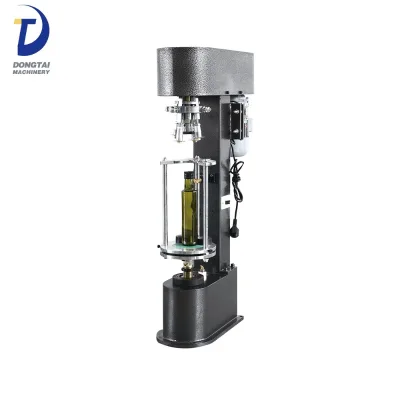
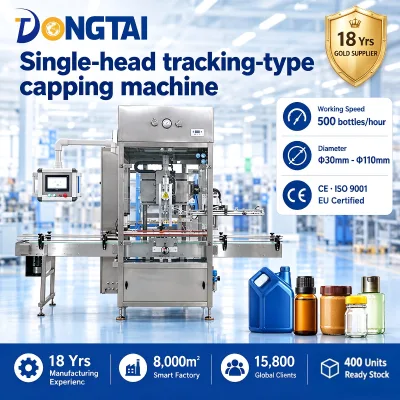
Shandong Dongtai Machinery Manufacturing Co., Ltd.
- Verified by SGS Group
- Manufacturer, Trading Company
- Lead time15 days
- Avg. response≤ 3h
Main productsPacking Machine, Filling Machine, Capping Machine, Labeling Machine, Sealing Machine
Main marketsNorth America(20%), Eastern Europe(20%), Southeast Asia(20%)

Guangzhou Fuluke Cosmetics Equipment Co., Ltd.
- Verified by CTI
- Combined
- China Guangdong
- Lead time15 days
- Avg. response≤ 9h
Main productsVacuum Cosmetics Emulsifier Mixer, Mixing Machine, Water Treatment System, Cosmetics Cream Making Machine, Shampoo Detergent Mixing Machine, Label Machine, Filling and Sealing Machine, Capping Machine, Cream Loction Making Machine, Inkjet Print
Main marketsAfrica,Southeast Asia/ Mideast,Domestic,Europe,Australia,North America


Automatic Capping Machine Water Bottle Capping Machine Plastic Bottle Capping Machine
$100.00 - $6500.00
MOQ: 1 Sets

Semi Automatic Capping Machine Bottling and Capping Machine Lid Capping Machine
$100.00 - $6500.00
MOQ: 1 Sets

Filling Capping Machine Vial Capping Machine Manual Beer Bottle Capping Machine
$100.00 - $6500.00
MOQ: 1 Sets

Henan Cyril Machinery Equipment Co., Ltd
- Trading Company
- He'nan, China
- Lead time10 days
- Avg. response≤ 4h
Main productsFilling Machine, Labeling Machine, Capping Machine, Packaging Machine, Coding Machine
Main marketsDomestic Market(40.00%), South America(15.00%), Mid East(10.00%), North America(5.00%), Western Europe(5.00%), Central America(5.00%), Southeast Asia(5.00%), South Asia(3.00%), Eastern Asia(2.00%), Oceania(2.00%), Southern Europe(2.00%), Northern Europe(2.00%), Africa(2.00%), Eastern Europe(2.00%)
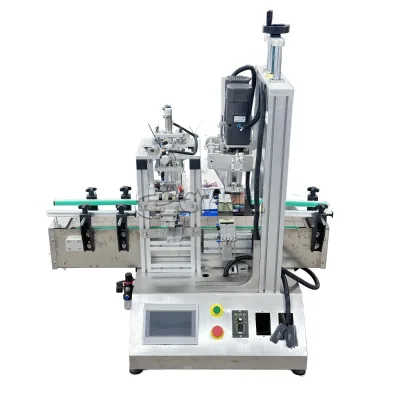
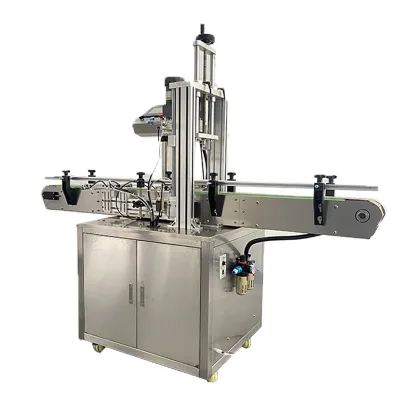
$3050.00 - $3100.00
MOQ: 1 pieces
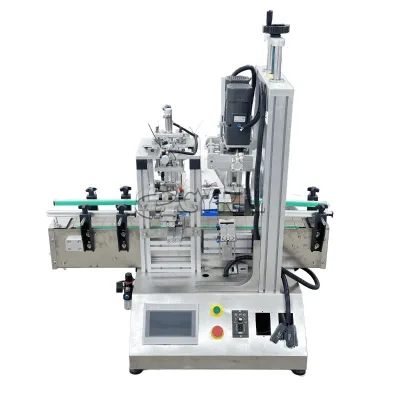
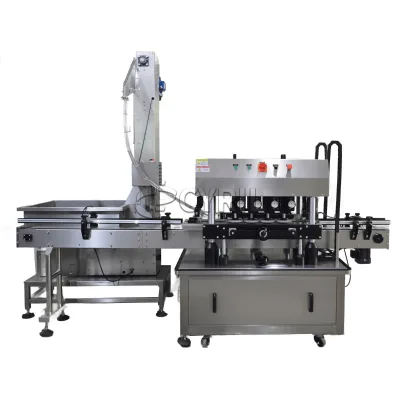
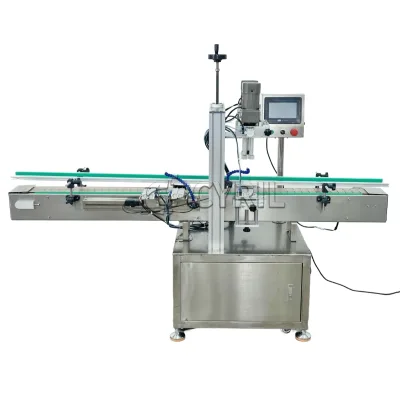
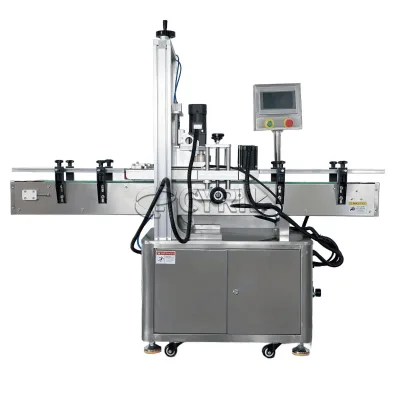
- Trading Company
- Zhejiang, China
- Lead time0 days
- Avg. response≤ 10h
Main productsfilling machine,capping machine,labeling machine,gummy machine,packing machine
Main marketsNorth America(40.00%), South America(20.00%), Eastern Europe(10.00%), Eastern Asia(10.00%), Western Europe(10.00%), Southern Europe(10.00%)

Guangzhou Change Machinery Co., Ltd.
- Verified by TUVRHEINLAND
- Trading Company,Manufacturer/Factory
- China Guangdong
- Lead time23 days
- Avg. response≤ 12h
Main productsFilling Machines, Packing Machines, Labeling Machines, Foods Machinery, Cosmetics Machiniery, Daily Chemicals Machinery, Capping Machine, Mixing Tank, Filling and Sealing Machine, Tube Filling and Sealing Machine
Main marketsSouth America,Eastern Europe,Mid East,North America,Southeast Asia,Oceania,Africa
Guangzhou Maiton Automation Packaging Equipment Co., Ltd.
- Manufacturer, Trading Company
- Guangdong, China
- Lead time0 days
- Avg. response≤ 3h
Main productsFilling Machine,Capping Machine,Sealing Machine,Labeling Machine,Coding Machine
Main marketsEastern Europe(22.00%), Oceania(14.00%), North America(13.00%), Domestic Market(13.00%), Southeast Asia(9.00%), Northern Europe(4.00%), Central America(4.00%), Western Europe(4.00%), South Asia(4.00%), Eastern Asia(4.00%), Southern Europe(4.00%), Mid East(2.00%), South America(2.00%), Africa(1.00%)
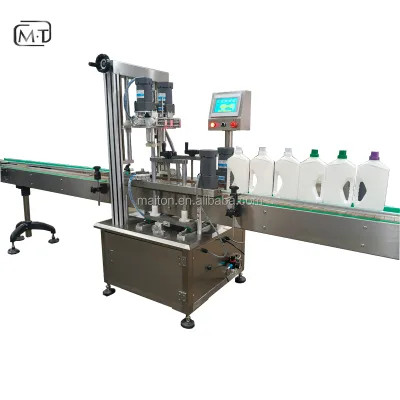
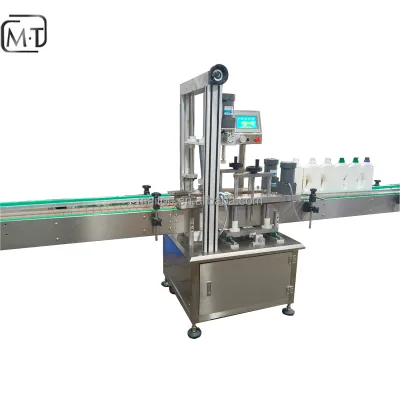
Good quality Automatic milk plastic bottle screw capping machine capper
$2157.6098 - $2671.3265
MOQ: 1 sets
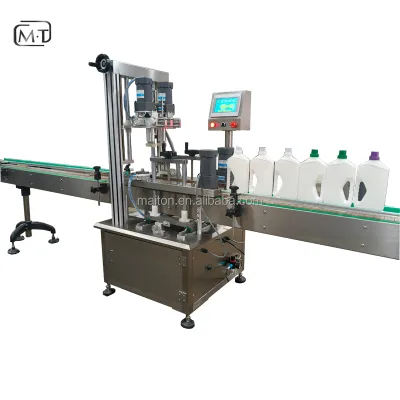
full automatic 1 liter water bottle capping machinery screw capping machines
$2100.00 - $2600.00
Luohe Langrui Electromechanical Equipment Co., Ltd.
- Verified by TüVRheinland
- Trading Company
- Lead time15 days
- Avg. response≤ 2h
Main productsFruit And Vegetable Processing Equipment, Meat Processing Machinery, Nut Processing Machinery, Snack Processing Machinery, Packaging Machinery
Main marketsAfrica(25%), North America(20%), Southeast Asia(18%)
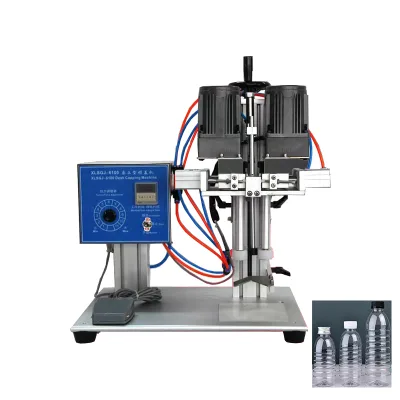
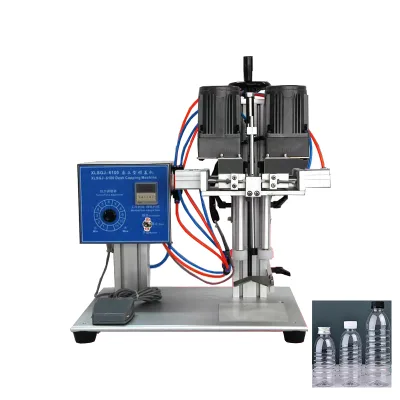
High Efficiency Semi-automatic Capping Machine Capping Machine
$409.00 - $449.00

Guangzhou Cosmati Technology Co., Ltd
- Verified by TUVRHEINLAND
- Trading Company
- China Guangdong
- Lead time23 days
- Avg. response≤ 3h
Main productsVacuum Emulsifying Mixer, Liquid Washing Homogenizing Mixer, Liquid Soap Mixer Machine, Perfume Filling Machine, Dry Powder Mixing Machine, Color Cosmetic Making Machine, Filling Capping Labeling Machine, Lab Homogenizer, Mixing Tank, Cream Making Machine
Main marketsSoutheast Asia/ Mideast,Europe,North America


Capping Machine Plastic Bottle Plastic Water Bottle Sealing Capping Machine Bever
$1000.00 - $1250.00
MOQ: 1 Sets

Qingdao Zhongkang Printing and Packaging Machinery Co., Ltd.
- Verified by TUVRHEINLAND
- Trading Company
- China Shandong
- Lead time30 days
- Avg. response≤ 3h
Main productsPacking Machine, Non-Woven Bags, Filling Machine, Capping Machine, Vacuum Packing Machine, Labeling Machine, Strapping Machine, Sealing Machine, Printer Coding Machine, Packaging Bag
Main marketsSouth America,Domestic,Europe

Changzhou Enobell Machinery Co., Ltd.
- Verified by SGS
- Combined
- China Jiangsu
- Lead time30 days
- Avg. response≤ 25h
Main productsFilling Machine, Packing Machine, PVA Film Sealing Machine, Capping Machine, Labeling Machine, Bag Packing Machine, Bottle Filling Machine, Chemical Liquid Filling Machine, Chemical Filling Equipment, Saliva Ejector Assembling Machine
Main marketsDomestic

Shanghai Universal Pharmaceutical Machinery Co., Ltd.
- Trading Company,Manufacturer/Factory
- China Shanghai
- Lead time23 days
- Avg. response≤ 3h
Main productsPharmaceutical Machinery, Tablet Press, Tablet Coating Machine, Capsule Filling Machine, Blister Packing Machine, Pharmaceutical Machine, Horizontal Packing Machine, Drying Equipment, Packing Machine, Cartoning Machine
Main marketsSouth America,Eastern Europe,Mid East,North America,Southeast Asia,Eastern Asia,Oceania,Western Europe,Africa

Qingzhou Tongda Packaging Machinery Co., Ltd.
- Verified by BV
- Combined
- China Shandong
- Lead time30 days
- Avg. response≤ 4h
Main productsFilling Machine, Capping Machine, Labeling Machine, Bottle Washing Machine, Bottle Drying Machine, Wine Filling Machine, Oil Filling Machine, Glass Bottle Washing Machine, Glass Bottle Filling Machine, Palletizer
Main marketsSoutheast Asia/ Mideast,Europe
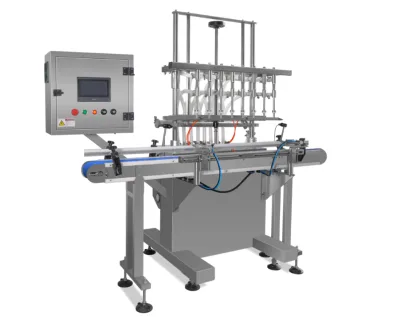
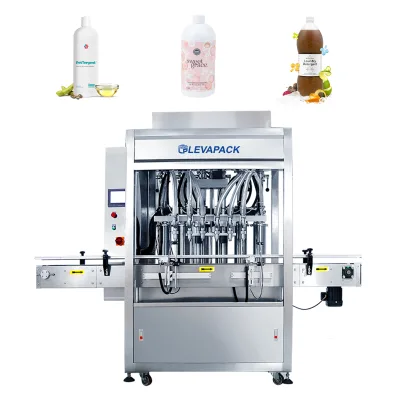
Guangdong Leva Packaging Equipment Co., Ltd.
- Manufacturer, Trading Company
- Lead time旺季: "1 - 1":25,"2 - 10":35,"11 - 20":45,"> 20":"To be negotiated", 淡季: "1 - 1":25,"2 - 10":35,"11 - 20":45,"> 20":"To be negotiated"
- Avg. response≤ 2h
Main productsCan Sealing Machine , Capping Machine , Labeling Machine , Round Accumulation Table , Filling Machine
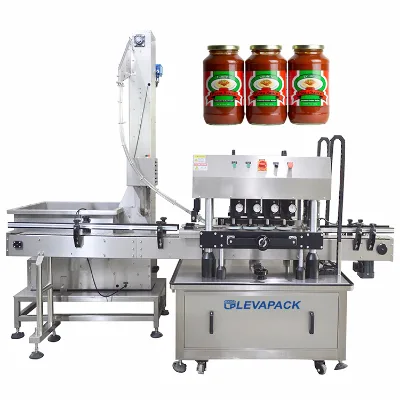
$6301.8748 - $8402.8497
MOQ: 1 sets

Shanghai Haochao Machinery & Equipment Co., Ltd.
- Manufacturer/Factory
- China Shanghai
- Lead time23 days
- Avg. response≤ 6h
Main productsAutomatic Filling Machine, Eliquid Filling Machine, Vial Filing Machine, Syrup Filling Machine, Perfume Filling Machine, Essential Oil Filling Machine, Spray Bottle Filling Machine, Eye Drops Filling Machine, Powder Filling Machine, Oral Liquid Filling Machine
Main marketsSouth America,Eastern Europe,Mid East,North America,Southeast Asia,Eastern Asia,Oceania,Western Europe,Africa

Vial Capping Machine Capping Machine Glass Bottle Rotary Capping Machine
$11000.00 - $18500.00
MOQ: 1 Pieces

Bottle Capping Machine Automatic Sealing Cap Machine Capping Machine Wine
$11000.00 - $18500.00
MOQ: 1 Pieces

$13500.00 - $23000.00
MOQ: 1 Pieces

Guangzhou Sanxin Machinery Co., Ltd.
- Verified by SGS
- Manufacturer
- China Guangdong
- Lead time15 days
- Avg. response≤ 6h
Main productsCosmetic Machine, Three Dimensional Packing Machine, Shrink Wrapper
Main marketsSoutheast Asia/ Mideast,Domestic

Guangzhou Tengzhuo Packing Equipment Co., Ltd.
- Verified by SGS
- Trading Company,Manufacturer/Factory
- China Guangdong
- Lead time23 days
- Avg. response≤ 3h
Main productsFilling Machine, Capping Machine, Labeling Machine, Bottle Washing Machine, Filling Production Line, Liquid Filling Machine, Powder Filling Machine, Honey Filling Machine, Perfume Filling Machine, Lotion Filling Machine
Main marketsSouth America,Eastern Europe,Mid East,North America,Southeast Asia,Eastern Asia,Oceania,Western Europe,Africa

Jiangxi Blue Eagle Technology Co., Ltd.
- Trading Company
- China Jiangxi
- Lead time23 days
- Avg. response≤ 25h
Main productsTin Can Making Machine, Tin Can Components, Finished Tin Cans, Seam Welding Machine, Spot Welding Machine, Gift Tin Can Production Lines, Tin Can Seamers, Food Can Sealing Machine, Easy Open Lids, Tinplate Slitter
Main marketsSouth America,Africa,Southeast Asia/ Mideast,East Asia(Japan/ South Korea),Domestic,Europe,Australia,North America

Guangzhou Huichuang Machinery Equipment Co., Ltd
- Verified by TUVRHEINLAND
- Trading Company,Manufacturer/Factory
- China Guangdong
- Lead time0 days
- Avg. response≤ 6h
Main productsCosmetics Machine, Mixing Machine, Filling Machine, Packing Machine, Homogenizer Mixer, Liquid Soap Making Machines, Emulsifying Mixer, Homogenizer, Piston Filling Machines, Tube Filler and Sealer

Intelligent Automatic Bottle Capping Machine with Precise Positioning
$2388.00 - $5188.00
MOQ: 1 Pieces


Automatic Capper Machine for Bottle Capping with High Speed and Stable Performance
$2388.00 - $5188.00
MOQ: 1 Pieces

Fully Automatic Capping Machine Suitable for Plastic and Glass Bottles
$2388.00 - $5188.00
MOQ: 1 Pieces
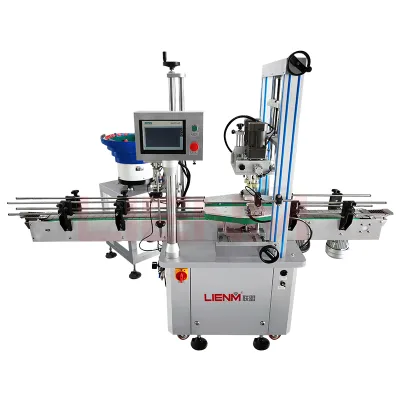
Guangzhou Lianmeng Machinery Equipment Co., Ltd.
- Manufacturer, Trading Company
- Lead time旺季: "1 - 1":20,"> 1":"To be negotiated", 淡季: "1 - 1":20,"> 1":"To be negotiated"
- Avg. response≤ 4h
Main productsVacuum Emulsifier, Mixing Homogenizer Tank, Perfume Making Filling Machine, Filling Capping Labeling Machine, Aerosol Machine
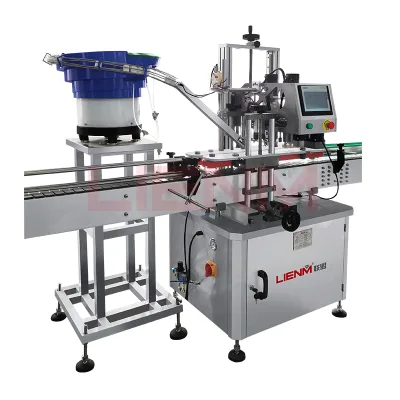
Pump Capping Automatic Plastic Bottle Jar Capping Machines for Pet Bottles
$4000.00 - $7200.00
Guangzhou Lianhe Machinery Co., Ltd.
- Verified by SGS Group
- Manufacturer, Trading Company
- Lead time30 days
- Avg. response≤ 4h
Main productsVacuum Emulsifying Mixer, Liquid Wash Homogenizer Mixer, Perfume Making Machine, Packing Line, RO Water Treatment
Main marketsEastern Europe(19%), Northern Europe(10%), North America(9%)

Luohe Tianheng Machinery Co., Ltd.
- Verified by TUVRHEINLAND
- Combined
- China Henan
- Lead time15 days
- Avg. response≤ 5h
Main productsPackaging Machinery, Grain Machinery, Flour Mill, Oil Press, Food Machinery.
Main marketsSoutheast Asia/ Mideast


Automatic Glass and Plastic Bottle Sealing Machine for Efficient Capping
$2200.00 - $2400.00
MOQ: 1 Sets


- Verified by BV
- Trading Company,Manufacturer/Factory
- China Henan
- Lead time15 days
- Avg. response≤ 4h
Main productsOil Expeller, Oil Press Machine, Oil Refinery, Pellet Machine, Food Processing Machine, Animal Feed Machine, Packing Machine, Filling Machine, Briquette Machine, Brick Machine
Main marketsSouth America,Eastern Europe,Mid East,North America,Southeast Asia,Eastern Asia,Oceania,Western Europe,Africa
Wenzhou Xindingchi Packaging Technology Co., Ltd.
- Verified by Intertek
- Manufacturer, Trading Company
- Lead time15 days
- Avg. response≤ 2h
Main productsPacking Machine, Automatic Production Line
Main marketsNorth America(10%), South America(10%), Eastern Europe(10%)

Shandong Backace Machinery Co., Ltd.
- Verified by TUVRHEINLAND
- Combined
- China Shandong
- Lead time15 days
- Avg. response≤ 6h
Main productsFilling Machine, Filling Production Line, Bottle Washing Machine, Capping Machine, Labeling Machine, Sealing Machine, Filling Line, Juice Filling Machine, Red Wine Filling Machine, Liquid Filling Machine
Main marketsDomestic

Shanghai Glzon Equipment Co., Ltd.
- Verified by BV
- Combined
- China Shanghai
- Lead time30 days
- Avg. response≤ 3h
Main productsFilling Machine
Main marketsDomestic
Guangzhou Hansen Machinery Equipment Co., Ltd
- Verified by SGS Group
- Manufacturer, Trading Company
- Lead time0 days
- Avg. response≤ 2h
Main productsVacuum Emulsifier, Filling Machine, Labeling Machine, Sealing Machine, Capping Machine
Main marketsDomestic Market(50%), Western Europe(20%), Southeast Asia(20%)

Jiangsu Jinwang Intelligent Sci-Tech Co., Ltd.
- Verified by SGS
- Combined
- China Jiangsu
- Lead time60 days
- Avg. response≤ 22h
Main productsPouch Packing Machine, Pesticide Filling Machine, Agrochemical Filling Machine, Bottle Filling Machine, Liquid Filling Machine, Fertilizer Filling Machine, Fertilizer Packing Machine, Veterinary Drug Filling Machine, Powder Filling Machine, Automatic Packing Machine
Main marketsSouth America,Africa,Southeast Asia/ Mideast,East Asia(Japan/ South Korea),Domestic,Europe,Australia,North America

Guangzhou Guanhe Light Industry Machinery Co., Ltd.
- Verified by SGS
- Trading Company,Manufacturer/Factory
- China Guangdong
- Lead time38 days
- Avg. response≤ 9h
Main productsFilling Machines, Packing Machine, Capping Machine, Sealing Machine, Labeling Machine, Bottle Washing Drying Machine, Bottle Unscrambling Machine, Conveying Machine, Filling Capping Machines, Mixing/Storage Tanks
Main marketsSouth America,Eastern Europe,Mid East,North America,Southeast Asia,Eastern Asia,Oceania,Western Europe,Africa
Jining Myway Intelligent Machinery Co., Ltd.
- Verified by SGS Group
- Trading Company
- Lead time7 days
- Avg. response≤ 1h
Main productsWrapping Machine, Pallet Wrapping Machine, Shrink Wrapping Machine, Baling Machine, Case Erector
Main marketsEastern Europe(20%), North America(15%), South America(15%)

Shanghai Paixie Packing Machinery Co., Ltd.
- Verified by BV
- Combined
- China Shanghai
- Lead time23 days
- Avg. response≤ 1h
Main productsPacking Machine, Liquid Filling Machine, Vape Equipment, Packaging Machine, Olive Oil Machine, Box Packing Machine, Wrapping Machine, Labeling Machine, Capping Machine, Filling Machine
Main marketsNorth America

Automatic Oil Bottle Filling and Capping Machine for Efficient Labeling
$13000.00 - $19000.00
MOQ: 1 Pieces

Factory Supplier Automatic Small Bottle Filling and Capping Machine
$13000.00 - $19000.00
MOQ: 1 Pieces


Completely Automatic Filling and Capping Machine for Small Bottles
$13000.00 - $19000.00
MOQ: 1 Pieces
Guangzhou Jinfeng Light Industry Machinery Co., Ltd.
- Manufacturer, Trading Company
- Guangdong, China
- Lead time40 days
- Avg. response≤ 2h
Main productsVacuum Emulsifying Machine,Liquid Washing Homogenizer Mixer,Water Treatment Machine,Perfume making machine,Homogenizer & Dispenser
Main marketsDomestic Market(81.50%), Africa(9.10%), North America(2.00%), Southeast Asia(2.00%), Southern Europe(2.00%), Mid East(1.00%), Oceania(1.00%), South America(0.20%), South Asia(0.20%), Eastern Europe(0.20%), Northern Europe(0.20%), Central America(0.20%), Western Europe(0.20%), Eastern Asia(0.20%)








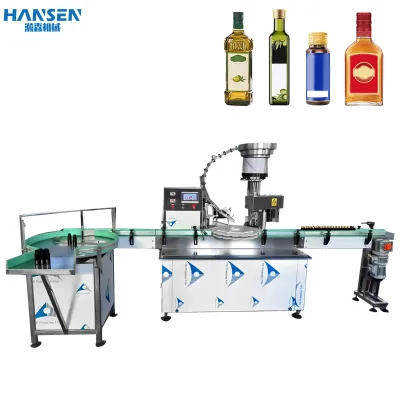
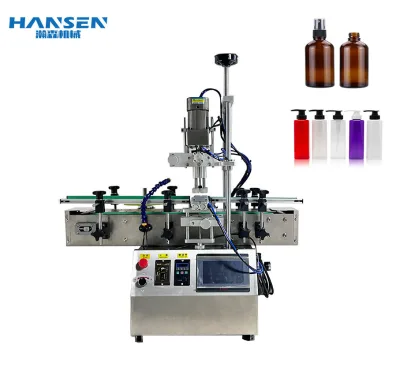


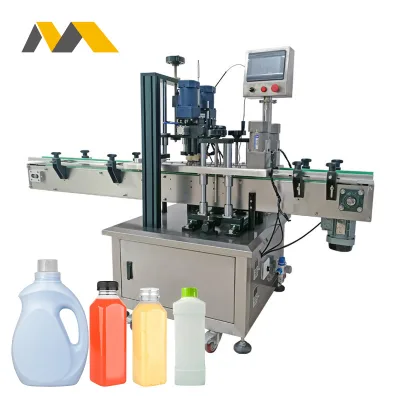
Comprehensive Sourcing Guide
Automatic PLC Bottle Capping Machine Supplier Concentration and Factory Types
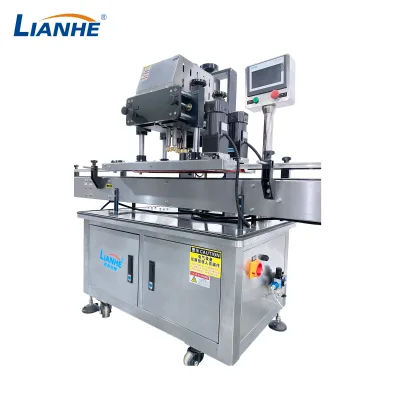
Suppliers of PLC-controlled bottle capping machines in current sourcing results are concentrated in China, with observable listings from Jiangsu and Shandong provinces. Jiangsu-based suppliers in these results present themselves as trading companies or manufacturer/factories, and their main product lines extend well beyond capping into filling machines, water treatment, canning machines, juice mixing lines, labeling machines, bottle blowing, and complete beer and carbonated drink filling lines. Shandong listings lean toward brewery equipment, including keg washers, keg fillers, bottle fillers with cappers, flash pasteurizers, and can fillers. This breadth matters: many capping machine listings come from suppliers whose core business is an entire beverage line, so a capper may be one module within a broader quote.
Factory types split into a few recognizable profiles. Some suppliers hold ISO 9001 system certification, some list CE certification on individual products, and verification status varies—TÜV Rheinland and SGS Group appear in results, while one supplier shows no system certification at all. Business models also vary: pure manufacturers, combined manufacturer-and-trading entities, and trading companies that outsource production. OEM and ODM capability is advertised by several suppliers, and some add own-brand development. When scanning listings, check whether the capping machine itself is a main product or an accessory to filling lines, and match the supplier type—manufacturer versus trader—to your need for factory visits, customization depth, and after-sales accountability.
How to Verify Automatic PLC Bottle Capping Machine Suppliers
Verification should start with the credentials displayed on the listing and end with documents you obtain directly. In current results, verification badges from TÜV Rheinland and SGS Group appear alongside some suppliers, and system certifications such as ISO 9001 and CE are shown on others; one supplier's system certification field reads NIL. Treat a missing certification as a prompt to ask for evidence, not as proof of poor quality. Request certificate copies for the machine model you intend to buy—product-level CE and ISO claims should match a certificate number, issuing body, and scope that actually covers packaging machinery. For suppliers advertising OEM or ODM capacity, ask which elements are genuinely customizable, since listings may state customization is available while the practical scope is limited to voltage and bottle size.
Suppliers in these results are based in Jiangsu and Shandong, so plan verification steps around that geography. Ask for a live video factory walkthrough showing the capping machines under assembly, not only finished units in a showroom. Check whether the business license matches the company type claimed—manufacturer versus trading company—and whether the legal entity named on a pro forma invoice is the same one holding the certificates. For machine-level details, confirm the model designation (several listings use distinct model codes), the origin stated on the listing, and packing method such as wooden case, then record these in your specification sheet before any deposit is discussed.
What to Compare Across Automatic PLC Bottle Capping Machine Suppliers
Build a comparison matrix using dimensions that are actually displayed, because not every supplier publishes every attribute. Lead time is a strong differentiator in current results: one supplier lists a 45-day lead time while another lists 30 days and a third shows 15 days—a two-week-to-month spread that can decide whether a line commissioning date holds. Response time varies even more, from about 3 hours to roughly 25 hours, which affects how quickly you can resolve technical questions during specification and installation. Compare main products to gauge specialization: a supplier whose range is packing, filling, capping, labeling, and sealing machines differs from one focused on beer keg and bottle equipment, and that focus shapes capping expertise.
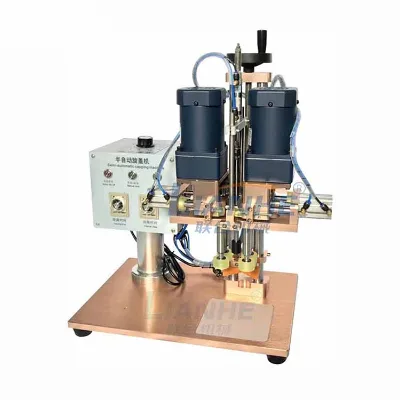
Beyond these labels, compare machine-level evidence. Listings expose attributes such as automatic grade, applicable bottle range (one listing states 330ml–2L), working stations, power supply, net weight, key materials such as SUS304, and warranty statements—use these as a structured spec sheet rather than marketing copy. MOQ is another comparable field; current listings show values as low as a single unit, which is typical for capital equipment but should still be confirmed. Company type, verification status, and system certification complete the profile. Finally, weigh price ranges only against matched specifications, because listings can span from entry single-head units to large automated lines, and comparing a semi-automatic model against a fully automatic multi-head machine will distort your shortlist.
Common Automatic PLC Bottle Capping Machine Sourcing Risks
The most common risk is spec mismatch between a listing and the delivered machine. Listings in this category carry rich attribute sets—voltage, driven type, material type, structure, filling principle, packing material—but some critical fields are sparse or inconsistent, and a few listings show missing or placeholder values, including price fields marked as unavailable. If you order against a listing instead of a signed specification sheet, you may receive a machine configured for a different bottle type, cap format, or throughput. Capacity claims deserve the same skepticism: one listing states 2000 bottles per hour, which should be validated against your line speed and bottle format in writing before production begins.
Supplier-profile risks follow. A trading company fronting for a factory can add a communication layer that slows troubleshooting, while a combined manufacturer-trader may allocate your order to a different workshop than the one you audited. Certification risk appears when a supplier's system certification field is empty even though product listings claim CE and ISO conformity; verify the certificate applies to the specific model. Lead-time risk concentrates around peak season and customization—suppliers advertising customization available should commit to a production calendar with milestone photos. Warranty language in listings is sometimes misspelled or vague, so convert warranty statements into a defined contract clause covering parts, labor guidance, and shipping of replacement components. Finally, confirm after-sales technical support scope before deposit, since remote commissioning support is the norm for cross-border machinery purchases.
Automatic PLC Bottle Capping Machine Regional Sourcing and Logistics
Current results place the relevant suppliers in China's Jiangsu and Shandong provinces, and regional dynamics differ between them. Jiangsu suppliers advertise a wide beverage-machinery portfolio—filling, mixing, labeling, blowing, and canning equipment—which makes the region practical when you want one supplier to deliver capping as part of a broader line, simplifying interface matching between machines. Shandong suppliers, with their keg washer, keg filler, pasteurizer, and can-filling focus, suit buyers building brewery capacity where capping is one stage in a bottle or keg line. Proximity of related machine makers within these clusters can also ease spare part sourcing and site visits, since multiple factories can be toured in one trip.
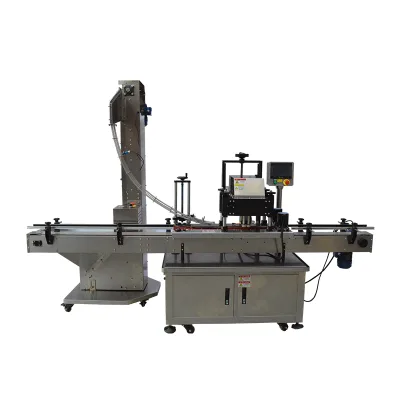
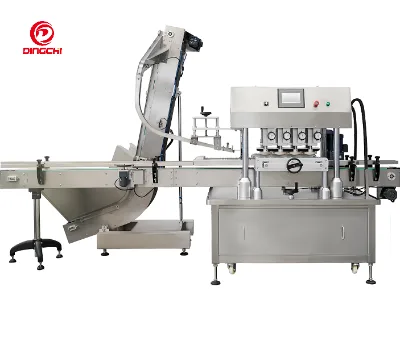
Logistics planning should reflect the physical nature of the product. Listings describe wooden case or wood case export packing, appropriate for heavy stainless machinery, but you should confirm crate dimensions, gross weight, and whether the machine ships disassembled to reduce volume. One listing cites a net weight of 300kg and a footprint around 1800×800×2200mm, illustrating the scale class involved; heavier multi-head units will need forklift handling and potentially sea freight consolidation. Lead times of 15 to 45 days in current results refer to production, not transit, so add ocean shipping, customs clearance, and inland delivery when planning your line installation date. Confirm the named origin on documents matches the actual dispatch point, and clarify Incoterms so responsibility for loading, freight, and insurance is unambiguous.
Automatic PLC Bottle Capping Machine Commercial Terms and Order Planning
Commercial terms in this category revolve around a few confirmable data points. Price ranges on current listings vary widely—from roughly the low thousands of dollars for a single-head capping unit up to the low hundreds of thousands for large automated systems—so anchor negotiations to a written specification rather than a listing figure. MOQ is commonly a single set for machinery, which means your negotiating leverage comes from specification clarity, customization scope, and after-sales commitments rather than volume. Lead times of 15, 30, or 45 days should be tied to deposit receipt and to final drawing approval for customized units; request a milestone schedule with photos at assembly, wiring, and trial-run stages. Payment structure is not standardized across suppliers, so agree on milestones that keep meaningful funds withheld until factory acceptance testing of your bottle and cap samples.
Order planning should sequence verification and logistics before commitment. Confirm warranty terms in contract language—some listings state one-year warranty periods, but the scope must be defined in writing. Align delivery with your line schedule by adding transit time to the quoted production lead time, and specify wooden case packing with markings for your freight forwarder. If the supplier offers OEM or ODM work, document which PLC brand, HMI language, and electrical standards apply to your market. Finally, request a spares list—sealing heads, belts, sensors—with prices agreed at order time, because wearing parts dominate downtime costs long after the initial machine invoice is closed.
FAQs
What is the price range for automatic bottle capping machines?
Prices typically range from $2,000 to $280,000 depending on configuration and capacity. Basic single-head units start near $2,000, while complex multi-head lines cost significantly more. Buyers should verify specific model pricing as some listings may not display immediate costs.
What certifications do these machines usually have?
Most suppliers provide CE and ISO 9001 certifications for their equipment. Some manufacturers also hold ISO 9001 system certification and undergo verification by groups like TÜV Rheinland or SGS. Buyers should request current certificates to ensure compliance with regional safety standards.
What is the typical lead time for manufacturing?
Lead times generally range from 15 to 45 days after order confirmation. Faster production is available from some manufacturers, while others require longer periods for complex setups. Buyers should confirm exact delivery schedules with suppliers before finalizing purchase agreements.
What is the minimum order quantity for these machines?
The minimum order quantity is often just one unit for most suppliers. This allows buyers to purchase single machines for testing or small-scale operations. Buyers should verify MOQ requirements directly with suppliers as policies may vary based on customization needs.
Where are these machines primarily manufactured?
Manufacturing is concentrated in China, specifically in Jiangsu and Shandong provinces. Key production hubs include Qingdao and other industrial zones in these regions. Buyers can filter suppliers by location to assess logistics costs and regional manufacturing capabilities.
What response times can buyers expect from suppliers?
Supplier response times vary, with some replying within three hours and others taking up to 25 hours. Faster response rates often indicate higher availability and dedicated support teams. Buyers should prioritize suppliers with quicker response times for urgent sourcing needs.