Automatic Household Oil Expeller Suppliers and Manufacturers
Explore 30 verified suppliers offering Automatic Household Oil Expeller units from China. Compare dimensions, voltage, certifications like ISO 9001, and lead times ranging from 7 to 30 days. Contact suppliers directly to request samples or customizations; review the available evidence before requesting comparable quotations from suitable candidates.
Updated
Suppliers List

- Verified by BV
- Trading Company,Manufacturer/Factory
- China Henan
- Lead time15 days
- Avg. response≤ 4h
Main productsOil Expeller, Oil Press Machine, Oil Refinery, Pellet Machine, Food Processing Machine, Animal Feed Machine, Packing Machine, Filling Machine, Briquette Machine, Brick Machine
Main marketsSouth America,Eastern Europe,Mid East,North America,Southeast Asia,Eastern Asia,Oceania,Western Europe,Africa


Multifunctional Household Oil Press Machine for Efficient Oil Extraction
$300.00 - $320.00
MOQ: 1 Sets


Zhengzhou Gashili Machinery Co., Ltd.
- Manufacturer/Factory
- China Henan
- Lead time23 days
- Avg. response≤ 6h
Main productsInstant Noodle Making Line, Oil Pressing Machine, Peanut Butter Making Line, Candle Making Machine, Paper Cone Making Machine for Textile, Nut Processing Equipment, Vegetable and Fruit Processing Equipment, Wood Pallet Making Machine, Waste Recycling Equipment, Fertilizer Production Line
Main marketsSouth America,Eastern Europe,Mid East,North America,Southeast Asia,Eastern Asia,Oceania,Western Europe,Africa

Wuxi SWF Intelligent Technology Co., Ltd.
- Verified by TUVRHEINLAND
- Trading Company
- China Jiangsu
- Lead time30 days
- Avg. response≤ 4h
Main productsCoffee Machine, Coffee Grinder, Coffee Vending Machine, Coffee Roaster, Coffee Maker, Espresso Machine, Formula Dispenser Machine, Dumpling Machine, Pizza Dough Roller Machine
Main marketsSoutheast Asia/ Mideast,Australia,North America

Multi-Function Oil Expeller Oil Press Machine Household Oil Refining Machine
$210.00 - $220.00
MOQ: 1 Pieces


Zhengzhou Lianju Industrial Co., Ltd.
- Trading Company
- Henan, China
- Lead time15 days
- Avg. response≤ 1h
Main productsRefrigeration Equipment,Fruit and vegetable processing equipment,Oil Press production line,Mobile Carts,Mobile Carts
Main marketsSouth America(16.00%), Central America(16.00%), North America(15.00%), Southeast Asia(12.00%), Eastern Europe(10.00%), Southern Europe(8.00%), Northern Europe(8.00%), Western Europe(6.00%), Mid East(5.00%), South Asia(4.00%)
Guangzhou Utop Daily & Chemical Products Co., Ltd.
- Manufacturer, Trading Company, Distributor/Wholesaler
- Guangdong, China
- Lead time15 days
- Avg. response≤ 3h
Main productshotel amenities,oil press machine,home appliances,personal care,daily necessities
Main marketsSouthern Europe(10.00%), Central America(10.00%), Southeast Asia(10.00%), Eastern Europe(10.00%), South America(10.00%), Mid East(10.00%), Domestic Market(5.00%), South Asia(5.00%), Oceania(5.00%), Northern Europe(5.00%), Africa(5.00%), Western Europe(5.00%), Eastern Asia(5.00%), North America(5.00%)
Liaoyang Shenzhou Machinery Equipment Co., Ltd.
- Verified by TüVRheinland
- Trading Company
- Lead time10 days
- Avg. response≤ 4h
Main productsCentrifuge & Separator, Packing Machine, Filling Machine, Dryer, Granulator
Main marketsSouth America(25%), Southeast Asia(15%), North America(10%)

Zhengzhou Xifu Machinery Equipment Co., Ltd.
- Verified by CTI
- Manufacturer/Factory
- China Henan
- Lead time15 days
- Avg. response≤ 6h
Main productsHarvester Machine, Animal Feed Pellet Machine, Grinding Milling Machine, Chopper Machine, Baler Corn Silage Wrapping Machine, Chaff Cutter Machine, Oil Press Machine, Threser Machine, Cursher Machine, Milking Machine
Main marketsMid East,Southeast Asia,Africa

Small Oil Press Machine Coconut Oil Press Machine Sunflower Oil Expeller for Household Use
$260.00 - $1260.00
MOQ: 1 Pieces

New Stainless Steel Oil Press Machine Commercial Home Oil Extractor Expeller Presser
$185.00 - $1280.00
MOQ: 1 Pieces


Kitchen Use Oil Expeller Small Automatic Screw Oil Press Machine Oil Extractor Sunflower Oil Machine
$260.00 - $1260.00
MOQ: 1 Pieces

Zhengzhou Shuogui Machinery Co., Ltd
- Verified by SGS
- Trading Company
- China Henan
- Lead time15 days
- Avg. response≤ 4h
Main productsFresh Noodle Machine, Ice Cream Machine, Ice Maker, Food Dryer, Fryer, Tortilla Maker, Pizza Oven, Meat Processing Machine
Main marketsSouth America,Southeast Asia/ Mideast,North America

T3 Commercial/Household Cold Oil Press Machine Cooking Oil Expeller for Sale
$249.00 - $299.00
MOQ: 1 Pieces

Cold Oil Press Machine Mini Oil Expeller Machine for Household/Commercial Use
$159.00 - $199.00
MOQ: 1 Pieces

New Condition Household/Commercial Cold Oil Press/Oil Extractor/Oil Expeller for Plant Seeds
$959.00 - $999.00
MOQ: 1 Pieces

Good Quality Commercial Cold Oil Press Machine Automatic Oil Expeller for Sale
$2279.00 - $2319.00
MOQ: 1 Pieces
Henan Shanpu Machinery Equipment Co., Ltd.
- Trading Company
- Henan, China
- Lead time0 days
- Avg. response≤ 2h
Main productsoil press machine,package machine,juicer machine,Woodworking machinery,Rubber and plastic machinery
Main marketsNorth America(15.00%), Mid East(10.00%), Northern Europe(10.00%), Western Europe(10.00%), Southeast Asia(10.00%), Eastern Europe(10.00%), Southern Europe(10.00%), Oceania(5.00%), South Asia(5.00%), Africa(5.00%), South America(5.00%), Central America(2.00%), Eastern Asia(2.00%), Domestic Market(1.00%)

Henan Huatai Cereals and Oils Machinery Co., Ltd.
- Verified by TUVRHEINLAND
- Combined
- China Henan
- Lead time60 days
- Avg. response≤ 9h
Main productsOil Equipment, Oil Machine, Palm Oil Equipment, Rice Bran Oil Equipment, Oil Press, Solvent Extractor, Oil Refinery, Grain Machine, Biodiesel Equipment, Flour Mill
Main marketsDomestic
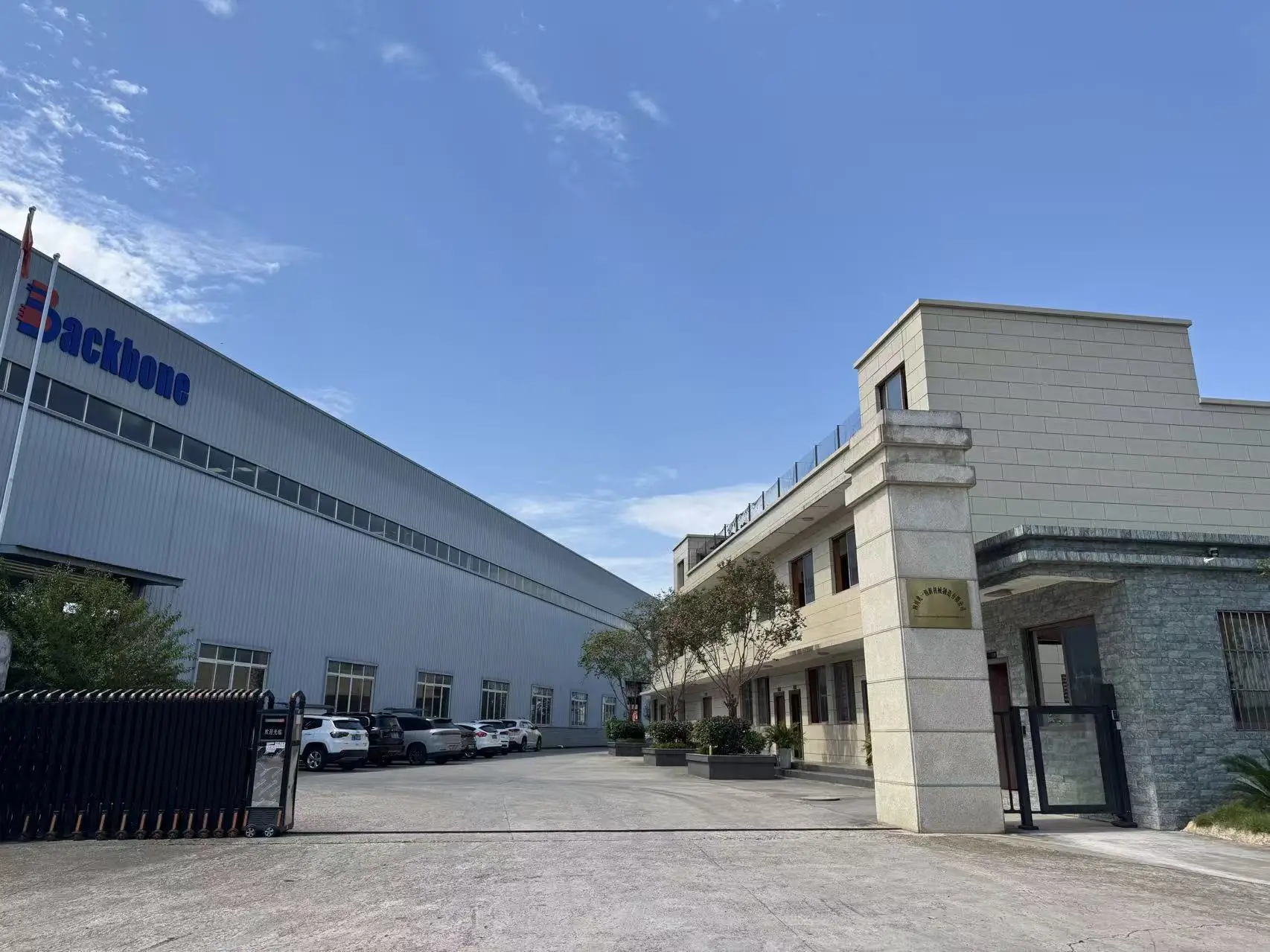
Leshan Tianqin Agricultural Machinery Co., Ltd.
- Trading Company
- Sichuan, China
- Lead time20 days
- Avg. response≤ 6h
Main productsrice milling machine,corn sheller,chaff&hay cutter,flour milling machine,paddy thresher
Main marketsSoutheast Asia(30.00%), Domestic Market(30.00%), South America(10.00%), South Asia(10.00%), Mid East(10.00%), Africa(10.00%)

Hangzhou Creato Machinery Co., Ltd.
- Verified by BV
- Trading Company
- China Zhejiang
- Lead time30 days
- Avg. response≤ 7h
Main productsFood Mixer, Vegetable Cutter, Drywall Sanders, Chocolate Fountain, Airless Paint Sprayer, Constructions Tool, Ice Cream Machine, Paint Remover, Meat Mincer, Bone Saw Machine
Main marketsSouth America,Africa,Southeast Asia/ Mideast,Europe,Australia,North America

HENAN WIN-GLOBAL MACHINERY AND EQUIPMENT CO., LTD.
- Verified by SGS
- Trading Company,Manufacturer/Factory
- China Henan
- Lead time30 days
- Avg. response≤ 5h
Main productsScrew Oil Press, Oil Expeller Machine, Small Oil Refinery, Palm Oil Press, Sunflower Oil Extraction Machine, Coconut Oil Expeller, Spiral Oil Press, Oil Extractor, Oil Extruder
Main marketsSoutheast Asia,Africa

Cold Press Oil Expeller with Filter Press Automatic Combined Oil Machine
$5000.00 - $8000.00
MOQ: 1 Pieces


Stainless Steel Energy Saving and Environmental Protection Professional Food Grade Oil Expeller
$420.00 - $800.00
MOQ: 1 Pieces

Small Automatic Olive Oil Press Machine Sesame Mustard Coconut Peanut Oil Expeller
$420.00 - $800.00
MOQ: 1 Pieces

Henan Morethan Machinery Equipment Co., Ltd
- Verified by TUVRHEINLAND
- Trading Company,Manufacturer/Factory
- China Henan
- Lead time15 days
- Avg. response≤ 2h
Main productsWood Pellet Machine, Biomass Pellet Machine, Pelletizer, Hay Cutter, Feed Pellet Machine, Oil Press Machine, Chaff Cutter Machine, Feed Crusher, Fish/Pet Extruder Machine, Feed Pellet Line
Main marketsSouth America,Eastern Europe,Mid East,North America,Southeast Asia,Eastern Asia,Oceania,Western Europe,Africa

$650.00 - $799.00
MOQ: 1 Pieces


$799.00 - $7200.00
MOQ: 1 Pieces

Hot Selling Cold Pressing Oil High Extractor Sunflower Electric Press Machine Squeezer Oil Expeller
$799.00 - $7200.00
MOQ: 1 Pieces
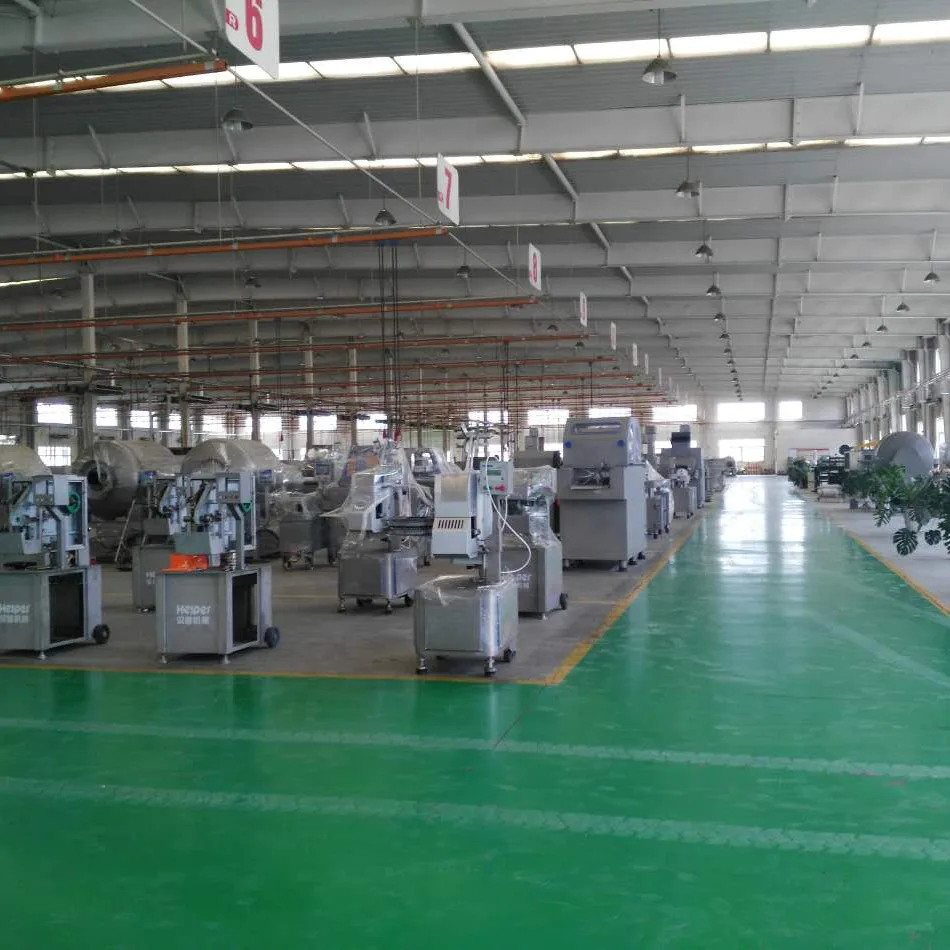
Zhengzhou Hanchuang Machinery Co., Ltd
- Trading Company
- Henan, China
- Lead time20 days
- Avg. response≤ 2h
Main productsPeeling machine,vegetable processing machine,meat processing machine,potato sorting machine,food sterilizer machine
Main marketsSouth Asia(35.00%), Southeast Asia(20.00%), Mid East(15.00%), Africa(15.00%), North America(10.00%), Eastern Asia(5.00%)

Dongguan Youneng Machinery Equipment Co., Ltd.
- Trading Company
- Guangdong, China
- Lead time7 days
- Avg. response≤ 2h
Main productsoil filter,waste oil filter,filters,Kitchen waste treatment equipment
Main marketsCentral America(10.00%), Mid East(10.00%), Southeast Asia(10.00%), South America(10.00%), North America(10.00%)

Shandong Chemsta Machinery Manufacturing Co., Ltd.
- Verified by BV
- Combined
- China Shandong
- Lead time30 days
- Avg. response≤ 4h
Main productsOil Press, Soya Protein Machine, Oil Project
Main marketsSouth America,Africa,Southeast Asia/ Mideast,East Asia(Japan/ South Korea),Domestic,Europe,Australia,North America

ZHENGZHOU YUSHOU HEAVY INDUSTRY CO., LTD.
- Combined
- China Henan
- Lead time15 days
- Avg. response≤ 5h
Main productsSoap Machinery Laundry Soap Line, Three Roll Mill, Soap Stamper, Soap Mixer, Oil & Fat Saponification Machinery
Main marketsAfrica,Southeast Asia/ Mideast,East Asia(Japan/ South Korea),Domestic,Europe

Twin Screw Oil Press Machine, Automatic Oil Expeller with High Oil Yield
$2800.00 - $10000.00
MOQ: 1 Pieces


Mianyang Guangxin Import & Export Co., Ltd
- Verified by TUVRHEINLAND
- Manufacturer
- China Sichuan
- Lead time30 days
- Avg. response≤ 6h
Main productsOil Press, Oil Filter, Rolling Fryer, Oil Extractor, Oil Expeller, Oil Machinery, Oil Expeller Machine, Oil Mill Machine, Oil Presser, Oil Extraction Machine
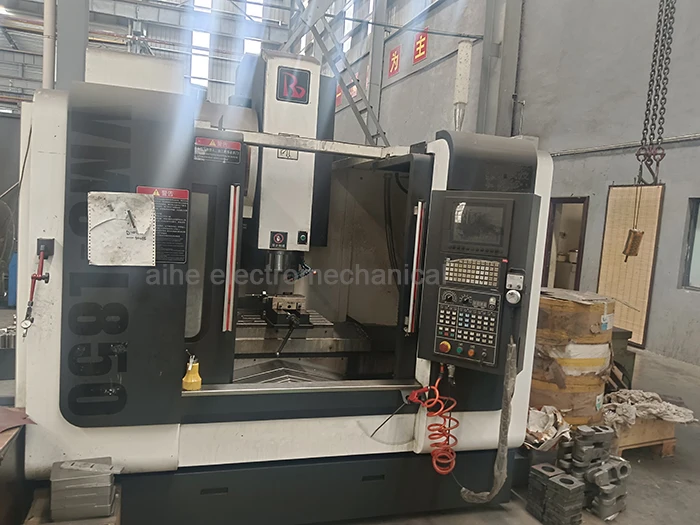
Luohe Aihe Electromechanical Equipment Co., Ltd.
- Trading Company
- Henan, China
- Lead time0 days
- Avg. response≤ 2h
Main productsPasteurization tank,Yogurt production line,Oil frying production line equipment,Baking production equipment,Grain machinery
Main marketsWestern Europe(40.00%), Africa(20.00%), Southeast Asia(11.00%), Mid East(10.00%), North America(8.00%), Northern Europe(5.00%), South America(3.00%), Eastern Europe(2.00%), Central America(1.00%)
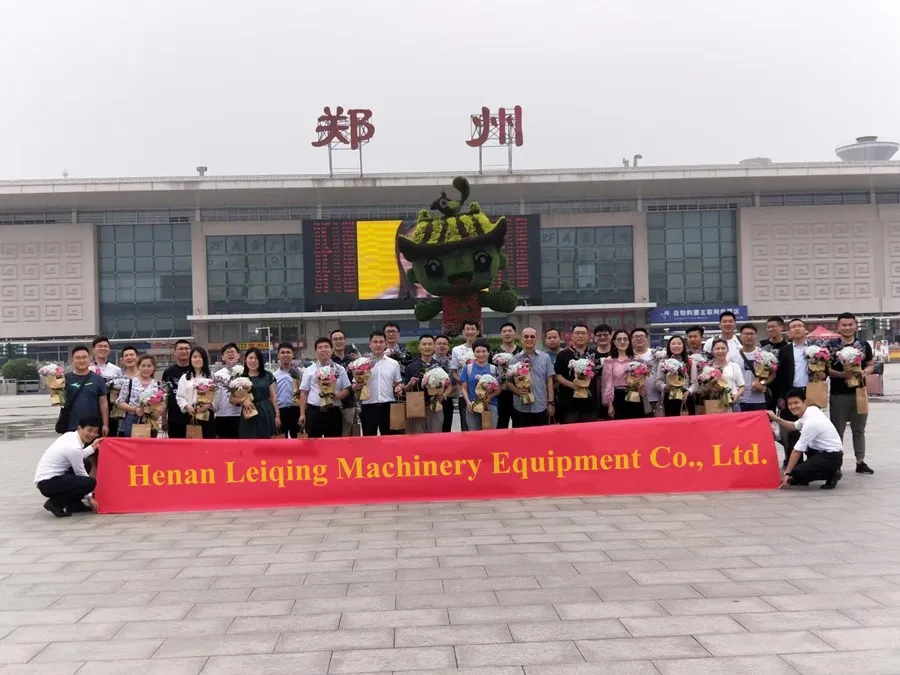
Henan Leiqing Machinery Equipment Co., Ltd.
- Trading Company
- Henan, China
- Lead time5 days
- Avg. response≤ 4h
Main productsDough&Pastry Machines,Meat&Vegetable Machines,Packing Machines,Filling&Packing Machines,Coding&Sealing Machines
Main marketsSouth America(10.00%), Domestic Market(5.00%), South Asia(5.00%), Southern Europe(5.00%), Northern Europe(5.00%), Central America(5.00%), Western Europe(5.00%), Eastern Asia(5.00%), Mid East(5.00%), Oceania(5.00%), Southeast Asia(5.00%), Eastern Europe(5.00%), North America(5.00%)
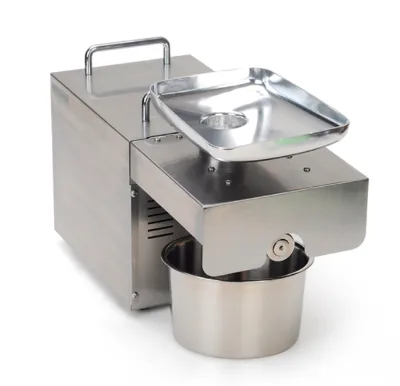
Commercial Grade Home Automatic Oil Press Machine Oil Expeller Extractor Steel Stainless
$168.2808
MOQ: 1 Minimum
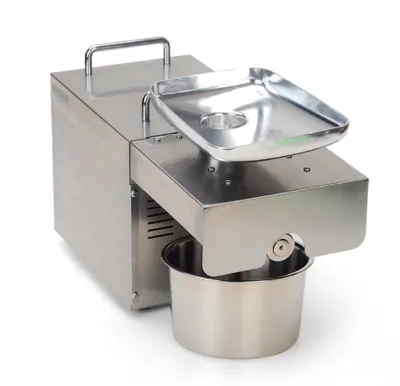
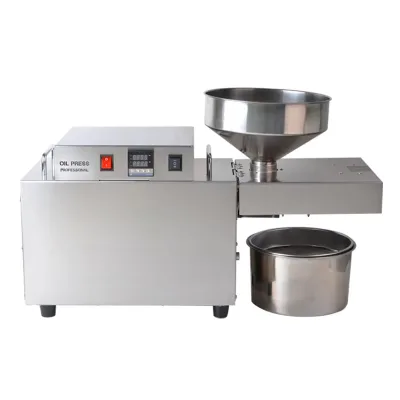
New Products High Efficiency Coconut Oil Expeller Sesame Oil Extractor Vegetable Seeds Oil Press
$574.5744 - $610.4859
MOQ: 1 sets

Zhengzhou Gofine Machine Equipment Co., Ltd.
- Verified by SGS
- Trading Company
- China Henan
- Lead time15 days
- Avg. response≤ 5h
Main productsAgricultural Machine, Fertilizer Machine, Organic Fertilizer Machine, Coffee Roaster, Scrap Copper Granulator, Compound Fertilizer Production Line, Waste Organic Fertilizer Compost Machine, Fertilizer Making Production Line, Fertilizer Pellet Mill, Fertilizer Granulator Machine
Main marketsSouth America,Africa,Others(foreignTradeCapacity.exportBusinessCapacityMarketOther),Southeast Asia/ Mideast,East Asia(Japan/ South Korea),Europe,Australia,North America

Zhengzhou Changsheng Machinery Equipment Co., Ltd
- Verified by SGS
- Trading Company,Manufacturer/Factory
- China Henan
- Lead time23 days
- Avg. response≤ 3h
Main productsOil Press Machine/Oil Extractor/Oil Mill Plant, Edible Cooking Oil Refinery Machine Plant Line, Oil Production Line Oil Processing Machine, Palm Fruit Oil Press Milling Processing Machine, Palm Kernel Oil Extraction Processing Machine, Sunflower Seeds Shelling Dehulling Machine, Plate Frame Oil Filter Press/Edible Oil Filter, Edible Oil Filling Machine, Clay Brick Machine/Clay Roof Tile Machine, Pet Food Fish Feed Snack Food Extruder Machine
Main marketsSouth America,Southeast Asia,Africa

Chengdu Kefeituo Technology Co., Ltd.
- Trading Company
- Sichuan, China
- Lead time0 days
- Avg. response≤ 2h
Main productsElectric Coffee Machine,Household Oil Press,Bean Grinder,Milk Foam Machine,oil press Machine
Main marketsEastern Europe(20.00%), Southeast Asia(20.00%), Oceania(13.00%), Africa(10.00%), North America(10.00%), Western Europe(10.00%), Southern Europe(5.00%), South America(5.00%), Mid East(5.00%), South Asia(2.00%)
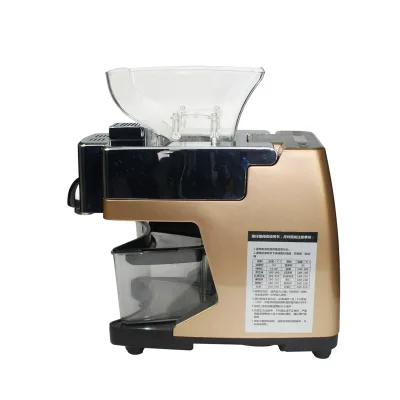
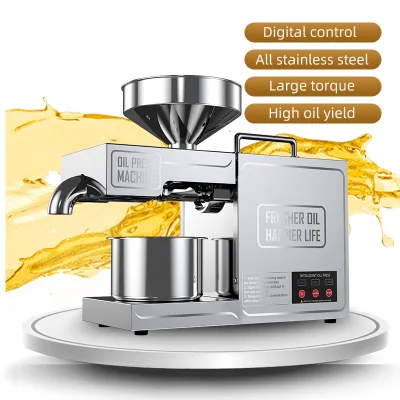
Mini Expeller Home Oil Presser Small Peanut Cocoa Coconut Sesame Walnut Screw Cold Oil Press Machine
$128.3412 - $132.4487
MOQ: 1 pieces

Henan Lewin Industrial Development Co., Ltd.
- Verified by TUVRHEINLAND
- Manufacturer/Factory
- China Henan
- Lead time23 days
- Avg. response≤ 2h
Main productsOil Presser, Filling Machine, Roasting Machine, Peeling Machine, Oil Refinery System
Main marketsSouth America,Eastern Europe,Mid East,North America,Southeast Asia,Eastern Asia,Western Europe,Africa

Cheap Price Home Use Cooking Oil Presser Wholesale Mini Size Oil Expeller
$150.00 - $190.00
MOQ: 1 Set



- Trading Company
- Zhejiang, China
- Lead time30 days
- Avg. response≤ 1h
Main productsCoating machine,Grinder Machine,Filling Machine,Oil Press Machine,Label Machine
Main marketsSouthern Europe(10.00%), Western Europe(10.00%), Eastern Asia(10.00%), Mid East(10.00%), Africa(10.00%), Southeast Asia(10.00%), Eastern Europe(10.00%), South America(10.00%), North America(10.00%), South Asia(5.00%), Northern Europe(5.00%)
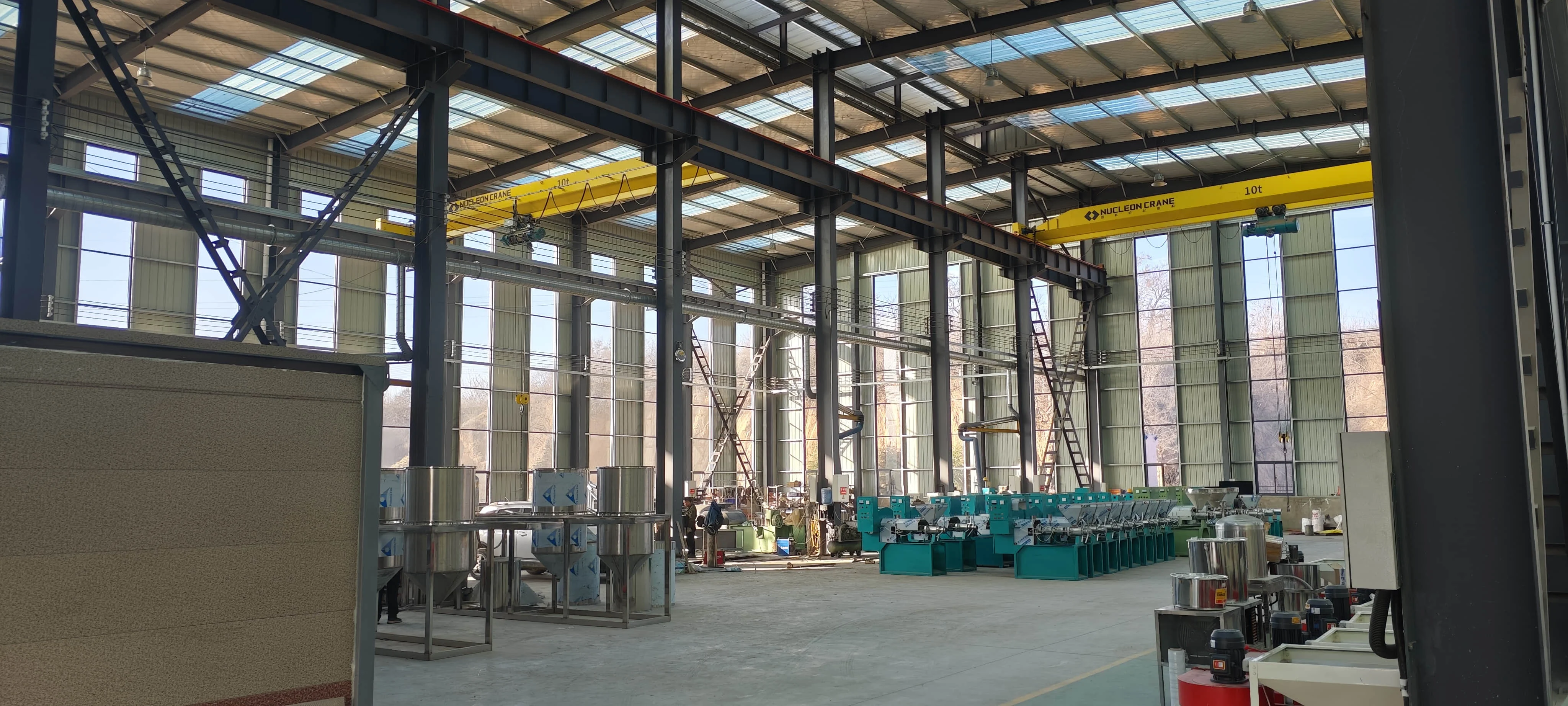
Henan Boke Machinery Equipment Co., Ltd.
- Manufacturer, Trading Company
- Henan, China
- Lead time25 days
- Avg. response≤ 5h
Main productsScrew oil press machine,Hydraulic oil press machine,Refined oil equipment,Filtering device,Squeezing production line
Main marketsSoutheast Asia(30.00%), South Asia(20.00%), Africa(20.00%), North America(10.00%), Mid East(10.00%), South America(10.00%)
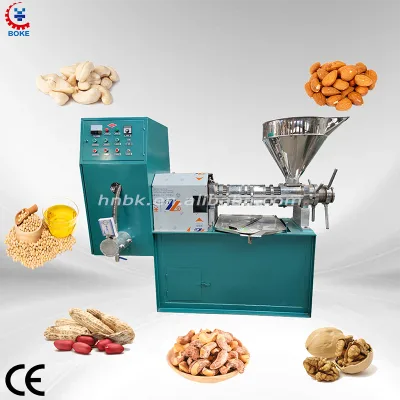
New Generation Screw Oil Expeller Machine High Efficiency Oil Extraction System for Olive
$3132.5697 - $3465.6889
MOQ: 1 sets
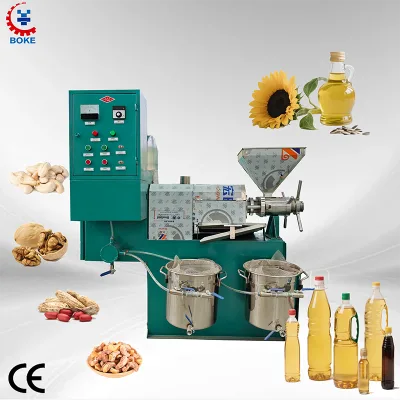
Professional Grade Oil Expeller with Robust Construction for Continuous Commercial Operation
$1620.6248 - $1900.6055
MOQ: 1 sets
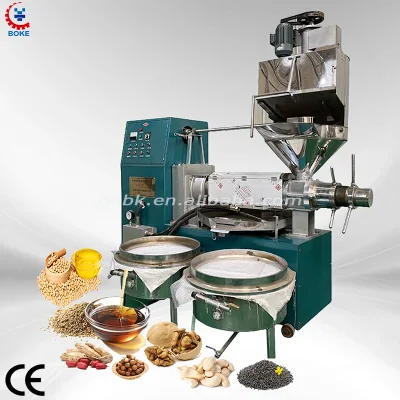
High Quality Screw Oil Expeller Equipment Continuous Oil Extraction Machine for Linseed
$3555.9719 - $3872.739
MOQ: 1 sets
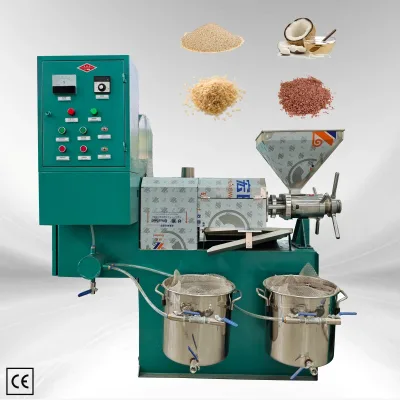
Versatile Spiral Oil Expeller for Rapeseed and Tea Seed, Ideal for Small Factories and Cooperatives.
$1547.5314 - $1691.9685
MOQ: 1 sets
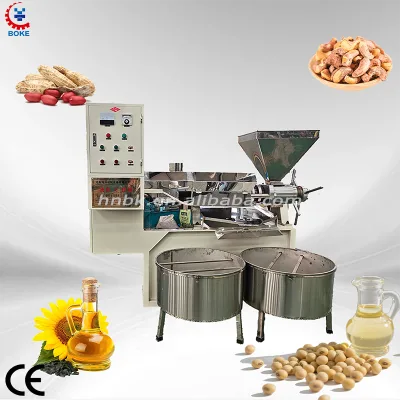
High Quality Screw Oil Expeller Machine Reliable Oil Extraction Equipment for Safflower Seed Peanut
$2196.9368 - $2461.5915
MOQ: 1 sets
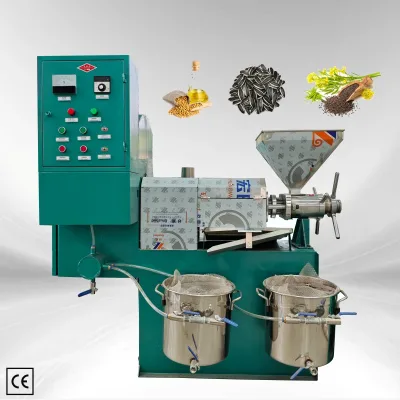
$1636.2579 - $1918.9395
MOQ: 1 sets
Huixian Yingda Machinery Co., Ltd.
- Manufacturer, Trading Company
- Henan, China
- Lead time0 days
- Avg. response≤ 5h
Main productsOil Press / Vegetable Oil Refining Equipment / Vegetable Oil Plant / Vegetable Oil Production Line
Main marketsDomestic Market(100.00%)
Henan Yishen Machinery Co., Ltd.
- Verified by Intertek
- Trading Company
- Lead time7 days
- Avg. response≤ 3h
Main productsMining Equipment, Brick-making Machine Production Line, Concrete Machinery, Shredder Machine, Oil Press Production Line
Main marketsAfrica(20%), Southeast Asia(15%), North America(10%)
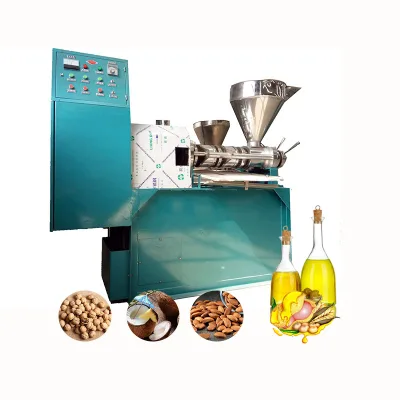
Energy-Efficient Automatic Screw Oil Expeller with Stainless Steel Design for Home & Commercial Use
$1100.00 - $2300.00
MOQ: 1 sets
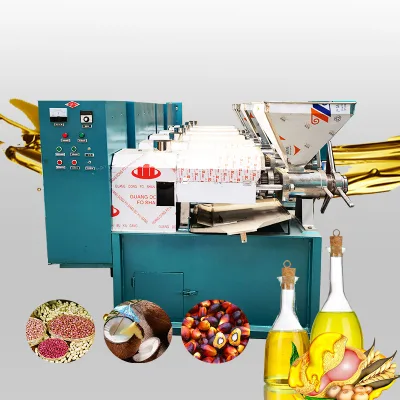
Automatic Spiral Oil Expeller with Filter System for 1 Years Warranty Oil Press Machine
$1100.00 - $2300.00
MOQ: 1 sets
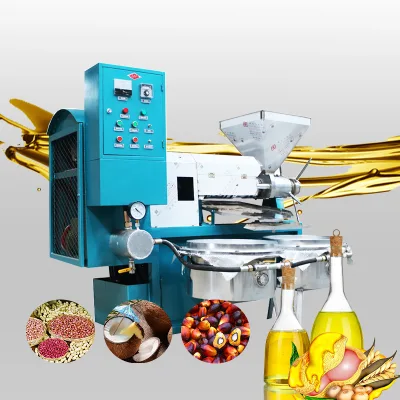
Automatic Dual-Shaft Oil Expeller with CE Certification, Energy Saving 30% Stainless Steel Body
$1500.00 - $1900.00
MOQ: 1 sets
Henan Maggie Trading Co., Ltd.
- Trading Company
- Lead time旺季: "1 - 1":15,"2 - 5":20,"> 5":"To be negotiated", 淡季: "1 - 1":15,"2 - 5":20,"> 5":"To be negotiated"
- Avg. response≤ 1h
Main productsSnacks,meat,vegetables,and grain processing machinery,Vending machines and packaging machines


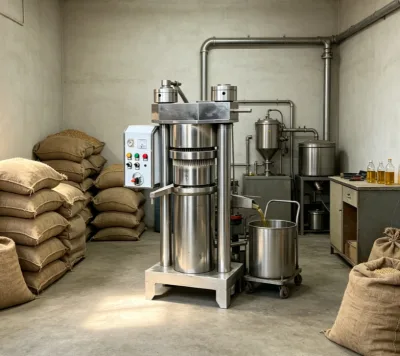
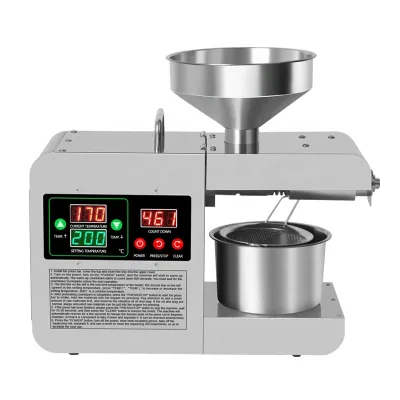
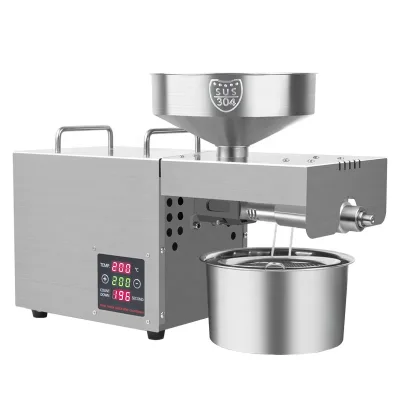
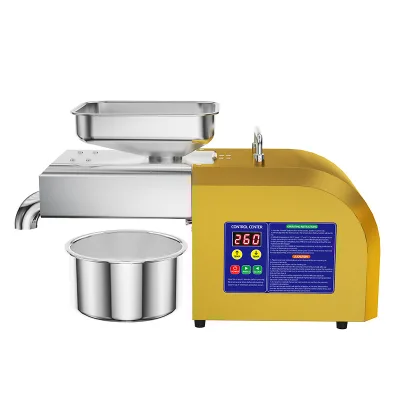
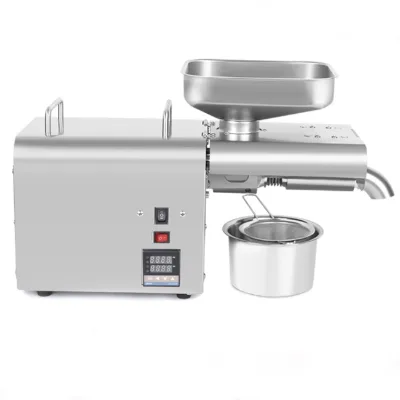
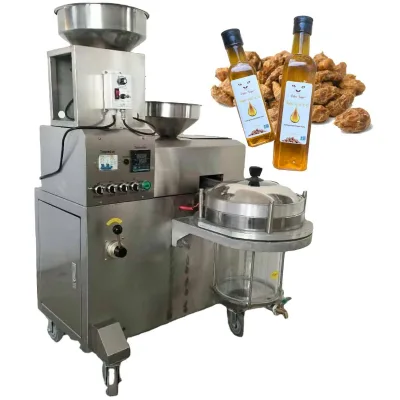
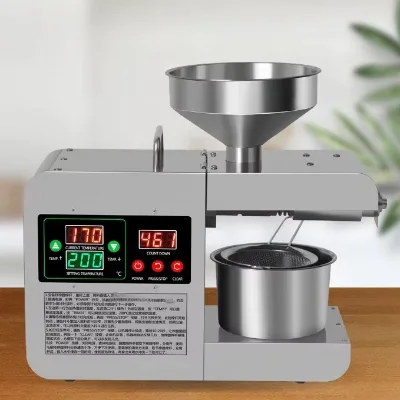
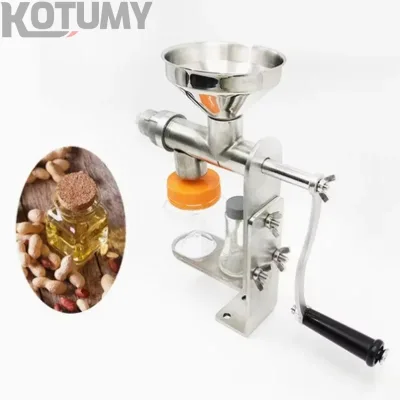








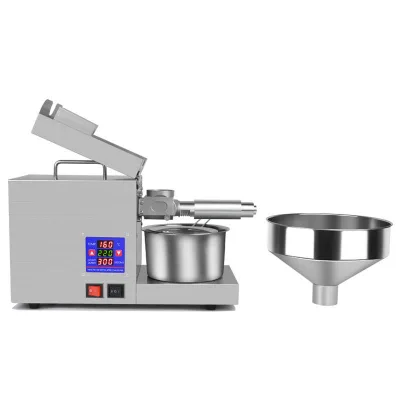
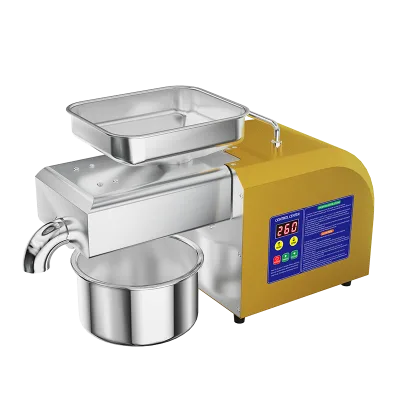
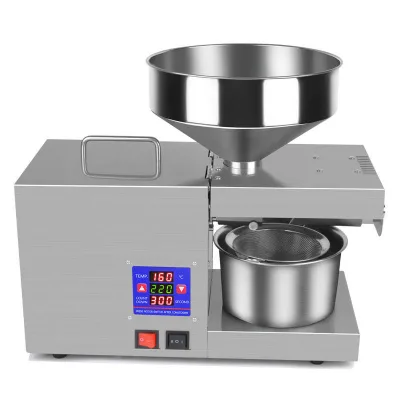
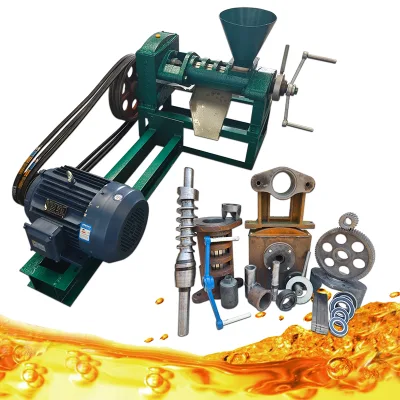
Comprehensive Sourcing Guide
Automatic Household Oil Expeller Supplier Concentration and Factory Types
The current search results indicate a significant concentration of suppliers located in Henan, China, which serves as a primary manufacturing cluster for oil processing machinery. These suppliers frequently list their company type as a combination of Trading Company and Manufacturer/Factory, suggesting a hybrid model where direct production capabilities coexist with broader distribution networks. This dual structure often allows buyers to access factory-direct pricing while benefiting from the logistical flexibility of a trading entity. The presence of multiple product lines, including oil presses, pellet machines, and food processing equipment, within the same facility highlights a specialized industrial ecosystem focused on agricultural and food processing solutions.
In contrast, a smaller subset of results points to suppliers based in Jiangsu, China, who operate primarily as Trading Companies. These entities often diversify their catalog to include unrelated categories such as coffee machines and dumpling makers, indicating a broader trading scope rather than deep specialization in oil extraction technology. When evaluating factory types, buyers should note that some manufacturers hold specific certifications like ISO 9001, while others may lack displayed system certifications entirely. The distinction between a dedicated manufacturer and a general trading company is critical, as it influences the depth of technical support, customization capabilities, and the ability to verify production capacity directly on the factory floor.
How to Verify Automatic Household Oil Expeller Suppliers
Verification of supplier credibility relies heavily on third-party audit reports and specific platform badges rather than self-declared claims. Several suppliers in the current dataset display BV verification status, which provides a baseline level of confidence regarding their business legitimacy and operational history. Others may hold TUVRHEINLAND verification, indicating a different standard of external assessment. Buyers must treat these badges as essential starting points but should not assume they cover every aspect of product quality or financial stability. The absence of a verification badge does not automatically disqualify a supplier, but it necessitates a more rigorous manual review of their business license and past transaction history.
Beyond verification badges, buyers should scrutinize the specific certifications listed for individual products and the company system. Some suppliers explicitly list ISO 9001 certification, which suggests adherence to international quality management standards, while others may only display product-specific marks like CE or SGS. It is important to distinguish between a company-wide system certification and a single product test result. For instance, a supplier might claim ISO 9001 status, but the buyer must confirm if this applies to the entire manufacturing process or just specific product lines. Additionally, the presence of an English manual or specific certificate of origin issued by a Chamber of Commerce can serve as secondary indicators of a supplier's commitment to international trade compliance and customer support.
What to Compare Across Automatic Household Oil Expeller Suppliers
When comparing suppliers, lead time and response speed are critical operational metrics that vary significantly across the market. Current data shows response times ranging from approximately 3.18 to 5.44 hours, with lead times for production and delivery spanning from 7 days to 30 days. A supplier with a 7-day delivery window may offer faster turnaround for urgent orders, whereas a 30-day lead time might reflect a more complex manufacturing process or a different shipping arrangement. Buyers should align these timelines with their inventory planning needs, understanding that a faster response time does not always guarantee a shorter production lead time. The variation in these figures suggests that buyers must request specific production schedules for each order rather than relying on general averages.
Price and minimum order quantity (MOQ) represent another vital comparison dimension, with observed price ranges for similar automatic mini oil expellers varying from $300 to $899. The MOQ for some models is as low as one unit, making these suppliers accessible for small-scale buyers or those testing the market, while others may have higher thresholds not explicitly detailed in the summary. Buyers should also compare the warranty terms, as some suppliers offer a one-year warranty on core components, which is a standard benchmark for this equipment category. Additionally, the availability of customization and OEM/ODM capabilities should be weighed against the base price, as suppliers offering flexible customization options often command a premium but provide better alignment with specific business requirements.
Common Automatic Household Oil Expeller Sourcing Risks
One significant risk involves the discrepancy between advertised specifications and actual product performance, particularly regarding voltage and power consumption. The search results show a mix of voltage requirements, with some machines operating on 220V and others on 380V, which can lead to compatibility issues if the buyer's local electrical infrastructure is not properly assessed. Similarly, power ratings vary, with some units listed at 550W while others have different consumption profiles. Buyers must verify that the electrical specifications match their local grid standards to avoid the need for expensive transformers or the risk of equipment failure. Relying solely on the product title without checking the detailed attribute list can result in purchasing incompatible machinery.
Another risk pertains to the ambiguity of packaging and shipping terms, which can affect the final landed cost and product condition. While some suppliers specify wooden cases or fumigated wooden boxes for protection, others list generic carton packages that may offer less protection for heavy machinery during long-distance transit. The shipping terms, such as "by Sea," indicate a specific logistics method that impacts delivery time and cost, yet the exact freight charges are often not included in the initial product price. Buyers must clarify who bears the risk of damage during transit and ensure that the packaging is robust enough to withstand the journey. Failure to confirm these details can lead to damaged goods upon arrival and additional costs for replacement or repair.
Automatic Household Oil Expeller Regional Sourcing and Logistics
The geographic concentration of suppliers in Henan, China, offers logistical advantages for sourcing oil processing machinery, as this region has developed a robust supply chain for agricultural equipment. Suppliers in this cluster often have established relationships with local freight forwarders and shipping agents, which can streamline the export process. However, buyers must account for the distance and potential transit times associated with shipping from this inland province to international ports. The lead times observed, ranging from 7 to 30 days, likely include both production and domestic logistics to the port of departure. Understanding the specific location of the factory within the province can help buyers estimate the total time required for the goods to reach their destination.
For buyers considering suppliers in other regions, such as Jiangsu, the logistics profile may differ due to proximity to major coastal ports. Trading companies in these areas might offer faster access to shipping services but could have longer lead times for production if they rely on third-party manufacturers. The choice of shipping term, such as "by Sea," is a common standard for heavy machinery like oil expellers, but buyers should verify if air freight or other expedited options are available for urgent needs. Additionally, the packaging standards, whether wooden cases or fumigated boxes, play a crucial role in ensuring the equipment survives the journey. Buyers should request detailed shipping documentation and insurance coverage to mitigate risks associated with regional logistics variations.
Automatic Household Oil Expeller Commercial Terms and Order Planning
Commercial terms regarding payment, customization, and warranty are essential components of order planning that vary by supplier. Many suppliers indicate that customization is available, allowing buyers to tailor the machine to specific needs, but the extent of these modifications and associated costs must be confirmed before placing an order. The warranty terms, typically listed as one year for core components, provide a safety net for manufacturing defects, but buyers should clarify what is excluded from this coverage. Understanding the scope of the warranty is vital for long-term operational planning, as it affects maintenance budgets and the availability of spare parts. Buyers should also inquire about the process for claiming warranty services to ensure it is straightforward and efficient.
Order planning must also account for the sample availability and the specific model numbers associated with each product listing. Some suppliers offer samples, which can be a valuable tool for verifying product quality before committing to a larger order. The model numbers, such as S-05B or VIC-F3, serve as unique identifiers that help buyers track specific configurations and ensure consistency across multiple orders. Buyers should maintain a clear record of the exact model and specifications agreed upon in the purchase order to avoid disputes over product delivery. Furthermore, the capacity of the machine, such as 10-15KG/H, should be matched against the buyer's production requirements to ensure the equipment meets their operational volume needs without causing bottlenecks or underutilization.
FAQs
What is the price range for automatic household oil expellers?
Prices for automatic household oil expellers typically range from $300 to $899 depending on the model and features. Basic units start around $300, while more advanced machines with digital controls and stainless steel construction can cost up to $899. Buyers should check specific product listings for exact pricing based on capacity and voltage requirements.
What is the minimum order quantity for these machines?
The minimum order quantity for automatic household oil expellers is generally one unit. This allows buyers to purchase single units for personal use or small-scale testing. Suppliers often support OEM and ODM customization even for small orders, making it easy to acquire a single machine without bulk purchasing commitments.
How long does delivery take for these oil press machines?
Delivery times for automatic household oil expellers vary by supplier, typically ranging from 7 to 30 days. Some manufacturers offer faster turnaround times of around 7 days for specific models, while others may require up to 30 days for production and shipping. Buyers should confirm lead times with the supplier before placing an order.
Are these oil expellers suitable for home kitchen use?
Yes, many automatic household oil expellers are specifically designed for home kitchen use. They feature compact dimensions, such as 430*290*210mm, and operate on standard 220V or 380V power supplies. These machines are suitable for extracting oil from peanuts, sesame, and other seeds in domestic settings, offering efficient and automatic processing.
What certifications do these oil press machines have?
Automatic household oil expellers often come with CE and ISO certifications, ensuring compliance with international safety and quality standards. Some suppliers also provide SGS verification and ISO 9001 system certification. Buyers should verify specific certifications for each product listing to ensure they meet local regulatory requirements for electrical and mechanical equipment.
Where are these oil expeller machines manufactured?
Most automatic household oil expellers are manufactured in China, specifically in regions like Henan and Jiangsu. These areas are known for producing agricultural and food processing machinery. Buyers can expect products to originate from these locations, with detailed origin information provided in the product specifications for transparency and logistics planning.