Nacho Chip Making Corn Extruder Suppliers and Manufacturers
Source 25 verified suppliers for Nacho Chip Making Corn Extruder machinery. Compare key dimensions including ISO and CE certifications, lead times, and pricing ranges. Contact suppliers directly to request quotes and verify production capabilities; review the available evidence before requesting comparable quotations from suitable candidates.
Updated
Suppliers List
Shandong Huake Machinery Technology Co., Ltd.
- Verified by SGS Group
- Trading Company
- Lead time0 days
- Avg. response≤ 2h
Main productsPet Feed Making Machine, Puff Snack Making Machine, Fried Snack Making Machine, Corn Flakes/Breakfast Cereal Making Machine, Industrial Drying Machine
Main marketsDomestic Market(50%), Africa(12%), Southeast Asia(8%)
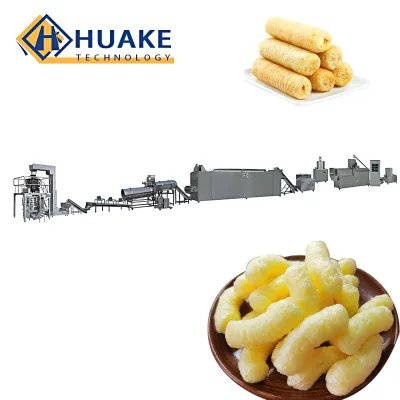
Corn Chips Production Machine Extruder Corn Corn Chips Making Machine
$7500.00 - $25000.00
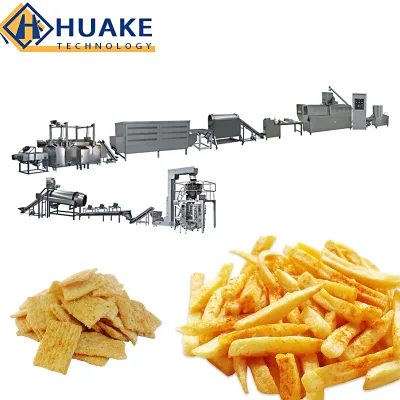
Bugle Chips doritos Chips Making Machine Corn Tortilla Chip Extruder Machine
$8900.00 - $15000.00

Jinan Linyang Machinery Co., Ltd.
- Manufacturer/Factory
- China Shandong
- Lead time30 days
- Avg. response≤ 6h
Main productsFood Machinery, Vegetable Processing Machine, Puff Snacks Food Machine, Pet Food Process Line, Soy Meat Production Line, Potato Chips Machinery, Food Fryer Machine, Dehydrated Machine, Food Exrtruder, Vegetabls Fruit Machine
Main marketsSouth America,Eastern Europe,Mid East,Southeast Asia,Eastern Asia,Oceania,Western Europe,Africa
Shandong Arrow Machinery Co., Ltd.
- Verified by SGS Group
- Manufacturer, Trading Company
- Lead time35 days
- Avg. response≤ 3h
Main productsFood Extruder, Bread crumb machine, Pet food machine, Corn flakes making machine, fortified rice machine
Main marketsSouth America(20%), Southeast Asia(20%), South Asia(15%)
Jinan Sunrising Machinery Co., Ltd.
- Verified by TüVRheinland
- Manufacturer, Trading Company
- Lead time30 days
- Avg. response≤ 1h
Main productsDog Food Machine, Puffed And Fried Snack Machine, Pet Chew Machine, Fish Feed Machine, Corn Flakes Machine
Main marketsSoutheast Asia(20%), Eastern Asia(17%), Mid East(15%)
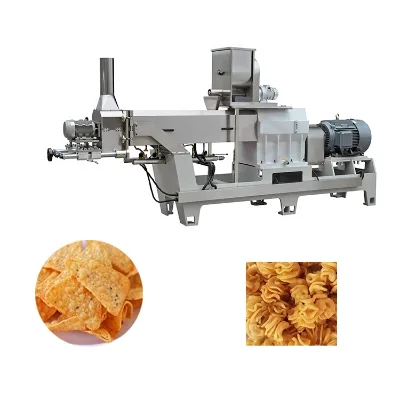
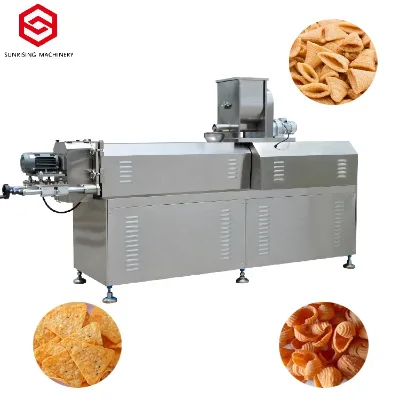
Corn Nacho Chips Crisps Snack Food Making Machine Line Prices Production Line
$10000.00
MOQ: 1 Minimum
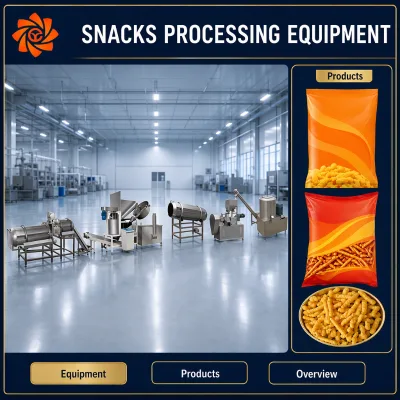
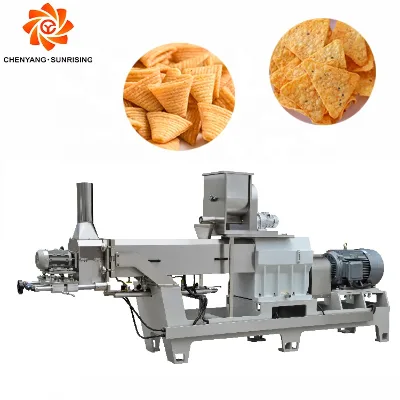

Shandong Huake Machinery Technology Co., Ltd.
- Verified by CTI
- Trading Company,Manufacturer/Factory
- China Shandong
- Lead time45 days
- Avg. response≤ 2h
Main productsPuffed Snack Food Machinery, Pet Feed Machinery, Breakfast Cereal Production Line, Doritos Tortila Chips Machine, Instant Rice Nutrition Rice Production Line, Corn Flake Production Line, Pasta Production Line, Microwave Sterilization and Drying Equipment, Instant Porridge Machine, Extruder Machine
Main marketsSouth America,Eastern Europe,Mid East,North America,Southeast Asia,Eastern Asia,Oceania,Western Europe,Africa

Cornflakes Machine Make Nacho Corn Chips Line Extruded Cornflakes Making Machine
$15500.00 - $20000.00
MOQ: 1 Pieces

Nacho Making Machine Extruder Nacho Chips Machinery Mexcian Nachos Making Machine
$17500.00 - $20000.00
MOQ: 1 Sets

$17500.00 - $20000.00
MOQ: 1 Sets

Automatic Corn Chips Machine Double Screw Extruder Nacho Chips Processing Line
$18000.00 - $20000.00
MOQ: 1 Pieces


Nacho Tortilla Chips Making Machine Corn Chips Twin Screw Extruder Doritos Snacks Machine
$18000.00 - $20000.00
MOQ: 1 Pieces

Shandong Light M & E Co., Ltd.
- Manufacturer/Factory
- China Shandong
- Lead time0 days
- Avg. response≤ 11h
Main productsFood Machinery, Food Extruder, Foodstuff/Snacks Processing Line, Corn Flakes/Breakfast Cereals Production, Chips/Pellets Making Machine, Cheetos/Kurkure/Niknak Machine, Pet Food Making Machine, Texture Soya Protein Food Machine, Modified Starch Machine, Hamburger/Chicken Nugget Machine
Main marketsSouth America,Eastern Europe,Mid East,North America,Southeast Asia,Eastern Asia,Oceania,Western Europe,Africa

Nacho Maker Machine Doritos Corn Chips Making Machine Processing Line
$25000.00 - $45000.00
MOQ: 1 Sets


Puff Corn Chips Extruder Machine Production Line Nacho Maker Machine
$25000.00 - $45000.00
MOQ: 1 Sets

Jinan Dayi Extrusion Machinery Co., Ltd.
- Manufacturer
- China Shandong
- Lead time30 days
- Avg. response≤ 4h
Main productsFood Machine, Snack Machine, Food Extruder, Pellet / 3D Food Machine, Corn Flakes /Breakfast Cereal Machine
Main marketsSouth America,Africa,Southeast Asia/ Mideast,East Asia(Japan/ South Korea),Europe
Jinan Arrow Machinery Co., Ltd.
- Verified by SGS Group
- Manufacturer, Trading Company
- Lead time30 days
- Avg. response≤ 2h
Main productsFood Extruder, Puff Snacks Processing Line, Breakfast Cereals Production Line, Pellets Snacks Making Machine, Pet Food Machine
Main marketsDomestic Market(45%), South Asia(15%), Africa(14%)

Jinan Sunward Machinery Co., Ltd.
- Verified by TUVRHEINLAND
- Combined
- China Shandong
- Lead time15 days
- Avg. response≤ 5h
Main productsFood Machine, Snack Machinery, Pet Food Machine, Fish Feed Machine, Dog Food Machine, Food Extruder, Corn Flakes Machine, Corn Snack Machine, Extrusion Machine, Extruder
Main marketsOthers(foreignTradeCapacity.exportBusinessCapacityMarketOther),Southeast Asia/ Mideast,Europe


Automatic Twin-Screw Extrusion Deep Fried Nacho Corn Chips Frying Making Machinery
$7000.00 - $28000.00
MOQ: 1 Sets


Jinan Bright Machinery Co., Ltd.
- Verified by TUVRHEINLAND
- Combined
- China Shandong
- Lead time15 days
- Avg. response≤ 4h
Main productsFish Food Machine, Pet Food Machine, Floating Fish Food Pellet Machine, Dog Food Extruder, Floating Fish Feed Machine, Floatiung Catfish Food Extruder, Corn Flakes Processing Line, Snacks Food Machine, Puffed Food Processing Line, Corn Curls Food Production Line
Main marketsAfrica,Southeast Asia/ Mideast,East Asia(Japan/ South Korea),Europe


Corn Tortilla Chips Making Machinery Fried Snack Food Processing Line Nachos Twin Screw Extruder
$30000.00 - $80000.00
MOQ: 1 Sets

Automatic Twin-Screw Extrusion Deep Fried Nacho Corn Chips Frying Making Machinery
$12000.00 - $35000.00
MOQ: 1 Sets

Automatic Tortilla Making Extruder Fried Nachos Pellets Corn Puff Tortilla Chips Snack Food Machine
$12000.00 - $40000.00
MOQ: 1 Sets
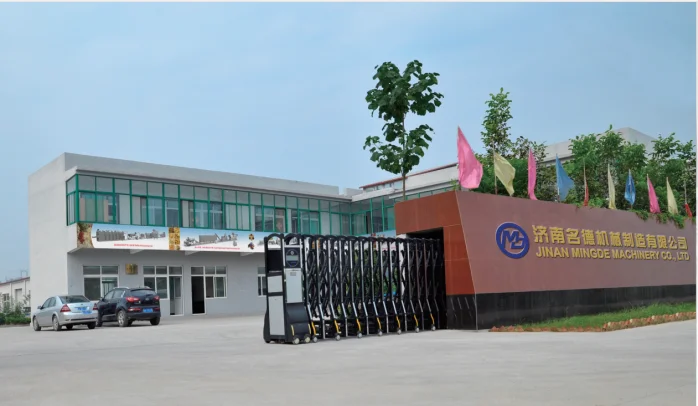
Jinan Mingde Machinery Co., Ltd.
- Manufacturer, Trading Company
- Shandong, China
- Lead time30 days
- Avg. response≤ 1h
Main productsPet Food Production Line,Instant Noodles Machine,puff Snacks Food Machine,fish feed machine,Pop Corn Production Line
Main marketsEastern Europe(60.00%), South America(20.00%), Eastern Asia(10.00%), Africa(5.00%), Oceania(2.00%), Southern Europe(2.00%), South Asia(1.00%)
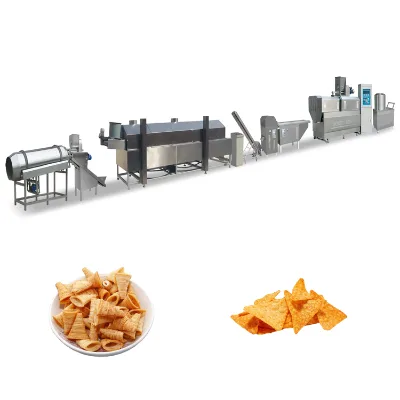
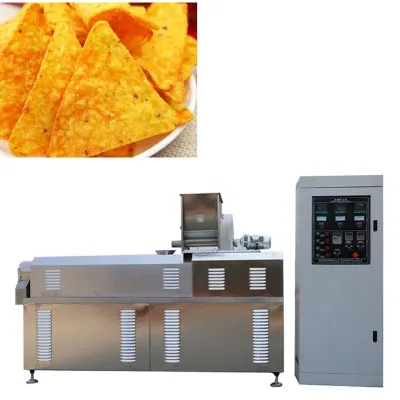
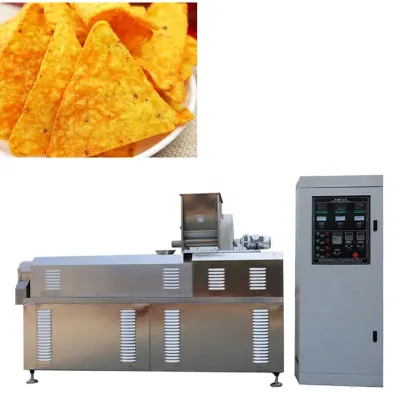
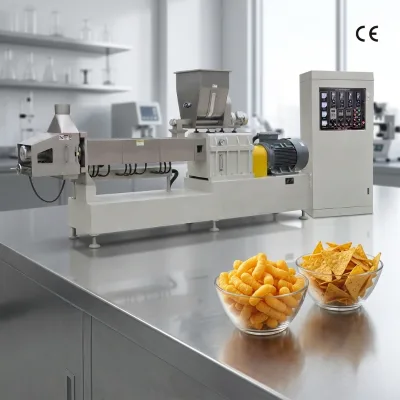
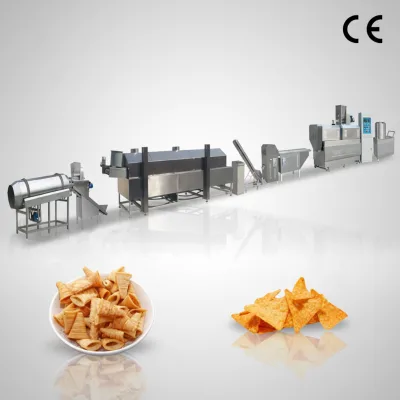
$12000.00 - $15000.00
MOQ: 1 sets
LUOHE NINE LEMON IMPORT & EXPORT CO., LTD.
- Verified by SGS Group
- Trading Company
- Lead time15 days
- Avg. response≤ 8h
Main productsBread Production Line, Vegetable and Fruit Processing Equipment, Meat Processing Equipment, Bakery Equipment, Packing Solution
Main marketsMid East(30%), North America(20%), South America(10%)
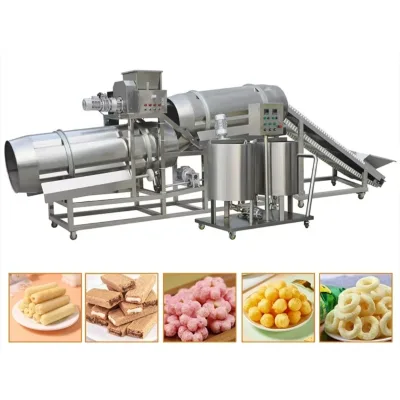
Corn Crisps Extruder Maize Chips Extruder Corn Sticks Production Extruder
$9247.2098 - $30824.0328
MOQ: 1 sets
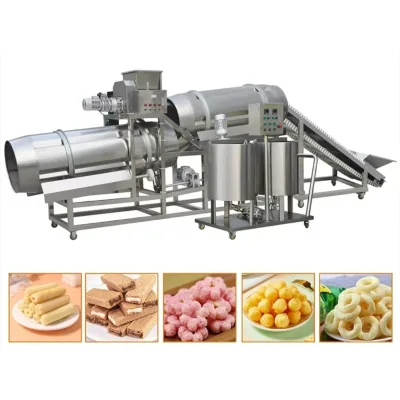
Double Screw Extruder 100-150kg/h Corn Chips Snacks Making Machine
$9000.00 - $30000.00

Jinan Saibainuo Extrusion Machinery Co., Ltd.
- Verified by BV
- Trading Company,Manufacturer/Factory
- China Shandong
- Lead time23 days
- Avg. response≤ 4h
Main productsPet Food Machine, Fish Feed Machine, Corn Flakes Machine, Breakfast Cereals Machine, Puff Snacks Food Machine, Textured Soya Protein Vegetable Machine, Bread Crumbs Machine, Nutritional Powder Baby Food Machine, Pasta Macaroni Machine, Bugles Chips Machine
Main marketsSouth America,Eastern Europe,Mid East,North America,Southeast Asia,Eastern Asia,Oceania,Western Europe,Africa
JINAN HIMAX MACHINERY CO., LTD.
- Verified by TüVRheinland
- Trading Company
- Shandong, China
- Lead time35 days
- Avg. response≤ 2h
Main productsTwin And Single Screw Extruder, Microwave Dryer, TSP ISP And HMMA Machine, Pet Food And Fish Feed Production Line, Packing Machine
Main marketsSoutheast Asia(20%), Eastern Europe(15%), Mid East(15%)
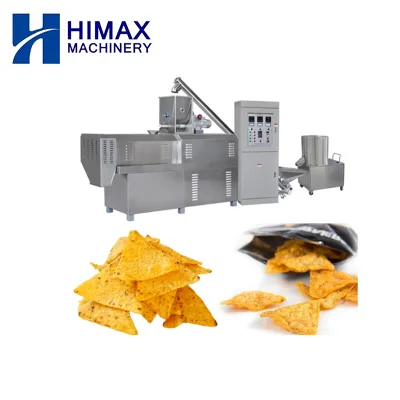
120-250kg/h Output Nacho Chips Making Machine Puff Snack Making Machine Extruded
$19800.00 - $35800.00
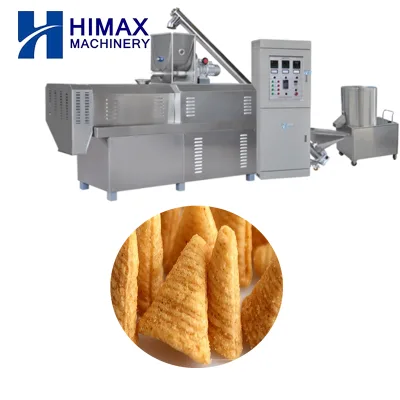
High Quality Nachos Machine Corn Chips Extruder Puffed Triangle Chips Machine
$15000.00 - $20000.00
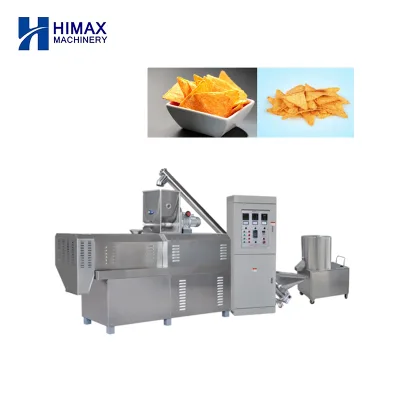
High Quality Tortilla Chip Making Machine Nachos Chips Production Line Tortilla Production Line
$15475.9704 - $36110.5976
MOQ: 1 sets

Shantou Huaxing Machinery Factory Co., Ltd.
- Verified by TUVRHEINLAND
- Combined
- China Guangdong
- Lead time60 days
- Avg. response≤ 25h
Main productsSnack Machine, Food Processing Machine, Potato Chips Production, Fryer, Dryer, Cake Depostor, Puff Snack Production Line, Single Screw Extruder, Double Screw Extruder, Pellet Snack Extruder
Main marketsSoutheast Asia/ Mideast,Europe

Jinan Saibainuo Food Machinery Co.,Ltd
- Verified by TUVRHEINLAND
- Trading Company,Manufacturer/Factory
- China Shandong
- Lead time45 days
- Avg. response≤ 6h
Main productsPet Food Making Machine, Animal Food Making Machine, Textured Soy Protein Machine, Microwave Oven, Corn Flakes Machine, Snack Food Machine, Fish Feed Making Machine, Pasta Macaroni Making Machine
Main marketsSouth America,Eastern Europe,Mid East,North America,Southeast Asia,Eastern Asia,Oceania,Western Europe,Africa

Twin Screw Corn Maize Tortilla Nacho Doritos Chips Extrusion Machinery Making Plant
$30000.00
MOQ: 1 Pieces


Big Capacity Tortilla Nacho Machine Equipment Fried Chips Extruder Production Line
$30000.00
MOQ: 1 Pieces

100-150kg/H Capacity Fried Crispy Doritos Tortilla Nacho Chips Machine Extruder
$30000.00
MOQ: 1 Pieces

Reasonable Price Nacho Tortilla Processing Machine Line Doritos Extruder Equipment
$30000.00
MOQ: 1 Pieces

JINAN MT MACHINERY & EQUIPMENT CO., LTD.
- Trading Company,Manufacturer/Factory
- China Shandong
- Lead time45 days
- Avg. response≤ 2h
Main productsCorn Flakes Machine, Corn Puffs Machine, Pet Food Machine, Floating Fish Feed Machine, Fortified Rice Machine
Main marketsSouth America,Mid East,North America,Southeast Asia,Eastern Asia,Western Europe,Africa
Jinan Sunward Machinery Co., Ltd.
- Verified by SGS Group
- Manufacturer, Trading Company
- Lead time20 days
- Avg. response≤ 4h
Main productsPet food production line, Puffed food production line, Fried food production line, Nutritional rice production line, Fish feed production line
Main marketsSouth Asia(20%), Domestic Market(17%), Africa(15%)
Jinan Eagle food machinery co.,ltd
- Verified by Intertek
- Manufacturer, Trading Company
- Lead time30 days
- Avg. response≤ 2h
Main productsCorn Chips Puffs Production Line , Pet Dog Food Fish Feed Production Line , Soya Chunk Production Line , Breakfast Cereal Corn Flakes Production Line , Soya Chunk Extruder
Main marketsSoutheast Asia(18%), North America(12%), Africa(10%)
Jiaozuo Zhoufeng Machinery Co., Ltd.
- Trading Company
- Henan, China
- Lead time5 days
- Avg. response≤ 9h
Main productsFood machine,Farm machine,environmental protection machine,Home use machine,Biomass briquette production line
Main marketsMid East(10.00%), South Asia(10.00%), Africa(10.00%), Southeast Asia(10.00%), Domestic Market(10.00%), Central America(10.00%), North America(10.00%), South America(8.00%), Eastern Asia(7.00%), Northern Europe(5.00%), Western Europe(5.00%), Oceania(2.00%), Eastern Europe(2.00%), Southern Europe(1.00%)
Henan Share M&E Equipment Co.,Ltd
- Verified by SGS Group
- Trading Company
- Lead time7 days
- Avg. response≤ 3h
Main productsTextile Machinery, Printing Machinery, Construction Machinery, Wood Machinery
Main marketsNorth America(20%), South America(20%), Eastern Europe(10%)
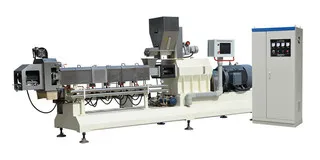
- Manufacturer, Trading Company
- Shandong, China
- Lead time50 days
- Avg. response≤ 2h
Main productsSnacks Food Machinery
Main marketsMid East(25.00%), South Asia(16.00%), Africa(12.00%), Domestic Market(10.00%), North America(5.00%), Eastern Europe(5.00%), Southeast Asia(5.00%), South America(5.00%), Eastern Asia(4.00%), Western Europe(3.00%), Southern Europe(3.00%), Oceania(3.00%), Northern Europe(2.00%), Central America(2.00%)

Zhengzhou Runxiang Machinery Equipment Co., Ltd.
- Verified by TUVRHEINLAND
- Trading Company,Manufacturer/Factory
- China Henan
- Lead time15 days
- Avg. response≤ 5h
Main productsFeed Pellet Machine, Nut Processing Machine, Briquette Processing Machine, Grinder Crusher Machine, Dryer Machine, Construction Machine
Main marketsSouth America,Eastern Europe,Mid East,North America,Southeast Asia,Eastern Asia,Oceania,Western Europe,Africa
Jiaozuo Zhiyou Machinery Co., Ltd.
- Trading Company
- henan, China
- Lead time7 days
- Avg. response≤ 2h
Main productsFood machine,Farm machine,Drying machine,Pellet machine,Recycling Machine
Main marketsMid East(12.00%), Africa(11.00%), North America(10.00%), Oceania(10.00%), Southeast Asia(9.00%), Eastern Asia(8.00%), South Asia(7.00%), South America(6.00%), Southern Europe(6.00%), Northern Europe(5.00%), Eastern Europe(5.00%), Western Europe(4.00%), Domestic Market(4.00%), Central America(3.00%)
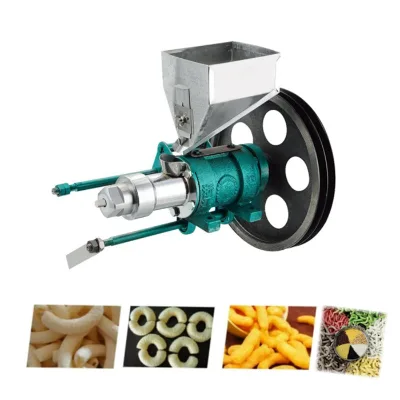
new design rice extruder cereal snack food extruder
$85.00 - $120.00
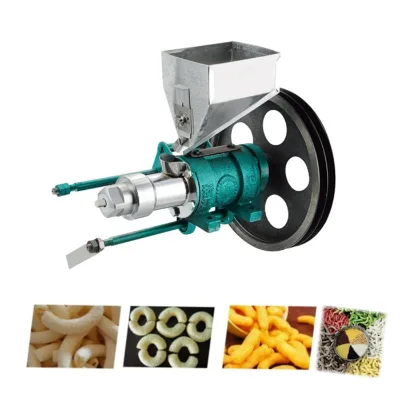
Industry Cheese Ball Snack Puffed Extruder for Peru Market
$85.00 - $120.00
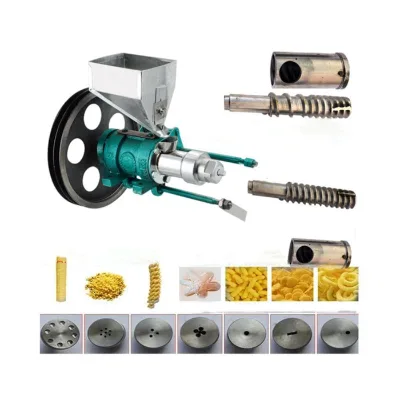
Factory Directly Sell Rice Snack Extruder for 3-hole Twist
$85.00 - $120.00
Henan Xifa Network Technology Co., Ltd.
- Verified by Intertek
- Manufacturer, Trading Company
- Lead time7 days
- Avg. response≤ 1h
Main productsAnimal Cages, Tractors, Feed Processing Machinery, Excavators
Main marketsNorth America(20%), Domestic Market(20%), Africa(15%)
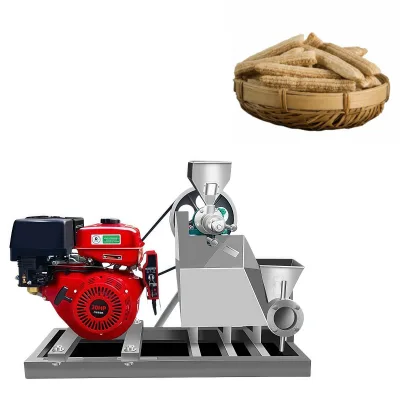
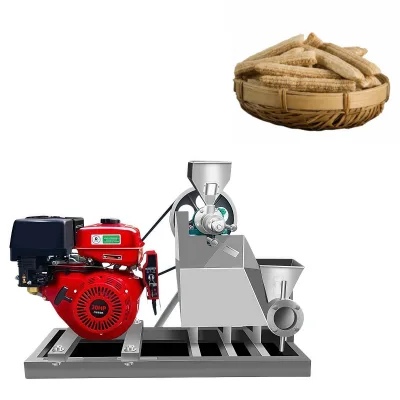
Hot Sale Twin-Screw Corn Puff Snack Extruder | for Cheese, Salty, or Sweet Flavored Products
$465.00 - $821.00
MOQ: 1 Minimum
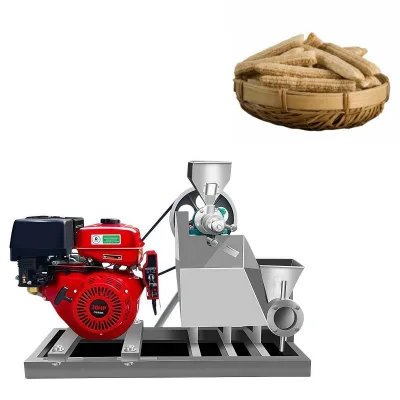
Customizable Snack Food Extruder for Corn/Rice Puffs | Supports OEM/ODM Services
$465.00 - $821.00
MOQ: 1 Minimum


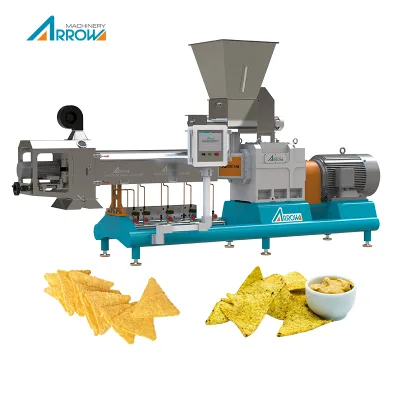
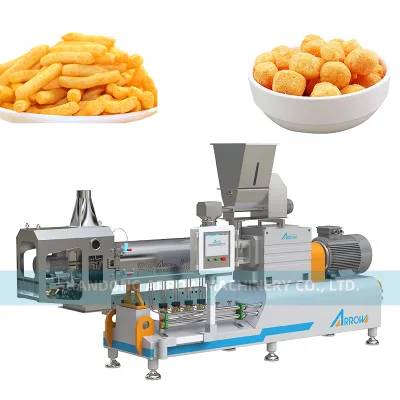


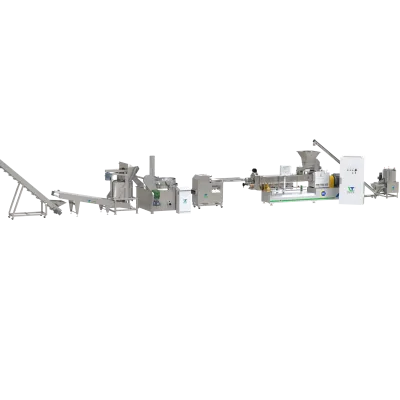
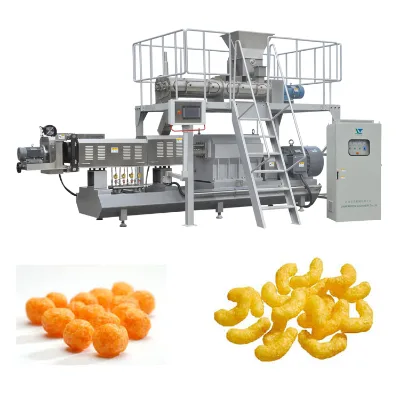


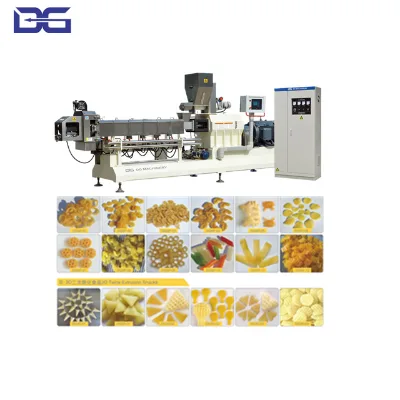


Comprehensive Sourcing Guide
Nacho Chip Making Corn Extruder Supplier Concentration and Factory Types
Listings for this category show a clear geographic concentration: supplier results place the companies in Shandong, China, and individual machine records also list Shandong as the place of origin. For a buyer, this matters less as a label and more as a practical signal — when multiple suppliers, component vendors, and spare-parts sources sit in the same province, factory visits, third-party inspections, and urgent part replacements become logistically simpler. Buyers who cannot travel should still note the cluster when arranging inspection services, since local inspectors familiar with food extrusion lines can be engaged at short notice. When no location is displayed on a listing, ask the supplier directly for the factory address and cross-check it against any shipment origin shown on sample documents.
The company-type labels in these results vary: one supplier is a trading company, one is a manufacturer/factory, and another is a combined manufacturer and trading company. This distinction affects pricing, technical depth, and accountability. A factory can usually answer extrusion-specific questions — screw configuration, die design for triangle nacho shapes, frying integration — with engineering staff, while a trading company may add value through export handling and multi-product coordination. Product listings in the results range from corn chips extruder lines to fried puff snack processing machines and tortilla chip extruders, so confirm the supplier's main-product list actually covers nacho-style corn extrusion rather than adjacent snack categories.
How to Verify Nacho Chip Making Corn Extruder Suppliers
Start with the verification signals that are actually displayed. In the current results, one supplier is verified by SGS Group, and system certifications shown include ISO 9001, CE, ISO14001, IFS, and 2006/42/EC (the EU machinery directive). Treat these as starting points, not conclusions: ask for the certificate number and scope, confirm the certificate is current with the issuing body, and check that the scope covers food processing machinery rather than an unrelated product range. Some listings reference machine-level marks such as ISOCE on individual products; distinguish company-level system certification from a mark printed on a product sheet, because they are audited differently.
Verification should also extend to the company entity itself. Request the business license, confirm the registered scope includes machinery manufacturing or export, and match the legal entity name to the bank account you will eventually pay. The SGS verification badge and any platform-based checks reduce identity risk, but they do not audit product quality, so a factory audit or third-party inspection remains worthwhile for a capital-equipment order. Practical checks include asking whether the Shandong-located suppliers welcome on-site visits, requesting a live video walkthrough of the assembly floor, and asking which parts of the line are built in-house versus purchased. If a supplier cannot explain the difference between its twin-screw extruder modules and its fryer or dryer modules, that gap in technical knowledge is itself a verification finding.
What to Compare Across Nacho Chip Making Corn Extruder Suppliers
Build a comparison sheet from the attributes these listings actually expose. Response time varies meaningfully in the results — some suppliers respond in about 2 hours, others around 3 or 5 hours — and for a technical purchase involving drawings, voltage specifications, and layout questions, slower response often predicts slower engineering support after payment. Lead times differ too: one listing shows a 30-day lead time, another 35 days, and individual product pages state delivery in 15–30 days. Compare quoted lead time against the delivery period on the specific machine model, not the company profile. Minimum order quantity is shown as 1 set on some listings, which is normal for capital equipment, but confirm it in writing before assuming it applies to your configuration.
Compare the machine data itself. The listed lines span price ranges from roughly 7,500 to 25,000 and 8,900 to 15,000, and one Doritos/nacho line is quoted at 10,000 to 30,000 — ranges that reflect configuration differences, so normalize quotes to the same capacity, material (stainless steel 201 versus 304), and automation level. One line lists capacity of 100–500 kg/h, another 150–300 kg/h; a fried snack machine lists 72 kW power, dimensions of 12,000×2,500×2,400 mm, and 3,800 kg weight. Also compare warranty length (one listing shows 1 year), motor and inverter brands, and whether field installation, commissioning, and training are included.
Common Nacho Chip Making Corn Extruder Sourcing Risks
The most frequent risk in this category is configuration drift: a buyer quotes one machine, pays, and receives a line built to a cheaper specification. The listings themselves hint at where drift happens — one machine lists stainless steel 201/304 as the material range, meaning the contact surfaces may be 201 unless you specify 304 for all food-contact parts. Similarly, voltage options are listed broadly (220V/380V/415V/440V), and "Automatic" appears as a key selling point on one line while another listed line is labeled Manual in its automatic grade. Confirm, in the contract, the exact voltage, material grade, automation level, and screw type for the model number you are buying, such as the HK65-III or KS-70 designations shown in the results.
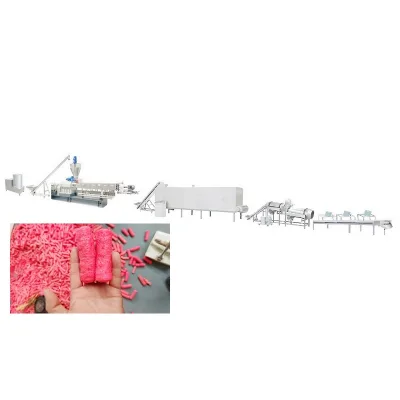
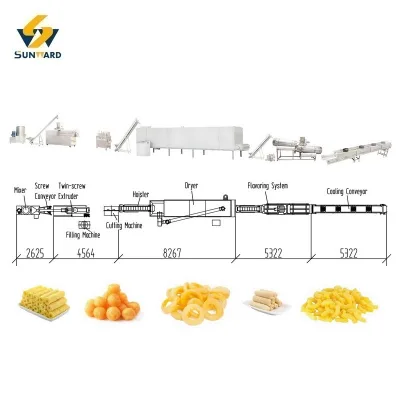
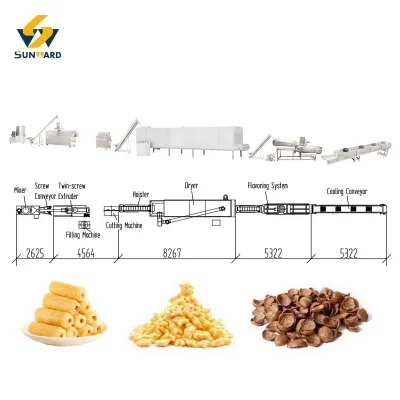
Second is the scope gap between the extruder and a complete nacho line. Several listings are single extrusion machines or production-line sections, while a working nacho chip operation also needs mixing, forming, frying (one listing specifies a continuous fryer), seasoning, and cooling or drying. Buying only the extruder and assuming the rest is included is a costly discovery. Additional risks: capacity figures quoted as a maximum rather than at your recipe's moisture and starch content; after-sales commitments stated generically ("field installation, commissioning and training" on one listing) without cost, duration, or travel terms; and warranty of 1 year that excludes wearing parts such as screws and dies, which are the most frequently replaced components in corn extrusion.
Nacho Chip Making Corn Extruder Regional Sourcing and Logistics
Because the supplier results point to Shandong, China, buyers can plan logistics around that origin with reasonable confidence. Shandong's machinery-manufacturing base means freight forwarders there handle industrial equipment routinely, and consolidated spare-part shipments are feasible. For planning, use the physical data from the listings: lines weighing 3,000–3,800 kg and stretching to dimensions like 12,000×2,500×2,400 mm — or one line listed at 28,000×1,000×1,900 mm — will typically ship disassembled in sections, packed in wooden cases as one listing specifies. Ask each supplier for the packed volume and gross weight per section, since the listing field showing 0 cm³ single volume is a placeholder you must replace with real figures before booking freight.
Lead-time expectations from the results span roughly 15 to 35 days depending on supplier and model, but logistics time is separate: sea freight from a Chinese port adds weeks depending on destination, and customs clearance for food machinery may require documentation such as a commercial invoice, packing list, and bill of lading with accurate machine descriptions. Plan the receiving side too — a 72 kW line implies three-phase power supply and floor space of at least the machine footprint plus operator access. If the supplier offers field installation and commissioning, clarify whether the engineer travels from Shandong, who pays visa, travel, and accommodation, and how many commissioning days are included at your plant.
Nacho Chip Making Corn Extruder Commercial Terms and Order Planning
Order planning should start by locking the machine specification into the contract. Reference the exact model number from the listing you evaluated, then attach a technical annex covering capacity (for example, whether you need the lower or upper end of a 100–500 kg/h or 150–300 kg/h band), stainless steel grade on food-contact parts, voltage, motor and inverter brands, included peripherals, spare-parts list, and packaging method. Price ranges in the results — roughly 7,500–25,000, 8,900–15,000, and 10,000–30,000 — show how widely configured versions of similar lines can vary, so a normalized comparison at equal specification is the only fair basis for negotiation. Confirm the stated 1-year warranty scope in writing, especially exclusion of wear parts.
On payment and milestone structure, align payments with verifiable stages: deposit at order, a second payment after a factory test run you witness in person or by video (running your corn recipe at the quoted capacity), and the balance after pre-shipment inspection. Use payment channels offering recourse where available, and confirm whether the platform or supplier provides transaction protection — the results do not display escrow terms for these suppliers, so ask and document what protection applies. Finally, schedule backward from your production start date: add the quoted 15–35 day delivery period, sea transit, customs, installation, and commissioning, and hold the supplier to its stated response time as a service benchmark throughout the order.
Word count check: sections at 230, 229, 232, 233, 229, 232 ≈ 1385. Total article including headings ≈ 1420. Within range.
FAQs
What is the price range for nacho chip extruders?
Prices for these machines typically range from $7,500 to $30,000 depending on capacity and features. Basic models start around $7,500, while advanced production lines with higher output capabilities can cost up to $30,000. Buyers should request specific quotes based on their required hourly throughput.
What certifications do these snack machines have?
Manufacturers commonly provide ISO 9001, CE, and IFS certifications for their equipment. Some suppliers also hold SGS verification and ISO 14001 standards. These certifications ensure the machinery meets international safety and quality requirements for food processing environments and regulatory compliance in various markets.
How long does delivery take for these machines?
Standard lead times generally range from 15 to 35 days after order confirmation. Specific delivery windows depend on the manufacturer's current production schedule and the complexity of the customized order. Buyers should confirm exact timelines with suppliers before finalizing purchase agreements to ensure timely project planning.
What materials are used in the extruder construction?
Machines are typically constructed using Stainless Steel 201 or 304 for food contact parts. The screws often utilize 38CrMoAl material for durability. These materials ensure hygiene, corrosion resistance, and long-term performance in high-volume commercial food processing environments while meeting strict sanitary standards for snack production.
What is the production capacity of these extruders?
Capacity varies significantly, with some models producing 100-500kg per hour and others reaching 150-300kg per hour. The exact output depends on the specific model number and configuration selected. Buyers should verify the hourly throughput requirements against their production goals when evaluating different machine specifications and options.
Are these machines suitable for food factories?
Yes, these extruders are explicitly designed for use in food factories and commercial processing facilities. They feature automatic operation, multifunctional capabilities, and continuous frying options. The equipment supports various raw materials like corn flour and starch, making them versatile for producing diverse snack products in industrial settings.