Automatic Timer Cookie Waffle Maker Suppliers and Manufacturers
Explore 27 verified suppliers offering Automatic Timer Cookie Waffle Maker units with ISO 9001 certification and CE standards. Compare response times, lead times, and pricing to source reliable factories in Guangdong, China for your commercial needs; review the available evidence before requesting comparable quotations from suitable candidates.
Updated
Suppliers List

Guangzhou Nantian Sources Co., Ltd.
- Manufacturer/Factory
- China Guangdong
- Lead time15 days
- Avg. response≤ 6h
Main productsKitchen Equipment, Kitchenware, Food Machine, Kitchen Appliance, Glassware, Food Machinery, Bakery Equipment, Dinnerware, Kitchen Utensils, Food Processor
Main marketsSouth America,Mid East,Southeast Asia,Eastern Asia,Oceania,Africa

Guangzhou Tailang Industrial Co., Ltd.
- Verified by TUVRHEINLAND
- Combined
- China Guangdong
- Lead time15 days
- Avg. response≤ 2h
Main productsDeep Fryer, Popcorn Machine, Crepe Maker, Cotton Candy Machine, Panini Grill, Griddle, Waffle Maker, Fishball Grill, Bain Marie
Main marketsSouth America


Double-Head Waffle Maker Machine Nonstick Temp & Time Control Waffle Baker
$119.00 - $139.00
MOQ: 10 Pieces


Commercial Automatic Double Electric Waffle Waffle Maker for Food Truck
$62.00 - $69.00
MOQ: 10 Pieces


Ningbo Yicheng Technology Co., Ltd.
- Verified by TUVRHEINLAND
- Trading Company
- China Zhejiang
- Lead time30 days
- Avg. response≤ 5h
Main productsElectric Grill, Waffle Maker, Air Fryer, BBQ, Food Processor, Kitchenware, Pizza Maker, Multifunction Cooker, Thermomixer, Coffee Grinder
Main marketsEurope
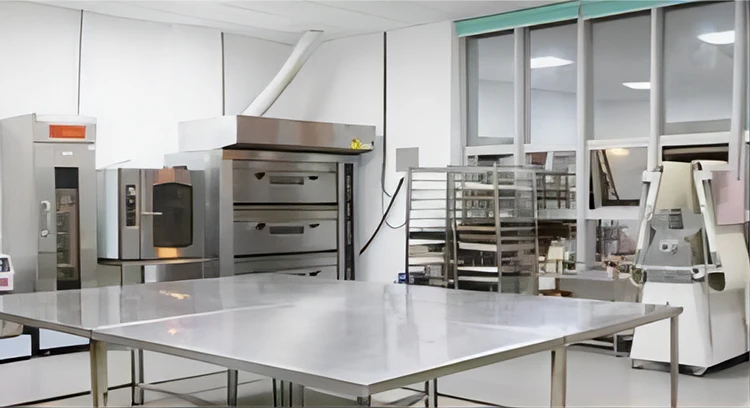
Guangzhou Maile Kitchen Baking Food Machinery Manufacturing Co., Ltd.
- Manufacturer, Trading Company
- Guangdong, China
- Lead time15 days
- Avg. response≤ 4h
Main productsBakery Equipment,fast food equipment,cooking equipment,Snack equipment,Refrigeration Equipment
Main marketsNorth America(30.00%), Western Europe(20.00%), Mid East(20.00%), Eastern Europe(20.00%), Eastern Asia(10.00%)
Guangzhou Tailang Industrial Co., Ltd.
- Verified by TüVRheinland
- Trading Company
- Lead time20 days
- Avg. response≤ 2h
Main productsKitchen Equipments, Snack Machines, Stainless Steel Equipments, Bakery Equipments, Refrigerating Machines
Main marketsSouth America(30%), Mid East(20%), North America(10%)

Guangzhou Astar Kitchen Equipment Co., Ltd.
- Verified by BV
- Combined
- China Guangdong
- Lead time15 days
- Avg. response≤ 15h
Main productsBakery Equipment, Oven, Kitchen Equipment, Mixer, Baking Oven, Convection Oven, Rotary Oven, Pizza Oven, Refrigerator, Cake Showcase
Main marketsAfrica,Domestic,Europe

Snack Machinery Snack Equipment Manufacturer Double Plates Biscuit Waffle Maker
$108.00 - $120.00
MOQ: 1 Pieces

Guangzhou New Power Catering Equipment Manufacturing Co., Ltd.
- Verified by SGS Group
- Manufacturer, Trading Company
- Lead time7 days
- Avg. response≤ 3h
Main productsCatering Equipment
Main marketsNorth America(25%), South America(14%), Northern Europe(12%)
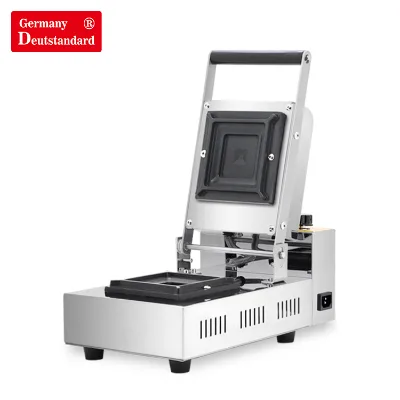
Snack Machine Mini Bread Maker Machine Waffle Maker
$113.00 - $140.00
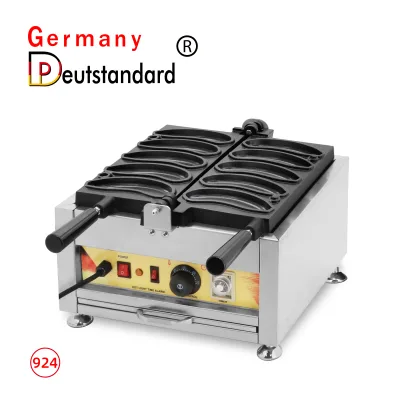
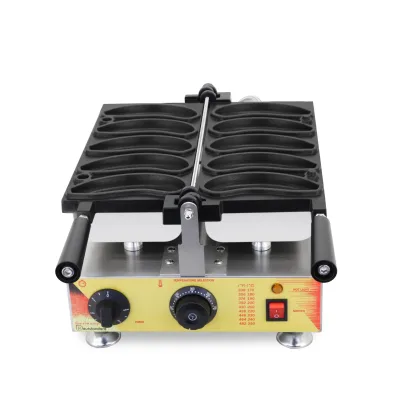
Smiling Banana Baking Waffle Maker
$185.00 - $220.00
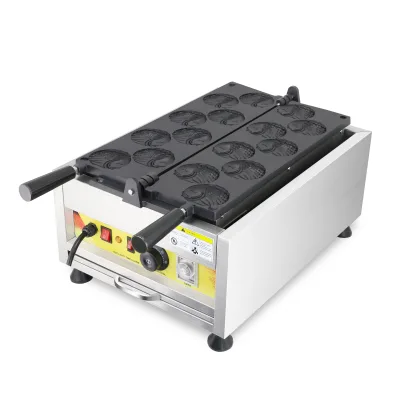
$160.00 - $180.00
Guangzhou Prince Western Kitchen Equipment Manufacturing Co., Ltd.
- Manufacturer, Trading Company
- Guangdong, China
- Lead time20 days
- Avg. response≤ 2h
Main productsWestern Kitchen Equipment (Electric Fryer,Ice Cream Machine,Ice Machine,Electric Griddle,Popcorn Machine,Warming Showcase,Waffle Baker,Cotton Candy Machine,Bain Marie,Gas Fryer,Gas Griddle)
Main marketsDomestic Market(77.60%), Southeast Asia(7.73%), South America(4.97%), Western Europe(3.37%), Mid East(3.19%), Africa(1.66%), Southern Europe(0.64%), South Asia(0.46%), Central America(0.38%)
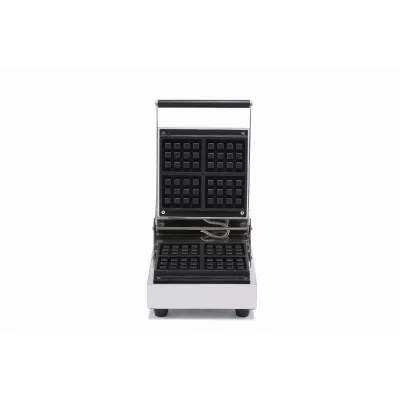
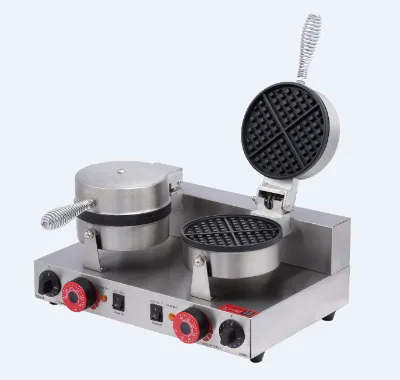
hot sale waffle maker waffle baker waffle machine
$62.00 - $66.00
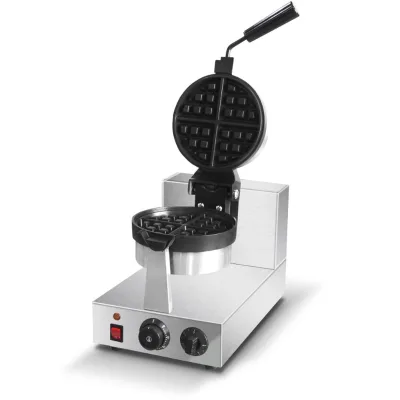
Electric commercial waffle making machine
$53.00 - $56.00

Guangzhou Fuqi Food Machinery Co., Ltd.
- Verified by CTI
- Combined
- China Guangdong
- Lead time15 days
- Avg. response≤ 4h
Main productsFryer, Griddle, Shawarma Machine, Electric Bain Marie, Waffle Machine, Crepe Maker
Main marketsSoutheast Asia/ Mideast,Europe,Australia,North America
Guangzhou Zhong Bei Mechanical Equipment Co., Ltd.
- Verified by Intertek
- Manufacturer, Trading Company
- Lead time7 days
- Avg. response≤ 3h
Main productsSnow Ice Machine, Ice Cream Machine, Slush Machine, Ice Popsicle, Ice Frying Machine
Main marketsWestern Europe(20%), Mid East(20%), Africa(15%)
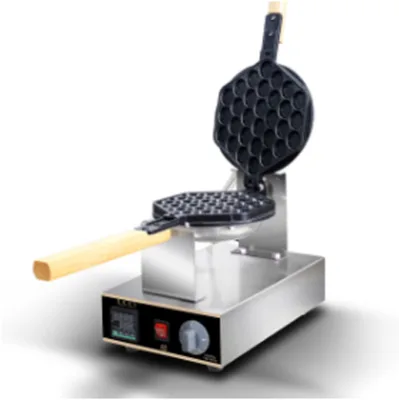
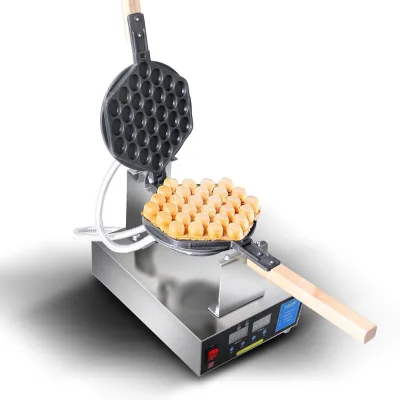
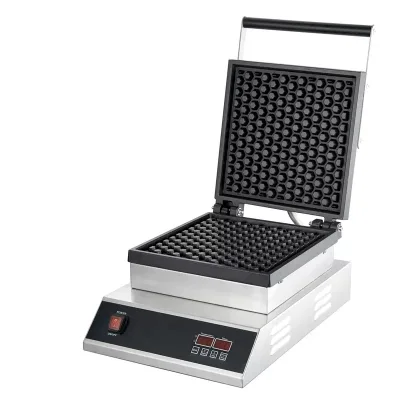
Digital Egg Waffle Maker Waffle Maker for Street Business
$59.00 - $70.00
Jiaozuo Forward Machine Co., Ltd.
- Verified by SGS Group
- Trading Company
- Lead time10 days
- Avg. response≤ 4h
Main productsChocolate Machine, Wax Melting Machine, Freeze Dry Machine, Waffle Machine, Food Grinder
Main marketsEastern Asia(20%), Southeast Asia(19%), North America(10%)
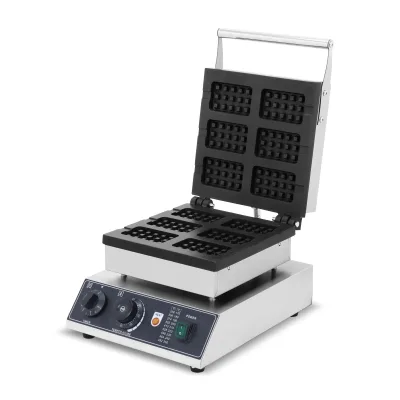
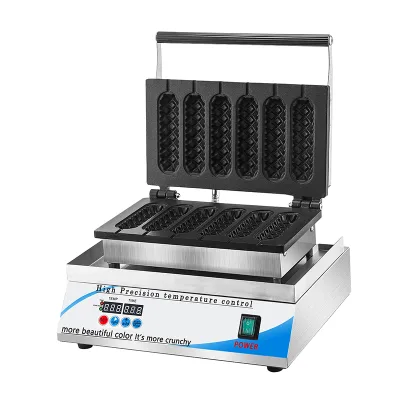
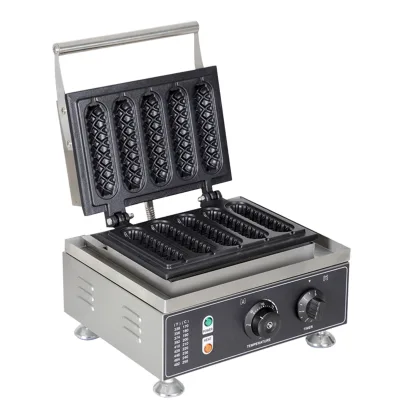
Professional Commercial Snack Hot Dog Waffle Maker with 6 PCS Waffle Baking Equipment
$133.2053
MOQ: 1 Minimum

Ningbo Jewin Electrical Appliances Co., Ltd.
- Verified by BV
- Trading Company,Manufacturer/Factory
- China Zhejiang
- Lead time23 days
- Avg. response≤ 5h
Main productsAir Fryer, Air Fryer Oven, Water Filter, Water Dispenser, Blender, Stand Mixer, Juicer, Ice Maker, Coffee Maker, Washing Machine
Main marketsSouth America,Eastern Europe,Mid East,North America,Southeast Asia,Eastern Asia,Oceania,Western Europe,Africa

Portable Breakfast Multi-Function Waffle Maker Adjust Temperature Fixed Maker
$9.80 - $9.90
MOQ: 2760 Pieces

4 Slice Electric Waffle Maker Machine Timer Thermostat Breakfast Nonstick Waffle Maker
$26.80 - $27.30
MOQ: 972 Pieces


1000W Classic Adjustable Temperature Control Non-Stick Plates Waffle Maker
$8.00 - $9.00
MOQ: 5000 Pieces


Shanghai Keyfood Machinery Co., Ltd.
- Verified by BV
- Trading Company,Manufacturer/Factory
- China Shanghai
- Lead time45 days
- Avg. response≤ 4h
Main productsFood Machine, Instant Coffee Line, Juice Production Line, Cheese Making Machine, Packing Machines, Pancake Making Machine, Waffle Production Line, Candy Making Machine, Biscuit Production Line
Main marketsSouth America,Eastern Europe,Mid East,North America,Southeast Asia,Eastern Asia,Oceania,Western Europe,Africa

CE Approved Automatic Small Soft Waffle Making Machine Waffle Maker
$26000.00 - $32000.00
MOQ: 1 Pieces


Guangzhou ITO Catering Equipment Co., Ltd.
- Manufacturer, Trading Company
- Lead time旺季: "1 - 100":31,"> 100":"To be negotiated", 淡季: "1 - 100":31,"> 100":"To be negotiated"
- Avg. response≤ 2h
Main productsFryer/Oven/Ice Cream Machine/Beverage Dispenser/Popcorn Machine
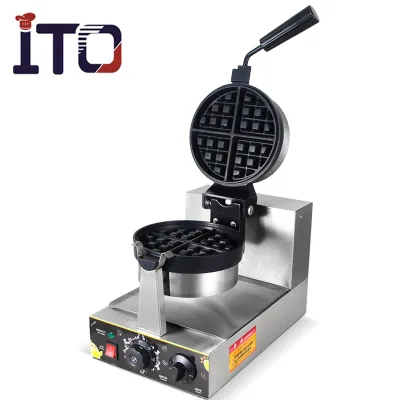
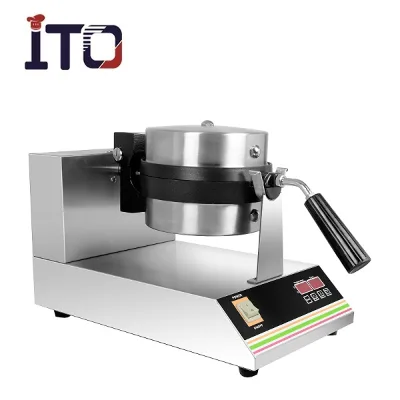
WB1SS Hot Sale Digital Display Rotation Waffle Baker/ Waffle House Waffle Iron Machine
$67.00 - $78.00
MOQ: 2 pieces
Yiwu Fengtong Electric Appliance Co., Ltd.
- Verified by TüVRheinland
- Trading Company
- Lead time60 days
- Avg. response≤ 8h
Main productsHome Appliances
Main marketsEastern Europe(30%), South America(21%), Africa(19%)
- Trading Company
- Zhejiang, China
- Lead time30 days
- Avg. response≤ 4h
Main productsAir Fryers, Sandwich Makers, Egg Boilers, Communication Accessories
Main marketsNorth America(20.00%), South America(15.00%), Eastern Europe(10.00%), Domestic Market(5.00%), South Asia(5.00%), Southern Europe(5.00%), Northern Europe(5.00%), Central America(5.00%), Western Europe(5.00%), Eastern Asia(5.00%), Mid East(5.00%), Oceania(5.00%), Africa(5.00%), Southeast Asia(5.00%)

Shanghai Prime Technology Co., Ltd.
- Verified by SGS
- Trading Company
- China Shanghai
- Lead time45 days
- Avg. response≤ 2h
Main productsCoffee Machine Bread Machine, Blender Food Processor Juicer, Air Fryer Hair Dryer Ect.
Main marketsSouth America,Eastern Europe,Mid East,North America,Southeast Asia,Eastern Asia,Oceania,Western Europe,Africa

1800W Digital Waffle Maker with Timer Screen Display for Perfect Breakfast Treats
$17.65 - $24.35
MOQ: 1000 Pieces

Henan Xifa Network Technology Co., Ltd.
- Verified by Intertek
- Manufacturer, Trading Company
- Lead time7 days
- Avg. response≤ 1h
Main productsAnimal Cages, Tractors, Feed Processing Machinery, Excavators
Main marketsNorth America(20%), Domestic Market(20%), Africa(15%)

Ningbo Ubest Electrical Appliances Co., Ltd.
- Verified by SGS
- Combined
- China Zhejiang
- Lead time30 days
- Avg. response≤ 6h
Main productsSandwich Maker, Grill Maker, Waffle Maker, Pizza Maker
Main marketsSouth America,Africa,Southeast Asia/ Mideast,Europe


Customer Non-Stick Automatic Temperature Control Waffle Maker for Kitchen
$3.80 - $4.20
MOQ: 1000 Pieces


Shandong Chenxiang Machinery Equipment Co., Ltd.
- Manufacturer, Trading Company
- Shandong, China
- Lead time7 days
- Avg. response≤ 2h
Main productsFood Trucks,Commercial Equipment and Machinery,Packaging Supplies,Cargo Bundling Services,Transportation Services
Main marketsNorth America(36.00%), Central America(16.00%), South America(15.00%), Northern Europe(13.00%), Western Europe(10.00%), Oceania(10.00%)
Guangzhou Longterm Kitchen Equipment Co., Ltd.
- Verified by SGS Group
- Trading Company
- Lead time15 days
- Avg. response≤ 2h
Main productsFood Processing Machine, Bakery Equipment, Western Kitchen Equipment, Refrigeration Equipment, Bar Beverage Equipment
Main marketsSouthern Europe(15%), South America(10%), Africa(10%)
Guangzhou Goodloog Kitchen Equipment Co., Ltd.
- Verified by SGS Group
- Trading Company
- Lead time30 days
- Avg. response≤ 3h
Main productsKitchen Equipment
Main marketsNorth America(25%), Mid East(15%), Western Europe(15%)
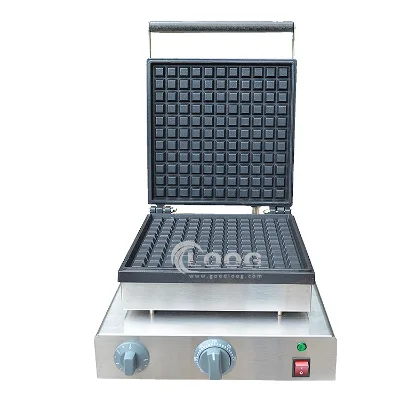
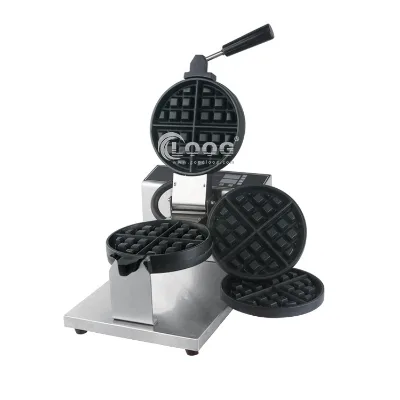
$204.9311 - $225.4248
MOQ: 1 sets
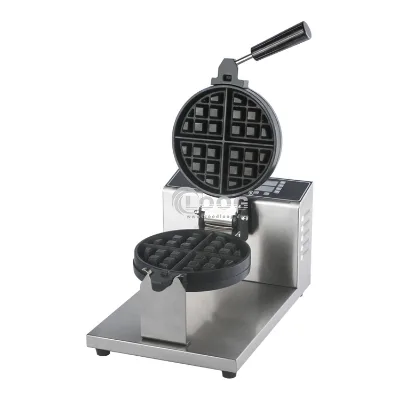
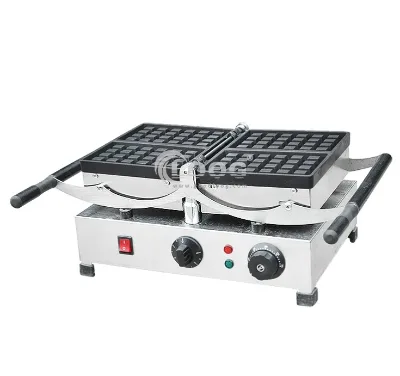
High Quality Flip Waffle Making Machine Popular Waffle Machine Makers for Sale
$161.4259 - $166.5661
MOQ: 1 sets
Guangzhou Cambon Kitchen Equipment Co., Ltd.
- Manufacturer
- Guangdong, China
- Lead time25 days
- Avg. response≤ 8h
Main productsKitchen Equipments,Hotel equipment,stove,oven,snack equipment
Main marketsMid East(50.00%), Southeast Asia(11.00%), Southern Europe(10.00%), Northern Europe(10.00%), South Asia(10.00%), Western Europe(9.00%)

Ningbo Dingyan International Trade Co., Ltd.
- Trading Company
- China Zhejiang
- Lead time0 days
- Avg. response≤ 8h
Main productsPLA-Straws, Paper-Cup, Paper-Bowl

- Trading Company
- China Zhejiang
- Lead time30 days
- Avg. response≤ 12h
Main productsHome Appliance, Cookware Set, Thermos, Home Storage, Furniture, Pet Supplies, Garden Tools, Outdoor Supplies, Baby Supplies, Houesehold Items
Main marketsSouth America,Africa,Southeast Asia/ Mideast,East Asia(Japan/ South Korea),Domestic,Europe,Australia,North America


Mini Maker for Individual Waffles with Easy to Clean, Non-Stick Surfaces
$3.40 - $3.47
MOQ: 1000 Pieces

Guangzhou ETON Import & Export Co., Ltd.
- Verified by SGS
- Combined
- China Guangdong
- Lead time30 days
- Avg. response≤ 13h
Main productsCandy Floss Machine, Popcorn Machine, Cup Sealing Machine, BBQ Roaster, Electric Fryer, Hot-Dog Roller, Ice Blender, Ice Crusher, Juice Extrctor, Slush Machine
Main marketsSouth America,Europe

Durable Non-Stick Electric Egg Waffle Maker with Digital Timer and Temperature Controls
$41.00 - $50.00
MOQ: 20 Pieces


Shanghai Kuihong Food Machinery Factory
- Combined
- China Shanghai
- Lead time38 days
- Avg. response≤ 13h
Main productsBiscuit Machine, Cake Machine, Cookie Machine, Baked Potato Chips Machine, Chocolate Machine, Hard Candy Machine, Jelly Candy Machine, Marshmallow Machine, Swiss Roll Machine, Lollipop Machine
Main marketsAfrica,Southeast Asia/ Mideast,North America




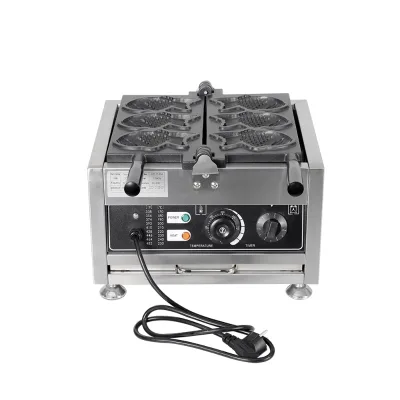
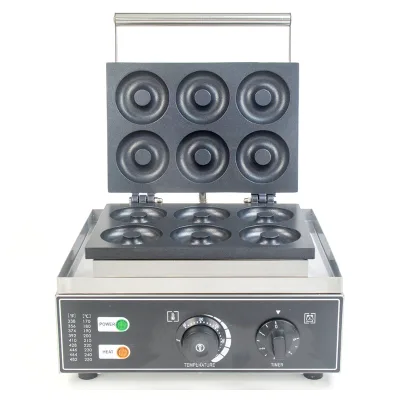
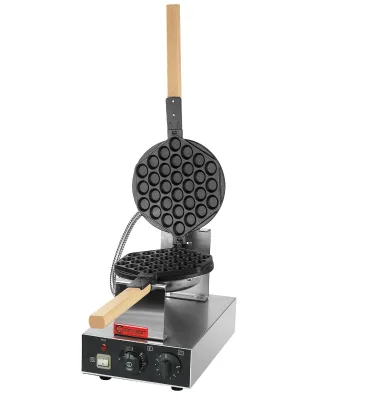
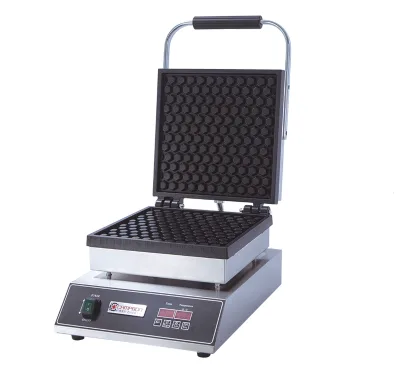


Comprehensive Sourcing Guide
Automatic Timer Cookie Waffle Maker Supplier Concentration and Factory Types
The current supplier landscape for automatic timer cookie waffle makers reveals a distinct concentration of manufacturing activity within China, specifically in the Guangdong region. This geographic clustering is significant for buyers because it indicates a mature industrial ecosystem where supply chains for kitchen equipment, food machinery, and small appliances are highly developed. Factories located in this area benefit from proximity to component suppliers, logistics hubs, and specialized labor, which often translates to more competitive pricing and faster production cycles. When evaluating potential partners, buyers should recognize that a high density of suppliers in Guangdong suggests a competitive market where differentiation is key. The presence of both manufacturers and combined entities means that sourcing strategies must account for varying levels of vertical integration. Some suppliers operate strictly as factories, while others may blend trading and manufacturing functions, which can impact communication efficiency and cost structures. Understanding this regional concentration helps buyers prioritize their outreach efforts and anticipate the logistical realities of importing from this specific manufacturing hub.
Supplier types in this category vary between pure manufacturers, factories, and combined entities, each offering distinct advantages for different procurement needs. The data indicates that many suppliers identify as manufacturers or factories, suggesting they have direct control over the production process, tooling, and quality assurance protocols. This structure is often preferred for buyers seeking custom OEM or ODM services, as seen in the available customization options for models like the 0300102382 and TA-WM-2G. These suppliers typically offer greater flexibility in modifying voltage, timing devices, and physical dimensions to meet specific market requirements. Conversely, combined entities may provide a broader range of finished goods, such as deep fryers, popcorn machines, and crepe makers, alongside waffle makers. This diversification can be beneficial for buyers looking to consolidate orders across multiple kitchen equipment categories. However, it is crucial to verify whether the combined entity actually manufactures the waffle maker or acts as a reseller, as this distinction affects lead times, warranty support, and the ability to troubleshoot technical issues. Buyers should align their supplier type selection with their specific needs for customization, volume, and product variety.
How to Verify Automatic Timer Cookie Waffle Maker Suppliers
Verifying the legitimacy and capability of suppliers requires a multi-layered approach that goes beyond basic profile reviews. One critical step is to check for third-party verification badges, such as the TÜV Rheinland certification observed in some supplier profiles. This type of external validation provides an additional layer of confidence regarding the supplier’s business operations and compliance standards. Buyers should prioritize suppliers who display such verifications, as it indicates a willingness to undergo independent audits. Additionally, examining the supplier’s response time is a practical metric for assessing operational efficiency. A response time of approximately 1.06 hours, for instance, suggests a highly responsive sales team capable of addressing urgent inquiries and technical questions promptly. This responsiveness is often correlated with better project management and fewer communication delays during the production phase. Buyers should use response speed as a proxy for the supplier’s overall organizational health and their commitment to customer service.
Beyond verification badges and response metrics, buyers must scrutinize the technical specifications and certifications listed for specific products. For example, the presence of CE certification on models like the TA-WM-2G and TWM-8 is essential for ensuring compliance with European safety and electromagnetic compatibility standards. Buyers targeting markets with strict regulatory requirements must confirm that the specific model they intend to purchase holds the necessary certifications for their destination country. Furthermore, checking for ISO 9001 system certification provides insight into the supplier’s quality management processes. This standard indicates that the factory has established procedures for consistent quality control, which is vital for maintaining product reliability across large production runs. Buyers should also verify the origin of the products, ensuring that items labeled as originating from China match the supplier’s stated location. Cross-referencing these details helps prevent discrepancies between marketing claims and actual manufacturing practices, reducing the risk of receiving non-compliant or poorly manufactured goods.
What to Compare Across Automatic Timer Cookie Waffle Maker Suppliers
When comparing suppliers, buyers should focus on key operational metrics such as lead time, minimum order quantity (MOQ), and pricing structures. Lead times can vary significantly, with some suppliers offering a standard 15-day turnaround, which is suitable for replenishing stock or fulfilling urgent orders. However, buyers must also consider the MOQ, which ranges from as low as one unit for certain retail-ready models to ten or twenty pieces for commercial-grade equipment like the TA-WM-2G. This variation allows buyers to tailor their orders based on their sales volume and storage capacity. For instance, a buyer testing a new market might start with a lower MOQ to minimize risk, while an established retailer might place larger orders to benefit from economies of scale. Comparing these metrics side-by-side helps buyers identify suppliers that align with their inventory strategy and cash flow requirements. It is also important to note that some products may have undefined pricing, requiring direct negotiation, which adds a layer of complexity to the comparison process.
Product specifications and customization options are another critical area for comparison. Buyers should evaluate the voltage compatibility, power source, and timing device features to ensure the equipment meets their operational needs. For example, some models come with automatic timing devices, while others may lack this feature, impacting the ease of use and consistency of the final product. The availability of customization, such as adjusting the voltage to 110-240V or modifying the physical dimensions, is a significant differentiator for suppliers. Buyers should also compare the materials used, such as stainless steel construction, which offers durability and ease of cleaning for commercial environments. Additionally, examining the packing standards, whether in standard cartons or export cartons, can impact shipping costs and product protection. By systematically comparing these technical and logistical attributes, buyers can make informed decisions that balance cost, quality, and functionality. This detailed comparison ensures that the selected supplier can deliver products that meet specific performance and regulatory requirements.
Common Automatic Timer Cookie Waffle Maker Sourcing Risks
One of the primary risks in sourcing automatic timer cookie waffle makers is the potential mismatch between advertised specifications and actual product performance. Buyers may encounter discrepancies in voltage ratings, power consumption, or timing accuracy, which can lead to operational failures in the end market. For instance, a model advertised with a timing device might malfunction or lack precision, affecting the quality of the waffles produced. This risk is heightened when dealing with suppliers who do not provide detailed technical documentation or third-party test results. Buyers must be vigilant in verifying these specifications through direct communication or sample testing before committing to large orders. Additionally, the risk of receiving products with inadequate packaging, such as standard cartons instead of export cartons, can lead to damage during transit. This is particularly relevant for fragile components or delicate heating elements that require robust protection. Ensuring that the packaging meets international shipping standards is crucial to minimizing loss and maintaining product integrity.
Another significant risk is the variability in supplier reliability and after-sales support. While some suppliers demonstrate high responsiveness and verification status, others may lack the infrastructure to handle complex issues or provide timely warranty service. Buyers should be cautious of suppliers who do not clearly state their warranty policies or return procedures. The absence of clear communication channels can lead to prolonged downtime if equipment fails in the field. Furthermore, the risk of intellectual property infringement exists when dealing with suppliers offering extensive customization options. Buyers must ensure that their brand designs and proprietary features are protected and not shared with other clients. This is particularly important for suppliers offering OEM services, where confidentiality agreements are essential. By identifying and mitigating these risks through thorough due diligence and clear contractual terms, buyers can safeguard their investments and maintain a stable supply chain. Proactive risk management is essential for long-term success in the competitive kitchen equipment market.
Automatic Timer Cookie Waffle Maker Regional Sourcing and Logistics
Sourcing from the Guangdong region in China offers logistical advantages due to its well-developed infrastructure and proximity to major ports. This location facilitates efficient export processes, reducing transit times and shipping costs for international buyers. The concentration of suppliers in this area also means that buyers can potentially consolidate orders from multiple vendors, streamlining the logistics process. However, buyers must be aware of the specific shipping requirements for electrical appliances, which often involve strict regulations regarding voltage and frequency compatibility. Ensuring that the products are correctly configured for the destination market is crucial to avoid customs delays or rejection. Additionally, the choice of packaging, whether standard or export cartons, plays a vital role in protecting the goods during transit. Buyers should work closely with their suppliers to optimize packaging solutions that balance cost and protection. Understanding the logistical nuances of this region helps buyers plan their supply chain more effectively and anticipate potential challenges.
Logistics planning also involves considering the lead times and production schedules of suppliers. A standard lead time of 15 days, for example, allows for predictable inventory management, but buyers must account for additional time for quality inspections, documentation, and customs clearance. Delays in any of these steps can disrupt the supply chain, leading to stockouts or missed market opportunities. Buyers should establish clear communication protocols with their suppliers to monitor production progress and address any issues promptly. Furthermore, understanding the Incoterms agreed upon with the supplier is essential for determining responsibility for shipping costs and risks. Buyers should choose terms that align with their logistical capabilities and risk tolerance. By carefully planning the logistics and coordinating with reliable suppliers, buyers can ensure a smooth and efficient import process. This proactive approach minimizes disruptions and enhances the overall reliability of the supply chain.
Automatic Timer Cookie Waffle Maker Commercial Terms and Order Planning
Commercial terms and order planning are critical components of a successful sourcing strategy. Buyers should negotiate clear pricing structures, keeping in mind that prices can range from approximately $65 to $245 depending on the model and features. Understanding the price range helps buyers budget effectively and compare value across different suppliers. For products with undefined pricing, buyers must engage in direct negotiations to secure favorable terms. Additionally, buyers should clarify payment terms, such as the availability of escrow services, to ensure financial security. Escrow provides a safe mechanism for transactions, protecting both buyers and suppliers until the goods are received and verified. This is particularly important for first-time transactions or large orders. By establishing clear commercial terms, buyers can mitigate financial risks and build trust with their suppliers. Transparent pricing and secure payment methods are foundational to a stable business relationship.
Order planning should also consider the scalability of production and the flexibility of the supplier. Buyers should assess whether the supplier can handle volume increases without compromising quality or lead times. This is especially relevant for suppliers offering OEM services, where production capacity may be limited by tooling or labor constraints. Buyers should discuss future order projections with their suppliers to ensure they can meet growing demand. Additionally, buyers should plan for seasonal fluctuations in demand, which may require adjusting order quantities and timing. By aligning their order planning with the supplier’s capabilities and market trends, buyers can optimize their inventory levels and cash flow. Regular communication and collaborative planning help both parties anticipate challenges and adapt to changing conditions. This strategic approach ensures that the supply chain remains resilient and responsive to market dynamics, supporting long-term business growth.
FAQs
Do automatic waffle makers include timing devices?
Most commercial models feature automatic timing devices to ensure consistent cooking results. Some units include this function while others do not. Buyers should verify the specific product attributes before ordering to confirm if the timing mechanism is included in the standard configuration for their needs.
What is the typical lead time for orders?
The standard lead time for these machines is approximately 15 days. This duration allows for production and quality checks. Buyers should confirm exact delivery schedules with suppliers, as lead times may vary based on order volume and current production capacity at the manufacturing facility.
What is the minimum order quantity for these machines?
Minimum order quantities vary significantly by supplier. Some manufacturers accept orders as low as one unit, while others require a minimum of ten or twenty pieces. Buyers must check the specific MOQ listed for each product to ensure it aligns with their purchasing volume requirements.
Are these waffle makers certified for safety?
Many commercial waffle makers carry CE certification to meet safety standards. Additionally, suppliers often hold ISO 9001 system certification for quality management. Buyers should request valid certification documents to verify compliance with local electrical and safety regulations before finalizing any purchase agreement.
What is the price range for commercial units?
Prices for automatic waffle makers typically range from sixty-five to two hundred forty-five dollars per unit. The cost depends on features like voltage, material, and automation level. Buyers should compare specific product listings to find the best value that matches their budget and operational requirements.
Where are these suppliers located?
Most suppliers for these machines are located in Guangdong, China. This region is a major hub for kitchen equipment manufacturing. Buyers can filter search results by this location to find factories with established supply chains and efficient logistics for international shipping and export.
Do suppliers offer customization services?
Customization is widely available for commercial waffle makers. Suppliers often provide OEM and ODM services to tailor products to specific brand needs. Buyers should inquire about available customization options, such as voltage adjustments or branding, to ensure the equipment meets their specific operational standards.