Automatic Inflatable Camping Sleeping Mat Suppliers and Manufacturers
Explore 30 verified suppliers offering automatic inflatable camping sleeping mats with varying lead times, certifications, and MOQs. Compare response times, factory locations in China, and product specifications to select the right partner for your bulk order needs; review the available evidence before requesting comparable quotations from suitable candidates.
Updated
Suppliers List

Qingdao Otia Industry and Trade Co., Ltd.
- Verified by SGS
- Trading Company,Manufacturer/Factory
- China Shandong
- Lead time105 days
- Avg. response≤ 4h
Main productsFolding Wagon, Garden Cart, Shopping Cart, Wheel Barrow, Aluminum Storage Box, Wheels
Main marketsSouth America,Eastern Europe,Mid East,Eastern Asia,Western Europe,Africa


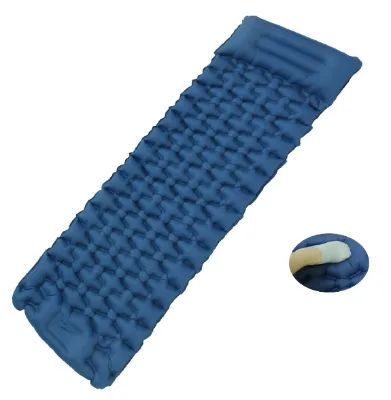
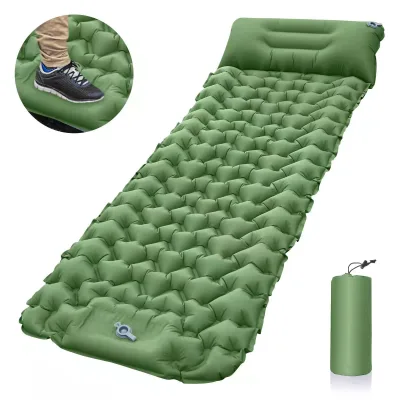
One-Touch Automatic Inflatable Mattress Camping Air Bedsleeping Mat Wholesale
$31.50 - $32.80
MOQ: 50 Pieces

Ningbo Eto Outdoor Supplies Co., Ltd.
- Trading Company,Manufacturer/Factory
- China Zhejiang
- Lead time23 days
- Avg. response≤ 7h
Main productsTent, Hammock, Sleeping Bag, BBQ Grill, Camping Furniture, Garden Furniture, Camping Lantern, Beach Furniture, Travelling Accessories, Mattress
Main marketsSouth America,Eastern Europe,Mid East,North America,Southeast Asia,Eastern Asia,Oceania,Western Europe,Africa


Ultralight Inflatable Camping Sleeping Pad Compact Air Mattress Sleeping Mat for Backpacking Hiking
$8.20 - $13.20
MOQ: 100 Pieces

Inflatable Ultralight Air Sleeping Pad Camping Mat Self-Inflating Sleeping Pad
$8.20 - $13.20
MOQ: 100 Pieces

Inflatable Camping Mat Durable Waterproof Camping Sleeping Pad with Pillow
$8.20 - $13.20
MOQ: 100 Pieces

Inflatable Sleeping Pad Lightweight Compact Comfy Waterproof Air Camping Mat
$6.50 - $12.50
MOQ: 100 Pieces

Self Inflating Camping Hiking Mat, Inflatable Sleeping Mattress, Waterproof Sleeping Pad with Pillow
$8.20 - $13.20
MOQ: 100 Pieces
Ningbo Hanyue Import And Export Trade Co., Ltd.
- Manufacturer, Trading Company
- Zhejiang, China
- Lead time30 days
- Avg. response≤ 8h
Main productssleeping mats
Main marketsEastern Asia(40.00%), South Asia(20.00%), North America(20.00%), Eastern Europe(20.00%)
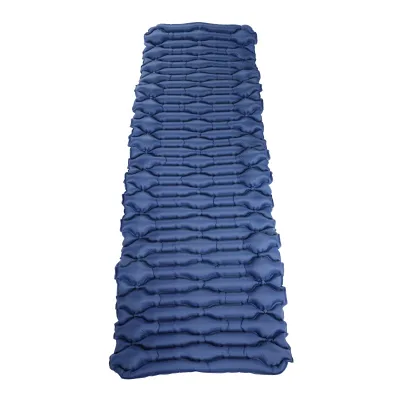
Automatic Inflatable Mattress Camping Mat Foam Non Toxic Inflatable Plastic Sleeping Pad
$13.00 - $15.00
MOQ: 500 pieces
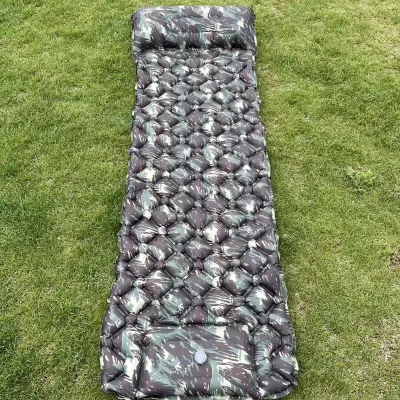
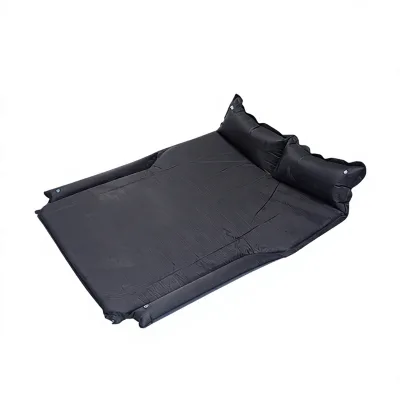
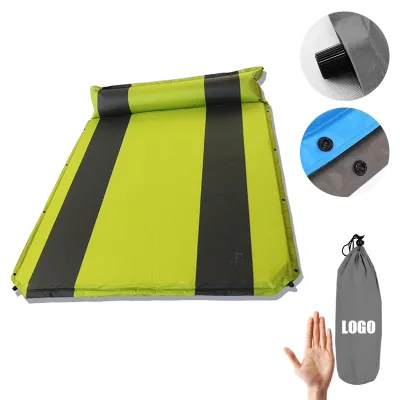
Luxury Spliceable Camping Mat Double and Single Sleeping Air Mattress for Hiking Outdoor Activities
$19.00 - $21.00
MOQ: 200 pieces

Ningbo Chanceca Import & Export Co., Ltd.
- Verified by TUVRHEINLAND
- Trading Company
- China Zhejiang
- Lead time30 days
- Avg. response≤ 10h
Main productsTrekking Poles, Camping Tent, Camping Furniture, Camping Gear, Sleeping Gear, Waterproof Dry Bag
Main marketsSouth America,Africa,Southeast Asia/ Mideast,East Asia(Japan/ South Korea),Europe,Australia,North America

Inflatable Cushion Picnic Blanket Camping Air Mattress Sleeping Pad Camping Mat
$21.29 - $22.19
MOQ: 100 Pieces

Outdoor Sleeping Mat Inflatable with Pillow Built-in Pump, Waterproof Self Inflating Camping Mat
$13.25 - $13.90
MOQ: 100 Pieces

Outdoor Inflatable Sleeping Mattress Pad Self-Inflating Foam Camping Mat
$19.47 - $20.32
MOQ: 300 Pieces

Foam Camping Mattress Self Inflating Sleeping Pad Mat Sleeping Camping Mat
$19.47 - $20.32
MOQ: 300 Pieces

Hot Sale Camping Sleeping Mat Sleeping Mat Camping Pad Outdoor Inflatable Mat
$9.90 - $11.90
MOQ: 50 Pieces

Outdoor Self-Inflating Camping Sleeping Mat Mattress Pad Self Inflatable Camping Mat
$11.10 - $13.50
MOQ: 50 Pieces

Lixin Outdoor Product Co., Ltd.
- Verified by TUVRHEINLAND
- Combined
- China Guangdong
- Lead time23 days
- Avg. response≤ 7h
Main productsPool Floats, Inflatable Swimming Pools, Inflatable Swimming Ring, Kid Toys, Inflatable Pool, Inflatable Sprinkler Toys, Air Bed Air Mattress, Inflatable Furnitures Inflatable Sofa, Inflatable Boat, Snow Tube
Main marketsSoutheast Asia/ Mideast,East Asia(Japan/ South Korea),Europe,Australia,North America

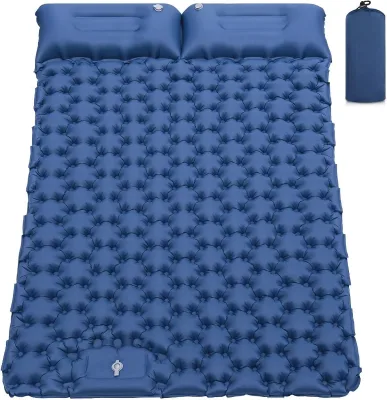
Camping Double Sleeping Pad Inflatable Sleeping Mat with Pillow Inflatable Camping Mat
$27.80 - $30.80
MOQ: 300 Pieces

Ultralight TPU Compact Backpacking Inflatable Sleeping Mat Sleeping Pad Camping Air Mattress
$14.20 - $18.70
MOQ: 300 Pieces
Hangzhou Gymbo Group Co., Ltd.
- Trading Company
- Zhejiang, China
- Lead time45 days
- Avg. response≤ 3h
Main productsOutdoor Furniture,Camping Chair,Camping Table,Camping Bed,Wagon
Main marketsSouth America(28.00%), North America(18.00%), Mid East(13.00%), Eastern Europe(8.00%), Western Europe(8.00%), Africa(8.00%), Northern Europe(6.00%), Southern Europe(6.00%), Oceania(3.00%), Domestic Market(1.00%), South Asia(1.00%)
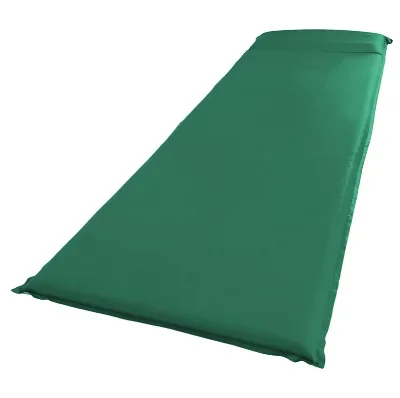
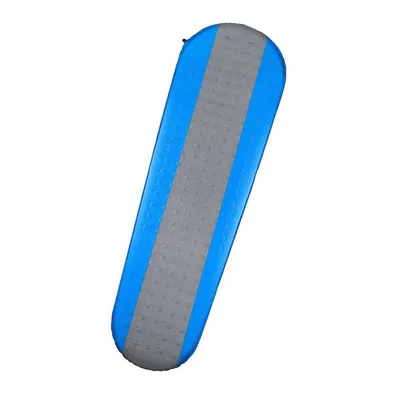
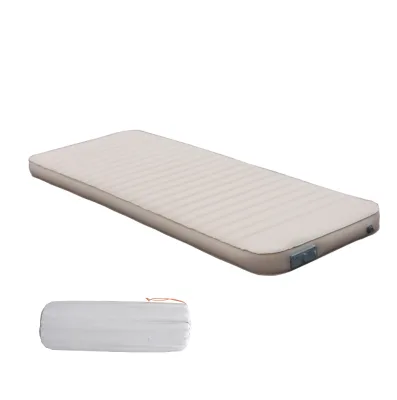
Outdoor Tpu Inflatable Sleeping Mat Camping Sleeping Pad Air Mattress With Built-In Pump
$36.1334 - $40.7803
MOQ: 500 pieces
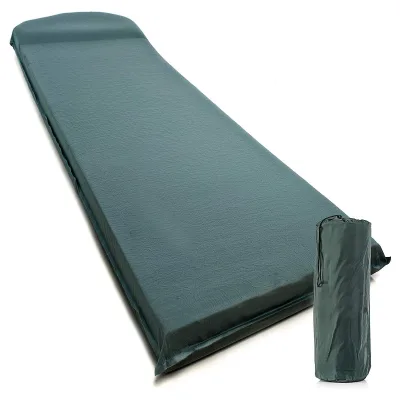
Beijing Magicland Technology Co.,Ltd.
- Trading Company
- Beijing, China
- Lead time15 days
- Avg. response≤ 4h
Main productsRoof Tent, Awning Tent, Offroad Accessories, Camping Gear
Main marketsNorth America(45.00%), Western Europe(20.00%), Oceania(15.00%), South America(10.00%), Northern Europe(10.00%)
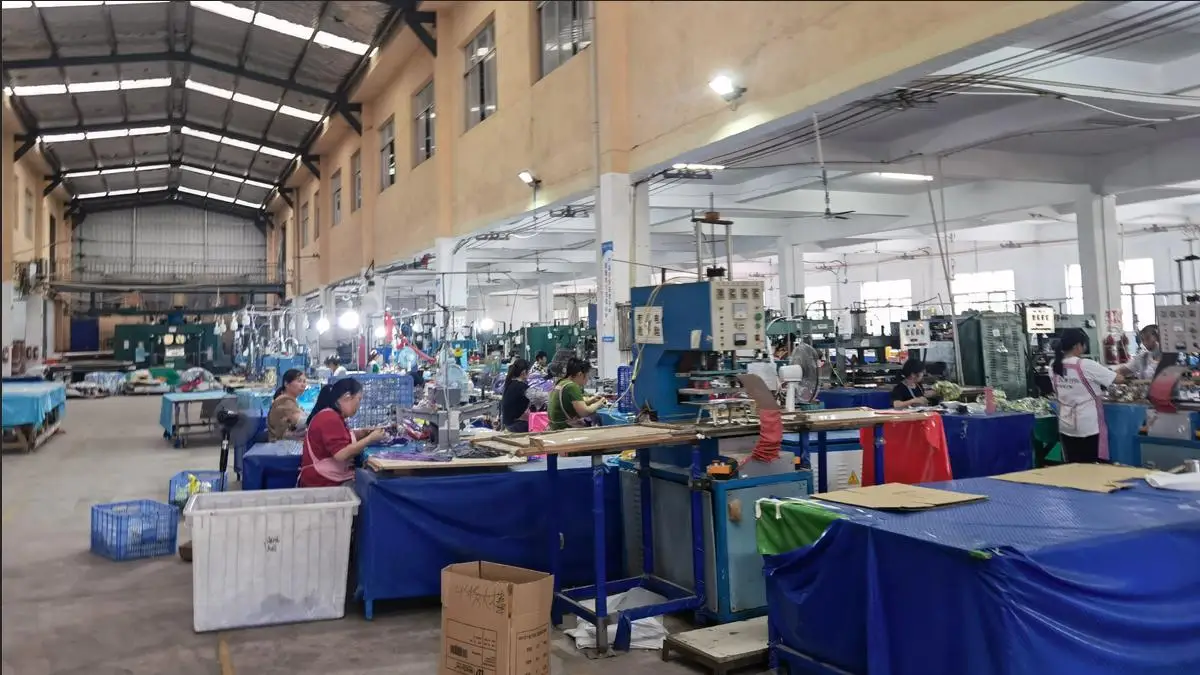
Jiangxi Gongmei Plastic Toys Co., Ltd.
- Manufacturer, Trading Company
- Jiangxi, China
- Lead time35 days
- Avg. response≤ 13h
Main productsInflatable Children Toys, Inflatable Promotion Gifts, Inflatable Water Float Mat, Inflatable Festival Series Product, Inflatable Sports Products
Main marketsNorth America(26.00%), Eastern Europe(15.00%), Eastern Asia(15.00%), Domestic Market(10.00%), Northern Europe(8.00%), Southern Europe(5.00%), Central America(5.00%), Western Europe(5.00%), South Asia(4.00%), Southeast Asia(4.00%), South America(3.00%)
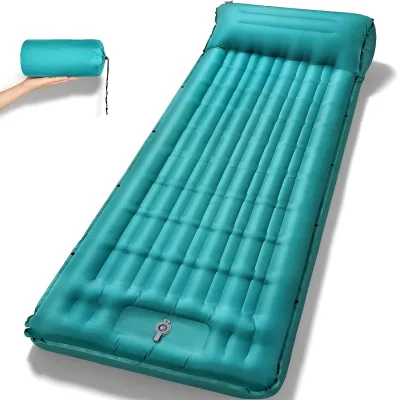
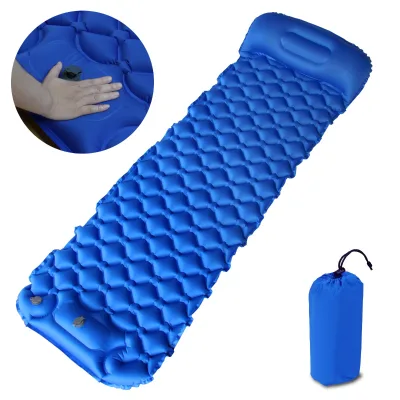
$8.1561 - $10.3251
MOQ: 1000 pieces
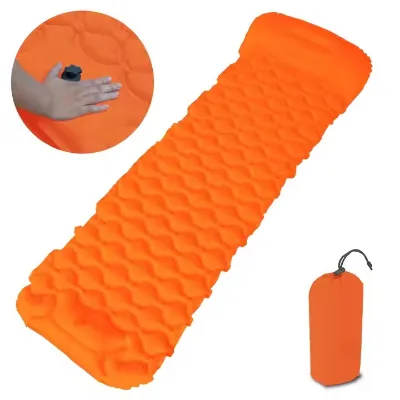
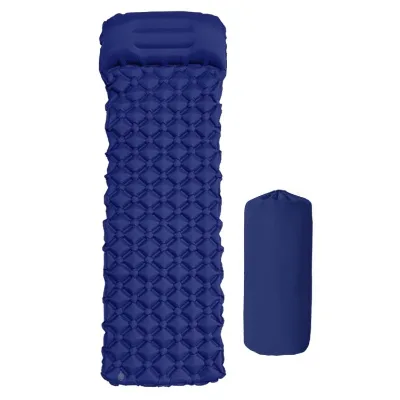
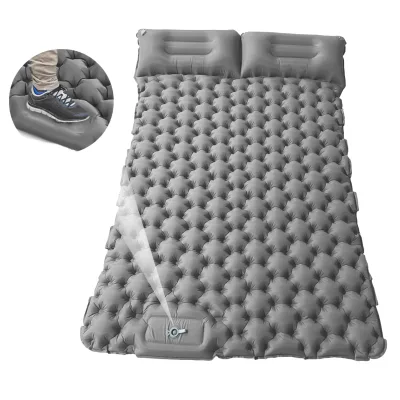
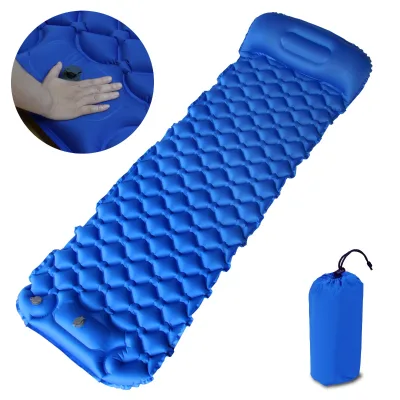
$7.90 - $10.00
MOQ: 1000 pieces
Shijiazhuang Aofeite Imp & Exp Co., Ltd.
- Manufacturer, Trading Company
- Lead time旺季: "1 - 100":7,"> 100":"To be negotiated", 淡季: "1 - 100":7,"> 100":"To be negotiated"
- Avg. response≤ 2h
Main productsKnee Brace, Lumbar Support Belt
Guangxi Archi Technology Co., Ltd.
- Trading Company
- Guangxi, China
- Lead time7 days
- Avg. response≤ 5h
Main productsHome & Garden
Main marketsSouthern Europe(20.00%), Western Europe(20.00%), Eastern Europe(15.00%), Northern Europe(12.00%), North America(11.00%), Central America(8.00%), Mid East(5.00%), South America(5.00%), Oceania(2.50%), Domestic Market(1.50%)
Sichuan Honest Bee Material Co., Ltd.
- Trading Company
- Sichuan, China
- Lead time30 days
- Avg. response≤ 2h
Main productsGarden Products,Sports and Entertainment,Outdoor Furniture,Daily Use Items,DIY Tools
Main marketsWestern Europe(40.00%), Northern Europe(20.00%), Southern Europe(10.00%), Eastern Europe(10.00%), North America(10.00%), Eastern Asia(10.00%)
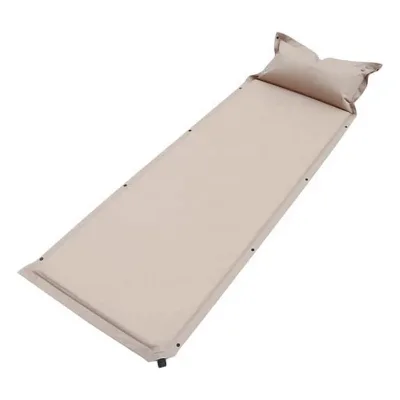
Camping Sleeping Pad Lightweight Outdoor Automatic Inflatable Outdoor Air Mat with Pillow
$9.5606
MOQ: 500 Minimum
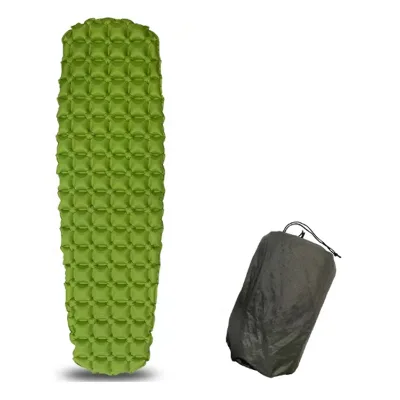
Ultralight Sleeping Mat Camping Inflatable Sleeping Pads for Camping Backpacking Hiking
$10.84 - $11.74
MOQ: 500
Yushan Yijia Inflatable Products Co., Ltd.
- Manufacturer, Trading Company
- Lead time旺季: "1 - 1":7,"2 - 10":15,"> 10":"To be negotiated", 淡季: "1 - 1":7,"2 - 10":15,"> 10":"To be negotiated"
- Avg. response≤ 3h
Main productsInflatable Electric Boat,inflatable house boat with motor for water play, Ice bath tube & Accessories,SPA tub, Recovery tub for family, Inflatable water floating, Platform for pool

Yuemai Outdoor & Camping Co., Ltd.
- Manufacturer/Factory
- China Jiangsu
- Lead time90 days
- Avg. response≤ 7h
Main productsTactical Vest, Body Armor Vest, Military Backpack, Tactical Clothing, Police Equipment, Outdoor, Tactical Gears, Army Rainwears, Airsoft and Paintball Articles, Army Uniforms
Main marketsEastern Europe,Mid East,North America,Southeast Asia,Western Europe,Africa

Ultralight Inflatable Sleeping Pad Outdoor Camping Mattress Waterproof Self-Inflating Mat
$13.60 - $14.64
MOQ: 10 Pieces

Hot Sale Outdoor Camping Traveling Portable Foldable TPU Inflatable Sleeping Mat
$13.25 - $14.69
MOQ: 20 Pieces
Shanghai Mountains and Rivers Industry and Trade Co., Ltd.
- Trading Company
- Shanghai, China
- Lead time60 days
- Avg. response≤ 2h
Main productstent,sleeping bag,picnic rug,self inflatable mat,hammock
Main marketsNorth America(40.00%), Northern Europe(10.00%), Western Europe(10.00%), South Asia(10.00%), Southern Europe(10.00%), Eastern Europe(10.00%), Mid East(5.00%), Africa(5.00%)
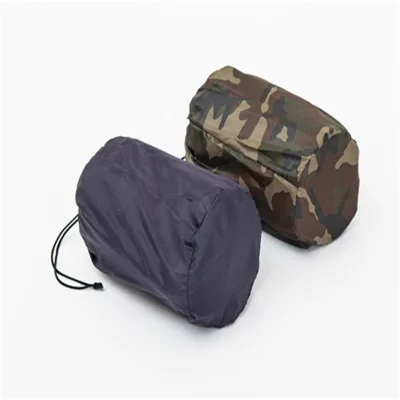
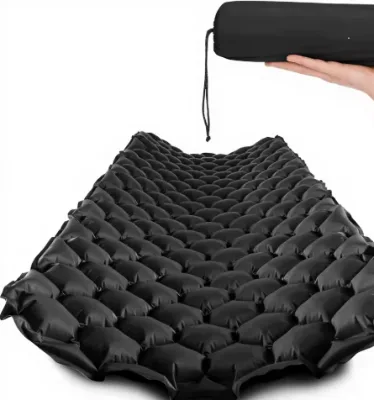
red flat inflatable sponge pad sleep best camping sleeping air mattress self inflating mat
$5.1416 - $15.4232
MOQ: 50 Minimum
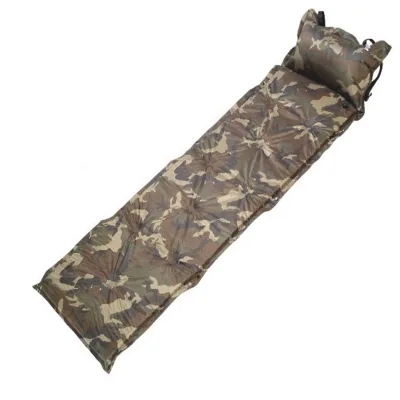
2 Person Outdoor Camping Self Inflatable Mattress Camping Mat with Pollow
$5.00 - $15.00
MOQ: 50 Minimum
Wuxi Jstar Sports Products Co., Ltd.
- Trading Company
- Jiangsu, China
- Lead time30 days
- Avg. response≤ 2h
Main productsExercise Band,Weight Lifting,Fitness Training,Sports Safety,Yoga Products
Main marketsNorth America(65.00%), Western Europe(6.00%), South America(5.00%), Eastern Asia(5.00%), Eastern Europe(5.00%), South Asia(3.00%), Oceania(3.00%), Southeast Asia(3.00%), Mid East(3.00%), Northern Europe(2.00%)

Weihai Hi Wobang Yacht Co., Ltd.
- Verified by SGS
- Manufacturer/Factory
- China Shandong
- Lead time23 days
- Avg. response≤ 15h
Main productsInflatable Boat, Air Track, Inflatable Toy, Kayak, Surfboard, Sup, Air Bed, Inflatable Paddle Board, Inflatable Sup, Tent
Main marketsSouth America,Eastern Europe,Mid East,North America,Eastern Asia,Western Europe

Self Inflating TPU Air Mattress Wholesale Inflatable Sleeping Pad Custom Portable Camping Mat
$15.16 - $17.14
MOQ: 1 Pieces

Huaian Goodlife Textile Co., Ltd.
- Verified by Intertek
- Manufacturer, Trading Company
- Lead time15 days
- Avg. response≤ 4h
Main productsBeach Towel, Gym Towel, Changing Robe, Bathrobe, Blanket
Main marketsNorth America(35%), South America(15%), Eastern Europe(10%)
Jiaxing Lancamp Outdoor Products Co., Ltd.
- Verified by TüVRheinland
- Manufacturer, Trading Company
- Lead time35 days
- Avg. response≤ 4h
Main productsSelf Inflating Mats, Camping Mats, 3D Self Inflating Mats(Build in Electric Pump)
Main marketsWestern Europe(30%), Northern Europe(30%), Eastern Asia(20%)
Hangzhou Kuangs Textile Co., Ltd.
- Manufacturer, Trading Company
- Lead time旺季: "1 - 1000":15,"1001 - 5000":25,"5001 - 10000":35,"> 10000":"To be negotiated", 淡季: "1 - 1000":15,"1001 - 5000":25,"5001 - 10000":35,"> 10000":"To be negotiated"
- Avg. response≤ 5h
Main productsCamping Blanket, Puffy Blanket, Heated Blanket, Cooling Blanket, Picnic Mat&Beach Towel

Starry (Xiamen) Outdoor Equipment Technology Co., Ltd.
- Verified by SGS
- Trading Company
- China Fujian
- Lead time15 days
- Avg. response≤ 2h
Main productsCamping Tent, Inflatable Tent, Beach Tent, Ice Fishing Tent, Shower Tent, Car Roof Tent, Relief Tent, Camping Chair and Table, Gazebo, Inflatable Mattress
Main marketsEurope,North America

OEM Automatic Inflatable Camping Mattress Waterproof Portable Wholesale Sleeping Pad
$7.98 - $8.32
MOQ: 300 Pieces

OEM Inflatable Sleeping Pad for Camping Tent Hiking Travel Wholesale Mattress
$17.77 - $18.52
MOQ: 300 Pieces

OEM Custom Double Sleeping Pad Inflatable Mat with Pillow Wholesale Outdoor Hiking
$15.49 - $16.15
MOQ: 100 Pieces

OEM Inflatable Ground Sleeping Mat for Outdoor Camping and Hiking Wholesale Mattress
$31.96 - $33.32
MOQ: 100 Pieces

Wholesale Custom Double Sleeping Pad Inflatable Mat with Pillow Wholesale Outdoor Hiking
$16.40 - $17.10
MOQ: 100 Pieces

Suzhou TopRising International Trade Co., Ltd
- Verified by BV
- Trading Company
- China Jiangsu
- Lead time15 days
- Avg. response≤ 2h
Main productsStainless Steel Tumbler, Ceramic Coffee Mug, Pop It Fidget Sensory Toy, Inflatable Mattress, Anti Stress Silicone Toy, Bivy Sack, Water Bottle, Self Stiring Coffee Mug, Vacuum Insulated Tumbler, Non Tipping Suction Mug
Main marketsSouth America,North America


Ultralight Inflatable TPU Nylon Portable Foldable Sleeping Pad for Outdoor Camping
$11.66
MOQ: 100 Pieces
Heshan Xinyunxin International Trade Co., Ltd.
- Trading Company
- Guangdong, China
- Lead time13 days
- Avg. response≤ 2h
Main productsTent,Drone,Survival kit,Sleep equipment,Sex toy
Main marketsSoutheast Asia(30.00%), Mid East(30.00%), North America(30.00%), South America(10.00%)
Xiamen Hongju United Technology Co., Ltd.
- Verified by TüVRheinland
- Trading Company
- Lead time30 days
- Avg. response≤ 3h
Main productsRV Cover, Outdoor Vehicle Cover, Patio Furniture Cover, Camping Gears, Camping Tent
Main marketsNorth America(40%), Oceania(20%), Western Europe(20%)
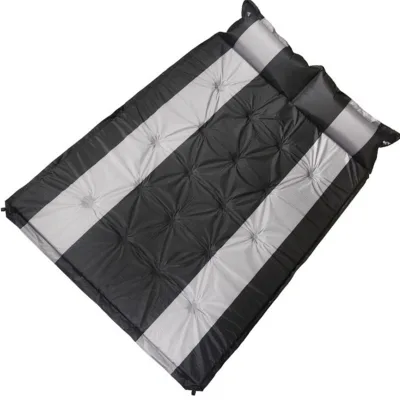
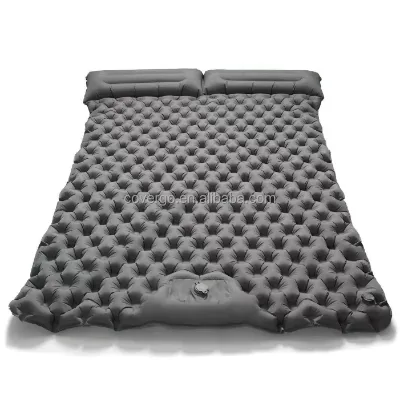
Durable Outdoor Hiking Self Inflating Sleeping Pad Camping Moisture Mat for Double Camping
$7.9732 - $9.9144
MOQ: 100 pieces
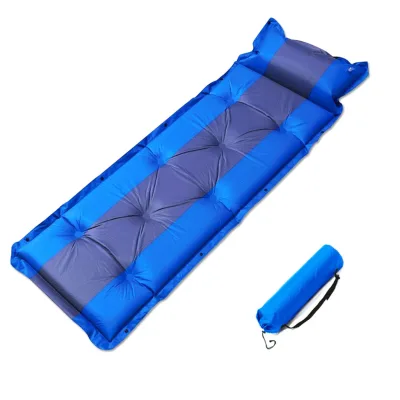
$13.12 - $16.54
MOQ: 100 pieces
Nanjing Foerstine International Trading Co., Ltd.
- Verified by SGS Group
- Trading Company
- Lead time25 days
- Avg. response≤ 3h
Main productsTent Solution, Sunshade Solution, Party Wedding Event Warehouse Tent, Sauna Solution, Outdoor Shelter Solution
Main marketsNorth America(31%), Northern Europe(20%), Mid East(18%)

Ningbo High-Sunway Imp. & Exp. Co., Ltd.
- Verified by SGS
- Trading Company
- China Zhejiang
- Lead time30 days
- Avg. response≤ 25h
Main marketsSoutheast Asia/ Mideast,Europe,North America

Outdoor Compact Lightweight Double Inflatable Waterproof Mats Air Mattress Camping Sleeping Pads
$18.00 - $19.00
MOQ: 500 Pieces


- Trading Company
- Zhejiang, China
- Lead time35 days
- Avg. response≤ 3h
Main productssports,wooden games,rackets,balls,toys
Main marketsSouthern Europe(10.00%), Northern Europe(10.00%), Central America(10.00%), Western Europe(10.00%), Eastern Europe(10.00%), South America(10.00%), North America(10.00%), Domestic Market(5.00%), South Asia(5.00%), Eastern Asia(5.00%), Mid East(5.00%), Oceania(5.00%), Southeast Asia(5.00%)
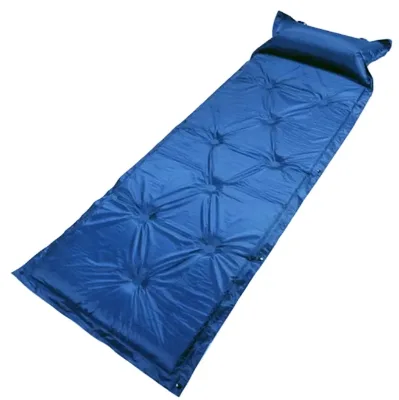
Hot Selling Inflatable Sleeping Pad and Mattress for Camping Economically Priced
$8.231
MOQ: 500 Minimum
Memorytree (suzhou) I&e Co., Ltd.
- Verified by TüVRheinland
- Trading Company
- Lead time15 days
- Avg. response≤ 4h
Main productsOutdoor Hammock, Sleeping Bag, Outdoor Tents, Air Sofa, Fishing Rod
Main marketsNorth America(32%), Western Europe(20%), Mid East(12%)

Shijiazhuang Daya E-Commerce Co., Ltd.
- Trading Company
- Hebei, China
- Lead time7 days
- Avg. response≤ 4h
Main productsGlamping Tent,Inflatable Tent,Bell Tent,Dome Tent,Star awning
Main marketsWestern Europe(12.00%), Domestic Market(10.00%), North America(10.00%), South Asia(10.00%), Southeast Asia(10.00%), Eastern Europe(10.00%), South America(10.00%), Southern Europe(5.00%), Northern Europe(5.00%), Mid East(5.00%), Oceania(5.00%), Eastern Asia(5.00%), Africa(2.00%), Central America(1.00%)

Changsha Ido Leisure Industry Co., Ltd.
- Verified by SGS
- Manufacturer/Factory
- China Hunan
- Lead time0 days
- Avg. response≤ 4h
Main productsHanging Chair and Hammock Stand, Leisure Table and Chair, Camping Gear Tent, Fishing Supplies, Leisure Chair and Table, Pavilion, Fire Pit, Parasol, Sporting Supplies, Outdoor Furniture
Main marketsNorth America,Western Europe
Zhengzhou Beiyueyi Import And Export Trading Co., Ltd.
- Trading Company
- Henan, China
- Lead time3 days
- Avg. response≤ 3h
Main productsTransparent kayak,Kayaking
Main marketsEastern Europe(15.00%), North America(15.00%), Northern Europe(10.00%), Central America(10.00%), South America(10.00%), Mid East(6.00%), Southern Europe(5.00%), Africa(5.00%), Southeast Asia(5.00%), Western Europe(5.00%), South Asia(5.00%), Oceania(5.00%), Domestic Market(2.00%), Eastern Asia(2.00%)
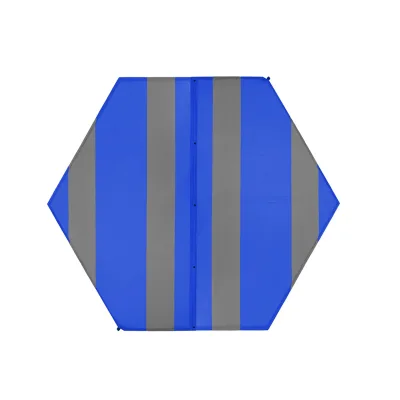
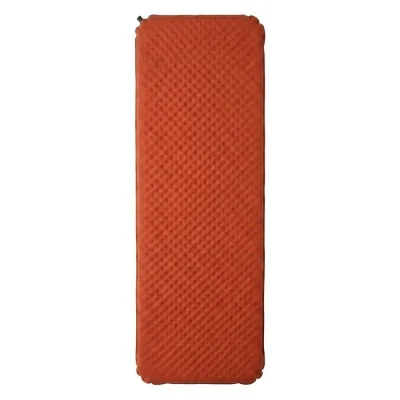
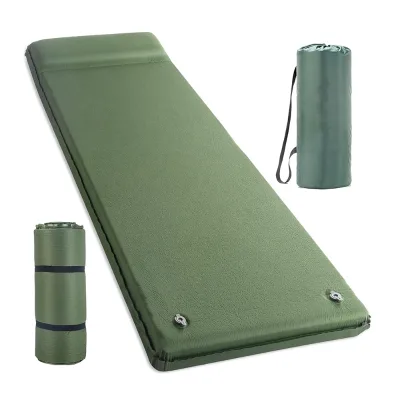



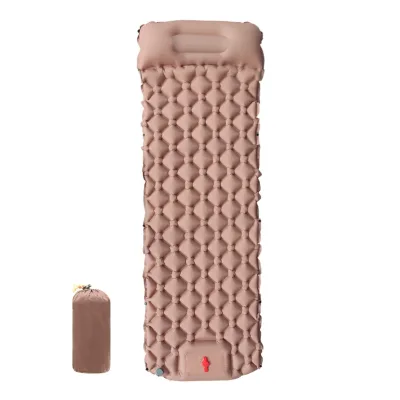
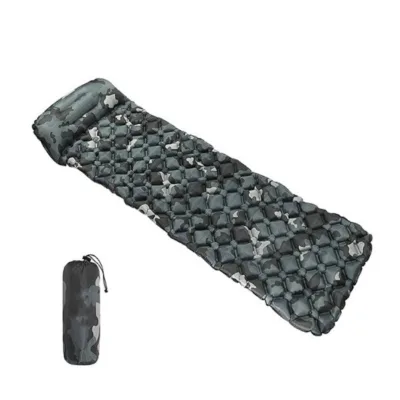
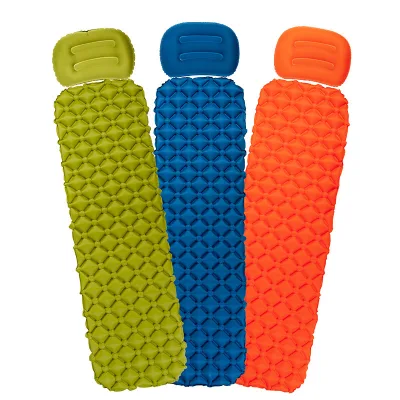
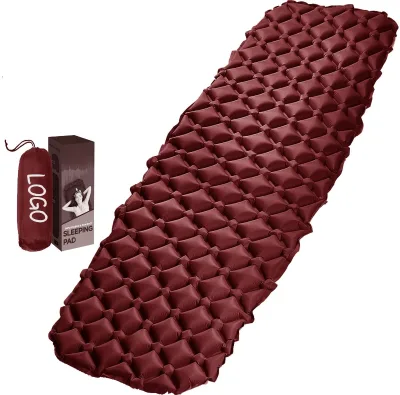
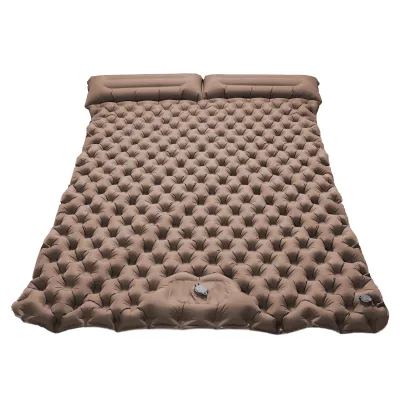
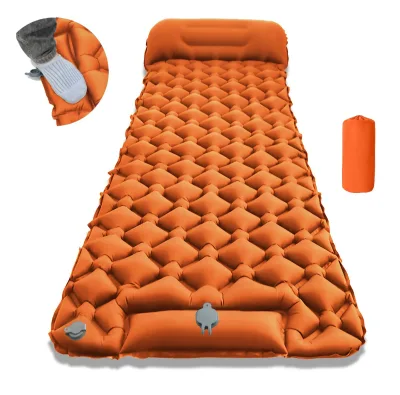
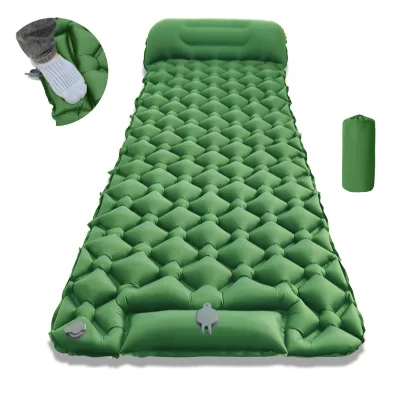


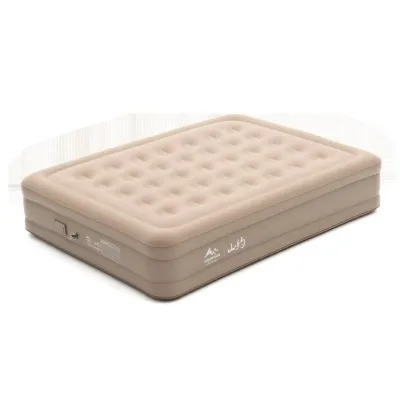
Comprehensive Sourcing Guide
Automatic Inflatable Camping Sleeping Mat Supplier Concentration and Factory Types
The current supplier landscape for automatic inflatable camping sleeping mats reveals a distinct geographic concentration in China, specifically within the Shandong and Zhejiang provinces. These regions serve as primary manufacturing hubs for outdoor furniture and camping accessories, offering buyers access to established industrial clusters. Suppliers in these areas often operate as either trading companies or manufacturer/factories, providing a dual advantage of direct production capabilities and flexible sourcing options. The presence of both entity types allows buyers to choose between direct factory pricing and the logistical support of trading firms. This concentration is not arbitrary; it reflects decades of specialized development in textile processing, PVC sealing, and inflatable product assembly. Buyers evaluating suppliers should recognize that location is a strong indicator of supply chain maturity, with Shandong and Zhejiang offering robust infrastructure for both raw material sourcing and finished goods export. Understanding this geographic distribution helps in assessing the reliability of lead times and the potential for factory audits.
Within these clusters, the operational models vary significantly, impacting how buyers interact with potential partners. Some suppliers are identified as trading companies, which may offer a broader range of related products such as tents, hammocks, and garden furniture, while others are manufacturer/factories focused on specific production lines. The distinction is crucial for buyers seeking either specialized expertise or diversified inventory. For instance, some suppliers list main products that include folding wagons and wheelbarrows alongside camping mats, indicating a versatile manufacturing capability. Others focus heavily on sleeping bags and beach furniture, suggesting a specialization in soft goods and textiles. This variety means that buyers must carefully review the company type to ensure alignment with their specific sourcing needs. Whether seeking OEM services or ready-to-ship inventory, the factory type dictates the level of customization available and the flexibility of the supply chain. Recognizing these differences early in the evaluation process prevents mismatches in expectations regarding production capacity and product range.
How to Verify Automatic Inflatable Camping Sleeping Mat Suppliers
Verification is a critical step in mitigating risk when sourcing automatic inflatable camping sleeping mats from international suppliers. Buyers should prioritize suppliers who have undergone third-party verification processes, such as SGS, which provides an additional layer of confidence in the supplier’s operational legitimacy. This verification status is a key indicator that the supplier has met certain baseline standards for business operations and product quality. Beyond basic verification, buyers should examine the system certifications held by the supplier, such as BSCI, ISO 9000, and ISO 9001. These certifications demonstrate a commitment to social compliance and quality management systems, which are essential for maintaining consistent product standards. BSCI certification, in particular, is important for buyers concerned with ethical labor practices, while ISO certifications indicate a structured approach to manufacturing processes. Buyers should request copies of these certificates and verify their validity through the respective issuing bodies to ensure they are current and applicable to the specific products being sourced.
In addition to certifications, buyers should assess the supplier’s responsiveness and communication efficiency. The response time is a practical metric that reflects the supplier’s operational readiness and customer service quality. A faster response time, such as under four hours, suggests a well-staffed and organized team capable of handling inquiries and order modifications promptly. Conversely, slower response times may indicate potential bottlenecks in communication that could delay order processing or problem resolution. Buyers should also look for evidence of the supplier’s capability to handle customization, as indicated by their OEM and ODM capacities. Suppliers that explicitly state customization is available are better positioned to meet specific design or branding requirements. Furthermore, buyers should verify the supplier’s product evidence, including detailed product attributes and specifications, to ensure they match the buyer’s technical requirements. This includes checking for details like inflation methods, material thickness, and packing specifications, which are critical for ensuring the final product meets quality expectations.
What to Compare Across Automatic Inflatable Camping Sleeping Mat Suppliers
When comparing suppliers, buyers must evaluate a range of operational metrics to determine the best fit for their business needs. Key dimensions include lead time, minimum order quantity (MOQ), and pricing structures. Lead times can vary significantly, with some suppliers offering delivery times as short as 23 days, while others may require up to 105 days. This variance is often influenced by the supplier’s location, production capacity, and current order backlog. Buyers should align their inventory planning with these lead times to avoid stockouts or excess inventory. Similarly, MOQs can range from as low as 50 units to as high as 1000 units, depending on the product type and supplier policy. Lower MOQs are advantageous for testing new markets or small-scale orders, while higher MOQs may offer better unit pricing for large-volume purchases. Buyers should also compare the price ranges, which can vary from approximately $8.20 to $32.80 per unit, depending on features such as inflation method, material quality, and size.
Beyond these quantitative metrics, buyers should assess the qualitative aspects of the supplier’s offerings, such as product customization and packaging details. Suppliers that offer customization options allow buyers to tailor products to specific market preferences, which can be a significant competitive advantage. Buyers should also examine the packing specifications, including package size and weight, as these factors impact shipping costs and storage efficiency. For example, some products are packed in cartons with specific quantities per carton, while others may use individual OPP bags with carrying bags. The choice of packing can influence the overall landed cost and the ease of distribution. Additionally, buyers should consider the supplier’s main products to ensure they have the necessary expertise and inventory depth. Suppliers with a broad range of related products, such as camping furniture and outdoor accessories, may offer better cross-selling opportunities and logistical efficiencies. By systematically comparing these dimensions, buyers can make informed decisions that balance cost, quality, and operational flexibility.
Common Automatic Inflatable Camping Sleeping Mat Sourcing Risks
Sourcing automatic inflatable camping sleeping mats involves several inherent risks that buyers must proactively manage to ensure a successful procurement process. One significant risk is the variability in product quality, particularly regarding the inflation mechanism and material durability. Products with automatic or one-click electric inflation features are more complex than manual inflatables, increasing the potential for mechanical failure or battery issues. Buyers must verify that the inflation method specified by the supplier matches their technical requirements and that the product has been tested for reliability. Another risk is the discrepancy between sample quality and bulk production. Suppliers may provide high-quality samples that do not reflect the standards of mass-produced items. To mitigate this, buyers should request detailed product evidence, including specifications for material thickness, sealing layers, and packing integrity, and consider third-party inspection services before shipment.
Logistical and compliance risks also pose challenges in international sourcing. Lead time delays can disrupt supply chains, especially if the supplier’s production capacity is overstretched or if there are unforeseen disruptions in raw material supply. Buyers should maintain open communication with suppliers to monitor production progress and address potential delays early. Additionally, compliance with international standards and certifications is crucial to avoid customs issues or product recalls. Buyers must ensure that the supplier’s certifications, such as BSCI and ISO, are valid and applicable to the specific products being sourced. Failure to verify these certifications can result in non-compliance with local regulations or buyer-specific requirements. Furthermore, buyers should be aware of the potential for hidden costs, such as shipping fees, tariffs, and handling charges, which can impact the total landed cost. By identifying and addressing these risks early, buyers can protect their interests and ensure a smoother sourcing experience.
Automatic Inflatable Camping Sleeping Mat Regional Sourcing and Logistics
Regional sourcing decisions significantly impact the logistics and cost structure of acquiring automatic inflatable camping sleeping mats. Suppliers located in China, particularly in Shandong and Zhejiang provinces, offer distinct advantages in terms of manufacturing efficiency and export infrastructure. Shandong suppliers often benefit from established industrial clusters for outdoor furniture and camping accessories, providing a wide range of product options and competitive pricing. Zhejiang suppliers, on the other hand, may offer faster lead times and specialized expertise in textile and inflatable products. Buyers should consider the geographic location of the supplier when planning logistics, as proximity to major ports can reduce shipping times and costs. Additionally, buyers should evaluate the supplier’s packaging specifications, as these directly influence the volume and weight of the shipment, affecting freight charges.
Logistics planning also involves coordinating with freight forwarders to optimize shipping routes and modes. Buyers should compare the delivery times offered by different suppliers, ranging from 23 to 105 days, to determine the most suitable option for their inventory needs. Faster lead times may come at a higher cost, while longer lead times may allow for better pricing but require more advanced planning. Buyers should also consider the supplier’s response time, as a quicker response can facilitate smoother communication and problem resolution during the shipping process. Furthermore, buyers should verify the supplier’s ability to handle export documentation and compliance requirements, ensuring that all necessary paperwork is in order to avoid delays at customs. By carefully evaluating regional logistics factors, buyers can minimize shipping costs and ensure timely delivery of their orders.
Automatic Inflatable Camping Sleeping Mat Commercial Terms and Order Planning
Commercial terms and order planning are essential components of a successful sourcing strategy for automatic inflatable camping sleeping mats. Buyers must negotiate clear terms regarding payment, delivery, and warranty to protect their interests and ensure a smooth transaction process. Payment terms should be aligned with the supplier’s policies and the buyer’s cash flow requirements, with options such as letters of credit or escrow services providing additional security. Delivery terms, including Incoterms, should be clearly defined to specify the responsibilities of both parties regarding shipping and insurance. Buyers should also establish a comprehensive order plan that accounts for lead times, MOQs, and production schedules to avoid stockouts or excess inventory. This plan should include contingency measures for potential delays or quality issues, ensuring that the supply chain remains resilient.
In addition to commercial terms, buyers should focus on building long-term relationships with suppliers to secure better pricing and priority service. Consistent ordering volumes and timely payments can foster trust and cooperation, leading to more favorable terms over time. Buyers should also leverage the supplier’s customization capabilities to differentiate their products in the market, ensuring that the final product meets specific customer preferences. By carefully managing commercial terms and order planning, buyers can optimize their sourcing operations and achieve greater efficiency and profitability. This approach requires a balance of strategic planning and operational flexibility, allowing buyers to adapt to changing market conditions and supplier capabilities. Ultimately, a well-executed sourcing strategy can provide a competitive advantage and drive sustainable growth for the buyer’s business.
FAQs
What is the price range for automatic inflatable camping mats?
Prices for automatic inflatable camping mats typically range from $8.20 to $32.80 per unit. The cost varies based on size, material thickness, and inflation method. Single-person models often start around $15.80, while larger double beds or electric options may cost up to $32.80. Buyers should check specific product listings for exact pricing tiers.
What are the minimum order quantities for these products?
Minimum order quantities vary significantly by product type. Single-person automatic mats usually require a minimum of 100 units. Double campsite mats often have a higher threshold of 1000 units. Some portable options may require 500 units, while specific electric models might accept orders as low as 50 units. Always verify the MOQ for your selected model.
How long does production and delivery take?
Lead times for automatic inflatable camping mats generally range from 23 to 105 days. Some suppliers offer faster turnaround times of approximately 30 days for specific models. The production duration depends on the order volume and the manufacturer's current capacity. Buyers should confirm the exact delivery timeline with the supplier before placing an order.
What certifications do these suppliers hold?
Many suppliers for these products hold ISO 9000 and ISO 9001 system certifications. Some also possess BSCI certification for social compliance. Additionally, certain manufacturers undergo SGS verification to ensure product quality and safety standards. These certifications indicate a commitment to quality management and ethical manufacturing practices for outdoor camping equipment.
Where are these suppliers located?
Suppliers for automatic inflatable camping mats are primarily located in China. Specific manufacturing hubs include Shandong and Zhejiang provinces. These regions are known for producing a wide variety of camping furniture and outdoor gear. Buyers can source products from these verified locations to ensure access to established manufacturing capabilities and supply chains.
Can I customize these camping mats?
Customization is available for many automatic inflatable camping mat models. Suppliers offer OEM and ODM services to tailor products to specific brand requirements. Buyers can often request custom sizes, colors, or packaging options. It is advisable to discuss customization details and potential additional costs directly with the supplier to ensure the final product meets your specifications.