Split Firewood Card Stove Suppliers and Manufacturers
Explore 27 verified options for Split Firewood Card Stove from Zhejiang and Jiangsu factories. Compare response times, lead times, certifications, and prices to source efficiently. Contact suppliers directly to request samples; review the available evidence before requesting comparable quotations from suitable candidates.
Updated
Suppliers List

Jinhua Hengyang Cross-Border Trade Limited Liability Company
- Verified by SGS
- Trading Company
- China Zhejiang
- Lead time15 days
- Avg. response≤ 10h
Main productsCoffee Maker Air Fryer Storage Box Knife Set, Silicone Baking Mold Robot Vacuum Cleaning Table, Shower Head Non-Slip Shower Curtain Vacuum Stora, Collapsible Laundry Basket Bohemian Wall Tapestr, Fringe Pillow Cover Bedding Set Memory Foam Pill, Bamboo Tissue Biodegradable Trash Bags LED Fair, Smart Plug Fairy Lights Pet Food Bowl, Household Daily Necessities Kitchen Cleaning, Bathroom Storage and Care Fabric Home Decor, Bedding Daily Chemical Paper Products
Main marketsEurope

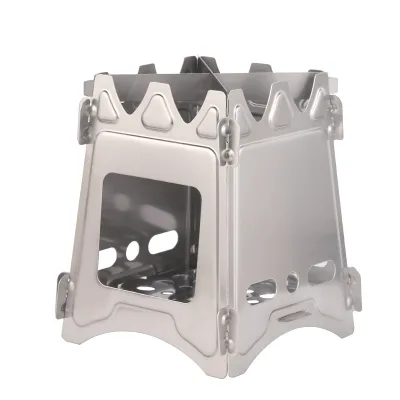
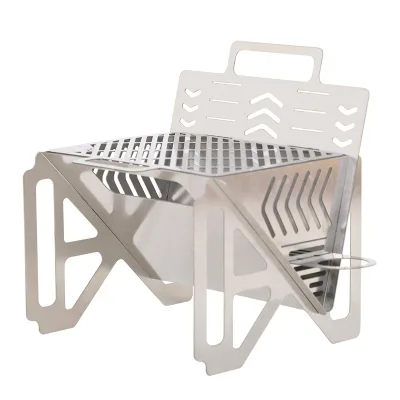
Foldable and Portable Smokeless Firewood Stove Camping Card Outdoor Stove
$13.86 - $17.32
MOQ: 18 Pieces

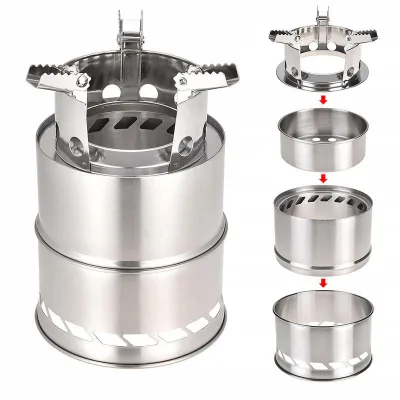
Firewood Stove Indoor Courtyard Portable Stove Desktop Style Smokeless Stove
$6.37 - $7.96
MOQ: 40 Pieces
Xuzhou Best Arts & Crafts Co., Ltd.
- Verified by SGS Group
- Manufacturer, Trading Company
- Jiangsu, China
- Lead time30 days
- Avg. response≤ 4h
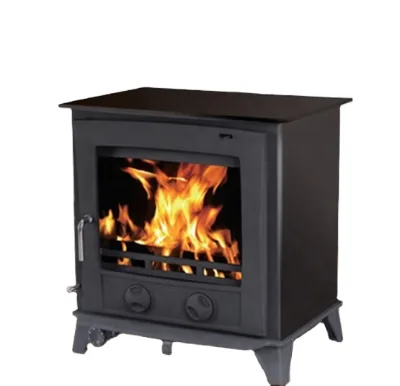
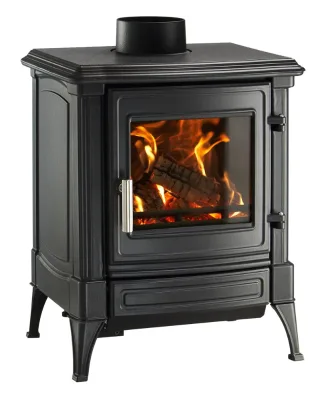
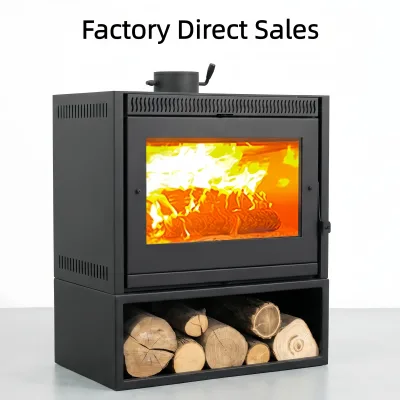
Main productsEcodesign Ready Stove, Wood Stove, Insert Stove, Cast Iron Stove, Fireplace
Main marketsNorthern Europe(40%), Western Europe(20%), North America(15%)

Suzhou Rdit Commercial Co., Ltd.
- Trading Company,Manufacturer/Factory
- China Jiangsu
- Lead time45 days
- Avg. response≤ 10h
Main productsBBQ Grills, BBQ Gas Grill, Pellet Grill, Patio Heater, Fire Pit, Cooking Grates, Flower Pots, BBQ Grill Tools, BBQ Grill Accessories, Heating Products Accessories
Main marketsSouth America,Eastern Europe,North America,Oceania,Western Europe

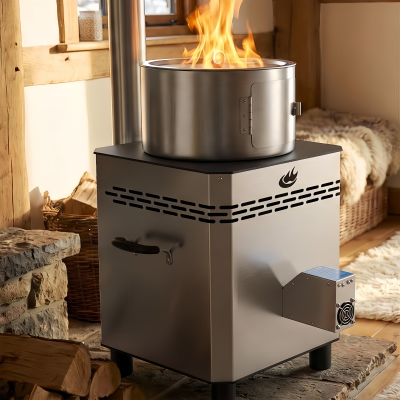
Multifunctional Foldable Outdoor Firewood Stove Fuel Stove Stainless Steel Wood Burning Stove
$7.00 - $12.00
MOQ: 1000 Pieces

New Design Multifunctional Mini Firewood Fire Stainless Steel Portable Wood Burning Stove
$7.00 - $12.00
MOQ: 1000 Pieces
Henan Jinbailai Industrial Co., Ltd.
- Verified by Intertek
- Trading Company
- Lead time30 days
- Avg. response≤ 1h
Main productsSteel Fire Pits, Steel Planters, Steel Screens, Steel Edgings, Steel Sculptures
Main marketsWestern Europe(60%), North America(25%), Eastern Europe(10%)
Shanghai CG Import & Export Co., Ltd.
- Trading Company
- Shanghai, China
- Lead time30 days
- Avg. response≤ 4h
Main productsOutdoor Furniture,Indoor Furniture,Fireplace,Decor
Main marketsNorth America(30.00%), Oceania(15.00%), Mid East(10.00%), Central America(10.00%), Eastern Europe(10.00%), South America(8.00%), Northern Europe(3.00%), South Asia(3.00%), Western Europe(3.00%), Southern Europe(3.00%), Southeast Asia(2.00%), Eastern Asia(2.00%), Domestic Market(1.00%)
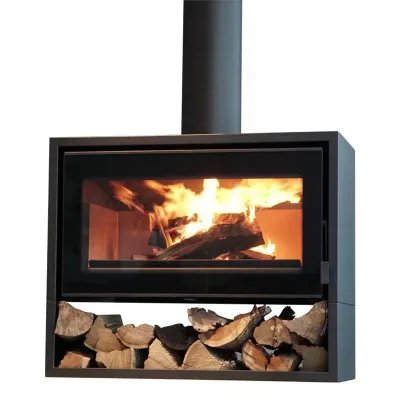
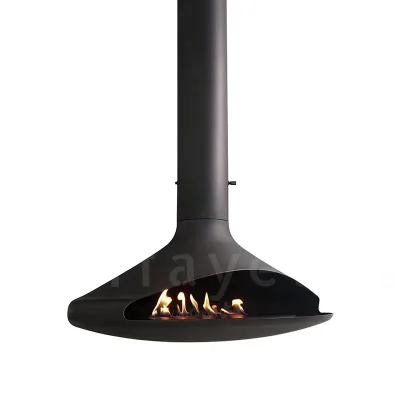
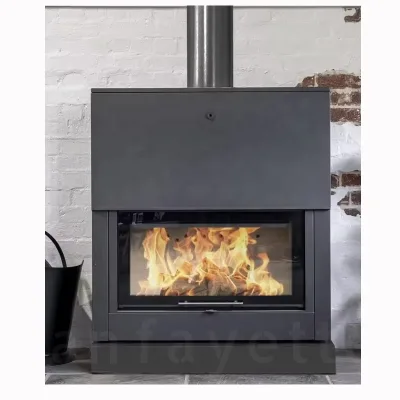
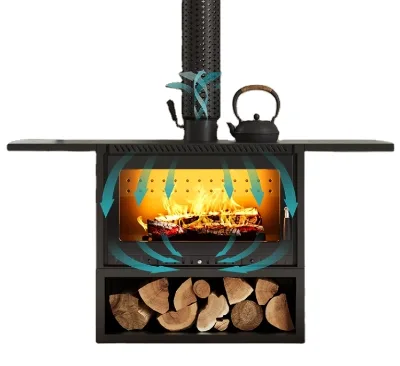
Hanging Firewood Stove for Sale Floating Log Wood Burner
$500.00 - $1000.00

Hefei Base Environment Protection Technology Co., Ltd.
- Manufacturer, Trading Company
- Anhui, China
- Lead time20 days
- Avg. response≤ 2h
Main productsVacuum Thermal Bottles,Protein Shaker Bottle,Plastic Bottles,Outdoor Tents,Camping Furniture
Main marketsSouth America(15.00%), North America(15.00%), Mid East(10.00%), Eastern Europe(10.00%), Domestic Market(5.00%), South Asia(5.00%), Southern Europe(5.00%), Northern Europe(5.00%), Central America(5.00%), Western Europe(5.00%), Eastern Asia(5.00%), Southeast Asia(5.00%), Oceania(5.00%), Africa(5.00%)

Shanxi C-Trying Machinery Equipment Co., Ltd
- Verified by SGS
- Trading Company
- China Shanxi
- Lead time30 days
- Avg. response≤ 2h
Main productsGasoline Generator, Diesel Generator, DC Generator, Gas Generator, Permanent Magnet Generator, Submersible Mixer, Centrifugal Fan, Solar Generator, Solar Panel, Generator Parts
Main marketsAfrica


Portable Outdoor Wood Burning Fireplace Stove for Camping Cooking and Heating
$56.80 - $68.80
MOQ: 10 Pieces


Portable Multi Outdoor Cookerpicnic Wood Fire Stove Wood Burning Smokeless Stove
$209.00 - $219.00
MOQ: 1 Pieces
Henan Maggie Trading Co., Ltd.
- Trading Company
- Lead time旺季: "1 - 10":16,"11 - 100":25,"> 100":"To be negotiated", 淡季: "1 - 10":16,"11 - 100":25,"> 100":"To be negotiated"
- Avg. response≤ 1h
Main productsSnacks,meat,vegetables,and grain processing machinery,Vending machines and packaging machines
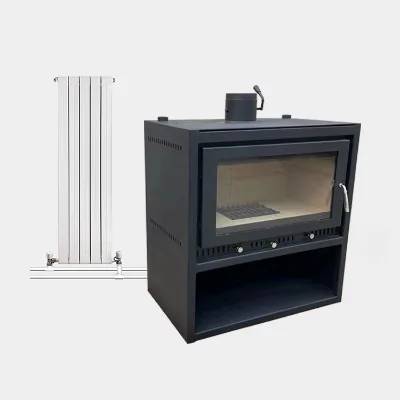
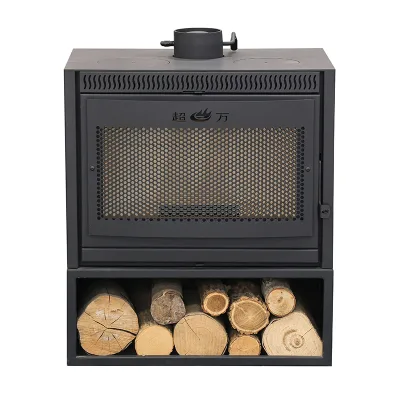
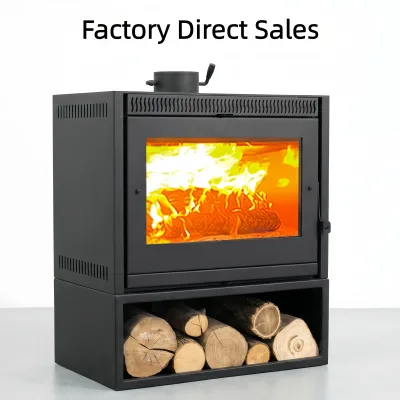
Wood Stove Wood Burn Stove Water Heat Exchange Heating Furnace Wood Burning Fireplace
$678.0936 - $945.2214
MOQ: 2 sets

Jinan Chaowan Furnace Technology Co., Ltd.
- Verified by CTI
- Manufacturer/Factory
- China Shandong
- Lead time0 days
- Avg. response≤ 6h

Hangzhou Top Well Imp. & Exp. Co., Ltd.
- Trading Company
- Zhejiang, China
- Lead time0 days
- Avg. response≤ 18h
Main productsPacking Machine,spray bottle,knapsack,sanitizer appliances,accessories
Main marketsSouth Asia(40.00%), Africa(20.00%), North America(15.00%), Domestic Market(5.00%), South America(5.00%), Central America(5.00%), Western Europe(5.00%), Mid East(5.00%)

Shengzhou Huimei International Trade Co., Ltd.
- Verified by TUVRHEINLAND
- Combined
- China Zhejiang
- Lead time30 days
- Avg. response≤ 5h
Main productsWood Stove, Charcoal Stove, Pellet Stove
Main marketsAfrica,Southeast Asia/ Mideast,North America

Qingdao Vold Machinery Manufacturer Co., Ltd.
- Combined
- China Shandong
- Lead time30 days
- Avg. response≤ 5h
Main productsPedal Go Kart, Kids Balance Bike, Kids Tricycle, Kids Mini Digger, Fire Ring, BBQ
Main marketsEurope,North America


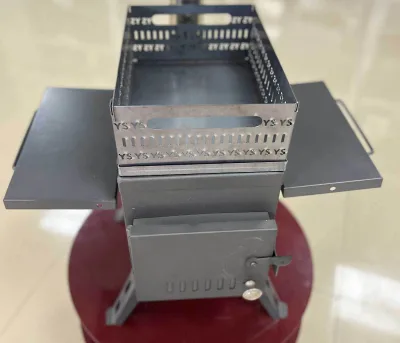
Hot Selling Outdoor Heating Camping Portable Folding Firewood Campfire Stove
$35.00 - $39.00
MOQ: 50 Pieces

Portable Camping Wood Fire Stove Camping Wood Stove Outdoor Cooking Camping Stove
$25.00
MOQ: 300 Pieces


Wholesale Camping Barbecue Folding Outdoor Burning Platform Multi Functional Firewood Stove
$24.90 - $28.00
MOQ: 50 Pieces


Shanghai Hoogen Industry Co., Limited
- Trading Company
- Shanghai, China
- Lead time10 days
- Avg. response≤ 6h
Main productsaluminum tent pole,camping tents,aluminum walking stick,tent peg,hammock
Main marketsNorthern Europe(15.00%), Western Europe(13.00%), Southeast Asia(12.00%), Eastern Asia(10.00%), Central America(10.00%), North America(8.00%), Southern Europe(6.00%), Mid East(6.00%), Domestic Market(5.00%), South Asia(5.00%), Africa(4.00%), South America(4.00%), Eastern Europe(1.00%), Oceania(1.00%)
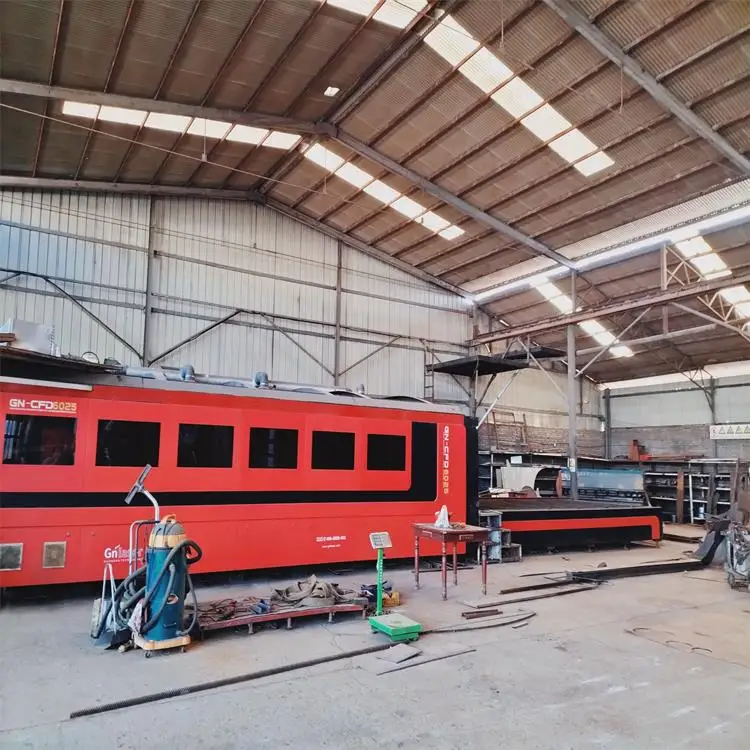
Henan Longfei Shengshi International Trading Co., Ltd
- Trading Company
- Henan, China
- Lead time15 days
- Avg. response≤ 2h
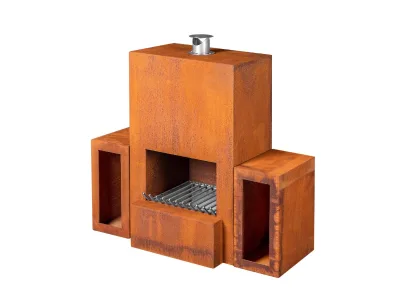
Main productsWood fireplace,Hanging Fireplace,Water Feature,Corten Steel Landscape,Outdoor fireplace
Main marketsSoutheast Asia(50.00%), North America(50.00%)
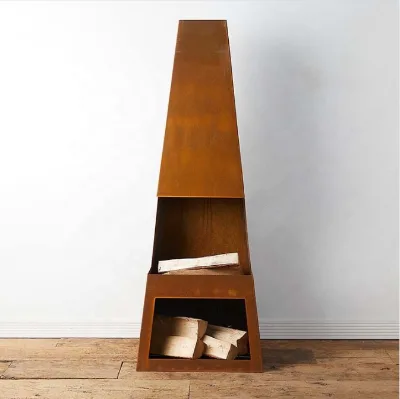
LFSS Modern Design Wood Burning Stoves, Wood Burning Cooking Stove
$218.00 - $245.00
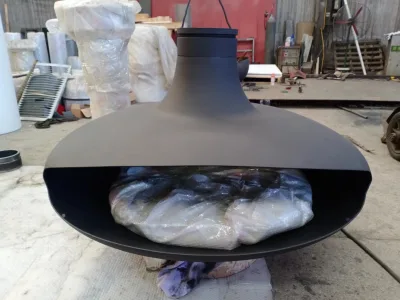
LFSS Customization Wood Burning Stove for Villa Fireplace Indoor carbon steel Hanging Wood Fireplace
$1099.00 - $1499.00
MOQ: 1
Xuzhou High Energy Environmental Technology Co., Ltd.
- Trading Company
- Jiangsu, China
- Lead time45 days
- Avg. response≤ 8h
Main productsWood stove,Fireplace,Cast iron parts,Environmental Protection equipment,Valve
Main marketsNorthern Europe(35.00%), Western Europe(35.00%), Eastern Europe(10.00%), Southern Europe(5.00%), North America(5.00%), Oceania(5.00%), Eastern Asia(5.00%)
Suzhou Link Sense Intelligent Tech Co., LTD.
- Manufacturer, Trading Company
- Jiangsu, China
- Lead time0 days
- Avg. response≤ 6h
Main productsOutdoor Wood Stove And Relative Accessories, Vacuum Cleaner And Relative Accessories, Outdoor Tents, Outdoor Tables & Chairs, Outdoor Pots and Kettles
Main marketsNorth America(35.00%), Western Europe(35.00%), Eastern Asia(20.00%), South Asia(10.00%)

Yongkang Luling Industry and Trade Co., Ltd.
- Verified by BV
- Combined
- China Zhejiang
- Lead time30 days
- Avg. response≤ 4h
Main productsOutdoor Stove, Wood Stove, Tent Stove, Camping Stove, Stove, Rocket Stove, Sauna Stove
Main marketsDomestic

Jilin Artel New Materials Co., Ltd.
- Verified by BV
- Trading Company
- China Jilin
- Lead time30 days
- Avg. response≤ 3h
Main productsFishing Sinker, Camping Stove, Firewood Stove, Fishnet Sinker, Wood Burning Stove, Outdoor Stove, Fishing, Lead Free Sinker
Main marketsEast Asia(Japan/ South Korea)


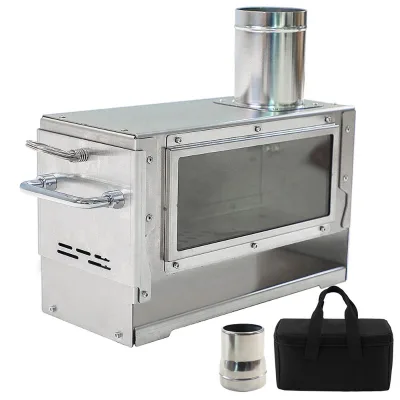
with Chimney Multifunctional Firewood Stove Heating for Outdoor Camping
$62.88 - $84.88
MOQ: 10 Pieces


with Modern Design Sleek Design Firewood Stove Heating for Stylish Camping
$62.88 - $84.88
MOQ: 10 Pieces

Stylish Season Sleek Design Firewood Stove Heating for Stylish Camping
$84.88 - $116.88
MOQ: 10 Pieces

- Verified by BV
- Trading Company
- China Fujian
- Lead time23 days
- Avg. response≤ 3h
Main productsMouth Care and Soap, Field Kitchen Trailer, Camping Tents, Boots and Shoes, Camo Uniform and Clothes, Outdoor Backpacks and Bags, Camouflage Net and Ghillie Suit, Blankets and Sleeping Bags, Canteens and Mess Tins, Tactical Helmet
Main marketsSouth America,Africa,Southeast Asia/ Mideast,East Asia(Japan/ South Korea),Europe,Australia,North America

Portable Firewood Stove Hot Selling Secondary Burning Smokeless Outdoor Firewood Stove
$4.99 - $6.99
MOQ: 100 Pieces

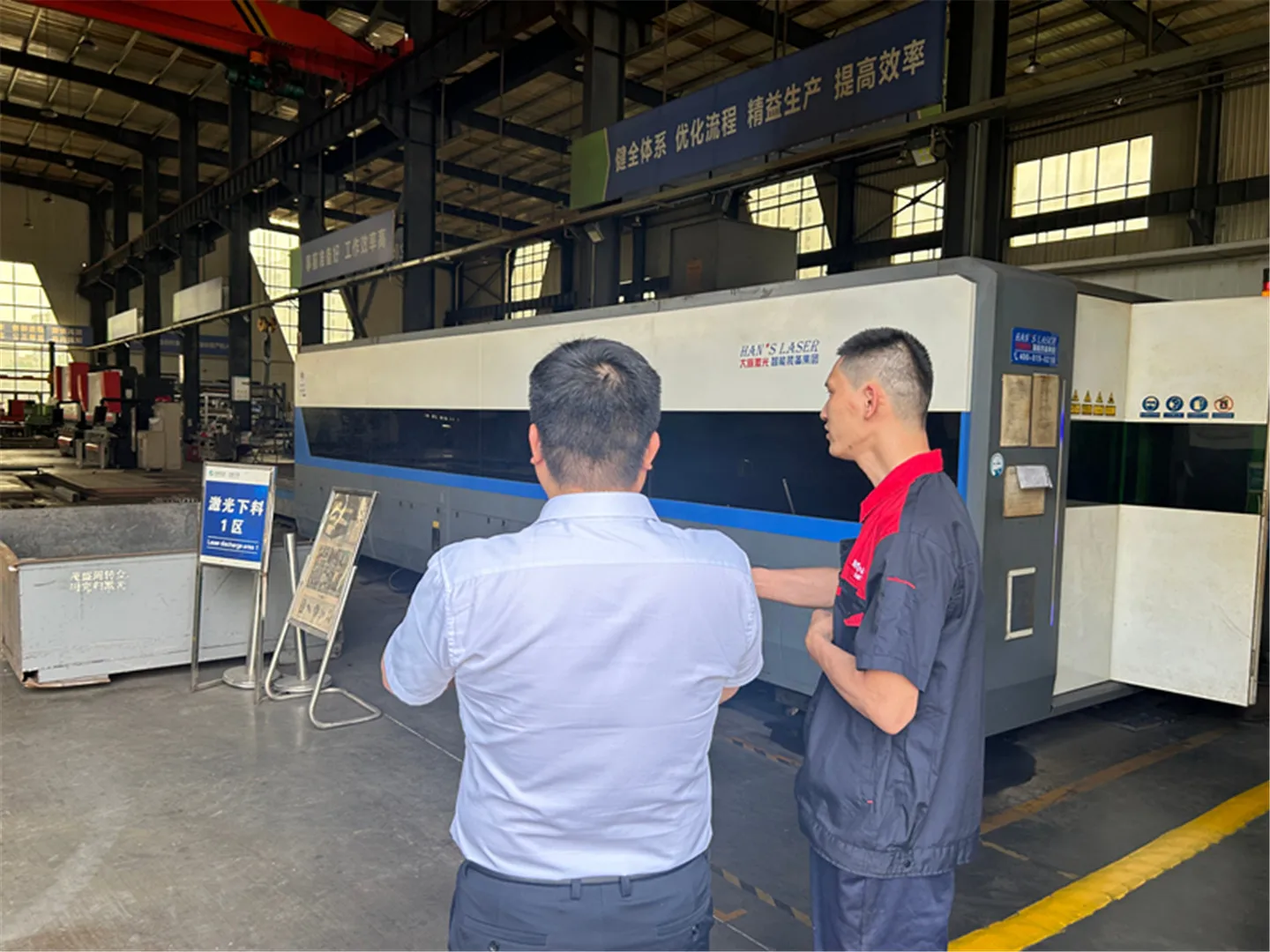
Ningbo Dingyu Technology Co., Ltd.
- Manufacturer, Trading Company
- Zhejiang, China
- Lead time0 days
- Avg. response≤ 3h
Main productsstove fan,wood stove fan,fireplace fan,wood burning stove,thermometer
Main marketsNorth America(30.00%), Western Europe(15.00%), Eastern Europe(15.00%), Domestic Market(10.00%), Northern Europe(10.00%), Central America(5.00%), Southeast Asia(5.00%), South Asia(5.00%), Southern Europe(5.00%)
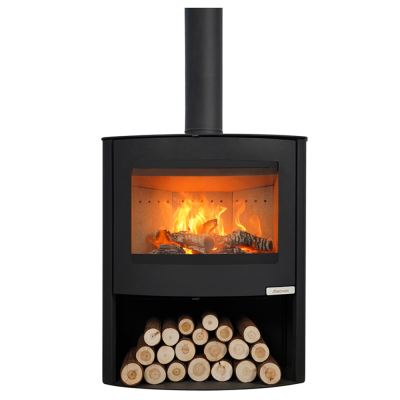
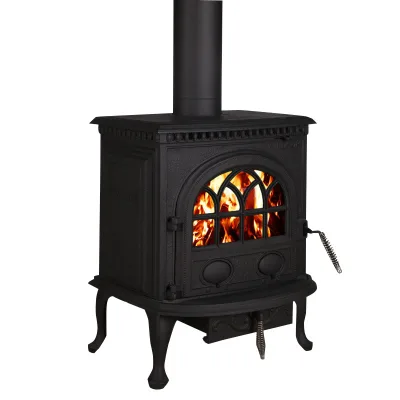
Wood Burning Stoves Efficient Performance Fireplace
$890.00 - $960.00
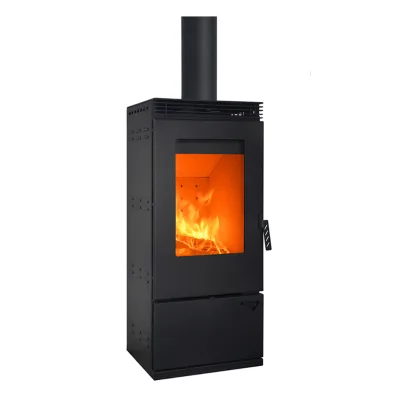
8KW Wood-Burning Stove Cast Iron Carbon Fire Stoves
$590.00 - $630.00
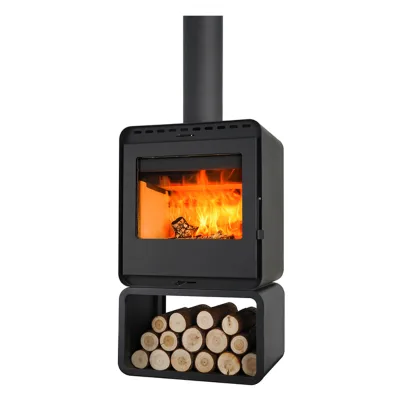
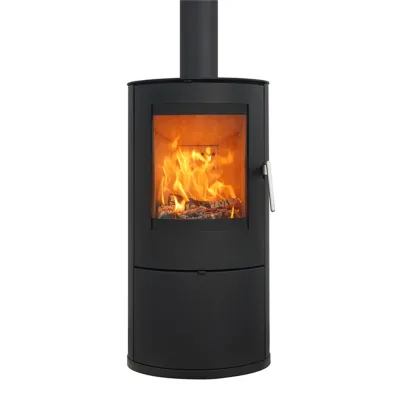
Modern Wood Burning Stove in Black
$760.00 - $820.00
Jinan Chaowan New Energy Technology Co., Ltd.
- Manufacturer, Trading Company
- Shandong, China
- Lead time0 days
- Avg. response≤ 2h
Main productsWood-burning fireplace,Wood-fired boiler,biomass boiler,Biomass heating stove,Coal-fired stove
Main marketsDomestic Market(60.00%), North America(10.00%), Western Europe(10.00%), Eastern Europe(10.00%), Eastern Asia(5.00%), Southeast Asia(3.00%), Africa(2.00%)

Suzhou Tuoshenghe Mechanical and Electrical Technology Co., Ltd.
- Verified by SGS
- Combined
- China Jiangsu
- Lead time15 days
- Avg. response≤ 2h
Main productsCamping Tent, Camping Stove, Alcohol Stove, Camping Table
Main marketsDomestic

Versatile Outdoor Wood Fired Stove Compatible with Firewood, Wood Chips, and Pinecones
$180.00 - $220.00
MOQ: 10 Pieces

Haining Heying Heating Technology Co., Ltd.
- Manufacturer
- Zhejiang, China
- Lead time10 days
- Avg. response≤ 3h
Main productsFireplaces; Garden Supplies; Fireplace Parts; Heat Pump Water Heater Parts
Main marketsSouth America(20.00%), North America(18.00%), Western Europe(15.00%), Northern Europe(15.00%), Eastern Europe(10.00%), Southern Europe(8.00%), Oceania(5.00%), Central America(5.00%), Domestic Market(2.00%), Mid East(2.00%)
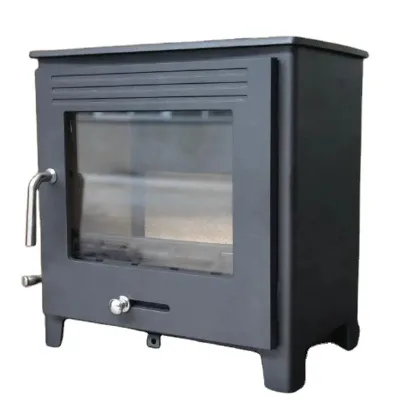
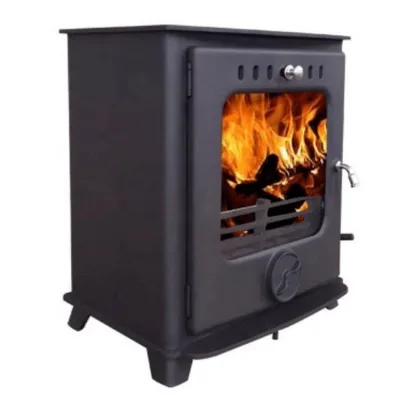
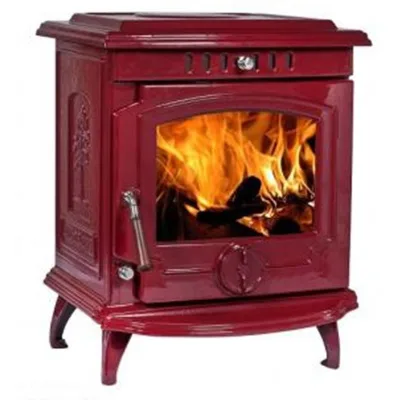
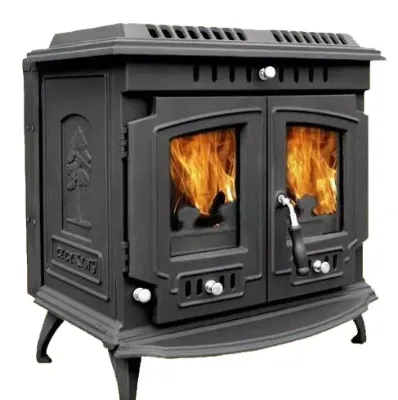
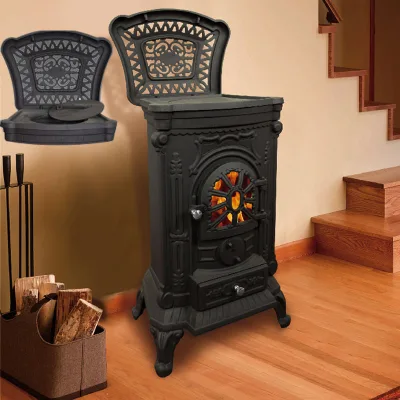
2022 Hot Selling Classic Portable Doors Burning Wood Stove
$159.00 - $189.00

HENAN TAIGUO BOILER PRODUCTS CO., LTD.
- Verified by SGS
- Combined
- China Henan
- Lead time23 days
- Avg. response≤ 2h
Main productsBoiler, Steam Boiler, Oil Boiler, Gas Boiler, Coal Boiler, Wood Autoclave, Autoclave Aerated Concrete, Hot Water Boiler, Hot Air Furnace, Biomass Boiler
Main marketsOthers(foreignTradeCapacity.exportBusinessCapacityMarketOther),Europe,North America
Changzhou Jinmeida Outdoor Products Co., Ltd.
- Manufacturer
- Jiangsu, China
- Lead time50 days
- Avg. response≤ 6h
Main productsbbq grill,fire pit,wood pellet grill,smokeless fire pit,plancha grill
Main marketsWestern Europe(50.00%), Southern Europe(10.00%), Northern Europe(10.00%), North America(10.00%), Eastern Europe(10.00%), South America(10.00%)
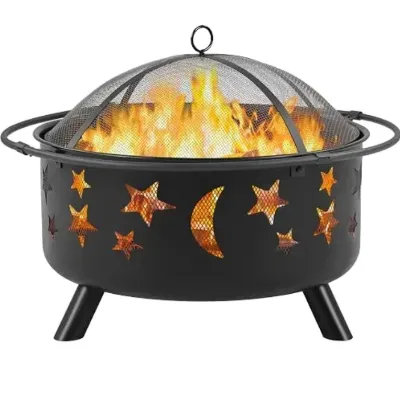
Garden Supplies Heating and Bbq Grill Wood Burning Fire Pit Outdoor Camping Stove
$37.00 - $48.00
MOQ: 50
Guangzhou Huaxi Swimming Pool Sauna Equipment Co., Ltd.
- Verified by TüVRheinland
- Manufacturer, Trading Company
- Lead time0 days
- Avg. response≤ 2h
Main productsSauna Heater, Pool Ladder, Sauna Steam Generator, Pool Water Heater, Pool Waterfall
Main marketsMid East(40%), Southeast Asia(20%), Northern Europe(20%)

Qingdao Legend Metal Products Co., Ltd.
- Verified by SGS
- Trading Company
- China Shandong
- Lead time30 days
- Avg. response≤ 25h
Main productsPatio Heater, Outdoor Heater, Outdoor Gas Heater, Indoor Fireplace, Indoor Stove, Gas Fireplace, Wood Burning Fireplace, Gas Stove, Wood Burning Stove, Gas Fire Pit
Main marketsAfrica,Europe,Australia




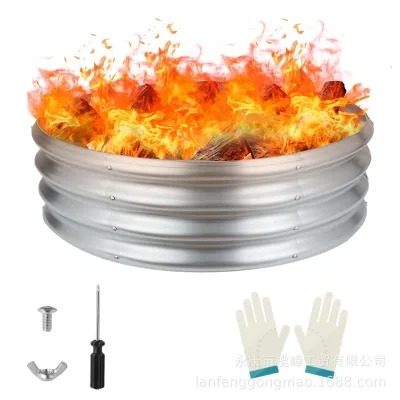
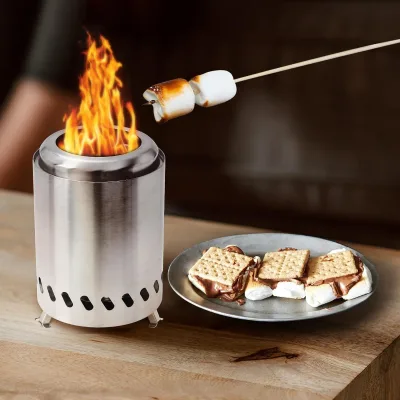
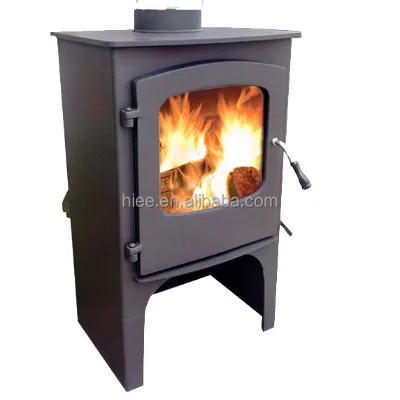
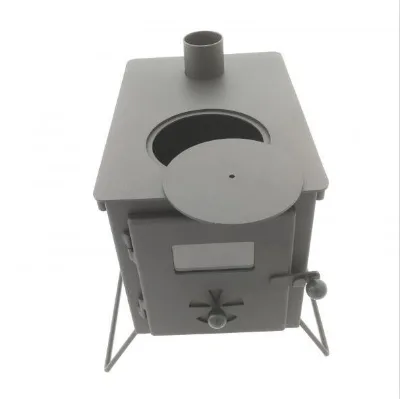
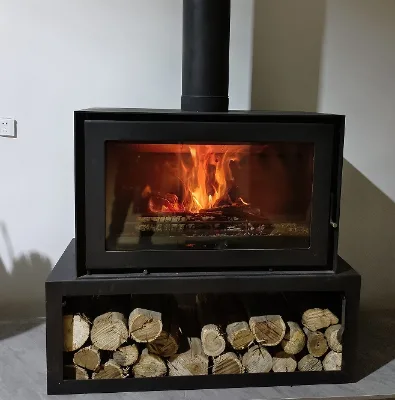
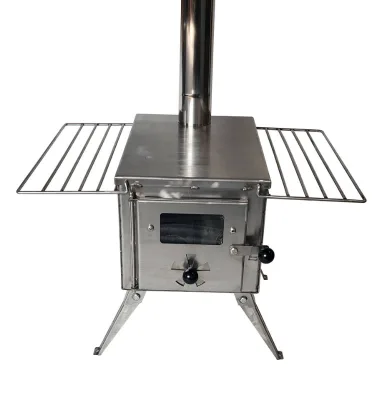
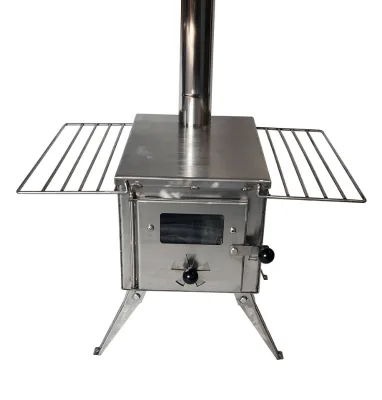
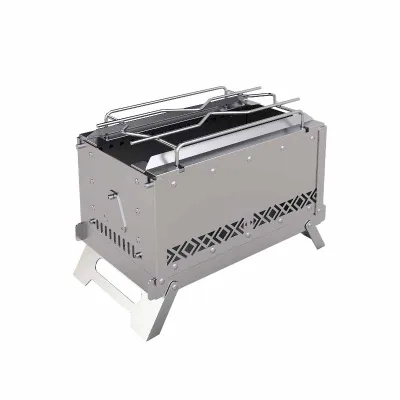






Comprehensive Sourcing Guide
Split Firewood Card Stove Supplier Concentration and Factory Types
The current supplier landscape for split firewood card stoves reveals a distinct concentration of manufacturing and trading entities within specific Chinese provinces, primarily Zhejiang and Jiangsu. Suppliers located in Zhejiang are predominantly identified as trading companies, which suggests a business model focused on aggregating products from various workshops rather than direct heavy industrial manufacturing. These entities often list diverse main products, ranging from kitchen appliances like coffee makers and air fryers to outdoor accessories, indicating a broad catalog strategy rather than a specialized focus on heating equipment. In contrast, suppliers based in Jiangsu present a more mixed operational profile, with some operating as both manufacturers and trading companies. This dual role allows them to offer customized solutions while maintaining direct control over production lines. The presence of these different company types means buyers must carefully distinguish between pure traders who may add markup and manufacturers who can offer deeper customization and potentially lower base costs. Understanding this structural difference is crucial for determining whether a supplier can meet specific technical requirements or if they are merely reselling existing inventory.
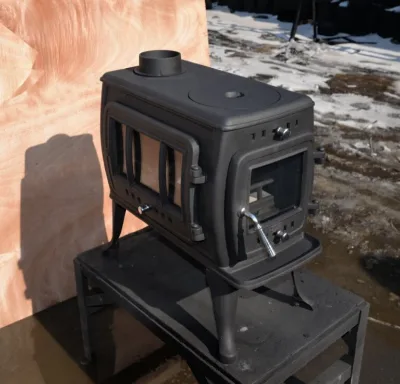
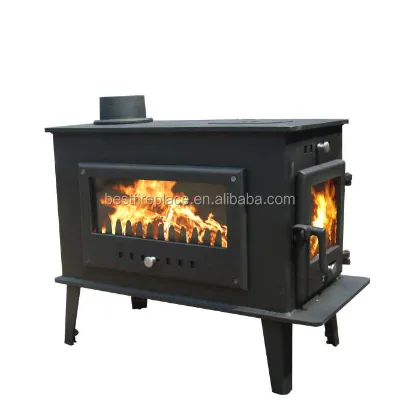
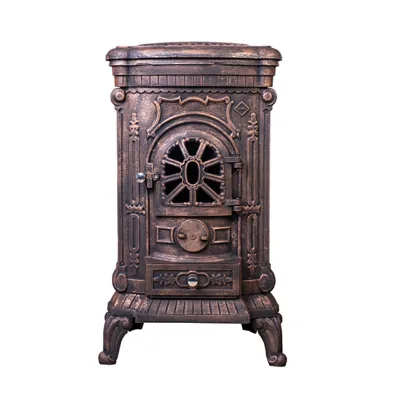
Factory types also vary significantly in their capacity to handle specialized requests for split firewood card stoves. Some suppliers in the Jiangsu region explicitly list capabilities such as customized on-demand graphic processing, sample processing, and light customization, which are vital for buyers seeking unique designs or branding opportunities. These manufacturers often produce heavy-duty items like cast iron wood stoves, suggesting a robust industrial base capable of handling metal fabrication and casting processes. Meanwhile, the Zhejiang-based trading companies may offer lighter, more portable options, such as stainless steel camping stoves, which align with their broader range of consumer goods. The distinction between these factory types impacts not only the product variety but also the flexibility in order sizes and design modifications. Buyers should assess whether their project requires the heavy industrial capability of a Jiangsu manufacturer or the agile, multi-product sourcing of a Zhejiang trader. This assessment helps in aligning supplier capabilities with the specific technical and logistical needs of the Split Firewood Card Stove procurement, ensuring that the chosen partner can deliver the desired product quality and service level.
How to Verify Split Firewood Card Stove Suppliers
Verification is a critical step in ensuring the reliability and legitimacy of Split Firewood Card Stove suppliers, particularly given the diverse range of company types and locations involved. Buyers should prioritize suppliers who have undergone third-party verification processes, such as those conducted by SGS, which provides an additional layer of trust regarding the supplier's business operations and product quality. In the current results, several suppliers are marked as verified by SGS or SGS Group, indicating that their business licenses and operational capabilities have been audited. This verification status is a strong indicator of a supplier's commitment to transparency and compliance with international trade standards. However, verification alone is not sufficient; buyers must also examine the specific certifications associated with the products themselves. For instance, suppliers in Jiangsu may hold CE and UKCA certifications for their wood stoves, which are essential for selling in European markets. These certifications demonstrate that the products meet specific safety and environmental standards, reducing the risk of regulatory issues upon import. Buyers should request copies of these certificates and verify their validity with the issuing bodies to ensure they are current and applicable to the specific models being considered.
Beyond certifications, buyers should assess the supplier's responsiveness and communication efficiency as part of the verification process. The response time metric provides insight into how quickly a supplier can address inquiries, which is crucial for resolving technical questions or negotiating terms. In the observed data, response times vary, with some suppliers responding within hours, while others may take longer. A faster response time often correlates with a more professional and organized sales team, which can be indicative of a reliable partner. Additionally, buyers should look for evidence of after-sales service capabilities, such as online technical support, which is listed for some Jiangsu-based manufacturers. This support structure is vital for addressing any issues that may arise post-purchase, such as installation guidance or maintenance advice. By combining verification status, product certifications, response times, and after-sales support details, buyers can build a comprehensive profile of each supplier's reliability. This holistic approach to verification helps mitigate risks associated with engaging with unfamiliar suppliers and ensures that the chosen partners have the necessary credentials and operational maturity to support a successful procurement of split firewood card stoves.
What to Compare Across Split Firewood Card Stove Suppliers
When evaluating multiple suppliers for split firewood card stoves, buyers must systematically compare key operational metrics to identify the most suitable partner for their specific needs. One of the primary dimensions for comparison is the minimum order quantity (MOQ), which varies significantly across different suppliers and product types. For instance, some portable stainless steel camping stoves may have an MOQ of 18 units, while larger cast iron wood stoves might require a minimum of 20 or 40 units. This variation allows buyers to align their order sizes with their inventory capacity and market demand, ensuring they do not overstock or under-order. Additionally, the price range is a critical factor, with costs fluctuating based on material, size, and features. Portable camping stoves may range from approximately $6.37 to $17.32 per unit, whereas heavy-duty cast iron stoves can cost upwards of $227.65 to $365.00. Buyers should analyze these price points in conjunction with the MOQ to determine the total investment required for different product lines. Comparing these financial metrics helps in budgeting accurately and identifying suppliers who offer the best value proposition for the desired product specifications.
Lead time and customization capabilities are equally important factors to compare across suppliers. The lead time indicates how long it takes from order placement to shipment, with some suppliers offering a 15-day turnaround for certain items and others requiring up to 30 days for more complex manufacturing processes. This difference can impact inventory planning and customer satisfaction, especially for time-sensitive projects. Furthermore, the availability of customization services, such as OEM branding or design modifications, varies among suppliers. Some manufacturers explicitly state that customization is available, allowing buyers to tailor products to their brand identity. In contrast, trading companies may offer limited customization options, focusing instead on ready-to-ship inventory. Buyers should also compare the main products listed by each supplier to ensure they specialize in the type of Split Firewood Card Stove they are seeking. A supplier listing a wide range of unrelated products may not have the same depth of expertise as one focused specifically on heating appliances. By systematically comparing MOQ, price, lead time, and customization options, buyers can make informed decisions that balance cost, speed, and product quality.
Common Split Firewood Card Stove Sourcing Risks
Sourcing split firewood card stoves involves several inherent risks that buyers must proactively manage to ensure a smooth procurement process. One significant risk is the potential mismatch between product specifications and actual delivery, particularly when dealing with suppliers who offer a wide variety of products. Trading companies, for example, may list diverse items such as kitchen appliances and outdoor gear, which could indicate a lack of specialized expertise in heating equipment. This broad catalog approach might lead to inconsistencies in product quality or technical accuracy, as the supplier may not have deep knowledge of the specific engineering requirements for split firewood card stoves. Buyers should be cautious of suppliers who cannot provide detailed technical specifications or who rely on generic product descriptions. Additionally, the risk of material substitution is present, especially with metal-based products. Suppliers may use lower-grade stainless steel or cast iron to reduce costs, which can affect the durability and safety of the stove. Buyers must verify material grades and request material test reports to ensure that the products meet the specified standards.
Another common risk is the variability in after-sales support and warranty coverage. While some manufacturers offer comprehensive warranties, such as five-year coverage for certain wood stoves, others may provide only one year or limited online technical support. This disparity can lead to significant challenges if defects arise after the initial purchase, particularly for international buyers who may face difficulties in returning or repairing products. The risk is compounded by the logistical complexities of shipping heavy items like cast iron stoves, which can be prone to damage during transit. Buyers should carefully review the packaging details and shipping terms to ensure that products are adequately protected. Furthermore, the risk of communication delays can impact project timelines, especially if the supplier has a slower response time. Buyers should establish clear communication protocols and set expectations for response times to mitigate this risk. By identifying and addressing these potential pitfalls early in the sourcing process, buyers can reduce the likelihood of costly errors and ensure a more reliable partnership with their chosen suppliers.
Split Firewood Card Stove Regional Sourcing and Logistics
Regional sourcing plays a pivotal role in determining the logistics and cost structure for split firewood card stoves, with suppliers primarily located in Zhejiang and Jiangsu provinces in China. Suppliers in Zhejiang, often operating as trading companies, may offer faster turnaround times for smaller, portable items due to their proximity to major manufacturing hubs and efficient supply chains for lighter goods. In contrast, suppliers in Jiangsu, who are often manufacturers, may have longer lead times due to the complexity of producing heavy-duty cast iron or mild steel stoves. The logistics for these products are heavily influenced by their weight and dimensions. For instance, cast iron stoves can weigh over 72 kilograms and require robust packaging, such as plywood cases or full closed wood boxes, to prevent damage during transit. This packaging requirement increases shipping costs and affects the overall landed cost of the product. Buyers must consider these logistical factors when selecting suppliers, as the location and product type will directly impact shipping efficiency and cost.
The port of dispatch is another critical logistical consideration, with suppliers in Jiangsu often using ports like Lianyungang or Qingdao for shipments. These ports are well-equipped to handle heavy industrial goods and offer various shipping options, including sea freight, which is cost-effective for large volumes. Buyers should coordinate with their freight forwarders to optimize shipping routes and consolidate orders to reduce costs. Additionally, the supply ability of suppliers, such as the capacity to produce 1500 sets per month, should be factored into logistics planning to ensure that large orders can be fulfilled within the desired timeframe. Buyers must also consider the environmental and safety regulations in their destination markets, which may require specific packaging or labeling for wood-burning appliances. By understanding the regional strengths and logistical nuances of suppliers in Zhejiang and Jiangsu, buyers can develop a more efficient and cost-effective sourcing strategy for split firewood card stoves, ensuring timely delivery and compliance with international shipping standards.
Split Firewood Card Stove Commercial Terms and Order Planning
Effective order planning for split firewood card stoves requires a thorough understanding of commercial terms, including pricing structures, payment conditions, and warranty policies. The price range for these products varies widely, from approximately $6.37 for basic portable camping stoves to over $365.00 for high-output cast iron models. Buyers should negotiate prices based on order volume, leveraging the MOQ requirements to secure better rates. For example, ordering above the minimum threshold may qualify for discounts, which can significantly reduce the unit cost. Additionally, buyers should clarify whether the quoted prices include packaging and shipping costs, as these can vary depending on the supplier's location and the product's weight. Clear communication regarding Incoterms, such as FOB or CIF, is essential to avoid unexpected costs and ensure that both parties understand their responsibilities in the shipping process. By establishing transparent commercial terms, buyers can protect their margins and avoid disputes during the transaction.
Warranty and after-sales service are also critical components of commercial terms that buyers must evaluate. Suppliers may offer different warranty periods, ranging from one year to five years, depending on the product type and manufacturer. Buyers should ensure that the warranty covers manufacturing defects and provides clear guidelines for
FAQs
What is the price range for portable smokeless firewood stoves?
Portable smokeless firewood stoves typically range from $6.37 to $17.32 per unit depending on the model and material. Basic desktop styles start around $6.37 with a minimum order of 40 units. More advanced stainless steel camping models cost between $13.86 and $17.32 with a lower minimum order of 18 units. Prices vary based on customization and specific features like electronic ignition.
What are the minimum order quantities for these stoves?
Minimum order quantities vary by product type. Portable stainless steel camping stoves require a minimum order of 18 units. Desktop-style indoor smokeless stoves have a higher minimum order requirement of 40 units. Larger wood-burning stoves for courtyards or hotels may require minimum orders of 20 units. Buyers should check specific product listings for exact MOQ requirements before placing orders.
How long does it take to receive these stoves?
Lead times for these stoves generally range from 15 to 30 days. Suppliers in Zhejiang typically offer a lead time of 15 days for portable camping models. Manufacturers in Jiangsu may require up to 30 days for larger wood-burning stoves. Response times for inquiries average around 4 to 9 hours. Buyers should confirm specific delivery schedules with suppliers before finalizing purchases.
Are these stoves made from stainless steel or cast iron?
Materials vary by stove type. Portable camping stoves are often made from stainless steel for durability and lightweight portability. Indoor courtyard and freestanding wood-burning stoves are frequently constructed from cast iron or mild steel for better heat retention. Some models use metal composites. Buyers should verify material specifications in product details to ensure suitability for their intended heating application.
Do suppliers offer customization for these firewood stoves?
Customization is available for many firewood stove models. Suppliers offer options for graphic processing, sample processing, and light customization. Buyers can often request specific dimensions, colors, or branding on portable and indoor stoves. OEM services are also available for larger wood-burning units. It is advisable to discuss specific customization requirements directly with the supplier to confirm feasibility and additional costs.
What certifications do these stove suppliers hold?
Suppliers in Jiangsu hold CE and UKCA certifications for their wood-burning stoves. Many suppliers are verified by SGS for quality assurance. These certifications indicate compliance with European safety and quality standards. Buyers should request valid certification documents for specific models to ensure they meet local regulatory requirements. Verification status can be confirmed through the supplier's profile on the platform.