Automatic Leather Strip Cutting Machine Suppliers and Manufacturers
Compare 29 verified suppliers offering automatic leather strip cutting machines with varying lead times, response speeds, and certifications like ISO9001:2015 and CE. Review product specifications and pricing to select the right factory for your production needs; review the available evidence before requesting comparable quotations from suitable candidates.
Updated
Suppliers List

Shanxi Jingwei Chemical Fiber Machinery Co.,Ltd
- Verified by BV
- Combined
- China Shanxi
- Lead time15 days
- Avg. response≤ 18h
Main productsgear pump
Main marketsOthers(foreignTradeCapacity.exportBusinessCapacityMarketOther),Domestic


Multi Functional Leather Cutting Machine and Leather Strip Cutting Machine
$1000.00 - $1200.00
MOQ: 1 Sets


Foshan Shunde Maoduoyu Trading Co., Ltd.
- Manufacturer, Trading Company, Distributor/Wholesaler
- Guangdong, China
- Lead time0 days
- Avg. response≤ 1h
Main productsIndustrial machinery,Commercial machinery,Packaging machinery,Filling machinery,Food machinery
Main marketsNorth America(50.00%), Southeast Asia(10.00%), Mid East(10.00%), Central America(10.00%), Domestic Market(5.00%), Western Europe(5.00%), Northern Europe(3.00%), South Asia(2.00%), Oceania(1.00%), Eastern Asia(1.00%), Eastern Europe(1.00%), South America(1.00%), Africa(1.00%)
Huizhou Dingji Automation Equipment Co., Ltd.
- Verified by TüVRheinland
- Manufacturer, Trading Company
- Lead time7 days
- Avg. response≤ 4h
Main productsLeather Ironing Machine, CNC Gluing Machine, Leather Strip Cutting Machine, Auto Laminating Linkage Line
Main marketsDomestic Market(35%), Southeast Asia(20%), Eastern Europe(10%)

- Verified by BV
- Combined
- China Shandong
- Lead time30 days
- Avg. response≤ 4h
Main productsFabric Leather Cutting Machine, Garment Cutting Machine, Shoe Upper/Pad Cutter Machine, Carton Box Cutter Machine, Cutting Equipment, Advertising Cutting Machine, Packaging Cutter Machine, Gasket Cutting Machine, Bag Cutting Machine, Carpet Cutting Machine
Main marketsSouth America,Africa,Southeast Asia/ Mideast,East Asia(Japan/ South Korea),Europe,Australia,North America

Hot Sell Automatic Machine for Cutting Strip of Fur Leather Cutting Machine
$10000.00 - $21000.00
MOQ: 1 Pieces

Automatic CNC Equipment Leather Belt Cutter Machine for Leather Cutting
$13000.00 - $20000.00
MOQ: 1 Pieces


HEFEI BETTER TECHNOLOGY CO., LTD.
- Verified by BV
- Trading Company,Manufacturer/Factory
- China Anhui
- Lead time45 days
- Avg. response≤ 5h
Main productsAutomatic Cutting Machine, Cable Cutting&Stripping Machine, Terminal Crimping Machine, Harness Taping Machine, Tube Cutting Machine, Wire Winding Tying Machine, Metal Cutting Machine, Wire Terminal Welding Machine, Tape Cutting Machine, Wire Feeding Machine
Main marketsSouth America,Eastern Europe,Mid East,North America,Southeast Asia,Eastern Asia,Oceania,Western Europe,Africa
Qingdao Blade Network Technology Co., Ltd.
- Trading Company
- Shandong, China
- Lead time0 days
- Avg. response≤ 6h
Main productsLift Tables,Hoists,Crane,Forklift,Industrial Machinery
Main marketsNorth America(40.00%), Mid East(15.00%), Southeast Asia(15.00%), Eastern Europe(15.00%), Central America(10.00%), South Asia(5.00%)
Foshan Wenmei Machinery Technology Co., Ltd.
- Trading Company, Agent, Distributor/Wholesaler
- Guangdong, China
- Lead time3 days
- Avg. response≤ 9h
Main productsShoe machine,sewing machine,Gluing Machine,Leather making machine,Belts making machine
Main marketsDomestic Market(60.00%), Southeast Asia(15.00%), Eastern Asia(8.00%), Southern Europe(6.00%), Northern Europe(6.00%), Africa(5.00%)

Shandong Bangzheng Machinery Equipment Co., Ltd.
- Verified by SGS
- Combined
- China Shandong
- Lead time15 days
- Avg. response≤ 3h
Main productsVibrating Knife Cutting Machine, Multi-Layer Fabric Cutting Machine, Leather Cutting Machine
Main marketsOthers(foreignTradeCapacity.exportBusinessCapacityMarketOther),Europe

$8050.00 - $11000.00
MOQ: 1 Pieces

Automatic Leather Cutting Machine CNC Leather Cutting Machines Oscillating Rubber Leather Cutting
$8909.00 - $9899.00
MOQ: 1 Pieces

Zhengzhou Jawo Machinery Co., Ltd.
- Verified by TUVRHEINLAND
- Manufacturer/Factory
- China Henan
- Lead time15 days
- Avg. response≤ 7h
Main productsSausage Making Machine, Dumpling Machine, Frozen Meat Cutter, French Fries Production Line, Garlic Separator, Egg Grading Machine, Sand Blasting Machine, Metal Detector, Embroidery Machine, Spray Dryer
Main marketsSouth America,Eastern Europe,Mid East,North America,Southeast Asia,Eastern Asia,Oceania,Western Europe,Africa


High Quality Automatic Rubber Strip Cutting Machine Leather Splitting Machine
$1299.00 - $1999.00
MOQ: 1 Sets


Dongguan Top Machinery Co., Ltd.
- Trading Company
- Lead time旺季: "1 - 1":20,"> 1":"To be negotiated", 淡季: "1 - 1":20,"> 1":"To be negotiated"
- Avg. response≤ 3h
Main productsMetal Marking Machine,Badge Machine,Automotive Maintenance and Diagnostic products,Jewelry making machinery,Sports Machinery
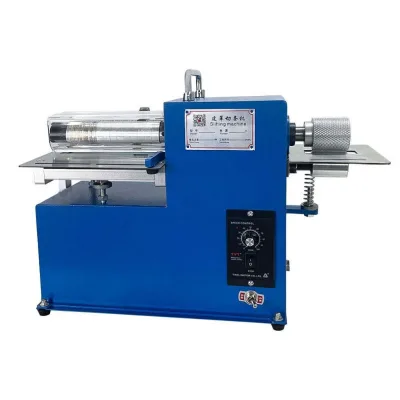
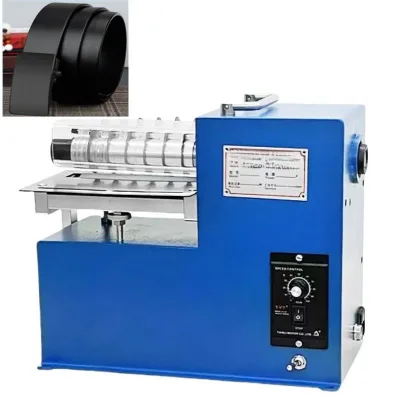
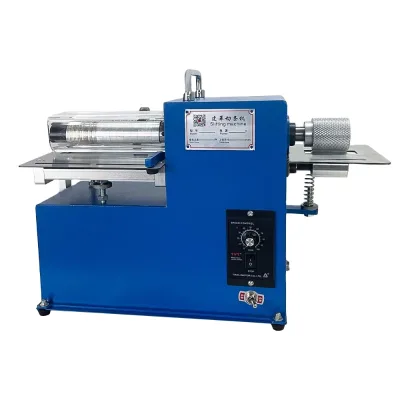
Leather Strip Belt Strap Cutting Machine with Edge Folding Leather Laminating Machine OEM
$331.958 - $446.0694
MOQ: 1 Minimum
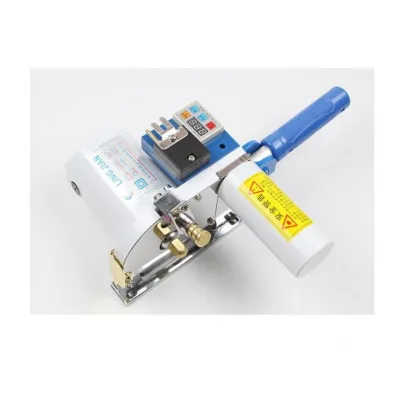
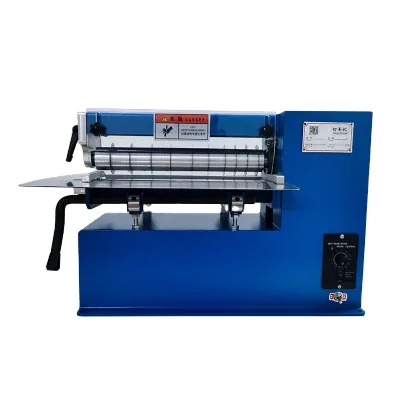
20 Cm/30 cm Width Cutter Mini Leather Strap Cutting Machine for Cutting Strip of Leather
$412.8726 - $606.8612
MOQ: 1 sets
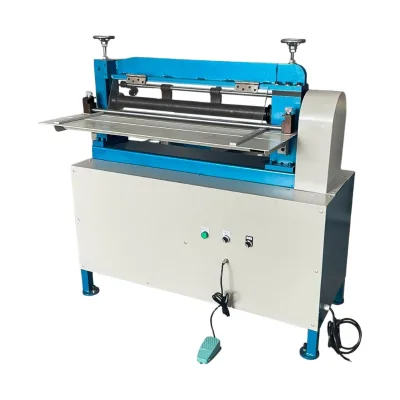

Yancheng Qincheng Machinery Technology Co., Ltd.
- Verified by TUVRHEINLAND
- Combined
- China Jiangsu
- Lead time30 days
- Avg. response≤ 11h
Main productsMachine, Medical Supplies, Hardwares, Striping Machine, Vulcanization Machine for Rubber Sole, Cutting Machine, Pressure Meters, Centrifugal Fan, Industrial Blower Fan, Pump
Main marketsDomestic
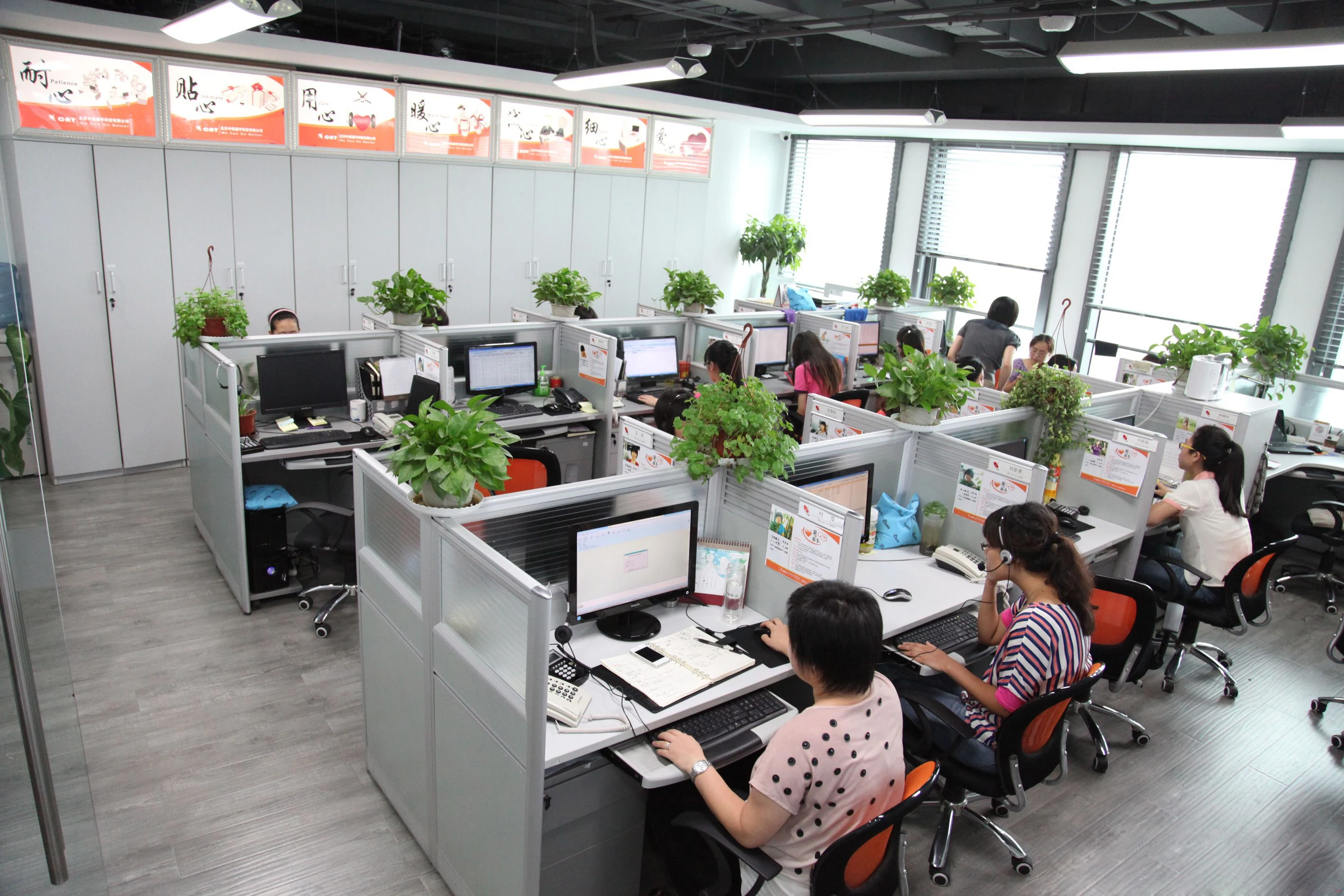
Zhengzhou Share Machinery Co., Ltd.
- Trading Company
- Henan, China
- Lead time7 days
- Avg. response≤ 3h
Main productsConstruction Machinery/Industrial Machinery/Printing Machinery
Main marketsSouth America(20.00%), North America(20.00%), Africa(10.00%), Southeast Asia(10.00%), Eastern Europe(10.00%), Oceania(7.00%), South Asia(5.00%), Southern Europe(5.00%), Central America(5.00%), Western Europe(2.00%), Eastern Asia(2.00%), Northern Europe(2.00%), Mid East(2.00%)
Henan Zonelion Heavy Industry Co., Ltd.
- Verified by TüVRheinland
- Trading Company
- Lead time7 days
- Avg. response≤ 4h
Main productsCutting Machine, Polishing Machine, Grinding Wheel Manufacturing Machine, Pressure Machine, Fixed Machine
Main marketsNorth America(8%), South America(8%), Eastern Europe(8%)
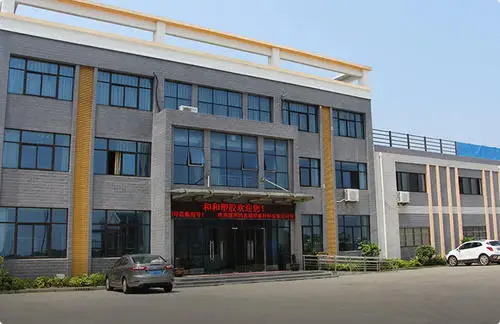
Dongguan Qianjin Industry And Trade Co., Ltd.
- Manufacturer, Trading Company
- Guangdong, China
- Lead time7 days
- Avg. response≤ 5h
Main productsleather machine,footwear machine,shoe making machine,leather belt making machine,car seat making machine
Main marketsDomestic Market(10.00%), Southern Europe(10.00%), Northern Europe(10.00%), Western Europe(10.00%), Eastern Europe(10.00%), South America(10.00%), North America(10.00%), Eastern Asia(5.00%), South Asia(5.00%), Mid East(5.00%), Africa(5.00%), Central America(5.00%), Southeast Asia(5.00%)

Kunshan Hexin Precise Machinery Co., Ltd.
- Verified by CTI
- Combined
- China Jiangsu
- Lead time30 days
- Avg. response≤ 4h
Main productsCutting Machine, Slitting Machine, Blade Knife, Die Cutting Machine, Laminating Machine, Industrial Blade, Sharpening Machine, Other Packing Machinery
Main marketsSouth America,Africa,Southeast Asia/ Mideast,East Asia(Japan/ South Korea),Domestic,Europe,Australia,North America

Luohe Xingdian Electromechanical Equipment Co., Ltd.
- Verified by BV
- Manufacturer/Factory
- China Henan
- Lead time0 days
- Avg. response≤ 2h
Main productsDrilling Rig, Meat Process Machine, Farm Machine, Packing Machine, Vegetable Process Machine, Textile Machine, Food Machine, Embroidery Machine, Construction Products, Industrial Product
Main marketsSouth America,Eastern Europe,Mid East,North America,Southeast Asia,Eastern Asia,Oceania,Western Europe,Africa
Henan Jinfuda Machinery Equipment Co., Ltd.
- Trading Company
- Henan, China
- Lead time0 days
- Avg. response≤ 3h
Main productsAgricultural Machinery, Food Machinery, Construction And Building Materials Machinery, Construction Machinery, Packaging Machinery
Main marketsCentral America(20.00%), Southern Europe(10.00%), Northern Europe(10.00%), Mid East(10.00%), Domestic Market(5.00%), South Asia(5.00%), Southeast Asia(5.00%), Eastern Europe(5.00%), North America(5.00%), Western Europe(5.00%), Eastern Asia(5.00%), South America(5.00%), Oceania(5.00%), Africa(5.00%)

Nanjing Geekung Hydraulic Machinery Co., Ltd.
- Verified by BV
- Trading Company
- China Anhui
- Lead time30 days
- Avg. response≤ 6h
Main productsRubber Hydraulic Press, Vacuum Rubber Vulcanizing Machine, Rubber&Silicone Injection Moulding Machine, Platen Press Vulcanizing Machine, Transfer Type Rubber Molding Machine, Rubber&Silicone Compression Moulding Press
Main marketsEurope

Automatic Rubber Strip Cutting Machine/Slitting Machinerubber Strip Cutting Machines
$3500.00 - $10500.00
MOQ: 1 set


Dongguan Jingneng Machinery Technology Co., Ltd.
- Manufacturer, Trading Company
- Guangdong, China
- Lead time5 days
- Avg. response≤ 3h
Main productsSewing Machine/ Shoes Making Machine/ Handbag Making Machine/ Special Machines/ Customized Machine,post bed machine,360 degree computer sewing machine,shoe sole sewing machine
Main marketsSoutheast Asia(30.00%), Eastern Asia(20.00%), Mid East(12.00%), Domestic Market(10.00%), North America(10.00%), Southern Europe(5.00%), Oceania(5.00%), Western Europe(2.00%), Africa(1.00%), South Asia(1.00%), Eastern Europe(1.00%), South America(1.00%), Northern Europe(1.00%), Central America(1.00%)

QUANZHOU KINGKUNG IMP. AND EXP. TRADE CO., LTD.
- Trading Company
- China Fujian
- Lead time30 days
- Avg. response≤ 8h
Main productsShoe Machine, Shoe Machinery, Shoe Mould, Shoe Mold, Shoe Upper, Shoe Sole, Shoe Materials, Shoe Accessories, Shoe Components, Injection Shoe Machine

Yancheng Xiongying Precision Machinery Co., Ltd.
- Combined
- China Jiangsu
- Lead time30 days
- Avg. response≤ 11h
Main productsHydraulic Cutting Machine, Leather Cutting Machine, Die Cutting Machine, Plastic Cutting Machine, Rubber Cutting Machine, Shoe Making Machine, Hydraulic Cutting Press, Die Cutting Press
Main marketsSouth America,Africa,Southeast Asia/ Mideast,East Asia(Japan/ South Korea),Domestic,Europe,Australia,North America
Jiangsu Xianhe Machinery Manufacturing Co., Ltd.
- Manufacturer, Trading Company
- Jiangsu, China
- Lead time25 days
- Avg. response≤ 12h
Main productsLaminating Machine,Cutting Machine,Moulding Machine
Main marketsSoutheast Asia(39.00%), Domestic Market(30.00%), South Asia(25.00%), Africa(2.00%), Eastern Europe(2.00%), Central America(1.00%), South America(1.00%)
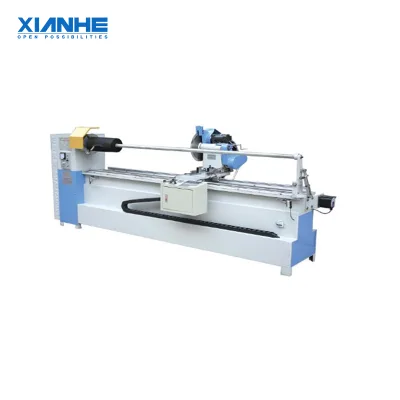
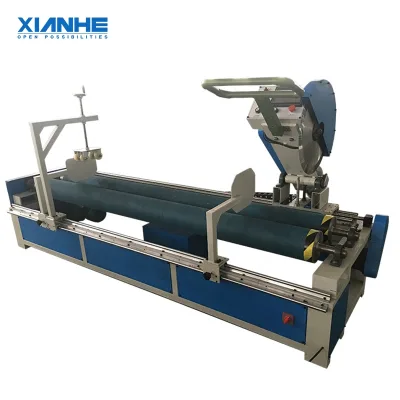
New Roll Fabric Cutting Machine Fabric Strip Cutting Machine
$6650.00 - $6800.00
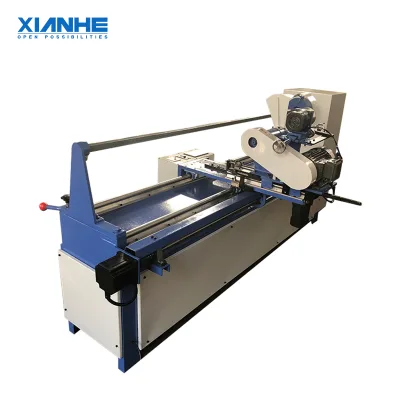
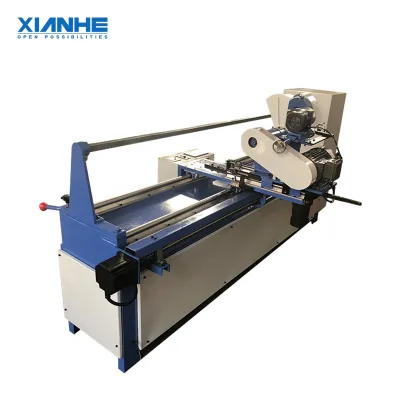
Factory Price CNC Fabric Strip Cutting Machine
$6500.00 - $6800.00

Zhengzhou Honest Machinery Co., Ltd.
- Trading Company,Manufacturer/Factory
- China Henan
- Lead time15 days
- Avg. response≤ 6h
Main productsFood Machinery, Packing Machines, Microwave Equipment, Drying Machines, Grain Product Making Machines, Commodity Making Machines, Texitle Machines, Construction Machinery
Main marketsSouth America,Eastern Europe,Mid East,North America,Southeast Asia,Eastern Asia,Oceania,Western Europe,Africa
Shenzhen Chengxiang Technology Co., Ltd.
- Verified by Intertek
- Trading Company
- Lead time0 days
- Avg. response≤ 7h
Main productsSoldering Stations, Spot Welders, Screen Removal Separator, SMT Machine, Heat-transfer Machine
Main marketsSouthern Europe(20%), Eastern Europe(18%), North America(15%)
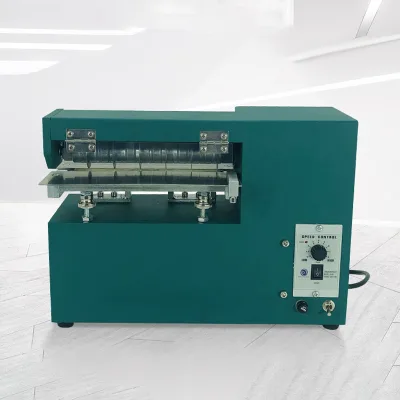
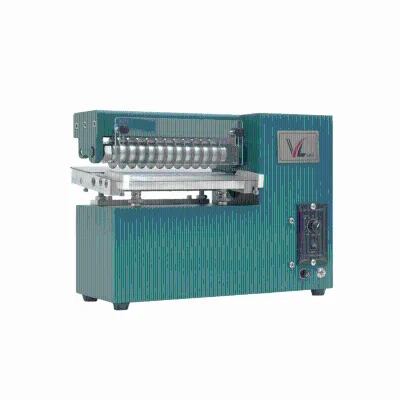
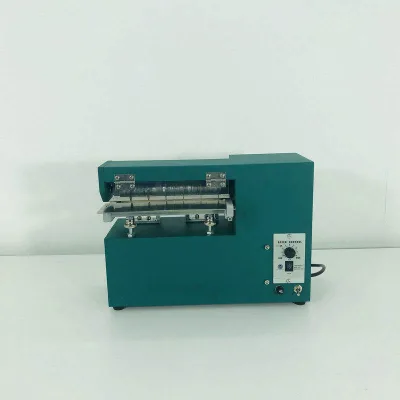
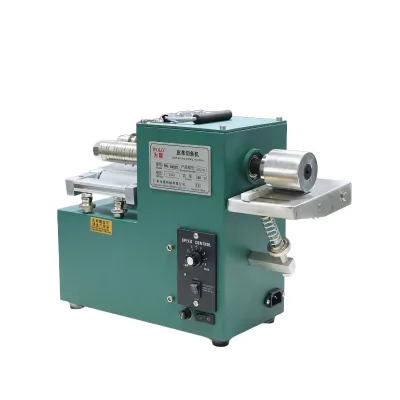
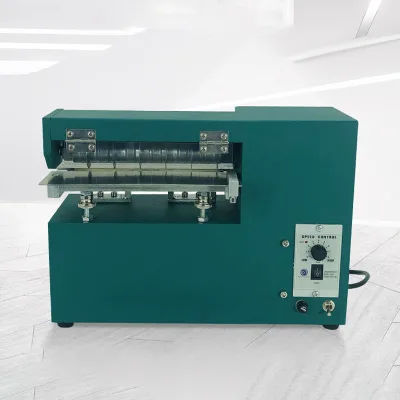
WQ-04 Dual Head Strip Cutting Machine Adjustable Width for Synthetic Leather Rubber Foam and Fabric
$309.00 - $386.00
MOQ: 1 pieces
Luohe Xingdian Electromechanical Equipment Co., Ltd.
- Verified by SGS Group
- Trading Company
- Lead time7 days
- Avg. response≤ 1h
Main productsFood making machine, Powder milling machine, Farm machine, Water well drilling machine
Main marketsNorth America(35%), Africa(30%), Southeast Asia(14%)

Qingdao Honghesheng Industry Co., Ltd.
- Verified by TUVRHEINLAND
- Combined
- China Shandong
- Lead time30 days
- Avg. response≤ 4h
Main marketsSouth America,Others(foreignTradeCapacity.exportBusinessCapacityMarketOther),Europe,North America


Leather Rubber Slitter Sponge Foam Rubber Strip Cutting Rubber Slitting Machine
$1500.00
MOQ: 1 Pieces

Automatic Rubber Silicone Strip Cutters Slitter Rubber Cutting Slitting Machine
$2500.00
MOQ: 1 Pieces

Yancheng Gsb Industrial Co., Ltd.
- Manufacturer, Trading Company
- Jiangsu, China
- Lead time0 days
- Avg. response≤ 7h
Main productshydraulic cutting machine,shoe machinery,sewing machine,electronic machine
Main marketsSouth Asia(10.00%), Eastern Asia(10.00%), Mid East(10.00%), Africa(10.00%), Southeast Asia(10.00%), Northern Europe(10.00%), South America(10.00%), North America(10.00%), Western Europe(5.00%), Southern Europe(5.00%), Eastern Europe(5.00%), Central America(5.00%)

Qingdao Evertech Industry Co., Ltd.
- Manufacturer/Factory
- China Shandong
- Lead time23 days
- Avg. response≤ 3h
Main productsComposite Curing Autoclave, Rubber Plastic Kneader Machine, Sand Blast Rooms/Air Blast Rooms, Rubber Plastic Rheometer, Autoclave for Rubber Shoes, Waste Tyre Recycling Line, Retort Machine, Autoclave for Wood Treatment
Main marketsSouth America,Eastern Europe,Mid East,North America,Southeast Asia,Eastern Asia,Oceania,Western Europe,Africa

Rubber Strip Cutting Equipment/Full-Automatic Slitting Cutters/Rubber Strips Cutting Machine
$2200.00 - $8000.00
MOQ: 1 Sets


QINGDAO DAHUA MACHINERY CO., LTD.
- Trading Company
- China Shandong
- Lead time23 days
- Avg. response≤ 10h
Main productsRubber Machinery, Rubber Machine, Rubber Mixing Mill, Rubber Mixer Machinery, Rubber Kneader Mixer, Rubber Internal Mixer, Rubber Vulcanizing Press Machine, Vacuum Rubber Molding Press Machine, Rubber Calender Machine, Rubber Extruder Machine
Main marketsSouth America,Southeast Asia/ Mideast,North America

Rubber Strip Sheet Cutting Machine Equipment CNC Rubber Strip Cutter Machine
$2000.00 - $3000.00
MOQ: 1 Pieces



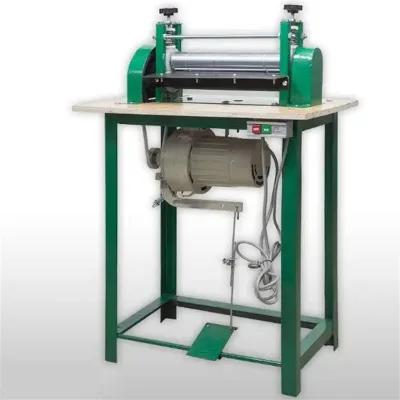
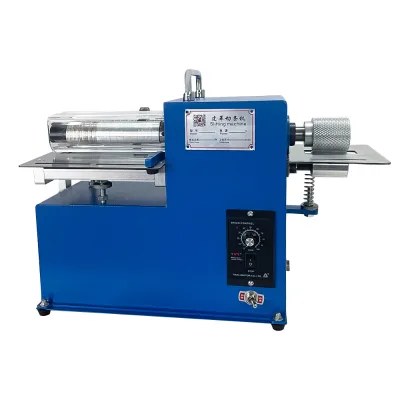
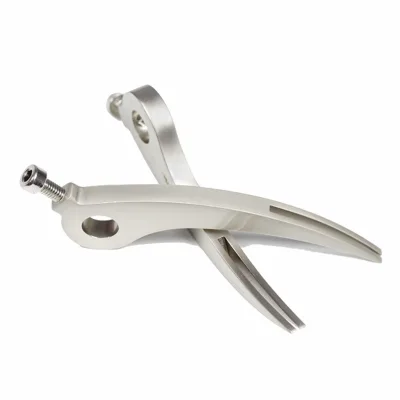
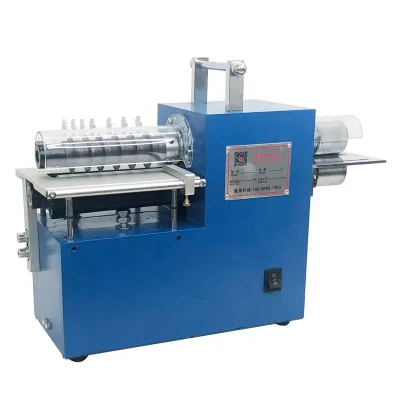






Comprehensive Sourcing Guide
Automatic Leather Strip Cutting Machine Supplier Concentration and Factory Types
The current supplier landscape for automatic leather strip cutting machines reveals a distinct geographic concentration in China, with specific manufacturing hubs identified in Shanxi and Guangdong provinces. Suppliers in Shanxi are often categorized as combined entities, suggesting a hybrid operational model that may blend manufacturing capabilities with trading functions. This structural diversity is critical for buyers to understand, as it influences the flexibility of production schedules and the range of available customization options. In contrast, suppliers located in Guangdong, China, frequently present themselves as manufacturers, trading companies, or distributors and wholesalers. This broader classification indicates a more complex supply chain ecosystem where direct factory access might be mediated by trading arms, potentially affecting communication efficiency and price transparency. The presence of these varied company types across different regions means that buyers must carefully distinguish between pure manufacturing facilities and those that act as intermediaries, as this distinction directly impacts the ability to request specific technical modifications or access detailed production data.
Product evidence further clarifies the operational focus of these suppliers, with many listing main products that include industrial machinery, commercial machinery, packaging machinery, filling machinery, and food machinery alongside leather-specific equipment. This suggests that some suppliers are generalist machinery providers rather than niche leather specialists, which can be advantageous for buyers seeking integrated production lines. However, it also necessitates a deeper verification of their specific expertise in leather processing. The product listings highlight a range of automatic grades, from semi-automatic to fully automatic systems, indicating that the market offers solutions for varying levels of production scale and automation maturity. Buyers should note that while some suppliers emphasize high-speed cutting capabilities, others focus on precision and versatility in handling different materials like non-woven fabrics and PVC. Understanding these product specializations helps in aligning supplier capabilities with specific production requirements, ensuring that the selected machinery meets the exact operational demands of the leather strip cutting process without unnecessary complexity or cost.
How to Verify Automatic Leather Strip Cutting Machine Suppliers
Verification of suppliers requires a multi-layered approach that goes beyond basic company profiles, focusing on tangible evidence of quality and reliability. One critical aspect is the examination of system certifications, where ISO9001:2015 certificates and CE marks are prominently displayed for certain suppliers. These certifications serve as foundational indicators of adherence to international quality management standards and safety regulations, respectively. Buyers should prioritize suppliers who provide these documents, as they reflect a structured approach to manufacturing and compliance. Additionally, third-party verification badges such as BV and TüVRheinland offer an extra layer of confidence, indicating that an independent body has assessed the supplier’s operations. These verifications are particularly valuable in mitigating the risk of engaging with unverified entities, as they provide external validation of the supplier’s claims regarding capacity, quality control, and business legitimacy. Buyers should actively seek out these badges and request copies of the associated reports to ensure they are current and relevant to the specific machinery being purchased.
Beyond certifications, the availability of detailed product attributes and test reports is essential for thorough verification. Suppliers who provide machinery test reports and video outgoing-inspection services demonstrate a commitment to transparency and quality assurance. These resources allow buyers to assess the actual condition and performance of the equipment before shipment, reducing the risk of receiving non-conforming products. The presence of core component details, such as PLCs or motors, along with specific warranty terms, further aids in evaluating the supplier’s confidence in their product’s durability. Buyers should also pay attention to the automatic grade and power source specifications, ensuring they align with their operational needs. By cross-referencing these technical details with the supplier’s stated capabilities and verification status, buyers can construct a comprehensive profile of each potential partner. This rigorous verification process helps in identifying suppliers who not only meet basic requirements but also excel in providing reliable, high-quality automatic leather strip cutting machines backed by robust support and quality assurance mechanisms.
What to Compare Across Automatic Leather Strip Cutting Machine Suppliers
When evaluating multiple suppliers, it is crucial to compare key operational metrics such as response time, lead time, and minimum order quantities (MOQ) to determine which partner best fits your procurement strategy. Response times vary significantly, with some suppliers indicating a rapid response capability of one day, while others may take up to four days or more. A faster response time is often indicative of a more agile and customer-centric organization, which can be vital for resolving technical queries or negotiating terms efficiently. Lead times also differ, ranging from zero days for immediate stock availability to fifteen days for custom orders. Understanding these timelines helps in planning production schedules and managing inventory levels effectively. Additionally, MOQs are generally low, with some suppliers offering a minimum order of just one unit, which is beneficial for small-scale operations or trial orders. Comparing these metrics allows buyers to identify suppliers who offer the best balance of speed, flexibility, and volume requirements, ensuring that the procurement process aligns with their specific business needs and operational constraints.
Product specifications and pricing structures are another critical area for comparison, as they directly impact the total cost of ownership and operational efficiency. Prices for automatic leather strip cutting machines range from approximately $313 to $1,600, depending on the model, features, and automation level. Buyers should analyze the price-to-feature ratio, considering factors such as cutting speed, precision, and additional functionalities like camera integration or customized packaging. The availability of customization options, such as ODM and OEM services, adds value for buyers seeking tailored solutions. Furthermore, the weight and dimensions of the machinery, which can vary from 18kg to 220kg, influence shipping costs and installation requirements. By comparing these detailed product attributes alongside pricing, buyers can make informed decisions that optimize both initial investment and long-term operational performance. This comprehensive comparison ensures that the selected supplier not only offers a competitive price but also provides machinery that meets the specific technical and logistical requirements of the buyer’s production environment.
Common Automatic Leather Strip Cutting Machine Sourcing Risks
One significant risk in sourcing automatic leather strip cutting machines is the potential mismatch between advertised capabilities and actual performance, particularly regarding automation levels and core components. Suppliers may list machines as fully automatic, but the underlying technology, such as the PLC or motor quality, might not meet the demands of high-volume production. This discrepancy can lead to unexpected downtime and maintenance costs, impacting overall productivity. Additionally, the variability in warranty terms, with some suppliers offering only one year of coverage for core components, poses a financial risk if critical parts fail shortly after purchase. Buyers must carefully scrutinize the warranty conditions and the specific components covered to ensure adequate protection against early failures. Another risk is the inconsistency in packaging and shipping standards, as some suppliers use standard export packaging while others provide case packaging. Inadequate packaging can result in damage during transit, leading to delays and additional costs for repairs or replacements. Understanding these risks allows buyers to implement stricter quality control measures and negotiate more favorable terms to mitigate potential losses.
The lack of standardized testing and inspection protocols across suppliers introduces another layer of risk, particularly when dealing with international shipments. While some suppliers provide machinery test reports and video outgoing-inspections, others may not offer such detailed verification, leaving buyers with limited visibility into the machine’s condition before it leaves the factory. This opacity can result in receiving equipment that does not meet the specified performance criteria, requiring costly modifications or returns. Furthermore, the diversity in supplier types, including manufacturers, trading companies, and distributors, can complicate communication and accountability. If a trading company acts as an intermediary, there is a risk of miscommunication regarding technical specifications or after-sales support, potentially leading to suboptimal service. Buyers should prioritize suppliers who provide comprehensive documentation and transparent communication channels to reduce these risks. By proactively addressing these potential pitfalls, buyers can enhance the reliability of their sourcing process and ensure that the acquired machinery performs as expected in their production environment.
Automatic Leather Strip Cutting Machine Regional Sourcing and Logistics
Sourcing automatic leather strip cutting machines from China involves navigating distinct regional logistics advantages and challenges, particularly when dealing with suppliers in Shanxi and Guangdong provinces. Guangdong, as a major manufacturing hub, often offers more streamlined logistics infrastructure, including proximity to major ports and established freight forwarding networks. This can result in faster shipping times and more competitive freight rates, which is beneficial for buyers seeking to minimize lead times and transportation costs. In contrast, suppliers in Shanxi may have different logistical considerations, potentially requiring additional transit time or specialized handling due to their inland location. Buyers should assess the specific shipping requirements and costs associated with each region to determine the most efficient sourcing strategy. Additionally, the weight and dimensions of the machinery, which can vary significantly, impact shipping logistics. Heavier machines, such as those weighing up to 220kg, may require special handling and packaging to ensure safe transport, adding to the overall logistics complexity. Understanding these regional differences allows buyers to optimize their supply chain and reduce potential delays.
Packaging standards also play a crucial role in regional sourcing, as they directly affect the safety and integrity of the machinery during transit. Suppliers in Guangdong often provide case packaging, which offers robust protection for the equipment, while others may use standard export packaging. Buyers should verify the packaging type and ensure it meets their specific shipping requirements to prevent damage. Furthermore, the place of origin indicated on product listings, such as Guangdong, China, can influence the availability of local support and spare parts. Sourcing from a region with a strong industrial base may provide easier access to technical support and maintenance services, enhancing the long-term reliability of the machinery. Buyers should consider these logistical and regional factors when selecting suppliers, as they can significantly impact the overall cost and efficiency of the procurement process. By carefully evaluating the logistics implications of sourcing from different regions, buyers can make informed decisions that align with their operational needs and budget constraints, ensuring a smooth and cost-effective supply chain.
Automatic Leather Strip Cutting Machine Commercial Terms and Order Planning
Effective order planning for automatic leather strip cutting machines requires a thorough understanding of commercial terms, including payment structures, delivery schedules, and after-sales support. Suppliers often provide flexible payment terms, but buyers should negotiate clear conditions to protect their interests and ensure timely delivery. The lead time, which can range from zero to fifteen days, must be factored into production planning to avoid bottlenecks. Buyers should also consider the availability of customization services, such as ODM and OEM, which may extend lead times but offer tailored solutions. Additionally, the warranty terms, typically one year for core components, should be clearly defined in the contract to ensure adequate coverage. After-sales support, including video technical support, is another critical commercial term that can impact long-term operational efficiency. Buyers should verify the availability and responsiveness of support services to ensure they can address any technical issues promptly. By carefully negotiating these commercial terms, buyers can establish a solid foundation for a successful partnership and minimize potential disruptions.
Pricing and MOQs are also key components of order planning, as they influence the overall cost structure and inventory management. Prices for automatic leather strip cutting machines vary widely, from approximately $313 to $1,600, depending on the model and features. Buyers should analyze the total cost of ownership, including shipping, installation, and maintenance, to make informed decisions. Low MOQs, such as one unit, offer flexibility for small-scale operations or trial orders, allowing buyers to test the machinery before committing to larger volumes. However, buyers should also consider the potential benefits of bulk ordering, which may result in price discounts and more favorable shipping terms. Additionally, the customization options available, such as specific voltage requirements or packaging preferences, should be clearly specified to avoid misunderstandings. By integrating these commercial considerations into their order planning, buyers can optimize their procurement strategy, ensuring that they acquire the right machinery at the right price while maintaining operational flexibility and cost efficiency.
FAQs
What is the price range for automatic leather strip cutting machines?
Prices typically range from approximately $313 to $1,600 depending on the model and specifications. Basic semi-automatic units start near $313, while high-speed or heavy-duty automatic machines can reach up to $1,600. Buyers should verify specific pricing for their required capacity and features.
What certifications do these machines usually have?
Most automatic leather strip cutting machines carry CE certification, ensuring compliance with European safety standards. Some suppliers also hold ISO9001:2015 system certifications for quality management. Buyers should request valid certificates to confirm regulatory compliance before placing orders for industrial equipment.
What is the typical lead time for these machines?
Lead times vary significantly by supplier, ranging from zero days for ready stock to fifteen days for standard production. Some manufacturers offer faster turnaround times of seven days. Buyers should confirm exact delivery schedules with suppliers to ensure alignment with their production timelines.
Where are these machines primarily manufactured?
These machines are primarily manufactured in China, with key production hubs located in Guangdong and Shanxi provinces. Guangdong suppliers often specialize in industrial and packaging machinery, while Shanxi suppliers may focus on gear pumps and other industrial components. Buyers can filter by these specific regions.
What is the minimum order quantity for these machines?
The minimum order quantity is typically one unit, allowing buyers to purchase single machines for testing or small-scale operations. This low MOQ facilitates easier entry for new buyers. However, bulk pricing may apply for larger orders, so buyers should inquire about volume discounts.
What core components are used in these machines?
Core components commonly include PLC controllers and electric motors, ensuring reliable automated operation. Some models feature advanced non-woven cutting equipment capabilities. Buyers should verify the specific component brands and warranty terms, which often cover core components for one year.