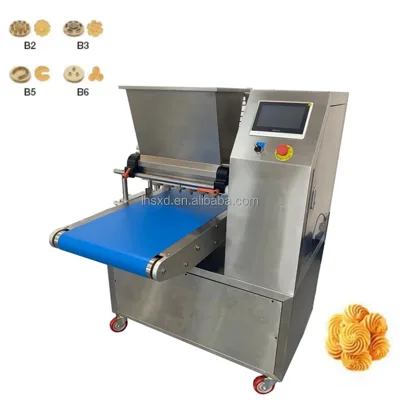
automatic multi-functional biscuit making machine Suppliers and Manufacturers
Explore 28 verified options for the automatic multi-functional biscuit making machine, comparing locations in China, lead times, certifications like ISO 9001, and capacities up to 5 tons per hour. Review product specifications and request quotes directly from these factories to find the right equipment.
Updated
Suppliers List

Shanghai Keyfood Machinery Co., Ltd.
- Verified by BV
- Trading Company,Manufacturer/Factory
- China Shanghai
- Lead time45 days
- Avg. response≤ 4h
Main productsFood Machine, Instant Coffee Line, Juice Production Line, Cheese Making Machine, Packing Machines, Pancake Making Machine, Waffle Production Line, Candy Making Machine, Biscuit Production Line
Main marketsSouth America,Eastern Europe,Mid East,North America,Southeast Asia,Eastern Asia,Oceania,Western Europe,Africa


Automatic Biscuit Making Production Line Multifunctional Cookie Machine
$50000.00 - $75000.00
MOQ: 1 Pieces


Foshan Shunde Skywin Foodstuff Machinery Co., Ltd.
- Verified by TUVRHEINLAND
- Combined
- China Guangdong
- Lead time30 days
- Avg. response≤ 4h
Main productsBiscuit Machine, Sandwich Machine, Food Machinery, Cookies Machine, Packaging Machine, Biscuit Production Line, Cookies Production Line, Creaming Machine
Main marketsAfrica


Biscuit Making Machine Fully Automatic Hard Biscuit Making Machines for Biscuits
$100000.00 - $300000.00
MOQ: 1 Pieces
Henan Foodline Machinery Co., Ltd.
- Trading Company
- Henan, China
- Lead time10 days
- Avg. response≤ 4h
Main productsFried production line,Fruit and vegetable processing machinery,Vending machine,Food trailer,Puffed snack food processing line
Main marketsNorth America(22.00%), Eastern Europe(12.00%), Western Europe(12.00%), Domestic Market(8.00%), Southeast Asia(7.00%), Mid East(6.00%), Central America(6.00%), Oceania(5.00%), Northern Europe(5.00%), Southern Europe(5.00%), South America(4.00%), Africa(3.00%), Eastern Asia(3.00%), South Asia(2.00%)
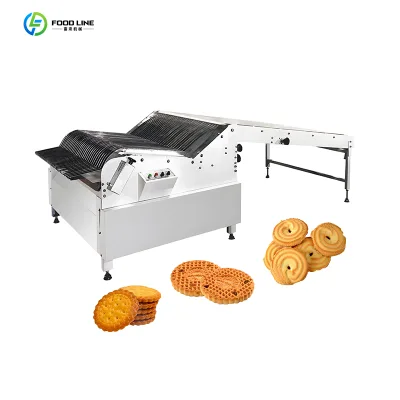
$7699.00 - $13000.00
MOQ: 1 units
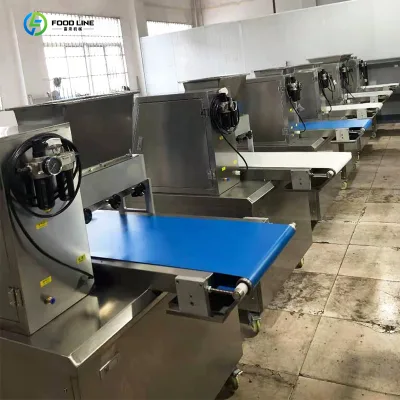
Safety protection Biscuit Machine Multi Specification Adaptive Biscuit Machine
$7699.00 - $13000.00
MOQ: 1
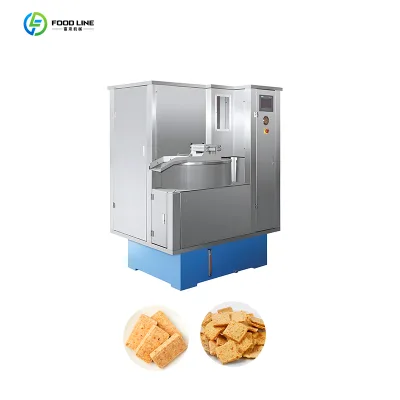
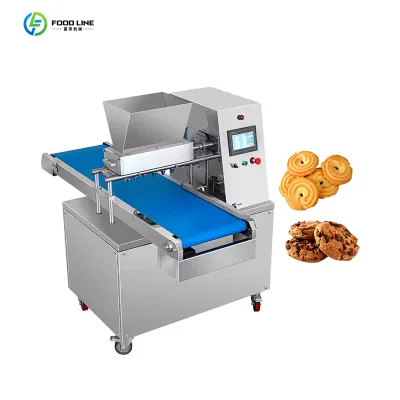
Multiple Choice Customized Pattern Biscuit Making Machine Pie Making Machine
$7699.00 - $13000.00
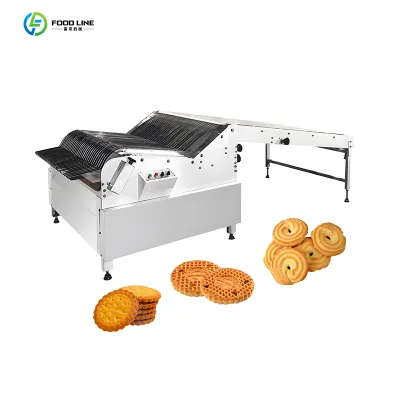
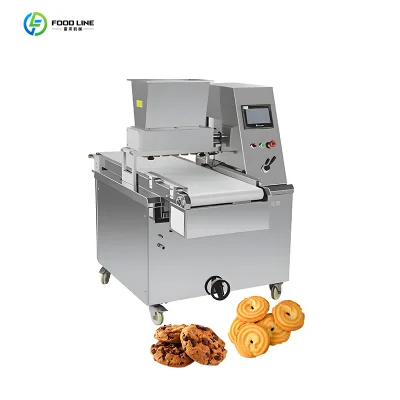
Italy Biscuit Making Machine Biscuit Making Machine Production Line
$3301.5404 - $7222.1195
MOQ: 1 units

Shanghai Target Industry Co., Ltd.
- Verified by TUVRHEINLAND
- Combined
- China Shanghai
- Lead time30 days
- Avg. response≤ 6h
Main productsCake Production Machine, Biscuit Machine, Chocolate Machine, Candy Machine, Confectionery Machinery, Packing Machine, Marshmallow Machine, Candy&Biscuit&Chocolate Mould, Cookie Machine, Food Machine
Main marketsSoutheast Asia/ Mideast,North America


Simple Operation Full Automatic Industry Biscuit Making Machine Price
$160000.00 - $180000.00
MOQ: 1 Sets
Jiangsu Haitel Machinery Co., Ltd.
- Manufacturer, Trading Company
- Jiangsu, China
- Lead time30 days
- Avg. response≤ 3h
Main productsPacking Machine,Food Machine,Candy Machine,Oatmeal Machine,Potato Chips Machine
Main marketsSoutheast Asia(20.00%), Domestic Market(17.00%), South Asia(16.00%), Mid East(11.00%), North America(10.00%), South America(8.00%), Western Europe(5.00%), Southern Europe(5.00%), Northern Europe(4.00%), Oceania(2.00%), Africa(2.00%)

Shanghai Kuihong Food Machinery Factory
- Combined
- China Shanghai
- Lead time38 days
- Avg. response≤ 13h
Main productsBiscuit Machine, Cake Machine, Cookie Machine, Baked Potato Chips Machine, Chocolate Machine, Hard Candy Machine, Jelly Candy Machine, Marshmallow Machine, Swiss Roll Machine, Lollipop Machine
Main marketsAfrica,Southeast Asia/ Mideast,North America


Automatic Biscuit Making Machine; Biscuit Making Machine Fully Automatic
$40000.00 - $200000.00
MOQ: 1 Sets


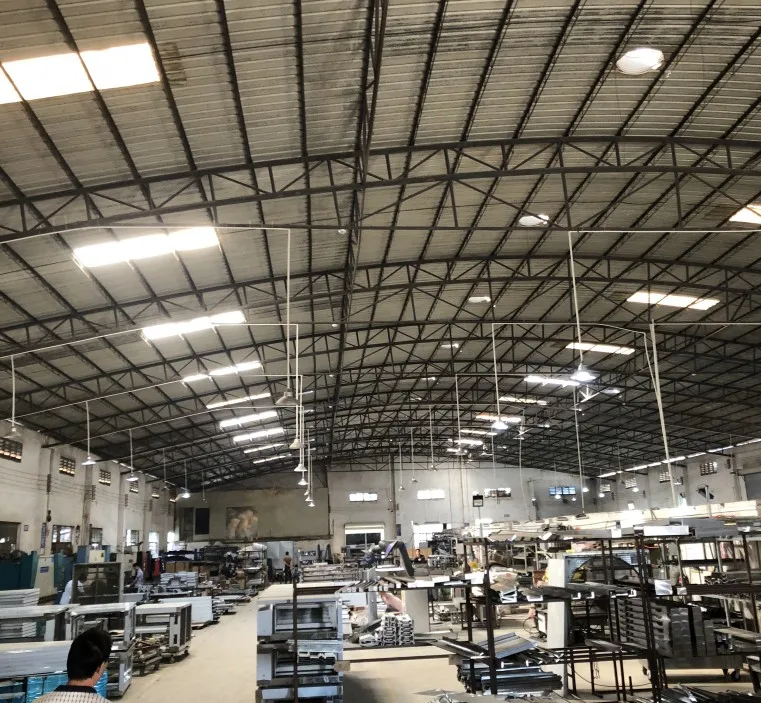
Shijiazhuang Bake Machine Tech Co., Ltd.
- Trading Company
- Hebei, China
- Lead time5 days
- Avg. response≤ 6h
Main productsBakery Machine,Bakery Production Line,Bread Making Machine,Bakery Equipment,Deck Oven
Main marketsNorth America(30.00%), Africa(15.00%), Western Europe(12.00%), Mid East(10.00%), Eastern Europe(5.00%), Northern Europe(5.00%), Central America(5.00%), Southern Europe(5.00%), South America(5.00%), Southeast Asia(3.00%), South Asia(2.00%), Domestic Market(1.00%), Eastern Asia(1.00%), Oceania(1.00%)

Zhengzhou Hento Machinery Co., Ltd.
- Verified by SGS
- Trading Company,Manufacturer/Factory,Group Corporation
- China Henan
- Lead time15 days
- Avg. response≤ 6h
Main productsMeat Processing Machinery, Egg Processing Machinery, Dairy Processing Machinery, Fruit & Vegetable Processing Machinery, Grain Product Making Machines, Snack Machines, Nuts Processing Machinery, Packing Machines, Drying Machines, Commodity Making Machines
Main marketsSouth America,Eastern Europe,Mid East,North America,Southeast Asia,Eastern Asia,Oceania,Western Europe,Africa


Professionally Provides Biscuit Machine / Automatic Biscuit Making Machine
$2779.00 - $3609.00
MOQ: 1 Sets
Jiaozuo Zhoufeng Machinery Co., Ltd.
- Trading Company
- Henan, China
- Lead time5 days
- Avg. response≤ 9h
Main productsFood machine,Farm machine,environmental protection machine,Home use machine,Biomass briquette production line
Main marketsMid East(10.00%), South Asia(10.00%), Africa(10.00%), Southeast Asia(10.00%), Domestic Market(10.00%), Central America(10.00%), North America(10.00%), South America(8.00%), Eastern Asia(7.00%), Northern Europe(5.00%), Western Europe(5.00%), Oceania(2.00%), Eastern Europe(2.00%), Southern Europe(1.00%)
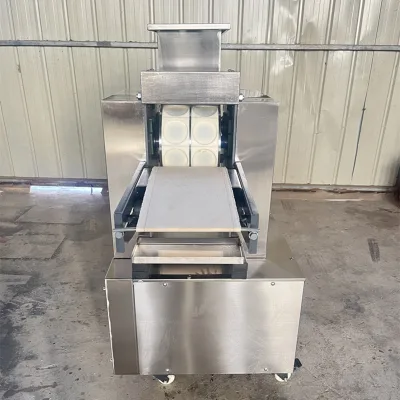
Automatic Electric Rotary Type Multifunction Crispy Wafer Biscuit Making Machine
$1550.00 - $3440.00
MOQ: 1 Minimum
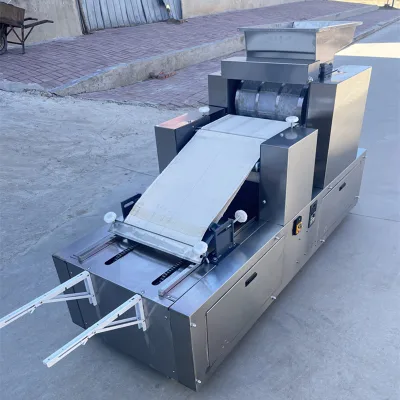
Stainless Steel Crispy Biscuit Forming and Making Machine Automatic Biscuit Production Line
$1550.00 - $3440.00
MOQ: 1 Minimum
Luohe Orange Mechanical Equipment Co., Ltd.
- Verified by SGS Group
- Manufacturer, Trading Company
- Lead time15 days
- Avg. response≤ 2h
Main productsFood processing production line, Baking equipment, Candy Production Line, Dairy Processing Machines, Packaging Machinery
Main marketsNorth America(23%), South Asia(13%), South America(12%)
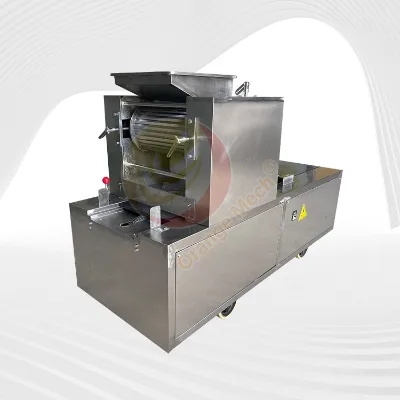
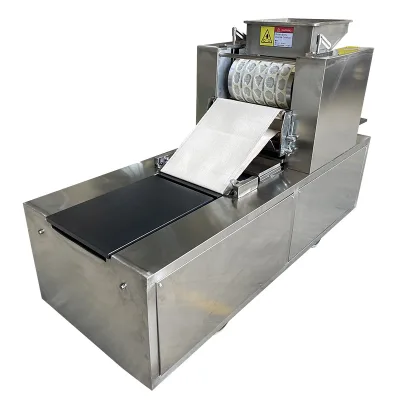
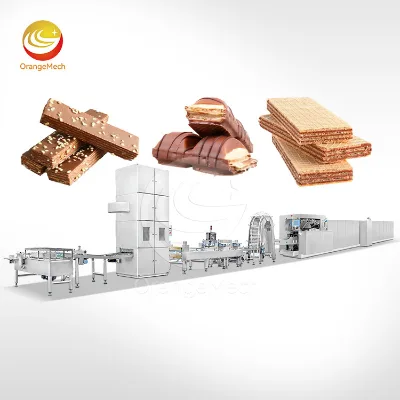
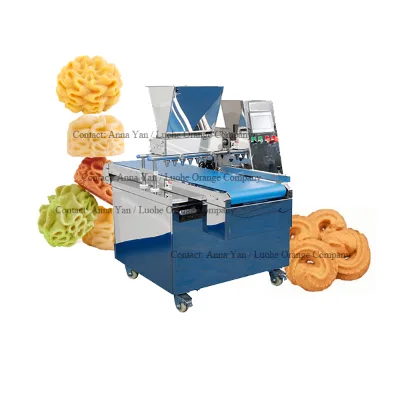
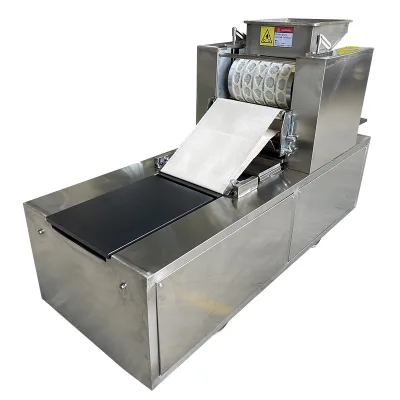
Automatic Biscuit Cookie Forming Machine Industrial Rotary Cookie Biscuit Making Machine
$3059.38 - $3244.80
MOQ: 1 sets
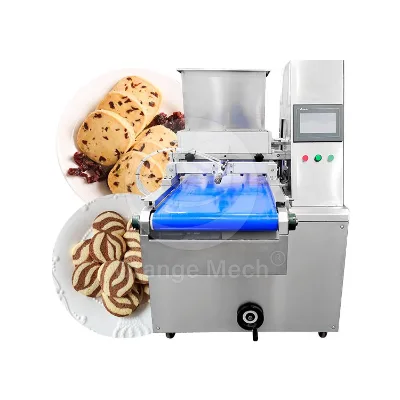
$14345.1739 - $15369.8292
MOQ: 1 sets

Zhengzhou Honest Machinery Co., Ltd.
- Trading Company,Manufacturer/Factory
- China Henan
- Lead time15 days
- Avg. response≤ 5h
Main productsFood Machinery, Packing Machines, Microwave Equipment, Drying Machines, Grain Product Making Machines, Commodity Making Machines, Texitle Machines, Construction Machinery
Main marketsSouth America,Eastern Europe,Mid East,North America,Southeast Asia,Eastern Asia,Oceania,Western Europe,Africa

Snack Machinery Biscuit Making Machine / Automatic Biscuit Making Machine
$2779.00 - $3609.00
MOQ: 1 Sets

China Manufacturer Biscuit Forming Machine / Automatic Biscuit Making Machine
$16729.00 - $19239.00
MOQ: 1 Sets


Biscuits Machine / Biscuit Maker / Automatic Biscuit Making Machine Price
$2779.00 - $3609.00
MOQ: 1 Sets

Bakery Equipment Biscuits Machine / Biscuit Making Machine / Biscuit Machinery
$2779.00 - $3609.00
MOQ: 1 Sets
Zhengzhou Inber Machinery Co., Ltd.
- Trading Company
- Henan, China
- Lead time5 days
- Avg. response≤ 9h
Main productsfarm machinery,food machinery
Main marketsDomestic Market(10.00%), South Asia(10.00%), Northern Europe(10.00%), Central America(10.00%), Eastern Asia(10.00%), Mid East(10.00%), Africa(10.00%), Southeast Asia(10.00%), South America(10.00%), North America(10.00%)

Henan Smile Technology Industrial Co., Ltd.
- Verified by SGS
- Trading Company,Manufacturer/Factory
- China Henan
- Lead time0 days
- Avg. response≤ 8h
Main productsBaking Oven, Industrial Mixer, Laboratory Equipment, Bakery Equipment, Bakery Processor, Kitchen Equipment, Refrigeration Series, Fast Food Equipment, Juicer Extractor Machine

Henan Foodline Machinery Co., Ltd.
- Verified by TUVRHEINLAND
- Trading Company
- China Henan
- Lead time15 days
- Avg. response≤ 4h
Main productsFreeze Dryer, Cold Storage, French Fries Machine, Color Sorter Machine, Round Trailer, Pasteurizing Machine, Doughnut Production Line, Commercial Meat Slicer, Biscuit Machine, Vegetable Washing Machine
Main marketsEurope,North America
FAM Machinery (Shanghai) Co. Ltd
- Manufacturer, Trading Company
- Shanghai, China
- Lead time15 days
- Avg. response≤ 3h
Main productsCookie Machine,Bakery Equipment,Cake Machine,Biscuit Machine,Production line
Main marketsSouthern Europe(10.00%), Western Europe(10.00%), Eastern Asia(10.00%), Mid East(10.00%), Oceania(10.00%), Africa(10.00%), Southeast Asia(10.00%), Eastern Europe(10.00%), South America(10.00%), North America(10.00%)
Zhengzhou Taizy Trading Co., Ltd.
- Verified by TüVRheinland
- Trading Company
- Lead time7 days
- Avg. response≤ 3h
Main productsSnack Frying Machine, Fruit Vegetable Washing Line, Nuts Roasting Seasoning Line, Grain Product Making Machine, Multifunction Packing Machine
Main marketsSoutheast Asia(17%), Domestic Market(14%), North America(11%)
LUOHE NINE LEMON IMPORT & EXPORT CO., LTD.
- Verified by SGS Group
- Trading Company
- Lead time15 days
- Avg. response≤ 8h
Main productsBread Production Line, Vegetable and Fruit Processing Equipment, Meat Processing Equipment, Bakery Equipment, Packing Solution
Main marketsMid East(30%), North America(20%), South America(10%)
Henan Banglan Machinery Co., Ltd.
- Verified by TüVRheinland
- Trading Company
- Lead time15 days
- Avg. response≤ 1h
Main productsIndustrial Machinery, Meat Processing Machinery, Food Processing Machinery, Packaging Machinery, Paper Product Making Machinery
Main marketsAfrica(25%), Southeast Asia(17%), South America(16%)
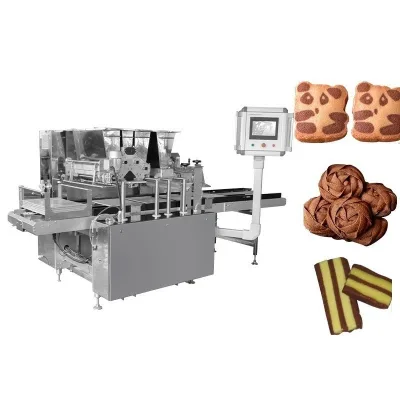
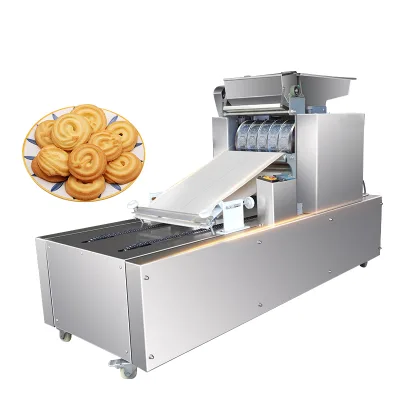
High Quality Biscuits Forming Machine Soft and Hard Automatic Biscuit Making Machine
$1950.8528 - $2053.5293
MOQ: 1 sets
Luohe Juyou Commercial & Trading Co., Ltd.
- Manufacturer, Trading Company
- Lead time旺季: "1 - 1":15,"> 1":"To be negotiated", 淡季: "1 - 1":15,"> 1":"To be negotiated"
- Avg. response≤ 3h
Main productsCookie Machine, Fruit and Vegetable Machine, Automatic Stir Frying Cooker, Meat Machine
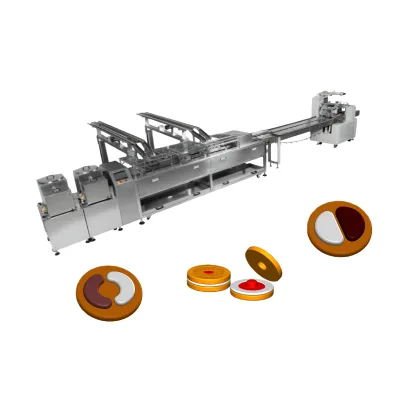
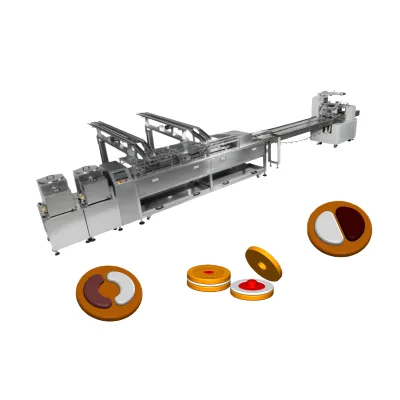
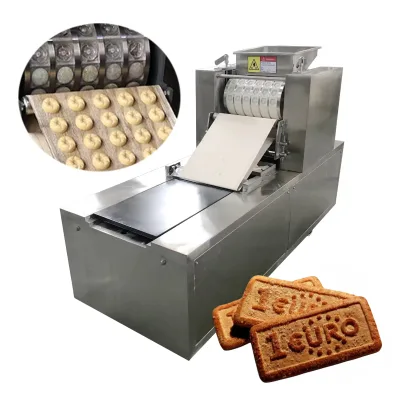
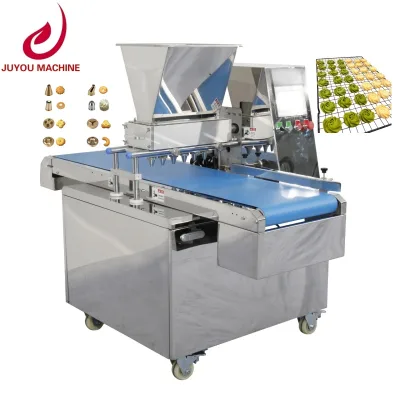
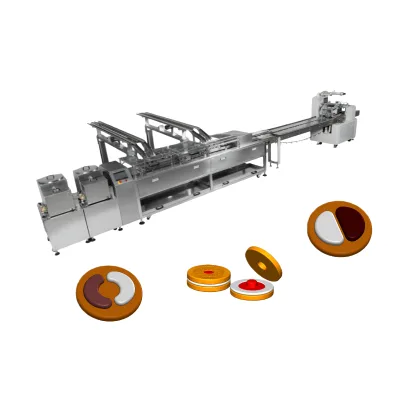
High Performance Automatic Double Color Sandwich Biscuit Making Machine with Motor for Bakery
$35936.7624
MOQ: 1 Minimum
Jiangsu Haitel Machinery Co., Ltd.
- Manufacturer, Trading Company
- Lead time旺季: "1 - 1":60,"2 - 2":60,"> 2":"To be negotiated", 淡季: "1 - 1":60,"2 - 2":60,"> 2":"To be negotiated"
- Avg. response≤ 3h
Main productsPacking Machine,Food Machine,Candy Machine,Oatmeal Machine,Potato Chips Machine
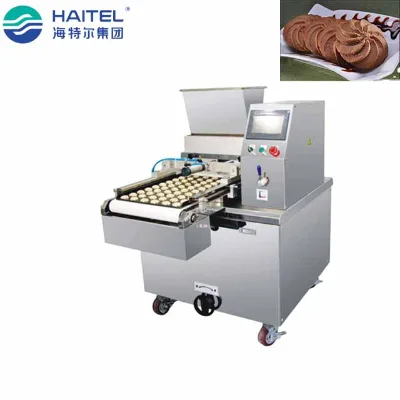
Multi-functional Automatic Two Color Cookies Making Machine/cookie Dough Extruder
$8197.2422 - $9221.8975
MOQ: 1 sets
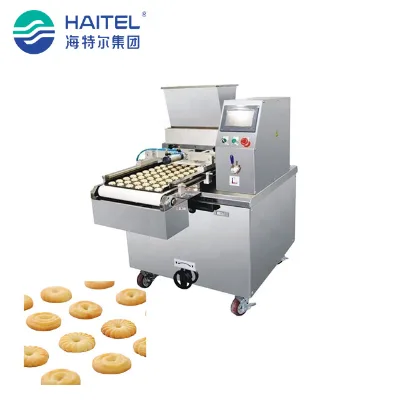
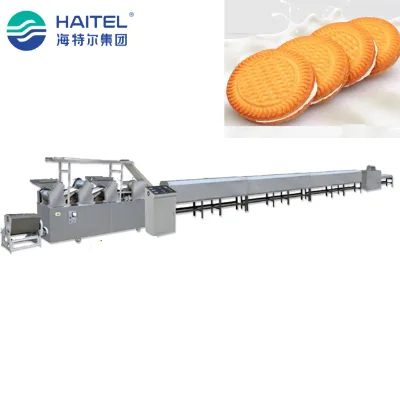
Low Cost Automatic Small Scale Industries Biscuit Manufacture Making Machine Price
$29000.00 - $30000.00
MOQ: 1 sets
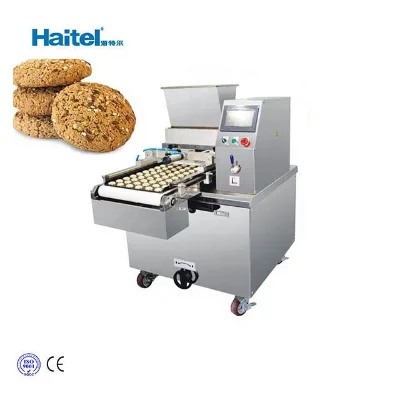
0.75kw Automatic Marshmallow Oat Cookies Cookie Making Machine
$8800.00 - $9000.00
Henan Yanneng Intelligent Technology Co., Ltd.
- Trading Company
- Henan, China
- Lead time10 days
- Avg. response≤ 3h
Main productsFood processing machinery,Packaging machinery
Main marketsNorthern Europe(30.00%), North America(20.00%), Mid East(20.00%), Southeast Asia(20.00%), Domestic Market(10.00%)
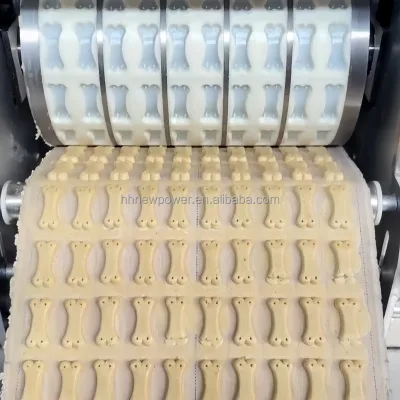
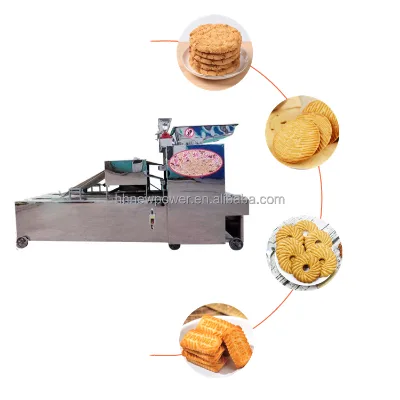
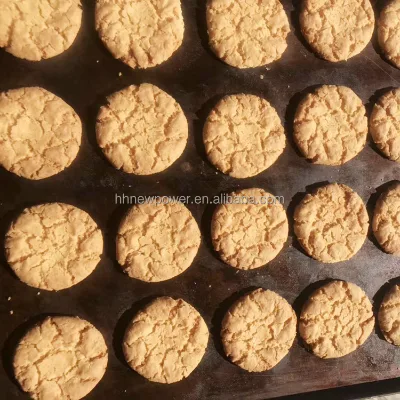
$1900.00 - $3800.00
MOQ: 1 sets
Hunan Kangxin Technology Co., Ltd.
- Verified by SGS Group
- Trading Company
- Lead time15 days
- Avg. response≤ 2h
Main productsDumpling Machine, Food Machinery, Oven, Baking Machinery, Refrigeration Equipment
Main marketsDomestic Market(40%), North America(20%), Western Europe(20%)

Shanghai Jingyao Industrial Co., Ltd.
- Verified by BV
- Manufacturer/Factory
- China Shanghai
- Lead time15 days
- Avg. response≤ 4h
Main productsFood Truck/Cart/Car/Trailer/Van/Caravan/Trolley, Bakery Equipment, Bakery Oven Machine, Rotary Oven, Ice Flake Machine, Ice Cube Machine, Ice Block Machine, Ice Tube Machine, Ice Evaporator, Ice Machine
Main marketsSouth America,Eastern Europe,Mid East,North America,Southeast Asia,Eastern Asia,Oceania,Western Europe,Africa

Industrial Biscuit Making Machine Fully Automatic for Biscuit Production Line
$80000.11 - $180000.11
MOQ: 1 Pieces

Biscuits Making Machine Bakery Bakery-Machine Biscuit Biscuit Mold Machine
$24500.00 - $29000.00
MOQ: 1 Pieces
Jiaozuo Zhiyou Machinery Co., Ltd.
- Trading Company
- henan, China
- Lead time7 days
- Avg. response≤ 2h
Main productsFood machine,Farm machine,Drying machine,Pellet machine,Recycling Machine
Main marketsMid East(12.00%), Africa(11.00%), North America(10.00%), Oceania(10.00%), Southeast Asia(9.00%), Eastern Asia(8.00%), South Asia(7.00%), South America(6.00%), Southern Europe(6.00%), Northern Europe(5.00%), Eastern Europe(5.00%), Western Europe(4.00%), Domestic Market(4.00%), Central America(3.00%)
Labor Saving Cookie Making Machine for Sale
$600.00 - $750.00
ZHE CHENG HONGXIN MACHINRERY FACTORY
- Verified by TüVRheinland
- Manufacturer, Trading Company
- Lead time15 days
- Avg. response≤ 3h
Main productsIntestine Case Cleaning Machine, Sesame Peeling Machine, Cardboard Expanding Shredder Machine, Flax Brake, Grain Thresher Machine
Main marketsNorth America(20%), Southeast Asia(20%), Africa(20%)
Shenzhen Shuxiao Machinery Equipment Co., Ltd.
- Manufacturer
- Guangdong, China
- Lead time0 days
- Avg. response≤ 2h
Main productsIndustrial machinery,commercial equipment and machinery,Food & Beverage Machinery
Main marketsEastern Europe(30.00%), North America(20.00%), South America(10.00%), Domestic Market(5.00%), Northern Europe(5.00%), Western Europe(5.00%), Eastern Asia(5.00%), Mid East(5.00%), Oceania(5.00%), Africa(5.00%), Southeast Asia(5.00%)
Henan Xifa Network Technology Co., Ltd.
- Verified by Intertek
- Manufacturer, Trading Company
- Lead time7 days
- Avg. response≤ 1h
Main productsAnimal Cages, Tractors, Feed Processing Machinery, Excavators
Main marketsNorth America(20%), Domestic Market(20%), Africa(15%)
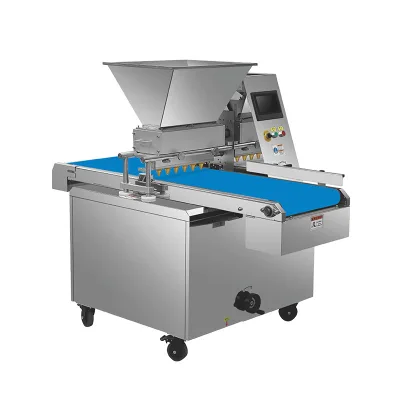
$8908.6501 - $9104.4555
MOQ: 1 pieces
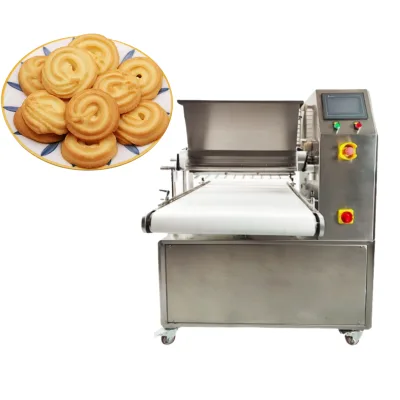
$8550.00 - $8599.00
MOQ: 1 pieces
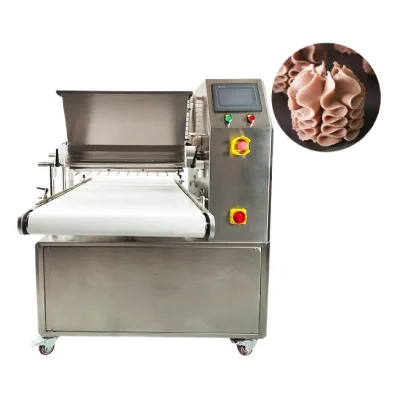
Electric Automatic Cookie Maker Machine With Timer and Temperature Control Features
$8720.00 - $8739.00
MOQ: 1 pieces
Luohe Xingdian Electromechanical Equipment Co., Ltd.
- Verified by SGS Group
- Trading Company
- Lead time7 days
- Avg. response≤ 1h
Main productsFood making machine, Powder milling machine, Farm machine, Water well drilling machine
Main marketsNorth America(35%), Africa(30%), Southeast Asia(14%)
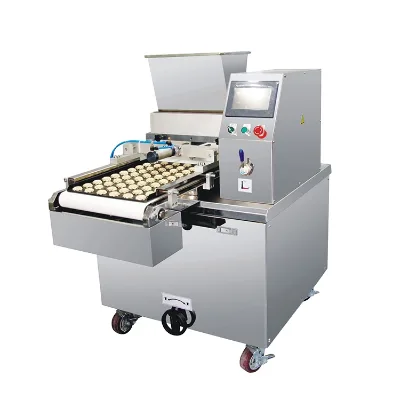
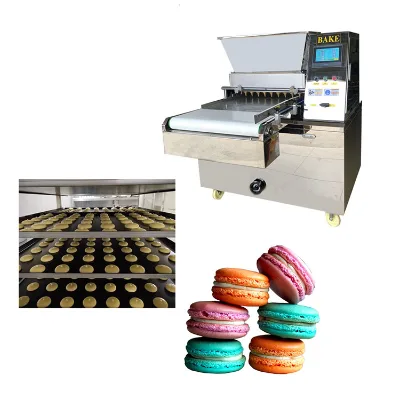
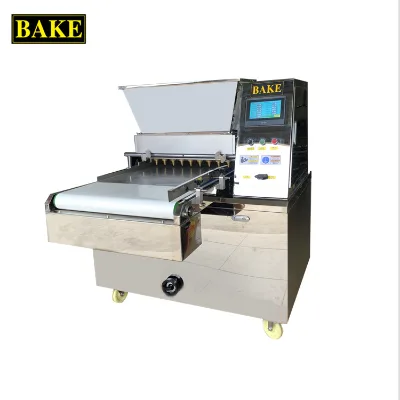
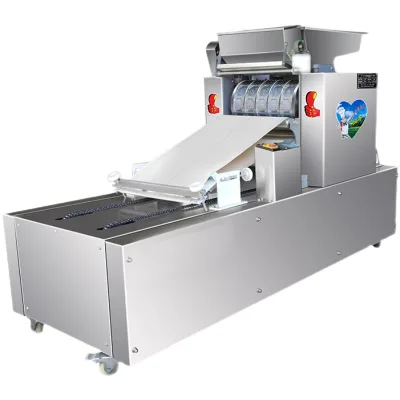


Comprehensive Sourcing Guide
Automatic Multi-Functional Biscuit Making Machine Supplier Concentration and Factory Types
The current supplier landscape for automatic multi-functional biscuit making machines reveals a distinct geographic concentration in China, with specific hubs identified in Shanghai and Guangdong. These regions serve as primary manufacturing centers for food processing equipment, offering buyers access to established industrial clusters that specialize in bakery machinery. Suppliers located in Shanghai often highlight their origin in product attributes, indicating a strong local supply chain for components and assembly. Meanwhile, Guangdong-based suppliers contribute to the market with combined operational models, suggesting a diverse ecosystem where manufacturing capabilities are distributed across different provincial zones. This geographic clustering allows for efficient logistics and specialized labor pools, which are critical for producing complex machinery like automatic biscuit lines. Buyers should recognize that these locations are not merely administrative addresses but represent active industrial zones where factory infrastructure and technical expertise are concentrated. Understanding this spatial distribution helps in assessing the potential for site visits and the reliability of local support networks.
Within these geographic hubs, the supplier types vary significantly, ranging from pure trading companies to manufacturer-factories and combined entities. Some suppliers operate as trading companies, focusing on sourcing and distribution, while others are manufacturer-factories with direct production capabilities. A notable segment includes combined companies that blend both functions, potentially offering greater flexibility in customization and direct factory pricing. This diversity in company types impacts the buyer’s decision-making process, as each type offers different advantages regarding price negotiation, technical support, and inventory management. For instance, manufacturer-factories may provide more direct control over production quality and lead times, whereas trading companies might offer a broader portfolio of compatible accessories or alternative machine models. The presence of both types in the search results indicates a mature market where buyers can choose based on their specific needs for direct engagement versus comprehensive service offerings. Recognizing these structural differences is essential for aligning supplier selection with project requirements.
How to Verify Automatic Multi-Functional Biscuit Making Machine Suppliers
Verification of suppliers requires a multi-layered approach that examines both corporate credentials and product-specific certifications. Buyers should prioritize suppliers who display third-party verification badges, such as BV or TÜV Rheinland, which indicate that an independent agency has audited the company’s business legitimacy and operational capabilities. These verification marks serve as a foundational trust signal, confirming that the entity is a registered and active business. Beyond basic verification, it is crucial to inspect the system certifications held by the supplier, such as ISO 9001, ISO 14000, or PAS 28000. These standards reflect the supplier’s commitment to quality management, environmental responsibility, and security protocols, which are particularly important for food processing equipment manufacturers. Additionally, product-level certifications like ISOCE or CE marks should be checked to ensure compliance with international safety and performance standards. These certifications are not merely decorative; they often dictate the machine’s ability to operate safely in various regulatory environments, making them a non-negotiable aspect of supplier assessment.
In addition to static credentials, buyers must evaluate the supplier’s responsiveness and technical support infrastructure. Response time metrics, such as those averaging around 3.20 to 3.27 hours, provide insight into the supplier’s operational efficiency and customer service readiness. A quick response time often correlates with a more agile organization capable of handling inquiries and custom requests promptly. Furthermore, the availability of detailed product attributes, such as automatic grade, power source specifications, and customization options, serves as a proxy for technical transparency. Suppliers that provide comprehensive data on control systems, drive types, and sensor brands demonstrate a higher level of product knowledge and confidence in their offerings. Buyers should also look for evidence of after-sales service provisions, including installation, commissioning, and training, which are critical for the successful deployment of complex machinery. By cross-referencing these dynamic metrics with static certifications, buyers can build a robust profile of supplier reliability and technical competence.
What to Compare Across Automatic Multi-Functional Biscuit Making Machine Suppliers
When comparing suppliers, capacity and production speed are primary differentiators that directly impact operational efficiency. Automatic multi-functional biscuit making machines vary widely in their hourly output, with some models offering capacities ranging from 100kg/H to 5 tons/H, while others may specify narrower ranges like 1000-4000kg/H for high-volume industrial lines. Buyers must align these capacity figures with their projected production volumes to avoid bottlenecks or underutilization of equipment. Alongside capacity, the versatility of the machine is a key comparison point, as some units are designed for soft biscuits, hard biscuits, or cookies, while others offer multi-functional capabilities for various biscuit types. The ability to customize the shape of the biscuit and the processing material is another critical factor, allowing buyers to tailor the equipment to specific product lines. Suppliers that offer extensive customization options, such as adjustable voltage or specific power sources, provide greater flexibility for integration into existing factory layouts.
Price and minimum order quantity (MOQ) are also essential variables in the comparison process. Prices for these machines can range significantly, from entry-level models around $15,000 to high-end automated lines exceeding $75,000. This wide price band reflects differences in automation levels, material quality, and brand reputation. Buyers should evaluate the price in the context of the included features, such as PLC control systems, touch screens, and full servo drives, which justify higher price points. Additionally, the MOQ is typically low, often set at just one unit, which facilitates trial orders and reduces initial financial risk. However, buyers should also consider the lead time, which can vary from 30 to 50 days depending on the supplier’s location and current order backlog. Comparing these commercial terms alongside technical specifications allows for a holistic assessment of value, ensuring that the selected supplier offers the best balance of cost, capability, and delivery speed for the buyer’s specific operational needs.
Common Automatic Multi-Functional Biscuit Making Machine Sourcing Risks
One significant risk in sourcing automatic multi-functional biscuit making machines is the potential mismatch between advertised specifications and actual performance. Suppliers may list broad capacity ranges or generic certifications that do not accurately reflect the machine’s real-world capabilities under continuous operation. For instance, a claimed capacity of 5 tons/H might only be achievable under ideal conditions with specific dough formulations, leading to production shortfalls in practical scenarios. Buyers must scrutinize the detailed product attributes, such as the specific gearbox brand, sensor quality, and drive type, to gauge the machine’s durability and precision. Relying solely on high-level marketing keywords can obscure these critical technical details, resulting in the acquisition of equipment that fails to meet production demands. This risk is exacerbated when suppliers provide limited transparency about the components used, making it difficult to assess long-term reliability and maintenance costs.
Another risk involves the variability in after-sales support and installation services. While many suppliers claim to offer installation, commissioning, and training, the actual quality and extent of these services can vary greatly. Some suppliers may provide only online technical support, which can be insufficient for complex machinery that requires hands-on calibration and troubleshooting. Buyers must verify the specifics of the after-sales package, including the availability of spare parts, the duration of the warranty, and the responsiveness of technical teams. The absence of clear service agreements or the presence of vague terms like "customized" packing and standards can indicate a lack of standardized support processes. Additionally, the risk of communication barriers and time zone differences can delay critical issue resolution, impacting production uptime. To mitigate these risks, buyers should request detailed service manuals, case studies of previous installations, and clear definitions of warranty coverage before finalizing any purchase agreement.
Automatic Multi-Functional Biscuit Making Machine Regional Sourcing and Logistics
Sourcing from specific regions like Shanghai and Guangdong offers distinct logistical advantages and challenges that buyers must navigate. Shanghai-based suppliers often benefit from proximity to major ports and established industrial infrastructure, which can streamline the export process for heavy machinery. The product attributes frequently indicate Shanghai as the origin, suggesting a mature local ecosystem for component sourcing and assembly. This regional concentration can lead to more consistent quality control and faster turnaround times for standard models. However, buyers must also consider the specific logistics requirements for shipping large, heavy equipment, such as the 400kg or 3400kg machines identified in the results. Proper packaging, such as wooden boxes or customized crates, is essential to protect the machinery during transit, and suppliers should provide detailed packing specifications to ensure safe delivery. Understanding the regional logistics landscape helps in estimating shipping costs and transit times accurately.
Guangdong-based suppliers, often operating as combined entities, may offer different logistical dynamics due to their location in a major manufacturing hub with extensive export networks. The lead times from these regions can be competitive, with some suppliers indicating a 30-day turnaround, which is faster than the 45-day lead times observed from other locations. This speed can be advantageous for buyers with tight production schedules. However, the variability in supplier types, including trading companies and manufacturer-factories, can impact the consistency of logistics management. Buyers should verify the supplier’s experience in international shipping and their ability to handle customs documentation and freight forwarding. Additionally, the choice of region may influence the availability of local technicians for installation and training, which is a critical factor for successful machine deployment. By evaluating the logistical capabilities of suppliers in different regions, buyers can optimize their supply chain for efficiency and reliability.
Automatic Multi-Functional Biscuit Making Machine Commercial Terms and Order Planning
Order planning for automatic multi-functional biscuit making machines requires careful consideration of commercial terms, including payment structures and delivery schedules. Suppliers typically offer flexible payment terms, but buyers should negotiate for secure methods such as escrow services to protect their financial interests until the goods are received and verified. The lead time, which can range from 30 to 50 days, must be factored into the production schedule to avoid delays in launching new product lines. Buyers should also clarify the delivery terms, such as FOB or CIF, to determine who is responsible for shipping costs and insurance. Understanding these commercial terms helps in budgeting accurately and managing cash flow effectively. Additionally, buyers should inquire about the supplier’s policy on changes or cancellations, as custom-made machinery may have stricter terms regarding modifications after order placement.
Warranty and maintenance agreements are critical components of the commercial terms that buyers must negotiate. Most suppliers offer a one-year warranty, but the scope of coverage should be clearly defined, including whether it covers parts, labor, or both. Buyers should also discuss the availability of extended warranty options and the cost of spare parts. The inclusion of installation, commissioning, and training services in the initial price is a significant value add, but buyers must confirm the extent of these services to ensure they meet their operational needs. Furthermore, buyers should evaluate the supplier’s responsiveness to post-warranty support, as ongoing maintenance is essential for the longevity of the machinery. By thoroughly reviewing and negotiating these commercial terms, buyers can secure a favorable agreement that minimizes risk and maximizes the return on investment for their automatic multi-functional biscuit making machine purchase.
FAQs
What is the price range for automatic biscuit machines?
Prices typically range from $15,000 to $75,000 depending on capacity and features. Lower-cost models around $15,000 to $23,000 offer basic functionality, while high-capacity lines reaching $75,000 provide advanced automation. Buyers should verify specific pricing based on their required production speed and customization needs.
What is the minimum order quantity for these machines?
The minimum order quantity is generally one unit, allowing buyers to purchase single machines for testing or small-scale production. This low MOQ facilitates easier entry for new businesses or those expanding their bakery operations without committing to large bulk orders immediately.
How long does delivery take for biscuit production lines?
Delivery times usually span 30 to 50 days after order confirmation. Most suppliers indicate a standard lead time of 45 days, though some offer faster turnaround options around 30 days. Buyers should confirm exact schedules with suppliers to align with their production launch timelines.
What certifications do these biscuit machines hold?
Machines commonly hold ISO 9001, ISO 14000, and PAS 28000 system certifications. Product-specific certifications often include ISOCE or CE marks, ensuring compliance with international safety and quality standards. Buyers should request valid certificates to verify regulatory compliance for their target markets.
Where are these biscuit machines manufactured?
Manufacturing locations are primarily in China, specifically in Shanghai and Guangdong provinces. These regions are known for their robust machinery supply chains. Buyers can expect products originating from these hubs, which often offer competitive pricing and established export infrastructure for global shipping.
What production capacity is available for automatic biscuit machines?
Capacities range from 100kg/H up to 4000kg/H depending on the model. Smaller units handle 100kg/H to 5 tons/H, while large industrial lines can reach 4000kg/H. Buyers should select capacity based on their daily output requirements to ensure efficient production flow.
What after-sales support is provided for these machines?
Support typically includes installation, commissioning, and operator training services. Many suppliers offer online technical support for troubleshooting and maintenance guidance. Buyers should confirm the extent of warranty coverage, often one year, and available spare parts to ensure long-term operational reliability.