Automatic Twin Spindle Ball Machine Suppliers and Manufacturers
Compare 19 verified suppliers of automatic twin spindle ball machines based on location, lead times, certifications, and response times. Review product specifications like head counts and customization options before contacting factories in China Shandong for quotes; review the available evidence before requesting comparable quotations from suitable candidates.
Updated
Suppliers List

- Verified by TUVRHEINLAND
- Combined
- China Shandong
- Lead time23 days
- Avg. response≤ 18h
Main productsPP PE Monofilament Extruder, Rope Making Machine, Ring Twister, Inflow Twister, Spool Winder, Ball Winder, Rope, PP PE Raffia Extruder, PP PE Danline Extruder, Pet Monofilament Extruder
Main marketsSouth America,Africa,Southeast Asia/ Mideast,Europe,Australia
Laizhou Kaihui Machinery Co., Ltd.
- Verified by TüVRheinland
- Manufacturer, Trading Company
- Lead time30 days
- Avg. response≤ 2h
Main productsPlastic Extrusion Line, Rope Making Machine, Plastic Recycling Line, Winding Machine, Twisting Machine
Main marketsSoutheast Asia(25%), South America(20%), Africa(15%)

Laizhou Lutong Plastics Co., Ltd.
- Manufacturer, Trading Company
- shandong, China
- Lead time30 days
- Avg. response≤ 12h
Main productsRope,Plastic Machine,Yarn Making machine,Rope Making Mchine,PP Rope
Main marketsNorth America(20.00%), Eastern Asia(17.00%), Western Europe(13.00%), Southeast Asia(13.00%), Domestic Market(10.00%), Northern Europe(10.00%), Africa(6.00%), South Asia(4.00%), South America(3.00%), Mid East(1.00%), Oceania(1.00%), Eastern Europe(1.00%), Southern Europe(1.00%)

Laizhou Kaihui Machinery Co., Ltd.
- Verified by BV
- Combined
- China Shandong
- Lead time15 days
- Avg. response≤ 2h
Main productsPlastic Extruding Machines, Rope Making Machines, Plastic Recycling Machines, Twisting Machines, Winding Machines
Main marketsSouth America,Africa,Others(foreignTradeCapacity.exportBusinessCapacityMarketOther),Southeast Asia/ Mideast,Europe

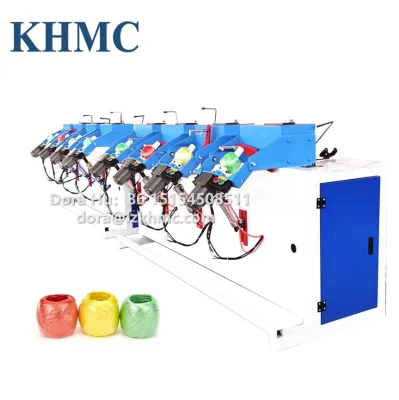
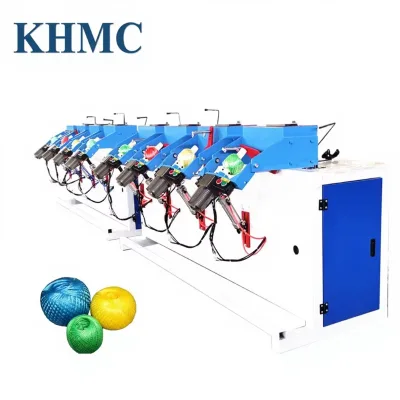
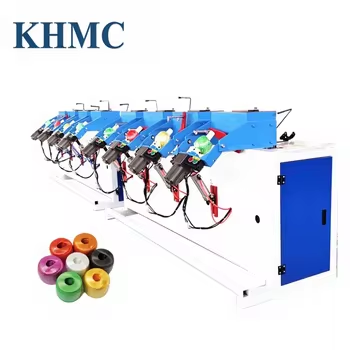
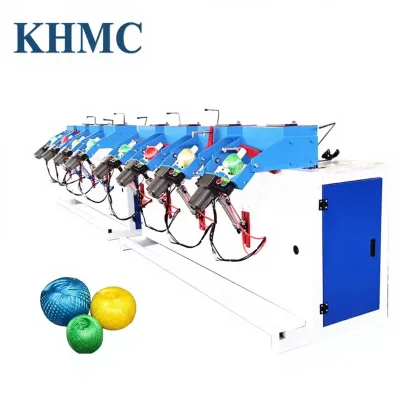
High Speed 10 Spindles Fiber Twine Ball Winding Machine with Rotation Counting System
$4800.00 - $30000.00
MOQ: 1 Pieces


Laizhou Yibang Machinery Co., Ltd.
- Verified by Intertek
- Manufacturer, Trading Company
- Lead time40 days
- Avg. response≤ 6h
Main productsPP Rope Making Machine, Plastic Rope Making Machine, Twisting and Spooling Machine, Tractor, Multi-head Rope Ball Winding Machine
Main marketsSoutheast Asia(20%), North America(20%), Domestic Market(20%)
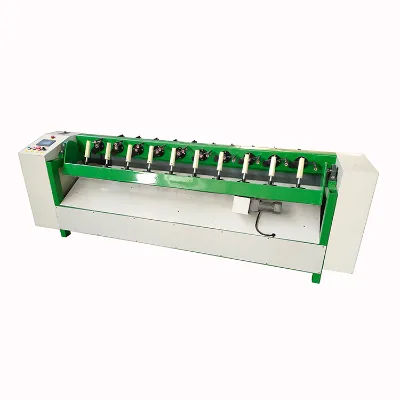
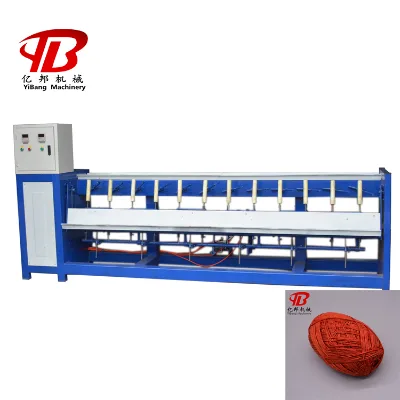
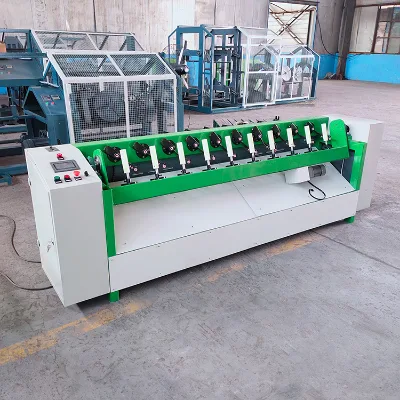
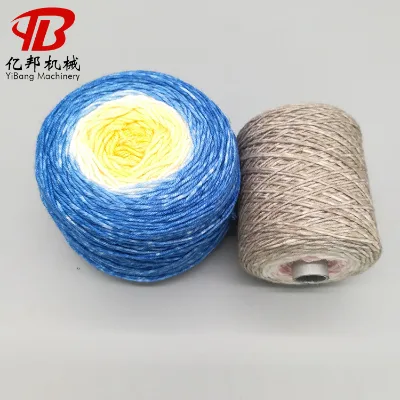
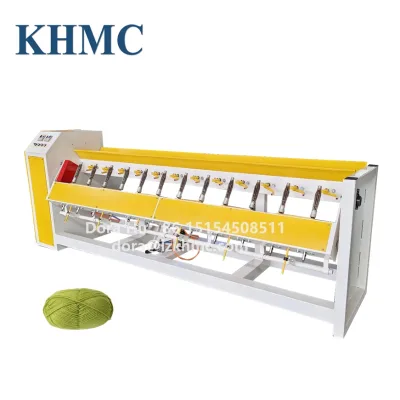
PLC Control Multi-ingot Ball Machine PP Grass Ball Winding Machine
$2417.7341 - $3153.5662
MOQ: 1 sets
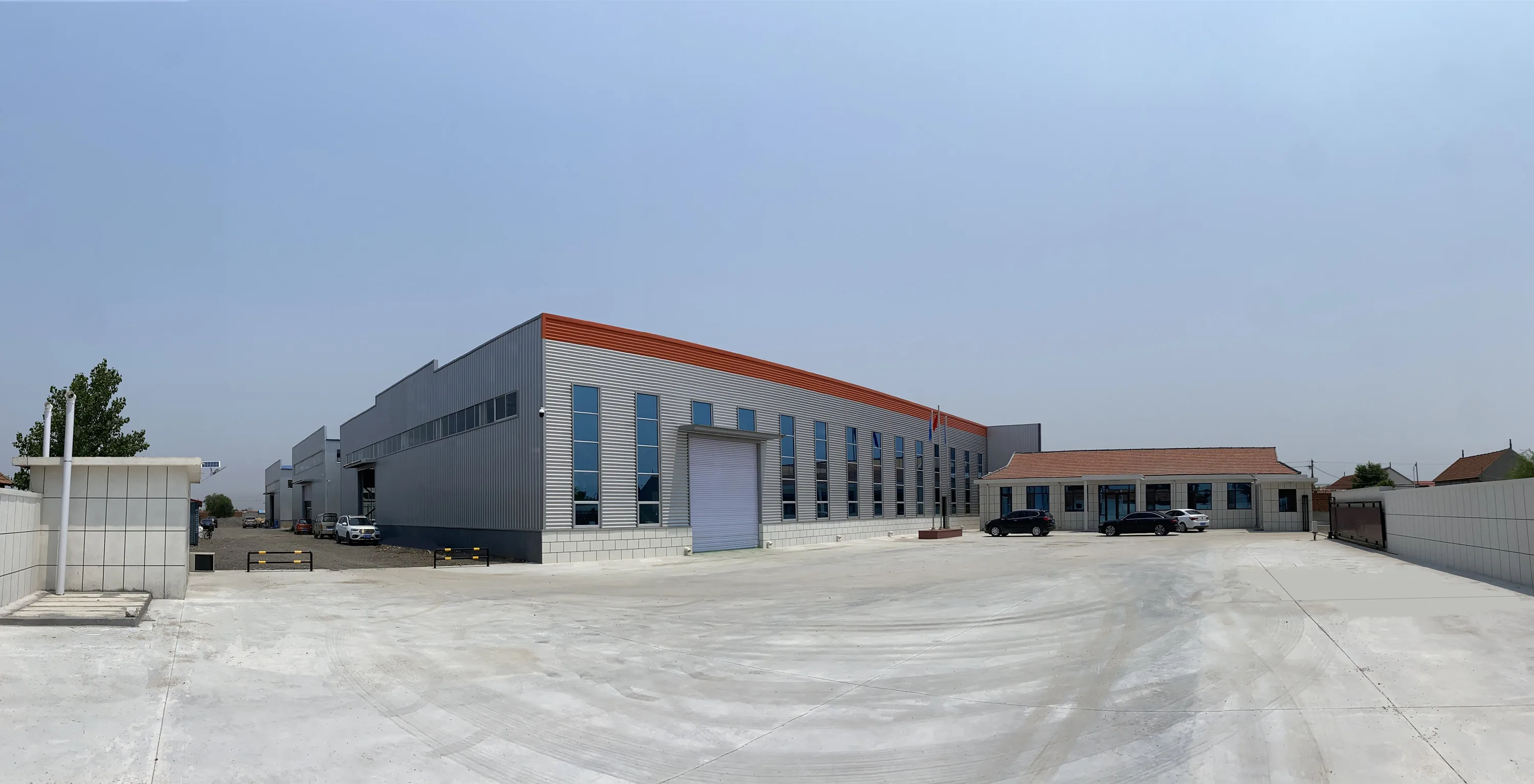
Qingdao Jocowin Machinery Co., ltd.
- Manufacturer, Trading Company
- Shandong, China
- Lead time0 days
- Avg. response≤ 2h
Main productsPlastic Extrusion Line,Winding Machine,Twisting Machine,Recycling Machine,Rope Making Machine
Main marketsNorth America(30.00%), Southeast Asia(20.00%), Africa(15.00%), Eastern Europe(15.00%), Southern Europe(10.00%), Western Europe(10.00%)
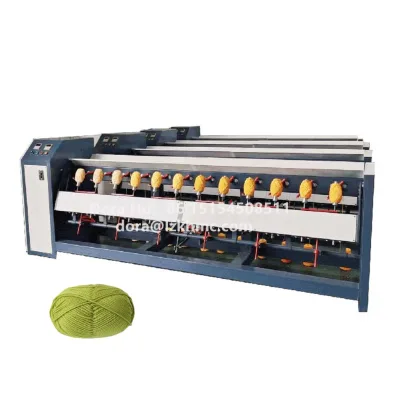
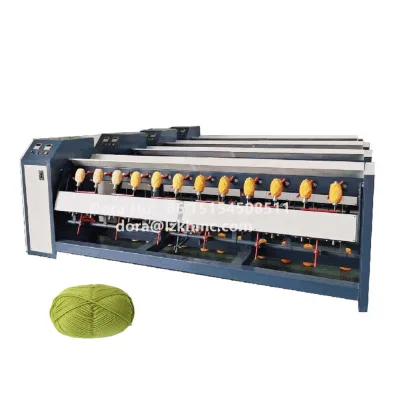
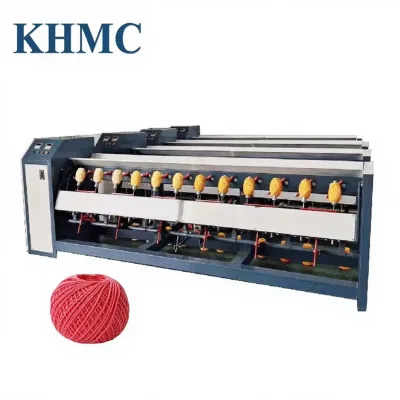
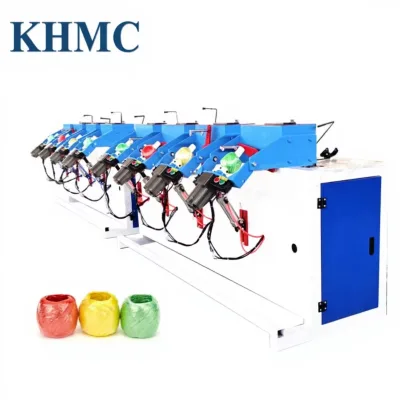
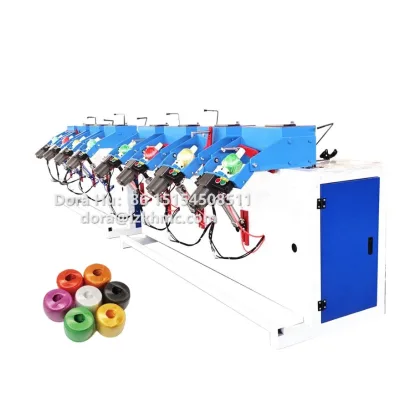
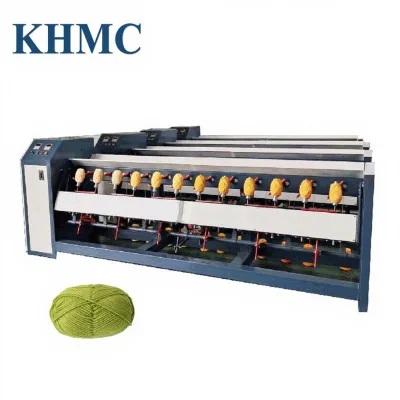
High Speed Multi Spindles Thread Ball Making Machine Ball Winding Machine with Auto Stop
$2620.6268 - $3249.5772
MOQ: 1 Minimum
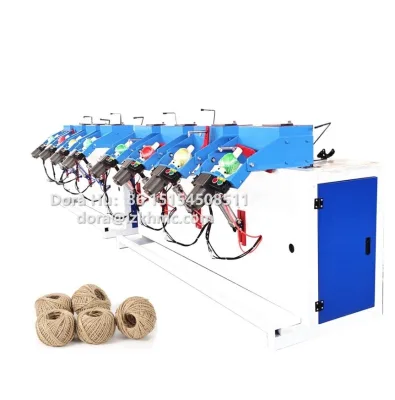
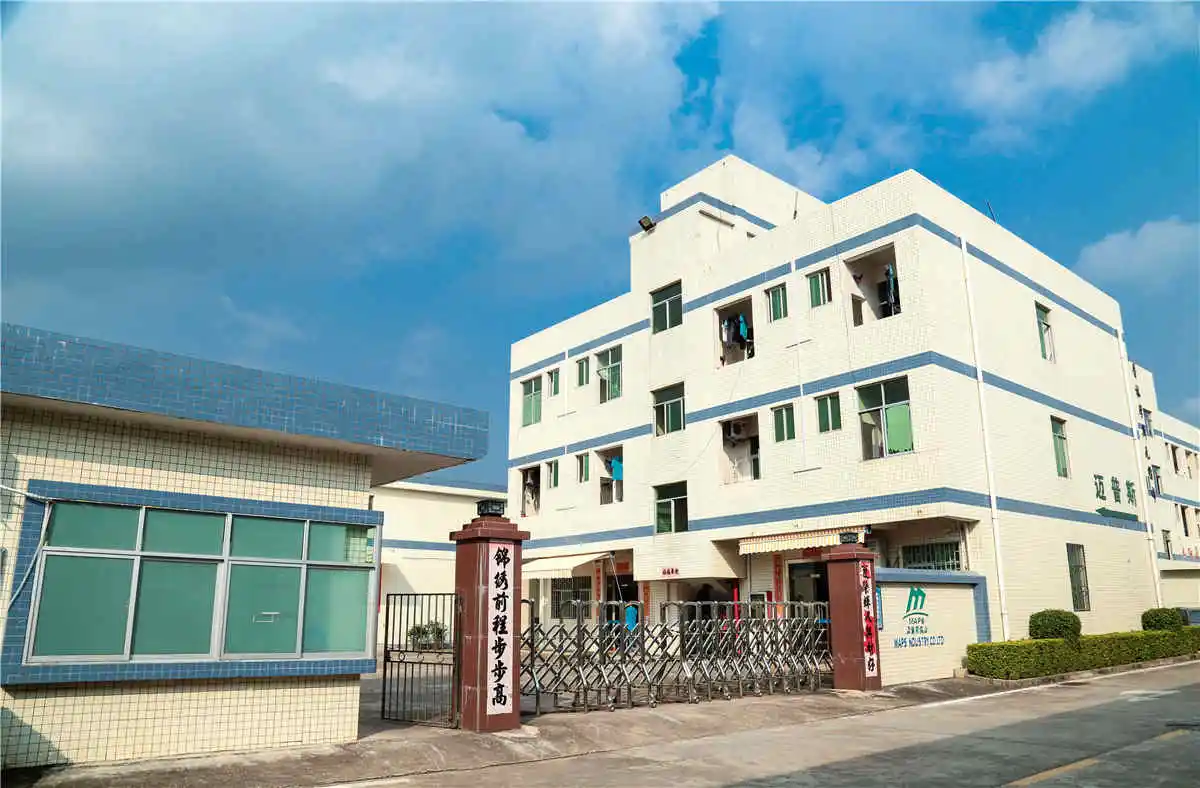
Huizhou Maps Industry Co., Ltd.
- Manufacturer
- Guangdong, China
- Lead time28 days
- Avg. response≤ 3h
Main productsAuto Pillow Machine,Crush Machine,Roll Packing Machine,Sponge Cutter,Ball Fiber Machine
Main marketsNorth America(30.00%), Eastern Europe(25.00%), South America(15.00%), Western Europe(5.00%), Mid East(5.00%), Oceania(5.00%), Africa(5.00%), Southeast Asia(5.00%), Southern Europe(3.00%), Domestic Market(2.00%)
Zhengzhou Jieyuan Machinery Manufacturing Co., Ltd.
- Trading Company
- Henan, China
- Lead time7 days
- Avg. response≤ 2h
Main productsCurtain machine,quilt machine,cotton fiber machine,Aluminum cutting machine,Pipe bending machine
Main marketsSouthern Europe(20.00%), Western Europe(20.00%), South Asia(10.00%), Africa(10.00%), Central America(10.00%), Mid East(5.00%), South America(5.00%), Northern Europe(5.00%), Southeast Asia(5.00%), North America(5.00%), Eastern Asia(5.00%)
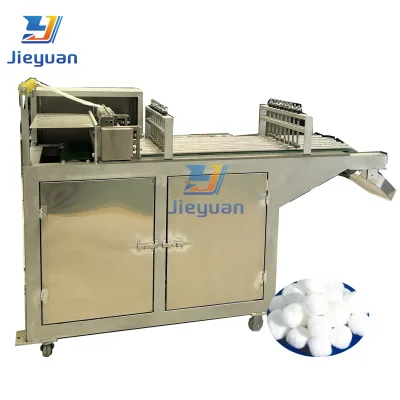
Factory Price Surgical Cotton Ball Making Machine Twining Cotton Thread Ball Manufacturing Machine
$3050.00 - $3150.00
MOQ: 1 sets
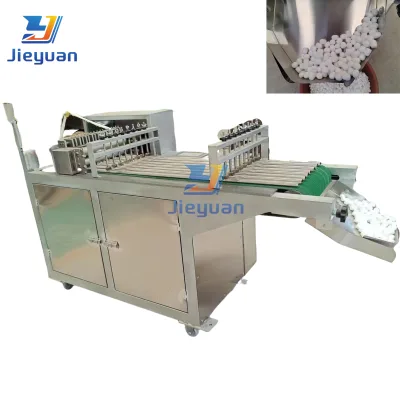
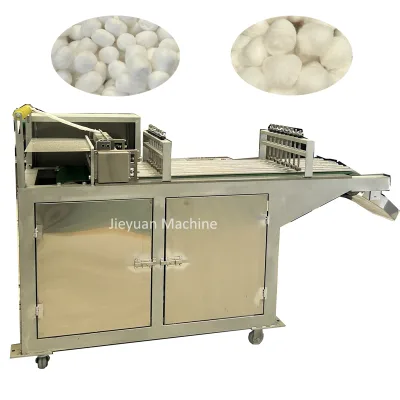
Top Sale Cotton Ball Making Machine Cotton Thread Winding Poly Ball Making Manufacturing Machine
$3999.00 - $4760.00
MOQ: 1 sets
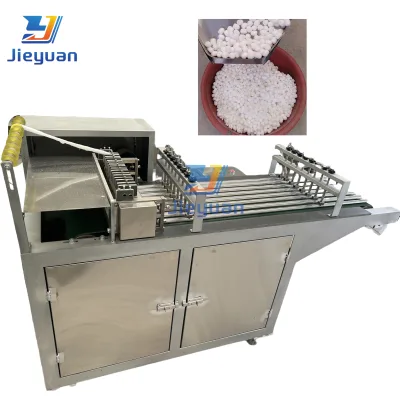
Surgical Cotton-ball Yarn-Ball Winding Machines Surgical Cotton Ball Making Machine Equipment
$3111.0666 - $3214.8034
MOQ: 1 sets
Zhangjiagang City Alt Machinery Co., Ltd.
- Manufacturer, Trading Company
- Jiangsu, China
- Lead time10 days
- Avg. response≤ 5h
Main productsface mask production line,Shoe Cover Machine series,surgical cap machine series,folding machine series,cutting machine series
Main marketsWestern Europe(11.11%), Eastern Asia(11.11%), Mid East(11.11%), Oceania(11.11%), Africa(11.11%), Southeast Asia(11.11%), Eastern Europe(11.11%), South America(11.11%), North America(11.11%)
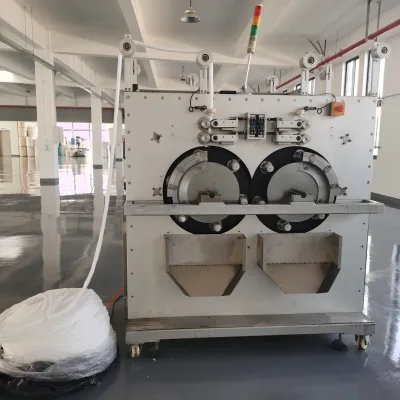
ALT Hot Sale Automatic New Motor Cotton Thread Ball Making Machine 380V 450PVS/MIN Home Use
$15000.00
MOQ: 1 Minimum
Zhengzhou Furui Machinery Co., Ltd.
- Verified by TüVRheinland
- Manufacturer, Trading Company
- Lead time7 days
- Avg. response≤ 6h
Main productsSolid Liquid Separator, Dewatering Machine, Double Shaft Shredding Machine, Fruit & Vegetable Juicing Machine
Main marketsSoutheast Asia(30%), Western Europe(20%), North America(10%)

Zhengzhou Hento Machinery Co., Ltd.
- Verified by SGS
- Trading Company,Manufacturer/Factory,Group Corporation
- China Henan
- Lead time15 days
- Avg. response≤ 7h
Main productsMeat Processing Machinery, Egg Processing Machinery, Dairy Processing Machinery, Fruit & Vegetable Processing Machinery, Grain Product Making Machines, Snack Machines, Nuts Processing Machinery, Packing Machines, Drying Machines, Commodity Making Machines
Main marketsSouth America,Eastern Europe,Mid East,North America,Southeast Asia,Eastern Asia,Oceania,Western Europe,Africa

Hefei Kerrian Machinery Co., Ltd.
- Manufacturer, Trading Company
- Anhui, China
- Lead time30 days
- Avg. response≤ 3h
Main productsmedical gauze folding machine,absorbent cotton machine,medical disposables production line,medical bandage machine,nonwoven products machines
Main marketsEastern Asia(30.00%), Southeast Asia(20.00%), South Asia(10.00%), South America(10.00%), Mid East(10.00%), Africa(10.00%), Eastern Europe(10.00%)
Qingdao Kaiweisi Industry & Trade Co., Ltd.
- Manufacturer
- Shandong, China
- Lead time7 days
- Avg. response≤ 2h
Main productsCarding Machine,Pillow Filling Machine,Toy Filling Machine,Down Jacket Filling Machine,Fiber processing machine
Main marketsSoutheast Asia(15.00%), Eastern Europe(15.00%), Central America(10.00%), Mid East(10.00%), North America(10.00%), South America(8.00%), Southern Europe(5.00%), Northern Europe(5.00%), Oceania(5.00%), Western Europe(5.00%), Eastern Asia(5.00%), South Asia(3.00%), Africa(2.00%), Domestic Market(2.00%)
Zhengzhou Share Machinery Co., Ltd.
- Trading Company
- Henan, China
- Lead time7 days
- Avg. response≤ 3h
Main productsConstruction Machinery/Industrial Machinery/Printing Machinery
Main marketsSouth America(20.00%), North America(20.00%), Africa(10.00%), Southeast Asia(10.00%), Eastern Europe(10.00%), Oceania(7.00%), South Asia(5.00%), Southern Europe(5.00%), Central America(5.00%), Western Europe(2.00%), Eastern Asia(2.00%), Northern Europe(2.00%), Mid East(2.00%)
- Manufacturer, Trading Company
- Anhui, China
- Lead time30 days
- Avg. response≤ 2h
Main productsGauze Swab Folding Machine,Bandage Rolling Machine,Gauze Swab Packing Machine,Medical Bed Sheet Making Machine,Non Woven Bath Towel Making Machine
Main marketsSoutheast Asia(30.00%), North America(20.00%), South Asia(5.00%), Southern Europe(5.00%), Western Europe(5.00%), Eastern Asia(5.00%), Mid East(5.00%), Oceania(5.00%), Africa(5.00%), South America(5.00%), Eastern Europe(5.00%), Central America(3.00%), Northern Europe(2.00%)

Huzhou CCDM Logistics Co., Ltd.
- Combined
- China Zhejiang
- Lead time30 days
- Avg. response≤ 9h
Main productsConveyor, Conveyor Roller, Units Ball, Conveyor System, Skate Wheel, Adjustable Foot, Adjustable Feet & Tube Ends, Conveyor Guide in Green UHMW PE, Ball Transfer, Flexible Conveyor
Main marketsSouth America,East Asia(Japan/ South Korea),Europe,North America

Standard High Performance Industrial Standard Carbon Steel Roller Ball Machine
$0.50 - $1.00
MOQ: 1 Pieces

Standard High Performance Stainless Steel Carbon Steel Roller Ball Machine
$0.50 - $1.00
MOQ: 1 Pieces

Shanghai Papa Industrial Co., Ltd.
- Verified by BV
- Combined
- China Shanghai
- Lead time30 days
- Avg. response≤ 6h
Main productsProtein Bar Extruder Machine, Protein Ball Rolling Machine, Automatic Encrusting Machine, Energy Bar Production Line, Mooncake Making Machine, Chocolate Enrober Machine, Cereal Bar Forming Machine, Energy Date Bar Making Machine, Energy Ball Extruder Machine, Flow Wrapping Machine
Main marketsSoutheast Asia/ Mideast,Domestic,Europe,North America

Qingdao Seanoel Industry and Trade Co., Ltd.
- Manufacturer/Factory
- China Shandong
- Lead time15 days
- Avg. response≤ 10h
Main productsQuilting Machine, Pillow Machine, Polyester Wadding Machine, Home Textile Machine, Fiber Filling Machine, Fiber Opening Machine, Mattress Machine, Quilt Machine, Plush Toy Filling Machine, Foam Cutting Machine

Ball Fiber Making Small Machine Cotton Ball Machine Fiber Ball Making Machine
$5200.00 - $5300.00
MOQ: 1 Pieces

Fiber Carding Machine Polyester Fiber Ball Machine Fiber Ball Making Machine
$5200.00 - $5300.00
MOQ: 1 Pieces

Polyester Ball Machine Ball Fiber Machinery Fiber Ball Making Machine
$5200.00 - $5300.00
MOQ: 1 Pieces
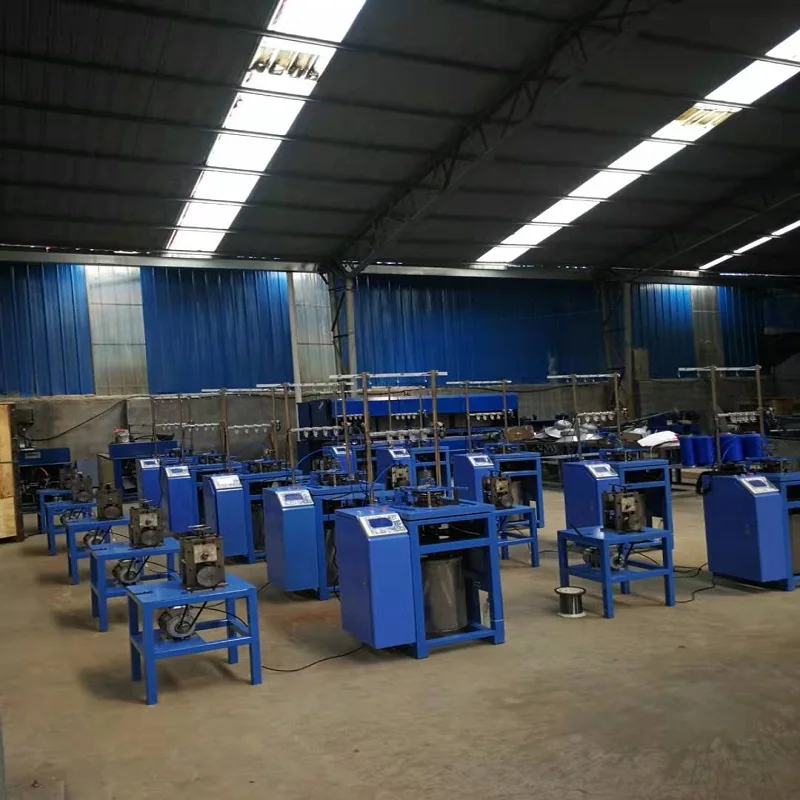
Linyi Xulin Inernational Trade Co., Ltd.
- Trading Company
- Shandong, China
- Lead time20 days
- Avg. response≤ 5h
Main productsstainless steel scrubber,scourer machine,fabric knitting machine,kitchen sponge machine,wire drawing machine
Main marketsDomestic Market(20.00%), North America(10.00%), South Asia(10.00%), Central America(10.00%), Eastern Asia(10.00%), Mid East(10.00%), Africa(10.00%), Southeast Asia(10.00%), South America(10.00%)
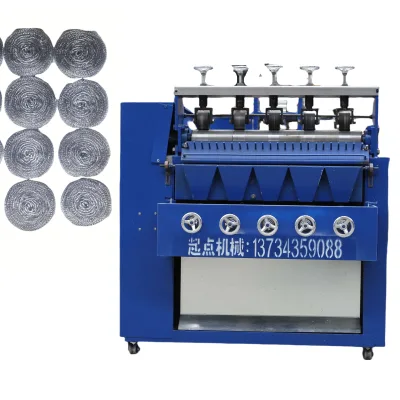
High-return Operation Simple Steel Ball Production Machine That Can Produce 24 Hours a Day
$1975.3417 - $2078.2241
MOQ: 1 sets
$1895.00 - $1900.00
MOQ: 1 sets






Comprehensive Sourcing Guide
Automatic Twin Spindle Ball Machine Supplier Concentration and Factory Types
The current supplier landscape for automatic twin spindle ball machines reveals a distinct concentration of manufacturing activity within specific industrial regions, with China Shandong emerging as a primary hub for this specialized equipment. This geographic clustering suggests a mature supply chain ecosystem where raw material availability, skilled labor, and specialized machinery components converge to support efficient production. Buyers evaluating suppliers should recognize that factories located in this region often benefit from established logistics networks and a dense network of supporting industries, which can significantly impact lead times and overall cost structures. The presence of multiple manufacturers in this area indicates a competitive market where differentiation is often achieved through technological innovation, customization capabilities, and service responsiveness rather than just price. Understanding this concentration helps buyers narrow their search to suppliers who are likely to have deeper expertise and more refined production processes for twin spindle ball winding technology.
Supplier types in this sector vary, ranging from pure manufacturers to combined entities that operate as both manufacturers and trading companies. This distinction is crucial for buyers because it affects how they interact with the supplier, negotiate terms, and manage quality control. Pure manufacturers typically offer direct access to production lines, allowing for greater transparency in the manufacturing process and potentially more flexible customization options for machine specifications. In contrast, combined entities may provide a broader range of related products and services, leveraging their trading capabilities to offer comprehensive solutions that include sourcing additional components or after-sales support. Buyers must carefully assess the supplier’s primary business model to ensure it aligns with their specific procurement needs, whether they prioritize direct factory engagement or the convenience of a one-stop-shop approach. The verification status of these suppliers, often indicated by third-party audits, provides an additional layer of confidence regarding their operational legitimacy and capacity to deliver on their promises.
How to Verify Automatic Twin Spindle Ball Machine Suppliers
Verifying the authenticity and capability of Automatic Twin Spindle Ball Machine suppliers requires a multi-faceted approach that goes beyond simple online profiles. One of the most critical steps is to check for third-party verification badges, such as those issued by TÜV Rheinland, which indicate that the supplier has undergone rigorous audits of their business operations, production facilities, and quality management systems. These verifications provide objective evidence of the supplier’s legitimacy and help mitigate the risk of engaging with fraudulent or unreliable entities. Buyers should prioritize suppliers who display these verification marks, as they signal a commitment to transparency and adherence to international business standards. Additionally, examining the supplier’s certification portfolio, such as ISO9001:2015 or CE marks, offers further insight into their quality control processes and compliance with regulatory requirements. These certifications are not just formalities but reflect the supplier’s ability to maintain consistent product quality and operational efficiency.
Beyond verification badges, buyers should scrutinize the supplier’s response time and communication practices as indicators of their professionalism and reliability. A quick and detailed response to initial inquiries often correlates with a supplier’s overall operational efficiency and customer service quality. In the context of automatic twin spindle ball machines, where technical specifications and customization options are complex, a supplier’s ability to provide clear, accurate, and timely information is paramount. Buyers should also look for evidence of past performance, such as machinery test reports, video outgoing-inspections, and detailed product attributes like motor speed, power consumption, and winding material compatibility. These details demonstrate the supplier’s technical expertise and their ability to provide comprehensive support throughout the procurement process. By combining verification checks with an assessment of communication and technical documentation, buyers can build a robust profile of each potential supplier, ensuring they select a partner who can meet their specific operational needs.
What to Compare Across Automatic Twin Spindle Ball Machine Suppliers
When evaluating multiple suppliers for automatic twin spindle ball machines, buyers must systematically compare key operational metrics to identify the best fit for their requirements. Lead time is a critical factor, as it directly impacts production schedules and inventory management. Suppliers may offer varying lead times, ranging from twenty-three to thirty days, depending on their current production capacity and order volume. Buyers should align their procurement timeline with the supplier’s stated lead time to avoid delays. Similarly, the minimum order quantity (MOQ) is a significant consideration, with some suppliers offering an MOQ of just one unit, which is ideal for small-scale operations or trial orders. Comparing MOQs helps buyers assess the financial risk and scalability of their initial investment. Additionally, response time serves as a proxy for supplier responsiveness, with faster response times indicating a more agile and customer-centric organization.
Price and customization capabilities are also essential dimensions for comparison. The price range for automatic twin spindle ball machines can vary significantly, with some models starting at five thousand dollars and others reaching up to twelve thousand dollars, depending on features and specifications. Buyers should request detailed quotations that break down costs for different configurations, such as the number of spindles or specific motor types. Customization options, including ODM and OEM services, allow buyers to tailor machines to their specific production needs, such as adjusting winding material compatibility or spindle control mechanisms. Suppliers that offer flexible customization, such as adjustable rope tightness or various finished shapes, provide greater value by enabling buyers to optimize their production processes. By comparing these factors—lead time, MOQ, response time, price, and customization—buyers can make informed decisions that balance cost, speed, and technical suitability.
Common Automatic Twin Spindle Ball Machine Sourcing Risks
Sourcing automatic twin spindle ball machines from international suppliers introduces several risks that buyers must proactively manage to ensure a successful procurement outcome. One significant risk is the potential mismatch between advertised specifications and actual machine performance. While suppliers may provide detailed product attributes, such as motor speed and power consumption, these figures are often based on ideal testing conditions. Buyers should verify these claims through machinery test reports and video outgoing-inspections, which provide tangible evidence of the machine’s capabilities. Without such verification, there is a risk of receiving equipment that does not meet the required performance standards, leading to production inefficiencies and additional costs for modifications or replacements. This risk is particularly acute when dealing with suppliers who lack robust quality control processes or third-party verification.
Another common risk is the ambiguity surrounding after-sales support and warranty terms. Automatic twin spindle ball machines are complex pieces of equipment that require regular maintenance and occasional repairs. Buyers must clearly understand the warranty coverage, including the duration and scope of support, as well as the supplier’s ability to provide spare parts and technical assistance. Some suppliers offer a twelve-month warranty, but the extent of this coverage can vary. Buyers should also consider the supplier’s location and logistics capabilities, as remote locations may complicate the delivery of spare parts or the dispatch of technical engineers. Additionally, the risk of communication barriers cannot be overlooked, as language differences and time zone disparities can lead to misunderstandings regarding technical requirements and order details. To mitigate these risks, buyers should establish clear communication channels, request detailed documentation, and consider using escrow services to protect their financial interests until the machine is delivered and verified.
Automatic Twin Spindle Ball Machine Regional Sourcing and Logistics
The regional concentration of Automatic Twin Spindle Ball Machine suppliers in China Shandong has significant implications for logistics and supply chain management. Buyers sourcing from this region benefit from established export infrastructure and a high density of logistics providers, which can facilitate efficient shipping and reduce transit times. However, the specific location of the factory within this region can still impact freight costs and delivery schedules. Buyers should work closely with their suppliers to determine the most cost-effective shipping methods, whether by sea or air, depending on the urgency of their order and the weight of the machinery. Automatic twin spindle ball machines are typically heavy and bulky, requiring careful packaging and handling to prevent damage during transit. Suppliers often use exported packages designed to protect the equipment, but buyers should verify the packaging standards and ensure that insurance coverage is adequate.
Logistics planning also involves coordinating with customs brokers and understanding import regulations in the buyer’s home country. Different regions have varying requirements for machinery imports, including safety standards and documentation needs. Buyers must ensure that their suppliers provide all necessary certificates, such as CE or RoHS, to facilitate smooth customs clearance. Additionally, the lead time for shipping can be influenced by global logistics conditions, such as port congestion or container availability. Buyers should build buffer time into their procurement plans to account for these potential delays. By understanding the logistical landscape of the supplier’s region, buyers can optimize their supply chain, reduce costs, and ensure timely delivery of their automatic twin spindle ball machines. This proactive approach to logistics management is essential for maintaining production continuity and meeting customer demands.
Automatic Twin Spindle Ball Machine Commercial Terms and Order Planning
Effective order planning for automatic twin spindle ball machines requires careful attention to commercial terms and payment structures. Buyers should negotiate clear terms regarding payment milestones, such as deposits and balance payments upon shipment or delivery. Using secure payment methods, such as escrow services, can protect buyers from financial loss in case of non-delivery or non-conformance. It is also important to define the responsibilities for shipping and insurance, typically using Incoterms to clarify who bears the risk and cost at each stage of the transaction. Buyers should ensure that the supplier’s quotation includes all relevant costs, such as packaging, documentation, and any applicable taxes or duties, to avoid unexpected expenses. Clear commercial terms help prevent disputes and ensure a smooth transaction process.
Beyond payment terms, buyers must plan for the installation and commissioning of the Automatic Twin Spindle Ball Machine. Some suppliers offer remote support or on-site installation services, which can be valuable for ensuring the machine is set up correctly and operates efficiently. Buyers should clarify the scope of these services and any associated costs in their contract. Additionally, training for operators is crucial, as the machine’s performance depends on proper usage and maintenance. Buyers should request detailed operation manuals and training materials from the supplier. By integrating commercial terms with operational planning, buyers can ensure that their investment in automatic twin spindle ball machines yields the expected return on investment. This holistic approach to order planning minimizes risks and maximizes the value of the procurement.
FAQs
What is the typical lead time for these machines?
The typical lead time for these machines is 23 to 30 days depending on the specific model and customization requirements. Buyers should verify the exact delivery schedule with the supplier before placing an order to ensure it aligns with their production timeline.
Are these machines available for customization?
Yes, customization is available for these automatic twin spindle ball machines. Suppliers offer options for different head counts and specific winding materials, allowing buyers to tailor the equipment to their unique production needs and operational constraints.
What is the minimum order quantity for these machines?
The minimum order quantity for these machines is one unit. This low threshold allows buyers to test the equipment performance without committing to large initial volumes, making it suitable for small-scale operations or pilot production runs.
Where are these machines manufactured?
These machines are manufactured in Shandong, China. The origin is consistently listed as China for the various models available, ensuring that buyers know the geographical source of the machinery and can plan logistics accordingly.
What certifications do the suppliers hold?
Suppliers hold ISO9001:2015 certification and some also possess CE, RoHS, and 2006/42/EC certifications. These credentials indicate compliance with international safety and quality standards, providing assurance regarding the manufacturing processes and product reliability.
How quickly do suppliers typically respond to inquiries?
Suppliers typically respond within 2 to 17.53 hours. This rapid response time ensures that buyers can get quick answers to technical questions or negotiate terms efficiently without significant delays in the initial communication phase.
What is the price range for these machines?
The price range for these machines varies from 5000 to 12000 USD depending on the model and specifications. Buyers should check the specific product details to find the exact pricing for the configuration they require.