Double Wheel Bench Grinder Suppliers and Manufacturers
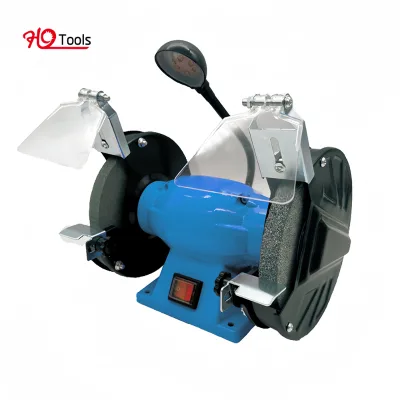
Explore 19 verified options for Double Wheel Bench Grinder suppliers and manufacturers. Compare lead times, certifications like CE and TUV SUD Mark, and product specs such as wheel size and power. Contact suppliers directly to request samples or custom orders.
Updated
Suppliers List
Weihai Allwin Electrical & Mechanical Tech. Co., Ltd.
- Verified by TüVRheinland
- Manufacturer, Trading Company
- Lead time60 days
- Avg. response≤ 1h
Main productsDust Collector, Band Saw, Belt Sander, Wet Sharpener, Bench Grinder
Main marketsNorth America(45%), Western Europe(20%), Eastern Europe(8%)

Hangzhou Galileo Technology Co., Ltd.
- Verified by SGS
- Trading Company
- China Zhejiang
- Lead time15 days
- Avg. response≤ 1h
Main marketsOthers(foreignTradeCapacity.exportBusinessCapacityMarketOther)

Zaozhuang Tok Machinery Co., Ltd.
- Verified by TUVRHEINLAND
- Trading Company
- China Shandong
- Lead time30 days
- Avg. response≤ 10h
Main productsMilling Machine, Drilling Machine, CNC Lathe, Bending Machine, Shearing Machine, Rolling Machine, CNC Milling Machine, Sheet Metal Working, Forging Hammer, Press Brake
Main marketsSouth America,Southeast Asia/ Mideast
Ningbo Awlop Trading Co., Ltd.
- Verified by TüVRheinland
- Trading Company
- Lead time35 days
- Avg. response≤ 2h
Main productsAngle Grinder, Power Drills, Power Saws, Oscillating Tools, Hammer
Main marketsEastern Europe(28%), North America(21%), South America(10%)
Jiangsu Bestech Industrial Co., Ltd.
- Verified by TüVRheinland
- Manufacturer, Trading Company
- Lead time30 days
- Avg. response≤ 4h
Main productsCNC Lathe, Lathe Machine, Milling Machine, CNC Center, Drilling Machine
Main marketsSouth America(24%), Southeast Asia(16%), Northern Europe(15%)

Shanghai Hystrong Industrial Co., Ltd.
- Verified by SGS
- Trading Company
- China Shanghai
- Lead time30 days
- Avg. response≤ 3h
Main productsLog Splitter, Trencher, Drill Press, Table Saw, Wood Chipper, Magnetic Drill Press, Band Saw, Miter Saw, Log Saw, Wood Lathe
Main marketsSouth America,Southeast Asia/ Mideast,Europe
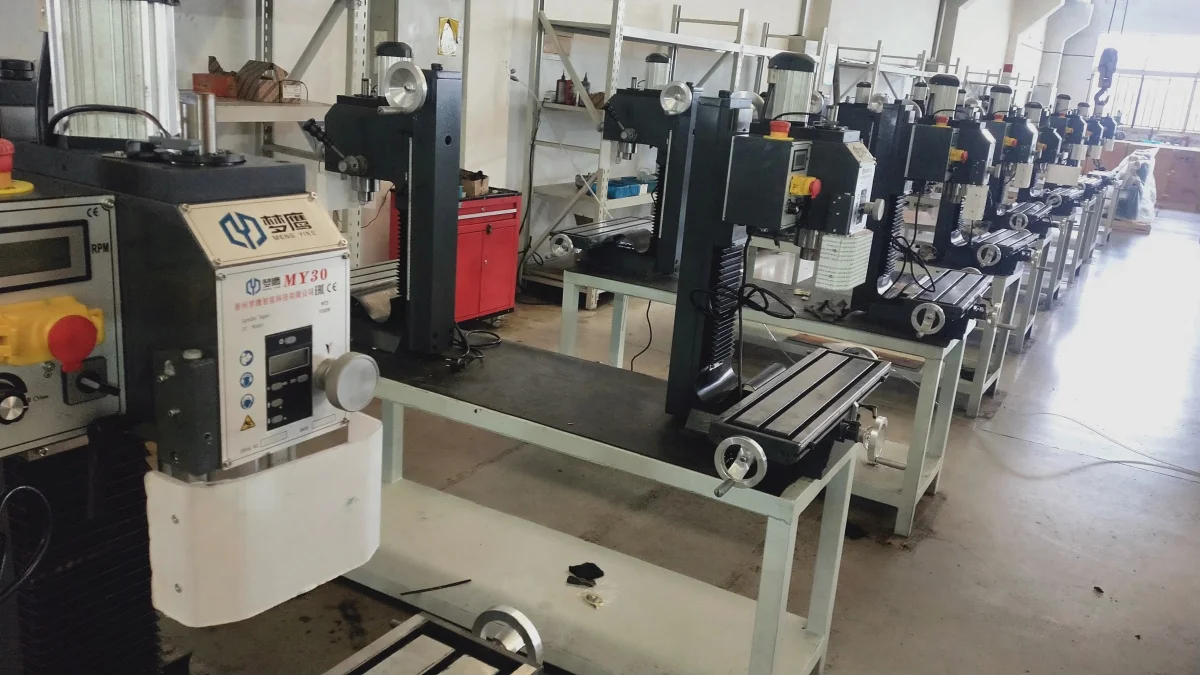
Taizhou Mengying Intelligent Technology Co., Ltd.
- Trading Company
- Jiangsu, China
- Lead time30 days
- Avg. response≤ 4h
Main productsLathe,Manual lathe,Drilling and Milling Machine,Grinding Machine,Accessories and tools
Main marketsNorth America(10.00%)
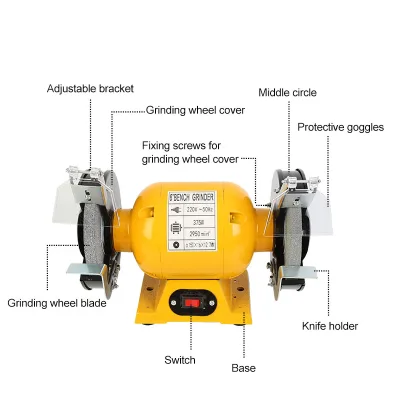
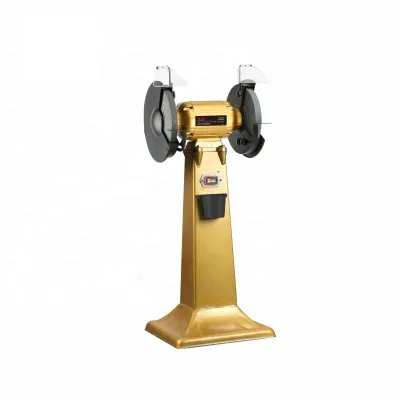
Double Wheel Tabletop Buffing Wheel Polisher 3315 Bench Adjustable Grinding Wheel Machine
$29.80 - $30.00
MOQ: 1 sets
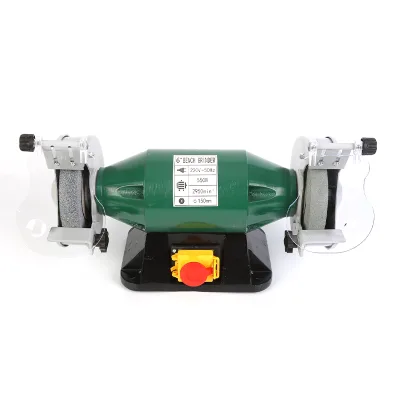
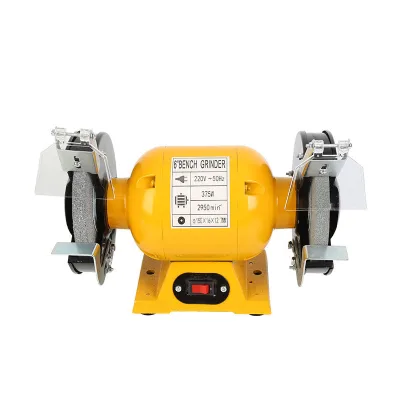
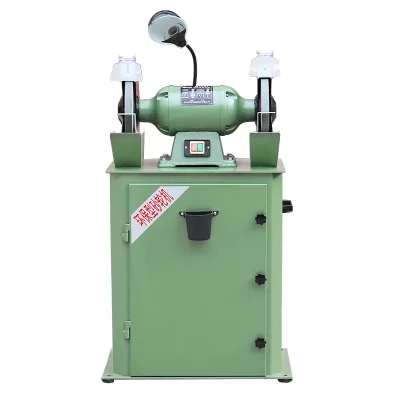
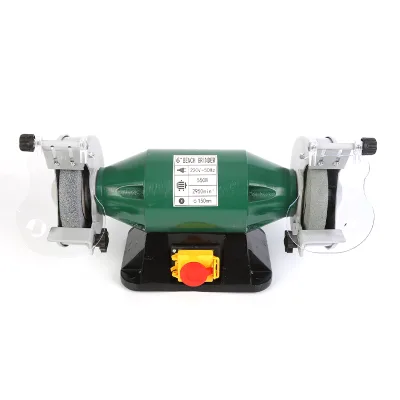
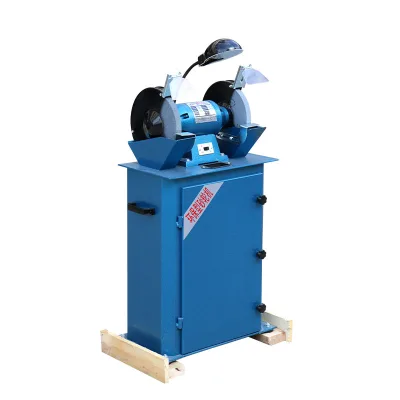
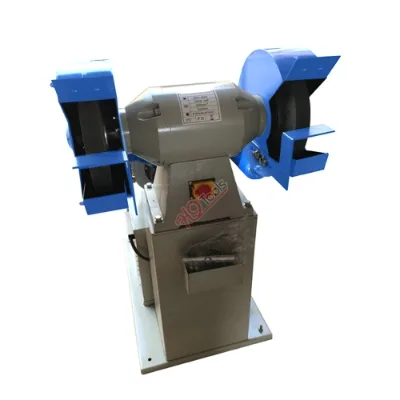
China Manufacture Vertical Grinder Bench Grinder M3325 Mini Vertical Grinding Machine
$298.0072
MOQ: 1 Minimum
Zhejiang Miniq Tools Co., Ltd.
- Manufacturer
- Zhejiang, China
- Lead time60 days
- Avg. response≤ 2h
Main productsmini bench drill,mini compound bench,flat vice,drill stand,angle grinder stand
Main marketsDomestic Market(40.00%), Mid East(10.00%), Eastern Asia(8.00%), South America(5.00%), South Asia(5.00%), Africa(5.00%), Northern Europe(5.00%), North America(4.00%), Southern Europe(4.00%), Southeast Asia(4.00%), Western Europe(4.00%), Eastern Europe(4.00%), Oceania(2.00%)

Yancheng Jianfeng Electric Motor Instrument Co., Ltd.
- Manufacturer
- Jiangsu, China
- Lead time35 days
- Avg. response≤ 11h
Main productsBench Grinder, Cordless Drill, Impact Drill, Angle Grinder
Main marketsEastern Europe(60.00%), South America(30.00%), Eastern Asia(5.00%), Mid East(5.00%)
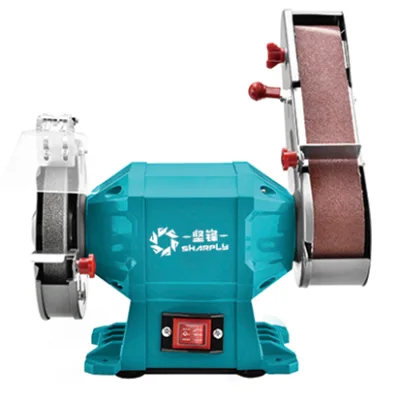
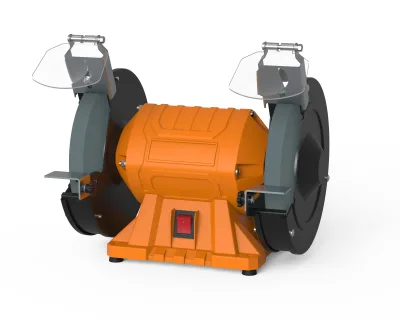
250W Industry Small Table Desktop Grinder Double Wheel Bench Grinder Polishing Machine Wheel Machine
$16.00 - $18.00
MOQ: 500 pieces
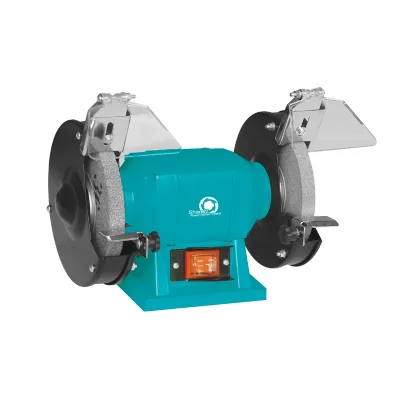
Hot Multifunction Bench Grinder for Home Workshop Bench Grinders Disc Grinder
$15.88 - $16.88
MOQ: 500 units
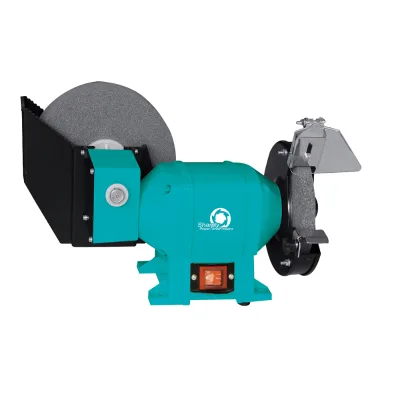
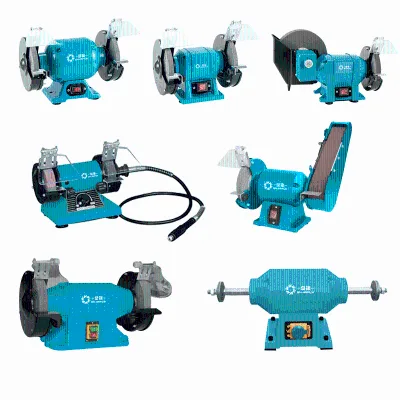
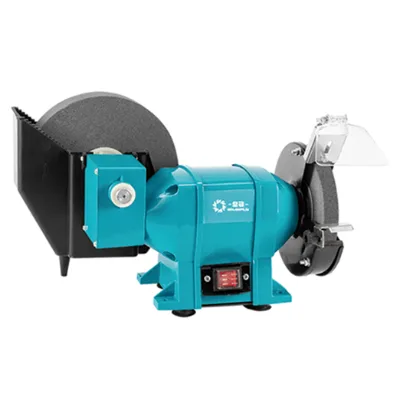
$25.6689 - $34.9087
MOQ: 500 pieces
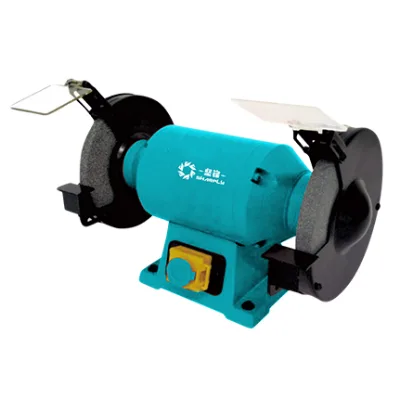
Factory Outlet High Quality Electric Bench Grinder Machine Polisher for Wood Wheel DIY Customized
$25.00 - $26.50
MOQ: 500 pieces

Jinan Sensi Industries Co., Ltd.
- Trading Company
- China Shandong
- Lead time30 days
- Avg. response≤ 4h
Main productsMalleable Iron Pipe Fittings, Meat Mincers, Flanges, Rice Mill, Motors, Disk Mill, Rice Huller Rubber Rollers, Noodle Machine, Nipples & Couplings, Flour Mill
Main marketsSouth America,Africa,Southeast Asia/ Mideast,Europe,Australia,North America

350W Portable Powerful Table Double Grinder Wheels High-Quality Safety Double Disc Bench Grinder
$50.00 - $300.00
MOQ: 10 Pieces

Hot Sale Electrical Bench Grinder/Industrial Bench Grinder Grinding Machine
$50.00 - $300.00
MOQ: 10 Pieces

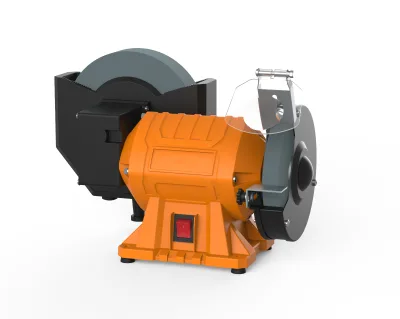
250W 150mm Double Wheel Power Tools Industrial Electric Dry or Wet Bench Grinder
$50.00 - $300.00
MOQ: 10 Pieces

China Manufacturer Factory Supplier 150mm 250W 350W Powerful Bench Grinder
$50.00 - $300.00
MOQ: 10 Pieces

6inch 150mm 5inch 125mm Bench Grinder Industrial Grinder Industrial Electric Grinder
$50.00 - $300.00
MOQ: 10 Pieces

Taizhou Longxiang E-Commerce Co., Ltd.
- Trading Company
- Zhejiang, China
- Lead time35 days
- Avg. response≤ 18h
Main productsWelding Machine Equipement, Welding Machine Accessories, Hardware & Tools, High Pressure Washer
Main marketsDomestic Market(40.00%), Mid East(20.00%), Africa(10.00%), Eastern Europe(10.00%), Southeast Asia(10.00%), South Asia(5.00%), South America(4.00%), North America(1.00%)
Ningbo Shiji Bosi Tools Co., Ltd.
- Manufacturer
- Zhejiang, China
- Lead time10 days
- Avg. response≤ 9h
Main productsHand Tools,Power Tools
Main marketsDomestic Market(80.00%), Southeast Asia(10.00%), Mid East(10.00%)
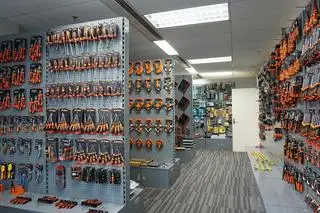
Landing Tools (shanghai) Co., Ltd.
- Trading Company
- Shanghai, China
- Lead time45 days
- Avg. response≤ 4h
Main productspower tools,hand tools,garden tools,measuring tools,car accessories
Main marketsWestern Europe(70.00%), North America(20.00%), Eastern Europe(10.00%)
Shanghai Hystrong Industrial Co., Ltd.
- Verified by TüVRheinland
- Trading Company
- Lead time30 days
- Avg. response≤ 3h
Main productsDrill Press, Log Splitter, Table Saw, Wood Lathe, Band Saw
Main marketsWestern Europe(70%), North America(10%), Eastern Europe(3%)

Yongkang Xiaocheng Electric Appliance Co., Ltd.
- Verified by BV
- Combined
- China Zhejiang
- Lead time30 days
- Avg. response≤ 8h
Main productsAngle Grinder, Impact Drill, Electric Drill, Electric Blower, Electric Planer, Electric Hammer, Jig Saw, Cut off Machine, Circular Saw, Power Tool
Main marketsSouth America,Africa,Southeast Asia/ Mideast,East Asia(Japan/ South Korea),Europe,Australia
Shandong Best Import & Export Co., Ltd.
- Verified by SGS Group
- Manufacturer, Trading Company
- Lead time20 days
- Avg. response≤ 3h
Main productsHardware tools, Plastering trowel, Hammer, Axe
Main marketsNorth America(40%), Africa(20%), Eastern Europe(10%)

Taizhou Julante Electromechanical Technology Co., Ltd.
- Combined
- China Zhejiang
- Lead time15 days
- Avg. response≤ 6h
Main productsElectric Motors, Concrete Vibrators, Floor Polishers, Rebar Benders, Bench Grinder
Main marketsSouth America,Africa,East Asia(Japan/ South Korea),Domestic,Europe

200mm MD3220 550W Bench Grinder Multifunctional Variable Speed 2840rpm Bench Grinder
$140.00
MOQ: 20 Pieces


Power Tools High Quality Professional Electric Grinder Tool Mini Bench Grinder
$20.00 - $30.00
MOQ: 1 Pieces

High Quality CE Certified Professional Electric Power Tool Bench Grinder
$20.00 - $30.00
MOQ: 1 Pieces

Shandong Best Import and Export Co., Ltd.
- Verified by SGS
- Trading Company
- China Shandong
- Lead time30 days
- Avg. response≤ 7h
Main productsPlastering Trowel, Hammer, Axe, Carpenter Pencil, Wrecking Bar, Bricklaying Trowel, Solar Panel, Other Hardware Tools
Main marketsSouth America,Africa,Southeast Asia/ Mideast,East Asia(Japan/ South Korea),Domestic,Europe,North America

Taizhou Rongde Mechanical & Electrical Co., Ltd.
- Trading Company
- China Zhejiang
- Lead time23 days
- Avg. response≤ 3h
Main productsInduction Motor
Main marketsSouth America,Africa,Others(foreignTradeCapacity.exportBusinessCapacityMarketOther)

Power tools High Quality industrial Bench Grinder machine Mini Surpace Grinder
$30.00 - $100.00
MOQ: 20 Pieces

High Precision mini Tool Grinding Machine industrial Bench Grinder machine
$30.00 - $100.00
MOQ: 20 Pieces


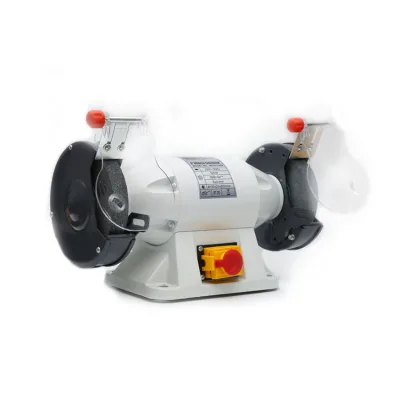
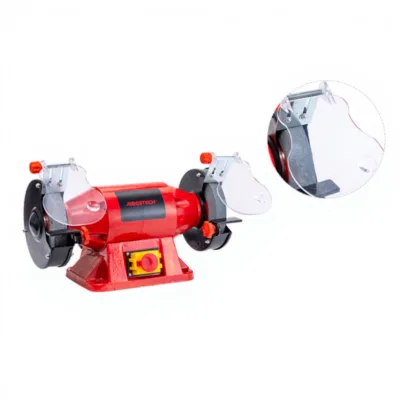


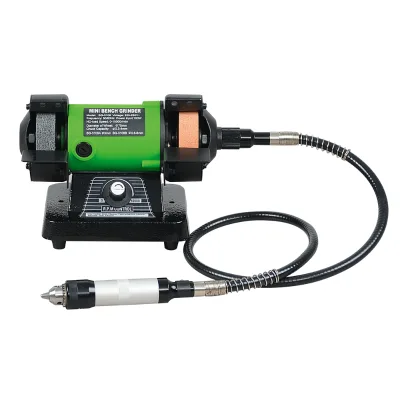
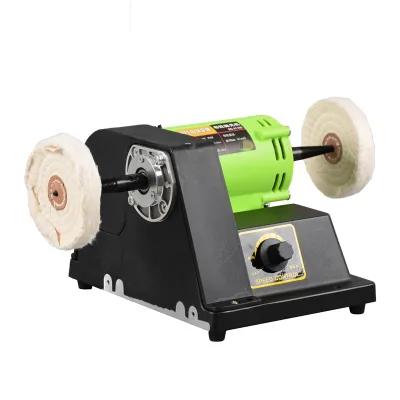
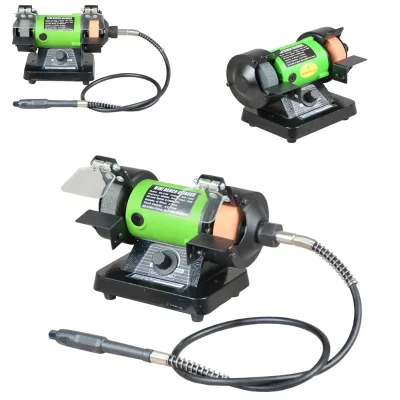
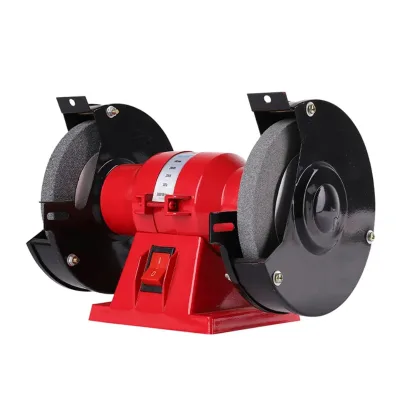
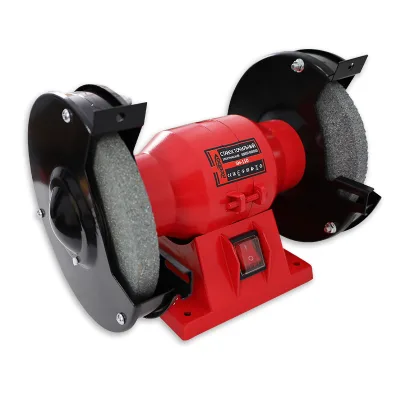
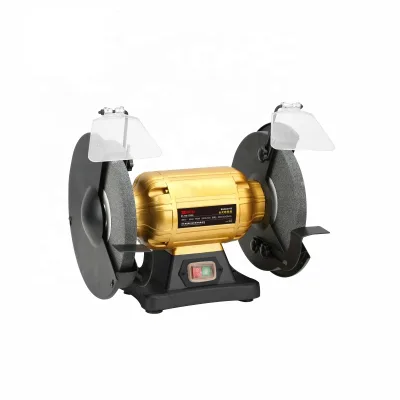




Comprehensive Sourcing Guide
Double Wheel Bench Grinder Supplier Concentration and Factory Types
The current supplier landscape for double wheel bench grinders reveals a mix of manufacturing entities and trading companies, offering buyers distinct advantages depending on their procurement strategy. Manufacturers typically provide direct access to production capabilities, allowing for deeper customization and potentially tighter control over quality assurance processes. In contrast, trading companies often aggregate products from multiple factories, providing a broader catalog that may include complementary tools like dust collectors, band saws, and belt sanders. This diversification can simplify sourcing for buyers who need a complete workshop setup rather than a single item. The presence of both types ensures that buyers can choose between direct factory engagement for large, customized orders or the convenience of a one-stop shop for smaller, mixed-quantity purchases. Understanding this distinction is crucial for aligning supplier selection with specific business needs, whether prioritizing cost efficiency through direct manufacturing or speed and variety through trading intermediaries.
When evaluating the type of supplier, buyers should look for clear indicators of their operational model. Manufacturers often highlight their production capacity, such as sample processing, graphic processing, and customized on-demand services, which are essential for brands seeking OEM, ODM, or OBM solutions. These capabilities suggest a facility equipped to handle specific branding requirements and technical modifications. Trading companies, while also offering customized support, may rely on their network to fulfill these requests. Buyers should verify the extent of in-house manufacturing versus external sourcing. For instance, some suppliers may list main products that span various power tools, indicating a broader trading scope. This variety can be beneficial for buyers looking to consolidate shipments but may require additional verification to ensure consistent quality across different product lines. The choice between a manufacturer and a trading company ultimately depends on the buyer’s need for customization, volume, and supply chain transparency.
How to Verify Double Wheel Bench Grinder Suppliers
Verification is a critical step in mitigating risk when sourcing industrial tools like double wheel bench grinders. Buyers should prioritize suppliers who have undergone third-party verification processes, such as those conducted by TüVRheinland. This type of verification provides an additional layer of confidence regarding the supplier’s business legitimacy and operational standards. Beyond basic verification, buyers should scrutinize the certifications displayed by the supplier. Certifications like CE and the 2006/42/EC directive are particularly relevant for machinery sold in European markets, indicating compliance with essential health and safety requirements. The TUV SUD Mark further suggests adherence to rigorous quality and safety standards. These credentials are not merely decorative; they are legal prerequisites for importing and selling machinery in many regions. Buyers must ensure that the certifications listed are current and applicable to the specific models they intend to purchase, as non-compliant products can lead to customs delays, fines, or product recalls.
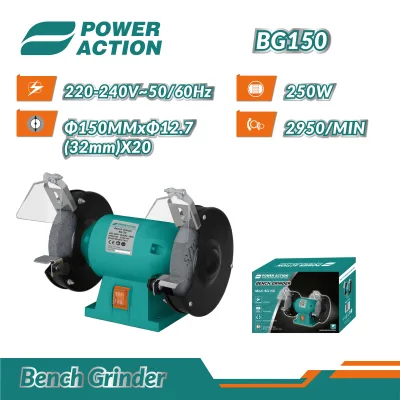
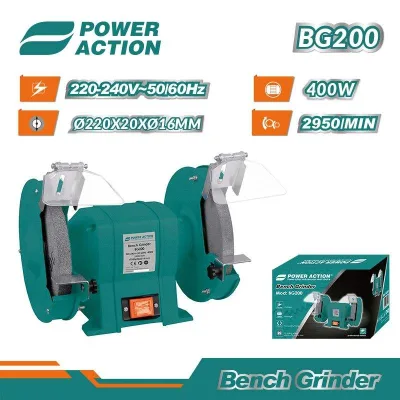
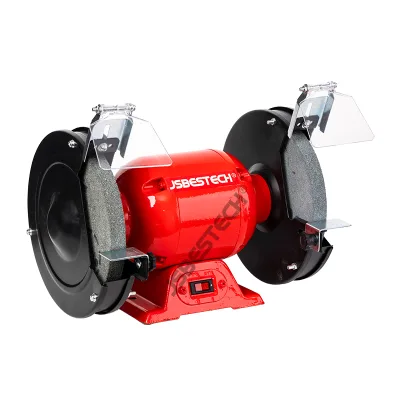
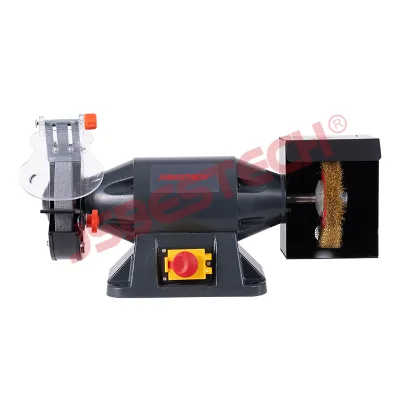
In addition to certifications, buyers should assess the supplier’s responsiveness and transparency. A quick response time, such as one day, can indicate a well-organized sales team capable of handling inquiries efficiently. This responsiveness is often a proxy for the supplier’s overall operational efficiency. Buyers should also look for detailed product evidence, including specific attributes like wheel size, motor speed, and base material. For example, a cast iron base is a common feature in industrial-grade grinders, providing stability during operation. The presence of detailed specifications, such as a 150mm wheel diameter and 2980rpm motor speed, suggests that the supplier maintains accurate and comprehensive product data. Buyers should request additional documentation, such as test reports or factory audit summaries, to further validate the supplier’s claims. If evidence is unavailable, buyers should explicitly ask for these documents before proceeding. This diligence helps ensure that the supplier is not only legitimate but also capable of delivering products that meet specific technical and safety requirements.
What to Compare Across Double Wheel Bench Grinder Suppliers
When comparing suppliers, buyers should focus on key performance indicators that impact cost, quality, and delivery. Lead time is a primary factor, with some suppliers offering a 60-day turnaround for orders. This timeframe allows for production and quality control but requires careful inventory planning. Buyers should also compare the minimum order quantities (MOQ) and pricing structures. Prices for double wheel bench grinders can vary significantly, ranging from approximately $25 to $97 per unit, depending on specifications and order volume. Lower-priced options may have basic features, while higher-priced models might offer enhanced durability, such as a cast iron base or higher power motors. Buyers should evaluate the total cost of ownership, including shipping and potential customs duties, rather than just the unit price. Additionally, warranty terms are crucial; a one-year warranty is common and provides protection against manufacturing defects. Comparing these elements helps buyers identify the best value proposition for their specific needs.
Another important aspect to compare is the customization support offered by suppliers. Many suppliers provide OEM, ODM, and OBM services, allowing buyers to tailor products to their brand identity. Buyers should assess the extent of this support, including the ability to customize colors, packaging, and technical specifications. For instance, some models offer customized colors, while others may have fixed designs. The availability of different wheel grits, such as 36# and 60#, also impacts the product’s versatility. Buyers should also consider the supplier’s main product range. Suppliers offering a diverse range of tools, including dust collectors and wet sharpeners, may provide better logistical efficiency for buyers sourcing multiple items. However, buyers should ensure that the supplier’s expertise in bench grinders is not diluted by their broader catalog. Comparing these factors enables buyers to select a supplier that aligns with their strategic goals, whether they prioritize customization, cost, or product diversity.
Common Double Wheel Bench Grinder Sourcing Risks
Sourcing double wheel bench grinders involves several risks that buyers must proactively manage. One significant risk is the discrepancy between advertised specifications and actual product quality. Buyers may encounter products with lower-grade materials or inconsistent manufacturing standards. For example, while some suppliers advertise cast iron bases, others may use inferior materials that compromise stability. Buyers should request physical samples or detailed video inspections to verify material quality. Another risk is the lack of compliance with international safety standards. Even if a supplier displays CE certification, buyers must ensure that the specific model meets the latest regulatory requirements. Non-compliant products can lead to legal issues and damage to brand reputation. Buyers should also be cautious of suppliers with vague or incomplete product descriptions. Detailed specifications, such as motor power, wheel size, and voltage, are essential for ensuring the product meets operational needs. Ambiguity in these areas can result in receiving unsuitable equipment.
Logistical risks are also prevalent in international sourcing. Delays in production or shipping can disrupt supply chains, especially if the supplier has a long lead time. Buyers should establish clear communication channels and regular update schedules with their suppliers. Additionally, packaging issues can lead to product damage during transit. Buyers should verify that suppliers use robust packaging methods, such as sturdy cartons and protective materials. The single package size and weight, such as 505295285mm and 14.5kg, are important for calculating shipping costs and handling requirements. Buyers should also consider the risk of currency fluctuations and payment security. Using secure payment methods, such as escrow services, can protect buyers from fraud. Finally, buyers should be aware of the risk of intellectual property infringement if they are customizing products. Ensuring that the supplier has the necessary rights to produce customized designs is crucial to avoid legal disputes. Mitigating these risks requires thorough due diligence and clear contractual agreements.
Double Wheel Bench Grinder Regional Sourcing and Logistics
Regional sourcing plays a vital role in determining logistics efficiency and cost. Many Double Wheel Bench Grinder suppliers are located in China, with specific clusters in regions like Shandong and Zhejiang. Shandong is known for its manufacturing capabilities in power tools, offering a concentration of factories with specialized expertise. Buyers sourcing from this region may benefit from established supply chains and competitive pricing. Zhejiang, another key region, also hosts numerous suppliers, providing additional options for buyers. Understanding the regional distribution helps buyers assess shipping routes and transit times. For instance, suppliers in Shandong may have different logistical advantages compared to those in Zhejiang, depending on proximity to major ports. Buyers should consider the impact of regional factors on lead times and shipping costs. Additionally, buyers should be aware of any regional trade policies or tariffs that may affect their procurement strategy. Leveraging regional knowledge can help buyers optimize their supply chain and reduce overall costs.
Logistics planning is essential for ensuring timely delivery and minimizing disruptions. Buyers should work closely with their suppliers to coordinate shipping arrangements. For large orders, container load capacities, such as 960 units in a 20GP container, are important for calculating shipping efficiency. Buyers should also consider the single gross weight and package dimensions to determine the most cost-effective shipping method. Air freight may be suitable for urgent, small orders, while sea freight is more economical for bulk purchases. Buyers should also factor in customs clearance times and documentation requirements. Proper labeling and packaging are crucial to avoid delays at customs. Additionally, buyers should consider insurance coverage for high-value shipments. Working with experienced freight forwarders can help navigate complex logistics challenges. By carefully planning logistics, buyers can ensure that their double wheel bench grinders arrive on time and in good condition, supporting their operational needs.
Double Wheel Bench Grinder Commercial Terms and Order Planning
Commercial terms and order planning are critical for successful procurement. Buyers should negotiate clear payment terms, such as deposits and balance payments upon shipment. Understanding the supplier’s payment policies helps manage cash flow and reduce financial risk. Buyers should also clarify the warranty terms, ensuring that they cover manufacturing defects and provide adequate support. A one-year warranty is standard, but buyers should verify the scope of coverage and the process for claiming warranty services. Additionally, buyers should discuss return policies and procedures for defective products. Clear commercial terms help prevent misunderstandings and disputes. Buyers should also consider the impact of order volume on pricing. Larger orders may qualify for discounts, while smaller orders may have higher unit costs. Planning order quantities strategically can help buyers optimize costs and inventory levels.
Order planning involves forecasting demand and aligning it with supplier lead times. Buyers should maintain a buffer stock to account for potential delays or unexpected demand spikes. Regular communication with suppliers is essential to update order schedules and address any issues promptly. Buyers should also consider the supplier’s capacity to handle peak seasons or large orders. Suppliers with robust production capabilities, such as those offering customized on-demand services, may be better equipped to handle fluctuating demand. Additionally, buyers should plan for post-sales support, including maintenance and spare parts availability. Ensuring a steady supply of consumables, such as grinding wheels, is crucial for uninterrupted operations. By carefully planning commercial terms and order logistics, buyers can build a resilient supply chain that supports their business goals. This proactive approach helps mitigate risks and ensures consistent product availability.
FAQs
What is the price range for double wheel bench grinders?
Prices typically range from $25 to $97 per unit depending on specifications. Lower-cost models around $25 offer basic industrial features, while premium units with higher power ratings and cast iron bases cost up to $97. Buyers should verify exact pricing based on order quantity and customization needs.
What certifications do these grinders carry?
Manufacturers provide CE and 2006/42/EC certifications along with the TUV SUD Mark. These standards ensure compliance with European safety and machinery directives. Verification is often conducted by TüVRheinland, providing buyers with confidence in the product's adherence to rigorous industrial safety and quality requirements.
What is the typical lead time for orders?
The standard lead time is approximately 60 days for production and delivery. This duration allows for manufacturing, quality control, and logistics preparation. Buyers should confirm specific timelines with suppliers, as expedited options or custom OEM orders may require additional time beyond the standard production window.
Are OEM and ODM customization services available?
Yes, most suppliers support OEM, ODM, and OBM customized services. Buyers can request specific branding, packaging, or technical modifications to meet unique requirements. This flexibility allows businesses to tailor the grinders to their specific market needs while maintaining consistent quality standards and professional appearance.
What is the warranty period for these machines?
The standard warranty period is one year for most models. This coverage typically includes defects in materials and workmanship under normal use. Buyers should review specific warranty terms with the supplier to understand what components are covered and the process for claiming repairs or replacements during the warranty period.
Where are these grinders manufactured?
Production primarily occurs in Shandong, China, with some suppliers located in Zhejiang. These regions are known for their robust manufacturing infrastructure for power tools. Buyers can verify specific factory locations to assess logistics costs and ensure alignment with their supply chain preferences and quality expectations.