Automatic Tape Dispenser Suppliers and Manufacturers
Compare 34 verified Automatic Tape Dispenser suppliers by location, lead time, and response time. Review product specs like material and customization options before contacting factories in China Jiangsu and Anhui for quotes; review the available evidence before requesting comparable quotations from suitable candidates.
Updated
Suppliers List

JIANG SU XIN KAI GROUP CO., LTD.
- Verified by BV
- Trading Company
- China Jiangsu
- Lead time15 days
- Avg. response≤ 5h
Main productsPaint Brush, Paint Roller, Paint Tools, Hardware
Main marketsAfrica

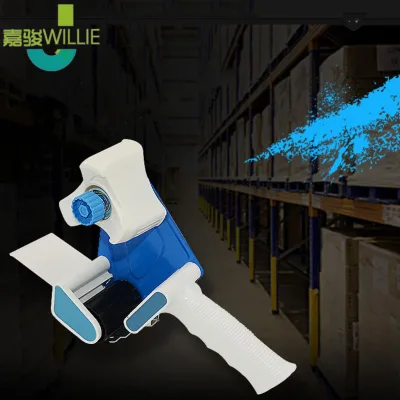
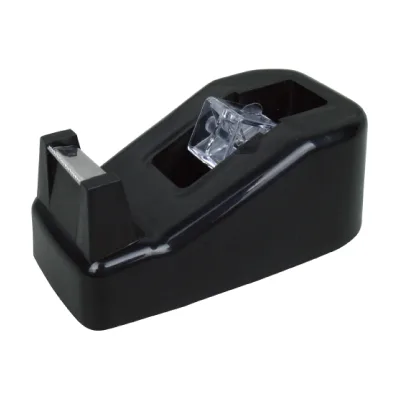
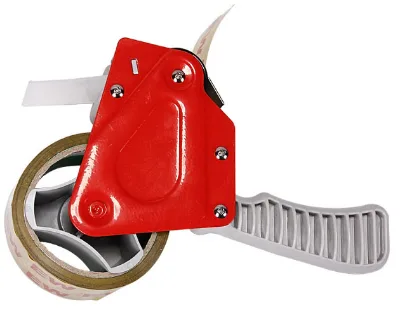
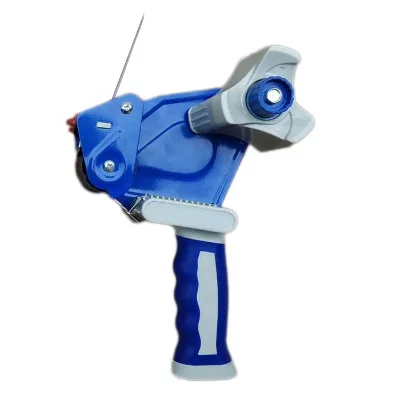
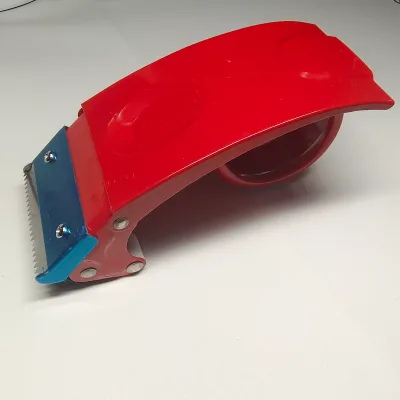
Tape Dispenser Wholesale Automatic Tape Dispenser Automatic Gum Tape Dispenser
$1.50 - $6.00
MOQ: 2000 Pieces

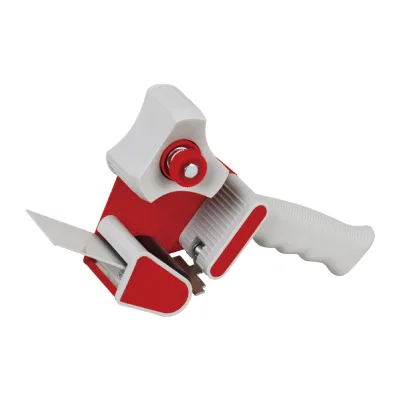
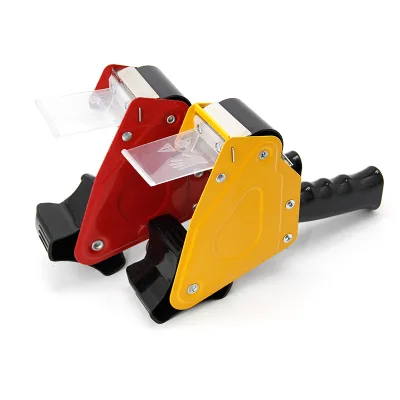
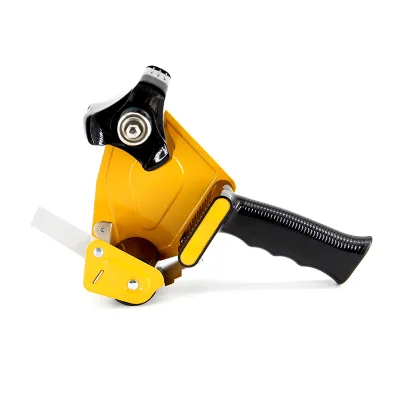
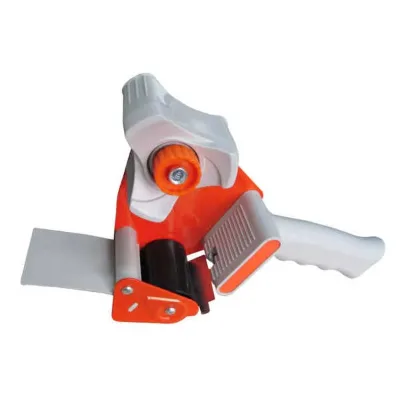
Tape Dispenser for Packing and Office Use Heavy Duty Desktop Tape Cutter Handheld Tape Dispenser
$1.50 - $6.00
MOQ: 2000 Pieces

Tape Dispenser for Packing and Office Use Heavy Duty Desktop Tape Cutter
$1.50 - $6.00
MOQ: 2000 Pieces
- Verified by TUVRHEINLAND
- Trading Company
- China Anhui
- Lead time45 days
- Avg. response≤ 18h
Main productsEraser, Pencil, Chalk, Paper Clip, Crayon, Stick Pen, Sheet Protector, Punch, Mathematerical Instruments, Pencil Sharpener
Main marketsSouth America,Africa,North America


Office Tape Dispenser/Desktop Tape Dispenser/Plastic Tape Dispenser/Tape Holder
$0.20 - $0.50
MOQ: 3000 Pieces


Kunshan Xuxin Industrial Equipment Co., Ltd.
- Verified by SGS
- Trading Company
- China Jiangsu
- Lead time15 days
- Avg. response≤ 17h
Main productsWire Stripping Machine, Terminal Crimping Machine, Automatic Tape Dispenser, Wire Winding and Tie Machine, Harness Tape Wrapping Machine, Component Lead Cut Machine, Automatic Tape Cutting Machine, Automatic Label Dispenser, Automatic Labeling Machine, Filling and Capping Machine
Main marketsSouth America,Africa,Others(foreignTradeCapacity.exportBusinessCapacityMarketOther),Southeast Asia/ Mideast,East Asia(Japan/ South Korea),Domestic,Europe,Australia,North America

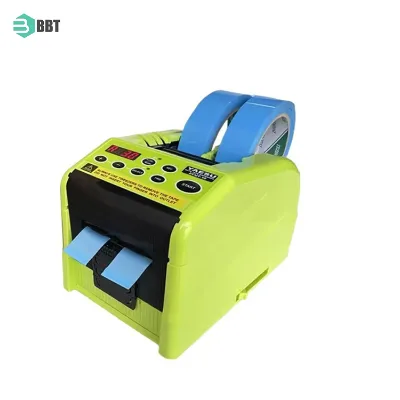
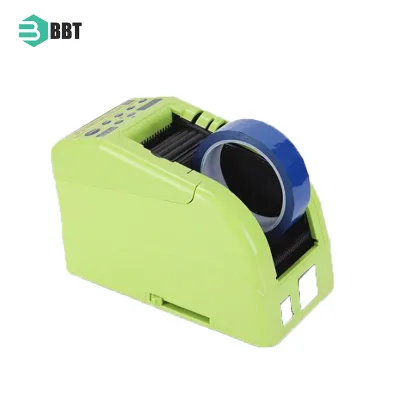
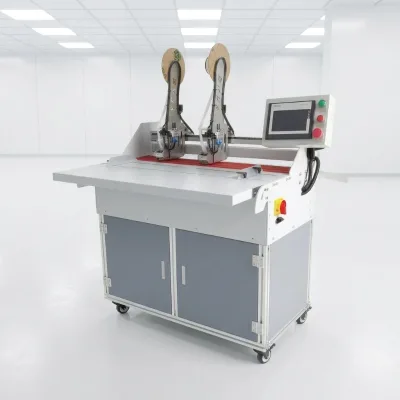
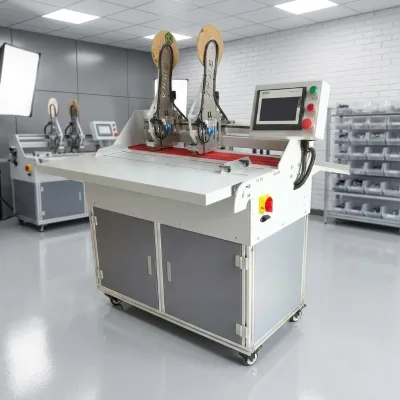
Tape Cutter Automatic Electronic Tape Dispenser/Electronic Packing Tape Dispenser
$80.00 - $110.00
MOQ: 1 Pieces


Suzhou Crown Electronic Technology Co., Ltd.
- Manufacturer, Trading Company
- Lead time旺季: "1 - 10":5,"> 10":"To be negotiated", 淡季: "1 - 10":5,"> 10":"To be negotiated"
- Avg. response≤ 3h
Main productsWire Harness Processing Machine,Wire Cutting And Stripping Machine,Terminal Crimping And Housing Assembly Machine,Wire Peripheral Processing Machine,Power Cord Making Machine
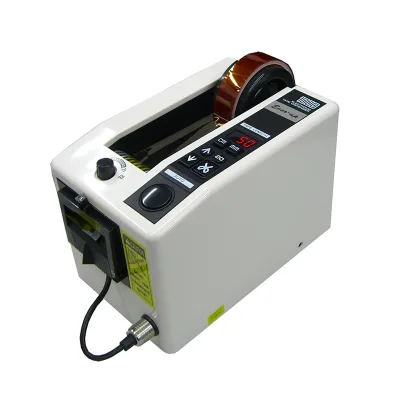
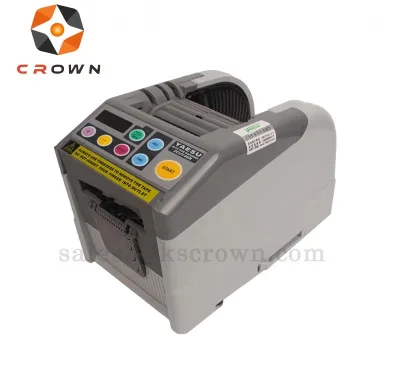
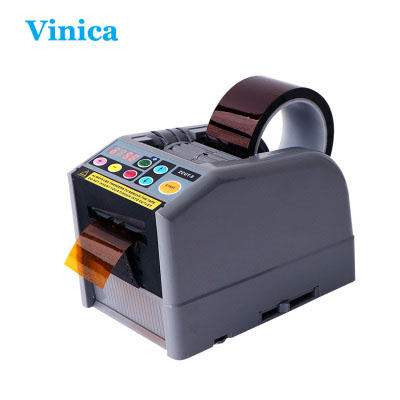
Tape Dispenser Tape Cutter Automatic Tape Dispensers for Packing ZCUT- 9GR
$154.0073 - $184.8087
MOQ: 1 sets

Henan Vinica Machinery Co., Ltd.
- Trading Company
- Henan, China
- Lead time0 days
- Avg. response≤ 7h
Main productshandheld inkjet printer,digital foil printer,package machine,sealing machine,Laminating machine
Main marketsWestern Europe(18.00%), Eastern Europe(15.00%), Africa(15.00%), Northern Europe(10.00%), North America(10.00%), Mid East(10.00%), South America(10.00%), South Asia(5.00%), Southern Europe(5.00%)
Xiamen Ameson New Material Inc.
- Verified by Intertek
- Manufacturer, Trading Company
- Lead time7 days
- Avg. response≤ 3h
Main productsAir Cushion Machine, Water Activated Tape Dispenser, Paper Cushion Packaging, Foam in Place, Protective Packaging
Main marketsDomestic Market(40%), Eastern Asia(12%), Eastern Europe(10%)

Suzhou Crown Electronic Technology Co., Ltd.
- Verified by SGS
- Manufacturer/Factory
- China Jiangsu
- Lead time23 days
- Avg. response≤ 10h
Main productsWire Harness Processing Machine, Terminal Crimping Machine, Wire Stripping Cutting Machine, Tape Cutting Machine, Tube/Pipe Cutting Machine, Wire Taping Machine, Wire Coil Winding Machine, Labelling Machine, Wire Binding Machine, Protective Mask
Main marketsSouth America,Eastern Europe,Mid East,North America,Southeast Asia,Eastern Asia,Oceania,Western Europe,Africa


Automatic Electronic Adhesive Packing Tape Machine Tape Dispenser Zcut-9
$140.00 - $180.00
MOQ: 1 Pieces

SanShine Electronics (Xiamen) Technology Co., Ltd.
- Verified by TUVRHEINLAND
- Trading Company
- China Fujian
- Lead time15 days
- Avg. response≤ 3h
Main productsWinding Machine, Welding Machine, Motor Winding Machine, Line of Production, Transformer Tester, Toroidal Winding Machine, Winding Machine Tensioner, Coil Winder, Coil Turns Tester, Coil Winding Machine
Main marketsOthers(foreignTradeCapacity.exportBusinessCapacityMarketOther),Domestic

Guangdong Ameson Packaging Technology Co., Ltd.
- Trading Company
- Guangdong, China
- Lead time7 days
- Avg. response≤ 5h
Main productsKraft Paper Tape,Water Activated Tape Dispenser,Paper Cushioning Products,Degradable air Cushion Film,Recycled materials Air Cushion Film
Main marketsDomestic Market(40.00%), Eastern Asia(20.00%), North America(15.00%), Oceania(5.00%), South Asia(5.00%), Southern Europe(5.00%), Western Europe(5.00%), Southeast Asia(5.00%)
Foshan Jiajun Willie Pak Co., Ltd.
- Trading Company
- Lead time旺季: "1 - 50":7,"> 50":"To be negotiated", 淡季: "1 - 50":7,"> 50":"To be negotiated"
- Avg. response≤ 2h
Main productsStrapping Machine, Film Dispenser, Strapping Band, Strapping Serrated Seals, Stretch Film

Kunshan Xuxin Industrial Equipment Co., Ltd.
- Trading Company
- Jiangsu, China
- Lead time5 days
- Avg. response≤ 7h
Main productsWire stripping machine,Auto Tape Dispenser,Auto Label Dispenser,ZCUT-9 Auto Tape Dispenser,Tape cutting machine
Main marketsSouthern Europe(8.33%), Northern Europe(8.33%), Central America(8.33%), Western Europe(8.33%), Eastern Asia(8.33%), Mid East(8.33%), Oceania(8.33%), Africa(8.33%), Southeast Asia(8.33%), Eastern Europe(8.33%), South America(8.33%), North America(8.33%)
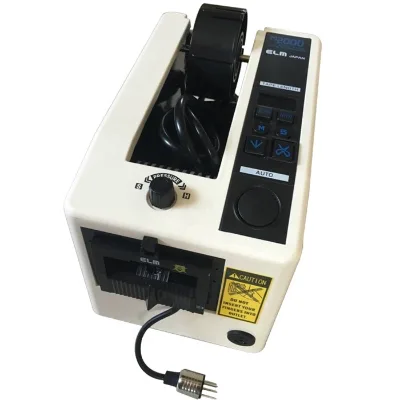
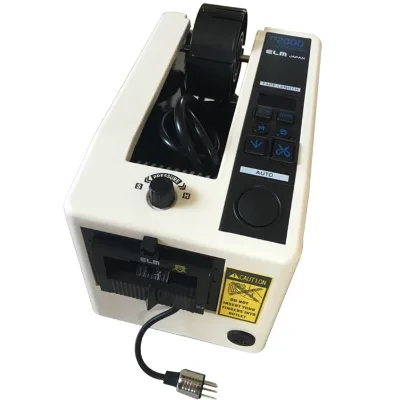
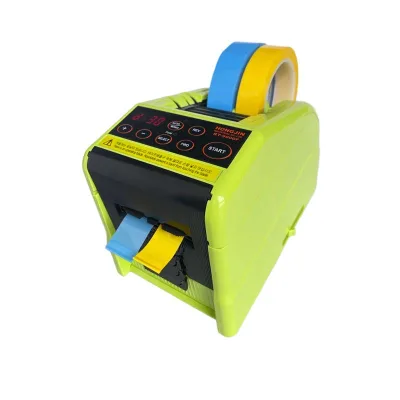
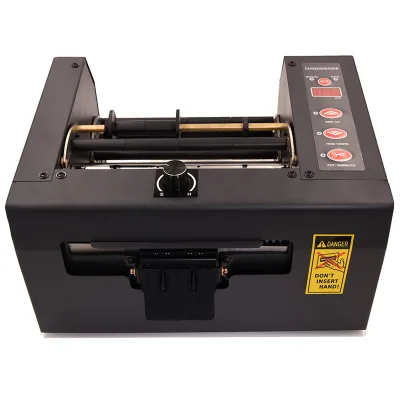
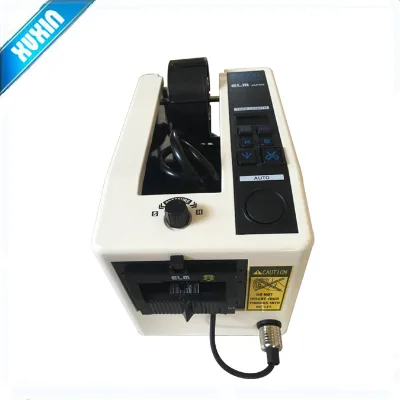
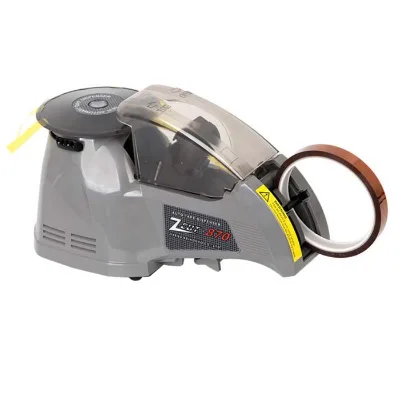
ELM M2000 tape dispenser/tape dispenser machine,High Quality automatic tape dispenser
$105.00 - $130.00
MOQ: 5 units

Shenzhen Junsheng Automation Equipment Co., Ltd.
- Verified by TUVRHEINLAND
- Trading Company
- China Guangdong
- Lead time15 days
- Avg. response≤ 1h
Main productsCable Wire Strippers, Cable Wire Cutting Stripping Machine, Terminal Crimping Machine, Automatic Cable Soldering Machine, Cable Wire Stripping Twisting Machinery, Cable Wire Winding Bundling Machine, Cable Coiling Machine, Sleeve Cutting Machine, Waterproof Plug Insertion Machine, Heat Shrink Tube Heating Machine
Main marketsOthers(foreignTradeCapacity.exportBusinessCapacityMarketOther),Europe
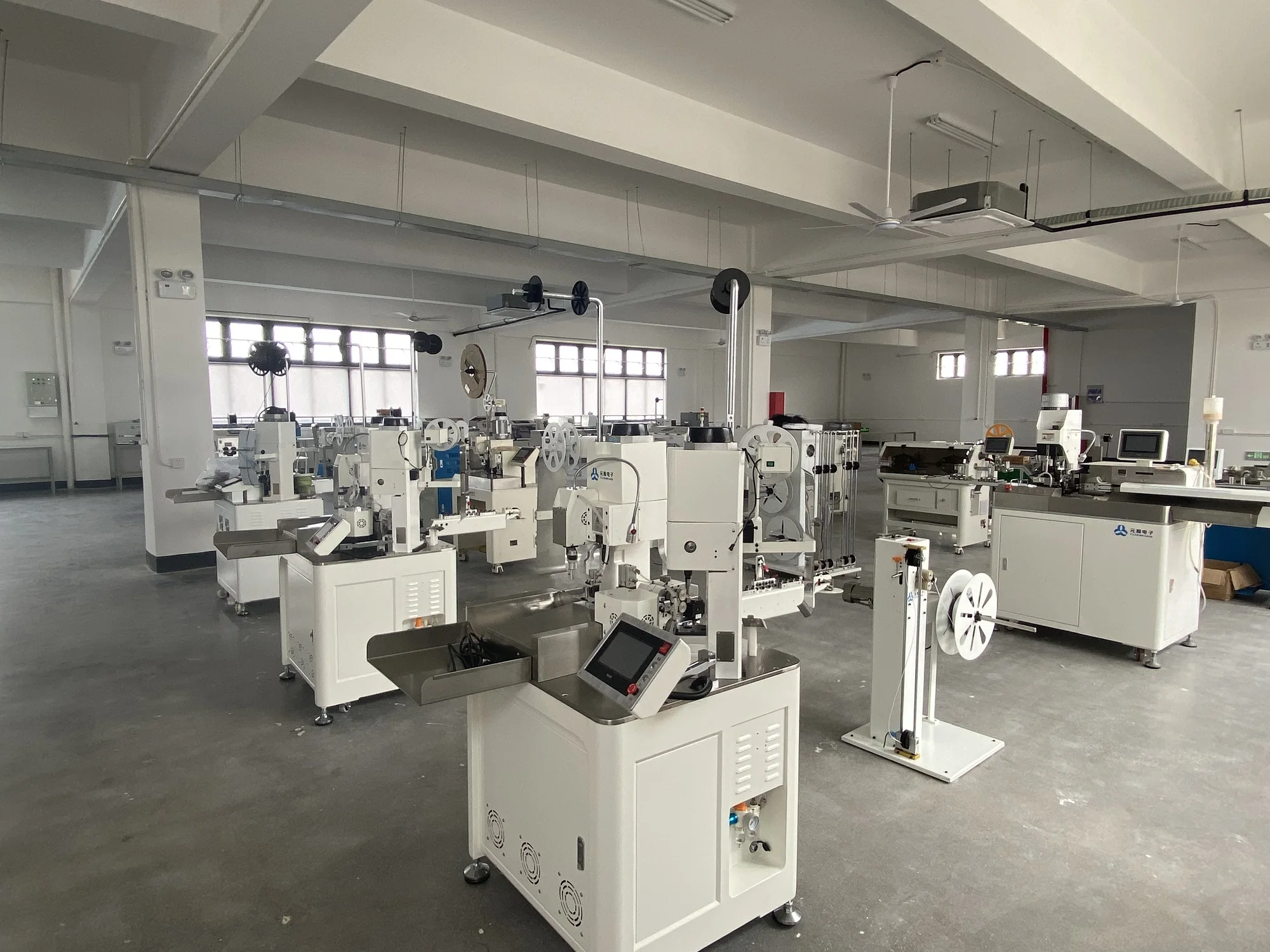
Kunshan Yuanhan Electronic Equipment Co., Ltd.
- Manufacturer
- Jiangsu, China
- Lead time3 days
- Avg. response≤ 6h
Main productsWire Harness Machine/Automatic Tape Cutting Machine/Terminal Crimping Machine/Automatic Tube Cutting Machine,Terminal crimping machine,Tube cutting machine,Harness tester,Welding soldering machine
Main marketsDomestic Market(30.00%), Southeast Asia(15.00%), Oceania(10.00%), South America(10.00%), Western Europe(10.00%), North America(10.00%), Africa(5.00%), Mid East(5.00%), Eastern Europe(5.00%)
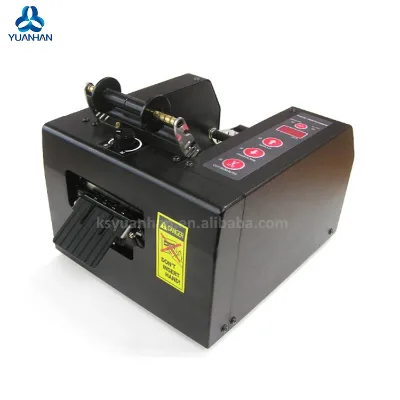
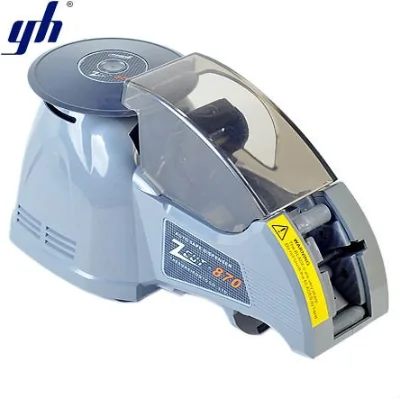
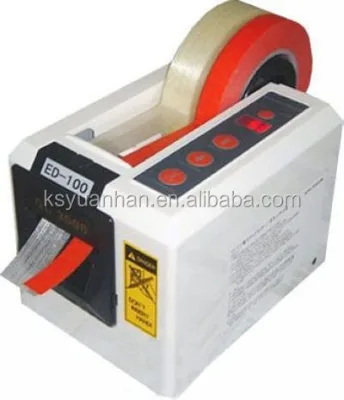
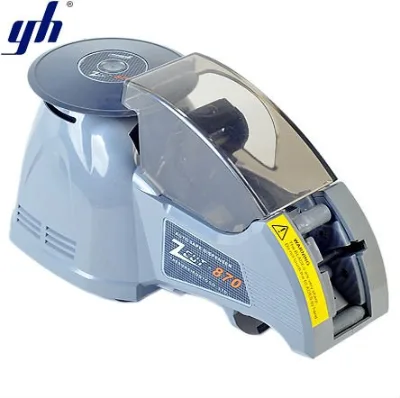
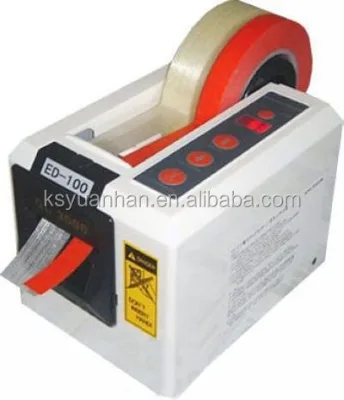
Double Sided Tape Cutting Machine Ed-100/ Auto Tape Dispenser ED-100
$89.1185 - $146.6157
MOQ: 1 Minimum
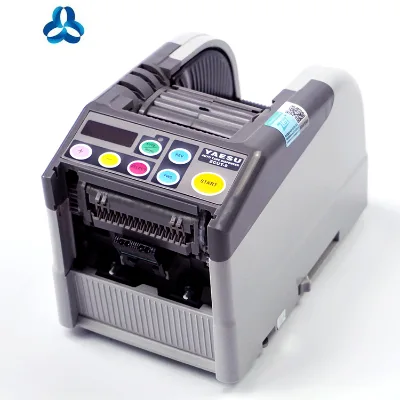
$150.00 - $250.00
MOQ: 1 Minimum

Suzhou Quanjuda Purification Technology Co., Ltd
- Trading Company,Manufacturer/Factory
- China Jiangsu
- Lead time0 days
- Avg. response≤ 9h
Main productsESD Fabric, ESD Garment, ESD Uniform, Sticky Mat, ESD Shoes, ESD Wrist Strap, ESD Glove, Disposable Facemask, Cleanroom Wipers, ESD Finger Cots
Shenzhen Jueyue Technology Co., Limited
- Manufacturer, Trading Company
- Guangdong, China
- Lead time3 days
- Avg. response≤ 10h
Main productsMobile refurbish machines,mobile repairing tools,Parts for Mobile Phone,UV LED Light,Accessory for mobile
Main marketsNorth America(50.00%), Southern Europe(10.00%), Northern Europe(10.00%), Western Europe(10.00%), Eastern Europe(10.00%), South America(10.00%)
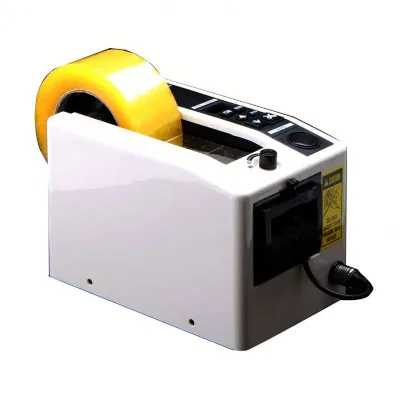
$54.20 - $60.00
MOQ: 2 pieces
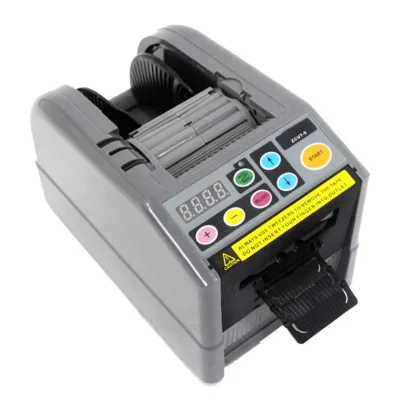
ZCUT-9 Automatic Tape Dispensers Adhesive Non Adhesive Tape Cutter Packing Machine Dispensador
$70.00 - $78.00
MOQ: 1 pieces
- Verified by Intertek
- Trading Company
- Lead time7 days
- Avg. response≤ 1h
Main productsFruit Vegetable Machine, Meat Processing Machine, Pastry Bakery Machine, Snack Machine, Feed Processing Machine

Shandong Chengrui Packaging Co., Ltd
- Verified by TUVRHEINLAND
- Trading Company,Manufacturer/Factory
- China Shandong
- Lead time23 days
- Avg. response≤ 16h
Main productsBOPP Packaging Tape, BOPP Printed Tape, Eco-Friendly Plastic Tape, Water Activated Gummed Paper Tape, Self Adhesive Kraft Tape, Masking Tape, Resealable Bag Sealing Tape, Double Sided Tape, BOPP Stationery Tape, Tape Dispenser
Main marketsSouth America,Eastern Europe,Mid East,North America,Southeast Asia,Eastern Asia,Oceania,Western Europe,Africa


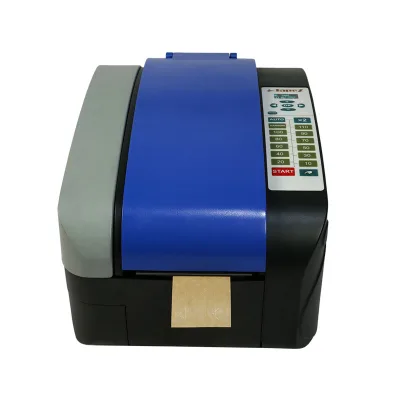
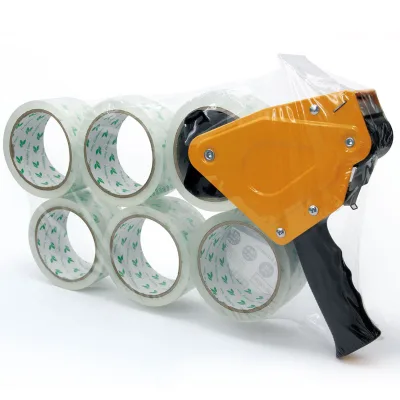
Semi-Automatic Gummed Paper Dispenser Large Roll Packing Tape Dispenser
$250.00 - $300.00
MOQ: 1 Pieces


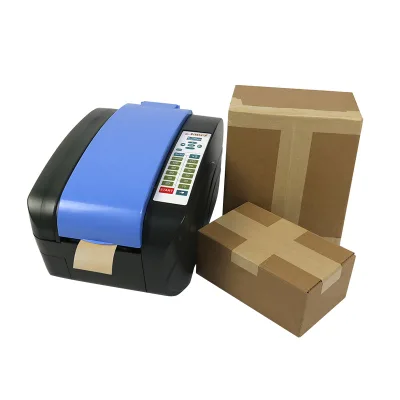
Carton Box Automatic OEM Colored Water Activated Tape Gummed Kraft Paper Tape Dispenser
$600.00 - $700.00
MOQ: 1 Pieces

Semi-Automatic Manual Gummed Paper Tape Dispenser for All Carton Sealing Purposes
$300.00 - $350.00
MOQ: 1 Pieces

Hangzhou Essente Import and Export Trading Co., Ltd.
- Verified by SGS
- Trading Company
- China Zhejiang
- Lead time15 days
- Avg. response≤ 17h
Main productsPacking Tape, Super Clear Tape, BOPP Stationery Tape, Tape Dispenser, Double-Sided Adhesive Tape, Kraft Paper Tape, Masking Tape, Sided Foam Tape, Waterproof Tape, Customizable Tape
Main marketsSoutheast Asia/ Mideast

Ningbo Hollan Stationery Co., Ltd.
- Trading Company
- Zhejiang, China
- Lead time30 days
- Avg. response≤ 15h
Main productsStationery,Office Suppliers
Main marketsSouth America(25.00%), North America(21.00%), Africa(15.00%), Western Europe(7.00%), Oceania(6.00%), Mid East(5.00%), Eastern Europe(5.00%), Northern Europe(4.00%), Central America(3.00%), Eastern Asia(3.00%), South Asia(2.00%), Southern Europe(2.00%), Southeast Asia(2.00%)

- Manufacturer/Factory
- China Beijing
- Lead time23 days
- Avg. response≤ 2h
Main productsPackaging Tape, Industrial Tape, Electrical Tape, Tape Dispenser, Adhesive Tape, Double Sided Tape, Foam Tape, Special Tape, PVC Tape
Main marketsSouth America,Eastern Europe,Mid East,North America,Southeast Asia,Eastern Asia,Oceania,Western Europe,Africa
Anhui Newtime Adhesive Products Co., Ltd.
- Verified by TüVRheinland
- Manufacturer, Trading Company
- Lead time15 days
- Avg. response≤ 3h
Main productsPacking Tape, Masking Tape, Duct Tape, Double Sided Tape, Aluminum Foil Tape
Main marketsSouth America(35%), Domestic Market(30%), North America(10%)

NINGBO ZHONGRUI IMPORT & EXPORT CO., LTD.
- Verified by CTI
- Manufacturer/Factory
- China Zhejiang
- Lead time0 days
- Avg. response≤ 14h
Main productsOffice Tools, School Items, Garden Tools, Gym Sports, Music Instructments
Main marketsSouth America,Eastern Europe,Mid East,North America,Southeast Asia,Western Europe,Africa

Shenzhen King Fung Industry Co., Ltd.
- Verified by TUVRHEINLAND
- Combined
- China Guangdong
- Lead time30 days
- Avg. response≤ 6h
Main productsBOPP Packing Tape, LLDPE Stretch Film, Food Film
Main marketsSouth America,North America

Qingdao Aosheng Plastic Co., Ltd.
- Manufacturer/Factory
- China Shandong
- Lead time30 days
- Avg. response≤ 9h
Main productsPaint Mixing Cup, Disposable Painting Cup, Spray Gun Cup, Drop Sheet, Building Film, Construction Film, Masking Film, Car Cover, Plastic Film, Mattress Bag
Main marketsSouth America,Eastern Europe,Mid East,North America,Southeast Asia,Eastern Asia,Oceania,Western Europe,Africa

Cangzhou Longway Imp & Exp Co., Ltd.
- Trading Company
- Hebei, China
- Lead time20 days
- Avg. response≤ 2h
Main productsFilling Machine/Strapping Machine/Bottle Labeling Machine/Sealing Machine/Carton Machine,strapping machine,packing machine,printing machine,mixing machine
Main marketsWestern Europe(14.00%), Southeast Asia(9.00%), Mid East(9.00%), Southern Europe(9.00%), Eastern Asia(8.00%), Eastern Europe(8.00%), Northern Europe(8.00%), South Asia(8.00%), Domestic Market(7.00%), North America(5.00%), Africa(5.00%), South America(4.00%), Oceania(3.00%), Central America(3.00%)
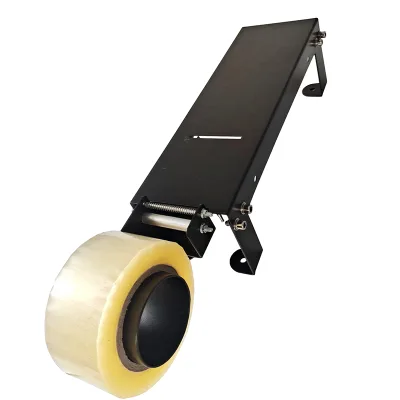
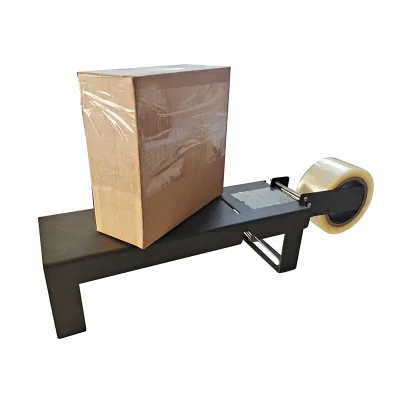
High Quality Tape Width 3-6Cm Carton Desktop Sealer Cutter Tape Dispenser for Box Packaging Machine
$31.2512 - $57.2948
MOQ: 1 pieces
Shenzhen Aimtack Tape Co., Limited
- Verified by TüVRheinland
- Trading Company
- Lead time20 days
- Avg. response≤ 1h
Main productsCarpet Tape, Gaffer Tape, Double Side Tape, Safety Tape, Special Tape
Main marketsNorth America(60%), Western Europe(12%), Eastern Europe(5%)

Daap International (yantai) Co., Ltd.
- Manufacturer, Trading Company
- Shandong, China
- Lead time15 days
- Avg. response≤ 2h
Main productsPaper counting machine,Double sided tape applicator machine,Box making machine,Cutting machine,packaging machine
Main marketsNorth America(19.33%), Southern Europe(15.88%), Western Europe(13.65%), Eastern Europe(12.11%), Southeast Asia(9.66%), South America(8.33%), Northern Europe(6.33%), Mid East(3.95%), South Asia(3.66%), Africa(3.66%), Central America(1.66%), Eastern Asia(1.33%), Domestic Market(0.45%)
Achem Technology (Ningbo) Co., Ltd.
- Manufacturer, Trading Company
- Zhejiang, China
- Lead time30 days
- Avg. response≤ 3h
Main productsBopp packaging tape,pvc tape,over lamination film,tape dispenser,water based acrylic glue
Main marketsNorth America(40.00%), Eastern Asia(20.00%), South America(20.00%), Western Europe(10.00%), Mid East(5.00%), Africa(5.00%)
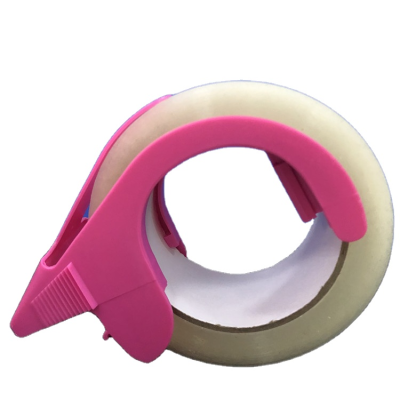
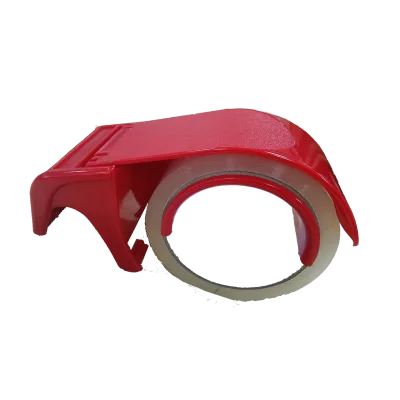

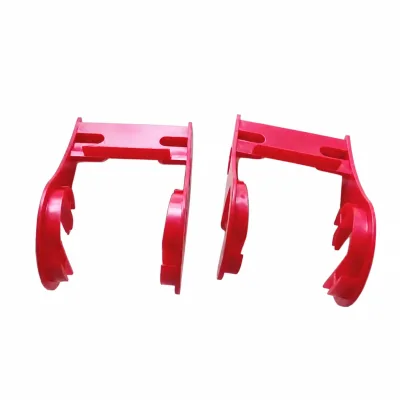
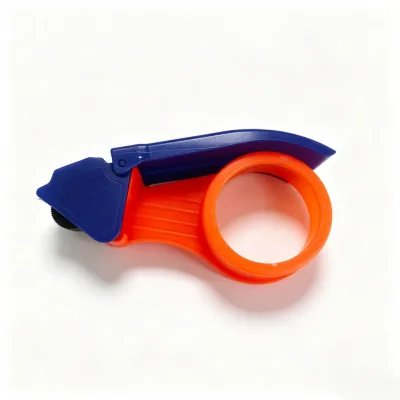
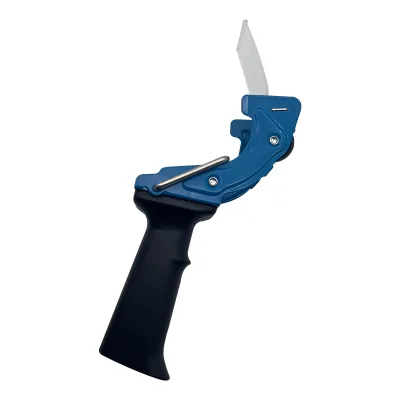
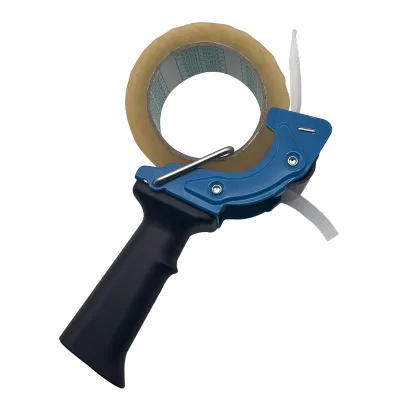
Plastic Large-Size Industrial Tape Dispenser with Cutter and 48 mm Wide Tape Roll
$0.13 - $0.15
MOQ: 4500
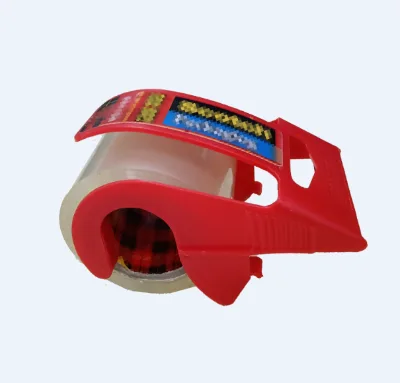
Zhangzhou Air Power Packaging Equipment Co., Ltd.
- Verified by TüVRheinland
- Manufacturer, Trading Company
- Lead time5 days
- Avg. response≤ 2h
Main productsAir Cushion Machine, Paper Cushion Machine, Air Cushion Film, Honeycomb Paper, Kraft Paper
Main marketsWestern Europe(30%), Southeast Asia(20%), North America(10%)

Wenzhou East World Automation Equipment Co., Ltd.
- Verified by BV
- Combined
- China Zhejiang
- Lead time30 days
- Avg. response≤ 2h
Main productsStripping Machine, Crimping Machine, Cutting Machine, Connector & Terminal, Wind & Nylon Tying Machine, Prefeeding& Deposit System, Moulds, Tape Bundling Machine, Heat Shrinkage Machine, Labeling Machine
Main marketsSouth America,East Asia(Japan/ South Korea),Europe,Australia,North America


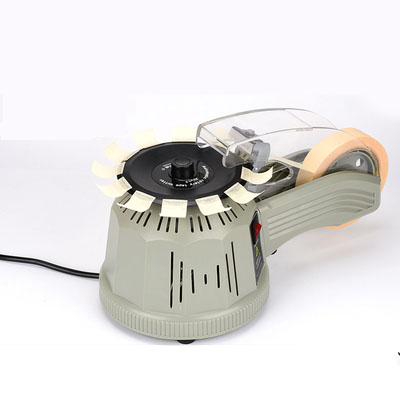
Eastontech Auto Tape Cutter Machine Rt-3000 Carousel Automatic Tape Dispenser for Narrow Soft Tape
$120.00 - $150.00
MOQ: 1 Sets

$55.00 - $70.00
MOQ: 1 Sets

- Verified by BV
- Trading Company
- China Hunan
- Lead time23 days
- Avg. response≤ 8h
Main productsPaint Roller, Putty Knife, Caulking Gun, Paint Brush, Trowel, Bricklaying Trowel, Scraper, Float Trowel, Paint Mixer, Wallpaper Roller
Main marketsSouth America,Southeast Asia/ Mideast,Europe
Yangzhou Lionye Technology Co., Ltd.
- Trading Company
- Jiangsu, China
- Lead time30 days
- Avg. response≤ 3h
Main productsTape,Rope,Film,Paper Mill Accessary,Hardware
Main marketsSouth America(30.00%), Eastern Europe(30.00%), North America(15.00%), Northern Europe(10.00%), Southeast Asia(10.00%), Domestic Market(5.00%)
Wuxi Ashlity Technology Co., Ltd.
- Trading Company
- Jiangsu, China
- Lead time15 days
- Avg. response≤ 3h
Main productsScrew,Bolt,Nut,Clamp,CNC Machining Parts
Main marketsMid East(30.00%), Eastern Europe(20.00%), Africa(15.00%), Western Europe(10.00%), Southern Europe(10.00%), North America(10.00%), South America(5.00%)
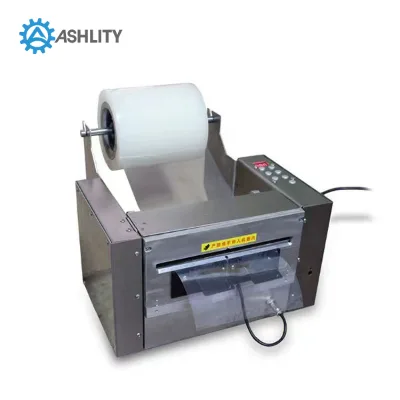
$950.00 - $1450.00
MOQ: 1 Minimum
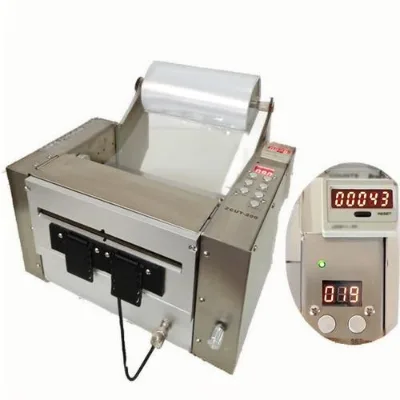
$950.00 - $1450.00
MOQ: 1 Minimum
Ningbo Emda Import And Export Co., Ltd.
- Verified by SGS Group
- Trading Company
- Lead time30 days
- Avg. response≤ 2h
Main productsPunch, Stapler, Metal Mesh Products
Main marketsNorth America(25%), South America(20%), Western Europe(20%)


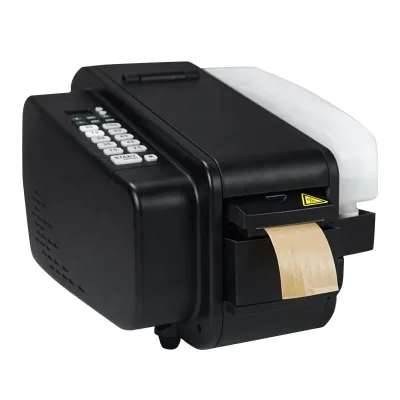
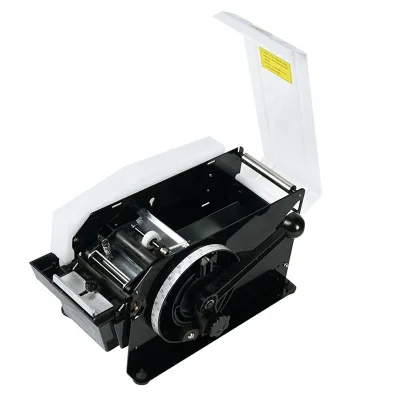
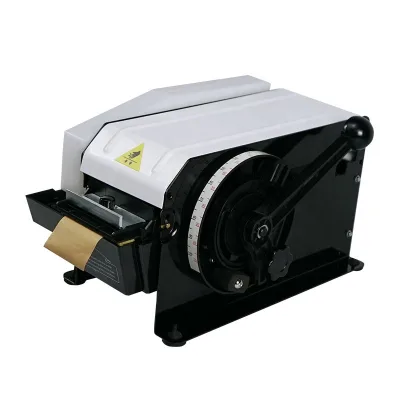
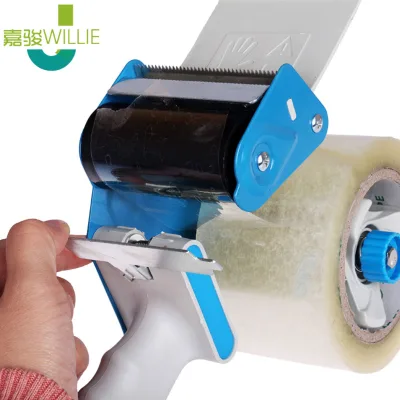








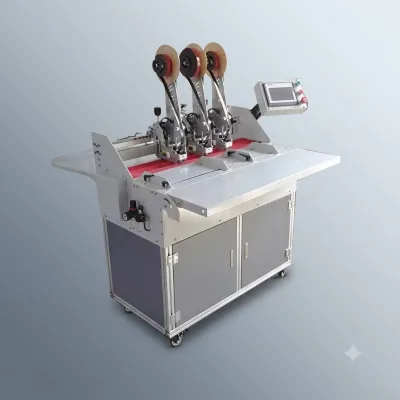
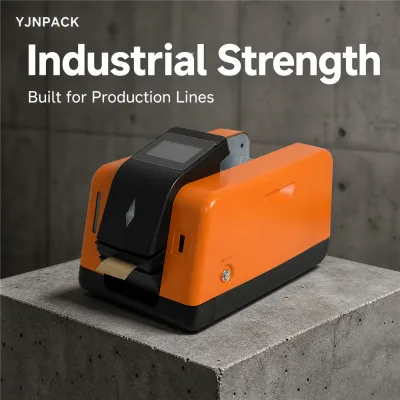
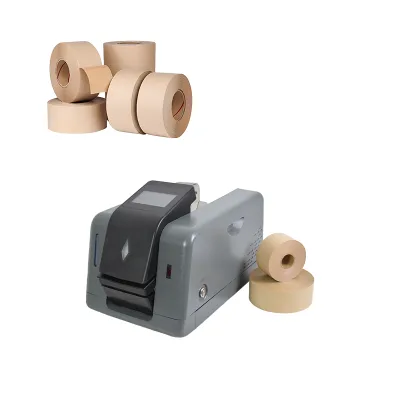
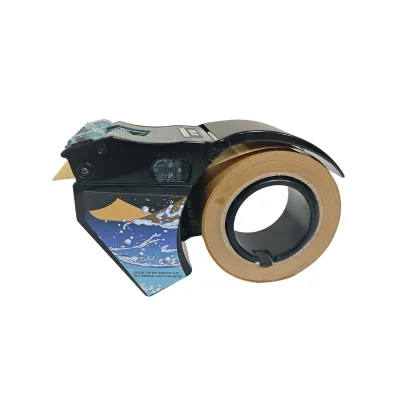


Comprehensive Sourcing Guide
Automatic Tape Dispenser Supplier Concentration and Factory Types
The current supplier landscape for automatic tape dispensers reveals a distinct split between trading companies and specialized manufacturers, primarily concentrated in specific Chinese provinces. Evidence indicates that suppliers located in Jiangsu, particularly around Yangzhou, often operate as trading companies that aggregate products like paint tools and hardware alongside office adhesives. These entities typically offer a broader range of manual and semi-automatic options, such as desktop cutters and handheld dispensers, which serve as entry points for buyers seeking lower-cost, high-volume office supplies. In contrast, suppliers in Anhui province focus heavily on standard office accessories, including erasers, pencils, and basic tape holders, suggesting a cluster optimized for mass-produced, low-margin stationery items. This geographic distribution implies that buyers looking for true automation technology may need to look beyond these specific trading hubs, as the available data shows these regions are dominated by manual or semi-automatic product lines rather than fully electronic solutions.
Further analysis of the supplier types highlights the importance of distinguishing between general trading firms and those with dedicated R&D capabilities. While many listed suppliers are verified by third-party agencies like BV, TÜV Rheinland, or SGS, their primary business model often revolves around sourcing and reselling rather than in-house manufacturing. For instance, some suppliers explicitly list ODM and OEM capabilities, indicating they can customize automatic tape dispensers for specific brand requirements. However, the majority of the observed results feature trading companies that facilitate transactions for various factories. This distinction is critical because trading companies may offer more flexible MOQs and faster communication, whereas specialized manufacturers might provide deeper technical support for complex automatic machines. Buyers must therefore assess whether their priority lies in the breadth of product variety offered by traders or the technical depth and customization potential offered by OEM-capable factories, as this choice will significantly impact the sourcing strategy and long-term partnership viability.
How to Verify Automatic Tape Dispenser Suppliers
Verification of Automatic Tape Dispenser suppliers requires a multi-layered approach that goes beyond simple platform badges, focusing on the authenticity of certifications and the reliability of response metrics. The available data shows that suppliers are verified by recognized bodies such as BV, TÜV Rheinland, and SGS, which provides a baseline level of trust regarding business legitimacy and operational standards. However, buyers should not assume that these verifications cover the specific technical performance of the automatic tape dispensers themselves. It is essential to request detailed verification reports that specifically address the electrical safety, motor durability, and cutting precision of the automatic models, such as the ZCUT-9 or M-1000 units. These technical validations ensure that the supplier’s claims about automation capabilities are backed by independent testing, rather than just general company audits. Buyers should treat the verification badge as a starting point for due diligence, not a final seal of approval for product quality.
Response time and lead time metrics offer additional insights into a supplier’s operational efficiency and reliability. The observed response times vary significantly, ranging from approximately 4.22 hours to over 17 hours, which can indicate the size of the support team and the supplier’s responsiveness to urgent inquiries. A faster response time, such as the 4.22-hour average seen in some Jiangsu-based suppliers, suggests a more agile customer service structure, which is crucial when negotiating custom specifications for automatic dispensers. Conversely, longer response times may correlate with larger, more bureaucratic organizations or those handling a higher volume of general inquiries. Buyers should also scrutinize the stated lead times, which range from 15 days to 45 days, to understand the production capacity and inventory management practices. A shorter lead time does not always guarantee faster delivery if the supplier lacks raw material stock, so verifying the actual production schedule and current stock levels for automatic models is a necessary step in the verification process.
What to Compare Across Automatic Tape Dispenser Suppliers
When evaluating potential partners, buyers must compare key commercial and operational dimensions such as price, MOQ, and product specifications to ensure alignment with their business needs. The price range for tape dispensers varies dramatically, from as low as $0.10 for basic manual holders to over $110 for fully automatic electronic models like the ZCUT-9. This wide disparity highlights the importance of clearly defining the required level of automation before requesting quotes. For automatic dispensers, the price is heavily influenced by features such as LED displays, adjustable cutting lengths, and power specifications. Buyers should compare the unit costs against the MOQ, which can range from just one unit for high-end automatic machines to 2,000 or 3,000 units for manual or semi-automatic options. Understanding this relationship helps in determining the total landed cost and assessing whether the supplier’s pricing structure supports the buyer’s volume requirements.
Product specifications and customization options are another critical area for comparison, particularly for automatic tape dispensers that need to integrate into specific workflows. Suppliers offer varying levels of customization, with some providing standard models and others allowing for tailored solutions in color, material, and functionality. For example, automatic dispensers may feature different power inputs, such as AC110V or AC220V, and varying tape width capacities, ranging from 7mm to 50mm. Buyers should compare these technical details to ensure compatibility with their existing infrastructure and tape types. Additionally, the material composition, such as the use of metal, PP, or ABS plastic, affects durability and aesthetic appeal. Comparing the packing methods, such as OPP bags, color boxes, or cartons, is also important for logistics planning. By systematically comparing these attributes, buyers can identify suppliers that offer the best balance of technical capability, customization flexibility, and cost-effectiveness for their specific application.
Common Automatic Tape Dispenser Sourcing Risks
One of the primary risks in sourcing automatic tape dispensers is the potential mismatch between advertised capabilities and actual performance, particularly regarding automation reliability. Many suppliers list a wide array of products, from manual cutters to fully automatic electronic dispensers, which can lead to confusion about their core expertise. Buyers may encounter suppliers who are primarily traders of manual office supplies attempting to sell automatic machines sourced from third parties, potentially lacking the technical support needed for complex electronic devices. This risk is exacerbated by the lack of detailed technical documentation in some product listings, where key specifications like motor lifespan or error rates are not disclosed. To mitigate this, buyers must conduct thorough due diligence to verify the supplier’s actual manufacturing capabilities and technical support infrastructure, ensuring they are not relying on a trading company for a product that requires specialized after-sales service.
Another significant risk involves the variability in quality control and compliance with international standards, especially for electronic components in automatic dispensers. While suppliers may display certifications like SGS or TÜV Rheinland, these often apply to the company’s general management system rather than the specific product’s electrical safety or electromagnetic compatibility. Automatic tape dispensers involve moving parts, motors, and electronic controls, which require rigorous testing to ensure safety and durability. Buyers must verify that the products comply with relevant standards for their target markets, such as CE, FCC, or RoHS, which are not explicitly mentioned in the available data. Additionally, the risk of inconsistent product quality across batches is higher when dealing with suppliers who have diverse product lines, as their focus may be diluted. Buyers should request sample units for testing and insist on clear quality assurance protocols to ensure that the automatic dispensers perform consistently and meet the required performance standards.
Automatic Tape Dispenser Regional Sourcing and Logistics
The geographic location of suppliers significantly impacts logistics costs, lead times, and overall supply chain efficiency for automatic tape dispensers. The available data indicates that suppliers are primarily located in China, with specific concentrations in Jiangsu and Anhui provinces. Jiangsu, particularly the Yangzhou area, is known for its manufacturing capabilities in hardware and office supplies, which may offer advantages in terms of established supply chains for materials like metal and plastic. Suppliers in this region may benefit from proximity to ports and logistics hubs, potentially reducing shipping times and costs for international buyers. However, buyers must also consider the specific origin of the automatic tape dispensers, as some products may be manufactured in different locations than the supplier’s registered address. Verifying the actual production site is crucial for accurate logistics planning and ensuring that the supplier has the infrastructure to handle the specific requirements of electronic goods.
Logistics considerations also extend to the packaging and handling of automatic tape dispensers, which are more fragile and complex than manual alternatives. Suppliers typically use carton packaging for automatic models, which provides better protection during transit compared to the OPP bags or color boxes used for manual dispensers. Buyers should evaluate the supplier’s packaging standards to ensure that the electronic components are adequately protected against shock and moisture during shipping. Additionally, the weight and dimensions of the automatic dispensers, such as the 1.6kg weight of the ZCUT-9 model, impact shipping costs and storage requirements. Buyers must calculate the total logistics cost, including freight, insurance, and customs duties, to determine the true landed cost of the products. Understanding the regional logistics landscape helps buyers optimize their supply chain, reduce transit times, and minimize the risk of damage during transportation, ensuring that the automatic tape dispensers arrive in optimal condition.
Automatic Tape Dispenser Commercial Terms and Order Planning
Effective order planning for automatic tape dispensers requires a careful analysis of commercial terms, including MOQ, payment conditions, and lead times, to align with the buyer’s inventory and cash flow strategies. The MOQ for automatic dispensers can be as low as one unit, which is advantageous for buyers testing the market or requiring small batches for specific projects. In contrast, manual or semi-automatic options often have higher MOQs, such as 2,000 or 3,000 units, which may not be suitable for all buyers. Understanding these MOQ variations allows buyers to negotiate more favorable terms and select suppliers that match their volume requirements. Additionally, lead times vary significantly, ranging from 15 days to 45 days, depending on the product type and supplier capacity. Buyers must factor these lead times into their production schedules and inventory planning to avoid stockouts or excess inventory, ensuring a smooth supply chain operation.
Payment terms and escrow services play a crucial role in mitigating financial risk during the sourcing process. While the available data does not specify exact payment terms, buyers should prioritize suppliers who offer secure payment methods, such as escrow services, to protect their funds until the goods are received and verified. This is particularly important for high-value automatic tape dispensers, where the financial exposure is greater. Buyers should also negotiate clear terms for warranties, returns, and after-sales support, which are essential for electronic products that may require maintenance or repairs. By carefully reviewing and negotiating these commercial terms, buyers can establish a secure and transparent trading relationship with their suppliers. This approach not only protects the buyer’s financial interests but also fosters trust and long-term collaboration, ensuring that the sourcing process for automatic tape dispensers is efficient, reliable, and mutually beneficial.
FAQs
What is the price range for manual tape dispensers?
Manual tape dispensers typically range from 0.10 to 6.00 USD per unit depending on the model and material. Suppliers in Jiangsu and Anhui offer options starting at 1.50 USD for metal and plastic models. Bulk orders often reduce the cost significantly below the maximum listed price of 6.00 USD.
What are the minimum order quantities for tape dispensers?
Minimum order quantities vary by supplier and product type, ranging from 1 unit for automatic machines to 3000 units for manual dispensers. Automatic electronic dispensers have a low MOQ of just 1 piece, while standard office tape dispensers often require orders of 2000 to 3000 units to qualify for pricing.
How long does it take to receive tape dispenser orders?
Lead times for tape dispensers generally range from 15 to 45 days depending on the supplier location and order volume. Suppliers in Jiangsu typically offer a 15-day lead time, whereas manufacturers in Anhui may require up to 45 days to complete production and arrange shipping for bulk orders.
Are customization options available for tape dispensers?
Yes, customization is available for most tape dispenser models including color, material, and specific functional requirements. Suppliers offer customized colors and materials like metal, PP, and ABS. You can request specific packing methods such as color boxes or PVC boxes to match your branding needs.
What certifications do tape dispenser suppliers hold?
Verified suppliers in this category hold certifications from BV, TÜV Rheinland, and SGS. These third-party verifications confirm the company type and product standards. Buyers should check specific product listings to confirm which certification applies to the exact model and origin of the tape dispenser.
Where are the tape dispenser manufacturers located?
Manufacturers are primarily located in Jiangsu and Anhui provinces in China. Specific origins include Yangzhou in Jiangsu and general locations in Anhui. These regions specialize in producing office supplies and hardware tools including various types of tape dispensers for both manual and automatic applications.
What materials are used to make tape dispensers?
Tape dispensers are commonly constructed from metal, PP, ABS plastic, and include serrated metal blades. Some models feature a bearing capacity of 0.5kg and are designed for office work or handicrafts. The combination of plastics and metal ensures durability for heavy-duty desktop or handheld use.
How quickly do suppliers respond to inquiries?
Supplier response times vary, with some responding within 4 hours and others taking up to 17 hours. The average response time observed is around 16 hours. Buyers should expect different reply speeds depending on the specific supplier and their current workload or verification status.