Automatic Water Resistant Camping Tent Suppliers and Manufacturers
Explore 31 verified suppliers offering Automatic Water Resistant Camping Tent options with varying lead times, certifications, and response speeds. Compare specifications like pole materials and capacity, then request samples to verify quality before placing orders; review the available evidence before requesting comparable quotations from suitable candidates.
Updated
Suppliers List
Henan Quye Outdoor Products CO., LTD.
- Verified by Intertek
- Manufacturer, Trading Company
- Lead time50 days
- Avg. response≤ 3h
Main productsAutomatic Pop-Up Tent, Inflatable Tent, Lightweight, Disaster Relief Tent, Tunnel Tent
Main marketsEastern Asia(50%), Domestic Market(23%), North America(4%)

Shanghai Cuckoo Outdoor Products Co., Ltd.
- Verified by TUVRHEINLAND
- Combined
- China Jiangsu
- Lead time30 days
- Avg. response≤ 4h
Main productsInflatable Tent, Camping Tent, Inflatable Camping Tent, Outdoor Tent, Family Inflatable Tent, Family Tent, Rooftop Tent, Family Camping Tent, Air Tent, Outdoor Inflatable Tent
Main marketsSoutheast Asia/ Mideast,East Asia(Japan/ South Korea)


Customized Thick Material Wind & Rain Shield After-Sales Camping Tent
$577.46 - $654.93
MOQ: 50 Pieces
Shanghai Mountains and Rivers Industry and Trade Co., Ltd.
- Trading Company
- Shanghai, China
- Lead time60 days
- Avg. response≤ 2h
Main productstent,sleeping bag,picnic rug,self inflatable mat,hammock
Main marketsNorth America(40.00%), Northern Europe(10.00%), Western Europe(10.00%), South Asia(10.00%), Southern Europe(10.00%), Eastern Europe(10.00%), Mid East(5.00%), Africa(5.00%)
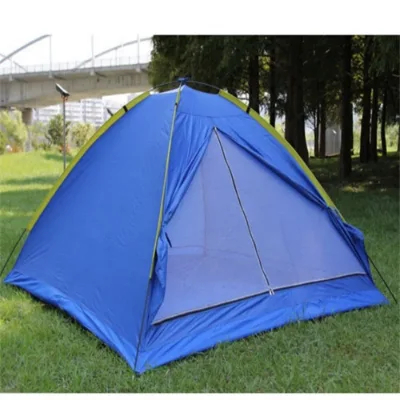
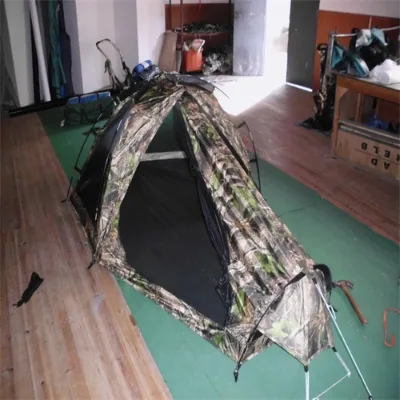
Outdoor Automatic Transparent Anti-storm Large Camping Tent For Family 5-8 People
$4.50 - $85.00
MOQ: 500 Minimum
Shanghai Carfro Industry And Trade Co.,ltd
- Trading Company
- Shanghai, China
- Lead time15 days
- Avg. response≤ 10h
Main productsvacuum cleaner,car air compressor
Main marketsSouth America(25.00%), North America(25.00%), Southeast Asia(20.00%), Eastern Europe(20.00%), Western Europe(5.00%), Africa(5.00%)
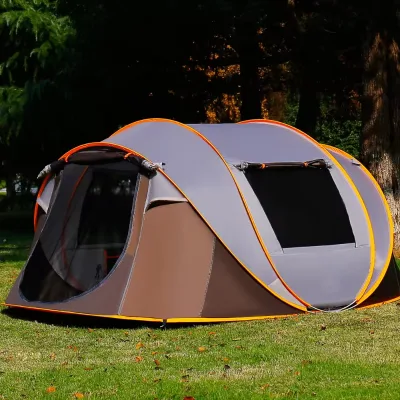
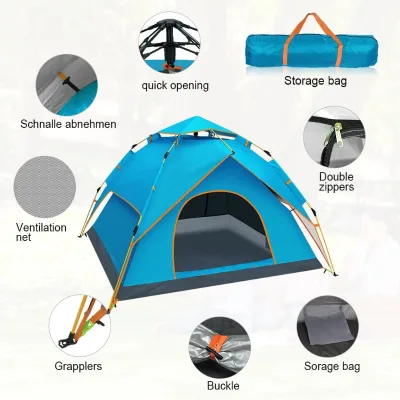
$15.55 - $19.85
MOQ: 10 pieces

Qingdao Otia Industry and Trade Co., Ltd.
- Verified by SGS
- Trading Company,Manufacturer/Factory
- China Shandong
- Lead time105 days
- Avg. response≤ 4h
Main productsFolding Wagon, Garden Cart, Shopping Cart, Wheel Barrow, Aluminum Storage Box, Wheels
Main marketsSouth America,Eastern Europe,Mid East,Eastern Asia,Western Europe,Africa


Camping Rainproof and Waterproof Outdoor Camping Fully Automatic Inflatable Tent
$193.00
MOQ: 100 Pieces
Guangzhou Fun Leisure Sports Limited
- Manufacturer, Trading Company, Buying Office
- Guangdong, China
- Lead time25 days
- Avg. response≤ 7h
Main productsinflatable advertising,inflatable arch,inflatable air dancer,inflatable tent,inflatable movie screen
Main marketsNorth America(55.00%), Mid East(13.00%), Central America(10.00%), South America(6.00%), Southern Europe(5.00%), Northern Europe(5.00%), Eastern Europe(3.00%), Western Europe(3.00%)

Tangshan Yongfa Tent Manufacturing Co., Ltd.
- Verified by SGS
- Combined
- China Hebei
- Lead time15 days
- Avg. response≤ 3h
Main marketsEurope
DAC (Shenzhen) Technology Co., Ltd
- Manufacturer, Trading Company
- Guang Dong, China
- Lead time15 days
- Avg. response≤ 5h
Main productsTents,Roof Top Tent,Roof Rack,Awning tent,Air Heater
Main marketsWestern Europe(20.00%), North America(15.00%), Oceania(15.00%), Eastern Asia(11.00%), Domestic Market(10.00%), Northern Europe(5.00%), Southeast Asia(5.00%), South Asia(5.00%), Southern Europe(5.00%), Eastern Europe(3.00%), South America(3.00%), Mid East(3.00%)
Henan Aimei Outdoor Products Co., Ltd.
- Verified by SGS Group
- Trading Company
- Lead time25 days
- Avg. response≤ 3h
Main productsTent & Shelter, Camping Sleeping Gear, Camping Furniture, Camping Cart & Storage Box, Camping Kitchen Ware
Main marketsNorth America(30%), Western Europe(30%), Eastern Europe(20%)
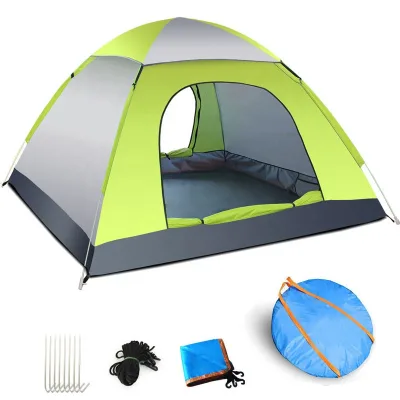
$4.6214 - $8.0092
MOQ: 10 pieces
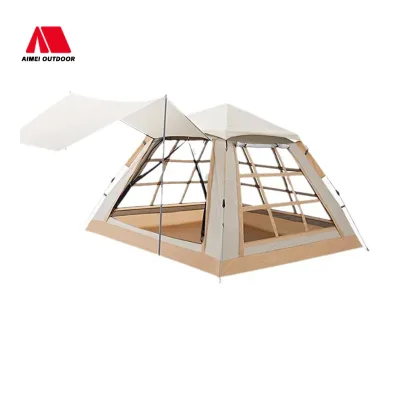
Automatic Instant Setup 1-6 Person Camping Tent for Outdoor Park and Family Use
$22.60 - $24.60
MOQ: 1 acres

Yiwu BaiQi Outdoor Products Co.,Ltd.
- Trading Company
- China Zhejiang
- Lead time23 days
- Avg. response≤ 4h
Main productsCamping Tent, Relief Tent, Modular Tent, Beach Shelter, Laundry Bag, Kids Tent, Dome Tent, Party Tent, Outdoor Tent, Refugee Tent
Main marketsDomestic

Double Layer Automatic Hydraulic Tent 2person Instant Setup Waterproof Camping Tent Camping Tent
$6.50 - $9.50
MOQ: 200 Pieces

Outdoor Camping Tent Portable Full-Automatic Fast Tent Camping Camping Park Tent
$15.00 - $19.00
MOQ: 50 Pieces
Anhui Shoufang Outdoor Productions Co., Ltd.
- Trading Company
- Anhui, China
- Lead time25 days
- Avg. response≤ 2h
Main productsCanoe/Kayaks, Surfboard, Jet Ski, Tent
Main marketsNorth America(50.00%), Eastern Asia(50.00%)
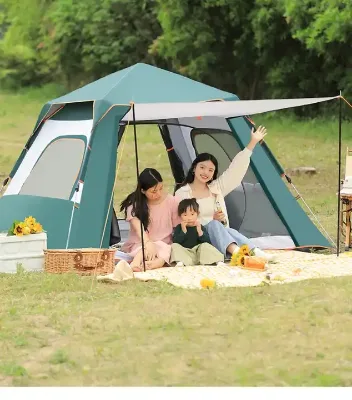
Durable Waterproof Folding Tent Oxford Fabric Outdoor Tents Camping Sleeping Four Side Camping Tent
$25.80 - $29.00
MOQ: 2 pieces
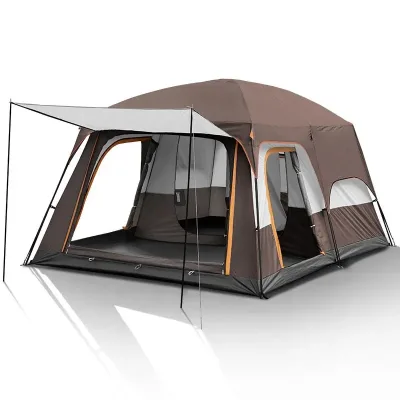
$87.3902 - $111.0369
MOQ: 10 pieces

Starry (Xiamen) Outdoor Equipment Technology Co., Ltd.
- Verified by SGS
- Trading Company
- China Fujian
- Lead time15 days
- Avg. response≤ 2h
Main productsCamping Tent, Inflatable Tent, Beach Tent, Ice Fishing Tent, Shower Tent, Car Roof Tent, Relief Tent, Camping Chair and Table, Gazebo, Inflatable Mattress
Main marketsEurope,North America


4 Season Double Layer Waterproof Camping Outdoor Tent Easy Set up Lightweight Portable Camping Tent
$25.01 - $26.65
MOQ: 100 Pieces


Qingdao Ventop Overland Co., Ltd.
- Verified by SGS
- Manufacturer/Factory
- China Shandong
- Lead time45 days
- Avg. response≤ 1h
Main productsRoof Top Tents, Vehicle Awnings, Canopies, Hard Shell Roof Top Tents, Soft Shell Roof Top Tents, Rooftop Tents, Aluminum Roof Top Tents
Main marketsSouth America,Eastern Europe,Mid East,North America,Southeast Asia,Eastern Asia,Oceania,Western Europe,Africa
Xiamen Marvelous Outdoor Technology Co., Ltd.
- Verified by TüVRheinland
- Trading Company
- Lead time14 days
- Avg. response≤ 2h
Main productsRoof Top Tent, Dome Tent, Camping Tent, Outdoor Tent, Inflatable Tent
Main marketsEastern Europe(60%), Oceania(20%), North America(10%)

Shijiazhuang Daya E-Commerce Co., Ltd.
- Trading Company
- Hebei, China
- Lead time7 days
- Avg. response≤ 4h
Main productsGlamping Tent,Inflatable Tent,Bell Tent,Dome Tent,Star awning
Main marketsWestern Europe(12.00%), Domestic Market(10.00%), North America(10.00%), South Asia(10.00%), Southeast Asia(10.00%), Eastern Europe(10.00%), South America(10.00%), Southern Europe(5.00%), Northern Europe(5.00%), Mid East(5.00%), Oceania(5.00%), Eastern Asia(5.00%), Africa(2.00%), Central America(1.00%)

Hebei New Sight Outdoor Products Co., Ltd.
- Verified by SGS
- Combined
- China Hebei
- Lead time23 days
- Avg. response≤ 5h
Main productspop up tent
Main marketsEurope


Camping Tent Waterproof Promotional Tents with Custom Logo Exhibition Tent Outdoor
$77.00 - $98.00
MOQ: 1 Pieces

Open Tents for Outdoor Events Waterproof Canopy Tent Tent Outdoor Camping
$24.85 - $26.60
MOQ: 100 Pieces

Outdoor Tents Waterproof House Portable Tent Outdoor Blue Tents Camping Outdoor
$22.70 - $28.30
MOQ: 1 Pieces

Tangshan Nuoyida Trading Co., Ltd
- Verified by TUVRHEINLAND
- Trading Company
- China Hebei
- Lead time15 days
- Avg. response≤ 3h
Main marketsDomestic


Tent for Winter Outdoor Camping for Family Hiking and Disaster Relief Sales
$120.00 - $330.00
MOQ: 1 Pieces

- Verified by SGS
- Trading Company
- China Zhejiang
- Lead time15 days
- Avg. response≤ 13h
Main productsTents, BBQ Grill, Folding Table and Chair, Cooler Bag, Outdoor Lamp, Beach Mat, Picnic Blanket, Sleeping Bag, Water Bottle, Hammock
Main marketsEurope,Australia


All-Round Protection Waterproof Windproof Double Layer Outdoor Breathable Camping Tent
$14.50 - $14.70
MOQ: 70 Pieces
Jinan Bollison International Trading Co., Ltd.
- Verified by TüVRheinland
- Trading Company
- Lead time25 days
- Avg. response≤ 3h
Main productsPVC Tarpaulin, Transport Tarpaulin, Waterproof Cover, Storage Bag, Outdoor Tent
Main marketsNorth America(60%), Oceania(15%), Western Europe(15%)

Chengde Junqiang Equipment Clothing Co., Ltd.
- Manufacturer, Trading Company
- Hebei, China
- Lead time20 days
- Avg. response≤ 3h
Main productstent,sleep bag,camping bed,refugee tent,relief tent
Main marketsDomestic Market(25.00%), North America(10.00%), Central America(10.00%), Eastern Europe(10.00%), South America(10.00%), Southern Europe(5.00%), Southeast Asia(5.00%), Western Europe(5.00%), South Asia(5.00%), Mid East(5.00%), Oceania(5.00%), Northern Europe(2.50%), Eastern Asia(2.00%), Africa(0.50%)
Changzhou Ruizhan Travel Product Co., Ltd.
- Verified by SGS Group
- Manufacturer, Trading Company
- Lead time40 days
- Avg. response≤ 1h
Main productsTents, Sleeping Bags, Picnic Mats, Outdoor Tables and Chairs
Main marketsEastern Europe(30%), Western Europe(20%), Northern Europe(20%)

Shaanxi Saifusite Mechanical Electrical Equipment Co., Ltd.
- Verified by SGS
- Trading Company
- China Shaanxi
- Lead time15 days
- Avg. response≤ 2h
Main productsStrand Jack, Rock Splitter, Mud Pump, Rebar Bending Machine, Anchor Wedge, Rock Breaker, Yb Pump, Lifting Jack, DTH Drilling Rig
Main marketsOthers(foreignTradeCapacity.exportBusinessCapacityMarketOther)

Large Waterproof Camping Tent Multi Person Family Outdoor Shelter Tent
$16.00 - $20.00
MOQ: 1 Square Meters

Zhengzhou Jungle Tiger Outdoor Products Co., Ltd.
- Verified by TüVRheinland
- Trading Company
- Lead time8 days
- Avg. response≤ 4h
Main productsTents, Sleeping Bags, Cookware, Backpacks, Outdoor Table And Chairs
Main marketsSoutheast Asia(15%), Domestic Market(15%), North America(10%)

MAX (HK) INDUSTRIAL CO., LIMITED
- Verified by SGS
- Trading Company,Manufacturer/Factory,Group Corporation
- China Guangdong
- Lead time23 days
- Avg. response≤ 2h
Main productsInflatable Promotion Items, Inflatable Pool Float, Inflatable Swimming Tools, Inflatable Hot Air Balloon, Mascot Costume, Inflatable Sofa or Furniture, Inflatable Moon House Bouncer, Inflatable Castle and Sports Game, Inflatable Commerical Ad Display, Inflatable Outdoor Camping Prodcuts
Main marketsSouth America,Eastern Europe,Mid East,North America,Southeast Asia,Eastern Asia,Oceania,Western Europe,Africa
Jiaxing Haideng Import and Export Co., Ltd.
- Manufacturer, Trading Company
- Zhejiang, China
- Lead time45 days
- Avg. response≤ 2h
Main productsGazebo,Pet clothes
Main marketsNorth America(57.00%), Western Europe(43.00%)
Yiwu Fucheng International Trade Co., Ltd.
- Verified by TüVRheinland
- Trading Company
- Lead time30 days
- Avg. response≤ 2h
Main productsCamping Chair, Outdoor Table, Outdoor Camping Folding Bed, Outdoor Tent, Table And Chair Set
Main marketsNorth America(38%), Western Europe(20%), South America(11%)
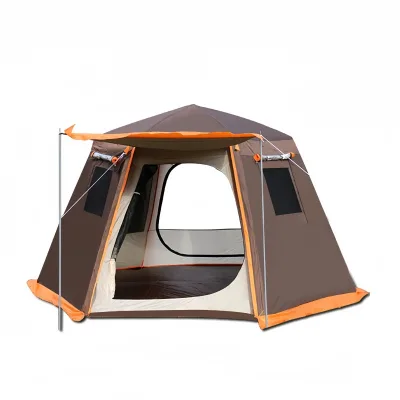
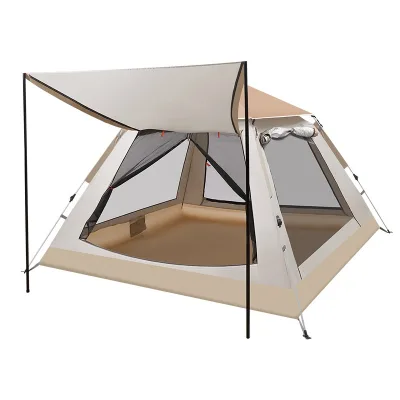
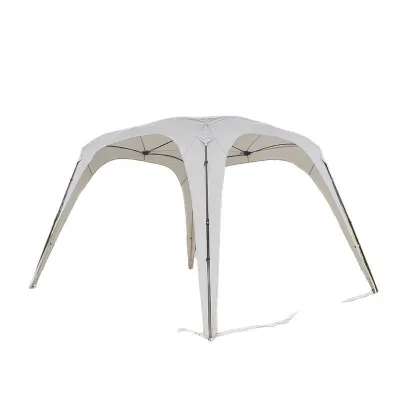
$6.9973 - $90.0224
MOQ: 1 Minimum
Hangzhou Fujie Outdoor Products Inc.
- Verified by Intertek
- Trading Company
- Lead time90 days
- Avg. response≤ 2h
Main productsRubber Boots, Waders, Neoprene Boots, Hunting Boots, Snow Boots
Main marketsNorth America(40%), Eastern Europe(23%), Western Europe(20%)
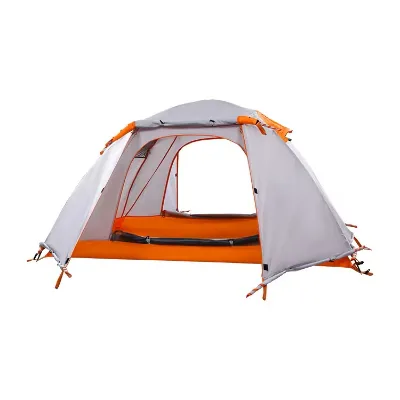
Waterproof & Breathable Camping Tent | Customizable for All-Season Campers
$33.8819 - $35.9355
MOQ: 500 units
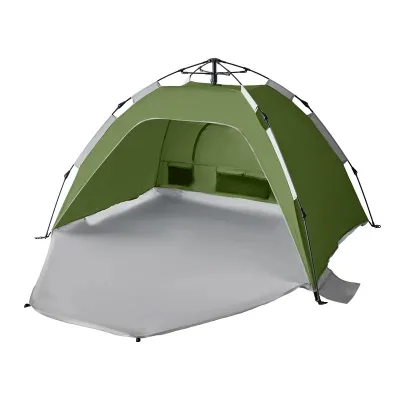
Dongguan Lusen Innovation Technology Co., Ltd.
- Trading Company
- Guangdong, China
- Lead time7 days
- Avg. response≤ 3h
Main productsOutdoor goods,Pet outdoors,Recreational goods,kitchenware,Fishing tool
Main marketsNorth America(42.00%), Eastern Europe(27.00%), South America(21.00%), Western Europe(10.00%)
Guangxi Archi Technology Co., Ltd.
- Trading Company
- Guangxi, China
- Lead time7 days
- Avg. response≤ 5h
Main productsHome & Garden
Main marketsSouthern Europe(20.00%), Western Europe(20.00%), Eastern Europe(15.00%), Northern Europe(12.00%), North America(11.00%), Central America(8.00%), Mid East(5.00%), South America(5.00%), Oceania(2.50%), Domestic Market(1.50%)
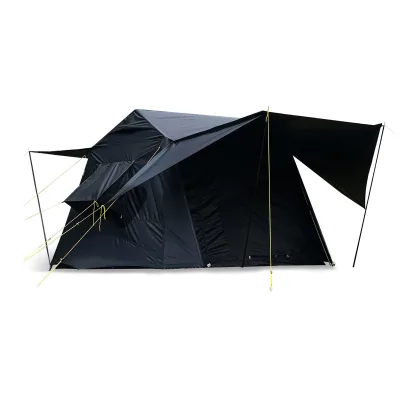
$133.5069 - $137.4358
MOQ: 100 pieces
$7.8488 - $10.5934
MOQ: 100 Minimum

- Verified by SGS
- Combined
- China Hebei
- Lead time15 days
- Avg. response≤ 2h
Main productsInflatable Tent/Camping Tent/Outdoor Tent, Relief Tent/Event Tent/Tarpaulin/Cavas Tent
Main marketsDomestic,Europe

Tent Camping Portable Fully Automatic Canopy Integrated with Thickened Rainproof Feature Outdoor
$148.00 - $156.00
MOQ: 1 Pieces


- Verified by CTI
- Combined
- China Fujian
- Lead time30 days
- Avg. response≤ 6h
Main productsRoof Top Tent, Outdoor Tent, Camping Lantern, Solar Light, Car Tent
Main marketsSouth America,Southeast Asia/ Mideast,East Asia(Japan/ South Korea),Domestic,Europe,Australia,North America









Comprehensive Sourcing Guide
Automatic Water Resistant Camping Tent Supplier Concentration and Factory Types
The landscape for sourcing automatic water resistant camping tents features a mix of manufacturing entities and trading companies, each offering distinct advantages for different procurement strategies. Current data indicates that suppliers are primarily located in China, with specific clusters identified in Jiangsu and Shanghai. These regions are known for their robust textile and outdoor gear manufacturing infrastructure, which supports the production of complex tent structures. Buyers should note that the supplier base includes both pure manufacturers and combined entities that may blend manufacturing capabilities with trading services. This diversity allows for flexibility in order sizes and customization levels, but it also requires careful verification to ensure the source of production aligns with quality expectations. The presence of Intertek and TÜV Rheinland verifications among these suppliers suggests a baseline level of operational scrutiny, though the specific scope of these verifications varies by entity.
Understanding the company type is crucial for negotiating terms and managing expectations regarding production control. Manufacturers typically offer greater control over raw material selection and assembly processes, which can be critical for ensuring the water resistance and structural integrity of automatic tents. Trading companies, on the other hand, may provide a broader range of product options and potentially faster response times due to their focus on customer service and logistics coordination. The data shows that some suppliers specialize in automatic pop-up tents, while others focus on inflatable or lightweight models. This specialization can influence the supplier's expertise in specific technologies, such as fiberglass pole systems or reinforced PVC air beams. Buyers must assess whether their specific needs for automatic deployment mechanisms align with the supplier's core competencies, as this alignment directly impacts product reliability and after-sales support.
How to Verify Automatic Water Resistant Camping Tent Suppliers
Verification is the cornerstone of mitigating risk when sourcing automatic water resistant camping tents from international suppliers. The current results highlight several key verification bodies, including Intertek and TÜV Rheinland, which provide third-party assessments of supplier capabilities and product quality. Buyers should prioritize suppliers who have undergone these rigorous audits, as they offer a higher degree of confidence in the supplier's operational stability and compliance with international standards. However, verification is not a one-time event; it is an ongoing process that requires buyers to stay informed about the status of these certifications. It is essential to request current verification reports and review the specific scope of the audit to ensure it covers the relevant aspects of tent manufacturing, such as material durability and waterproof testing.
Beyond third-party verification, buyers should conduct their own due diligence by examining the supplier's response time and communication efficiency. The data indicates that response times can vary, with some suppliers responding within a few hours, which is a positive indicator of their customer service orientation. A quick and professional response often reflects a well-organized internal process, which is crucial for handling complex orders and resolving issues promptly. Additionally, buyers should look for evidence of product-specific certifications, such as ISO 9001 for quality management or ISO 14001 for environmental management, which signal a commitment to consistent quality and sustainable practices. While not all suppliers display every certification, the presence of these standards can serve as a proxy for overall operational maturity. Buyers should also verify the supplier's ability to provide samples, as this allows for direct testing of the tent's automatic deployment mechanism and water resistance before committing to a large order.
What to Compare Across Automatic Water Resistant Camping Tent Suppliers
When evaluating multiple suppliers for automatic water resistant camping tents, buyers must compare a range of operational and product-specific metrics to identify the best fit for their needs. Lead time is a critical factor, with current data showing variations such as 30 days and 50 days. These differences can significantly impact inventory planning and market launch schedules, so buyers should align their choice with their urgency requirements. Minimum Order Quantity (MOQ) is another key differentiator, with some suppliers requiring orders as low as 50 units, which is advantageous for smaller buyers or those testing new markets. Comparing MOQs allows buyers to manage cash flow and reduce the risk of overstocking, especially for products with seasonal demand fluctuations.
Product specifications and customization options also play a vital role in the comparison process. Buyers should examine details such as pole material, which can be fiberglass, iron, or aluminum, as this affects the tent's weight and durability. The type of tent, whether it is a 1-2 person model or a larger family tent, must match the target market's preferences. Additionally, the presence of OEM capabilities and customization options, such as logo printing or color variations, can be a decisive factor for brands looking to differentiate their products. Price is another essential metric, with ranges varying from approximately $32 to over $600 depending on the tent's complexity and features. Buyers should not focus solely on the lowest price but rather on the value proposition, considering factors like material quality, warranty terms, and after-sales support. Response time is also a comparative metric, with faster responses often indicating a more responsive and customer-centric supplier.
Common Automatic Water Resistant Camping Tent Sourcing Risks
Sourcing automatic water resistant camping tents involves several inherent risks that buyers must proactively manage to ensure a successful procurement process. One significant risk is the variability in product quality, particularly regarding the automatic deployment mechanism and waterproofing integrity. While suppliers may claim high performance, the actual durability of these features can vary based on the materials used and the manufacturing precision. Buyers should be cautious of suppliers who do not provide detailed specifications or who are unwilling to share test results for water resistance and wind load. This lack of transparency can lead to receiving products that do not meet the expected standards, resulting in customer dissatisfaction and potential returns.
Another common risk is the discrepancy between sample quality and bulk production. Suppliers may provide high-quality samples to secure orders but then cut corners in mass production to reduce costs. This risk is heightened when working with trading companies that may not have direct control over the manufacturing process. To mitigate this, buyers should insist on pre-shipment inspections and consider using third-party inspection services to verify that the bulk order matches the approved sample. Additionally, there is a risk of supply chain disruptions, which can be exacerbated by geopolitical factors or raw material shortages. Buyers should assess the supplier's supply chain resilience and their ability to source critical components like fiberglass poles and waterproof fabrics reliably. Communication barriers and cultural differences can also lead to misunderstandings regarding product specifications and delivery terms, so clear and documented communication is essential to avoid costly errors.
Automatic Water Resistant Camping Tent Regional Sourcing and Logistics
The geographic location of suppliers significantly influences logistics costs, lead times, and overall supply chain efficiency for automatic water resistant camping tents. Current data indicates that suppliers are concentrated in China, with specific hubs in Jiangsu and Shanghai. These regions offer well-developed infrastructure for manufacturing and export, including proximity to major ports like Shanghai and Ningbo, which facilitates efficient shipping to global markets. Buyers should consider the logistical advantages of sourcing from these areas, as they often benefit from established supply chains and a high density of related industries, which can reduce lead times and improve coordination. However, buyers must also account for the distance to their final destination, as shipping costs and transit times will vary depending on the target market.
Logistics planning should also include considerations for packaging and handling, as tents are bulky items that require careful packing to prevent damage during transit. The data shows that suppliers use various packing methods, such as carton packing, which can impact the number of units that can be shipped per container. Buyers should work with suppliers to optimize packaging designs to maximize container utilization and reduce shipping costs. Additionally, buyers should be aware of any import regulations or tariffs that may apply to camping tents in their home country, as these can affect the total landed cost. Understanding the supplier's export experience and their ability to handle documentation and customs clearance is crucial for ensuring smooth logistics operations. Buyers should also consider the reliability of the supplier's logistics partners and their track record for on-time delivery to avoid delays that could impact market availability.
Automatic Water Resistant Camping Tent Commercial Terms and Order Planning
Effective commercial terms and order planning are essential for managing the financial and operational aspects of sourcing automatic water resistant camping tents. Buyers should negotiate clear payment terms that balance risk and cash flow, such as using escrow services or letters of credit for larger orders. The data shows that some suppliers offer sample availability, which can be a valuable tool for validating product quality before committing to a full order. Buyers should plan their orders based on accurate demand forecasts to avoid overstocking or stockouts, especially given the seasonal nature of camping equipment. Lead times, which can range from 30 to 50 days, must be factored into the order planning process to ensure timely delivery for peak seasons.
Additionally, buyers should establish clear quality assurance protocols and after-sales support agreements with their suppliers. This includes defining acceptable defect rates and procedures for handling returns or replacements. The presence of certifications like ISO 9001 can provide a framework for consistent quality, but buyers should also specify their own quality requirements in the purchase contract. Communication is key to successful order planning, so buyers should maintain regular contact with suppliers to monitor production progress and address any issues promptly. Buyers should also consider the supplier's capacity for customization and their ability to handle rush orders, as these factors can provide flexibility in responding to market changes. By carefully managing commercial terms and order planning, buyers can build a resilient and efficient supply chain for automatic water resistant camping tents.
FAQs
What is the price range for automatic camping tents?
Automatic camping tents are available at various price points depending on features and capacity. Basic models start around $32.50, while specialized waterproof options can reach $75.00. Premium heavy-duty inflatable tents with reinforced frames typically cost between $362.12 and $654.93. Buyers should check specific product listings for exact pricing based on quantity and customization needs.
How long does it take to manufacture these tents?
Manufacturing lead times vary by supplier and order volume. Some manufacturers offer a lead time of 30 days for standard orders, while others may require up to 50 days for larger or customized production runs. Buyers should confirm specific delivery schedules with suppliers before placing orders to ensure timely arrival for events or seasonal demands.
What certifications do these tent suppliers hold?
Reputable suppliers often hold ISO 9001, ISO 14001, and ISO 45001 certifications for quality and safety management. Additional certifications like BSCI, RoHS, and CE indicate compliance with international standards. Some products also meet CPAI-84 standards for flammability. Buyers should verify specific certificates with suppliers to ensure they meet regional regulatory requirements.
What materials are used for tent poles?
Automatic camping tents typically use fiberglass or aluminum poles for durability and flexibility. Some models feature iron poles for added strength in larger family tents. Inflatable tents utilize reinforced PVC air beams instead of traditional rigid poles. Buyers should select materials based on weight preferences and expected weather conditions for their specific camping activities.
What is the minimum order quantity for these tents?
Minimum order quantities vary significantly by supplier and product type. Some manufacturers require a minimum of 50 units for custom or heavy-duty inflatable tents. Standard automatic pop-up tents may have lower MOQs or no strict minimums for sample orders. Buyers should inquire directly with suppliers to determine the exact MOQ applicable to their specific product requirements.
Where are these tent manufacturers located?
Many automatic tent manufacturers are located in China, specifically in regions like Jiangsu and Shanghai. These areas are known for their robust manufacturing infrastructure and supply chain efficiency. Buyers can source from verified suppliers in these locations to benefit from established production capabilities and competitive pricing structures for bulk orders.
How quickly do suppliers respond to inquiries?
Supplier response times typically average around 3 to 3.34 hours for initial inquiries. This rapid response indicates active customer service teams ready to assist with product details and quotations. Buyers can expect timely communication when contacting verified manufacturers, facilitating faster decision-making and smoother negotiation processes for bulk purchasing.