Portable Outdoor Emergency COB Lantern Suppliers and Manufacturers
Compare 27 verified suppliers of portable outdoor emergency cob lanterns by location, response time, and certifications. Review product specs like IP ratings and warranty terms, then request quotes to verify lead times and MOQs directly; review the available evidence before requesting comparable quotations from suitable candidates.
Updated
Suppliers List

NINGBO YICHEN ELECTRIC CO., LTD.
- Trading Company,Manufacturer/Factory
- China Zhejiang
- Lead time0 days
- Avg. response≤ 6h
Main productsLED Flashlight, Head Lamp, Camping Lantern, Solar Flashlight, Rechargeable Flashlight, High Power Flashlight, Keychain Flashlight, LED Tweezer, Xenon Flashlight, Shopping Trolley

NINGBO HAISHU HOPE-U INTERNATIONAL TRADING CO., LTD.
- Manufacturer/Factory
- China Zhejiang
- Lead time45 days
- Avg. response≤ 25h
Main productsGift, Beauty Device, Bluetooth Speaker, Skin Care, Cosmetics, Promotional Products, Camping Lamp, Fan, Keyboard and Mouse, Humidifier
Main marketsSouth America,Eastern Europe,North America,Southeast Asia,Western Europe
Shanghai Macway Electrical Co., Ltd
- Verified by TüVRheinland
- Trading Company
- Lead time30 days
- Avg. response≤ 3h
Main productsHeadlights, Sensor Light, Desk Lamps, Solar Lamps, Bicycle Lights
Main marketsNorth America(25%), Domestic Market(20%), Western Europe(11%)
Guangzhou Jingpeng Electronic Technology Co., Ltd.
- Manufacturer, Trading Company
- Guangdong, China
- Lead time7 days
- Avg. response≤ 4h
Main productsnight light,table lamp,solar lamp,grow light,led strip
Main marketsNorth America(60.00%), South Asia(5.00%), Southern Europe(5.00%), Northern Europe(5.00%), Western Europe(5.00%), Eastern Asia(5.00%), Southeast Asia(5.00%), Eastern Europe(5.00%), South America(5.00%)
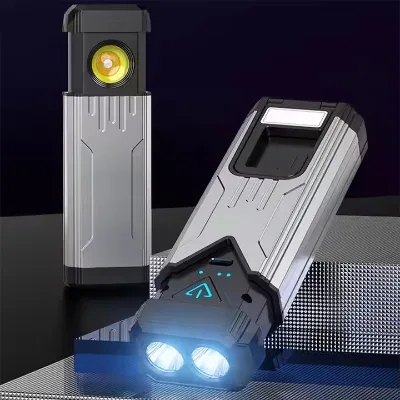
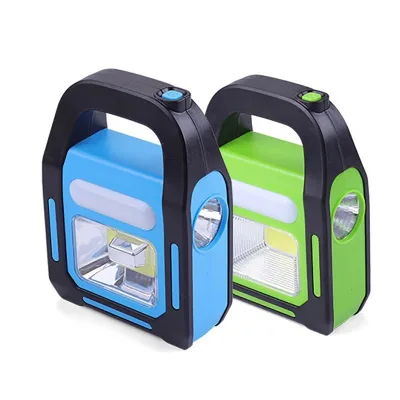
$2.6113 - $3.1374
MOQ: 60 pieces

Ningbo Qingyang Import and Export Co., Ltd.
- Verified by SGS
- Trading Company
- China Zhejiang
- Lead time45 days
- Avg. response≤ 2h
Main productsLED Lights, Table Lamp, Night Light, Solar Garden Light, LED Sensor Light, LED String Light, Decorative Light, LED Work Light, Camping Lantern, LED Candle
Main marketsEast Asia(Japan/ South Korea),Europe,North America

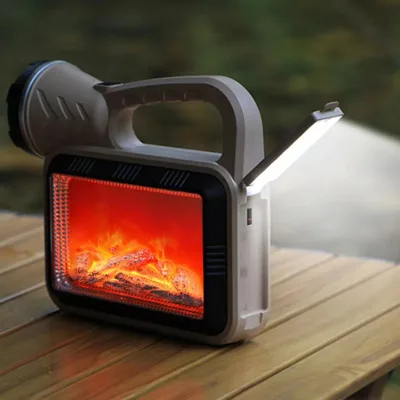
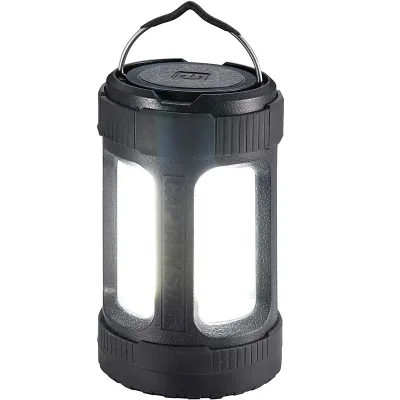
Small Rechargeable LED Emergency Light Portable COB Camping Lantern for Outdoor Home Power Outage
$0.89 - $0.99
MOQ: 3000 Pieces


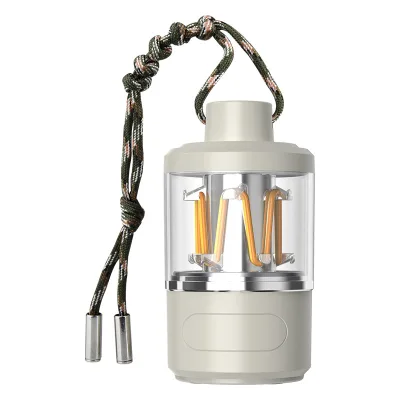
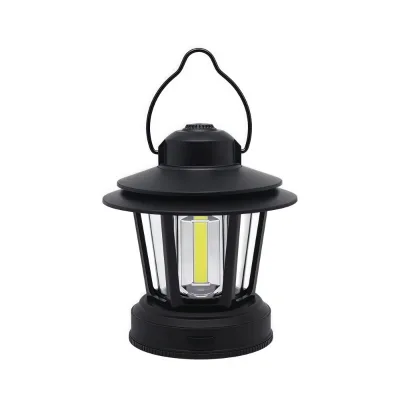
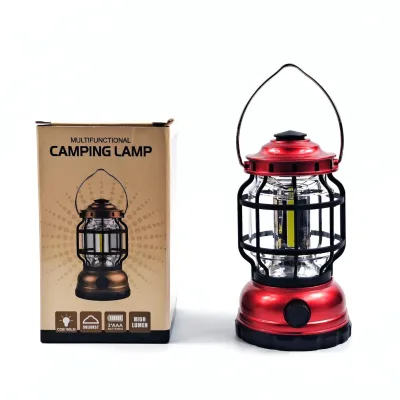
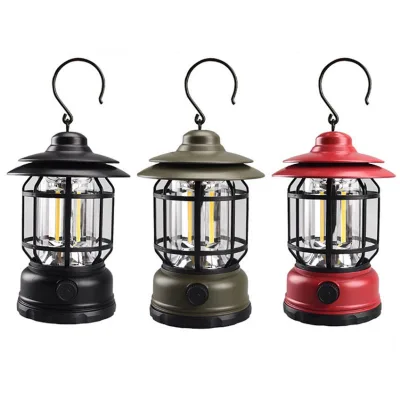
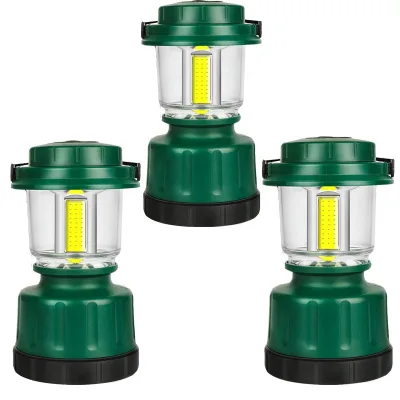
3xaa Operated Vintage Style COB LED Camping Lantern with IP44 Waterproof for Outdoor Camping
$2.82 - $2.89
MOQ: 3000 Pieces


- Manufacturer, Trading Company
- Guangdong, China
- Lead time15 days
- Avg. response≤ 3h
Main productsPickleball Paddle,Yoga and Pilates equipment,Golf clubs and bags,Bicycle,Outdoor camping products
Main marketsNorth America(50.00%), Eastern Europe(20.00%), Southern Europe(5.00%), Central America(5.00%), Western Europe(5.00%), South America(5.00%), Northern Europe(4.00%), South Asia(1.00%), Oceania(1.00%), Mid East(1.00%), Africa(1.00%), Southeast Asia(1.00%), Eastern Asia(1.00%)
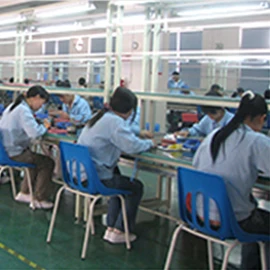
Tianjin Honest Tech. Co., Ltd.
- Manufacturer, Trading Company
- Tianjin, China
- Lead time2 days
- Avg. response≤ 2h
Main productsCar wash towel,Bath towel,flashlight,Garden light,Car Towels
Main marketsWestern Europe(40.00%), North America(40.00%), Eastern Europe(10.00%), South America(5.00%), Southeast Asia(5.00%)
Jaxy Optical Instrument Co., Ltd.
- Verified by SGS Group
- Manufacturer, Trading Company
- Lead time20 days
- Avg. response≤ 4h
Main productsBinoculars and Telescope, Magnifier, Whistle, Compass, 3D glasses
Main marketsWestern Europe(35%), North America(25%), Domestic Market(15%)
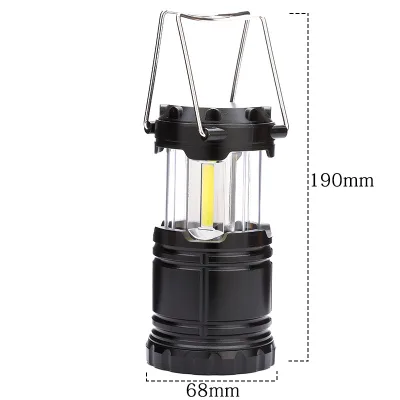
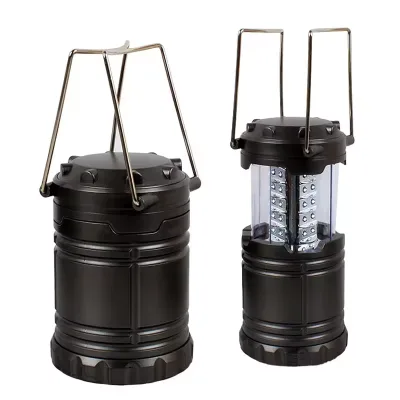
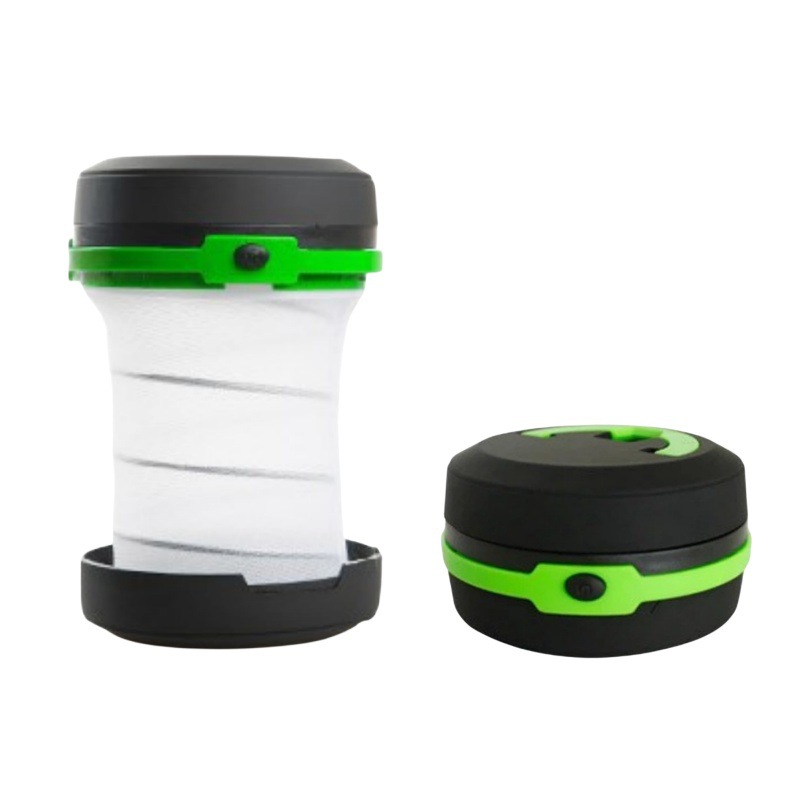
$1.3251 - $1.6129
MOQ: 500 pieces
Yiwu Bolotop Electronic Technology Co., Ltd.
- Verified by SGS Group
- Trading Company
- Lead time0 days
- Avg. response≤ 5h
Main productsFlashlights, Camping Lamps, HeadLamps, Indoorlights, Working Light
Main marketsSouth America(25%), Mid East(25%), Eastern Asia(15%)

KAM SING STATIONERY & GIFT (YUYAO) CO., LTD.
- Verified by BV
- Combined
- China Zhejiang
- Lead time30 days
- Avg. response≤ 7h
Main productsCamping Light, Camping Lamp, Camping Lantern, LED Light, Torch, LED Lamp, Headlight, Tungsten LED Lantern, Outdoor Light, Rechargeable Light
Main marketsEast Asia(Japan/ South Korea),Domestic,Europe,Australia,North America

Ningbo Bone International Trading Co., Ltd.
- Trading Company,Manufacturer/Factory
- China Zhejiang
- Lead time30 days
- Avg. response≤ 4h
Main productsOutdoor Camping Light, Outdoor Flashlight, Outdoor Headlamp, Solar Garden Light Lamp, Solar Festival Christmas Light Lamp, Decoration Light Lamp String, Outdoor Trekking Pole, Warning Light Lamp, Outdoor Running Pole, Outdoor Walking Pole
Main marketsSouth America,Eastern Europe,Mid East,North America,Southeast Asia,Eastern Asia,Oceania

High Lumen COB Night Hiking Lamp Outdoor LED Rechargeable Camping Lantern
$10.18 - $11.08
MOQ: 100 Pieces

Waterproof Outdoor Work Light Emergency USB Chargeable Camping Lantern with Phone Charging
$10.18 - $11.08
MOQ: 100 Pieces

Waterproof LED Camping Lantern Portable Tent Light Outdoor Work Light Emergency Lamp
$10.18 - $11.08
MOQ: 100 Pieces
Dongguan Lusen Innovation Technology Co., Ltd.
- Trading Company
- Guangdong, China
- Lead time7 days
- Avg. response≤ 3h
Main productsOutdoor goods,Pet outdoors,Recreational goods,kitchenware,Fishing tool
Main marketsNorth America(42.00%), Eastern Europe(27.00%), South America(21.00%), Western Europe(10.00%)
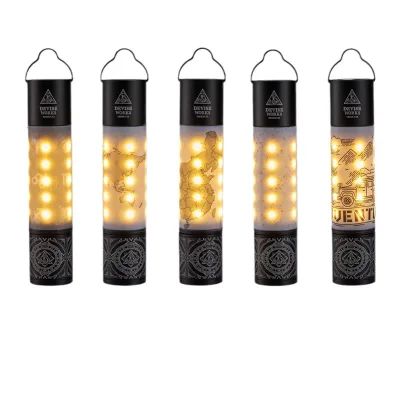
Portable Hand Cranked LED Camping Lantern | USB Rechargeable Outdoor Emergency Light
$0.89 - $3.99
MOQ: 100 Minimum
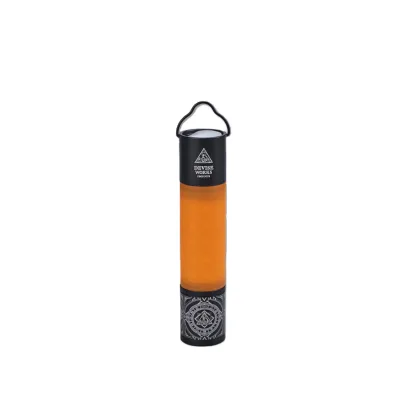
COB LED Camping Lantern | Rechargeable Multi-Mode Emergency Tent Light with Magnetic Base
$0.89 - $3.99
MOQ: 100 Minimum

Shenzhen HXY Industrial Co., Ltd.
- Verified by TUVRHEINLAND
- Trading Company
- China Guangdong
- Lead time30 days
- Avg. response≤ 6h
Main productsSolar Power Systems, Solar Home Systems, Solar Lanterns, Solar Fans, Pay as You Go Solar Home Systems, Solar Home Lighting Systems, Solar Freezer, Solar Refrigerator, Solar Flashlight, Solar System
Main marketsDomestic

Outdoor Emergency Rechargeable LED Lantern Portable Small Solar Lantern
$12.00 - $18.00
MOQ: 1000 Pieces


LED Lamp Solar Products Camping Light Lantern for Outdoor and Emergency Lantern
$3.50
MOQ: 1000 Pieces


Hubei LiBaiChang Technology Co., Ltd.
- Verified by CTI
- Manufacturer/Factory
- China Hubei
- Lead time15 days
- Avg. response≤ 2h
Main productsSolar Home System, Outdoor Lighting, Emergency Products, Solar Aerator Pump, Solar Panel, Commercial Lighting Light, Solar Inverter, Indoor Light, Solar Fan, Solar Insect Killer Light
Main marketsSouth America,Eastern Europe,Mid East,North America,Southeast Asia,Eastern Asia,Oceania,Western Europe,Africa
Ningbo Magic Cube Optoelectronics Co., Limited
- Verified by Intertek
- Trading Company
- Lead time25 days
- Avg. response≤ 11h
Main productsWork Light, Headlamp, Warning Light, Camping Light, Portable Light
Main marketsNorth America(32%), Eastern Europe(29%), Western Europe(19%)
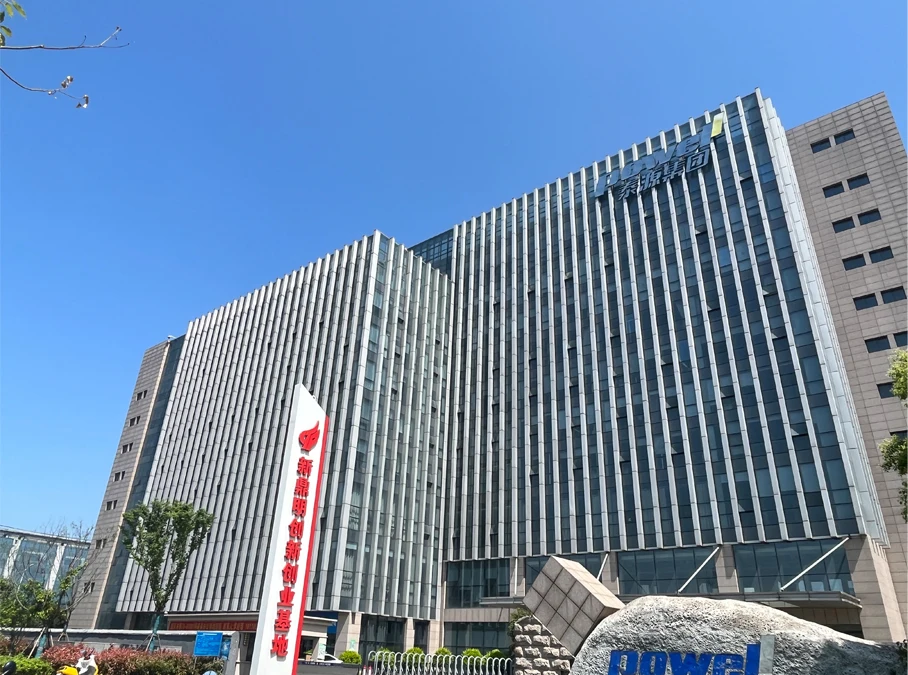
Hefei Johold Outdoor Products Co., Ltd.
- Trading Company
- Anhui, China
- Lead time15 days
- Avg. response≤ 2h
Main productsSurvival Kits,Flashlight,Emergency Whistle,Camping Tent,Tactical backpack
Main marketsNorth America(30.00%), Western Europe(20.00%), Northern Europe(15.00%), Eastern Europe(15.00%), Southeast Asia(5.00%), South America(5.00%), Eastern Asia(5.00%), Africa(5.00%)

Ningbo Brilliant Dragon Electronic Technology Co., Ltd.
- Verified by TUVRHEINLAND
- Manufacturer/Factory
- China Zhejiang
- Lead time105 days
- Avg. response≤ 15h
Main productsLED Light for Indoor, LED Light for Ourside, Auto / Bicycle Accessories, Security Items, Work Light, Electric Appliance, Personal Items
Main marketsSouth America,Eastern Europe,Mid East,North America,Southeast Asia,Eastern Asia,Oceania,Western Europe,Africa

Ningbo Haishu Forcar Imp. & Exp. Co., Ltd.
- Verified by BV
- Trading Company,Manufacturer/Factory
- China Zhejiang
- Lead time45 days
- Avg. response≤ 10h
Main productsCar Wheel Rims, Custom Forged Wheel, Alloy Wheel, Forged Wheel, Offroad Wheel, Beadlock Wheel
Main marketsSouth America,Eastern Europe,Mid East,North America,Southeast Asia,Eastern Asia,Oceania,Western Europe,Africa

Ningbo Brightenlux Electric Appliance Co., Ltd
- Combined
- China Zhejiang
- Lead time30 days
- Avg. response≤ 4h
Main productsLED Flashlight, LED Headlamp, Work Light, Camping Light, Solar Light, Bike Light, Ring Light, Night Light
Main marketsSouth America,Africa,Southeast Asia/ Mideast,East Asia(Japan/ South Korea),Domestic,Europe,Australia,North America


$3.01 - $3.21
MOQ: 100 Pieces

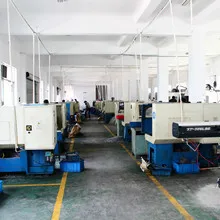
Ningbo City Deby Electrical Co., Ltd.
- Trading Company
- Zhejiang, China
- Lead time28 days
- Avg. response≤ 8h
Main productsFlash Light,Work Light,Head Light,Lantern,Indoor Light
Main marketsNorth America(40.00%), Western Europe(18.00%), South America(8.00%), Northern Europe(8.00%), Eastern Asia(7.00%), Southeast Asia(4.00%), Central America(3.00%), South Asia(3.00%), Oceania(3.00%), Mid East(2.00%), Eastern Europe(2.00%), Southern Europe(2.00%)

- Verified by CTI
- Combined
- China Fujian
- Lead time30 days
- Avg. response≤ 6h
Main productsRoof Top Tent, Outdoor Tent, Camping Lantern, Solar Light, Car Tent
Main marketsSouth America,Southeast Asia/ Mideast,East Asia(Japan/ South Korea),Domestic,Europe,Australia,North America
Hangzhou Youfound Trade Co., Ltd.
- Manufacturer, Trading Company
- Zhejiang, China
- Lead time0 days
- Avg. response≤ 6h
Main productsHair Trimmer,LED Torch,Camping Lantern,Solar System,Mask
Main marketsMid East(20.00%), Southeast Asia(20.00%), Eastern Europe(20.00%), South America(20.00%), North America(20.00%)
Yiwu Each Outdoor Products Co., Ltd.
- Trading Company
- Zhejiang, China
- Lead time10 days
- Avg. response≤ 4h
Main productsbicycle saddle,bicycle stand,bicycle light,bicycle bell,bicycle cleaning sets
Main marketsAfrica(20.00%), Mid East(15.00%), Southeast Asia(10.00%), North America(10.00%), Domestic Market(5.00%), Southern Europe(5.00%), Western Europe(5.00%), Eastern Asia(5.00%), South America(5.00%), Oceania(5.00%), Eastern Europe(5.00%), Northern Europe(3.00%), South Asia(3.00%), Central America(3.00%)
Guangdong Ledtimes Lighting Co., Ltd.
- Verified by SGS Group
- Manufacturer, Trading Company
- Lead time25 days
- Avg. response≤ 5h
Main productsLED Emergency Light, LED Rechargeable Light, Exit Sign Light, Emergency Bulb, Solar Light
Main marketsSoutheast Asia(35%), South America(25%), Eastern Europe(10%)

Shanghai Huaqi Industrial Co., Ltd.
- Verified by TUVRHEINLAND
- Trading Company
- China Shanghai
- Lead time15 days
- Avg. response≤ 6h
Main productsCar Mats, Seat Cover, Car Cover, Wiper Blade, Air Compressor, Steering Wheel Cover, Car Lock, Baby Mirror, Car Jack, Racing Seat
Main marketsSouth America,Africa,Southeast Asia/ Mideast,Europe,Australia,North America

Ningbo Lu Wei Electronic Technology Co., Ltd.
- Trading Company
- Zhengjiang, China
- Lead time30 days
- Avg. response≤ 3h
Main productsFlashlight,Camping Lantern,Headlamp,Work Light,mirror light
Main marketsEastern Europe(40.00%), Southeast Asia(15.00%), North America(10.00%), Mid East(5.00%), Eastern Asia(5.00%), South America(3.00%)
Henan Aimei Outdoor Products Co., Ltd.
- Verified by SGS Group
- Trading Company
- Lead time25 days
- Avg. response≤ 3h
Main productsTent & Shelter, Camping Sleeping Gear, Camping Furniture, Camping Cart & Storage Box, Camping Kitchen Ware
Main marketsNorth America(30%), Western Europe(30%), Eastern Europe(20%)
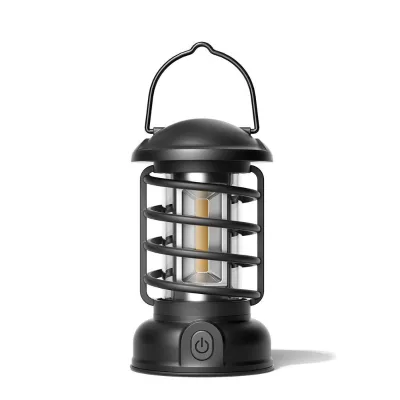
Outdoor Camping Portable Three Speed Brightness Adjustment Charging Light Led Emergency for Camping
$1.84 - $2.01
MOQ: 60 pieces
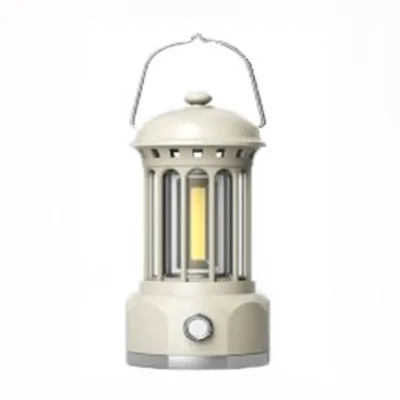
Portable Soft Natural Light Long Battery Life Rechargeable Camp Tent Hanging Light Hand Light
$4.59 - $4.97
MOQ: 40 pieces


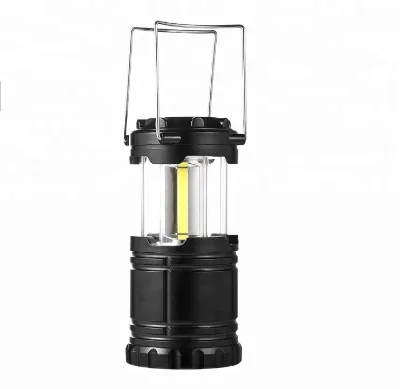
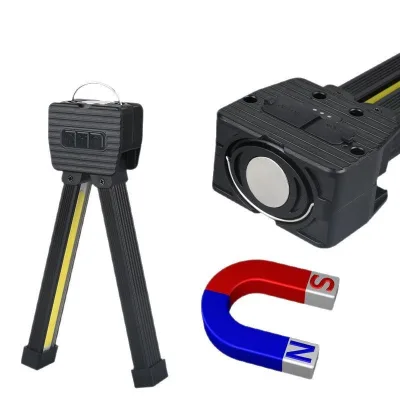
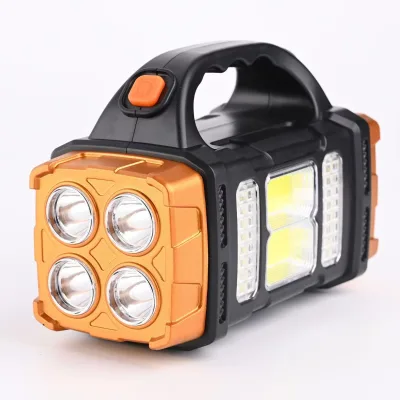
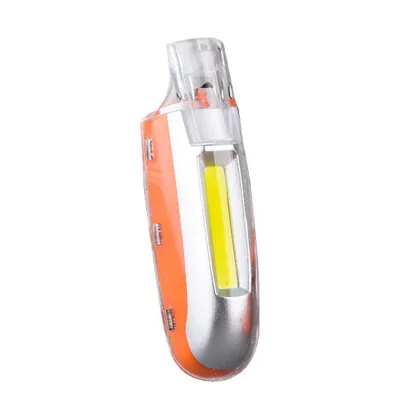
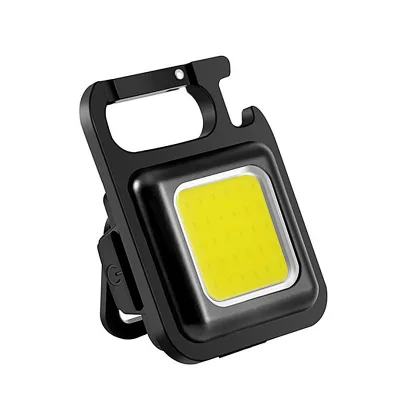








Comprehensive Sourcing Guide
Portable Outdoor Emergency COB Lantern Supplier Concentration and Factory Types
The current supplier landscape for portable outdoor emergency COB lanterns reveals a distinct concentration of manufacturing and trading entities within specific geographic regions. Evidence indicates that suppliers are located in China, with Zhejiang identified as a key operational hub. This regional clustering suggests that buyers seeking these specific lighting solutions will likely encounter a dense network of vendors in this area. The presence of both trading companies and manufacturer/factory types in the results highlights a mixed supply chain structure. Trading companies often provide broader product assortments and streamlined communication, while factories offer direct production capabilities and potentially more flexible customization options. Understanding this dichotomy is crucial for buyers to determine whether they prioritize product variety and service convenience or direct manufacturing control and cost efficiency. The concentration in Zhejiang implies that logistics and supply chain infrastructure in this region are well-developed for exporting lighting products, which can influence lead times and shipping costs. Buyers should consider how this geographic focus impacts their specific sourcing needs, particularly if they require rapid prototyping or large-scale production runs. The dominance of these entity types in the current results suggests that the market is mature and competitive, offering buyers multiple avenues for engagement depending on their order volume and customization requirements.
Within this concentrated market, the types of companies available range from specialized manufacturers to general trading firms. The observed company types include both Trading Company and Manufacturer/Factory, indicating that buyers can choose based on their preference for direct factory interaction or intermediary support. Manufacturer/Factory entities are often associated with specific certifications and production capacities, such as OEM capabilities, which are vital for buyers seeking branded products. Trading companies, on the other hand, may aggregate products from multiple factories, offering a wider selection of main products like LED flashlights, head lamps, and camping lanterns. This diversity allows buyers to source complementary items alongside their primary COB lantern orders. The presence of these varied entity types in Zhejiang suggests a robust ecosystem where specialized production meets efficient distribution. Buyers should evaluate which model aligns with their operational strategy, considering factors like communication ease, quality control access, and inventory management. The concentration of these entities in a single region also facilitates easier verification and potential site visits, reducing the logistical burden of supplier assessment. This geographic and structural concentration provides a clear starting point for buyers to navigate the complex landscape of portable outdoor emergency lighting suppliers.
How to Verify Portable Outdoor Emergency COB Lantern Suppliers
Verifying suppliers for portable outdoor emergency COB lanterns requires a meticulous approach to validating claims against available evidence. Buyers must prioritize checking certifications and standards that are explicitly listed in supplier profiles. For instance, some suppliers display certifications such as CE and RoHS, which are critical for market compliance in many regions. Others may hold system certifications like BSCI, ISO 9001, and ISO 14064, indicating adherence to social responsibility and quality management standards. These credentials are not universal; buyers must verify which specific certifications each supplier holds rather than assuming all do. The presence of these certifications should be cross-referenced with official databases or third-party verification services to ensure authenticity. Additionally, buyers should examine product-specific attributes such as IP ratings, battery types, and material compositions. For example, one product evidence shows an IP44 rating and ABS housing, while another highlights solar and USB input capabilities. These details are essential for confirming that the supplier’s products meet the technical requirements for outdoor and emergency use. Buyers should request detailed product specifications and test reports to validate these claims, ensuring that the supplier’s assertions align with industry standards and safety regulations.
Beyond certifications, buyers should assess the supplier’s responsiveness and operational transparency. Response times vary significantly among suppliers, with some showing a response time of 5.38 and others at 25.00. A faster response time often indicates a more agile and customer-focused operation, which is crucial for resolving issues quickly during the sourcing process. Buyers should also look for evidence of customization capabilities, such as OEM services or customized packaging options. Some suppliers offer customized packing like colored paper boxes or white paper boxes, while others provide non-customized options. This flexibility can be a key differentiator for buyers seeking branded products. Furthermore, buyers should verify the supplier’s production capacity and lead times. While some lead times are listed as zero, which may indicate stock availability or a data anomaly, others show specific durations like 45 days. Understanding these timelines helps buyers plan their inventory and manage customer expectations. Buyers should also check for warranty terms, such as a 1-year warranty, which reflects the supplier’s confidence in their product quality. By systematically verifying these aspects, buyers can mitigate risks and ensure they are partnering with reliable and competent suppliers.
What to Compare Across Portable Outdoor Emergency COB Lantern Suppliers
When comparing suppliers, buyers should focus on key operational metrics such as minimum order quantities (MOQs), pricing structures, and production capabilities. MOQs vary across the supplier results, with some requiring as low as 1000 units and others demanding 3000 or 2000 units. These thresholds directly impact the buyer’s initial investment and inventory risk. Buyers with smaller budgets or testing needs may prefer suppliers with lower MOQs, while those planning large-scale deployments might leverage higher volumes for better pricing. Pricing is another critical factor, with observed price ranges varying significantly. Some products are listed with prices as low as 0.640000, while others are around 2.000000 to 2.500000. It is important to note that some price data may be incomplete or negative, which requires buyers to request explicit quotes for accurate cost comparisons. Buyers should also evaluate the product features that justify price differences, such as battery capacity, light output, and additional functionalities like solar charging or radio capabilities. Comparing these technical specifications alongside pricing helps buyers determine the true value proposition of each supplier.
In addition to cost and volume, buyers should compare the supplier’s main product offerings and customization options. Some suppliers specialize in a narrow range of lighting products, while others offer a broader portfolio including gift items, beauty devices, and other promotional products. This breadth can be advantageous for buyers seeking a one-stop-shop for multiple sourcing needs. Customization capabilities, such as OEM services and customized packaging, are also key differentiators. Suppliers that offer flexible customization can help buyers create unique products that stand out in the market. Buyers should also assess the supplier’s response time and communication efficiency, as these factors influence the overall sourcing experience. A supplier with a faster response time may be more responsive to inquiries and issues, leading to a smoother collaboration. Furthermore, buyers should compare the warranty terms and after-sales support provided by each supplier. A longer warranty period or more comprehensive support can reduce long-term risks and costs. By systematically comparing these dimensions, buyers can identify the supplier that best aligns with their specific business requirements and strategic goals.
Common Portable Outdoor Emergency COB Lantern Sourcing Risks
Sourcing portable outdoor emergency COB lanterns involves several inherent risks that buyers must proactively manage. One significant risk is the variability in product quality and specifications. While some suppliers provide detailed product attributes such as IP ratings, battery types, and material compositions, others may have incomplete or inconsistent data. For example, some products list an IP44 rating, while others do not specify water resistance levels. This inconsistency can lead to mismatches between buyer expectations and actual product performance, particularly in emergency situations where reliability is paramount. Buyers must conduct thorough due diligence to verify these specifications, potentially requesting samples or third-party test reports to ensure compliance with their standards. Another risk is the potential for misleading pricing information. Some price data in the results appears incomplete or negative, which can obscure the true cost of production. Buyers should be cautious of suppliers with unclear pricing structures and insist on transparent quotes that include all associated costs, such as shipping and taxes.
Supply chain disruptions and lead time uncertainties also pose significant risks. While some suppliers list lead times as zero, indicating immediate availability, others show longer durations like 45 days. These variations can impact the buyer’s ability to meet customer demand, especially during peak seasons or emergency preparedness campaigns. Buyers should establish clear communication channels with suppliers to monitor production progress and anticipate potential delays. Additionally, the risk of intellectual property infringement is a concern, particularly when working with suppliers that offer OEM services. Buyers must ensure that their designs and branding are protected through proper legal agreements and that the supplier adheres to confidentiality clauses. Furthermore, the reliance on specific components like batteries and LEDs can introduce risks related to component availability and quality. Buyers should verify the source and quality of these critical components to ensure the longevity and safety of the final product. By identifying and mitigating these risks through rigorous verification and clear contractual terms, buyers can safeguard their sourcing operations and maintain product integrity.
Portable Outdoor Emergency COB Lantern Regional Sourcing and Logistics
The geographic concentration of suppliers in China, particularly in Zhejiang, has profound implications for sourcing and logistics strategies. This regional clustering offers buyers access to a well-established manufacturing ecosystem with efficient supply chain infrastructure. Proximity to major ports and logistics hubs in Zhejiang can facilitate faster and more cost-effective shipping options. Buyers should leverage this geographic advantage by negotiating favorable freight terms and exploring consolidated shipping methods to reduce transportation costs. However, the concentration also means that buyers must be vigilant about competition and potential capacity constraints. High demand in this region can lead to longer lead times and increased prices during peak seasons. Buyers should plan their orders well in advance and maintain open communication with suppliers to manage capacity allocation. Additionally, the regional focus may limit the diversity of sourcing options if buyers are restricted to this area. Buyers should consider whether the benefits of proximity outweigh the potential limitations in terms of product variety and supplier competition.
Logistics planning must also account for the specific requirements of portable outdoor emergency COB lanterns, which often include batteries and electronic components. Shipping these items may involve additional regulations and safety checks, particularly for air freight. Buyers should work with suppliers who are experienced in handling such shipments and can provide the necessary documentation for customs clearance. The origin of the products, such as Ningbo or other cities in China, can also influence logistics costs and transit times. Buyers should verify the exact origin of each product to ensure accurate freight calculations and compliance with import regulations in their target markets. Furthermore, the packaging specifications provided by suppliers, such as colored paper boxes or customized packaging, can impact shipping efficiency and product protection. Buyers should evaluate how these packaging choices affect palletization and container loading to optimize shipping costs. By carefully planning logistics and leveraging the regional advantages of Zhejiang, buyers can streamline their supply chain and ensure timely delivery of their portable outdoor emergency COB lanterns.
Portable Outdoor Emergency COB Lantern Commercial Terms and Order Planning
Effective order planning for portable outdoor emergency COB lanterns requires a clear understanding of commercial terms and supplier capabilities. Buyers must align their order volumes with the supplier’s MOQs and production capacities. With MOQs ranging from 1000 to 3000 units, buyers need to assess their inventory needs and financial resources to determine the optimal order size. Larger orders may offer better unit prices but require greater capital investment and storage capacity. Buyers should also consider the supplier’s lead times when planning their inventory replenishment cycles. Lead times can vary from immediate availability to 45 days, impacting the buyer’s ability to respond to market demand. Establishing a consistent ordering schedule and maintaining safety stock can help mitigate the risks of supply chain disruptions. Additionally, buyers should negotiate favorable payment terms that align with their cash flow management strategies. Understanding the supplier’s payment policies and any associated fees is crucial for accurate cost forecasting.
Commercial terms also encompass warranty and after-sales support, which are vital for long-term supplier relationships. Buyers should verify the warranty periods offered by suppliers, such as the
FAQs
What certifications do portable COB lanterns have?
Many portable outdoor emergency COB lanterns carry CE and RoHS certifications to ensure safety and environmental compliance. These standards verify that the LED components and ABS housing materials meet strict regulatory requirements for international markets. Buyers should always request valid certificates before placing bulk orders to confirm product legality.
What is the typical price range for these lanterns?
Prices for portable outdoor emergency COB lanterns typically range from $0.64 to $3.07 per unit depending on features and order volume. Basic models with simple battery configurations are priced lower, while rechargeable units with solar capabilities command higher rates. Minimum order quantities often influence the final per-unit cost significantly.
What is the minimum order quantity for these products?
Minimum order quantities for portable outdoor emergency COB lanterns generally start at 1,000 units for standard models. Some suppliers may require 2,000 or 3,000 units for specific designs or customized packaging options. Buyers should verify the exact MOQ with the supplier as it varies based on production capacity and inventory levels.
How long does production take for these lanterns?
Production lead times for portable outdoor emergency COB lanterns can vary significantly among suppliers. Some manufacturers report lead times of up to 45 days for large orders, while others may offer faster turnaround for stock items. Buyers should confirm specific delivery schedules with the supplier to ensure timely arrival for their events.
What power sources do these lanterns use?
Portable outdoor emergency COB lanterns typically use AA batteries, rechargeable lithium batteries, or solar power sources. Some models combine multiple power options for maximum versatility during emergencies. Buyers should check the specific battery capacity and charging time requirements to ensure the lantern meets their intended usage duration and environmental conditions.