Automatic Wood Finger Jointing Machine Suppliers and Manufacturers
Compare 23 verified suppliers of automatic wood finger jointing machines based on location, lead times, response times, and certifications. Review product specifications like voltage and power to find the right fit for your woodworking needs; review the available evidence before requesting comparable quotations from suitable candidates.
Updated
Suppliers List

Henan Elasn Machinery Equipment Co., Ltd.
- Verified by SGS
- Trading Company
- China Henan
- Lead time30 days
- Avg. response≤ 2h
Main productsHot Press Machine, Finger Joint Machine, Wood Block Extruder, Wood Veneer Press Machine, Wood Pallet Nailing Machine, Block Press Machine, Automatic Pallet Nailing Machine, Short Cycle Machine, Melamine Hot Press Machine, Wood Door Laminating Veneering Machine
Main marketsSouth America,Europe


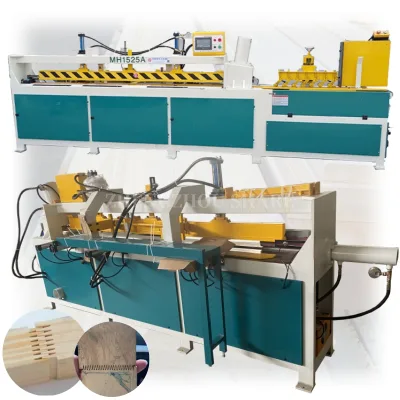
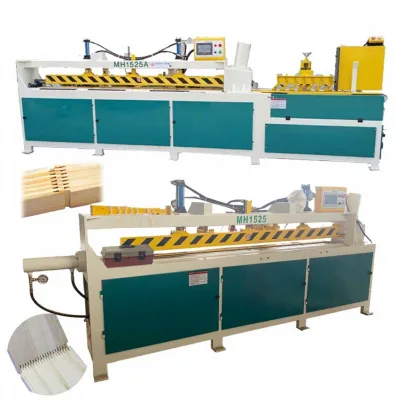
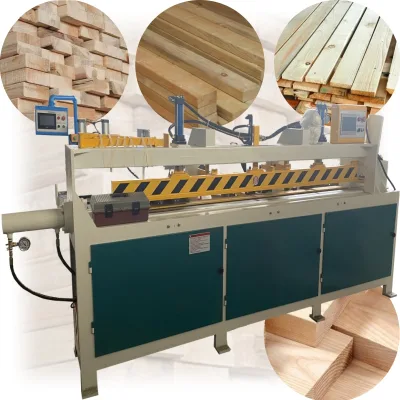
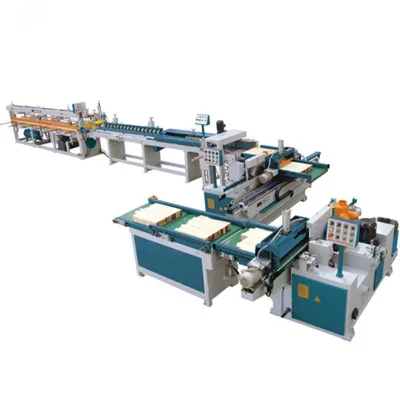
High Speed Automatic Finger Joint Jointer Machine Woodworking Jointing Machine
$38000.00 - $50000.00
MOQ: 1 Sets

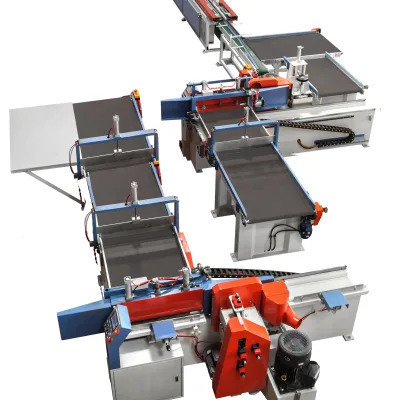
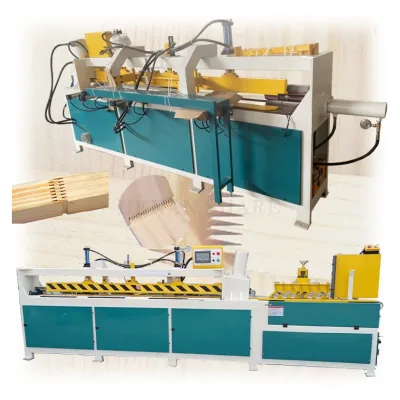
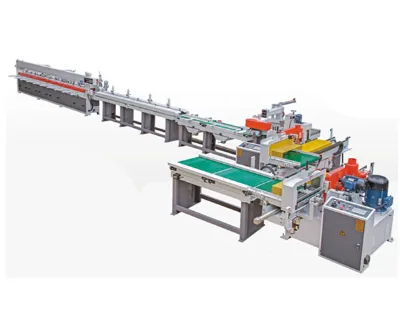
Automatic Finger Jointing Line, Wood Finger Joint Machine, Finger Joint Cutter Finger Joint Machine
$38000.00 - $50000.00
MOQ: 1 Sets

Automatic Finger Joint Assembler Finger Joint Assembler Wood Joint Timber Processing Machine
$38000.00 - $50000.00
MOQ: 1 Sets


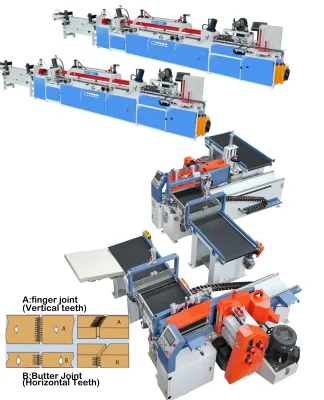
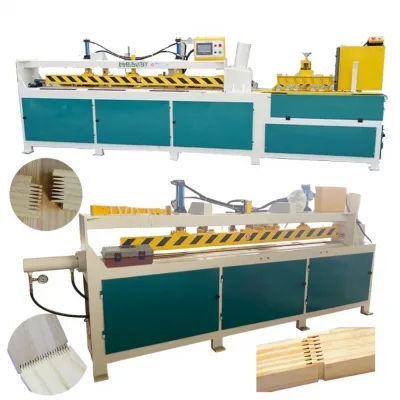
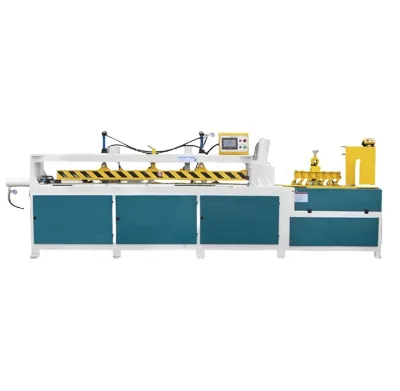
Finger Joint Machinery Automatic Wood Finger Joint Machine Production Line
$39000.00 - $40000.00
MOQ: 1 Sets

Henan Share M&E Equipment Co., Ltd
- Verified by TUVRHEINLAND
- Trading Company
- China Henan
- Lead time15 days
- Avg. response≤ 4h
Main productsBag Printing Machine, Brick Making Machine, Quilting Machine, Water Well Drilling Rig, Roll Forming Machine
Main marketsSouth America,Africa,Others(foreignTradeCapacity.exportBusinessCapacityMarketOther),Southeast Asia/ Mideast,East Asia(Japan/ South Korea),Domestic,Europe,Australia,North America

Qingdao Haozhonghao Woodworking Machinery Co., Ltd.
- Manufacturer
- China Shandong
- Lead time30 days
- Avg. response≤ 7h
Main productsVeneer Slicer, Sanding Machine, Guillotine, Knife Grinder, Panel Saw, Edge Banding Machine
Main marketsSouth America,Africa,Southeast Asia/ Mideast,East Asia(Japan/ South Korea),Europe,Australia


Professional Woodworking Splicing Wood Skin Composer Veneer Finger Jointing Machine
$4200.00 - $4500.00
MOQ: 1 Sets

Zhengzhou Dream Machinery Co., Ltd.
- Verified by SGS
- Trading Company
- China Henan
- Lead time15 days
- Avg. response≤ 3h
Main productsquilting machine
Main marketsSouth America,Others(foreignTradeCapacity.exportBusinessCapacityMarketOther),Southeast Asia/ Mideast,North America

- Verified by BV
- Trading Company,Manufacturer/Factory,Group Corporation
- China Shandong
- Lead time38 days
- Avg. response≤ 15h
Main productsWoodworking Machine, Plywood Machine, Veneer Dryer, Hot Press Machine, Glue Spreader, Engineered Panel Board Making Machine, Timber Block Handling Machine, Vacuum Gripper, Straight Knife Blade Grinder, Veneer Peeling Knife
Main marketsSouth America,Eastern Europe,Mid East,North America,Eastern Asia,Oceania,Western Europe,Africa


Automatic Finger Jointing Line Woodworking Automatic Board Finger Jointing Production Line
Negotiable
MOQ: 1 Pieces

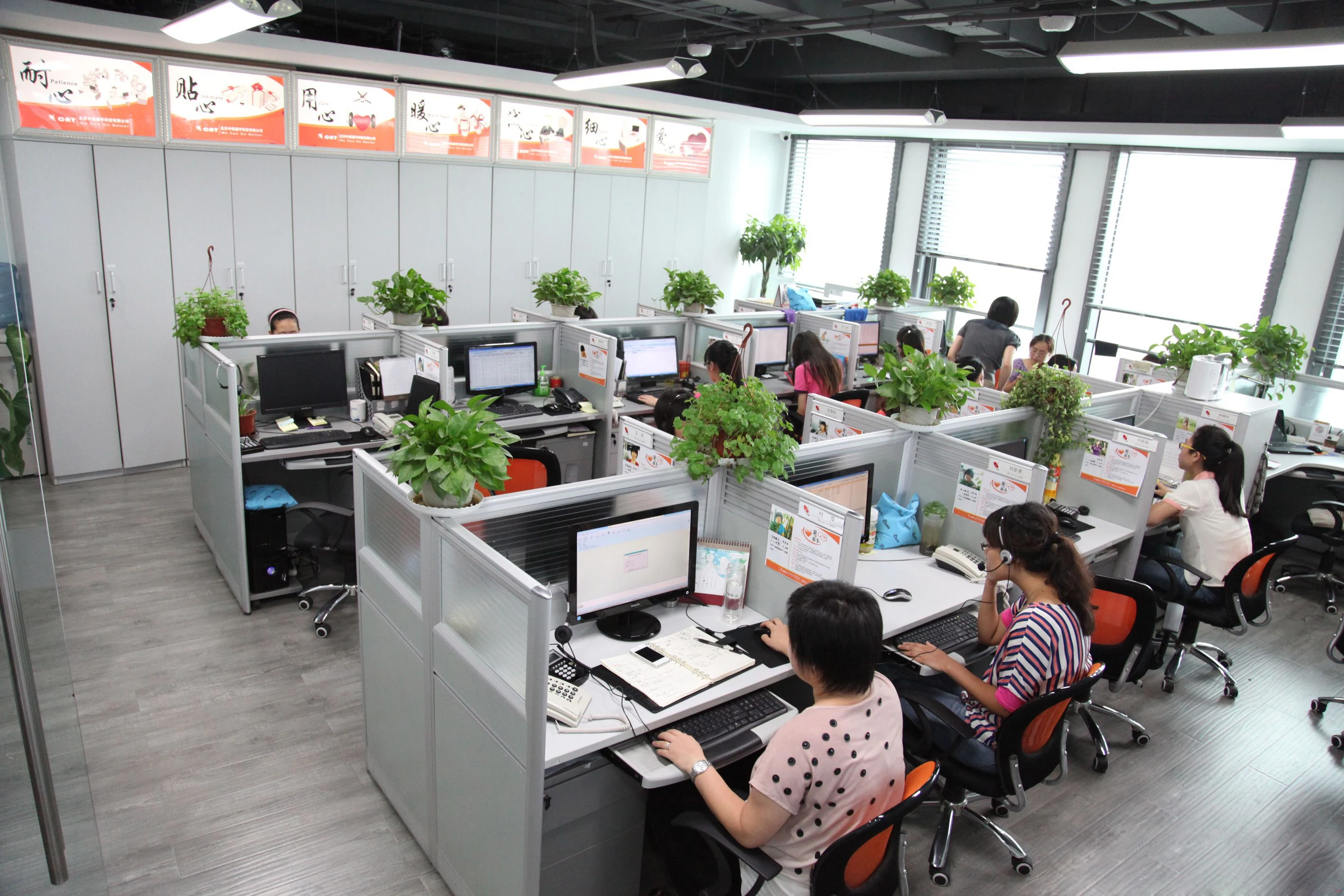
Zhengzhou Share Machinery Co., Ltd.
- Trading Company
- Henan, China
- Lead time7 days
- Avg. response≤ 3h
Main productsConstruction Machinery/Industrial Machinery/Printing Machinery
Main marketsSouth America(20.00%), North America(20.00%), Africa(10.00%), Southeast Asia(10.00%), Eastern Europe(10.00%), Oceania(7.00%), South Asia(5.00%), Southern Europe(5.00%), Central America(5.00%), Western Europe(2.00%), Eastern Asia(2.00%), Northern Europe(2.00%), Mid East(2.00%)
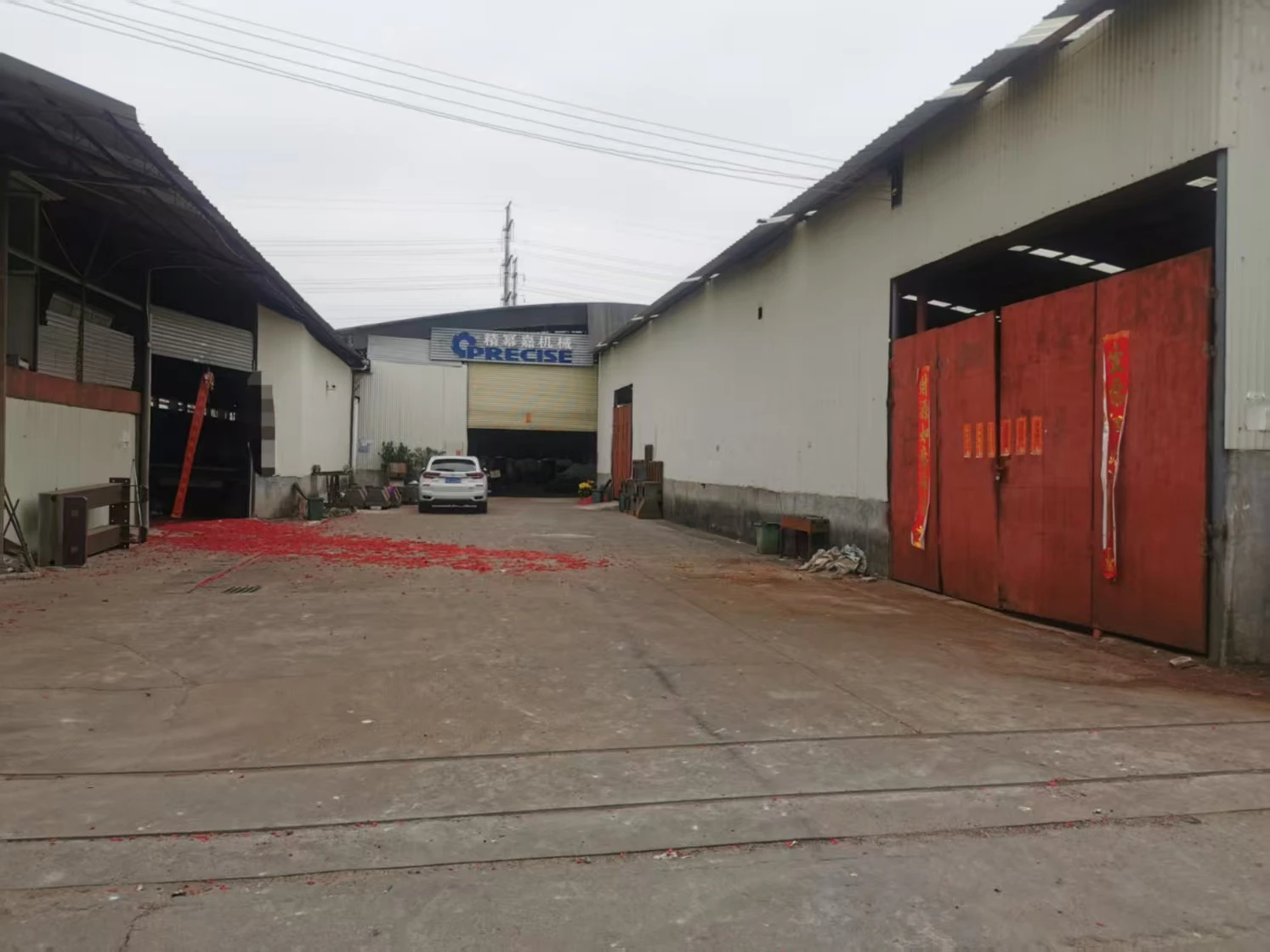
Foshan Jingmijia Machinery Co., Ltd.
- Manufacturer
- Guangdong, China
- Lead time40 days
- Avg. response≤ 12h
Main productsWoodworking Machine,Finger Joint Machine,Veneer Cutting Machine,CNC Door 4 Side Cutting Machine,CNC Door Slot Machine
Main marketsSoutheast Asia(40.00%), South America(22.00%), Mid East(12.00%), Eastern Europe(6.00%), Central America(6.00%), North America(5.00%), Eastern Asia(3.00%), South Asia(2.00%), Africa(2.00%), Western Europe(2.00%)

Qingdao Xinlihui Machinery Co., Ltd.
- Trading Company
- China Shandong
- Lead time23 days
- Avg. response≤ 12h
Main productsWoodworking Machinery, Wood Panel Saw Machine, Wood Sanding Machine, Wood Edge Banding Machine, PVC or Paper Sticking Machine, CNC Router, Wood Drilling and Boring Machine, Plywood Production Line, Press Machine Series, Vacuum Laminating Machine
Main marketsSouth America,Africa,Southeast Asia/ Mideast,East Asia(Japan/ South Korea),Domestic,Europe,Australia,North America

$1500.00 - $2600.00
MOQ: 1 Pieces


FOSHAN PATER MACHINERY MANUFACTURING CO.,LTD
- Verified by SGS
- Combined
- China Guangdong
- Lead time30 days
- Avg. response≤ 1h
Main productsWood Door Machine, Woodworking Machinery, Wood Door Making Machine
Main marketsSouth America,Others(foreignTradeCapacity.exportBusinessCapacityMarketOther),Southeast Asia/ Mideast

High Efficiency Finger Jointer Machine Automatic Solid Wood Finger Jointing Machine for Timber
$10000.00 - $70000.00
MOQ: 1 Pieces

Henan Share M&E Equipment Co.,Ltd
- Verified by SGS Group
- Trading Company
- Lead time7 days
- Avg. response≤ 3h
Main productsTextile Machinery, Printing Machinery, Construction Machinery, Wood Machinery
Main marketsNorth America(20%), South America(20%), Eastern Europe(10%)
Foshan City Weho Machinery Co., Ltd.
- Trading Company
- Guangdong, China
- Lead time20 days
- Avg. response≤ 6h
Main productsWood Working Machines And Accessories
Main marketsEastern Europe(30.00%), Eastern Asia(20.00%), Western Europe(10.00%), Northern Europe(10.00%), South America(10.00%), Africa(5.00%), North America(5.00%), Mid East(3.00%), Oceania(3.00%), South Asia(2.00%), Southeast Asia(2.00%)
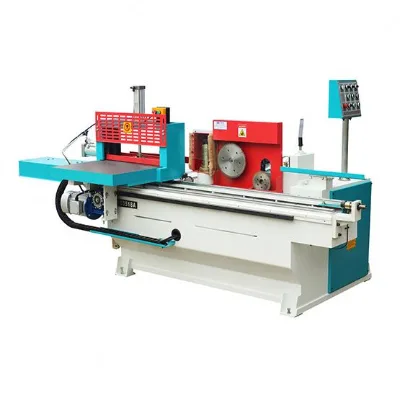
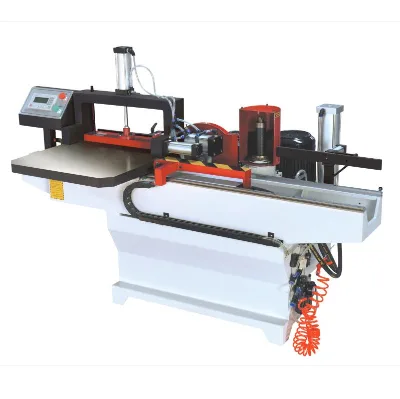
$2700.00 - $2800.00
MOQ: 1 units
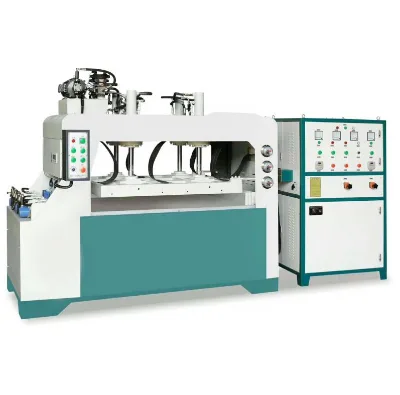
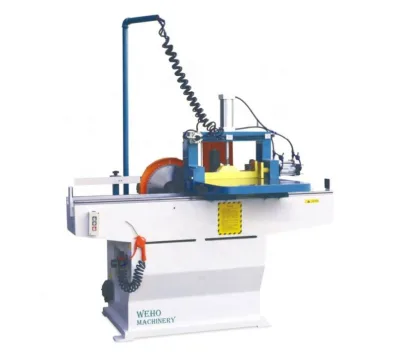
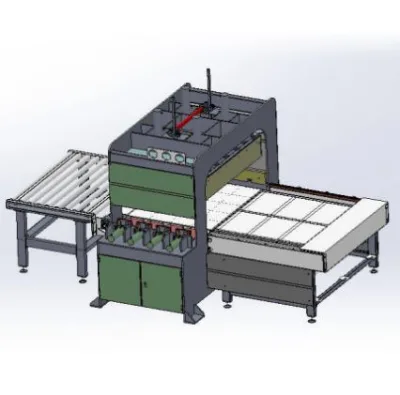
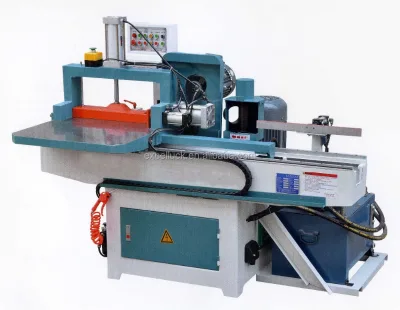
Wood Finger Joint Cutter Finger Jointed Boards Making Machine
$8075.00 - $8500.00
Qingdao Excel Luck Industry Co., Ltd
- Verified by Intertek
- Trading Company
- Lead time0 days
- Avg. response≤ 5h
Main productsWoodworking Sander, Woodworking Spindle Moulder, Four Side Moulder, Hot Press, Precision Panel Saw
Main marketsAfrica(33%), South America(30%), North America(10%)
Zhengzhou Chryso Machinery Equipment Co., Ltd.
- Verified by SGS Group
- Trading Company
- Lead time10 days
- Avg. response≤ 1h
Main productsWoodworking Machinery
Main marketsCentral America(19%), Southeast Asia(15%), Southern Europe(15%)
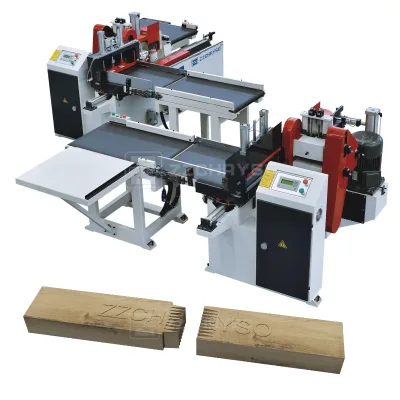
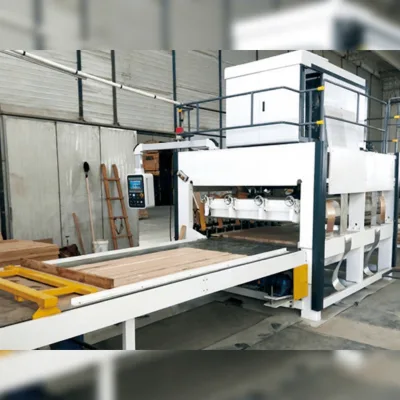
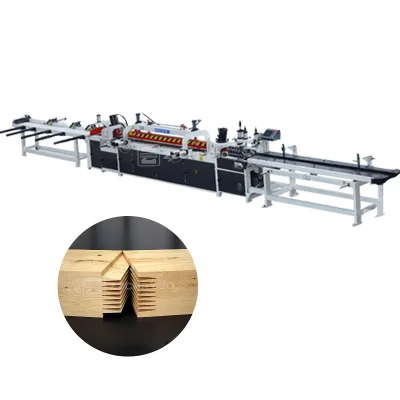
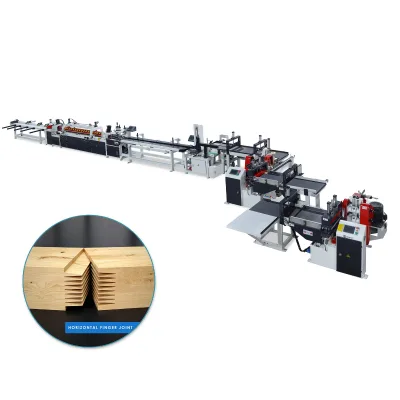
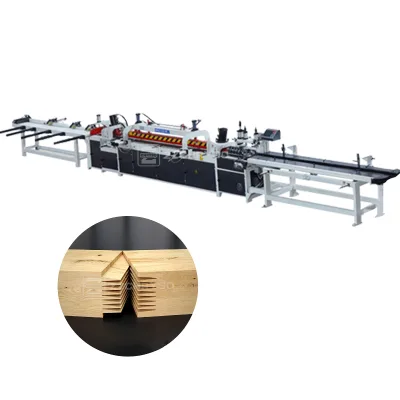
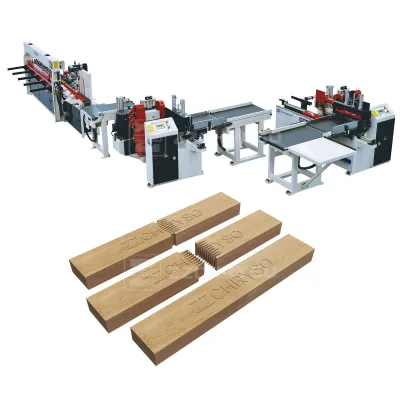
High Efficiency CNC Rubber Wood Full Automatic Finger Jointing Production Line
$4156.00 - $4356.00
MOQ: 1 sets
$3980.00 - $4300.00
MOQ: 1 sets
Qingdao Delilai Machinery Co., Ltd
- Verified by TüVRheinland
- Manufacturer, Trading Company
- Lead time7 days
- Avg. response≤ 2h
Main productsPrecise Panel Saw, Polishing Machine, Edge Banding Machine, Sanding Machine, Press Machine
Main marketsNorth America(50%), South America(10%), Eastern Europe(10%)
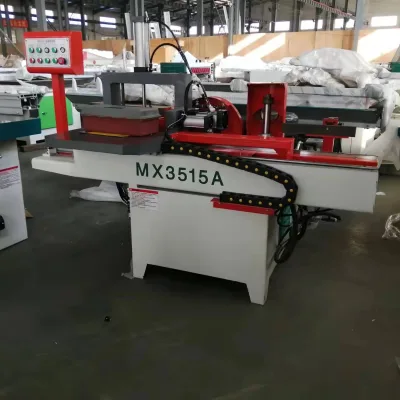
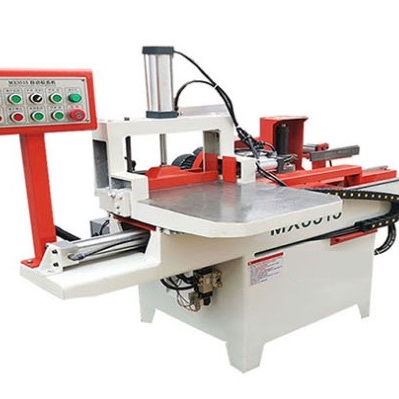
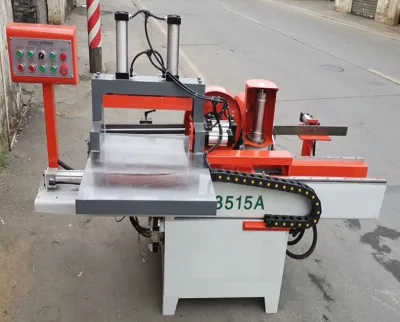
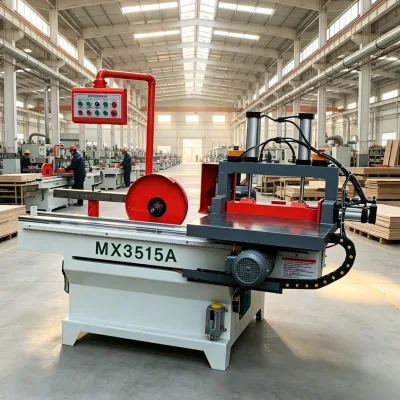
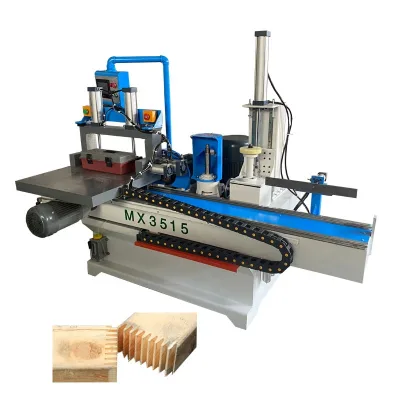
Wood Finger Joint Machine,finger Jointer Machine With Glue Function MX3515A
$2780.00 - $2800.00

Qingdao Zhongding Machinery Co., Ltd.
- Combined
- China Shandong
- Lead time30 days
- Avg. response≤ 9h
Main productsCNC Machinery, Panel Saw, Edge Bander, Press Machine, Sanding Machine, Drilling Machine
Main marketsSouth America,Africa,Southeast Asia/ Mideast,East Asia(Japan/ South Korea),Europe,Australia,North America

Solid Wood Full Automatic Jointer Finger Joint Press Machine Finger Joint Assembler
$4000.00
MOQ: 1 Pieces


Shandong STX Machinery Trade Co., Ltd.
- Trading Company
- China Shandong
- Lead time30 days
- Avg. response≤ 16h
Main productsWoodworking Machines, Four Side Moulder, Wood Sanding Machine, Optimizing Cross Cut Saw, Moulder Automatic Conveyor Line, Hydraulic Clamp Carrier, Horizontal Resaw Bandsaw, Wood Drying Kiln, High Frequency Wood Jointing Machine, Multi Blade Rip Saw
Main marketsSouth America,Southeast Asia/ Mideast,Europe,Australia,North America


Woodworking Machinery Full Automatic Solid Wood Finger Joint Production Line
$30000.00 - $55000.00
MOQ: 1 set

Foshan Holyiso Machinery Co., Ltd.
- Manufacturer, Trading Company
- Guangdong, China
- Lead time30 days
- Avg. response≤ 3h
Main productsComputer Beam Saw,Automatic Edge Banding Machine,CNC Drilling Machine,CNC Cutting Machine,Precision Panel Saw
Main marketsDomestic Market(28.00%), Mid East(15.00%), South America(15.00%), Southeast Asia(13.00%), Africa(12.00%), North America(8.00%), Eastern Asia(5.00%), Central America(4.00%)

Qingdao Zhongding Machinery Co., Ltd.
- Verified by SGS
- Combined
- China Shandong
- Lead time30 days
- Avg. response≤ 3h
Main productswoodworking machinery
Main marketsSouth America,Africa,Southeast Asia/ Mideast,East Asia(Japan/ South Korea),Europe,Australia,North America

Automatic High Speed Wood Finger Joint Assembler Machine for Woodworking
$6000.00 - $6200.00
MOQ: 1 Pieces


High Speed Woodworking Assembly Press Wood Finger Joint Assemble Machine
$6000.00 - $6200.00
MOQ: 1 Pieces


Qingdao High-Class Service Import & Export Co., Ltd.
- Verified by CTI
- Combined
- China Shandong
- Lead time60 days
- Avg. response≤ 2h
Main productsWood Pallet Machine, Wood Pallet Making Machine, Wood Saw Machine, Pallet Nailing Machine, Spray Painting Machine, Edge Banding Machine, Coating Machine, Sanding Machine, Nailless Plywood Box Machine, Wood Planer
Main marketsSouth America,Africa,Southeast Asia/ Mideast,Europe,Australia,North America

Qingdao Wardwin Industry and Trade Co., Ltd.
- Verified by SGS
- Manufacturer/Factory
- China Shandong
- Lead time23 days
- Avg. response≤ 3h
Main productsWoodworking Machine, Sliding Table Saw, Edge Banding Machine, Finger Joint Machine, Planer, Wood Cutting Machine, Automatic Edge Bander, Wood Composer Machine, CNC Router, Drilling & Boring Machine
Main marketsSouth America,Eastern Europe,Mid East,North America,Southeast Asia,Eastern Asia,Oceania,Western Europe,Africa


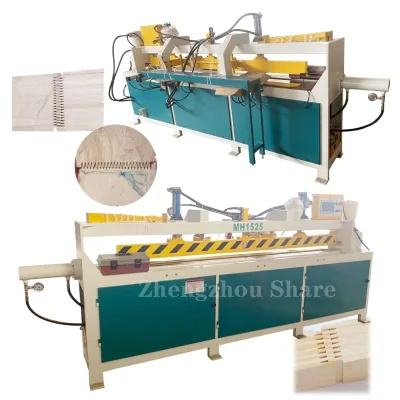
Woodworking Comb Finger Join Tenoner Machine Wood Beam Finger Jointing Press Machine
$40000.00
MOQ: 1 Pieces


Shanghai Win Star Woodworking Machinery Co., Ltd.
- Verified by SGS
- Manufacturer/Factory
- China Shanghai
- Lead time23 days
- Avg. response≤ 2h
Main productsEdge Banding Machine, Sliding Table Saw, Wide Belt Sander Machine, Hot Press Machine, Cold Press Machine, Four Side Moulder, Double Side Planer, Wood Drilling Machine, CNC Router, Profile Wrapping Machine
Main marketsSouth America,Eastern Europe,Mid East,North America,Southeast Asia,Eastern Asia,Oceania,Western Europe,Africa

Woodworking Timber Wood Joint Assembler Finger Joint Clamp Press Machine
$3500.00 - $5800.00
MOQ: 1 Sets

Woodworking Wood Timber Laminating Finger Joint Jointing Clamp Press Assembly Machine
$3500.00 - $5800.00
MOQ: 1 Sets
Qingdao High-Class Service Import & Export Co., Ltd.
- Verified by SGS Group
- Manufacturer, Trading Company
- Lead time35 days
- Avg. response≤ 2h
Main productsWood Pallet Machinery, Automatic Spray Painting Line, Automatic Roller Coating Line, Nailless Plywood Box Machine, Sanding Machine
Main marketsWestern Europe(22%), North America(15%), Southern Europe(15%)

Shandong Geelong Machinery Equipment Co., Ltd.
- Verified by BV
- Trading Company
- China Shandong
- Lead time30 days
- Avg. response≤ 1h
Main productsPlywood Machine, Veneer Machine, Veneer Composer, Glue Spreader, Veneer Dryer Machine, Cold Press Machine, Hot Press Machine, Sanding Machine, Woodworking Machine, Edge Cutting Saw Machine
Main marketsSoutheast Asia/ Mideast


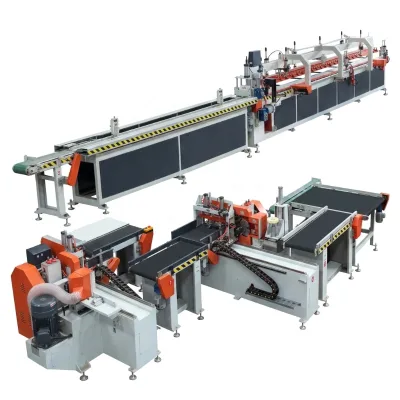
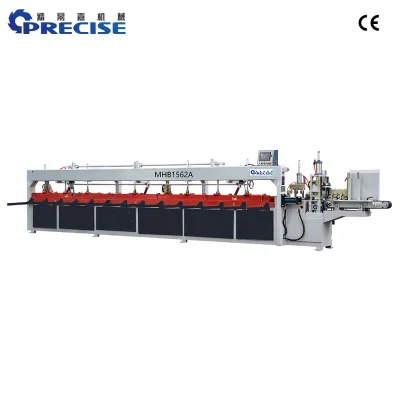
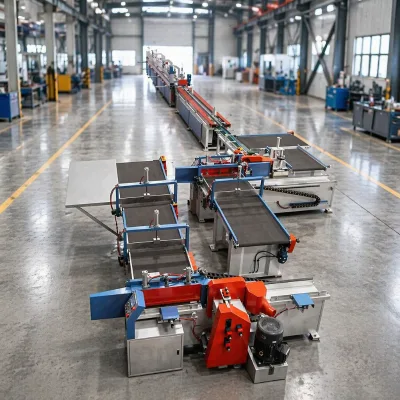
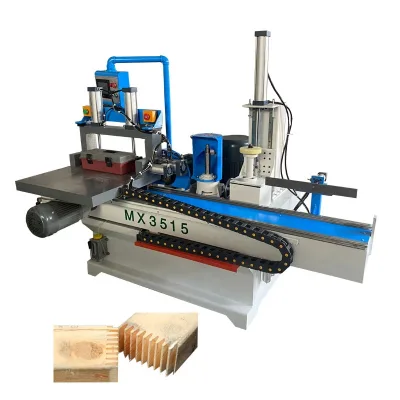




Comprehensive Sourcing Guide
Automatic Wood Finger Jointing Machine Supplier Concentration and Factory Types
The current supplier landscape for automatic wood finger jointing machines reveals a distinct concentration of manufacturing and trading entities within China, specifically in the Henan region. This geographic clustering suggests a localized industrial ecosystem where supply chains for woodworking machinery components are established, potentially offering logistical advantages for buyers sourcing from this area. The presence of suppliers in this specific location indicates that regional specialization plays a significant role in the availability and pricing of these specialized industrial machines. Buyers should recognize that while the location is a key identifier, the type of entity behind the listing varies significantly, influencing the nature of the transaction and the level of direct factory engagement.
Within this concentrated region, the supplier base is predominantly composed of trading companies rather than direct manufacturers. This distinction is crucial for procurement strategies, as trading companies often aggregate products from multiple factories, providing a broader catalog but potentially adding layers to the communication and quality control process. These entities typically list a wide array of main products, including hot press machines, veneer presses, and pallet nailing machines, indicating a diversified portfolio in woodworking equipment. Consequently, buyers evaluating suppliers in this cluster must carefully assess whether the listed entity is a specialized manufacturer or a general trading house, as this impacts the depth of technical support and customization capabilities available for complex automatic finger jointing lines.
How to Verify Automatic Wood Finger Jointing Machine Suppliers
Verification of suppliers requires a multi-layered approach that goes beyond basic profile checks, focusing on third-party validations and technical documentation. Several suppliers in the current results display verification badges from recognized entities such as SGS and TÜV Rheinland, which serve as initial indicators of operational legitimacy and adherence to certain business standards. However, these badges alone do not guarantee product quality or machine performance. Buyers must cross-reference these verification statuses with specific product certifications, such as CE marks, which are explicitly listed for certain models like the SR-JMJ. The presence of such certifications is a critical data point for ensuring that the machinery meets international safety and electrical standards, particularly for equipment operating at voltages like 220V, 380V, or higher industrial standards.
Beyond certification, the verification process should include a rigorous review of the supplier’s response capabilities and historical performance metrics. The data shows varying response times, ranging from approximately 1.77 hours to 3.80 hours, which can indicate the efficiency of the supplier’s sales and technical support teams. A faster response time often correlates with better communication during the pre-sales inquiry phase, which is vital for discussing customizations and technical specifications. Additionally, buyers should scrutinize the detailed product attributes provided, such as warranty periods, core components like motors, and power specifications. For instance, confirming that the core component is a motor and verifying the specific power output (e.g., 42.75kw or 1.5kw+1.5kw) helps in assessing the machine’s robustness. Buyers are advised to request detailed technical datasheets and, if possible, video demonstrations of the machine in operation to verify the claims made in the product listings.
What to Compare Across Automatic Wood Finger Jointing Machine Suppliers
When evaluating multiple suppliers, the primary comparison points should focus on technical specifications, pricing structures, and production capabilities. The automatic wood finger jointing machines available vary significantly in their automatic grade, with many listed as full-automatic, which impacts operational efficiency and labor requirements. Buyers must compare key performance indicators such as pressing thickness, which ranges from 20-150mm to 30-100mm, and feeding length, which can extend up to 850mm. These technical parameters directly influence the machine’s versatility in handling different wood products, from veneers to solid timber blocks. Furthermore, the motor power specifications, such as 15kw*2 for jointing or 5.5kw for pressing, are critical for determining the machine’s throughput and energy consumption, making them essential metrics for side-by-side comparison.
Pricing and minimum order quantities (MOQ) also present significant variations that require careful analysis. The price range for these machines spans from approximately $2,099 for smaller or semi-automatic units to over $50,000 for comprehensive automatic lines. This wide disparity reflects differences in automation levels, build quality, and included features such as custom branding or OEM capabilities. Most suppliers offer an MOQ of 1, which facilitates trial orders, but buyers should also consider the lead times, which are reported as 15 to 30 days. Comparing the lead time against the price can help identify value propositions; a lower price might be offset by a longer lead time or less comprehensive warranty coverage. Additionally, the availability of customization options and the supplier’s capacity for ODM and OEM services should be weighed against the buyer’s specific branding and production needs.
Common Automatic Wood Finger Jointing Machine Sourcing Risks
One of the primary risks in sourcing automatic wood finger jointing machines is the potential mismatch between advertised specifications and actual machine performance. Suppliers may list generic attributes such as "Full-Automatic" or "High Efficiency" without providing detailed operational data or third-party test results. For example, while a supplier might claim a pressing thickness of 150mm, the actual consistency and precision of the finger joints under continuous operation may vary. Buyers face the risk of receiving machinery that does not meet their specific production tolerances, leading to downtime and material waste. This risk is exacerbated by the fact that many suppliers are trading companies, which may not have direct control over the manufacturing quality or the ability to provide immediate technical troubleshooting.
Another significant risk involves the ambiguity of warranty and after-sales support terms. While many listings mention a "1 Year Warranty," the specifics of what is covered, such as motor replacement or software updates, are often not detailed in the initial product attributes. The core components, typically listed as motors, are critical and expensive to replace. If the warranty does not explicitly cover these high-value parts or if the supplier lacks a local service network, buyers may incur substantial costs for repairs. Additionally, the reliance on electrical power sources with varying voltage requirements (220V, 380V, 415V, etc.) poses a risk if the machine is not properly configured for the buyer’s local power grid. Buyers must verify that the supplier provides clear guidance on electrical compatibility and that the warranty terms are robust and enforceable to mitigate these operational and financial risks.
Automatic Wood Finger Jointing Machine Regional Sourcing and Logistics
Sourcing from the identified region of China Henan involves specific logistical considerations that impact the total cost of ownership and delivery timeline. The standard packing methods listed, such as "Container" or "Standard Export Wooden Package," are designed to protect the machinery during transit, but the dimensions of the machines, which can be substantial (e.g., 1700050001450mm for some lines), require careful planning for container loading. Buyers must account for the weight of the equipment, which ranges from 600kg to 670kg for individual units, to ensure that shipping costs are accurately calculated and that the destination port can handle the cargo. The geographic concentration of suppliers in Henan may offer consolidated shipping options, but buyers should verify if the supplier can arrange door-to-door delivery or if they only offer FOB terms, which shifts the logistics burden to the buyer.
The lead time of 15 to 30 days is a critical factor in supply chain planning, especially for buyers who need to integrate these machines into existing production lines. Delays in manufacturing or shipping can disrupt production schedules, so buyers should establish clear communication channels with the supplier to monitor progress. Additionally, the customization options available, such as adjusted feeding lengths or specific voltage configurations, may extend the lead time. Buyers must confirm whether the quoted lead time includes the time for customization and testing. Furthermore, the origin of the machine being China means that import duties and customs clearance procedures in the buyer’s country will apply. Understanding these regional logistics and regulatory requirements is essential for accurate budgeting and ensuring that the machinery arrives at the facility in a timely and compliant manner.
Automatic Wood Finger Jointing Machine Commercial Terms and Order Planning
Commercial terms for automatic wood finger jointing machines often include provisions for customization and branding, which can affect the final price and delivery schedule. Many suppliers offer ODM and OEM services, allowing buyers to have their brand name applied to the machine or to request specific design modifications. However, these customizations may require additional engineering time and could increase the lead time beyond the standard 15-30 days. Buyers should clearly define their customization requirements in the initial inquiry and obtain a revised quote that includes any additional costs for branding or design changes. The availability of customization is a key differentiator for buyers looking to maintain brand consistency across their production equipment, but it requires careful negotiation to ensure that the terms are mutually agreed upon and documented in the contract.
Order planning should also consider the financial aspects, including payment terms and the potential for escrow services. While the current data does not explicitly confirm the availability of escrow for all suppliers, buyers should prioritize transactions that offer secure payment methods to protect their capital. The price range of $2,099 to $50,000 represents a significant investment, and buyers should structure their orders to align with their cash flow needs. Additionally, buyers should verify the supplier’s ability to provide necessary documentation for customs clearance, such as commercial invoices and packing lists. Establishing a clear order plan that includes milestones for design approval, production updates, and shipping notifications can help mitigate risks and ensure a smooth procurement process. Buyers are advised to negotiate favorable payment terms, such as a deposit followed by balance upon shipment, to balance risk and commitment.
FAQs
What is the price range for automatic wood finger jointing machines?
Prices for these machines typically range from approximately $2,099 to $50,000 depending on automation level and capacity. Entry-level models start near $2,099, while full-automatic production lines can cost up to $50,000. Buyers should verify specific pricing with suppliers based on their required throughput and customization needs.
What is the minimum order quantity for these machines?
The minimum order quantity is generally one unit for most suppliers. This allows buyers to purchase single machines for testing or small-scale operations. However, bulk discounts may apply for larger orders. Always confirm the specific MOQ with the supplier before placing an order to ensure availability.
How long does delivery take for these machines?
Lead times vary significantly, ranging from 15 to 30 days for standard models. Some suppliers offer faster turnaround times of 15 days, while others may require up to 30 days for production and shipping. Buyers should confirm the exact lead time with the supplier based on their order date and specifications.
Are these machines CE certified?
Some suppliers offer machines with CE certification, ensuring compliance with European safety standards. However, not all models or suppliers provide this certification. Buyers should explicitly request CE certification details from the supplier to verify compliance with their local regulatory requirements before purchasing.
What is the warranty period for these machines?
Most suppliers provide a one-year warranty for their automatic wood finger jointing machines. This warranty typically covers core components like the motor. Buyers should review the specific warranty terms with the supplier to understand what is included and how to claim support if issues arise.
Where are these machines manufactured?
These machines are primarily manufactured in China, with many suppliers located in Henan province. Buyers should verify the exact manufacturing location with the supplier to ensure quality control and logistics planning. Origin details are crucial for calculating shipping costs and import duties.