Collectible Trading Card Suppliers and Manufacturers in China
Compare 14 verified Collectible Trading Card suppliers by location, lead time, and MOQ. Buyers can review response times, certifications, and pricing ranges to select a factory or trading company for custom PVC or paper cards; review the available evidence before requesting comparable quotations from suitable candidates.
Updated
Suppliers List

Hebei Zhonghu Intelligent Technology Co., Ltd
- Verified by SGS
- Manufacturer
- China Hebei
- Lead time15 days
- Avg. response≤ 5h
Main productsCard


Collectible-Grade Artistic Playing Cards - Custom Logo Printable with Various Craftsmanship Options
$0.62 - $1.15
MOQ: 500 Sets

Merchandise Poker Cards - High Aesthetics Collectible Cards and Board Game
$0.62 - $1.15
MOQ: 500 Sets
Champion Union Sticker Products Co., Ltd.
- Manufacturer, Trading Company
- Guangdong, China
- Lead time7 days
- Avg. response≤ 6h
Main productsStickers, Labels, Plastic Bags
Main marketsWestern Europe(30.00%), Domestic Market(30.00%), Northern Europe(15.00%), Eastern Europe(15.00%), South Asia(5.00%), North America(5.00%)

Zhengzhou Play Card Animation Co., Ltd.
- Trading Company
- Henan, China
- Lead time3 days
- Avg. response≤ 5h
Main productsToy,Card,Board game,anime peripheral,costume
Main marketsNorth America(60.00%), Southeast Asia(20.00%), South America(10.00%), Eastern Europe(10.00%)

Shenzhen Youmeike Industrial Co., Ltd.
- Trading Company,Manufacturer/Factory
- China Guangdong
- Lead time15 days
- Avg. response≤ 10h
Main productsJigsaw Puzzle, Card Game, Playing Cards, Board Game, Book Printing, Color Box
Main marketsSouth America,Eastern Europe,Mid East,North America,Southeast Asia,Eastern Asia,Oceania,Western Europe,Africa

7 Collectible Trading Cards - Rare Bitcoin & Crypto Reward Cards - Trading Card Game Booster Pack
$15.00 - $29.00
MOQ: 500 Sets


Custom Trading Playing Card Games Printing Collectible Yu Gi Oh Trading Card with Display Box
$0.11 - $2.00
MOQ: 50 Pieces

Customize Your Own Designs Playing Collectrible Cards Trading Cards OEM Custom Paper Card Game
$0.10 - $2.00
MOQ: 50 Pieces


Shanghai Yini Printing Co., Ltd.
- Verified by SGS
- Trading Company
- China Shanghai
- Lead time15 days
- Avg. response≤ 1h
Main productsPaper Gift Box, Custom Paper Box, Cosmetic Box, Corrugated Box, Paper Bag, Folding Box, Magnetic Box, Drawer Box, Mailer Box, Shipping Box
Main marketsDomestic

Customized Printed Linen Texture Game Card for Gaming Collectible Card Collection
$0.03 - $0.15
MOQ: 2000 Pieces


Lightweight Card Game Collection Card with Clear Window Protective Packaging
$0.03 - $0.15
MOQ: 2000 Pieces

Personalized Game Card - Custom Specifications From Trusted Chinese Manufacturer
$0.03 - $0.15
MOQ: 2000 Pieces


Anhui Beauty Culture Development Co., Ltd.
- Verified by BV
- Combined
- China Anhui
- Lead time15 days
- Avg. response≤ 19h
Main productsGift Packing Box, Paper Bag, Stationery Printings, Packaging Box, Children Book, Board Games, Book Printing, Magazing Printing, Calendar Printing, Envelope Printing
Main marketsSoutheast Asia/ Mideast,Domestic,Europe,North America

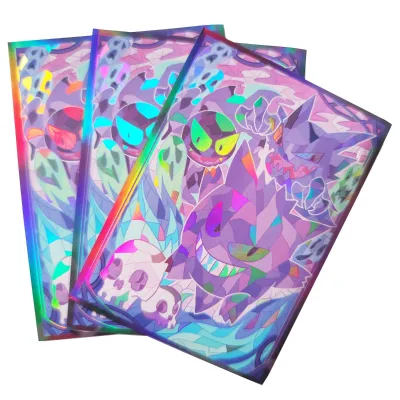
Custom Collectible Trading Cards with Rainbow Foil and High Density Paper
$0.50 - $3.00
MOQ: 500 Pieces

Holographic Foil Trading Cards for Collectible Card Games with Custom Design
$0.90 - $1.20
MOQ: 500 Pieces
- Verified by Intertek
- Manufacturer, Trading Company
- Lead time0 days
- Avg. response≤ 2h
Main productsBoard Game, Playing Cards, Tarot, Jigsaw Puzzle
Main marketsNorth America(40%), Western Europe(30%), Eastern Europe(20%)
Zhejiang Shenzhou Printing Technology Co., Ltd.
- Verified by SGS
- Combined
- China Zhejiang
- Lead time15 days
- Avg. response≤ 2h
Main marketsSouth America,Southeast Asia/ Mideast,East Asia(Japan/ South Korea),Europe,Australia,North America
Yiwu Juanwei Trading Co., Ltd.
- Trading Company
- Zhejiang, China
- Lead time7 days
- Avg. response≤ 3h
Main productsPlaying Cards,Collectible Cards,Card Holders,Board Game,Anime Figures
Main marketsNorth America(40.00%), Eastern Europe(30.00%), Northern Europe(20.00%), Central America(20.00%), South America(20.00%), South Asia(10.00%), Africa(10.00%), Southern Europe(10.00%), Southeast Asia(10.00%), Western Europe(10.00%), Eastern Asia(10.00%), Mid East(10.00%)
Shantou Chenghai District Yijiana Toy Firm
- Trading Company
- Guangdong, China
- Lead time15 days
- Avg. response≤ 2h
Main productsCartoon card,Collect cards,Plush doll,Badge,TCG
Main marketsDomestic Market(30.00%), North America(25.00%), Southern Europe(20.00%), South America(5.00%), Eastern Europe(5.00%), Northern Europe(5.00%), Western Europe(5.00%), Oceania(5.00%)
Guangzhou Galant Package Printing Co., Ltd.
- Verified by SGS Group
- Trading Company
- Lead time7 days
- Avg. response≤ 2h
Main productsBook Planner/Playing Card/Paper Box/Paper Bag, Notebook
Main marketsNorth America(30%), Western Europe(20%), Oceania(11%)
Yiwu Baozan E-Commerce Co.,Ltd.
- Trading Company
- Zhejiang, China
- Lead time5 days
- Avg. response≤ 3h
Main productsBoard Games card,Anime Cards,Football star card,paper card,cards toys
Main marketsNorth America(40.00%), Eastern Europe(20.00%), Southern Europe(20.00%), Northern Europe(15.00%), South Asia(1.00%), South America(1.00%), Southeast Asia(1.00%), Central America(1.00%), Mid East(1.00%)
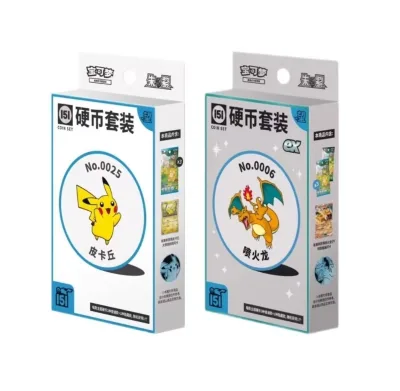
$15.80 - $17.80
MOQ: 1 boxes
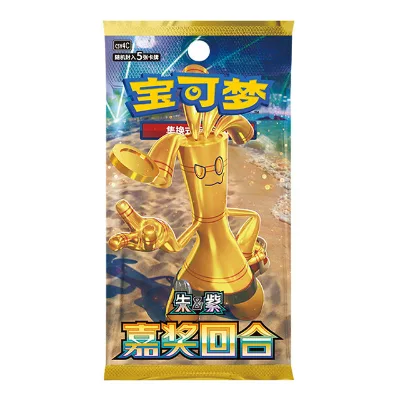

HK MAIRUN INDUSTRIAL CO., LIMITED
- Trading Company
- Hong Kong S.A.R.
- Lead time30 days
- Avg. response≤ 6h
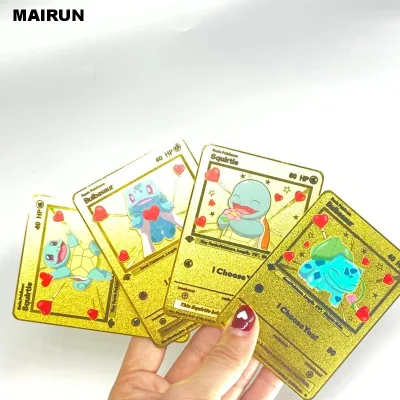
Main productsMetal card,PVC Card,Metal bookmark,Metal badge,Metal Label
Main marketsNorth America(42.00%), Western Europe(28.00%), Northern Europe(14.00%), South Asia(14.00%), South America(2.00%), Eastern Europe(2.00%), Southeast Asia(2.00%), Africa(2.00%), Mid East(2.00%), Eastern Asia(2.00%), Central America(2.00%), Southern Europe(2.00%)
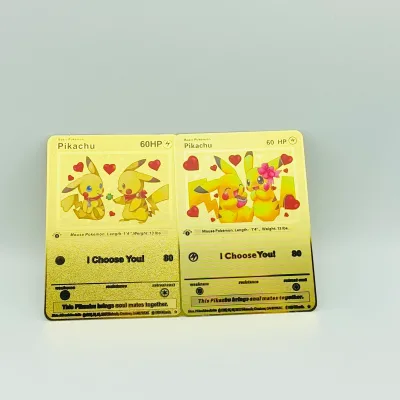
$0.1037 - $0.8619
MOQ: 10 Minimum
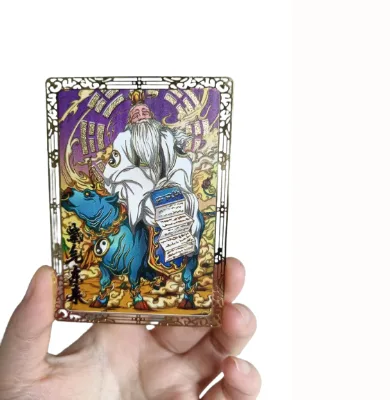
$0.3433 - $0.9549
MOQ: 100 pieces
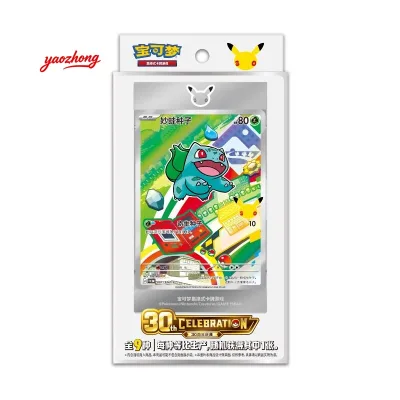
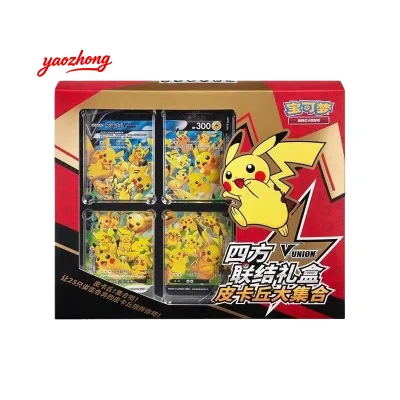
Zhengzhou Yaozhong Network Technology Co., Ltd.
- Trading Company
- Henan, China
- Lead time3 days
- Avg. response≤ 1h
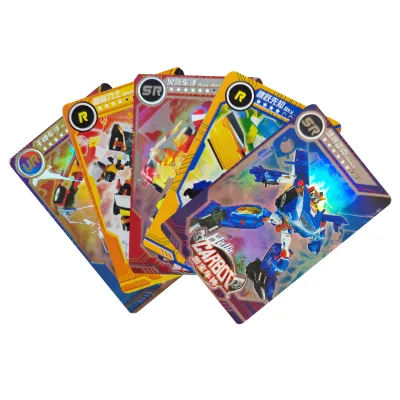
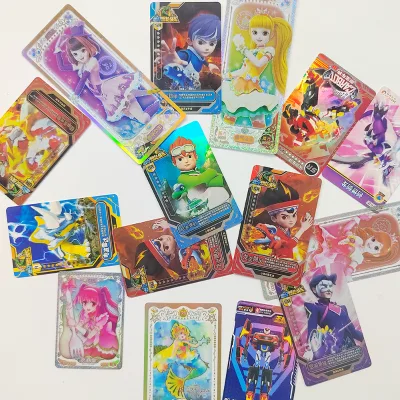
Main productsblind box,trending card,custom mahjong,trend game
Main marketsNorth America(50.00%), Southern Europe(10.00%), Northern Europe(10.00%), Mid East(10.00%), Southeast Asia(10.00%), Eastern Europe(10.00%)


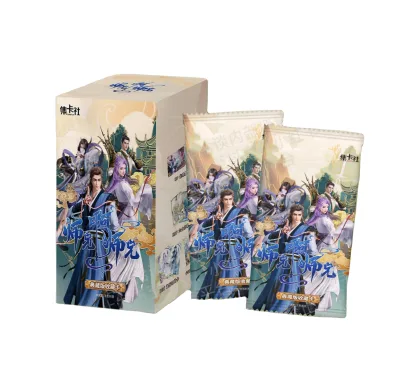
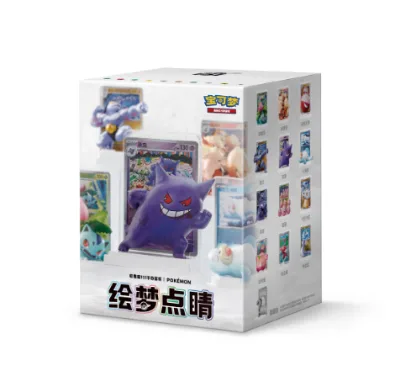
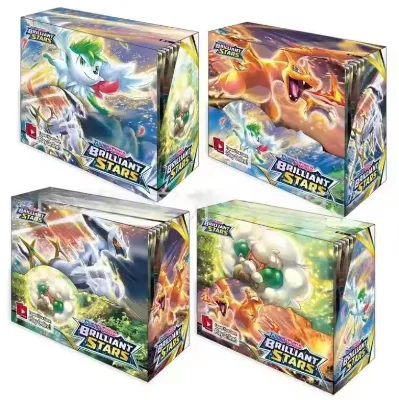
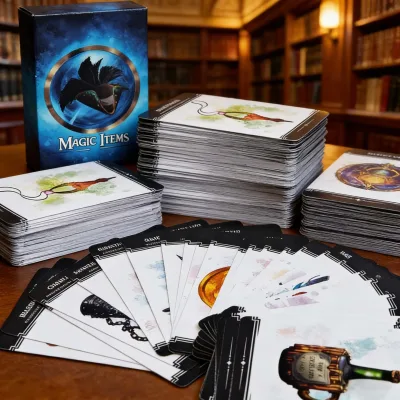
Comprehensive Sourcing Guide
Collectible Trading Card Supplier Concentration and Factory Types
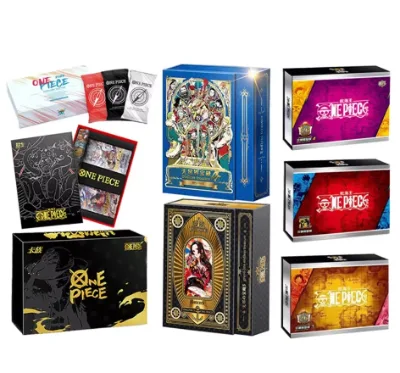
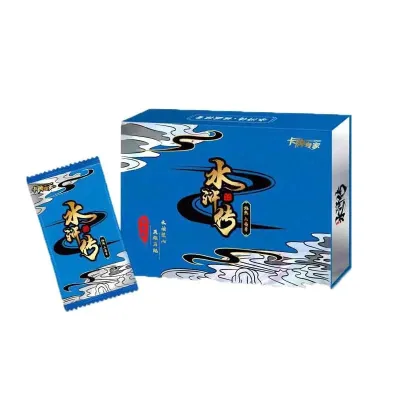
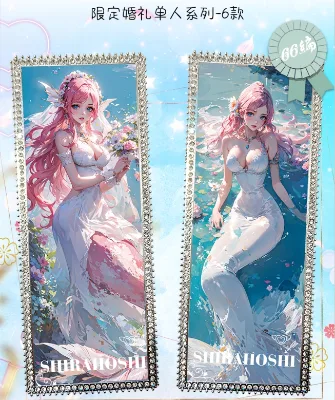
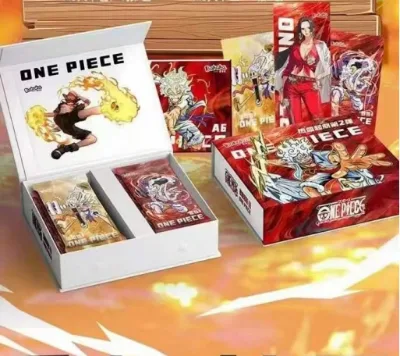
The current supplier landscape for collectible trading cards reveals a distinct geographic and operational stratification that buyers must navigate carefully. Evidence indicates that manufacturing capabilities are concentrated in specific Chinese provinces, with Hebei and Guangdong emerging as notable hubs for production. Suppliers located in Hebei often present themselves as manufacturers with significant business history, sometimes citing sixteen years of experience in the industry. These entities frequently specialize in custom PVC playing cards and high-aesthetics collectible items, leveraging local industrial ecosystems to support OEM services. The presence of such established manufacturers suggests that buyers seeking long-term partnerships or high-volume custom runs may find robust infrastructure in this region. However, the concentration is not uniform, and other regions like Henan also host active suppliers, though their operational models may differ significantly from the heavy manufacturing focus seen in Hebei.
In contrast to the manufacturer-centric model, the market also includes trading companies and hybrid entities that offer different value propositions. Suppliers in Guangdong, for instance, are identified as both manufacturers and trading companies, indicating a flexible approach to sourcing and fulfillment. These entities often focus on niche products like anime-themed plastic cards or custom logo printing services, catering to buyers who require specialized designs or smaller batch flexibility. The main products listed by these suppliers range from stickers and labels to complex board game components, suggesting a broader capability in creative and cultural collectible artifacts. This diversity in company types means that buyers cannot assume a uniform production standard across all suppliers. Instead, they must assess whether a supplier’s primary identity as a manufacturer or a trading company aligns with their specific needs for quality control, direct communication, or supply chain flexibility.
How to Verify Collectible Trading Card Suppliers
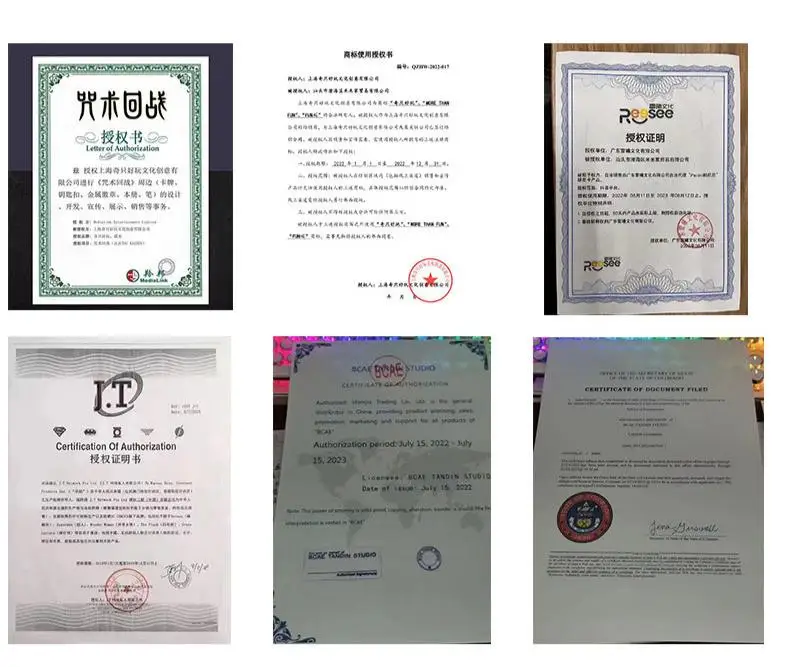
Verification is a critical step in mitigating risk when sourcing collectible trading cards, as the market contains a mix of verified manufacturers and trading companies. Buyers should prioritize suppliers that display third-party verification badges, such as SGS, which serves as a tangible indicator of operational legitimacy and quality assurance processes. In the current results, at least one supplier is marked as SGS verified, providing a baseline of trust for potential buyers. This verification often correlates with adherence to international standards and rigorous internal controls, which are essential for products that may be subject to strict safety regulations, especially if they are marketed toward younger demographics or used in educational settings. Buyers should actively look for these verification markers rather than relying solely on self-reported claims, as they provide an external audit of the supplier’s capabilities and business practices.
Beyond verification badges, buyers must scrutinize the specific certifications and standards claimed by suppliers to ensure product compliance and safety. Product attributes often list environmental certifications such as Reach, SGS, and En71-3, which are crucial for plastic-based cards to ensure they are free from harmful substances. Additionally, durability standards like ISO 2471 for flex resistance provide objective metrics for assessing the physical quality of the cards. Buyers should request documentation for these certifications rather than accepting them as mere marketing points. The presence of such detailed technical specifications, including waterproof standards and material compositions, indicates a supplier’s commitment to transparency and quality. By cross-referencing these claims with the supplier’s verification status, buyers can build a more comprehensive profile of reliability, ensuring that the products they source meet both functional and regulatory requirements.
What to Compare Across Collectible Trading Card Suppliers
When evaluating multiple suppliers, buyers must compare key operational metrics such as lead times, minimum order quantities, and response speeds to determine the best fit for their business model. Lead times vary significantly, with some suppliers offering rapid turnaround times of three to seven days, while others may require up to fifteen days for production. This variance is often linked to the complexity of customization and the supplier’s current capacity. Similarly, minimum order quantities (MOQs) range widely, from as low as one box for certain paper-based trading cards to five hundred or one thousand pieces for custom PVC options. Buyers with limited capital or those testing new markets may prefer suppliers with lower MOQs, whereas those planning large-scale distributions might negotiate better terms with suppliers offering higher volume discounts.
Response time is another critical differentiator that impacts the efficiency of the sourcing process. Suppliers with response times under five hours, such as those averaging 4.05 hours, demonstrate a high level of engagement and readiness to address buyer inquiries promptly. This responsiveness can be indicative of a well-staffed sales team and efficient internal communication channels, which are vital for resolving issues quickly during the production phase. Additionally, buyers should compare the range of customization options available, including logo printing, material choices, and packaging styles. Some suppliers offer extensive customization with various printing techniques like silicone or laser printing, while others may have more limited options. By systematically comparing these dimensions, buyers can identify suppliers that not only meet their product specifications but also align with their operational timelines and budget constraints.
Common Collectible Trading Card Sourcing Risks
One of the primary risks in sourcing collectible trading cards is the potential mismatch between expected and actual product quality, particularly regarding material durability and print fidelity. Suppliers may claim high standards, such as international PVC waterproof standards or high flex resistance, but without rigorous pre-shipment inspections, buyers risk receiving products that fail under normal use. The variability in material types, from plastic to paper, introduces additional complexity, as each material has distinct handling and durability characteristics. Buyers must ensure that the specified material matches their intended use case, whether for casual play, professional gaming, or long-term collection. Failure to verify material specifications can lead to customer dissatisfaction and returns, especially if the cards are prone to warping, tearing, or fading.
Another significant risk is the inconsistency in packaging and branding, which can affect the perceived value of the product. While many suppliers offer custom packaging options, the execution quality can vary widely. Some suppliers use simple OPP bags, while others provide more premium box packaging. Buyers must clearly define their packaging requirements and verify that the supplier can consistently meet these standards. Additionally, the risk of intellectual property infringement is heightened when sourcing custom designs, particularly those based on popular anime or game franchises. Buyers must ensure that they have the necessary rights to use specific characters or logos, as suppliers may not always verify the legality of the designs provided. This legal ambiguity can lead to costly disputes and product seizures, making it essential for buyers to conduct thorough due diligence on design ownership and supplier compliance practices.
Collectible Trading Card Regional Sourcing and Logistics
The geographic location of suppliers significantly influences logistics costs, shipping times, and overall supply chain efficiency. Suppliers located in Hebei, Guangdong, and Henan offer distinct logistical advantages depending on the buyer’s location and shipping preferences. Hebei-based manufacturers, often situated near major industrial zones, may benefit from established export channels and competitive freight rates for bulk shipments. Guangdong, being a major hub for manufacturing and trade, offers access to sophisticated logistics networks and faster shipping options to international markets. Buyers should consider the proximity of the supplier to major ports or airports when evaluating logistics costs, as this can impact the final landed cost of the products. Additionally, the supplier’s experience with overseas clients, as indicated by their business history, can provide insights into their ability to handle complex international shipping requirements.
Logistics planning must also account for the physical characteristics of the products, such as weight and packaging dimensions, which affect shipping costs. For instance, some suppliers list specific package sizes and weights, such as 10x10x0.08 cm for single items or larger boxes for bulk orders. These details are crucial for calculating accurate freight charges and determining the most cost-effective shipping method. Buyers should work closely with suppliers to optimize packaging for space efficiency, reducing volumetric weight and lowering shipping costs. Furthermore, understanding the supplier’s lead times in conjunction with shipping durations allows for better inventory planning and stock management. By aligning regional sourcing strategies with logistical realities, buyers can minimize delays and ensure a smooth flow of goods from factory to customer.
Collectible Trading Card Commercial Terms and Order Planning
Commercial terms, including pricing structures and payment conditions, play a pivotal role in the financial viability of sourcing collectible trading cards. Prices can vary significantly based on material, customization level, and order volume, with some suppliers offering competitive rates for high-volume orders. For example, prices may range from as low as $0.07 to over $1.15 per unit, depending on the specific product attributes and customization requirements. Buyers must carefully analyze these price ranges to determine the most cost-effective option for their target market. Additionally, suppliers may offer different pricing tiers based on order quantity, incentivizing larger purchases with lower unit costs. Understanding these pricing dynamics allows buyers to negotiate better terms and optimize their profit margins.
Order planning must also consider the supplier’s production capacity and flexibility to handle rush orders or changes in demand. Suppliers with established OEM capabilities and a history of serving numerous overseas clients are often better equipped to handle fluctuating order volumes. Buyers should discuss production schedules and capacity constraints early in the sourcing process to avoid potential bottlenecks. Furthermore, clear communication regarding payment terms, such as deposits and balance payments, is essential to maintain a healthy business relationship. Buyers should ensure that payment terms are aligned with their cash flow needs and that they have mechanisms in place to protect their financial interests, such as using escrow services or verified payment platforms. By meticulously planning commercial terms and order logistics, buyers can establish a sustainable and profitable sourcing strategy for collectible trading cards.
FAQs
What is the minimum order quantity for custom collectible cards?
Minimum order quantities vary by supplier and product type. Some manufacturers require 500 pieces for plastic cards, while others accept orders as low as one box for paper-based anime trading cards. Buyers should verify specific MOQs before placing an order to ensure alignment with their budget and inventory needs.
How long does it take to receive custom collectible cards?
Lead times for custom collectible cards typically range from three to fifteen days depending on the supplier location and order complexity. Suppliers in Henan may offer faster turnaround times of three days, whereas those in Hebei often require up to fifteen days for production and shipping completion.
Are custom collectible cards waterproof and durable?
Many plastic collectible cards meet international waterproof standards and can withstand over ten thousand flexes according to ISO 2471. These cards are made from durable PVC materials suitable for all ages, ensuring they remain intact during repeated gameplay and handling without tearing or water damage.
What certifications do collectible card manufacturers hold?
Suppliers often provide environmental certifications such as Reach, SGS, and En71-3 for their plastic card products. While some listings show no system certification, verified suppliers may undergo third-party checks like SGS to ensure product safety and compliance with international trade standards for children and adult entertainment.
Can I customize the design and logo on collectible cards?
Customization is widely available for collectible cards, allowing buyers to add logos, specific designs, and unique artwork. Manufacturers support various printing methods including digital, laser, and heat-transfer printing, enabling full customization of colors, sizes, and packaging to match specific brand requirements or event themes.
What is the price range for wholesale collectible trading cards?
Wholesale prices for collectible trading cards generally range from 0.07 to 1.15 USD per unit based on material and customization. Plastic cards often cost between 0.07 and 0.10 USD, while premium collectible options with intricate designs may reach up to 1.15 USD per piece depending on order volume.
Where are collectible card manufacturers located in China?
Manufacturers of collectible cards are primarily located in Hebei, Guangdong, and Henan provinces. These regions host both manufacturers and trading companies offering diverse product lines, from PVC playing cards to anime-themed merchandise, with varying lead times and response speeds to accommodate different sourcing requirements.