Eco Friendly Washed Plush Doll Suppliers and Manufacturers
Compare 25 verified suppliers offering Eco Friendly Washed Plush Doll options with customizable features and certifications like CE, En71, and ASTM. Review response times, lead times, and MOQs to select a partner, then request samples for quality verification; review the available evidence before requesting comparable quotations from suitable candidates.
Updated
Suppliers List

Lianyungang Hongwen Toys Co., Ltd.
- Verified by SGS
- Combined
- China Jiangsu
- Lead time23 days
- Avg. response≤ 8h
Main productsCustom Plush Backpack, Stuffed Toy, Custom Plush Pillow, Custom Plush Doll, Custom Plush Toy, Custom Hold-All, Plush Pillow, Animal Plush, Stuffed Plush Toys, Plush Toy Animals
Main marketsAfrica,Southeast Asia/ Mideast,East Asia(Japan/ South Korea),Domestic,Europe,Australia,North America


Factory Plush Cute Stuffed Animal Toy Personalized Customization Plush Doll
$1.50 - $3.00
MOQ: 100 Pieces


Jinjiang Zhengzheng Technology Co., Ltd.
- Trading Company
- China Fujian
- Lead time0 days
- Avg. response≤ 2h

Yangzhou Lucky Bear Craft & Gifts Co., Ltd.
- Verified by TUVRHEINLAND
- Trading Company
- China Jiangsu
- Lead time30 days
- Avg. response≤ 3h
Main productsTeddy Bear, Plush Toy, Stuffed Animal, Toy Shoes, Baby Toy, Rocking Horse, Unstuffed Animal Skin, Indoor Slippers, Snow Boots, Promotional Toys
Main marketsEurope,North America

Shenzhen Donreay Technology Co., Ltd.
- Manufacturer, Buying Office, Distributor/Wholesaler
- Guangdong, China
- Lead time5 days
- Avg. response≤ 15h
Main productscell phone accessories,computer accessories
Main marketsWestern Europe(40.00%), Northern Europe(30.00%), Southern Europe(10.00%), Eastern Europe(10.00%), South America(10.00%)

- Verified by CTI
- Trading Company
- China Hunan
- Lead time23 days
- Avg. response≤ 4h
Main productsToys & Hobbies, Toy Plush Animals, PVC/Resin Figures, Plush Toys, PVC Toys, Soft Toys, Plush Pillows, Mascot Costumes, Resin Decoration, Promotional Gift
Main marketsSouth America,Southeast Asia/ Mideast,Europe,Australia,North America

Custom Design High Quality Eco-Friendly Fabric Soft Toys Stuffed Animals Cute Plush Toy Doll
$1.66 - $1.86
MOQ: 500 Pieces


Custom Plush Doll Fashionable Game Plush Figure Dolls Custom Anime Plushie Custom Plush Toy
$2.69 - $3.29
MOQ: 100 Pieces


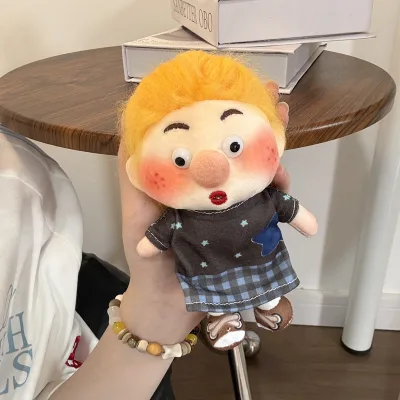
Custom Plush Toy Made Cartoon Characters Cutedetachable Garment Dolls Soft Stuffed Doll
$2.39 - $3.66
MOQ: 2 Pieces


- Combined
- China Jiangsu
- Lead time30 days
- Avg. response≤ 7h
Main productsCustom Plush Toy, Plush Doll
Main marketsSoutheast Asia/ Mideast,Europe,North America


Customized Promotional Stuffed Plush Doll China Manufacturer Custom Logo Plushie
$3.99 - $7.99
MOQ: 50 Pieces
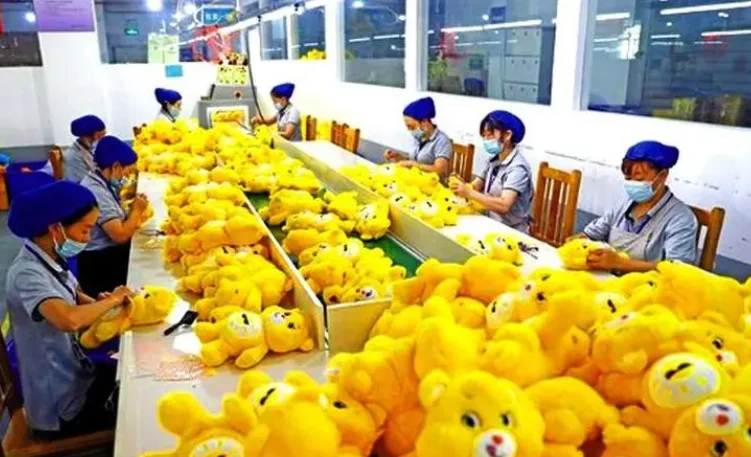
Dongguan Ai Cheng Toys Co., Ltd.
- Manufacturer
- Guangdong, China
- Lead time25 days
- Avg. response≤ 8h
Main productsplush toys,plush pillow,plush bag,plush puppet,plush slippers
Main marketsWestern Europe(20.00%), Eastern Europe(20.00%), Domestic Market(20.00%), Central America(20.00%), South America(10.00%), North America(10.00%)
Shandong Beibao Gifts Co., Ltd.
- Verified by TüVRheinland
- Manufacturer, Trading Company
- Lead time15 days
- Avg. response≤ 13h
Main productsPlush Toys
Main marketsCentral America(25%), North America(15%), Northern Europe(15%)
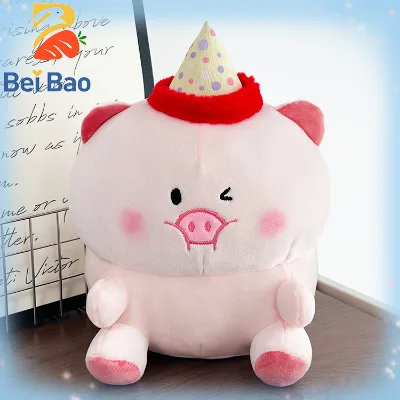
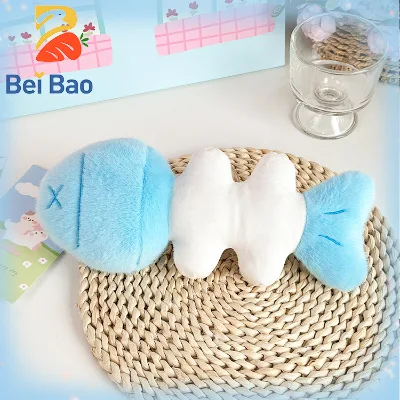
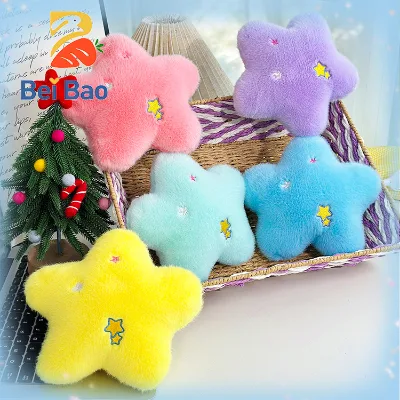
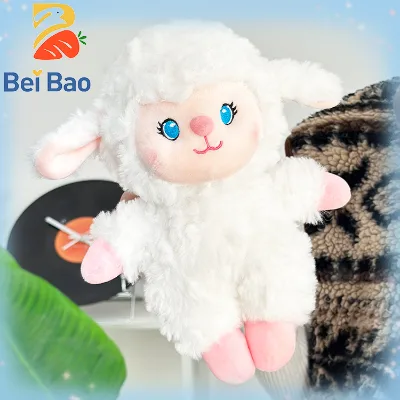
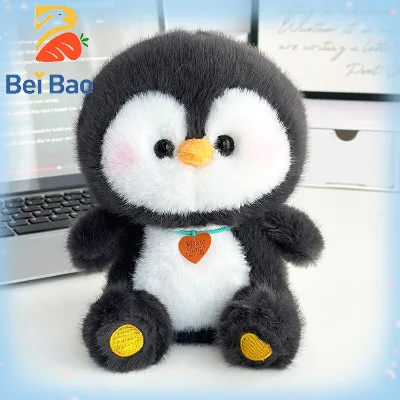
$1.1752 - $1.2577
MOQ: 100 pieces
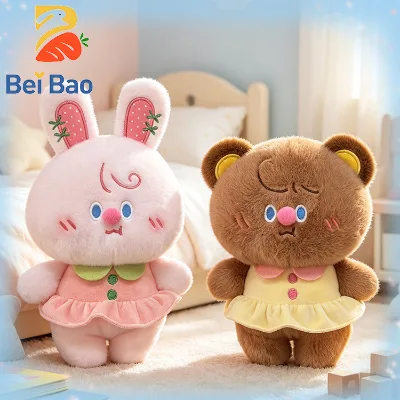

Qingdao Sanliang Yipin Network Technology Co., Ltd
- Verified by SGS
- Manufacturer/Factory
- China Shandong
- Lead time30 days
- Avg. response≤ 8h
Main productsBag, Plush Toys, Clothes, Pet Accessories, Jewellery
Main marketsSouth America,Eastern Europe,Mid East,North America,Southeast Asia,Eastern Asia,Oceania,Western Europe,Africa
Dongguan Jialedi Toys Co., Ltd.
- Verified by TüVRheinland
- Manufacturer, Trading Company
- Lead time15 days
- Avg. response≤ 2h
Main productsStuffed Animal Toys, Plush Pillows, Plush Figure Toys, Plush Bags, U-Shaped Pillow
Main marketsNorth America(60%), South America(10%), Eastern Europe(10%)

Tianchang Puyu Import&Export Co., Ltd.
- Trading Company
- China Anhui
- Lead time0 days
- Avg. response≤ 3h
Main productsPlush Toys, Plush Toy Keychain, Plush Bag, Mascot Doll, Pet Toy, Pet Products, Squishy Toy, Plush Slippers

Custom Plush Toy 3D Mockup Service Plushie OEM ODM Charity Fundraiser Custom Doll
$1.68 - $3.69
MOQ: 100 Pieces

Custom Eco-Friendly Cartoon Dolphin Plush Toy Doll with Super Soft Plush and PP Cotton Filling
$0.99 - $1.99
MOQ: 100 Pieces


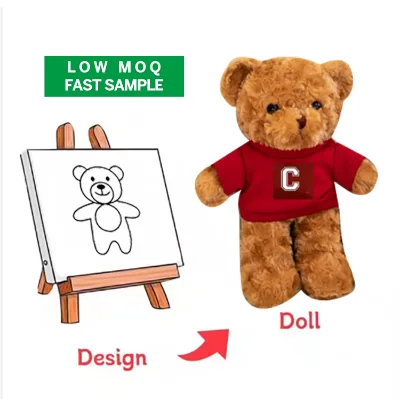
Custom Plush Doll Teddy Bear Quick Lead Time Christmas Promotion Custom Plushie
$1.68 - $3.69
MOQ: 100 Pieces

Custom Plush Doll Low MOQ Professional Manufacturer Holiday Campaign Custom Stuffed Pillow
$1.88 - $2.38
MOQ: 200 Pieces
Yancheng Joy Foundationcultural Creativity Co., Ltd.
- Verified by TüVRheinland
- Manufacturer, Trading Company
- Jiangsu, China
- Lead time旺季: "1 - 2":35,"> 2":"To be negotiated", 淡季: "1 - 2":35,"> 2":"To be negotiated"
- Avg. response≤ 3h
Main productsPlush Toys, Bags, Slippers, Pillow, Festival Gifts
Main marketsNorth America(35%), Eastern Europe(10%), Southeast Asia(10%)
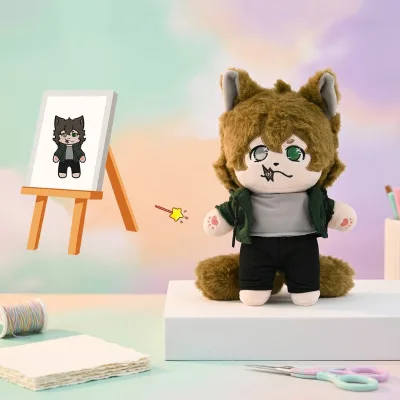
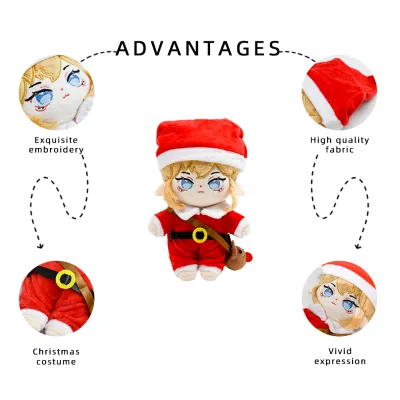
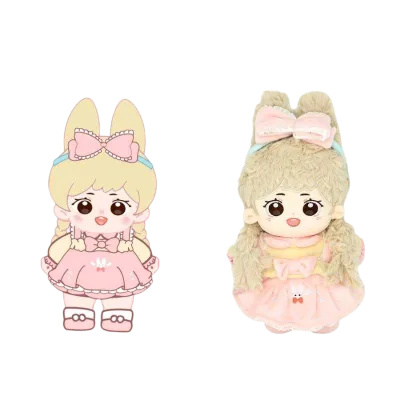
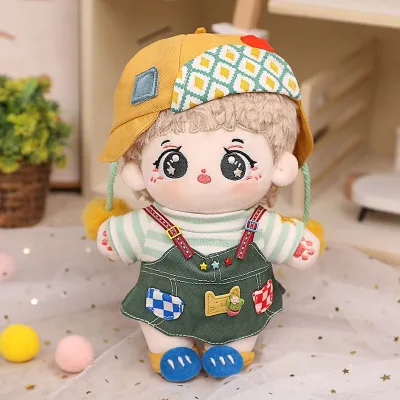
High Quality Custom Adorable Stuffed Plush Doll Lovely Plush Figure with Cute Dress
$5.9645 - $10.0763
MOQ: 30 pieces
- Verified by SGS Group
- Manufacturer, Trading Company
- Lead time15 days
- Avg. response≤ 3h
Main productsCustom Plush Toys, Custom Plush Doll, Custom Plush Keychain
Main marketsNorth America(40%), South America(20%), Eastern Asia(10%)
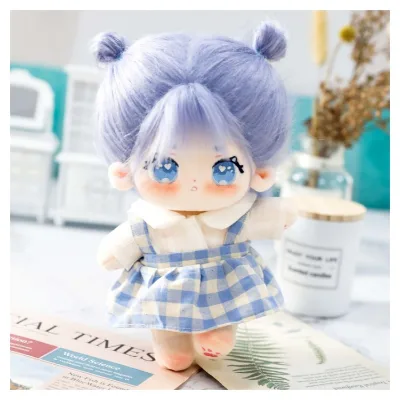
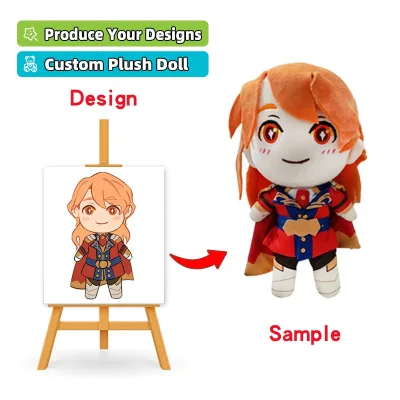
Oem/Odm Accepted Customized Designs Toy Custom 20CM Plush Game Anime Character Doll
$6.99 - $19.99
MOQ: 20
Yangzhou Jinrunan Maternal And Infant Supplies Co., Ltd.
- Trading Company
- Jiangsu, China
- Lead time15 days
- Avg. response≤ 3h
Main productsPlush Doll,Plush Cushion,Plush Slippers,Plush Bags,Plush Keychain
Main marketsSouthern Europe(10.00%), Northern Europe(10.00%), Central America(10.00%), Western Europe(10.00%), Mid East(10.00%), Southeast Asia(10.00%), Eastern Europe(10.00%), South America(10.00%), North America(10.00%), Domestic Market(5.00%), South Asia(5.00%)
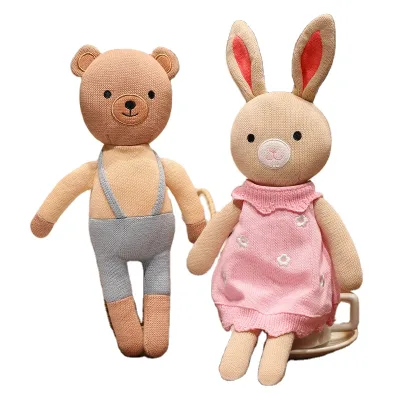
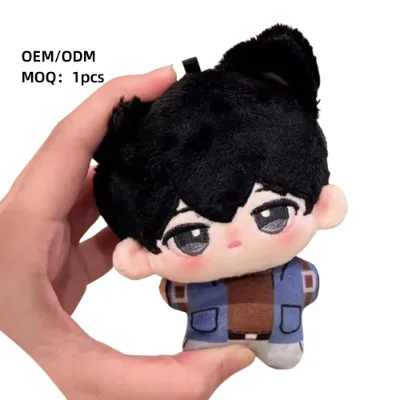
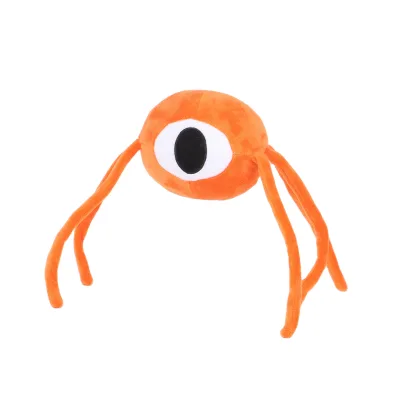
$2.80 - $3.30
MOQ: 100 pieces
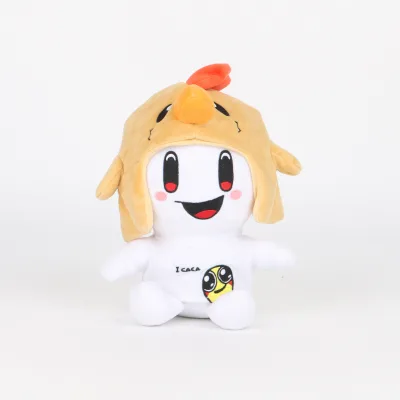
$3.2813 - $3.794
MOQ: 2 pieces
- Verified by TüVRheinland
- Trading Company
- Lead time30 days
- Avg. response≤ 2h
Main productsPlush Dolls, Cartoon Costume, Plush Throw Pillow, Plush Accessory, Plush Bag
Main marketsNorth America(60%), Western Europe(19%), Southeast Asia(10%)
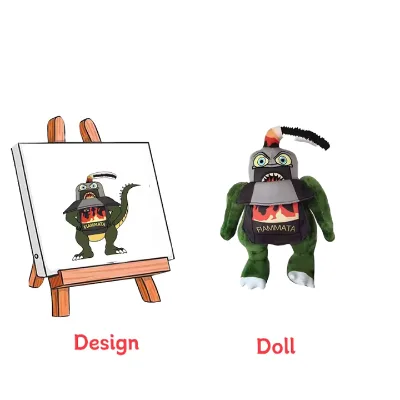
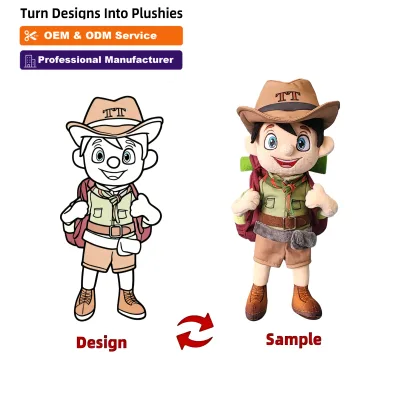
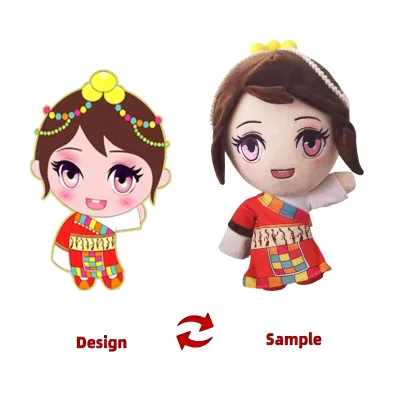
$3.88 - $8.59
MOQ: 300 pieces
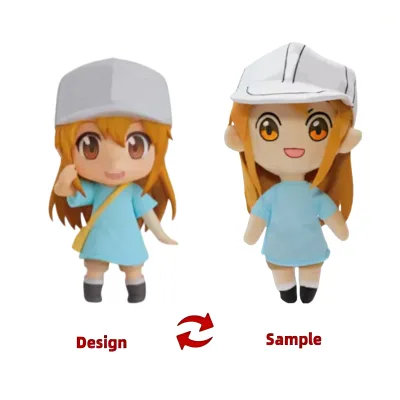
High Quality Custom Star Doll Original Adorable Soft with Clothes Accessories Good Gifts for Friends
$3.99 - $7.66
MOQ: 300 pieces

- Verified by TUVRHEINLAND
- Combined
- China Hebei
- Lead time30 days
- Avg. response≤ 3h
Main productsRide on Car, Children Electric Car, Children Electric Bike, Kids Toy Car, Toy Car, Children Car, Children Motor Bike, Battery Car, Battery Bike, Kids Bike
Main marketsSouth America,Domestic


18 Cm Plush Doll Custom Cute Stuffed Doll Custom Stuffed Animal Plush Toy
$1.16 - $1.58
MOQ: 50 Pieces


Yangzhou Beyman Toys Co., Ltd.
- Verified by TüVRheinland
- Manufacturer, Trading Company
- Lead time20 days
- Avg. response≤ 2h
Main productsPlush Toy, Craft Gift, Pillow
Main marketsNorth America(30%), Western Europe(20%), Domestic Market(12%)
Shenzhen Dcmd Cultural Goods Co., Ltd.
- Verified by TüVRheinland
- Manufacturer, Trading Company
- Lead time30 days
- Avg. response≤ 1h
Main productsBaby Cloth Book, Children's Plush Walking Chair, Plush Animal Toy, Plush Electric Toy, Wind Chimes On Children's Plush Bed
Main marketsNorth America(60%), South America(20%), Southeast Asia(10%)
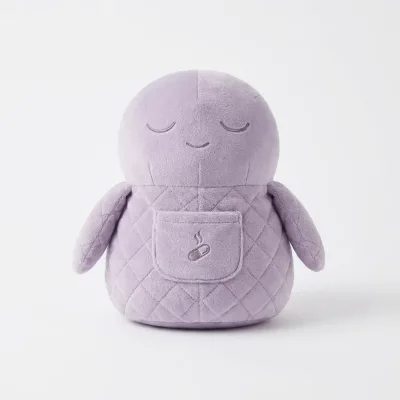
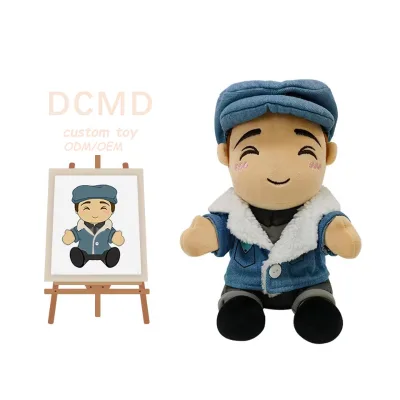
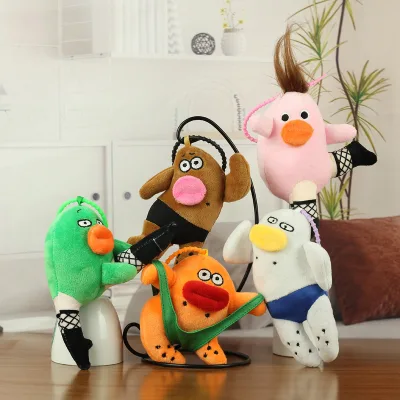
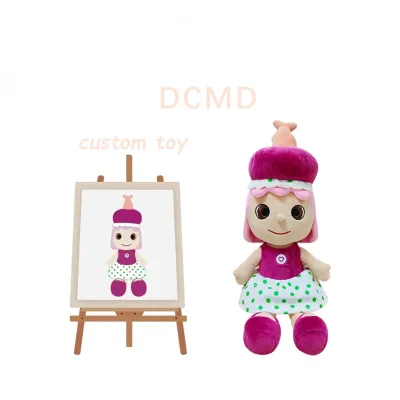
Factory Professional Custom High Quality Low MOQ Custom Girls Plush Doll
$0.5247 - $1.0493
MOQ: 300 pieces

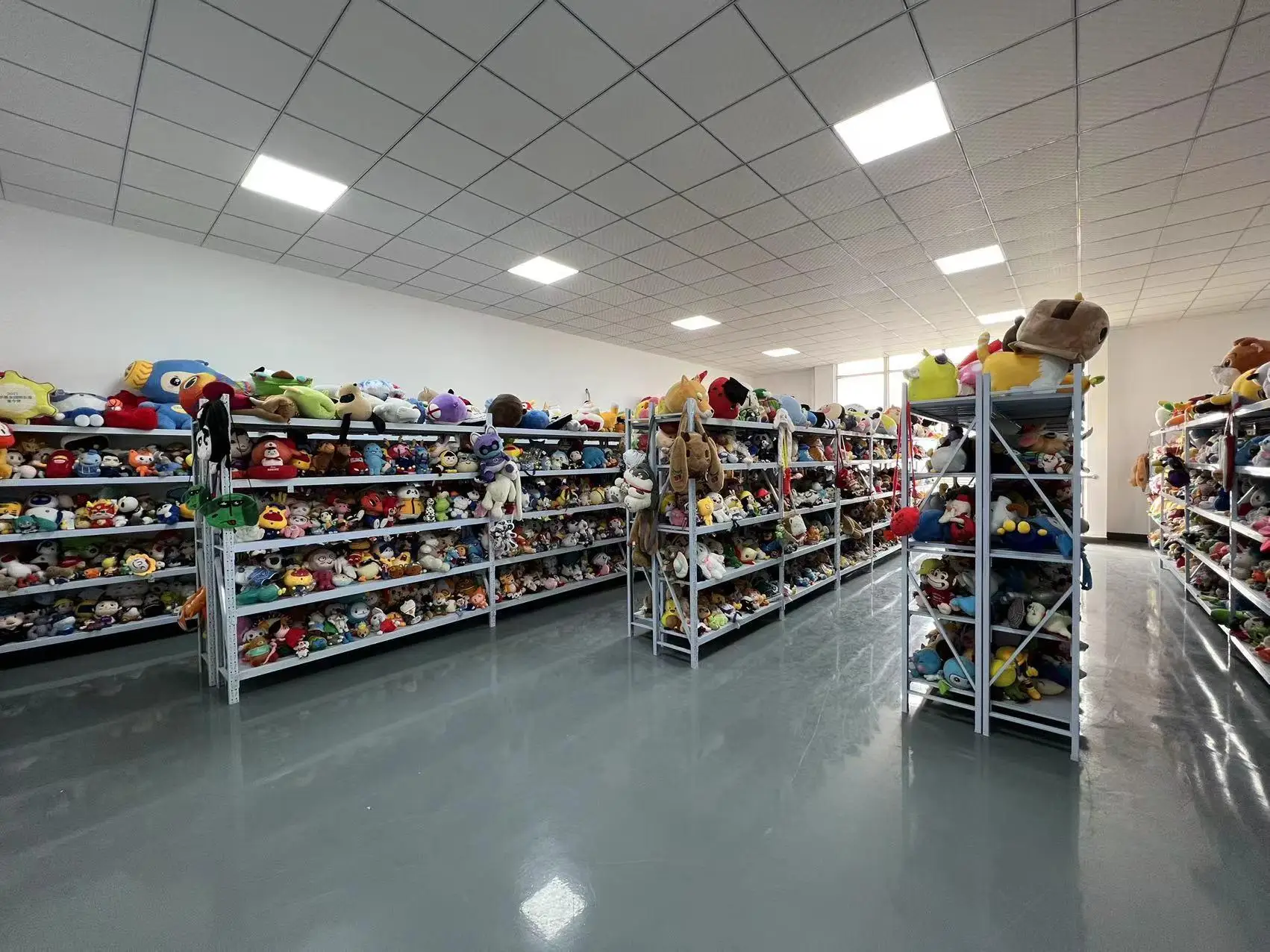
Dongguan Lokwell Toys Co. Ltd.
- Trading Company,Manufacturer/Factory
- China Guangdong
- Lead time45 days
- Avg. response≤ 19h
Main productsPlush&Stuffed Toy, Fabrics Doll, Teddy Bear, Pet Toy, Cuddle Toy, Backpacks, Keychain, Cushion, Neck Pillow, Hand Puppets
Main marketsSouth America,Eastern Europe,Mid East,North America,Southeast Asia,Eastern Asia,Oceania,Western Europe,Africa

Yangzhou City Caisheng Handicraft Product Co., Ltd.
- Verified by TUVRHEINLAND
- Trading Company
- China Jiangsu
- Lead time30 days
- Avg. response≤ 2h
Main productsPlush Toy, Teddy Bear, Baby Toy, Pillow, Cushion, Slipper, Puppet, Doll, Plush Bag, Pet Toy
Main marketsNorth America

Shenzhen Yanlsle Cultural and Creative Technology Co., Ltd.
- Verified by SGS
- Trading Company
- China Guangdong
- Lead time15 days
- Avg. response≤ 8h
Main productsBrooch/Coin/Badge/Medal/Pin/Keychain
Main marketsDomestic

Hot Selling Stuffed Animal Plush Toy Plush Doll with Customization Soft Toys
$5.00 - $5.50
MOQ: 100 Pieces

Unisex Custom Soft Plush Toy Super Soft Animal Doll with PP Cotton Filling Polyester Washed for Kids
$5.00 - $5.50
MOQ: 100 Pieces

Changsha Fluffy Dream toy Co., Ltd.
- Trading Company
- Hunan, China
- Lead time25 days
- Avg. response≤ 2h
Main productsCustom plush toys,Stuffed Animal Toys,Plush keychain,Plush cushion,Creative plush products
Main marketsNorth America(60.00%), Eastern Europe(10.00%), Southeast Asia(5.00%), Northern Europe(4.00%), Oceania(4.00%), Western Europe(3.00%), Mid East(3.00%), South America(3.00%), Central America(2.00%), Southern Europe(2.00%), Domestic Market(1.00%), South Asia(1.00%), Eastern Asia(1.00%), Africa(1.00%)

Jinjiang Naike Eco Technology Co., Ltd.
- Verified by SGS
- Trading Company
- China Fujian
- Lead time30 days
- Avg. response≤ 2h
Main productsKeychain, Promotional Gifts, Shoes Charm, Straw Toppers, Pencil Toppers, Christmas Decoration, Party Decoration, Toy, Metal Craft, Silicone Products
Main marketsEurope,North America


Wholesale Customized PP Cotton Filled Stuffed Toy Soft Plush Animal Toy Doll
$2.41 - $2.50
MOQ: 300 Pieces
Shenzhen Brin Technology Co., Ltd.
- Verified by TüVRheinland
- Trading Company
- Lead time0 days
- Avg. response≤ 1h
Main productsPlush Toys, Educational Toys, Sensory Toys, Pet Products, Custom Products
Main marketsNorth America(40%), South America(20%), Western Europe(10%)
Shenzhen Levin Toys & Gifts Co., Limited
- Verified by TüVRheinland
- Manufacturer, Trading Company
- Lead time30 days
- Avg. response≤ 2h
Main productsCustom Plush Toys, Plush Stuffed Toys, Plush Animal Toys, Plush Pet Toys, Plush Infant Toys
Main marketsNorth America(45%), Western Europe(20%), South America(5%)







Comprehensive Sourcing Guide
Eco Friendly Washed Plush Doll Supplier Concentration and Factory Types
The current supplier landscape for eco-friendly washed plush dolls reveals a distinct geographic and structural concentration that buyers must navigate carefully. Evidence indicates that manufacturing entities are primarily located in China, with specific clusters identified in Jiangsu and Fujian provinces. These regions serve as critical hubs for plush toy production, offering established supply chains for raw materials like cotton fabric and synthetic fibers. The presence of suppliers in these areas suggests a mature industrial ecosystem capable of handling large-volume orders for custom plush items. Buyers should recognize that location is a primary indicator of logistical efficiency and supply chain maturity. Proximity to these manufacturing centers can significantly reduce shipping times and costs, making it a vital factor in supplier selection. The concentration in Jiangsu and Fujian highlights the regional specialization in textile and toy manufacturing, providing buyers with a clear geographic target for sourcing high-quality plush products.
Regarding company types, the market features a mix of combined manufacturers and trading companies. Combined entities often possess both production capabilities and trading operations, allowing for greater flexibility in order management and customization. Trading companies, on the other hand, may offer a broader range of products from multiple factories, potentially simplifying the sourcing process for buyers who need diverse items. The distinction between these types is crucial for understanding the level of control a buyer has over the production process. Combined manufacturers may offer more direct communication with the factory floor, while trading companies might provide better service support and product variety. Buyers should assess their specific needs for customization and volume to determine which company type best suits their procurement strategy. Understanding these structural differences helps in aligning supplier capabilities with project requirements, ensuring a smoother sourcing experience.
How to Verify Eco Friendly Washed Plush Doll Suppliers
Verifying the credibility and compliance of suppliers is a critical step in the sourcing process for eco-friendly washed plush dolls. Buyers should prioritize suppliers who have undergone third-party verification processes, as these provide an additional layer of trust and assurance. For instance, some suppliers in the current results have been verified by SGS, a globally recognized inspection and certification company. This verification indicates that the supplier has met certain standards for quality and operational integrity. Additionally, other suppliers may hold certifications from TÜV Rheinland, further demonstrating their commitment to safety and quality management. These verifications are essential for buyers who need to ensure that their suppliers are legitimate and capable of delivering products that meet international standards. Buyers should actively seek out these verification badges and understand what they signify in terms of supplier reliability.
Beyond verification badges, buyers must scrutinize the specific certifications and standards claimed by suppliers. Product evidence shows that many plush dolls are certified under CE, EN71, ASTM, CPSIA, and REACH standards. These certifications are particularly important for toys intended for children, as they ensure the products are free from harmful substances and meet safety requirements. Some suppliers also mention BSCI and ISO9001 certifications, which relate to social compliance and quality management systems, respectively. Buyers should request documentation for these certifications to verify their authenticity and relevance to their specific market. It is also important to check if the suppliers conduct regular tests, such as ASTM or EN71 tests, to ensure ongoing compliance. By thoroughly verifying these credentials, buyers can mitigate risks associated with non-compliant products and protect their brand reputation.
What to Compare Across Eco Friendly Washed Plush Doll Suppliers
When evaluating multiple suppliers, buyers should compare key operational metrics to identify the most suitable partner for their needs. Response time is a significant indicator of supplier efficiency and customer service quality. Current data shows response times ranging from approximately 1.61 hours to 7.61 hours, with some suppliers responding within 2.30 hours. Faster response times often correlate with better communication and quicker issue resolution, which is vital for maintaining project momentum. Buyers should prioritize suppliers with shorter response times, especially for time-sensitive projects or those requiring frequent communication. Additionally, lead times provide insight into the supplier's production capacity and scheduling efficiency. Lead times vary, with some suppliers indicating around 23 days, while others may have different production schedules. Understanding these timelines helps buyers plan their inventory and delivery schedules more effectively.
Another critical factor is the Minimum Order Quantity (MOQ) and pricing structure. MOQs can significantly impact the feasibility of an order, especially for smaller buyers or those testing new markets. Current results show MOQs starting at 100 pieces, with some suppliers offering negotiable terms. This flexibility can be advantageous for buyers who need to start with smaller volumes. Pricing also varies, with some products ranging from $1.50 to $3.00 per unit, while others may go up to $30.00 depending on complexity and customization. Buyers should compare these costs against their budget and target margins. Furthermore, customization options such as OEM and ODM services should be evaluated. Suppliers offering these services can provide tailored products that meet specific brand requirements. By systematically comparing these metrics, buyers can make informed decisions that balance cost, quality, and service.
Common Eco Friendly Washed Plush Doll Sourcing Risks
Sourcing eco-friendly washed plush dolls involves several potential risks that buyers must proactively manage to ensure successful outcomes. One significant risk is the variability in product quality and consistency. Since many products are hand-made or customized, there may be slight variations in size, color, or stitching between batches. Buyers should establish clear quality standards and request samples before committing to large orders. Additionally, the use of different materials, such as cotton fabric or synthetic fibers, can affect the final product's feel and durability. Buyers must verify that the materials used align with their eco-friendly claims and safety requirements. Inconsistent quality can lead to customer dissatisfaction and returns, damaging the buyer's brand reputation. Therefore, rigorous quality control measures and clear communication with suppliers are essential to mitigate this risk.
Another common risk is the potential for delays in production and delivery. Lead times can be affected by various factors, including raw material availability, production capacity, and external logistical challenges. Some suppliers may have lead times that are not clearly defined or may vary based on order quantity. Buyers should confirm production schedules and build in buffer time for unexpected delays. Additionally, there is a risk of non-compliance with safety standards if suppliers do not properly adhere to certifications like ASTM or EN71. Buyers must ensure that suppliers have robust quality assurance processes in place. Furthermore, intellectual property risks exist when working with custom designs, as suppliers may share designs with competitors. Buyers should use non-disclosure agreements and work with reputable suppliers to protect their proprietary designs. Addressing these risks through careful planning and due diligence is crucial for a successful sourcing strategy.
Eco Friendly Washed Plush Doll Regional Sourcing and Logistics
The geographic location of suppliers plays a pivotal role in determining logistics costs and delivery efficiency. Current evidence highlights that suppliers are primarily located in China, specifically in Jiangsu and Fujian provinces. These regions are well-established manufacturing hubs with extensive infrastructure for textile and toy production. Sourcing from these areas can offer advantages in terms of supply chain maturity and access to raw materials. However, buyers must also consider the logistical implications of shipping from these locations. Proximity to major ports and transportation networks can reduce transit times and costs. Buyers should evaluate the shipping routes and options available from these regions to their final destination. Understanding the logistical landscape helps in optimizing supply chain efficiency and reducing overall procurement costs.
Logistics planning also involves managing packaging and handling requirements. Product evidence indicates that plush dolls are often packed in cartons, with quantities ranging from 30 to 40 pieces per carton. Proper packaging is essential to protect the products during transit and prevent damage. Buyers should ensure that suppliers use appropriate packaging materials and methods to maintain product integrity. Additionally, the weight and dimensions of the products can impact shipping costs. Buyers should request detailed packing information to calculate freight charges accurately. For eco-friendly products, buyers may also consider the environmental impact of packaging materials. Choosing suppliers who use sustainable packaging solutions can align with broader eco-friendly goals. By carefully planning logistics and considering regional factors, buyers can streamline their supply chain and enhance operational efficiency.
Eco Friendly Washed Plush Doll Commercial Terms and Order Planning
Effective order planning requires a thorough understanding of commercial terms and customization options offered by suppliers. Many suppliers provide OEM and ODM services, allowing buyers to create unique products tailored to their brand. Customization options may include logo printing, embroidery, or custom designs based on customer models. Buyers should clearly specify their customization requirements and ensure that suppliers have the capability to meet these needs. Additionally, sample times are an important consideration, with some suppliers offering samples within 3 to 7 working days. This quick turnaround can accelerate the product development process. Buyers should request samples to verify quality and design before placing bulk orders. Understanding these commercial terms helps in aligning expectations and ensuring a smooth production process.
Payment terms and pricing structures are also critical components of order planning. Current data shows price ranges from $1.50 to $30.00 per unit, depending on product complexity and customization. Buyers should negotiate pricing based on order volume and long-term partnership potential. Additionally, payment terms such as escrow services can provide security for both parties. Buyers should verify if suppliers offer secure payment options to protect their financial interests. Furthermore, production times can vary based on order quantity, with some suppliers indicating about 20 days for production. Buyers should plan their orders well in advance to accommodate these timelines. By carefully managing commercial terms and order planning, buyers can optimize their procurement strategy and achieve better cost efficiency. Clear communication and detailed agreements are essential for successful transactions.
FAQs
What is the price range for custom plush dolls?
Prices for custom plush dolls typically range from $1.50 to $30.00 per unit depending on size and complexity. Basic 10cm or 20cm dolls often start around $1.50 to $5.00. Larger or more intricate designs with sound or light features can reach up to $30.00. Buyers should request quotes based on specific order quantities to get accurate pricing.
What certifications are available for plush toys?
Manufacturers offer various safety certifications including CE, EN71, ASTM, CPSIA, and REACH. These ensure compliance with international toy safety standards. Some suppliers also hold BSCI and ISO9001 certifications for quality management and social responsibility. Buyers should verify specific test reports like ASTM or EN71 for their target market requirements before placing large orders.
What is the minimum order quantity for customization?
The minimum order quantity for custom plush dolls is generally 100 pieces, though some suppliers may negotiate this requirement. Certain manufacturers set the MOQ at 200 pieces for specific models. Buyers seeking smaller batches should confirm if the supplier allows flexible MOQs. Meeting the MOQ is essential for accessing custom design services and logo printing options.
How long does production take for custom orders?
Production time for custom plush dolls is approximately 20 to 30 days, depending on the order quantity. Sample creation typically takes 3 to 7 working days. Lead times may vary based on the complexity of the design and the manufacturer's current workload. Buyers should confirm specific timelines with suppliers to ensure timely delivery for their projects.
Can I customize the logo and packaging?
Yes, most manufacturers allow customization of logos and packaging. Buyers can choose print, embroidery, or other logo application methods. Packaging options include polybags, boxes, or custom cartons with specified quantities per carton. Labels and hang tags can also be customized to match brand requirements. This flexibility helps buyers create unique products for their target audience.
What materials are used in plush dolls?
Plush dolls are commonly made from cotton fabric with cotton filling. Some products feature eco-friendly materials and are hypoallergenic. The plush length and weight can be customized to meet specific design needs. Buyers can request samples to verify material quality and softness. Ensure the chosen materials align with safety standards and customer expectations for comfort and durability.