Commercial Kids Rotating Ride Suppliers and Manufacturers
Compare 22 verified suppliers offering Commercial Kids Rotating Ride options from Henan, China. Review dimensions like CE certification, 10-day lead times, and MOQs of 1 piece. Contact suppliers directly to request quotes for specific models; review the available evidence before requesting comparable quotations from suitable candidates.
Updated
Suppliers List
Zhengzhou Bigjoys Amusement Co.,Ltd
- Manufacturer, Trading Company
- Henan, China
- Lead time10 days
- Avg. response≤ 2h
Main productsTrampoline park/Indoor Playground,Mechanical rides(Carousel/Flying Chair/Electric Train),Inflatable products,Thrill rides,Naughty Castle
Main marketsDomestic Market(20.00%), North America(20.00%), South America(10.00%), Eastern Europe(10.00%), Oceania(6.00%), Western Europe(6.00%), Africa(5.00%), Southeast Asia(5.00%), Northern Europe(5.00%), Mid East(4.00%), Southern Europe(3.00%), Eastern Asia(2.00%), South Asia(2.00%), Central America(2.00%)
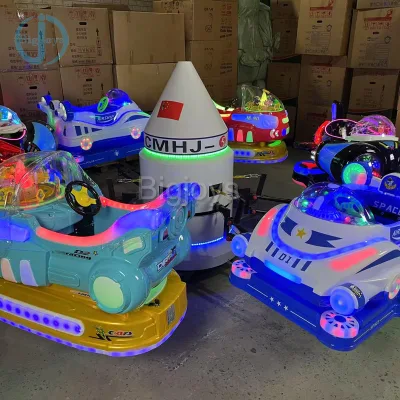
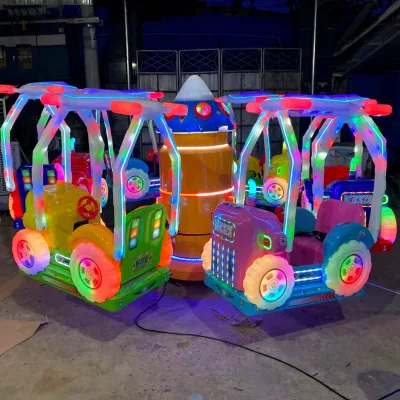
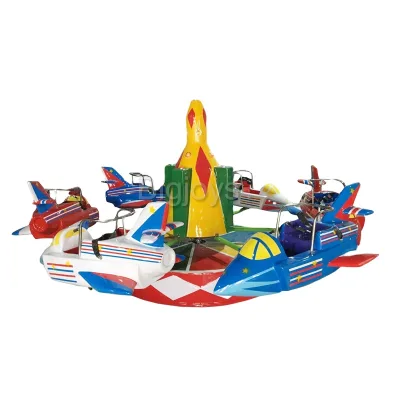
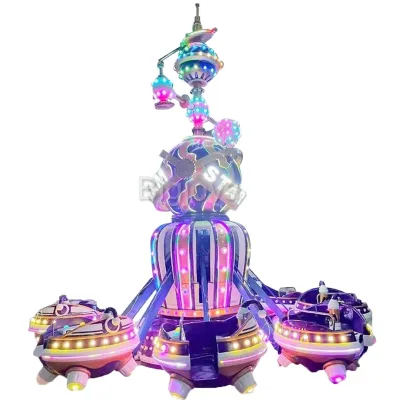
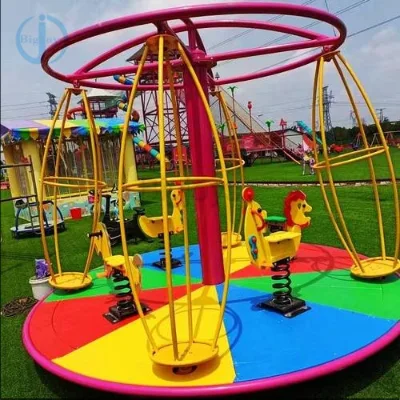
New Design Outdoor Kiddie Ride Rotating Lifting Kids Game Machine Rides Kids Carousel for Sale
$1023.9069 - $3071.7208
MOQ: 1 Minimum
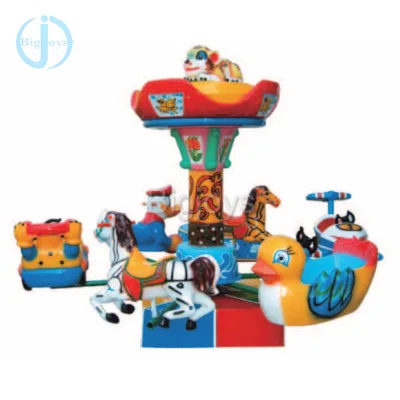
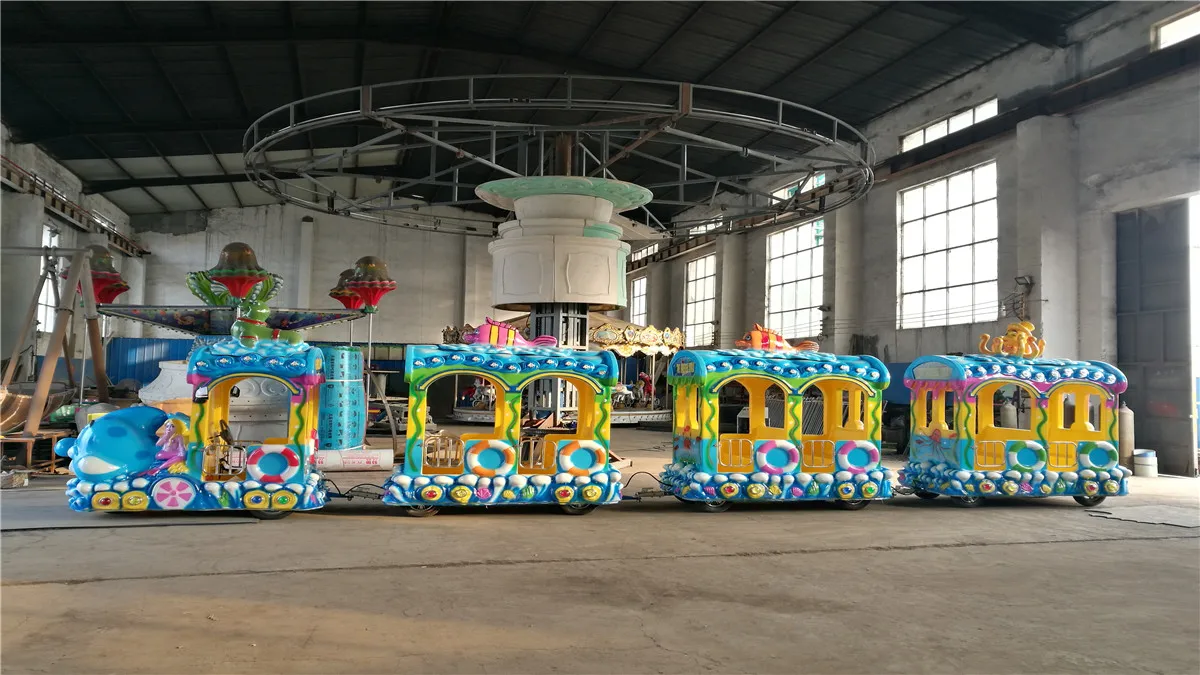
$3086.471 - $3600.8828
MOQ: 1 Minimum
Henan Weiyuan Machinery Co., Ltd.
- Manufacturer, Trading Company
- Henan, China
- Lead time15 days
- Avg. response≤ 3h
Main productscarousel horse,bumper car,flying chairs,disco tagada,self-control plane
Main marketsAfrica(28.00%), Mid East(24.00%), North America(12.00%), Southeast Asia(8.00%), South America(5.00%), Central America(4.00%), Northern Europe(4.00%), Eastern Europe(3.00%), South Asia(3.00%), Southern Europe(3.00%), Western Europe(2.00%), Eastern Asia(2.00%), Oceania(2.00%)
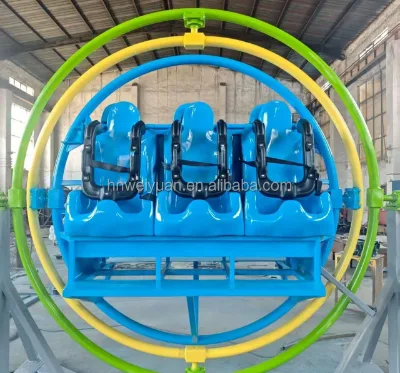
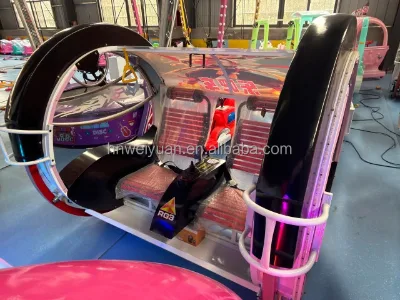
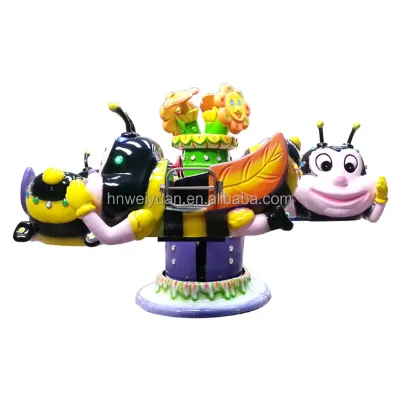
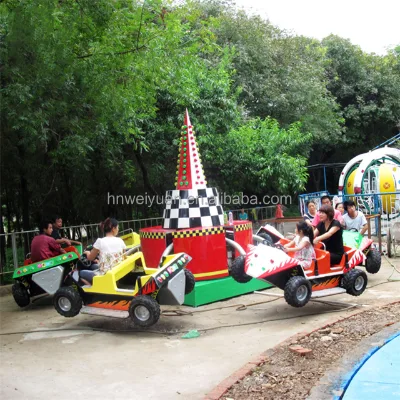
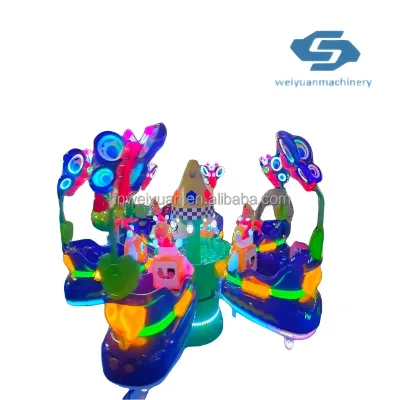
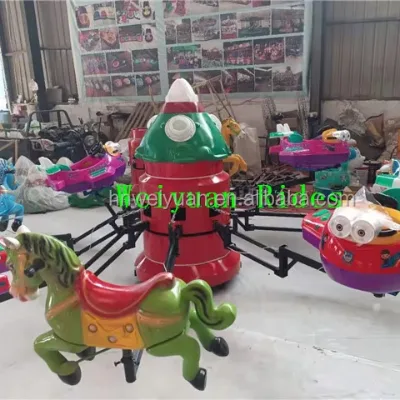
Hot Sale 6-Seat Rotating Butterfly Ride | LED Lighted Kids Amusement Park Ride
$1487.708 - $1692.9091
MOQ: 4 sets
$1949.4105 - $2154.6116
MOQ: 5 sets

Guangzhou EPARK Electronic Technology Co., Ltd.
- Verified by SGS
- Combined
- China Guangdong
- Lead time15 days
- Avg. response≤ 3h
Main products9d Vr, Racing Game Machines, Boxing Machine, Kids Game Machine, Claw Machine, Arcade Game Machine, Vr Simulator Series, Kiddie Ride, Basketball Game Machine, Amusement Game Machine
Main marketsSouth America,Africa,Southeast Asia/ Mideast

Amusement Park 6 People Carousels Ride Children Rides Carousel Kids Ride
$2400.00 - $2800.00
MOQ: 1 set


Plush Animal Rides Children Electric Ride Animal Ride Kids Riding Machine
$200.00 - $400.00
MOQ: 1 set
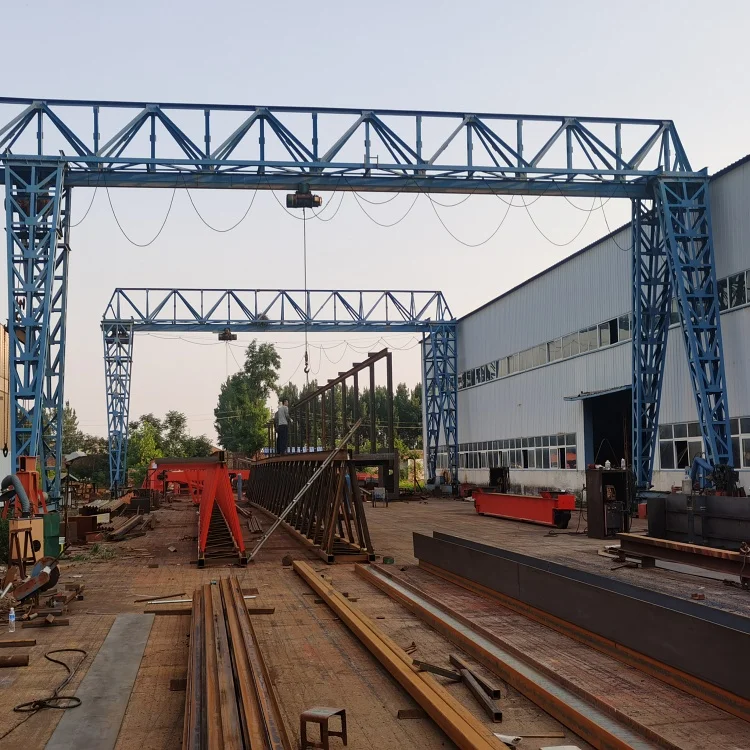
Zhengzhou Longbo Machinery Equipment Co., Ltd.
- Trading Company
- Henan, China
- Lead time15 days
- Avg. response≤ 9h
Main productsAmusement rides,Bumper cars,tourist sightseeing cars,electric car,electric minibus
Main marketsSouth America(60.00%), North America(15.00%), Central America(10.00%), Africa(5.00%), South Asia(2.00%), Southeast Asia(2.00%), Oceania(1.00%), Northern Europe(1.00%), Eastern Asia(1.00%), Mid East(1.00%), Eastern Europe(0.50%), Southern Europe(0.50%), Western Europe(0.50%)

Zhengzhou Cheery Amusement Equipment Co.,Ltd
- Verified by BV
- Trading Company
- China Henan
- Lead time23 days
- Avg. response≤ 5h
Main productsAmusement Ride, Carousel, Pirate Ship, Train Rides, Flying Chair Rides, Amusement Park Plane, Rainbow Slide, Zip Line, Sky Bike
Main marketsSouth America,Southeast Asia/ Mideast,North America
Zhengzhou Ali Brothers Import & Export Co., Ltd
- Trading Company
- henan, China
- Lead time30 days
- Avg. response≤ 4h
Main productsAmusement Equipment,big pendulum,flying chair,pirate ship,carousel horse
Main marketsMid East(40.00%), South America(20.00%), Africa(20.00%), South Asia(10.00%), Southeast Asia(10.00%)
Henan Lino Amusement Equipment Co., Ltd.
- Trading Company
- Henan, China
- Lead time20 days
- Avg. response≤ 3h
Main productsCarousel,Ferris Wheel,Pirate Ship,Tourist Train,Bumper Car
Main marketsNorth America(31.00%), Western Europe(20.00%), Mid East(12.00%), Southeast Asia(12.00%), South Asia(8.00%), Eastern Europe(6.00%), Africa(3.00%), Central America(3.00%), South America(3.00%), Oceania(2.00%)
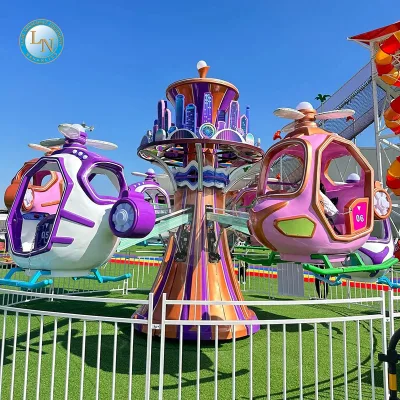
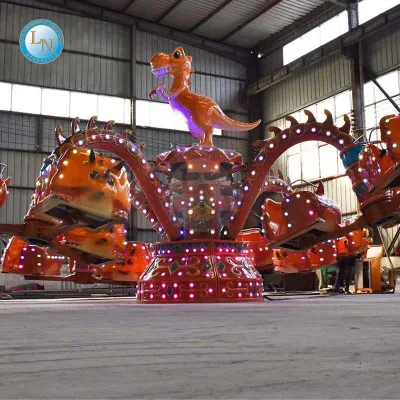
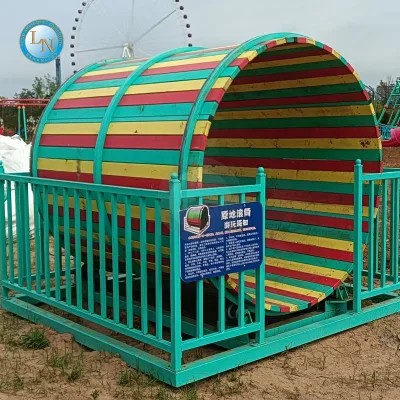
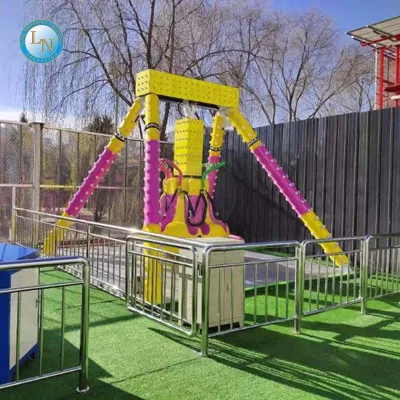
Children Theme Park Kids Adventure Walking Round Roller Rides for Sale
$1090.00 - $1170.00

Zhengzhou Bigjoys Amusement Equipment Co., Ltd.
- Trading Company,Manufacturer/Factory
- China Henan
- Lead time23 days
- Avg. response≤ 8h
Main productsTrampoline Park/Indoor Playground, Inflatable Bouncy Castle, Inflatable Water Park, Inflatable Slide, Park Rides/Carousel, Thrill Park Rides, Family Rides, Roller Coaster, Bungee Trampoline, Ferris Wheel
Main marketsSouth America,Eastern Europe,Mid East,North America,Southeast Asia,Eastern Asia,Oceania,Western Europe,Africa


Commercial Outdoor Playground Children Swing Leisure Car Ride for Sale
$1000.00 - $2000.00
MOQ: 1 Pieces


Amusement Park Small Carousel Rides/Merry Go Round Ride for Kids Equipment
$2000.00 - $4000.00
MOQ: 1 Pieces

Exciting Attractive Merry Go Round Carousel Kids Amusement Park Rides
$3000.00 - $20000.00
MOQ: 1 Pieces

Henan Dinisi Entertainment Technology Co., Ltd.
- Verified by Intertek
- Manufacturer, Trading Company
- Lead time30 days
- Avg. response≤ 2h
Main productsTrackless Train, Carousel, Ferris Wheel, Pirate Ship, Bumper Car
Main marketsDomestic Market(72%), Africa(9%), North America(3%)

Zhengzhou Ruina Amusement Equipment Co., Ltd.
- Manufacturer/Factory
- China Henan
- Lead time23 days
- Avg. response≤ 2h
Main productsAmusement Attraction Equipment, Inflatable Bouncy Castle, Carousel Rides, Mechanical Amusement Equipment, Bumper Car, Inflatable Water Park, Electric Train, Inflatable Slide, Indoor Outdoor Playground, Water Bumper Boat/Water Bike
Main marketsSouth America,Eastern Europe,Mid East,North America,Southeast Asia,Eastern Asia,Oceania,Western Europe,Africa

Classic Children Amusement Park Kids Mini Swing Rotating Flying Chair Ride
$2968.00 - $5073.00
MOQ: 1 Pieces

Newest Amusement Park Happy Kiddies Swing Rotating Ride for Children Playground Outdoor
$5000.00 - $15074.00
MOQ: 1 Sets

Kiddie Rides Square Amusement Kids Driving Vehicle Children Big Wheel Bumper Car
$800.00 - $1200.00
MOQ: 1 Pieces


Backyard Kids Electric Amusement Rides Rotation Small Kiddie Rides for Amusement Park
$3000.00 - $25074.00
MOQ: 1 Sets

Kiddie Ride Amusement Park Equipment Rides Rotation Carousel Flying Chairs
$3000.00 - $15073.00
MOQ: 1 Pieces
Zhengzhou Wanle Amusement Equipment Co., Ltd.
- Manufacturer, Trading Company
- Henan, China
- Lead time30 days
- Avg. response≤ 10h
Main productsAmusement Rides (Except Large Amusement Equipment)
Main marketsDomestic Market(100.00%)
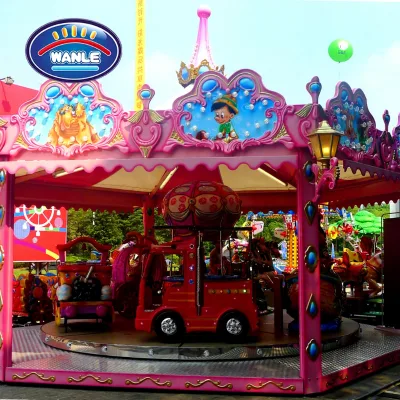
Customizable Kids Rotating Ride for Funfair and Family Entertainment Center
$37000.00 - $57000.00
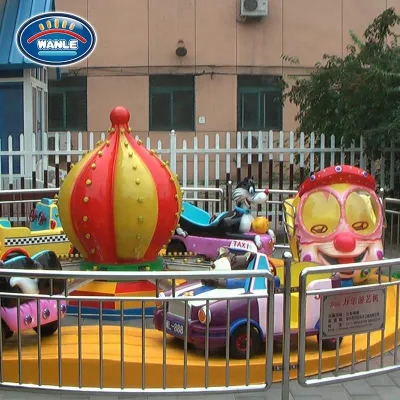
Cute Rotating Car Ride Set for 2-8 Years Old Children Suitable for Party Rental and Parks
$3090.7431 - $3605.867
MOQ: 1 sets
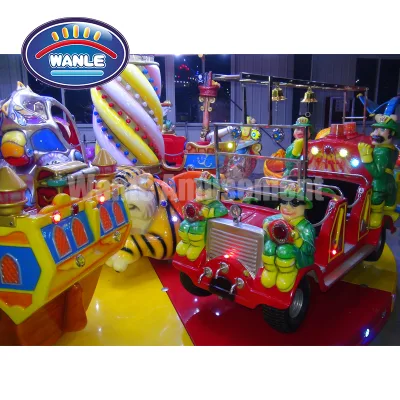
Coin Operated Kiddie Rotary Ride with Engaging Animations and Sounds
$27000.00 - $47000.00
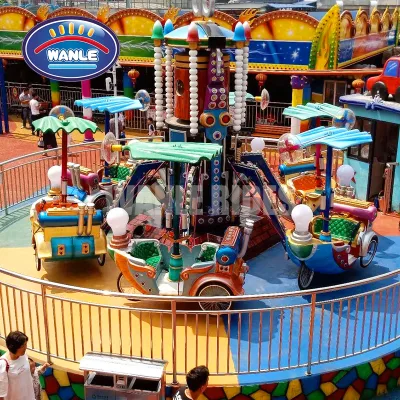
Custom Design Happy Spaceship Ride for Family Entertainment Parks and Public Squares
$37000.00 - $57000.00
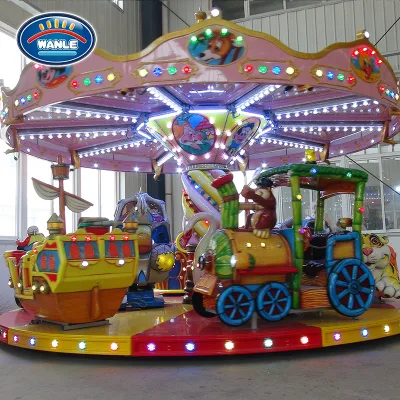
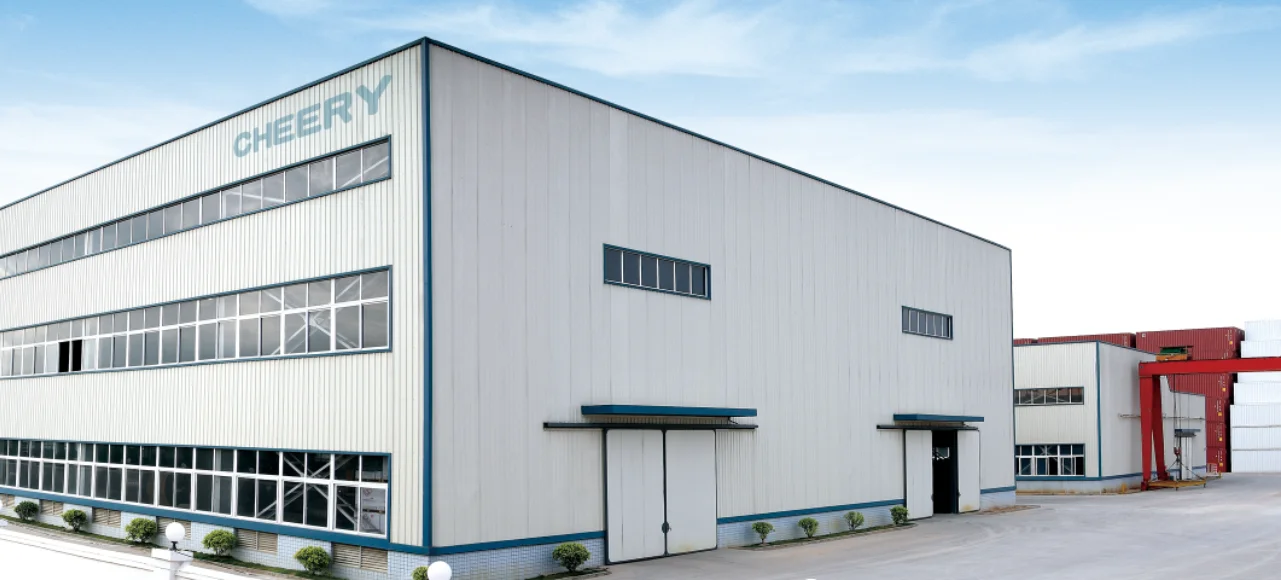
Henan Cheery Amusement Equipment Co., Ltd
- Trading Company
- Henan, China
- Lead time15 days
- Avg. response≤ 3h
Main productsCarousel,Train Rides,Pirate Ship,Roller Coaster,Disco Tagada
Main marketsNorth America(40.00%), Eastern Europe(35.00%), Southeast Asia(10.00%), Africa(5.00%), Western Europe(1.00%)
Zhengzhou Beiyouqu Amusement Equipment Co., Ltd.
- Trading Company
- Henan, China
- Lead time7 days
- Avg. response≤ 6h
Main productsOutdoor play equipment
Main marketsNorthern Europe(20.00%), North America(15.00%), Southeast Asia(15.00%), Eastern Europe(10.00%), Mid East(10.00%), Eastern Asia(10.00%), Southern Europe(10.00%), Western Europe(5.00%), South Asia(5.00%)
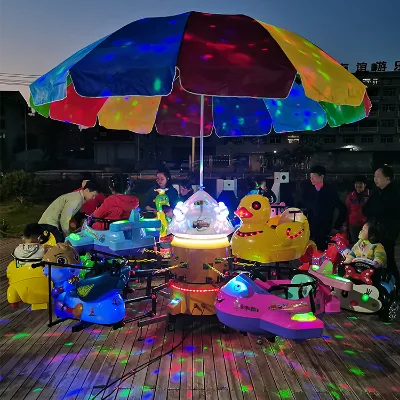
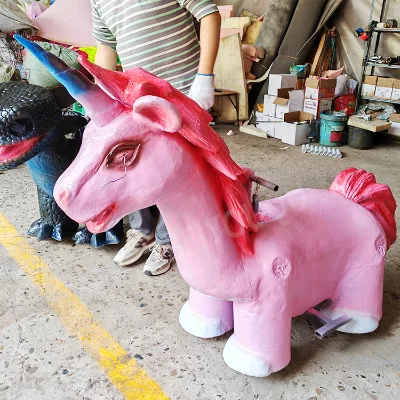
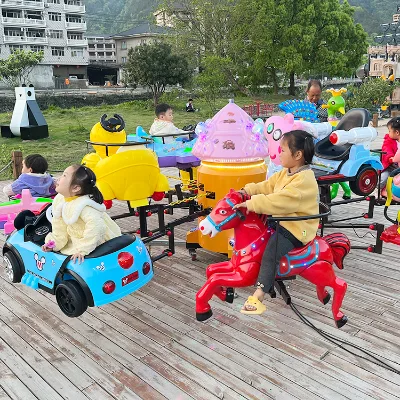
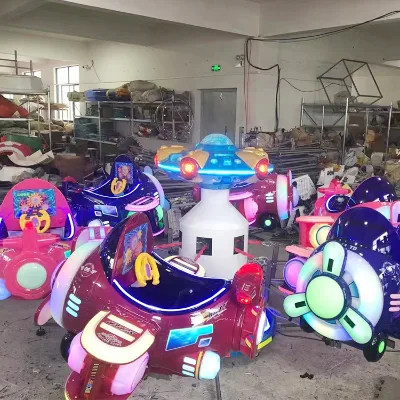
Modern Fairground Amusement Park Ride 6 Seats Kids Thrill up and Down Ride for Sale
$500.00 - $1200.00
MOQ: 1
Henan Wobeiqi International Trading Co., Ltd.
- Verified by SGS Group
- Manufacturer, Trading Company
- Lead time15 days
- Avg. response≤ 1h
Main products4 Seats Unicorn, Princess Car, New Mech aircraft
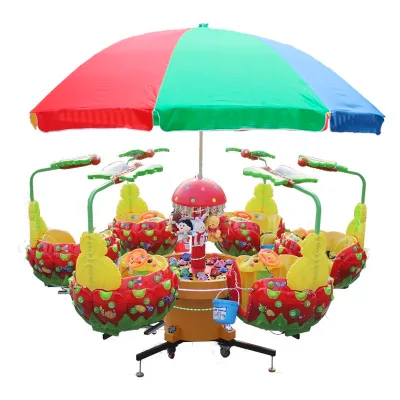
Portable Amusement Ride Battery Operated 12 Seat Kids Swing Rides
$1480.00 - $1500.00
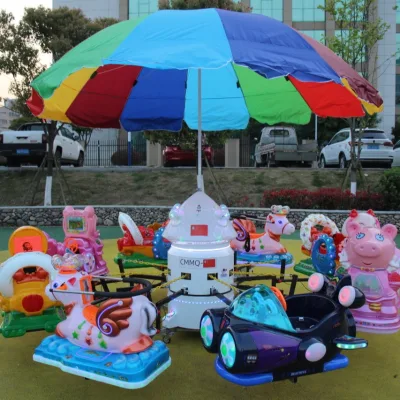
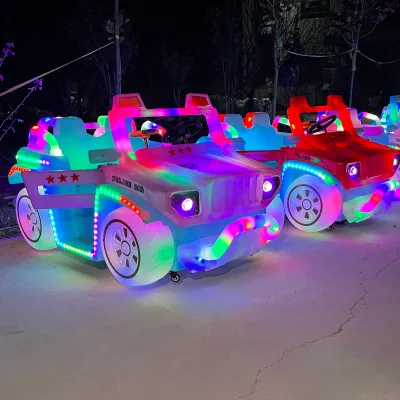
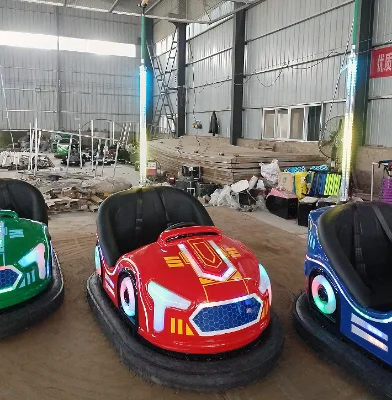
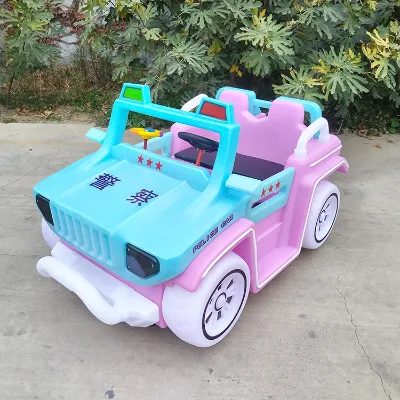
2024 Hot Sales New Design Popular Jeep Amusement Park Fun Rides for Children and Kids to Have Fun
$616.8715 - $719.6834
MOQ: 1 pieces
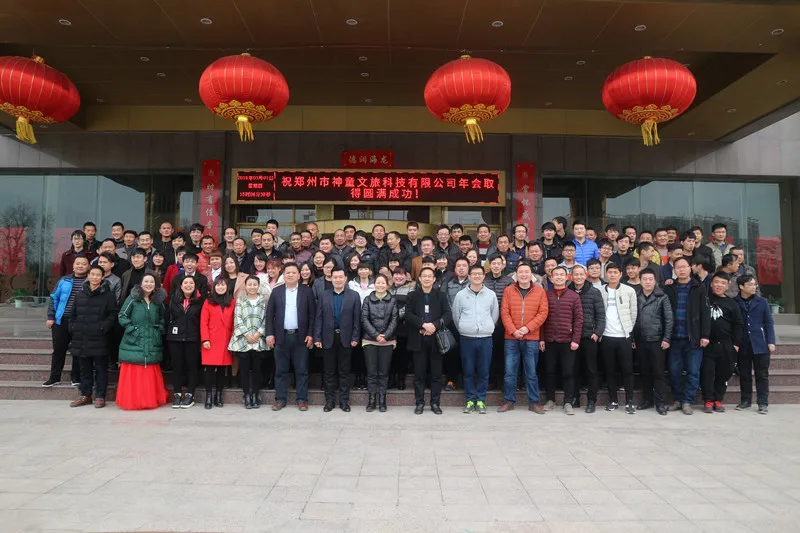
Zhengzhou Prodigy Amusement Equipment Co., Ltd.
- Manufacturer
- Henan, China
- Lead time15 days
- Avg. response≤ 2h
Main productsCarousel, Ferris Wheel, Pirate Ship, Tourist Train, Drop Tower
Main marketsDomestic Market(40.00%), Mid East(12.00%), Africa(10.00%), South America(9.00%), Southeast Asia(8.00%), North America(5.00%), Eastern Asia(5.00%), Eastern Europe(3.00%), South Asia(2.00%), Oceania(2.00%), Western Europe(2.00%), Northern Europe(2.00%)
Guangzhou Waimar Animation Technology Co., Ltd.
- Verified by SGS Group
- Manufacturer, Trading Company
- Lead time7 days
- Avg. response≤ 2h
Main productsBumper Car, Coin-operated Game Consoles
Main marketsNorth America(50%), Southeast Asia(40%), Eastern Europe(10%)
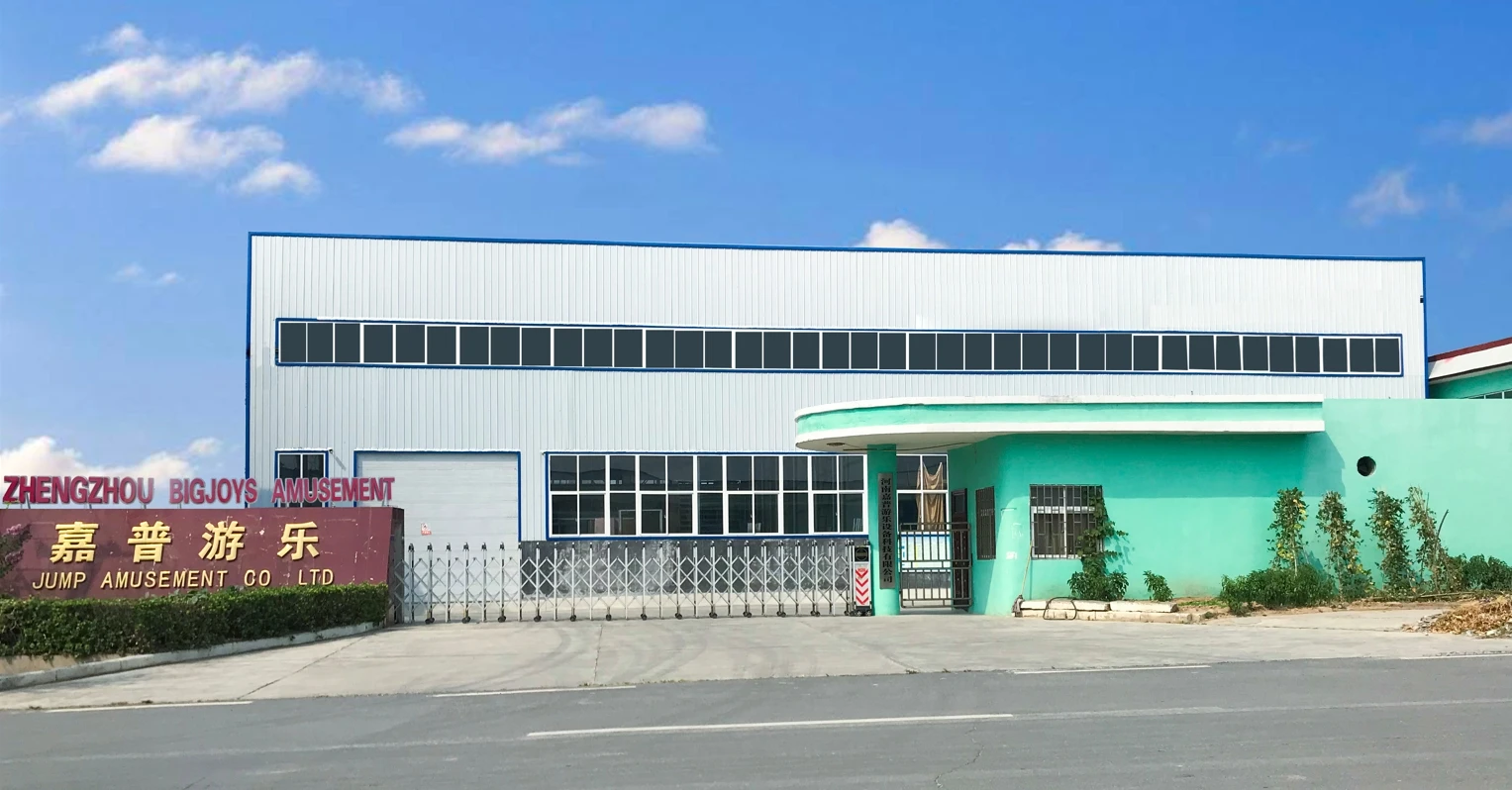
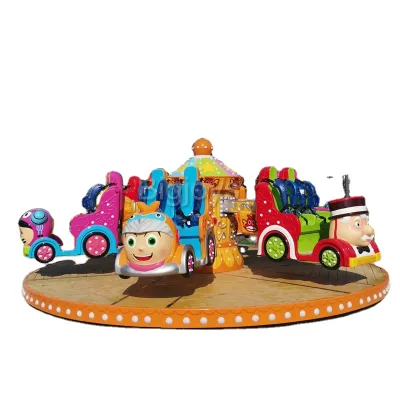
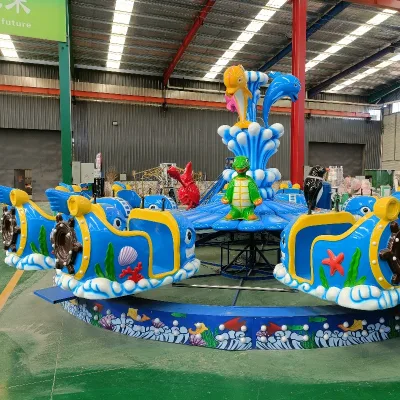
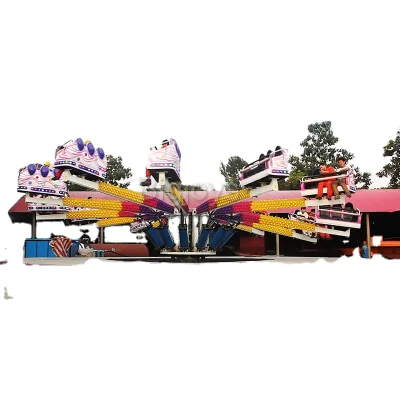
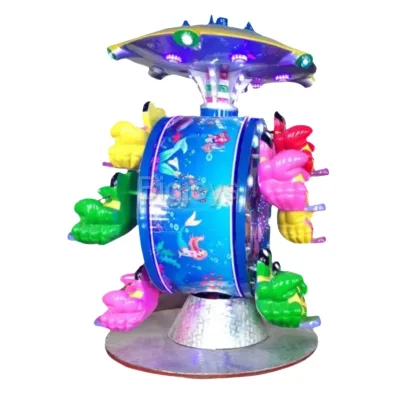
Zhengzhou Bigjoys Amusement Co., Ltd.
- Manufacturer, Trading Company
- Henan, China
- Lead time15 days
- Avg. response≤ 4h
Main productsTrampoline park,Indoor Playground,Park Rides,Carousel,Inflatables
Main marketsWestern Europe(25.00%), North America(20.00%), South America(10.00%), Eastern Europe(10.00%), Southeast Asia(8.00%), Oceania(8.00%), Africa(8.00%), Southern Europe(5.00%), Eastern Asia(2.00%), Northern Europe(2.00%), Mid East(2.00%)
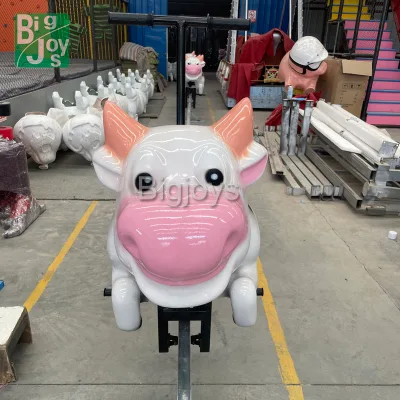
$1039.5265 - $20790.5304
MOQ: 1 Minimum
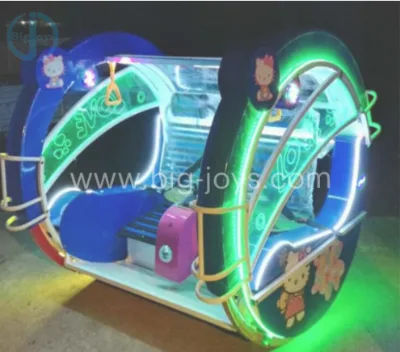

Huaqi Amusement Equipment (Guangzhou) Co., Ltd.
- Verified by TUVRHEINLAND
- Combined
- China Guangdong
- Lead time30 days
- Avg. response≤ 2h
Main productsIndoor Playground, Trampoline, Softplay, Slide, IP Theme Park, Ballpit, Sponge Pool, Playground Equipment, Playground, Trampoline Park
Main marketsDomestic
Henan Happiness Tourism Development Co., Ltd.
- Manufacturer, Trading Company
- Henan, China
- Lead time20 days
- Avg. response≤ 7h
Main productsFerries Wheels,Pirate Ships,Roller Coasters,Carousels,Drop Tower Machine Rides
Main marketsDomestic Market(40.00%), Western Europe(4.00%), South America(3.00%), North America(3.00%), Eastern Asia(3.00%), Southeast Asia(3.00%), Eastern Europe(3.00%), Mid East(2.00%), South Asia(2.00%), Oceania(1.00%), Africa(1.00%), Southern Europe(1.00%), Northern Europe(1.00%), Central America(1.00%)
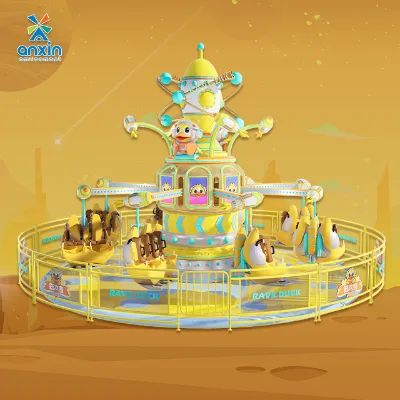
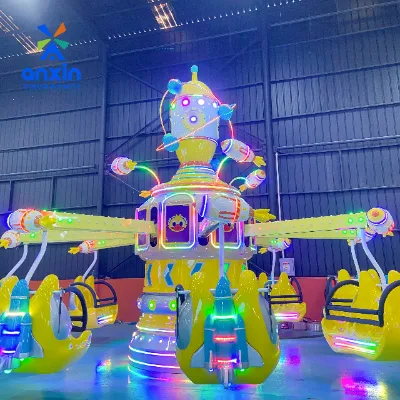
Manufacturers New Kids Rotary Bounce Machine Rides Attractions Amusement Ride Fun Jump Rides
$10267.1007
MOQ: 1 Minimum
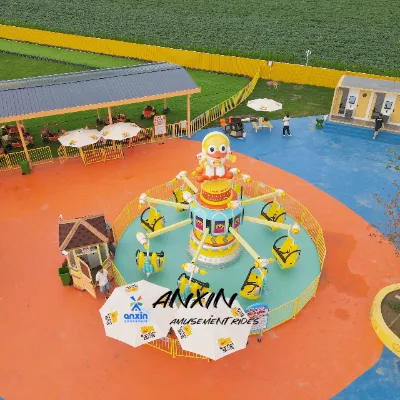
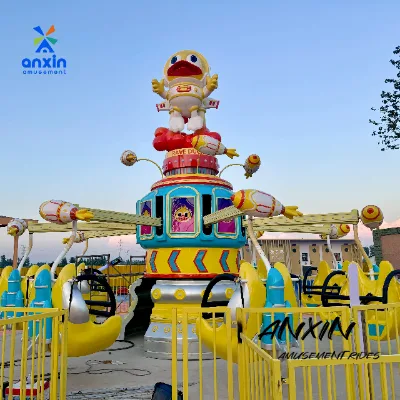
$10266.0754 - $12320.5208
MOQ: 1 sets
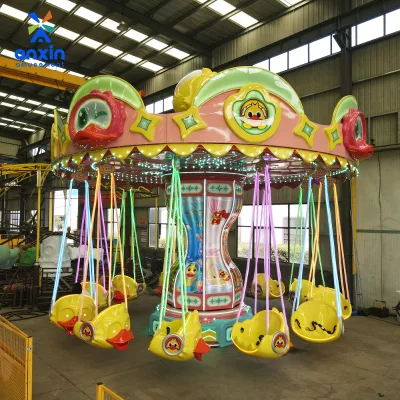
$10351.2096 - $12422.6927
MOQ: 1 sets
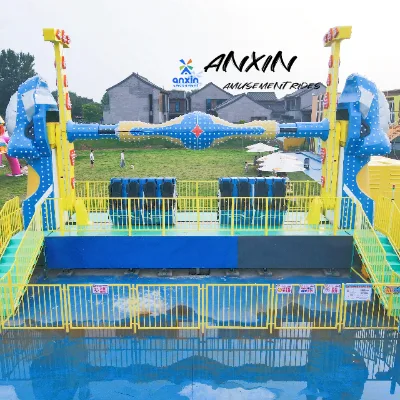
$9999.00 - $12000.00
MOQ: 1

Guangzhou Xiao Tong Yao Amusement Equipment Co., Ltd.
- Verified by TUVRHEINLAND
- Combined
- China Guangdong
- Lead time15 days
- Avg. response≤ 4h
Main productsAmusement Equipment, Game Machine, Arcade Machine, Outdoor Amusement, Indoor Playground, Amusement Car, Kiddie Rides, Rolling Car, Happy Car, Le Bar Car
Main marketsSoutheast Asia/ Mideast,Domestic,North America


Kiddie Rides Amusement Park 8 Seat Rotary and Lifting Jet Plane Kids Rides for Sale
$2200.00 - $2500.00
MOQ: 1 Pieces

Zhengzhou Hangtian Amusement Equipment Manufacturing Co., Ltd.
- Manufacturer, Trading Company
- Henan, China
- Lead time15 days
- Avg. response≤ 2h
Main productsCarousel, Flying Chair, Big Pendulum, Tagada, Plane Ride
Main marketsDomestic Market(70.00%), South Asia(12.00%), Mid East(8.00%), Africa(5.00%), Southeast Asia(5.00%), Eastern Asia(0.00%), North America(0.00%), South America(0.00%), Oceania(0.00%), Western Europe(0.00%), Southern Europe(0.00%), Central America(0.00%), Northern Europe(0.00%), Eastern Europe(0.00%)
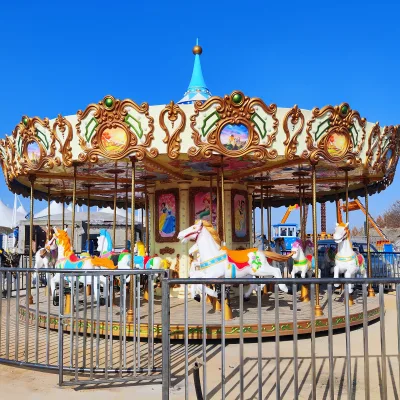
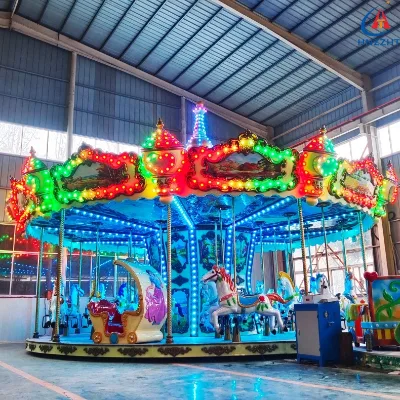
Kids Luxury Go Round Carousel Rides Electric Amusement Park Rides for Amusement Park
$27778.2388 - $39609.7109
MOQ: 1 sets
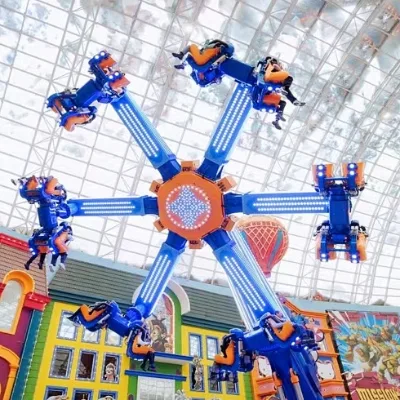

Henan Baolu Amusement Equipment Co., Ltd.
- Verified by BV
- Combined
- China Henan
- Lead time15 days
- Avg. response≤ 9h
Main productsBumper Car, Selfcontrol Plane, Flying Chair, Amusement Park Rides, Carousel, Pirate Ship, Disco Tagada, Swing Pendulum, Ferris Wheel, Shark Sliding Train
Main marketsSouth America
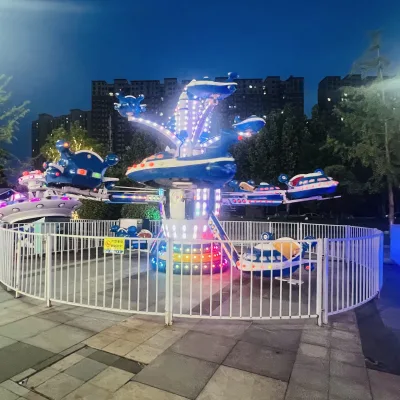
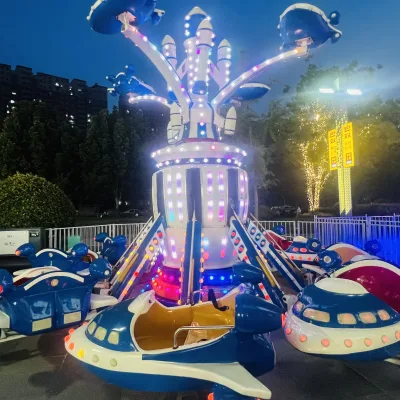




Comprehensive Sourcing Guide
Commercial Kids Rotating Ride Supplier Concentration and Factory Types
The current supplier landscape for commercial kids rotating rides shows a distinct concentration in Henan, China, which serves as a primary manufacturing hub for this specific category of amusement equipment. This regional clustering suggests a mature supply chain ecosystem where raw materials, specialized labor, and logistical infrastructure are optimized for large outdoor and indoor amusement facilities. Buyers evaluating suppliers should recognize that this geographic focus often correlates with established production capabilities for steel and fiberglass structures, which are critical for the durability of rotating rides. The presence of multiple manufacturers in this region indicates a competitive market where economies of scale may influence pricing and customization options for clients seeking bulk orders or specific design modifications.
Within this concentrated market, suppliers generally fall into two main categories: manufacturers and trading companies. Manufacturers typically offer direct control over production processes, allowing for greater customization of materials such as steel, fiberglass, and plastic components, as well as specific color schemes and LED lighting features. Trading companies, on the other hand, may provide a broader portfolio of related products, including inflatable items, thrill rides, and other amusement park facilities, potentially simplifying the sourcing process for buyers who need a comprehensive solution. Understanding this distinction is crucial for assessing whether a supplier can meet specific technical requirements or if they act as an intermediary, which may impact communication efficiency and quality control measures during the manufacturing phase.
How to Verify Commercial Kids Rotating Ride Suppliers
Verifying the legitimacy and capability of suppliers requires a multi-step approach that prioritizes certification validation and direct communication. Buyers should first confirm that suppliers hold valid CE certification, which is a standard requirement for amusement equipment sold in many international markets, ensuring compliance with safety and performance standards. Additionally, some suppliers may display ISO certifications, which indicate adherence to quality management systems, although buyers must verify the scope and validity of these certificates through official channels rather than relying solely on product listings. It is also advisable to request detailed product specifications, including voltage requirements, material compositions, and warranty terms, to ensure the equipment meets local regulatory standards and operational needs.
Response time and lead time are critical indicators of supplier reliability and operational efficiency. A quick response time, such as two days, suggests that the supplier has dedicated customer service teams capable of addressing inquiries promptly, which is essential for resolving technical questions or negotiating custom orders. Similarly, lead times, which may range around ten days for certain items, provide insight into the supplier’s production capacity and inventory management. Buyers should inquire about the factors influencing these timelines, such as customization levels or material availability, to plan their project schedules accurately. Furthermore, verifying the supplier’s establishment year and company type can provide additional context regarding their experience and stability in the market, helping buyers assess long-term partnership potential.
What to Compare Across Commercial Kids Rotating Ride Suppliers
When comparing suppliers, buyers should focus on key dimensions such as minimum order quantity (MOQ), pricing structures, and product specifications to determine the best fit for their project. Many suppliers offer a low MOQ of one piece or one set, which is advantageous for smaller projects or testing market demand before committing to larger orders. This flexibility allows buyers to start with a single unit, such as a mini rotary animal ride or a self-control spaceship ride, and scale up based on performance and customer feedback. Comparing prices across different models, which can range from approximately $1,023 to over $15,000, helps buyers align their budget with the desired features, capacity, and size of the equipment.
Product attributes such as material quality, color options, and warranty terms are also essential comparison points. Suppliers may offer customized colors and designs, including silicone printing, laser printing, or 3D embroidery, allowing for brand integration and aesthetic appeal. Warranty periods, typically around one year, provide a baseline for after-sales support, but buyers should clarify the extent of coverage for parts and labor. Additionally, comparing the allowable passenger capacity, voltage requirements, and suitable occasions, such as commercial centers, resorts, or shopping malls, ensures that the selected equipment matches the intended use case. Evaluating these factors holistically enables buyers to make informed decisions that balance cost, quality, and functionality.
Common Commercial Kids Rotating Ride Sourcing Risks
One significant risk in sourcing commercial kids rotating rides is the potential mismatch between advertised specifications and actual product quality. Buyers must be cautious of discrepancies in material descriptions, such as claims of steel and fiberglass construction versus actual usage of lower-grade alternatives. This risk is compounded by the lack of standardized testing results in some listings, making it difficult to assess the structural integrity and safety of the rides without independent verification. Additionally, variations in color and design customization may lead to misunderstandings if not clearly documented in contracts, resulting in products that do not meet the buyer’s aesthetic or branding expectations.
Another risk involves logistical and compliance challenges, particularly when importing equipment from regions with different regulatory standards. Buyers must ensure that the equipment meets local safety regulations, which may require additional certifications or modifications beyond the standard CE marking. Shipping large, heavy items like amusement rides can also incur unexpected costs and delays, especially if packaging is inadequate or if customs clearance encounters issues. Furthermore, relying on suppliers with limited response times or unclear communication channels can hinder problem resolution during production or delivery. Mitigating these risks requires thorough due diligence, clear contractual terms, and proactive engagement with suppliers to address potential issues before they escalate.
Commercial Kids Rotating Ride Regional Sourcing and Logistics
Sourcing from Henan, China, offers logistical advantages due to the region’s established infrastructure for manufacturing and exporting large amusement equipment. The concentration of suppliers in this area facilitates easier coordination of production and shipping, as many factories are equipped to handle the complex packaging requirements of steel and fiberglass structures. Buyers should consider the implications of shipping bulky items, which often require specialized containers and handling to prevent damage during transit. Understanding the packaging methods, such as bubble foam or reinforced crates, is essential to ensure the equipment arrives in pristine condition, ready for installation.
Logistics planning must also account for the size and weight of the rides, which can impact freight costs and delivery timelines. For instance, rides with dimensions like an eight-meter diameter and five-and-a-half-meter height require careful route planning and potentially multiple shipments. Buyers should work closely with suppliers to determine the most cost-effective shipping methods, whether by sea or air, depending on the urgency of the project. Additionally, considering the destination’s port capabilities and local transportation networks can help avoid bottlenecks and ensure smooth delivery to the installation site. Proactive logistics management is crucial for maintaining project schedules and minimizing additional expenses associated with international trade.
Commercial Kids Rotating Ride Commercial Terms and Order Planning
Commercial terms, including payment methods and warranty policies, play a vital role in structuring successful transactions for commercial kids rotating rides. Suppliers often accept payment terms such as T/T or Western Union, which provide flexibility but also require buyers to establish trust and secure agreements through escrow services or verified payment platforms. Understanding the payment schedule, including deposits and final payments upon shipment, helps buyers manage cash flow and mitigate financial risks. Additionally, clarifying the warranty terms, which typically cover one year, ensures that buyers are aware of the support available for repairs or replacements, reducing long-term operational costs.
Order planning should begin with a clear definition of project requirements, including the number of rides, desired specifications, and installation timelines. Buyers should engage with suppliers early to discuss customization options, such as logo printing or color schemes, and to confirm lead times and production capacities. Coordinating with installation teams and local authorities for permits and safety inspections is also essential to ensure a smooth rollout. By aligning commercial terms with operational needs and maintaining open communication with suppliers, buyers can effectively manage the sourcing process, ensuring that the equipment meets quality standards and is delivered on time for a successful launch.
FAQs
What is the minimum order quantity for commercial kids rotating rides?
The minimum order quantity is typically one set or piece. This low threshold allows buyers to test the equipment quality before committing to larger orders. It supports flexible procurement strategies for small amusement parks or commercial centers looking to expand their ride inventory gradually.
What certifications are required for these amusement park rides?
Most suppliers provide CE certification to ensure compliance with European safety standards. Some manufacturers also hold ISO certifications for quality management. These documents are essential for importing and operating the rides in regulated markets, ensuring the equipment meets strict safety and performance requirements.
How long does production and delivery take for these rides?
The standard lead time is approximately ten days from order confirmation. This duration covers manufacturing, quality checks, and packaging. Buyers should account for additional shipping time depending on the destination. Early communication with the supplier helps manage expectations and schedule installation effectively.
Where are these commercial rotating rides manufactured?
These rides are primarily manufactured in Henan, China. This region is a known hub for amusement equipment production. Buyers sourcing from this location benefit from established supply chains and specialized manufacturing expertise. Verifying the specific factory location ensures transparency and logistical planning.
What is the typical price range for a kids carousel?
Prices generally range from approximately one thousand to fifteen thousand dollars. The cost varies based on size, capacity, and customization options. Smaller mini carousels are more affordable, while larger, multi-seat models with advanced features command higher prices. Budget planning should consider these variations.
What materials are used to construct these rotating rides?
Common materials include steel, fiberglass, and plastic. Steel provides structural strength, while fiberglass offers durability and design flexibility. Plastic components are often used for seating and decorative elements. These materials ensure the rides are safe, long-lasting, and suitable for both indoor and outdoor commercial use.