commercial kitchen non-fingerprint steamer Suppliers and Manufacturers
Explore 30 verified suppliers offering commercial kitchen non-fingerprint steamer units with varying lead times, response speeds, and certifications. Compare specifications like voltage, power source, and capacity to select the right factory for your needs; review the available evidence before requesting comparable quotations from suitable candidates.
Updated
Suppliers List

Jiangsu Xinyuehai Commercial Kitchenware Co., Ltd
- Verified by SGS
- Combined
- China Jiangsu
- Lead time15 days
- Avg. response≤ 2h
Main productsCatering Equipment, Chinese Stove, Kitchen Equipment, Kitchen Appliance, Gas Stove, Ice Maker Machine, Stainless Steel Shelf, Kitchen Workbench, Refrigerator, Induction Cooker
Main marketsDomestic,Europe


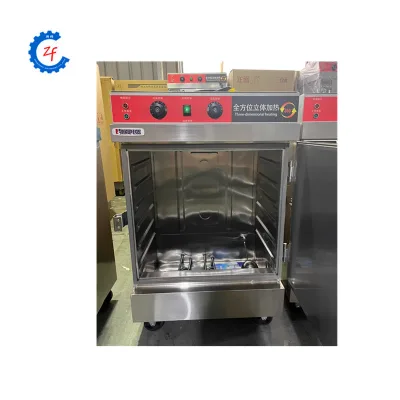
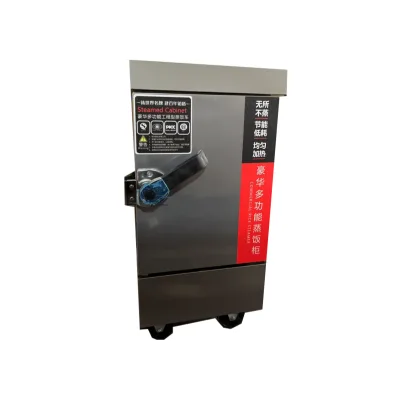
Food Steamers Rice Steamer Machine Electronic Steamer Food Commercial Cooking Steamer
$575.00 - $615.00
MOQ: 1 Pieces

Commercial Electric Tamale Rice Noodle Dumpling Steamer Industrial Kitchen Food Steamer
$686.00 - $726.00
MOQ: 1 Pieces

Food Steamer Machine Commercial 6 Tray Rice Steamer Stainless Steel Steamer
$298.00 - $338.00
MOQ: 1 Pieces


Shandong Wilk Kitchen Equipment Co., Ltd
- Verified by SGS
- Trading Company
- China Shandong
- Lead time15 days
- Avg. response≤ 2h
Main productsStainless Steel Work Table, Stainless Steel Sink, Commercial Rice Steamer, Drink Display Frrezer, Deep Freezer, Four/Six Door Refrigerator, Commercial Oven, Egg/Dough Mixer, Electric/Gas Deep Fryer, Electric/Gas Griddle
Main marketsSoutheast Asia/ Mideast


Wholesales Commercial 24 Tray Steamer Restaurant Kitchen Machine Food Steamers
$42.00 - $177.00
MOQ: 10 Sets

Electric Food Steamer Machine Stainless Steel Commercial Kitchen Equipment
$42.00 - $177.00
MOQ: 10 Sets


Zibo Ruilang International Trade Co., Ltd.
- Verified by SGS
- Combined
- China Shandong
- Lead time15 days
- Avg. response≤ 4h
Main productsCommercial Induction Cooktop, Induction Pot Cooker, Induction Large-Pot Cooker, Induction Fryer, Induction Noodle Boiler, Induction Griddle, Induction Steam Cabinet, Refrigerator, Display Refrigerator, Freezer
Main marketsDomestic

Shandong Boxing Wangquan Commercial Kitchenware Co., Ltd.
- Verified by SGS
- Combined
- China Shandong
- Lead time15 days
- Avg. response≤ 2h
Main productsStainless Steel Sink, Stainless Steel Table, Shelf, Stainless Steel Cabinet / Locker, Stainless Steel Cart and Trolley, Stinless Steel Tableware / Utensils
Main marketsDomestic
Guangzhou Shinelong Kitchen Equipment Co., Ltd.
- Trading Company
- Lead time旺季: , 淡季:
- Avg. response≤ 4h
Main productsRestaurant Kitchen Solution, Hotel Kitchen Solution, School Kitchen Solution, Hospital Kitchen Solution, Full Set Kitchen Equipment

Zhengzhou Maosu Machinery Equipment Co., Ltd
- Trading Company
- China Henan
- Lead time15 days
- Avg. response≤ 12h
Main productsPet Food Extruder, Soybean Extruder, Snack Food Extruder, Pet Food Production Line, Sanck Food Production Line, Aniaml Feed Pellet Mill, Dough Mixer, Steaming Cabinet, Bake Oven, Meat Slicer
Main marketsSouth America,Africa,Others(foreignTradeCapacity.exportBusinessCapacityMarketOther),Southeast Asia/ Mideast,East Asia(Japan/ South Korea),Europe,North America

Chinese Stainless Steel Commercial Digital Rice Noodle Roll Food Cooker and Steamer
$200.00 - $1300.00
MOQ: 1 Set


GGMGASTRO (QINGDAO) INTERNATIONAL CO., LTD.
- Verified by BV
- Trading Company,Manufacturer/Factory
- China Shandong
- Lead time23 days
- Avg. response≤ 1h
Main productsCommercial Refrigerator, Kitchen Equipment, Catering Equipment, Bakery Eqipment, Ice Maker, Stainless Steel Sink, Meat Slicer, Fryer, Induction Cooker, Contact Grill
Main marketsSouth America,Eastern Europe,Mid East,Southeast Asia,Western Europe


Wholesale Multi Function Commercial Food Cooker Electric Rice Steamer Rice Cooker
$32.00 - $87.00
MOQ: 10 Pieces

Hot Sale Commercial Stainless Steel Convenient Store Dumpling Steamer with 5 Layers
$193.00 - $208.50
MOQ: 50 Pieces
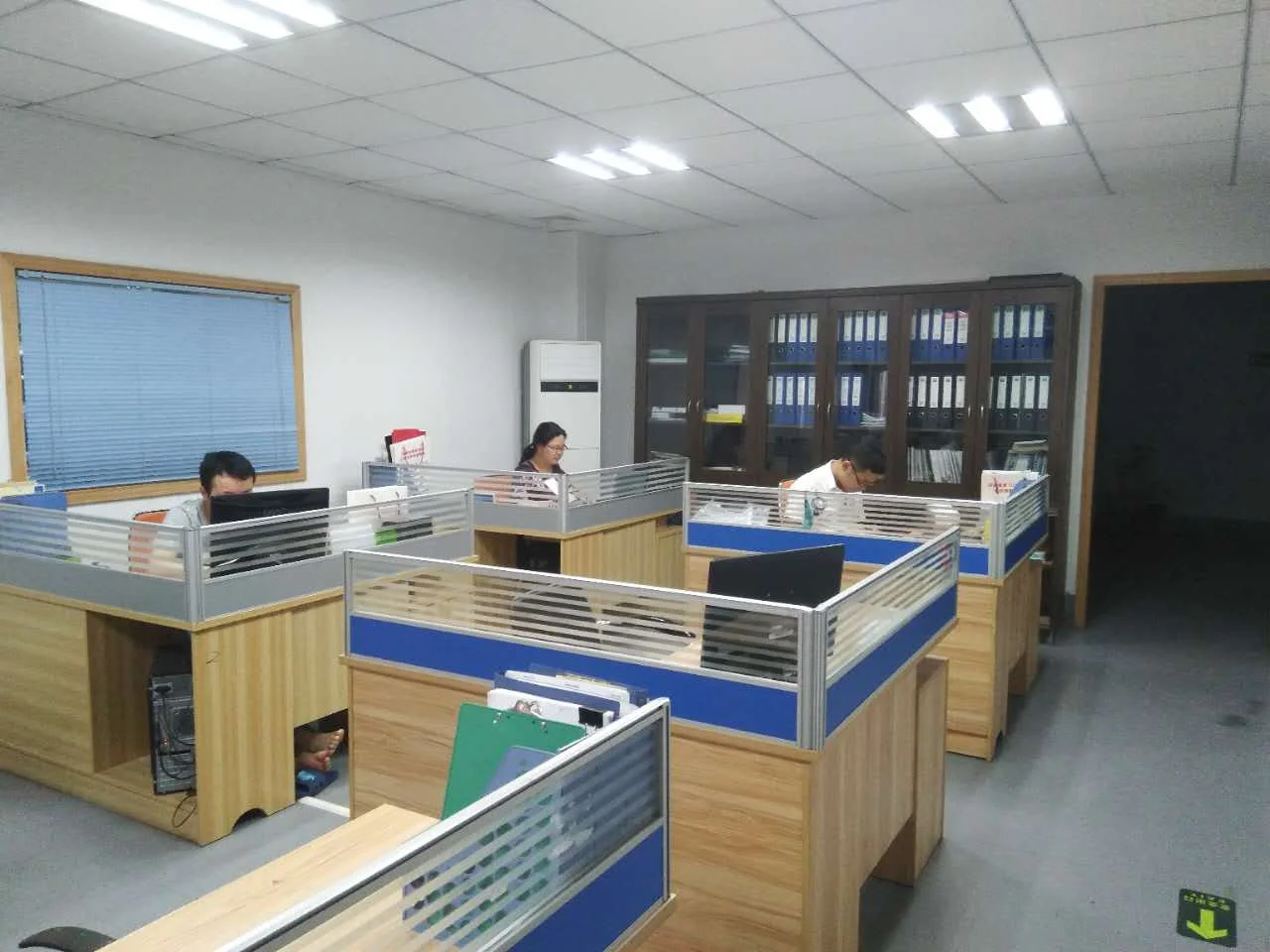
Huizhou Huaruicheng Industry Company Ltd
- Trading Company
- Guagndong, China
- Lead time20 days
- Avg. response≤ 5h
Main productsRestaurant cooking equipment,Bakery equipment,Fast food Equipment,Food processor machinery,Refrigeration equipment
Main marketsMid East(30.00%), Oceania(20.00%), North America(15.00%), Africa(10.00%), Southeast Asia(5.00%), Central America(3.00%), Eastern Asia(3.00%), Eastern Europe(3.00%), South America(3.00%), Southern Europe(2.00%), Northern Europe(2.00%), Western Europe(2.00%), Domestic Market(1.00%), South Asia(1.00%)

Hubei Changcai Electromechanical Co., Ltd.
- Manufacturer, Trading Company
- Hubei, China
- Lead time20 days
- Avg. response≤ 9h
Main productsfood steamer showcase,refrigerator display,kanto cooking machine,warmer display,drink warmer showcase
Main marketsDomestic Market(85.00%), Southeast Asia(10.00%), Mid East(5.00%)

Guangzhou Sunrry Kitchen Equipment Co., Ltd.
- Verified by CTI
- Trading Company,Manufacturer/Factory
- China Guangdong
- Lead time30 days
- Avg. response≤ 3h
Main productsCommercial Kitchen Solutions, Turnkey Kitchen Solutions, Catering Equipment, Restaurant Equipment, Commercial Refrigeration Equipment, Commercial Bakery Equipment, Commercial Cooking Equipment, Stainless Steel Equipment, Commercial Food Prep Equipment, Commercial Kitchen Equipment
Main marketsSouth America,Eastern Europe,Mid East,North America,Southeast Asia,Eastern Asia,Oceania,Western Europe,Africa
Foshan Shunde Maoduoyu Trading Co., Ltd.
- Manufacturer, Trading Company, Distributor/Wholesaler
- Guangdong, China
- Lead time0 days
- Avg. response≤ 1h
Main productsIndustrial machinery,Commercial machinery,Packaging machinery,Filling machinery,Food machinery
Main marketsNorth America(50.00%), Southeast Asia(10.00%), Mid East(10.00%), Central America(10.00%), Domestic Market(5.00%), Western Europe(5.00%), Northern Europe(3.00%), South Asia(2.00%), Oceania(1.00%), Eastern Asia(1.00%), Eastern Europe(1.00%), South America(1.00%), Africa(1.00%)
Guangzhou Partner Food Equipment Limited
- Verified by TüVRheinland
- Trading Company
- Lead time20 days
- Avg. response≤ 4h
Main productsCommercial Kitchen Solution, One-Stop Restaurant Solution, Commercial Kitchen Equipment, Cocktail Station, Commercial Bar Solutions
Main marketsNorth America(48%), Africa(9%), Mid East(9%)
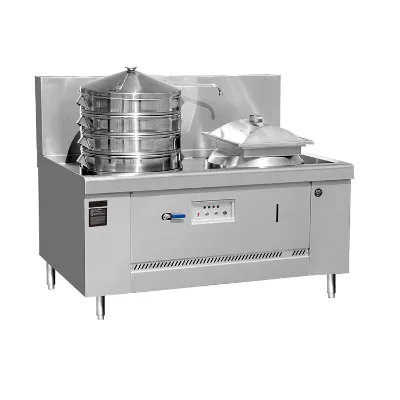
Commercial Eco-friendly Double Head Stainless Steel Dim Sum Steamer
$308.8914 - $722.1238
MOQ: 1 Minimum
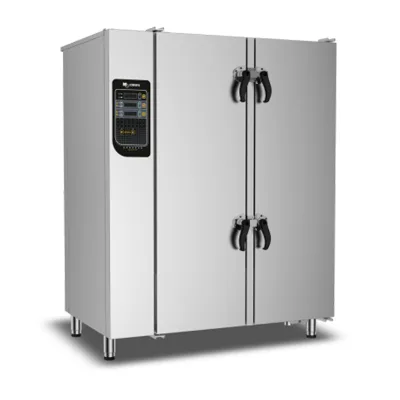
Dongguan Dongji Kitchenware Co., Ltd.
- Trading Company
- Guangdong, China
- Lead time5 days
- Avg. response≤ 5h
Main productsAutomatic Cooking Machine, Commercial Oven, Deep Fryer, Noodle Cooker, Commercial Cooktop
Main marketsSoutheast Asia(30.00%), Northern Europe(15.00%), South America(15.00%), Eastern Europe(15.00%), Mid East(15.00%), Western Europe(10.00%)
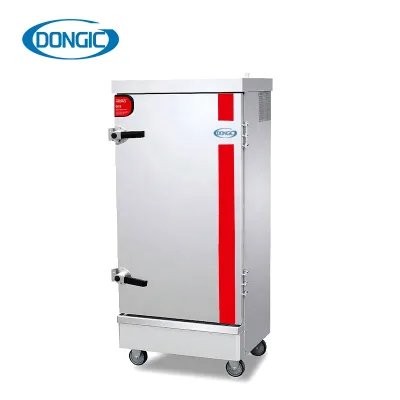
$185.828 - $949.7874
MOQ: 1 Minimum
Shaanxi Ruitai Kitchen Industry Co., Ltd.
- Verified by SGS Group
- Manufacturer, Trading Company
- Lead time7 days
- Avg. response≤ 2h
Main productsKitchen Equipment, Kitchenware, Wok Stove
Main marketsSoutheast Asia(40%), North America(30%), Africa(10%)
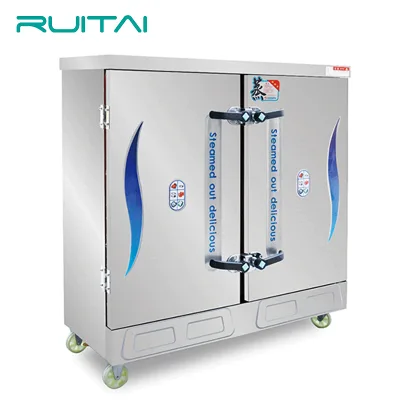
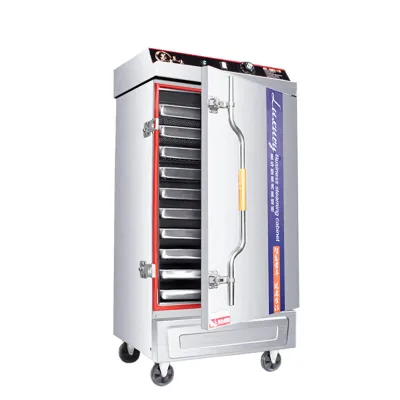
Temperature Time Control Food Machine - Commercial Rice Steamer Stainless Steel Construction
$257.0305 - $308.4357
MOQ: 1 sets
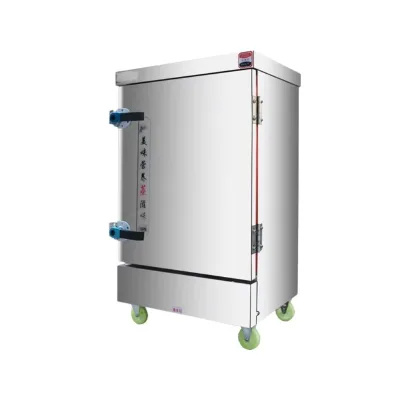
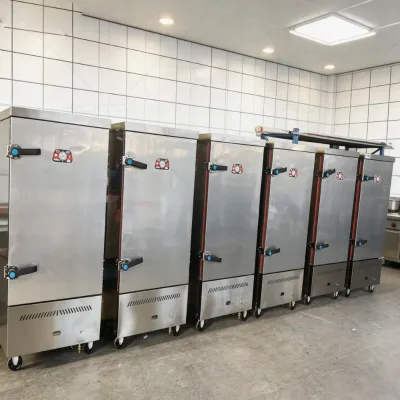
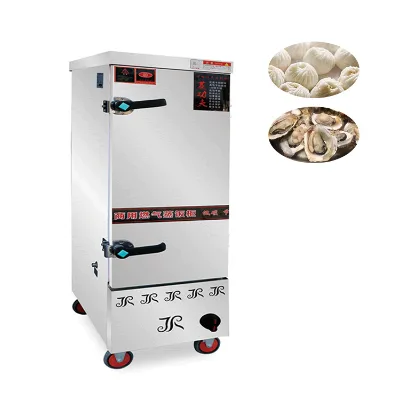
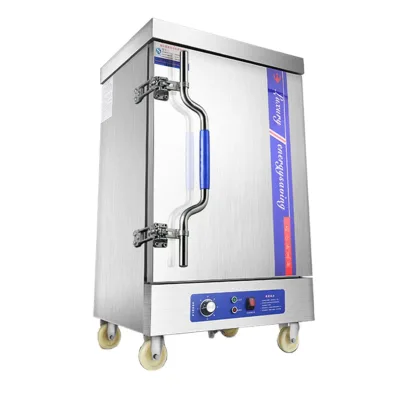
RUITAI Commercial Steamer Stainless Steel Gas Type Bun Steam Machine Gas Good Steamers Cooker
$363.0788 - $518.684
MOQ: 1 sets
Lubolanshi (liaoning) Import And Export Co., Ltd.
- Verified by TüVRheinland
- Manufacturer, Trading Company
- Lead time30 days
- Avg. response≤ 1h
Main productsCooking Equipment, Refrigeration Equipment, Baking Equipment, Stainless Steel Kitchen Equipment, Commercial Kitchen Equipment
Main marketsNorth America(15%), Mid East(15%), South America(10%)
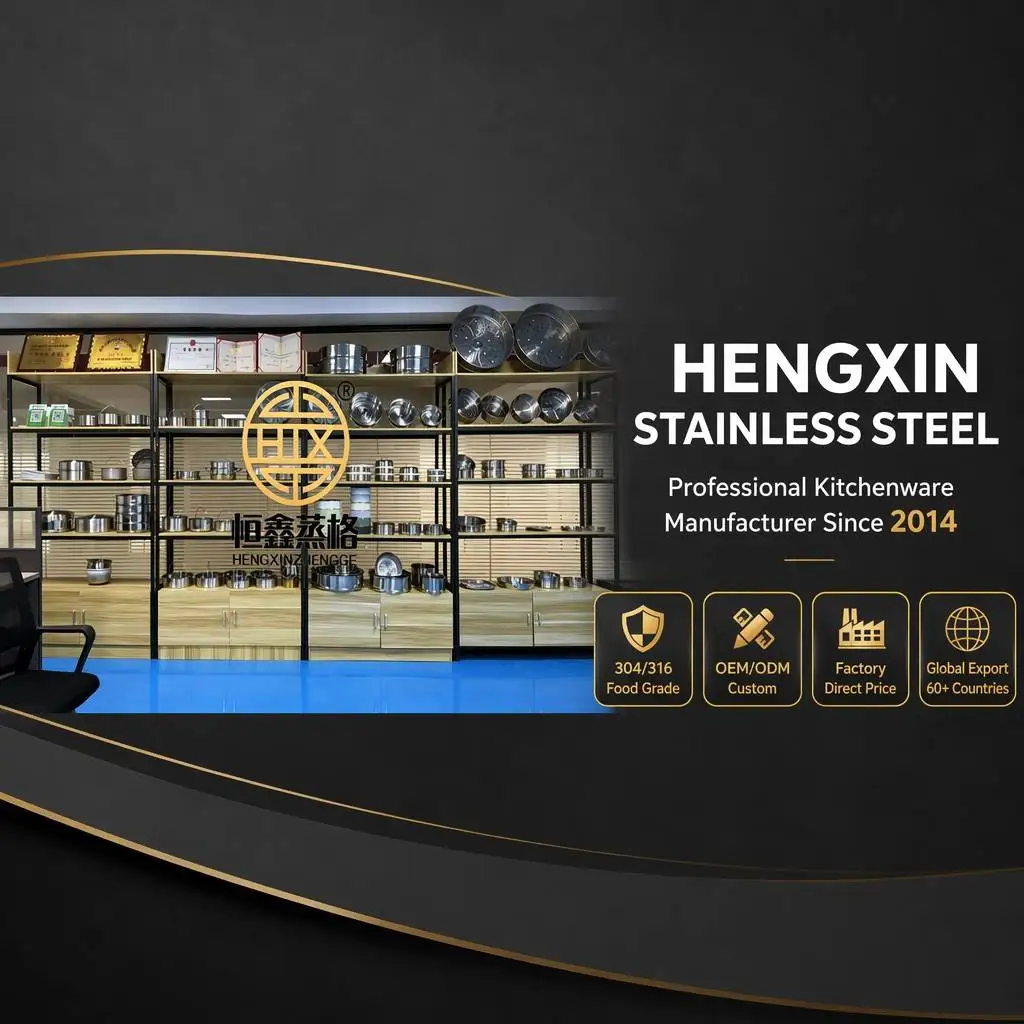
Chaozhou City Chaoan District Dongfeng Town Hengxin Stainless Steel Products Factory
- Manufacturer
- Guangdong, China
- Lead time0 days
- Avg. response≤ 2h
Main productsSteamer Basket & Desugared Rice Cooker Basket,Stainless Steel Cookware Sets,Stainless Steel Frying Pans & Woks,Stainless Steel Baking Trays & Bakeware,Stainless Steel Soup Pot & Saucepan
Main marketsNorth America(40.00%), South America(30.00%), Africa(10.00%), Western Europe(10.00%), Central America(10.00%)
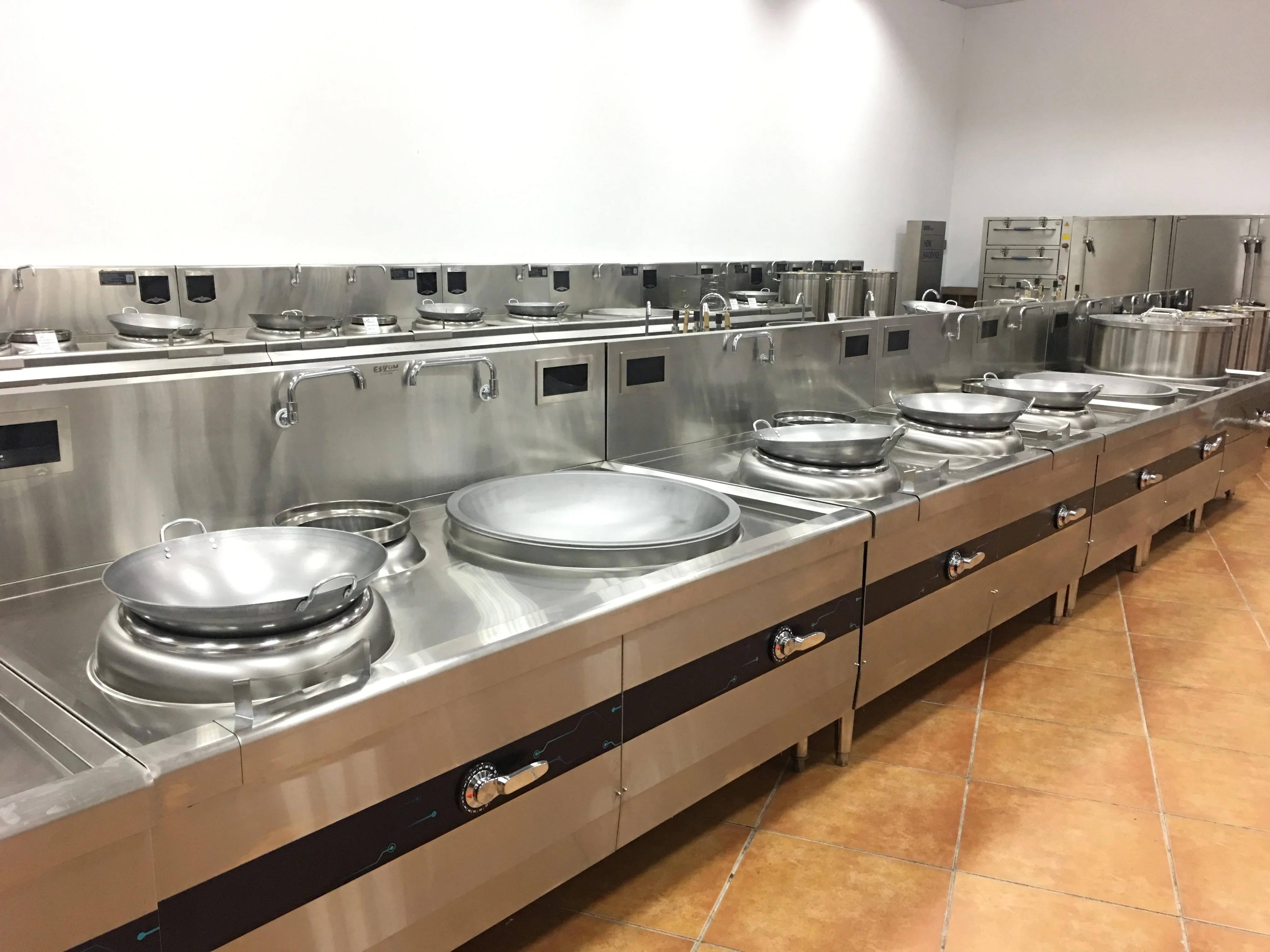
Dongguan Future Kitchen Equipment Co., Ltd.
- Trading Company
- Guangdong, China
- Lead time15 days
- Avg. response≤ 2h
Main productsautomatic cooking machine,commercial induction cooker,combi oven,dish washing machine,gas cooker
Main marketsSoutheast Asia(20.00%), Domestic Market(15.00%), Eastern Europe(15.00%), Mid East(10.00%), North America(10.00%), Southern Europe(5.00%), South Asia(5.00%), South America(5.00%), Western Europe(5.00%), Northern Europe(5.00%), Central America(2.00%), Oceania(1.00%), Africa(1.00%), Eastern Asia(1.00%)
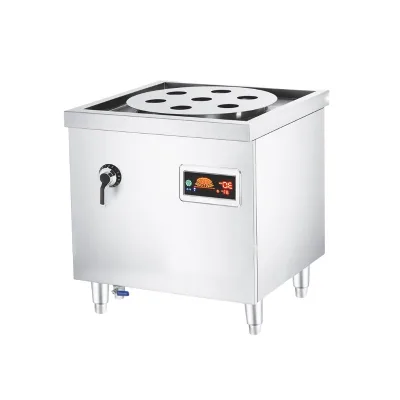
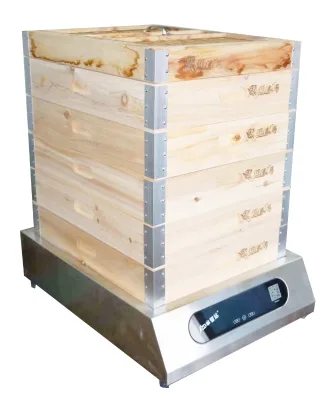
Induction Dim Sum and Buns Steamer for Commercial Restaurant Kitchen Equipment
$1547.3502
MOQ: 1 Minimum
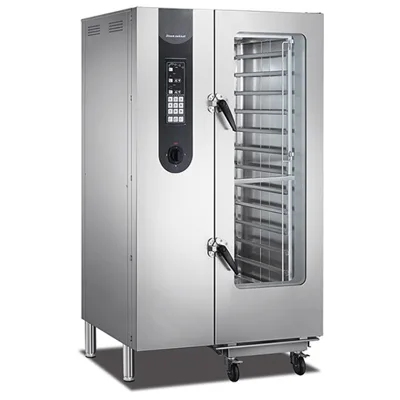
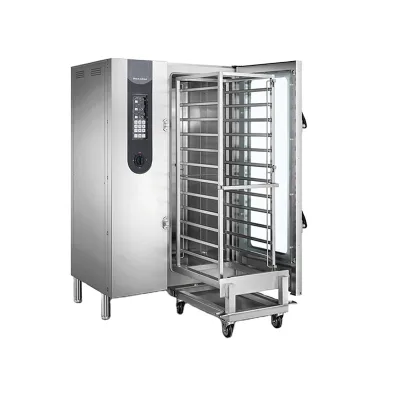
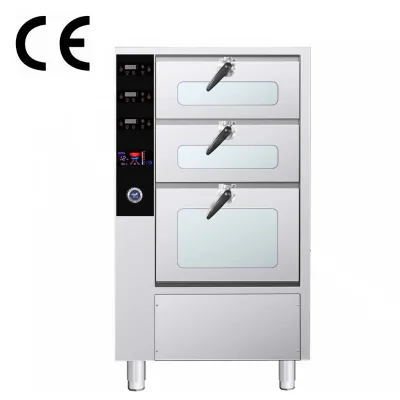
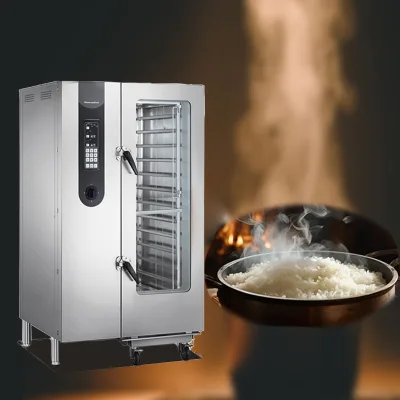
2021 High Quality 26-36 Trays 380V Commercial Electric Steamer Rice Coocker Low Price
$2235.00 - $2410.00
MOQ: 1 pieces

Guangzhou Nantian Sources Co., Ltd.
- Manufacturer/Factory
- China Guangdong
- Lead time15 days
- Avg. response≤ 6h
Main productsKitchen Equipment, Kitchenware, Food Machine, Kitchen Appliance, Glassware, Food Machinery, Bakery Equipment, Dinnerware, Kitchen Utensils, Food Processor
Main marketsSouth America,Mid East,Southeast Asia,Eastern Asia,Oceania,Africa
Yiwu Ehelper Technology Co., Ltd.
- Verified by TüVRheinland
- Trading Company
- Lead time30 days
- Avg. response≤ 2h
Main productsPrecision Air Conditioner, Industrial Cooking Pot, Meat Grinder, Kitchen Equipment, Kitchenware
Main marketsNorth America(41%), Eastern Europe(30%), South America(10%)
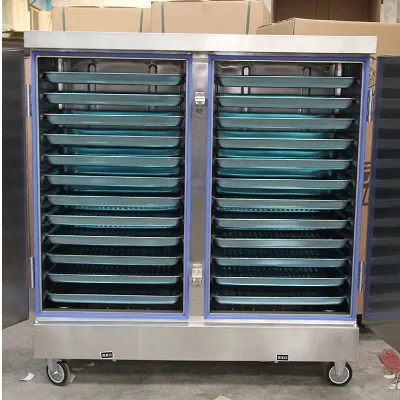
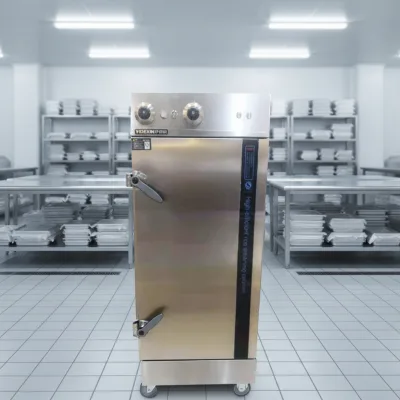
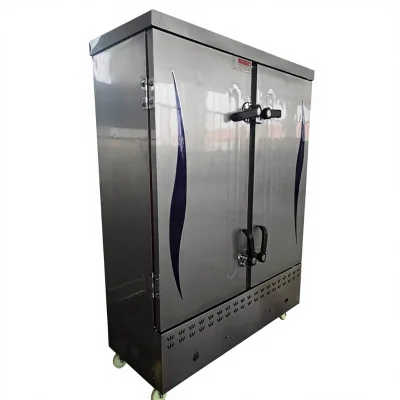
$568.5902 - $620.2802
MOQ: 1 units
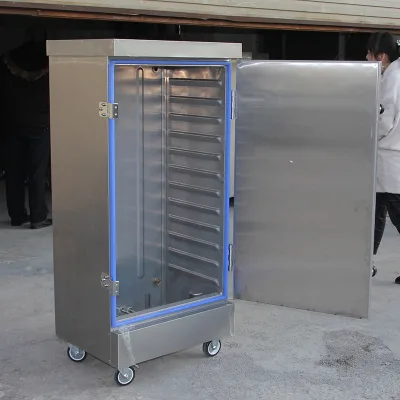
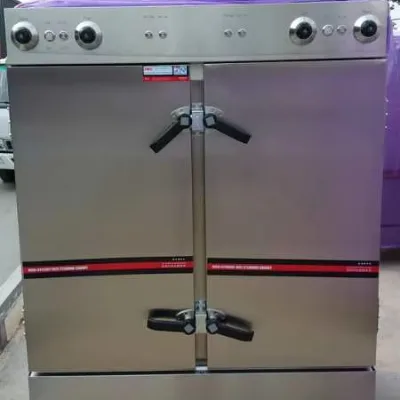
$568.5902 - $661.6331
MOQ: 1 units
Anhui Hengma Electrical Technology Co., Ltd.
- Manufacturer, Trading Company
- Anhui, China
- Lead time0 days
- Avg. response≤ 13h
Main productsWashing Machine,Electric Steamers,Air Circulator Fan,Plumbing Blanket,Warming Board
Main marketsDomestic Market(40.00%), Southeast Asia(20.00%), Eastern Europe(15.00%), Mid East(10.00%), South America(10.00%), Africa(5.00%)

Jiangmen Huazhi Technology Co., Ltd.
- Verified by BV
- Manufacturer/Factory
- China Guangdong
- Lead time15 days
- Avg. response≤ 8h
Main productsSheet Metal Fabrication Laser Cutting Services, Custom Metal Cabinets, Electrical Cabinets Cases Boxes, Telecommunication Cabinets Shelf Racks, Industrial Device Enclosures, Smart Equipment Cabinets, Stainless Steel Workbench, Tool Cabinets, EV Chargeing Cabinets, Self-Service Kiosk Enclosures
Main marketsNorth America,Western Europe

Customized Restaurant Grade Commercial Food Steamer with Independent Layer Control
$266.00 - $300.00
MOQ: 10 Sets

Customized Commercial Mult-Tier Stainless Steel Digital Control Food Steamer for Restaurant Kitchen
$266.00 - $300.00
MOQ: 10 Sets

Customized Heavy Duty Commercial Kitchen Steamer for Large Scale Food Preparation
$266.00 - $300.00
MOQ: 10 Sets

Professional Customized Stainless Steel Commercial Steamer with Easy Clean Design
$266.00 - $300.00
MOQ: 10 Sets

Guangzhou Rebenet Catering Equipment Manufacturing Co., Ltd.
- Combined
- China Guangdong
- Lead time30 days
- Avg. response≤ 5h
Main productsGas Fryer, Gas Range, Gas Griddle, Gas Charbroiler, Convection Oven, Salamander, Panini Grill, Fryers, Pie Warmer, Pizza Oven
Main marketsDomestic,Europe,North America

Restaurant Grade Commercial Stainless Steel 5-Pan Gas Steaming Table Steamer for Kitchens
$620.00 - $659.00
MOQ: 5 Pieces

Premium Commercial Kitchen Equipment Four Pan Steamer Gas Steaming Table Warmer (GBM-4)
$505.00 - $536.00
MOQ: 5 Pieces
Ningbo Bagus Appliance Co., Ltd.
- Verified by TüVRheinland
- Trading Company
- Lead time15 days
- Avg. response≤ 3h
Main productsCommercial Kitchen Equipment, Refrigeration Equipment, Kitchen Cleaning Equipment, Food Processing Machinery, Sugarcane Juice Extractor
Main marketsSoutheast Asia(25%), North America(20%), South America(15%)
Guangdong Mak Electrical Technology Co., Ltd.
- Trading Company
- Guangdong, China
- Lead time45 days
- Avg. response≤ 2h
Main productsElectric Blender,Slow Juicer /USB Juicer,Baby Food Maker,Soy Milk Maker,Food Steamer
Main marketsSoutheast Asia(40.00%), North America(30.00%), South Asia(10.00%), Western Europe(10.00%), Eastern Asia(10.00%)
Jiaozuo Zhoufeng Machinery Co., Ltd.
- Trading Company
- Henan, China
- Lead time5 days
- Avg. response≤ 9h
Main productsFood machine,Farm machine,environmental protection machine,Home use machine,Biomass briquette production line
Main marketsMid East(10.00%), South Asia(10.00%), Africa(10.00%), Southeast Asia(10.00%), Domestic Market(10.00%), Central America(10.00%), North America(10.00%), South America(8.00%), Eastern Asia(7.00%), Northern Europe(5.00%), Western Europe(5.00%), Oceania(2.00%), Eastern Europe(2.00%), Southern Europe(1.00%)

Hong Kong Bereal Supply Chain Management Co., Limited
- Trading Company
- Hong Kong S.A.R.
- Lead time0 days
- Avg. response≤ 2h
Main productsPower Adapter,Small Kitchen Appliances,Home Appliances,AC DC Adapter,Switching Power Supply
Main marketsEastern Europe(10.00%), North America(8.00%), Southeast Asia(3.00%), South Asia(2.00%), Southern Europe(2.00%), Western Europe(2.00%), South America(1.00%), Eastern Asia(1.00%), Africa(1.00%)
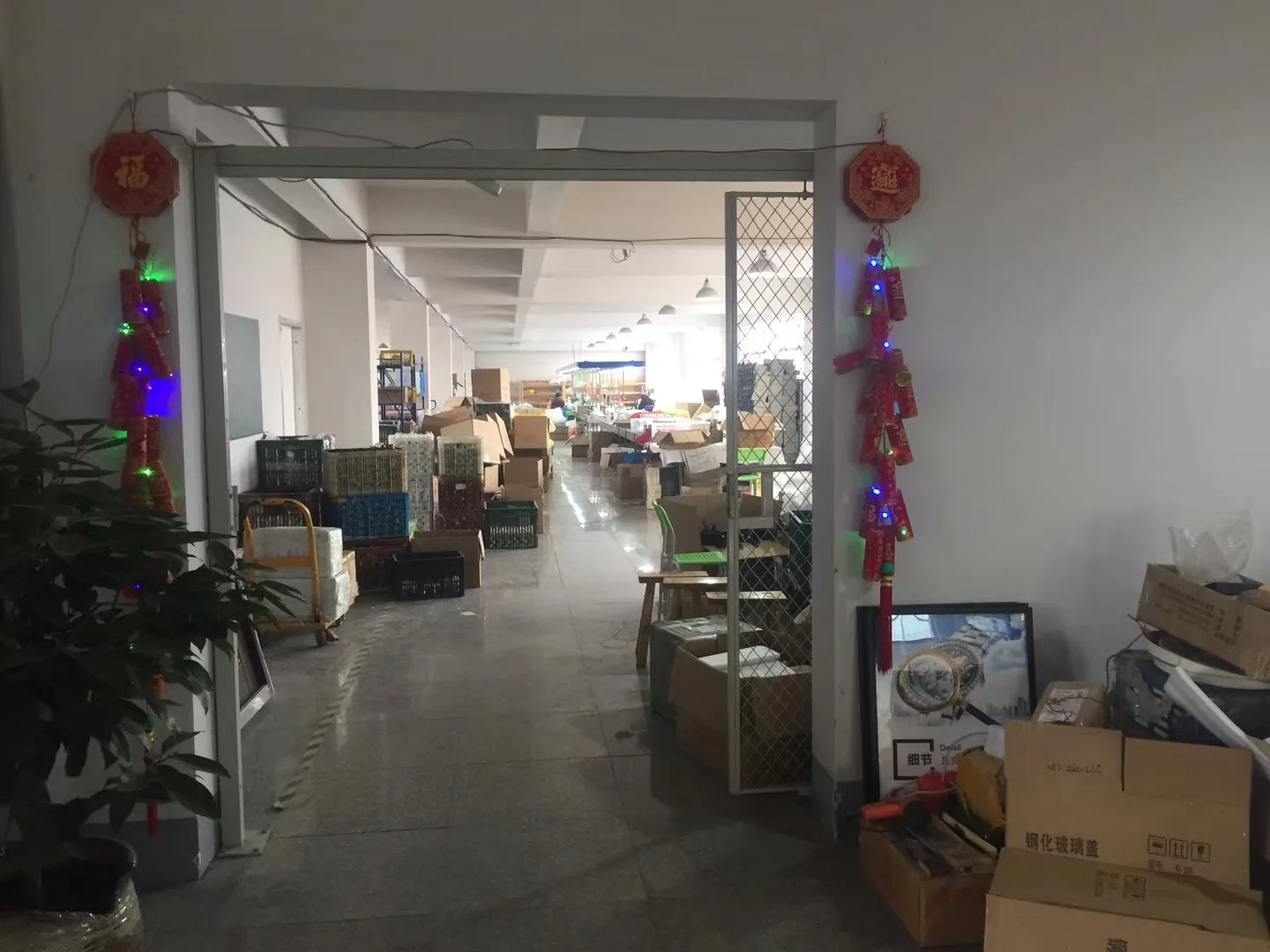
Guangzhou Lucky Electronic Trade Co., Ltd.
- Manufacturer, Trading Company, Distributor/Wholesaler
- Guangdong, China
- Lead time10 days
- Avg. response≤ 5h
Main productsHydrogen water generator,Heating kettle,small kitchen electrical appliances,household appliances,home and office tools
Main marketsNorth America(20.00%), South Asia(10.00%), Southern Europe(10.00%), Northern Europe(10.00%), Central America(10.00%), Western Europe(10.00%), Eastern Europe(10.00%), South America(10.00%), Eastern Asia(2.00%), Mid East(2.00%), Oceania(2.00%), Africa(2.00%), Southeast Asia(2.00%)
Binzhou Daweite Import And Export Co., Ltd.
- Trading Company
- Shandong, China
- Lead time0 days
- Avg. response≤ 2h
Main productsgas cooker,Single-head Low Soup Stove,Electromagnetic oven,Electromagnetic seafood steaming cabinet,stainless steel work table
Main marketsSoutheast Asia(15.00%), Western Europe(10.00%), Mid East(10.00%), Oceania(10.00%), Africa(10.00%)

HUNAN TONGDA BAMBOO INDUSTRY TECHNOLOGY CO., LTD
- Verified by TUVRHEINLAND
- Manufacturer/Factory
- China Hunan
- Lead time23 days
- Avg. response≤ 12h
Main productsBamboo Chopstick and BBQ Sticks, Bamboo Skewers, Bamboo Straw, Hand Fan, Wooden Cutlery, Bamboo Cutlery, Sushi Bamboo Mat, Bamboo Leaves, Paper Cup, Paper Straw
Main marketsSouth America,Eastern Europe,Mid East,North America,Southeast Asia,Eastern Asia,Oceania,Western Europe,Africa

Chinese Dumplings Cooker Dimsum Steamer Kitchen Cooking Tools Bamboo Food Steamer
$1.20 - $1.90
MOQ: 100 bags


JIANGMEN LONG TERM TRADING CO.,LTD
- Trading Company,Manufacturer/Factory
- China Guangdong
- Lead time45 days
- Avg. response≤ 8h
Main productsBlender, Ceiling Fan, Juicer, Food Processor, Food Chopper, Hand Mixer and Stand Mixer, Meat Grinder, Coffee Maker, Ice Crusher Blender, Hand Blender
Main marketsSouth America,Eastern Europe,Mid East,North America,Southeast Asia,Eastern Asia,Oceania,Western Europe,Africa

$18.20 - $22.30
MOQ: 3000 Pieces

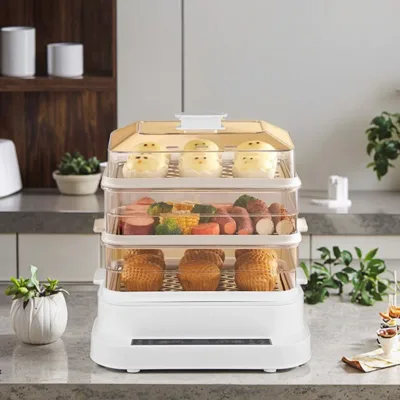
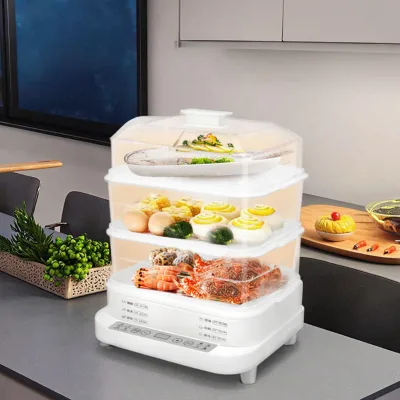
12L 3-Layer Instant Steamer with Preset Programs - 1500W Fast Heating Food Steamer (Dishwasher-Safe)
$18.20 - $22.30
MOQ: 1000 Pieces


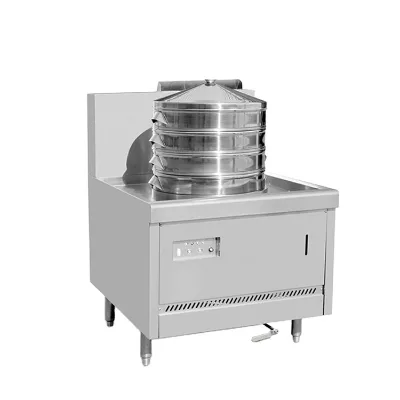
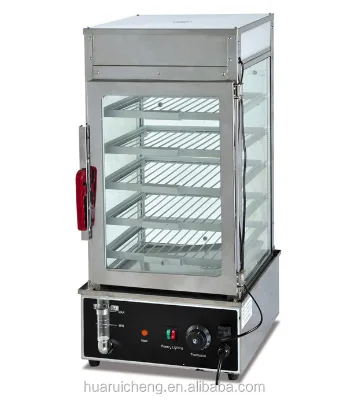
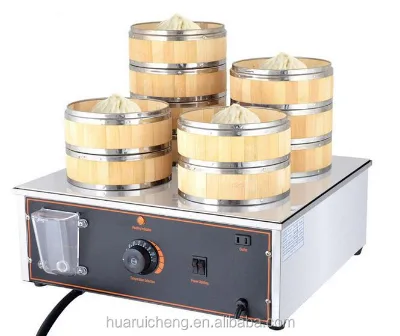
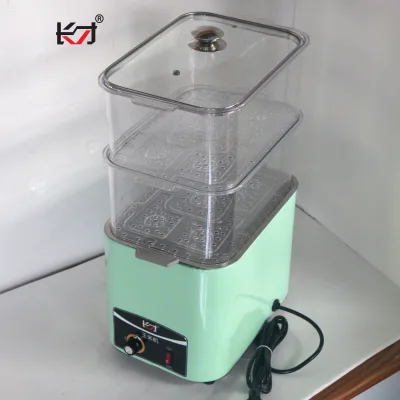
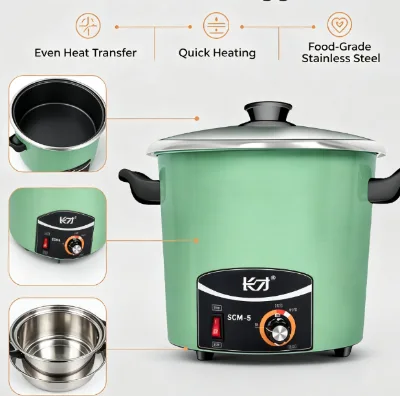




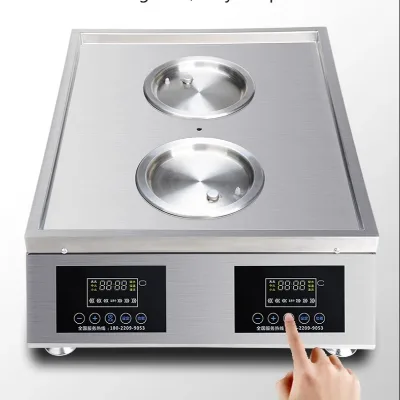
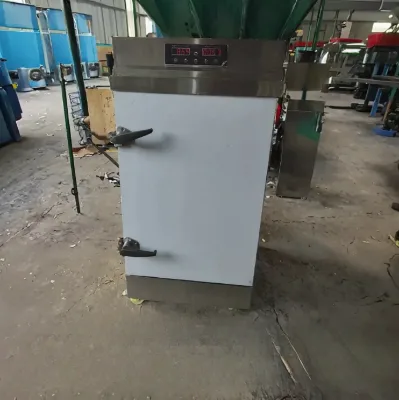
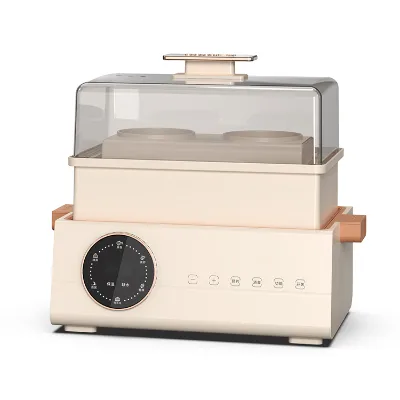
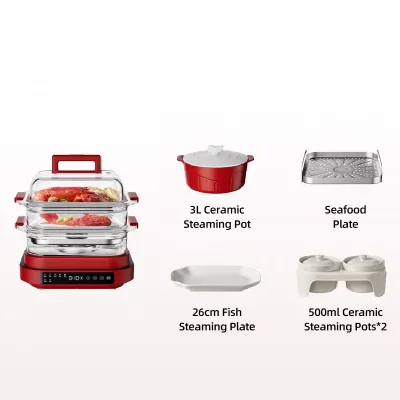
Comprehensive Sourcing Guide
Commercial Kitchen Non-Fingerprint Steamer Supplier Concentration and Factory Types
The current supplier landscape for commercial kitchen non-fingerprint steamers reveals a distinct geographic concentration in China, specifically within the Jiangsu and Shandong provinces. These regions serve as primary manufacturing hubs for the equipment, offering buyers access to established industrial clusters that specialize in heavy-duty kitchen appliances. In Jiangsu, suppliers often operate as combined entities, blending manufacturing capabilities with trading functions to streamline the export process. This hybrid model allows for greater flexibility in production scheduling and inventory management, which can be crucial for buyers seeking specific customization options or rapid turnaround times on standard models. The presence of these combined companies suggests a mature supply chain where raw material sourcing, assembly, and quality control are integrated within the same regional ecosystem, reducing logistical friction for international orders.
In contrast, suppliers located in Shandong province predominantly identify as trading companies, focusing on aggregating products from various factories rather than direct manufacturing. This structural difference impacts the buyer’s interaction with the supplier, as trading companies often provide a broader catalog of related items such as stainless steel work tables, sinks, and refrigerators alongside the steamers. While direct factories may offer deeper technical insights into the steamer’s internal mechanics, trading companies excel in product variety and consolidated shipping. Buyers must recognize that the factory type influences the level of direct control over production quality. Combined entities in Jiangsu may offer more direct oversight of the manufacturing process, whereas trading companies in Shandong rely on their network of partner factories to fulfill orders, requiring buyers to verify the actual production source behind the listed products.
How to Verify Commercial Kitchen Non-Fingerprint Steamer Suppliers
Verification is a critical step in ensuring the reliability of suppliers offering commercial kitchen non-fingerprint steamers, particularly when dealing with international manufacturers. One key indicator of supplier credibility is the verification status provided by third-party inspection agencies. For instance, some suppliers in the current results hold SGS verification, which indicates that an independent body has assessed the company’s business legitimacy and operational capabilities. Buyers should prioritize suppliers with such verifications, as they provide an additional layer of trust beyond self-reported information. Additionally, checking the supplier’s response time can offer insights into their operational efficiency and customer service quality. A response time of approximately 1.23 hours for some suppliers suggests a high level of responsiveness, which is essential for resolving technical queries or negotiating custom specifications promptly.
Beyond verification badges and response speeds, buyers should scrutinize the specific product attributes and certifications listed for the steamers. The presence of certifications such as CE and 3C certification on product listings indicates that the equipment meets certain safety and electrical standards, which is vital for commercial use. Buyers must confirm that these certifications are valid and applicable to the specific model being ordered, as generic listings may not reflect the exact unit’s compliance. Furthermore, examining the supplier’s main products can reveal their area of expertise. Suppliers focusing on a wide range of kitchen equipment, including stoves, refrigerators, and workbenches, may have broader industry knowledge, but buyers should ensure that the steamer is a core competency rather than a peripheral item. This holistic verification approach helps mitigate the risk of partnering with unreliable vendors.
What to Compare Across Commercial Kitchen Non-Fingerprint Steamer Suppliers
When evaluating multiple suppliers for commercial kitchen non-fingerprint steamers, buyers must compare key operational metrics to determine the best fit for their specific needs. Lead time is a significant factor, with some suppliers indicating a lead time of 15 days, which allows for better planning in supply chain logistics. Buyers should also compare the minimum order quantity (MOQ) requirements, as these can vary widely. For example, some listings show an MOQ of 10 units, while others accept orders as low as 1 unit, catering to different business scales. Additionally, the response time of suppliers, such as the 1.62 hours observed for some trading companies, should be weighed against the lead times to assess overall service efficiency. These metrics collectively influence the total cost of ownership and the ability to meet urgent demand.
Price and customization options are equally important comparison points. The price range for these steamers can vary significantly, with some models priced between $265 and $305, while others range from $396 to $1000, depending on features and capacity. Buyers should compare the power source options, such as electric versus gas, and the voltage specifications, which may include 220V or 380V, to ensure compatibility with their local infrastructure. Customization availability is another critical aspect, as some suppliers offer tailored solutions for specific kitchen layouts or operational requirements. By systematically comparing these attributes, buyers can identify suppliers that offer the best balance of cost, speed, and technical suitability, ensuring that the selected steamer aligns with their commercial kitchen’s operational goals.
Common Commercial Kitchen Non-Fingerprint Steamer Sourcing Risks
Sourcing commercial kitchen non-fingerprint steamers from international suppliers introduces several risks that buyers must actively manage to avoid operational disruptions. One major risk is the mismatch between advertised product specifications and the actual delivered goods. For instance, discrepancies in voltage, power consumption, or physical dimensions can render the equipment unusable in certain markets. Buyers should carefully review the product attributes, such as the power source and voltage, to ensure they match their local electrical standards. Additionally, the risk of delayed shipments is prevalent, especially if suppliers do not have robust logistics networks. Lead times can extend beyond the quoted 15 days due to production bottlenecks or shipping delays, impacting kitchen operations. Buyers should establish clear communication channels and request regular updates to mitigate this risk.
Another significant risk is the lack of after-sales support and warranty coverage. Since many suppliers are located in China, obtaining technical support or spare parts can be challenging if issues arise post-installation. Buyers should verify the supplier’s warranty terms and the availability of local service partners before placing an order. Furthermore, the risk of quality inconsistencies is heightened when dealing with trading companies that source from multiple factories. Without direct oversight, the quality of the stainless steel construction or the efficiency of the steaming mechanism may vary. Buyers should request detailed product photos, videos, or even third-party inspection reports to verify the quality of the steamers before finalizing the purchase. Addressing these risks proactively ensures a smoother sourcing experience and protects the buyer’s investment.
Commercial Kitchen Non-Fingerprint Steamer Regional Sourcing and Logistics
Regional sourcing strategies play a crucial role in optimizing the logistics and cost-efficiency of purchasing commercial kitchen non-fingerprint steamers. Suppliers in Jiangsu and Shandong provinces offer distinct logistical advantages due to their proximity to major ports and industrial infrastructure. Jiangsu, being a hub for combined manufacturing and trading entities, often provides streamlined export processes, reducing the complexity of international shipping. Buyers sourcing from this region may benefit from consolidated shipping options, especially if they are ordering multiple types of kitchen equipment. The lead time of 15 days for some suppliers allows for efficient planning, but buyers must account for transit times, which can vary depending on the destination country and shipping method.
In Shandong, where trading companies dominate, buyers may find it easier to consolidate orders with other kitchen equipment, such as refrigerators and work tables, to reduce shipping costs. However, this approach requires careful coordination to ensure that all items are ready for shipment simultaneously. Buyers should also consider the packaging standards, as some suppliers use carton boxes or wooden frames to protect the steamers during transit. The choice of packaging can impact the risk of damage during shipping, so buyers should verify that the packaging is robust enough for international freight. Additionally, understanding the local logistics landscape helps buyers negotiate better freight rates and select the most reliable shipping partners. By leveraging regional strengths, buyers can enhance the efficiency and reliability of their supply chain.
Commercial Kitchen Non-Fingerprint Steamer Commercial Terms and Order Planning
Effective order planning for commercial kitchen non-fingerprint steamers requires a thorough understanding of commercial terms and payment structures. Buyers should negotiate clear payment terms, such as partial upfront payments and balance upon shipment, to mitigate financial risk. The minimum order quantity (MOQ) varies, with some suppliers accepting orders as low as one unit, while others require ten or more. This flexibility allows buyers to test the market or fulfill small-scale needs without committing to large volumes. Additionally, buyers should clarify the incoterms, such as FOB or CIF, to determine who is responsible for shipping and insurance costs. Understanding these terms helps in calculating the total landed cost and avoiding unexpected expenses.
Customization and after-sales support are also key components of commercial terms. Some suppliers offer customized solutions, including specific voltages, power sources, and dimensions, to meet unique kitchen requirements. Buyers should confirm the lead time for customized orders, as these may take longer than standard models. Furthermore, warranty and maintenance terms should be explicitly stated in the contract, including the duration of coverage and the process for claiming repairs or replacements. Buyers should also inquire about the availability of spare parts and technical support, ensuring that they have a reliable source for ongoing maintenance. By carefully planning these commercial terms, buyers can secure favorable conditions and ensure long-term operational success with their commercial kitchen non-fingerprint steamers.
FAQs
What is the price range for commercial electric steamers?
Prices for commercial electric steamers typically range from $265 to $1000 per unit. The final cost depends on capacity, power rating, and material quality. Buyers should check specific model listings for exact pricing tiers and bulk discount options available from verified suppliers.
What is the minimum order quantity for these steamers?
Minimum order quantities vary by supplier, with some accepting orders as low as one unit while others require ten or more. Buyers seeking small batches should filter for suppliers with an MOQ of one, whereas large-scale operations can negotiate better terms with higher volume requirements.
How long does delivery usually take for these orders?
Standard lead times for commercial steamers are approximately 15 days from order confirmation. This timeframe allows for manufacturing and quality checks. Buyers should confirm specific delivery schedules with suppliers, as rush orders or custom modifications may extend the production period beyond the standard window.
Are these steamers customizable for specific kitchen needs?
Yes, many suppliers offer customization options for voltage, power source, and structural dimensions. Buyers can request specific voltage configurations like 220V or 380V, and custom sizes to fit their kitchen layout. Customization availability should be verified directly with the supplier before placing an order.
What certifications do these commercial steamers hold?
Common certifications include CE and 3C marks, ensuring compliance with safety and electrical standards. Some suppliers also hold SGS verification for quality assurance. Buyers should request valid certification documents to verify that the equipment meets the regulatory requirements of their specific destination market.
Where are these commercial steamers manufactured?
These steamers are primarily manufactured in China, with key production hubs located in Jiangsu and Shandong provinces. Buyers can filter suppliers by these regions to find manufacturers with established supply chains. Origin information is typically listed in the product details to help assess logistics and shipping costs.