CR With Aramid Fiber EV Drive Belt Suppliers and Manufacturers
Source CR With Aramid Fiber EV Drive Belt from 24 verified suppliers. Compare key dimensions including location, lead time, MOQ, and response time to identify the right partner. Review product specifications and pricing to streamline your procurement process; review the available evidence before requesting comparable quotations from suitable candidates.
Updated
Suppliers List
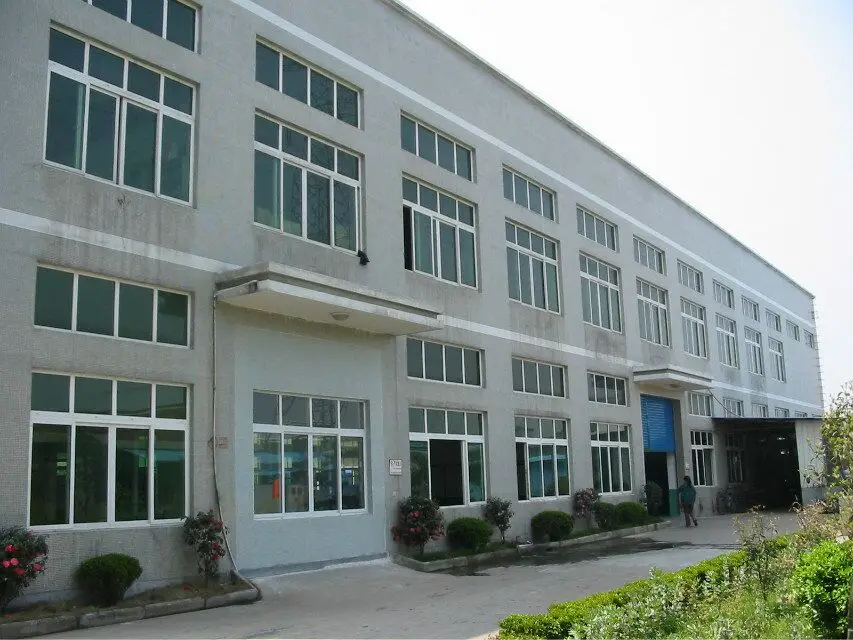
Yiwu Grand Auto Parts Co., Ltd.
- Trading Company
- Zhejiang, China
- Lead time20 days
- Avg. response≤ 11h
Main productsBrake pad/Diaphragm/Brake shoe, Timing belt/PK belt/V belt
Main marketsSouth America(30.00%), Africa(30.00%), Mid East(20.00%), Eastern Europe(15.00%), Southeast Asia(5.00%)
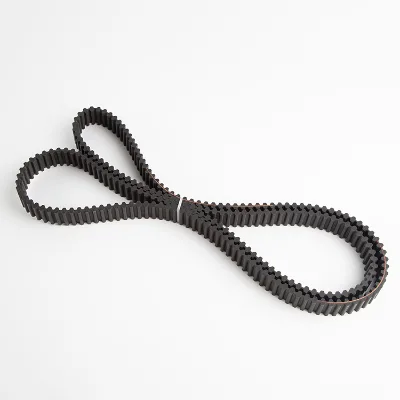
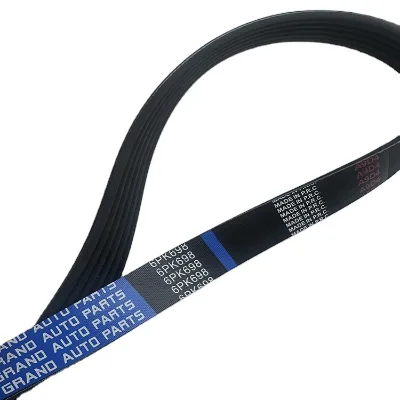
$2.83 - $2.89
MOQ: 100 pieces
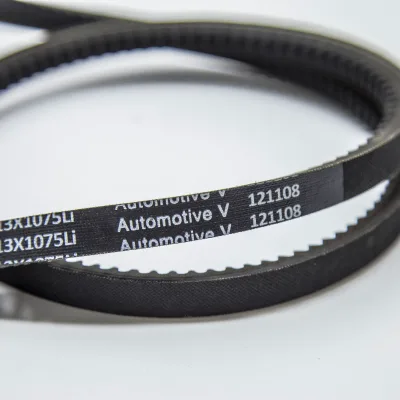
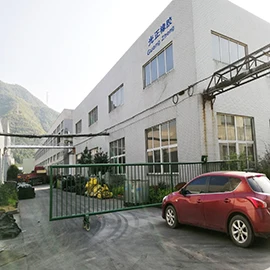
Zhejiang Guangzheng Rubber Co., Ltd.
- Manufacturer
- Zhejiang, China
- Lead time30 days
- Avg. response≤ 17h
Main productsv belt,V-ribbed belt,fan belt,timing belt,cogged v belt
Main marketsDomestic Market(11.11%), South Asia(11.11%), Eastern Asia(11.11%), Mid East(11.11%), Africa(11.11%), Southeast Asia(11.11%), Eastern Europe(11.11%), South America(11.11%)

Kaifeng Shenwei Rubber Co., Ltd.
- Verified by TUVRHEINLAND
- Manufacturer/Factory
- China Henan
- Lead time23 days
- Avg. response≤ 8h
Main productsRubber V-Belt, Combine Harvester Belts, Agriculture Machinery V Belt, Rice Harvester V-Belts, Corn Harvester V-Belt, Wheat Harvester Rubber Belts, Raw Edge V Belt, Poly V Belt, Industrial V Belt, Variable Speed Belt
Main marketsSouth America,Eastern Europe,Mid East,North America,Southeast Asia,Eastern Asia,Oceania,Western Europe,Africa


Rubber Transmission Belt for Electronic Equipment Cars Motorcycle Drive Part
$0.20 - $20.00
MOQ: 100 Pieces

Highest Material Cr with Aramid Cord Made Durable Rubber V Belt for machinery Drive
Negotiable
MOQ: 20 Pieces

Shijiazhuang ChiChong Supply Chain Management Co., Ltd.
- Verified by CTI
- Trading Company
- China Hebei
- Lead time23 days
- Avg. response≤ 1h
Main productsPk Belt, V-Belt, Timing Belt, Serpentine Belt, Truck Belt, Truck Air Filter, Car Belt, Truck Fuel Filter, Drive Belt, Truck Oil Filter
Main marketsEast Asia(Japan/ South Korea),Domestic

Premium Micro V Belt with Aramid Fiber Construction for Modern Automotive Drive Applications
$0.30 - $1.00
MOQ: 100 Pieces


Long Service Life Automotive Drive Belt with Imported EPDM Rubber and High Strength Aramid Fiber
$0.30 - $1.00
MOQ: 100 Pieces


Taizhou Kingpower Rubber Belt Manufacturing Co., Ltd.
- Verified by CTI
- Combined
- China Zhejiang
- Lead time30 days
- Avg. response≤ 4h
Main marketsSouth America,Africa,Southeast Asia/ Mideast,East Asia(Japan/ South Korea),Europe,Australia,North America

V Belt Cogged Belt Timing Belt for Power Transmission Cr/EPDM Drive V Belt
$0.10 - $0.15
MOQ: 100 pics


- Verified by TUVRHEINLAND
- Trading Company,Manufacturer/Factory
- China Zhejiang
- Lead time23 days
- Avg. response≤ 1h
Main productsEp/Ee/Cc56 Conveyor Belt, Steel Cord Conveyor Belt, Sidewall Conveyor Belt, Wrapped V Belt, Poly Ribbed Belt, Raw Edge Cogged V Belt, Timing Belt, PVC/PU/PP/Pvg Conveyor Belt, Conveyor Roller, Pulley
Main marketsSouth America,Mid East,North America,Southeast Asia,Eastern Asia,Western Europe


High-Performance AV13 AV15 AV17 Drive Raw Edge Ribbed V Belt for Vehicles
$0.58 - $1.58
MOQ: 10 Pieces


- Trading Company
- China Zhejiang
- Lead time0 days
- Avg. response≤ 25h
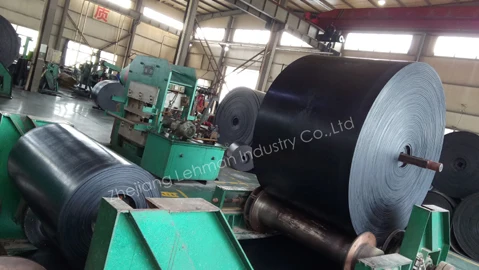
Zhejiang Lehman Industry Co., Ltd.
- Manufacturer, Trading Company
- Zhejiang, China
- Lead time30 days
- Avg. response≤ 4h
Main productsConveyor Roller,mobile crusher,Pulley,Transmission belt,Conveyor belt
Main marketsDomestic Market(19.00%), Eastern Europe(17.00%), Africa(15.00%), Mid East(13.00%), South America(12.00%), North America(6.00%)

- Trading Company
- China Zhejiang
- Lead time30 days
- Avg. response≤ 5h
Main productsRubber Belt
Main marketsSouth America,Europe,Australia,North America


$1.50 - $2.00
MOQ: 100 Pieces
- Verified by Intertek
- Manufacturer, Trading Company
- Lead time0 days
- Avg. response≤ 4h
Main productsWater Pump Assy and Water Pump Parts, Universal Joint, Electric Water Pump, Center Bearing, Clutch Plate Brake Pand
Main marketsEastern Asia(35%), Southeast Asia(21%), North America(20%)
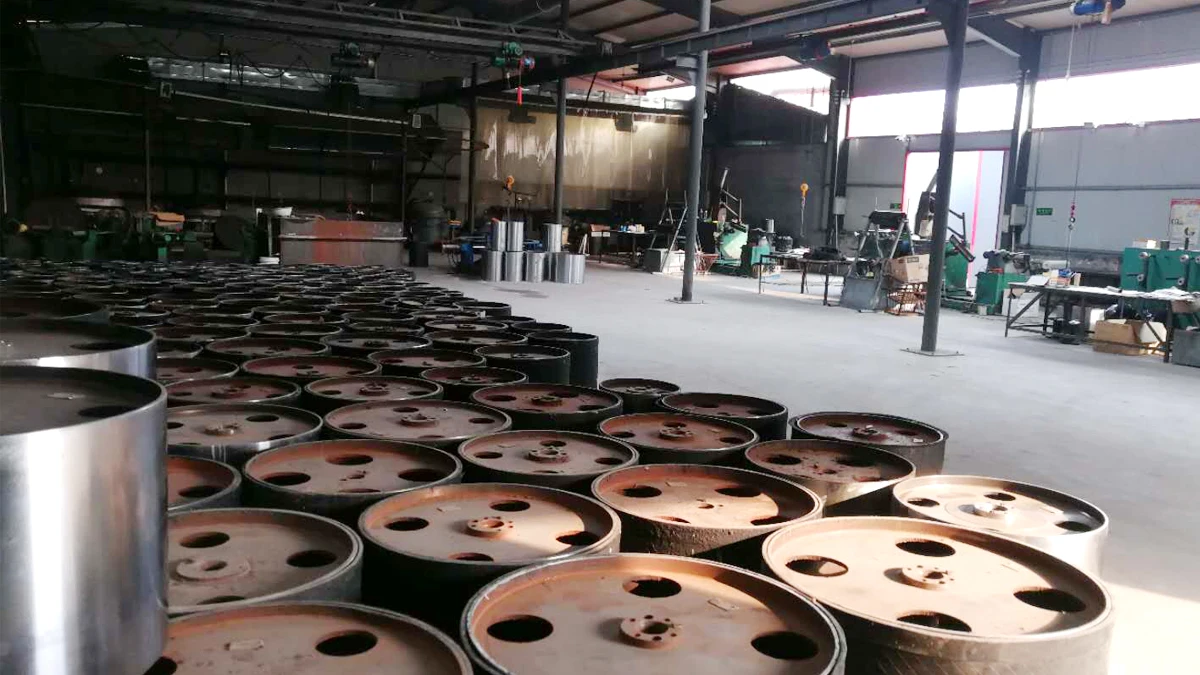
Shijiazhuang Jiuting International Trade Co., Ltd.
- Trading Company
- Hebei, China
- Lead time15 days
- Avg. response≤ 4h
Main productsPK Belt, Timing Belt, V Belt
Main marketsSoutheast Asia(30.00%), Mid East(25.00%), Africa(15.00%), North America(10.00%), Eastern Europe(10.00%), South America(5.00%), Oceania(5.00%)

Hebei Oudu Technology Co., Ltd
- Verified by CTI
- Trading Company
- China Hebei
- Lead time23 days
- Avg. response≤ 3h
Main productsAutomotive Drive Belts, Brake Pads, Brake Shoes, Brake Pump, Spark Plug, Oil Filter, Air Conditioning Filter, Air Filter
Main marketsSoutheast Asia/ Mideast,Domestic,Europe,North America

$1.80 - $2.10
MOQ: 30 Pieces

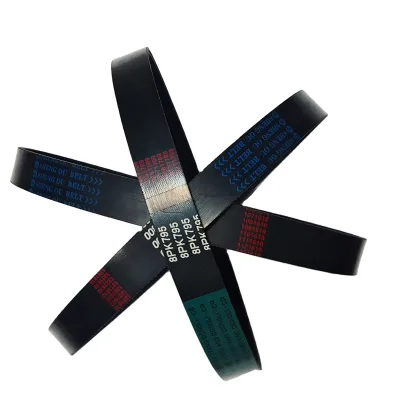
Hot Sale Micro-V Belts for Commercial Vehicle Drive Belt 8pk Rubber Transmission Belts
$0.80 - $1.35
MOQ: 30 Pieces


Ningbo Sinoconve Belt Co., Ltd.
- Trading Company,Manufacturer/Factory
- China Zhejiang
- Lead time45 days
- Avg. response≤ 4h
Main productsTiming Belt, Conveyor Roller, Conveyor Belt, Transmission Belt, PVC Conveyor Belt, Rubber V Belt, PU Timing Belt

Ningbo Sinoconve Belt Co., Ltd.
- Verified by TUVRHEINLAND
- Trading Company,Manufacturer/Factory
- China Zhejiang
- Lead time0 days
- Avg. response≤ 4h
Main productsV Belt, Timing Belt, Transmission Belt, Conveyor Belt, Conveyor Roller, Cogged V Belt, Pk Belt, Conveyor Belt Fastener

Guangzhou Miaoste Tape Co., Ltd.
- Manufacturer, Trading Company
- Guangdong, China
- Lead time15 days
- Avg. response≤ 6h
Main productstiming belts,rubber belt,v-belt,PK belt,auto parts
Main marketsAfrica(5.00%), Western Europe(5.00%), North America(5.00%), Southern Europe(4.00%), Mid East(3.00%), Oceania(3.00%), Central America(3.00%), South Asia(2.00%), Southeast Asia(2.00%), Domestic Market(2.00%), Eastern Europe(2.00%), South America(2.00%), Eastern Asia(2.00%), Northern Europe(1.00%)
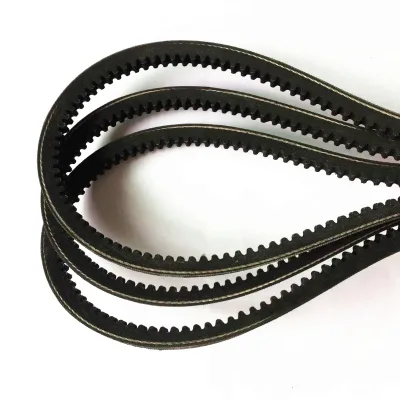
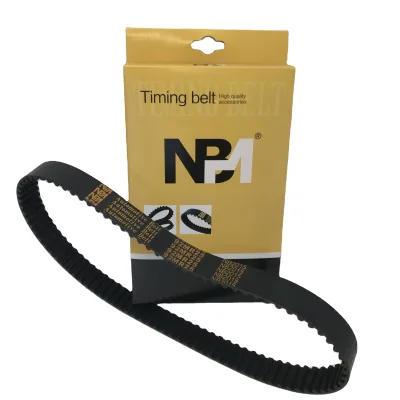
$0.2558 - $0.5116
MOQ: 50 pieces
Zhejiang Sanju Transmission Belt Co., Ltd.
- Manufacturer, Trading Company
- Zhejiang, China
- Lead time0 days
- Avg. response≤ 1h

Sanmen Binlong Transmission Belt Co., Ltd.
- Trading Company
- China Zhejiang
- Lead time30 days
- Avg. response≤ 7h
Main productsV-Belts, Automotive Belts, Raw Edge Cogged V-Belts, Rubber Timing Belts, Ribbed Poly V-Belts, Agricultural Belts, Banded V-Belts, PU Timing Belts, PU Round Belts, Special Belts
Main marketsSouth America,Southeast Asia/ Mideast,Europe


High Precision and Top Quality Automotive V-Belts for Industial Application
$2.00 - $5.00
MOQ: 500 piece

- Manufacturer/Factory
- China Shandong
- Lead time23 days
- Avg. response≤ 3h
Main productsHydraulic Hose, Welding Hose, Rubber Hose, Conveyor Belt, Air Hose, Water Hose, Rubber Sheet, Rubber Tiles, V Belt, Fittings
Main marketsSouth America,Eastern Europe,Mid East,North America,Southeast Asia,Eastern Asia,Oceania,Western Europe,Africa
Hebei Oudu Technology Co., Ltd.
- Trading Company
- Hebei, China
- Lead time10 days
- Avg. response≤ 2h
Main productsTransmission Belt , Brake System
Main marketsSoutheast Asia(40.00%), Eastern Europe(30.00%), Mid East(30.00%)
Jinan Chenyang Precision Bearing Co., Ltd.
- Trading Company
- Shandong, China
- Lead time5 days
- Avg. response≤ 3h
Main productsbearing,linear guide rail,Ball screw,V belt,conveyor belt
Main marketsNorth America(40.00%), Western Europe(10.00%), Southern Europe(10.00%), Southeast Asia(10.00%), Eastern Europe(10.00%), Northern Europe(10.00%), Mid East(5.00%), South America(5.00%)

Jiangxi VOLKED Import & Export Co., Ltd.
- Trading Company,Manufacturer/Factory
- China Jiangxi
- Lead time23 days
- Avg. response≤ 9h
Main productsTiming Belt, Ribbed Belt, Transmission Belt, Industrial Rubber Belt, V Belt, Lead Acid Battery, Spark Plug
Main marketsSouth America,Eastern Europe,Mid East,North America,Southeast Asia,Eastern Asia,Oceania,Western Europe,Africa
Ningbo HZ International Trade Co., Ltd.
- Verified by SGS Group
- Trading Company
- Zhejiang, China
- Lead time35 days
- Avg. response≤ 1h
Main productsPK BELT, TIMING BELT, V-BELT
Main marketsNorth America(20%), Western Europe(15%), South America(10%)
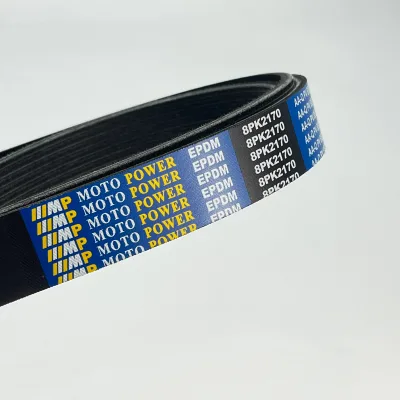
Customizable V-Belt 8PK1342 EPDM/CR Hybrid Transmission Belt for ATV Cooling Systems
$2.98 - $3.12
MOQ: 50 pieces
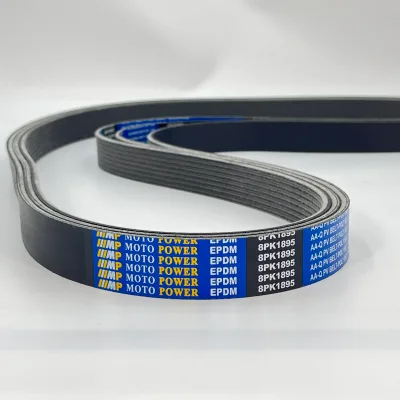
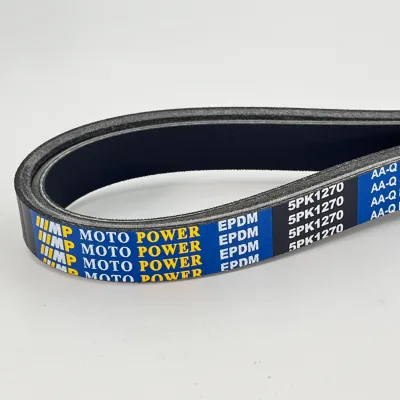
OEM Standard V-Belt 8PK1890 EPDM V-Ribbed Belt for Hyundai Truck Cooling Fan Drive
$4.15 - $4.38
MOQ: 50 pieces
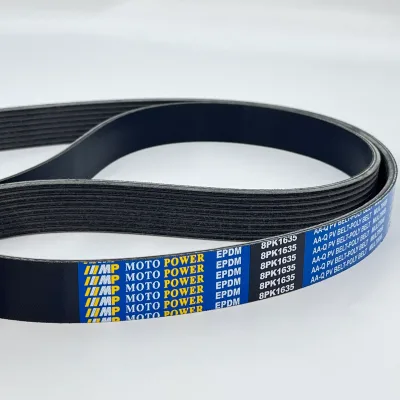
OEM Replacement V-Belt 8PK1635 Multi-Wedge Belt for Ford Transit Alternator Drive Systems
$3.55 - $3.79
MOQ: 50 pieces
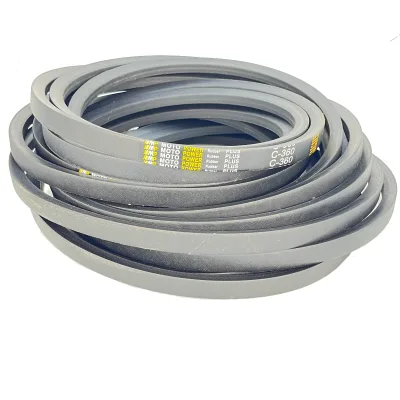
$9.8377 - $10.1354
MOQ: 20 pieces
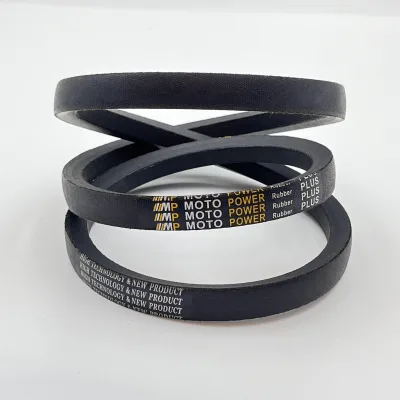
Anshan Anza Electronic Power Co., Ltd.
- Trading Company
- Lead time旺季: "1 - 10":7,"11 - 50":10,"51 - 100":15,"> 100":"To be negotiated", 淡季: "1 - 10":7,"11 - 50":10,"51 - 100":15,"> 100":"To be negotiated"
- Avg. response≤ 6h
Main productstractor parts,tires,walking tractors,farm machines,MTZ parts
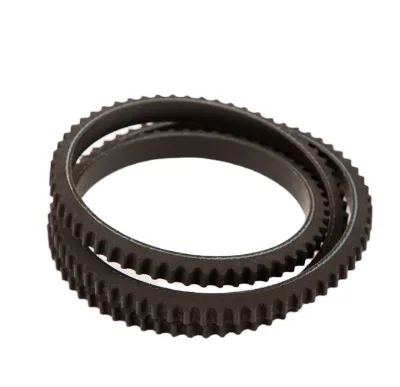
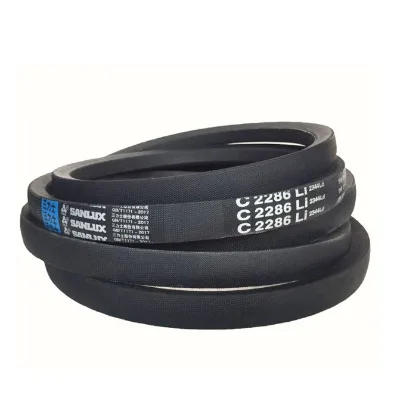
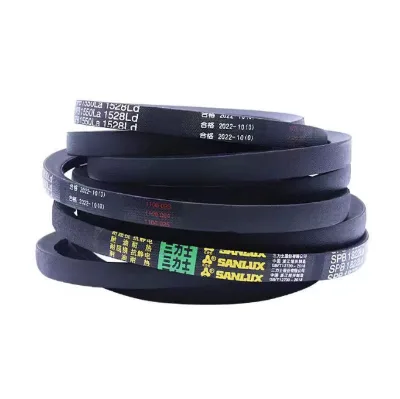
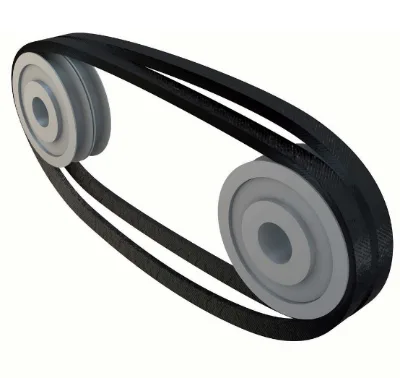
Industrial Power Transmission v Belt Made In China
$0.98 - $1.36

Ningbo Fulong Synchronous Belt Co., Ltd.
- Combined
- China Zhejiang
- Lead time30 days
- Avg. response≤ 9h
Main productsTiming Belt, Transmission Belt, Industrial Rubber Belt, Drive Belt, V Belt, Flat Belt, Timing Pulley, Ribbed-V Belt, Coated Belt, Pk Belt
Main marketsSouth America,Africa,Southeast Asia/ Mideast,East Asia(Japan/ South Korea),Domestic,Europe,Australia,North America
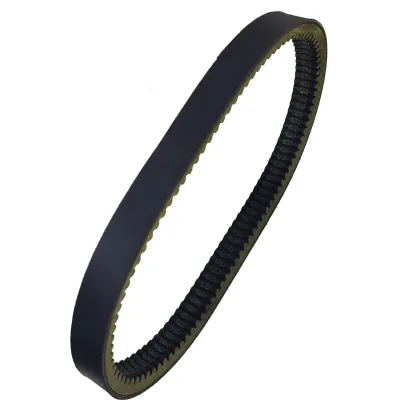
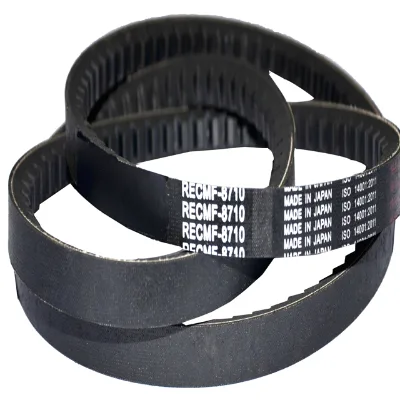
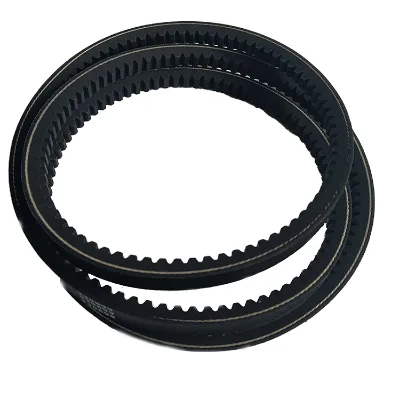
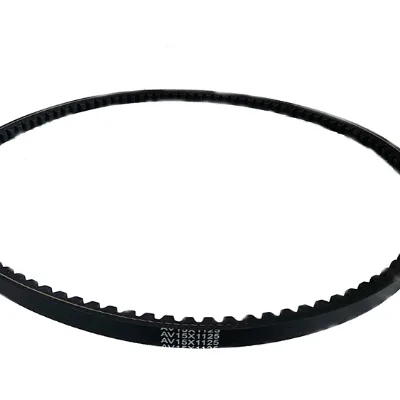


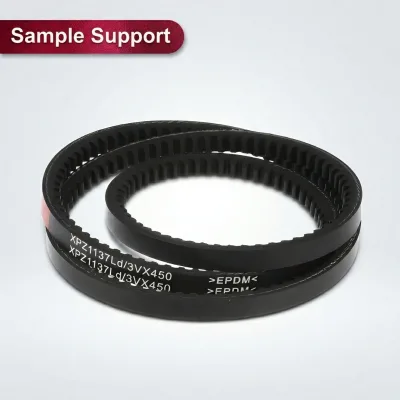
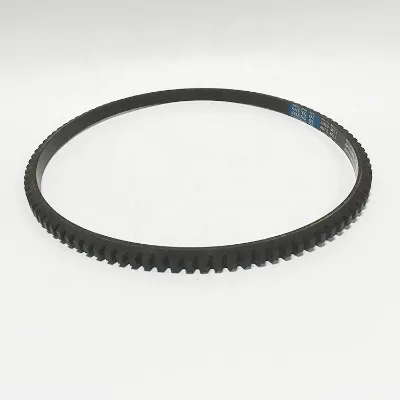
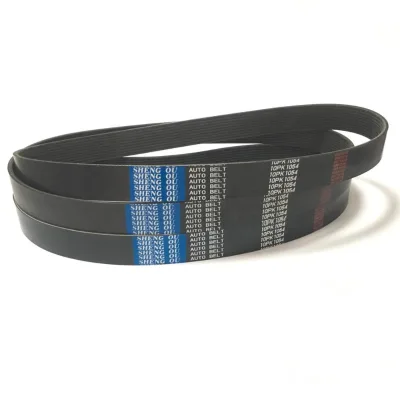






Comprehensive Sourcing Guide
CR With Aramid Fiber EV Drive Belt Supplier Concentration and Factory Types
Buyers searching for CR With Aramid Fiber EV Drive Belt products will find that the visible supplier pool is concentrated in eastern China, with Zhejiang province appearing repeatedly as the stated place of origin for timing belts, PK belts, V-belts and related transmission belt products. Some listings specify Taizhou as the origin city, which is itself within Zhejiang, reinforcing the sense of a regional cluster. This concentration matters because it shortens the comparison loop: multiple belt specialists sit in one province, sampling logistics are simpler, and it becomes realistic to visit or audit more than one candidate in a single trip. However, concentration does not guarantee uniform quality, so treat the shared geography as a starting filter rather than a quality signal.
The supplier mix in this category splits between manufacturers and trading companies. One listed profile identifies itself as a manufacturer whose main products are V-belts, V-ribbed belts, fan belts, timing belts and cogged V-belts, while another profile identifies as a trading company covering brake pads, diaphragms, brake shoes and belts. A manufacturer profile suggests direct control over molding, cutting and rubber compounding; a trading company may offer broader product bundling but adds a layer between you and the production line. Verify which type you are actually dealing with, because the label displayed on a platform is not always matched by the underlying factory relationship.
How to Verify CR With Aramid Fiber EV Drive Belt Suppliers
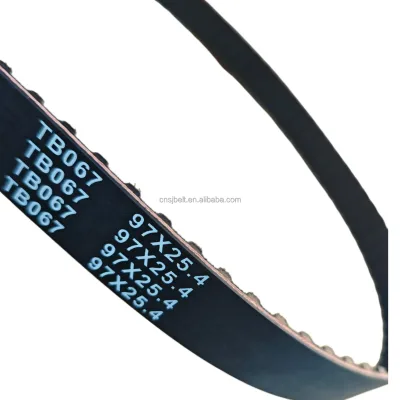
Verification starts with separating the company profile from the product evidence. Some listings in this category carry detailed attribute tables: a timing belt product states CR/EPDM material, a 5 mm pitch, 20 mm belt width, 4.0 mm thickness, a two-year warranty, neutral or brand packing, and an ISO/TS 16949:2009 certificate claim. Others state aramid-fiber-reinforced CR construction for light diesel vehicles, with fits listed for specific microcar brands. Use these attributes as a checklist: ask each candidate supplier to confirm in writing which attributes apply to the exact belt you need, and request test reports or certificate copies that match the claimed numbers rather than accepting a profile-level badge.
Second, probe the gap between the trading label and the factory. A trading company listing brake components alongside drive belts is unlikely to mold belts itself, so ask which partner factory produces the aramid-fiber line, whether you can speak to that factory directly, and whether an audit is permitted. For manufacturer-labeled profiles, ask for business license details, the registered scope, and evidence of in-house rubber mixing and belt building equipment. Also verify consistency across listings from the same seller: if one product page claims OEM/ODM support and another claims only OEM, clarify actual customization capability. Keep a record of every claimed attribute, because any attribute that the supplier cannot document during verification is a risk that will resurface at inspection time.
What to Compare Across CR With Aramid Fiber EV Drive Belt Suppliers
Build a comparison sheet using the dimensions that are actually displayed in supplier results, without assuming every seller shows the same fields. Response time is one such field: profiles in this category show average response figures of roughly 11 hours and 17 hours, a meaningful spread when you are iterating on drawings or cord material specifications. Lead time is another: stated figures of 20 days and 30 days appear, which affects your replenishment planning for a belt that is usually a wear part. Record these as supplier-stated values and confirm them against a real inquiry, because advertised response and lead times are often measured under ideal conditions.
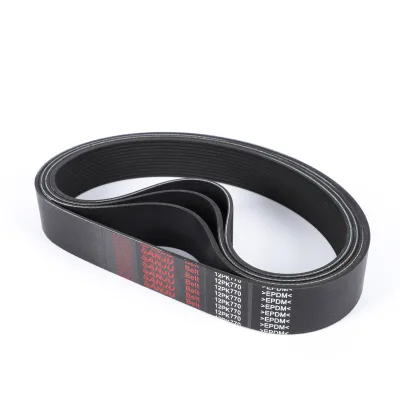
Beyond speed, compare main products and structural fit. A manufacturer focused on V-belts, ribbed belts, fan belts and timing belts is a different partner from a trading company whose catalog spans brake pads and belts; match the supplier type to whether you need a single specialized belt or a consolidated parts order. Compare customization depth, since listings range from OEM-only to OEM/ODM support. Compare MOQ where shown, such as a 100-piece minimum on one timing belt listing, and note that other listings may not display an MOQ at all, so request it explicitly. Finally, compare warranty statements (one to three years appear in product attributes), packing options, and whether a stated brand name on the product is one you are allowed to ship under.
Common CR With Aramid Fiber EV Drive Belt Sourcing Risks
The most common risk in this category is material substitution. Aramid fiber reinforcement is the whole point of the product—these belts serve EV and light-vehicle drive applications where heat and load endurance matter—yet nothing in a listing photograph proves aramid cord is present. A supplier may deliver a standard polyester-cord belt at the aramid price. Protect yourself by specifying cord construction in the purchase contract, requiring a material declaration, and arranging a cut-and-inspect test on production samples before shipment. A related risk is compound drift: listings in this category state CR or CR/EPDM compounds with operating ranges such as -40°C to 140°C on one PK belt, so any deviation in compound mix can quietly change low-temperature flexibility.
Labeling and cross-reference risks follow. Several listings are built around OEM cross-references and fitment claims for specific vehicle brands; a wrong pitch, width or tooth profile can pass a visual check and still fail in service. Require first-article measurement of pitch, width, thickness and tooth geometry against your drawing. Certificate claims also carry risk: one product page claims ISO/TS 16949:2009, but a profile-level or listing-level claim is not evidence the certificate is current or covers the producing factory, so request the certificate document and scope. Finally, mismatched expectations about who manufactures the belt—trader versus factory—can leave you without recourse when defects appear, so resolve the production chain before paying a deposit.
CR With Aramid Fiber EV Drive Belt Regional Sourcing and Logistics
The evidence in this category points to Zhejiang province as the practical sourcing region: multiple belt listings state Zhejiang or Taizhou as the place of origin, and the belt-specialist profiles there cover the full range of V-belts, ribbed belts and timing belts. Sourcing within one province reduces domestic freight legs, makes combined sample shipments feasible, and lets one third-party inspector cover several candidates in a day. If you expand your search beyond the visible results, identify clusters yourself by checking where repeated listings of a specific belt type state their origin, where mold-making and rubber mixing services advertise nearby, and whether freight forwarders quote consolidated lanes from that region.
Logistics planning for belts is straightforward but detail-sensitive. Listed package dimensions are compact—single-item gross weights under about one kilogram appear for several belts—so air freight samples is cheap and ocean consolidation for volume orders is efficient. Packing choices shown in listings include neutral packing and brand packing; decide early which you need, because brand packing affects carton marking, intellectual-property authorization and customs paperwork. Standard lead times quoted in this category run 20 to 30 days, so add inspection time and holiday shutdowns when building your calendar. Confirm export experience for your destination market, including whether the supplier has shipped automotive rubber goods there before and can prepare documentation your customs broker will accept.
CR With Aramid Fiber EV Drive Belt Commercial Terms and Order Planning
Commercial terms in this category are visible enough to benchmark. Stated price ranges on listings run from under three dollars per piece for PK-style ribbed belts to the high-single-digit dollar range for aramid-reinforced drive belts and V-belts, with one aramid fiber drive belt listed around the ten-to-twelve dollar range. Treat listed prices as anchors, not quotes: final pricing depends on cord specification, compound, quantity and tooling. MOQ data points exist, such as a 100-piece minimum on a timing belt listing, but other listings show no MOQ, so request written confirmation of the minimum for your exact specification before budgeting. Payment terms shown in product attributes include T/T, Trade Assurance and Western Union; prefer structures that tie payment milestones to inspection milestones.
Order planning should reflect the part's role as a wear component with fitment specificity. Start with a sample order spanning two or three candidate suppliers, then place a pilot batch sized to validate both the belt and the supplier's process consistency. Confirm whether tooling or mold charges apply for your cross-reference, who owns the tool, and what the reorder lead time is once tooling exists—stated lead times of 20 to 30 days apply to standard flow, not first production. Lock warranty terms in the contract, matching the one-to-three-year statements seen in listings, and define the warranty claim procedure. Finally, plan reorders around the supplier's holiday calendar and confirm response availability, given the 11-to-17-hour response windows observed.
FAQs
What is the minimum order quantity for CR with aramid fiber drive belts?
The minimum order quantity is 100 pieces for standard timing belt models. This baseline applies to most OEM rubber aramid fiber reinforced options available from Zhejiang suppliers. Buyers should confirm specific MOQs for custom PK belts or specialized EV drive belts, as these may vary based on material thickness and groove angle requirements.
How long does production take for these drive belts?
Production lead times typically range from 20 to 30 days depending on the supplier type. Trading companies often offer faster turnaround times around 20 days, while manufacturers may require up to 30 days for complex molding and cutting processes. Expedited shipping options are available but do not reduce the manufacturing duration significantly.
What certifications are available for these transmission belts?
ISO/TS 16949:2009 certification is available for specific timing belt models. This standard ensures quality management in the automotive industry. Buyers should verify if other certifications apply to PK belts or heavy-duty V-belts, as compliance varies by manufacturer. Always request valid certificate copies before placing large orders to ensure regulatory adherence.
What is the price range for these aramid fiber belts?
Prices generally range from $2.83 to $11.63 per unit depending on specifications. Basic PK belts start around $2.83, while specialized EV drive belts for light vehicles can cost up to $11.63. Timing belts and heavy-duty V-belts fall in the middle range. Prices are subject to change based on material costs and order volume.
Where are these drive belts manufactured?
Most suppliers are located in Zhejiang or Taizhou, China. These regions are known for rubber and plastic manufacturing hubs. Buyers should verify the exact place of origin for each product listing, as some items may be sourced from different facilities within these provinces. Location affects shipping costs and delivery times significantly.
What materials are used in these drive belts?
Common materials include CR, EPDM, and CR with aramid fiber reinforcement. Aramid fiber provides high tensile strength and heat resistance up to 140°C. Some belts use rubber compounds for general industrial applications. Buyers should check material specifications for heat resistance and durability, especially for EV or heavy-duty vehicle applications.