Customized Color Polymer Products Suppliers and Manufacturers
Find 30 verified suppliers offering Customized Color Polymer Products with ODM and OEM capabilities. Compare dimensions like lead times, response speeds, certifications, and locations in China. Contact suppliers directly to request quotes for your specific molding needs; review the available evidence before requesting comparable quotations from suitable candidates.
Updated
Suppliers List

Yuyao Xianghao Mold Technology Company Limited
- Verified by BV
- Trading Company
- China Zhejiang
- Lead time30 days
- Avg. response≤ 9h
Main productsInjection Mold, Plastic Mold, Injection Molding, Rapid Prototyping, 3D Pritting, Manhole Cover Mold, Silicone Rubber Mould, Wire Rack, Car Air Compressor, LED Light
Main marketsNorth America
Shenzhen Haodate Electronics Co., Ltd.
- Manufacturer, Trading Company
- Guangdong, China
- Lead time7 days
- Avg. response≤ 3h
Main productsPlastic and metal parts molds,Wire assembly,Fasteners,Tact switch,PCB Terminal
Main marketsDomestic Market(30.00%), Eastern Europe(23.00%), Africa(15.00%), Eastern Asia(13.00%), Mid East(12.00%), Central America(4.00%), South America(3.00%)
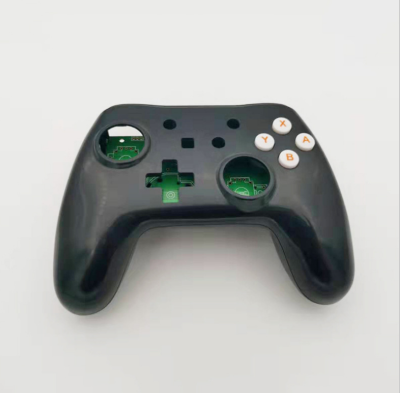
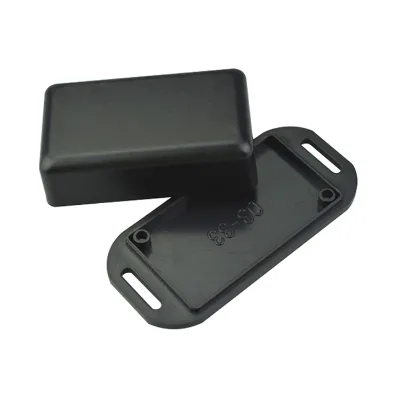
$1500.00 - $2000.00

Hengshui Yousisheng Rubber And Plastic Products Trade Co., Ltd.
- Trading Company
- Hebei, China
- Lead time10 days
- Avg. response≤ 2h
Main productsRubber and plastic Hose,Hardware Accessories and Measurement Instruments Accessories,Home Building materials
Main marketsNorth America(20.00%), Oceania(10.00%), Southern Europe(10.00%), Western Europe(10.00%), Eastern Europe(10.00%), Northern Europe(10.00%), Africa(5.00%), Southeast Asia(5.00%), Eastern Asia(5.00%), South America(5.00%), Domestic Market(3.00%), South Asia(3.00%), Central America(3.00%), Mid East(3.00%)
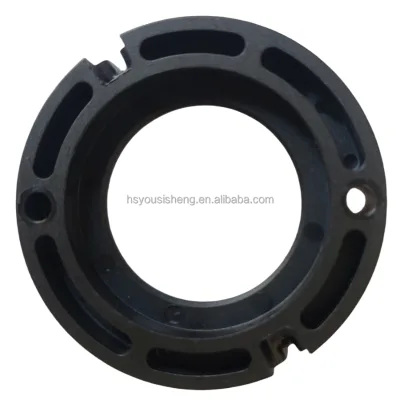
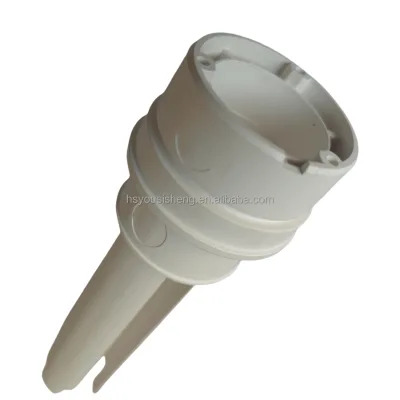
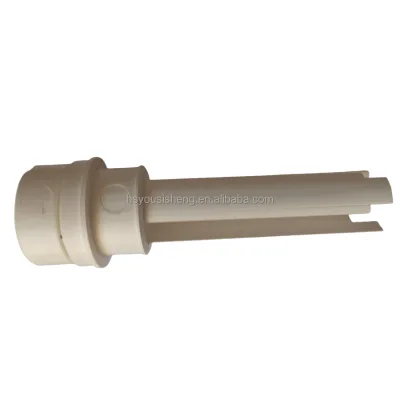
Building Rubber Parts and Rubber Products
$22.00 - $25.00

Dongguan Riteng Industrial Co., Ltd.
- Trading Company,Manufacturer/Factory
- China Guangdong
- Lead time15 days
- Avg. response≤ 25h
Main productsPlastic Extrusion Profiles, Plastic Injection Profiles, Aluminum Extrusion Profiles, Nft Hydroponic System, Low-Smoke Halogen-Free Trunking
Main marketsSouth America,Eastern Europe,Mid East,North America,Southeast Asia,Eastern Asia,Oceania,Western Europe,Africa
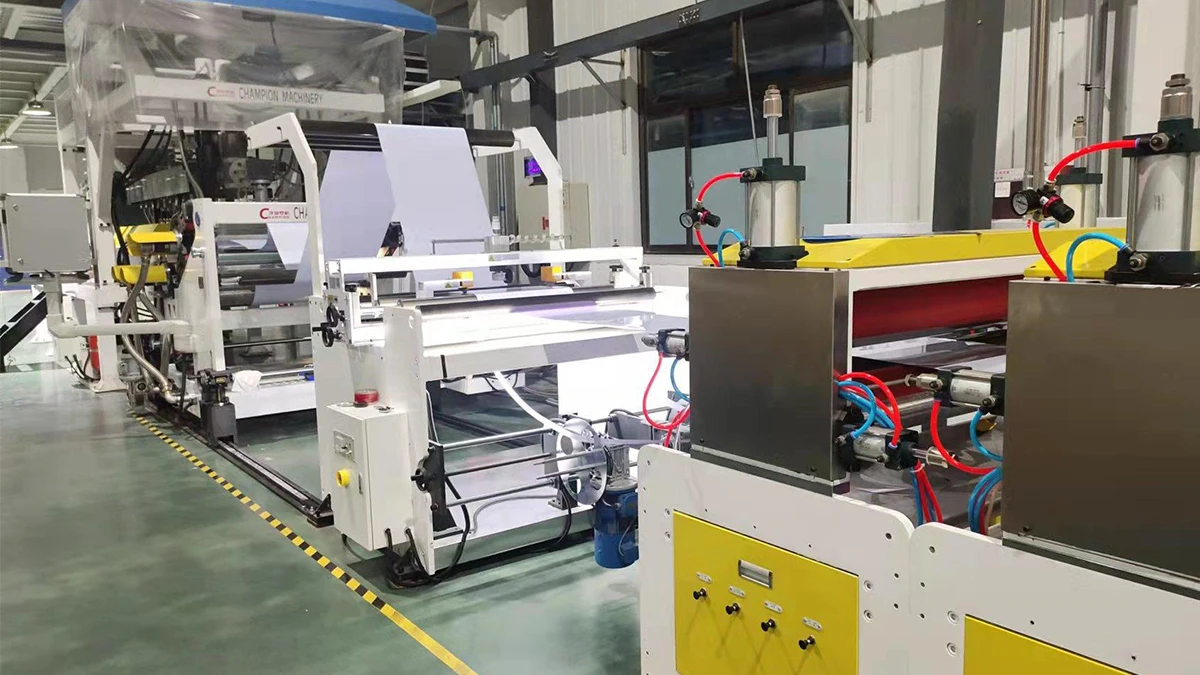
Beijing Daqian Plastic Products Factory
- Manufacturer, Trading Company
- Beijing, China
- Lead time0 days
- Avg. response≤ 3h
Main productsGeneral Plastic Products,Food Grade Plastic Products,Food Container,Plastic Packaging,Fruit Tray
Main marketsDomestic Market(60.00%), North America(30.00%), Northern Europe(10.00%)

Anhui Boom Auto Parts Co., Ltd.
- Verified by SGS
- Combined
- China Anhui
- Lead time30 days
- Avg. response≤ 17h
Main marketsNorth America

Ningbo Plestic Metal Product Co., Ltd.
- Verified by BV
- Combined
- China Zhejiang
- Lead time30 days
- Avg. response≤ 3h
Main productsCustom Plastic Part, Plastic Molding, Custom Plastic Mold, Injection Molding Service, Custom Plastic Product, Plastic Scoop, Plastic Funnel, Nasal Inhaler, Plastic Injection Molding
Main marketsSouth America,Africa,Southeast Asia/ Mideast,East Asia(Japan/ South Korea),Domestic,Europe,Australia,North America

Customized High Precision Plastic Products Customized Plastic Product Injection
$0.10 - $0.30
MOQ: 1000 pieces


P&M Plastic Products: Other Plastic Products, Plastic Injection, Plastic Products
$0.02 - $0.15
MOQ: 100 pieces

Plastic Injection Molding Customized Company Customized Plastic Product Injection Moulding
$0.10 - $0.30
MOQ: 1000 pieces

P&M Quality Manufacture Plastic Injection Mold and Injection Molding Plastic Products
$0.10 - $0.40
MOQ: 100 pieces

Injection Molding Products Injection Mold Factory Plastic Product Manufacturer
$0.50 - $2.00
MOQ: 1000 pieces

Milesun Rubber & Plastic Technology Co., Ltd.
- Verified by CTI
- Manufacturer/Factory
- China Guangdong
- Lead time23 days
- Avg. response≤ 13h
Main productsRubber Components, Rubber Damper/Shock Absorber/Sheet, Rubber-Metal Components, Sealing Ring, Home Appliance Rubber and Metal Components, Power Tool Rubber and Metal Components, Auto Rubber and Metal Components, Sanitary Rubber and Metal Components, Kitchen Ware / Daily Use Rubber Products, Food Grade Rubber Products/Toy
Main marketsSouth America,Eastern Europe,Mid East,North America,Southeast Asia,Eastern Asia,Oceania,Western Europe,Africa

Boye County Zhongheng Metal Products Co., Ltd.
- Verified by BV
- Combined
- China Hebei
- Lead time15 days
- Avg. response≤ 12h
Main productsPolyurethane Sieve Plate, Polyurethane Dewatering Screen Plate, Polyurethane Edged Screen Panels, Polyurethane Relaxion Screen Panels, Polyurethane Tension Screen Plate, Polyurethane Fine Screen Panel, Polyurethane Anti-Blocking Screen Panels, Polyurethane Screen Mesh, Customized Polyurethane Products, Polyurethane Screen Panel
Main marketsDomestic
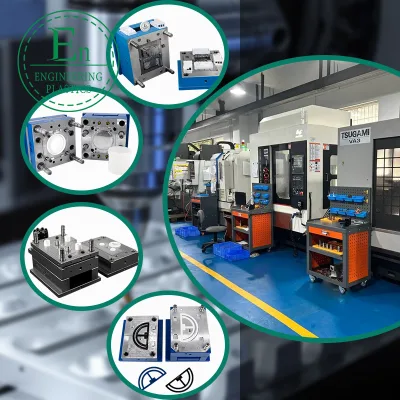
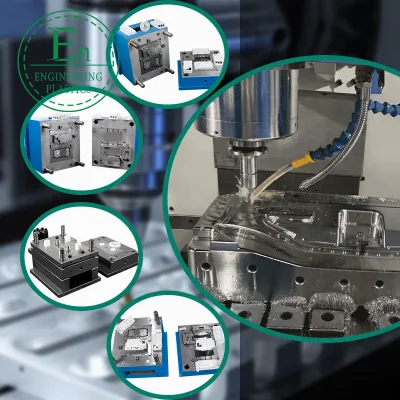
Guangdong Engineering Plastics Industries (group) Co., Ltd.
- Verified by SGS Group
- Manufacturer, Trading Company
- Lead time15 days
- Avg. response≤ 4h
Main productsMould, Moulding Injection Parts, CNC Machining Parts, General Engineering Plastics, High Performance Plastics
Main marketsNorth America(30%), Eastern Europe(16%), Western Europe(16%)

Ningbo Inunion Import and Export Co., Ltd.
- Verified by SGS
- Trading Company
- China Zhejiang
- Lead time30 days
- Avg. response≤ 2h
Main productsMachining Part, Plastic Injection Part, Stamping Parts, Casting Parts, Forging Parts, Weldments, Profile, Metal Parts
Main marketsSoutheast Asia/ Mideast,East Asia(Japan/ South Korea),Europe,Australia,North America

Tongxiang Spring Rubber & Plastics Tech Co., Ltd.
- Verified by SGS
- Combined
- China Zhejiang
- Lead time30 days
- Avg. response≤ 5h
Main productsRubber Product, Rubber Parts, Bellow, Damper, O Ring, Grommet, Gasket, Custom Rubber, Seals, Rubber Plug
Main marketsEurope,North America

Beijing Hong Yun Xi International Trade Company Limited
- Verified by SGS
- Trading Company
- China Beijing
- Lead time23 days
- Avg. response≤ 20h
Main productsFRP Tank, FRP Vessel, FRP Pipe, FRP Tower, FRP Clarifier, FRP Wet Electrostatic Precipitator Tube, FRP Environment Protection Equipment, Fiberglass Mat, Fiberglass Roving, Glass Beads
Main marketsOthers(foreignTradeCapacity.exportBusinessCapacityMarketOther),Southeast Asia/ Mideast

Hangzhou Bright Rubber Plastic Product Co., Ltd.
- Verified by TUVRHEINLAND
- Manufacturer/Factory
- China Zhejiang
- Lead time15 days
- Avg. response≤ 4h
Main productsCustom EPDM/NBR/Silicone Rubber Molding Parts, Custom Nylon/ABS Plastic Injection Molding Parts, Silicone Extrusion Profiles/Tube/Strip, Spong Silicone Extrusion Profiles/Tube/Strip, Rubber Extrusion Profiles/Sealing/Tube/Strip, Rubber Bumper/Shock Absorber/Buffer/Damper, Rubber Seal/Gasket/Ring/O-Ring/Base, Rubber Cushion/Grommet/Bushing/Spacer/Hose/Grip, Plastic Extrusion Profiles/Sealing/Tube/Strip, Metal Parts
Main marketsSouth America,Eastern Europe,Mid East,North America,Southeast Asia,Eastern Asia,Oceania,Western Europe,Africa
LONG NEW PLASTIC STEEL MOLD CO., LTD.
- Verified by SGS Group
- Manufacturer, Trading Company
- Lead time35 days
Main productsPlastic injection mould, Plastic products, Molds OEM service
Main marketsDomestic Market(80%), North America(15%), Oceania(3%)
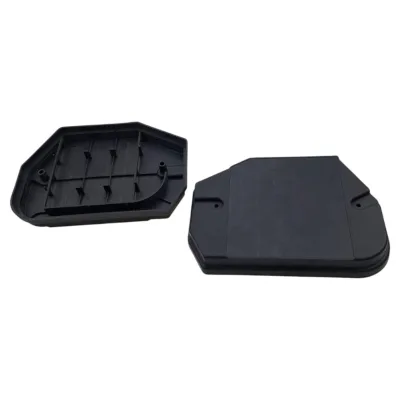
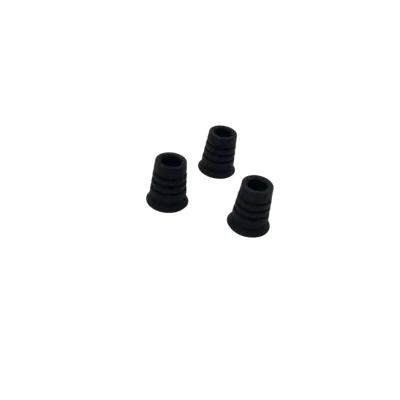
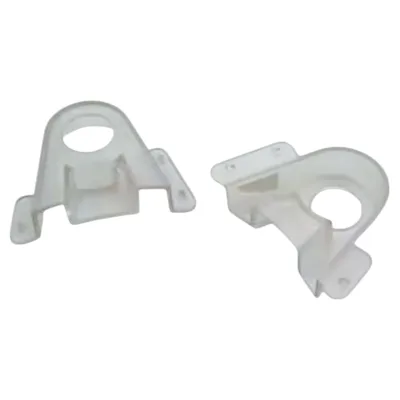
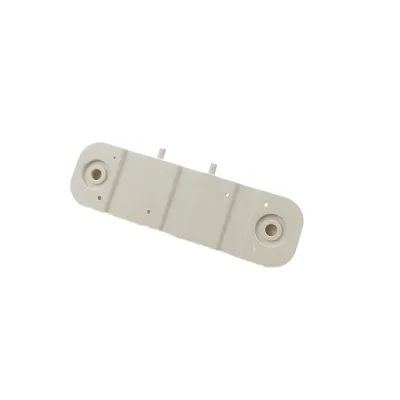
Customizable Durable Black Plastic Case Panel Durable and Customizable Plastic Products
$2.1616 - $4.3726
MOQ: 5 Minimum
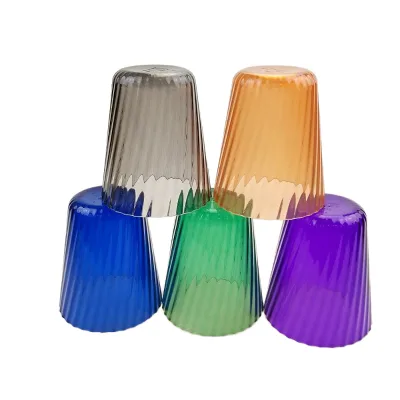
Shenzhen HengxingHan Technology Co., Ltd
- Trading Company
- Guangdong, China
- Lead time0 days
- Avg. response≤ 3h
Main productsCNC Machining, Casting Process, Sheet Metal Fabrication, 3D Printing (Including Metal), Forging
Main marketsEastern Europe(40.00%), Central America(20.00%), North America(15.00%), Northern Europe(10.00%), Southern Europe(5.00%), South America(5.00%), Western Europe(5.00%)

QINGDAO BOYUDE MOULD AND PLASTIC CO., LTD
- Verified by SGS
- Combined
- China Shandong
- Lead time45 days
- Avg. response≤ 8h
Main productsPlastic Parts, Plastic Products, Injection Molded Parts, Plastic Injection Mould, Plastic Fittings, Plastic Component, Plastic Corner, Plastic Buckle, Injection Molding
Main marketsEast Asia(Japan/ South Korea),Europe
Jiangsu Keyuan Rubber & Plastic Products Co., Ltd.
- Verified by Intertek
- Manufacturer, Trading Company
- Lead time20 days
- Avg. response≤ 1h
Main productsSilicone Gasket, Plastic Products, Polyurethane Products, Silicone Seals
Main marketsDomestic Market(90%), South America(5%), Eastern Europe(5%)
$0.13 - $0.22
MOQ: 500 pieces
New Product Custom Design Peroxide Rubber Products Making Cured Epdm Rubber Gasket
$0.12 - $0.22
MOQ: 1000 pieces
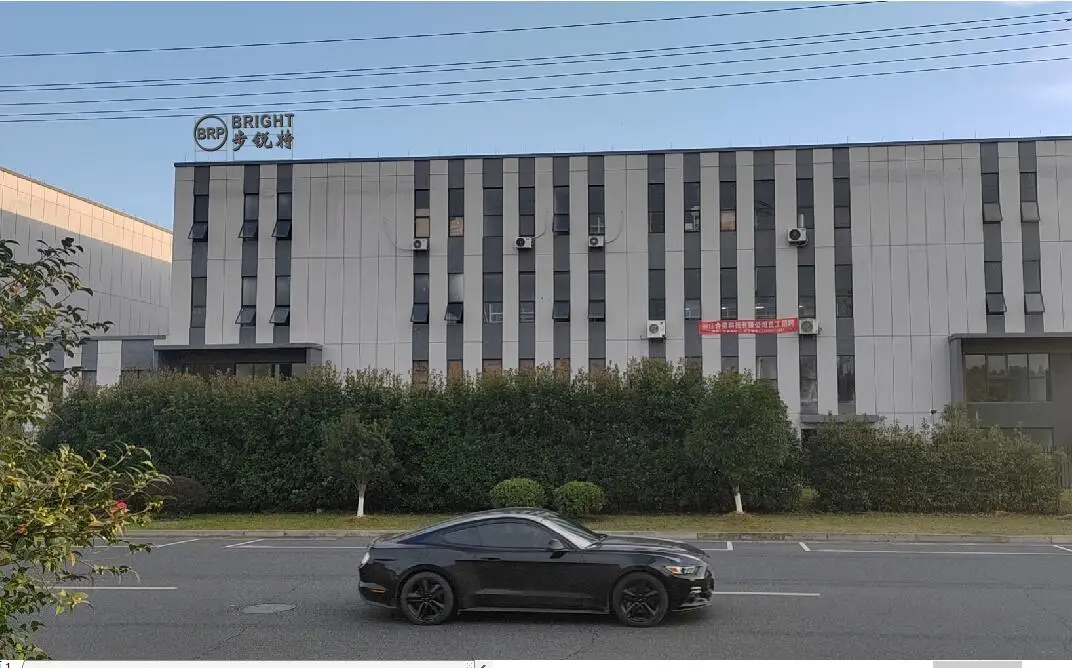
Hangzhou Bright Rubber Plastic Product Co., Ltd.
- Manufacturer, Trading Company
- Zhejiang, China
- Lead time15 days
- Avg. response≤ 3h
Main productsrubber molding parts,rubber extrusion profile,Injection molded plastic parts,plastic extrusion profile,rubber seal
Main marketsNorth America(35.00%), Domestic Market(20.00%), Western Europe(15.00%), Oceania(10.00%), Northern Europe(10.00%), South America(5.00%), Southern Europe(3.00%), Central America(1.00%), Eastern Europe(1.00%)
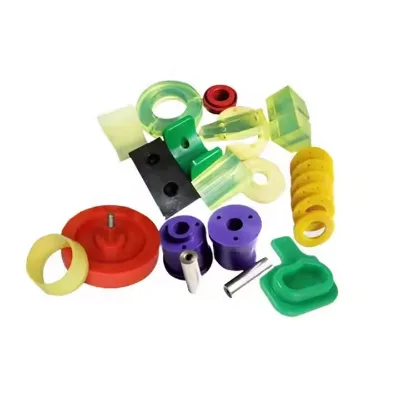
$0.8724 - $2.5663
MOQ: 1 meters
Ningbo Blacking Mould Co., Ltd.
- Manufacturer
- Zhejiang, China
- Lead time30 days
- Avg. response≤ 6h
Main productsInjection mold,Customized plastic products,Polyurethane foam products,Silicone rubber products,Free 3D design products
Main marketsWestern Europe(35.00%), Eastern Asia(24.00%), North America(10.00%), South America(10.00%), Central America(5.00%), Southeast Asia(5.00%), Africa(3.00%), Eastern Europe(3.00%), Mid East(3.00%), Oceania(2.00%)
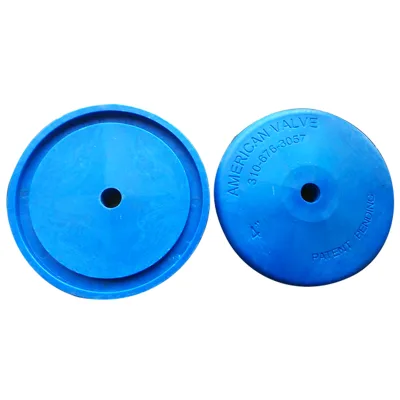
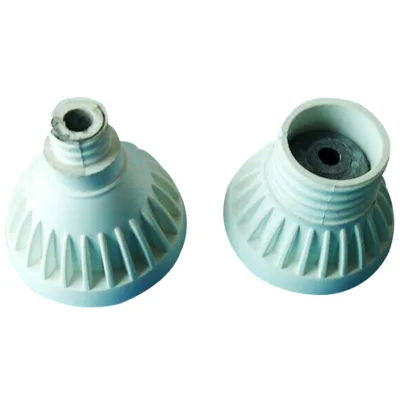
We Accept Custom Plastic Products, Containers, High-demand Products, and Custom Plastic Parts
$0.30 - $10.00
MOQ: 500 Minimum
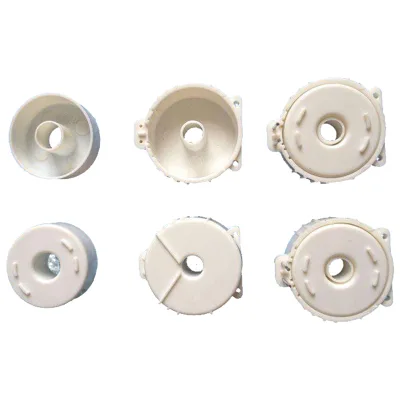
$0.3148 - $10.49
MOQ: 500 Minimum

Ningbo Yombo Rubber & Plastic Products Co., Ltd.
- Combined
- China Zhejiang
- Lead time30 days
- Avg. response≤ 20h
Main productsPlastic Products, Rubber Products, Silicon Rubber Products, Rubber Roof Flashing, Roof Flashing, Rubber Seal, Master Flash, Rubber Auto Parts, Rubber Parts, Plastic Parts
Main marketsDomestic,Europe,Australia,North America

- Verified by BV
- Combined
- China Guangdong
- Lead time15 days
- Avg. response≤ 3h
Main marketsAfrica,Southeast Asia/ Mideast,East Asia(Japan/ South Korea),Domestic,Europe,Australia,North America

China Best Selling Product Custom Plastic Molding Products Customized Plastic Molding Manufacturers
$3.00 - $5.00
MOQ: 1 Pieces


Various High Quality Hot Selling Plastic Injection Molding Custom Products
$3.00 - $5.00
MOQ: 1 Pieces
Dongguan Btai Electronic Technology Co., Ltd.
- Verified by SGS Group
- Manufacturer, Trading Company
- Lead time20 days
- Avg. response≤ 2h
Main productsInjection mold, Plastic products, Silicone rubber products, Household plastic products, Electronic plastic products
Main marketsNorth America(30%), Western Europe(20%), Southeast Asia(10%)
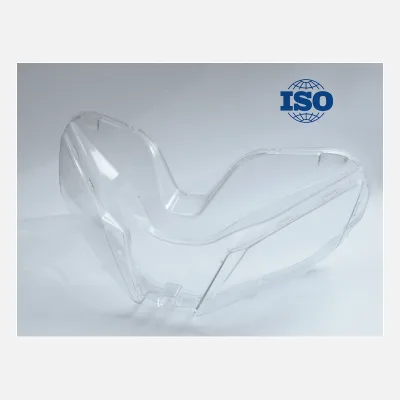
Pc Plastic Mold Injection Plastic Products Acrylic Injection Molding PMMA Plastic Products
$0.10 - $1.00
MOQ: 100 Minimum
$0.10 - $0.90
MOQ: 100 Minimum
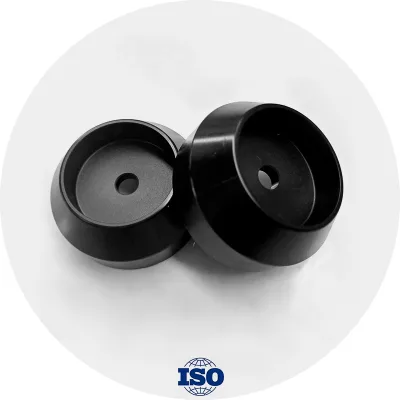
High-quality Semi-finished Products and Custom Plastic Parts Drawings Are Ready for Export
$0.263 - $5.96
MOQ: 100 Minimum

Xiamen Neway Rubber & Plastic Products Co., Ltd.
- Verified by BV
- Combined
- China Fujian
- Lead time15 days
- Avg. response≤ 3h
Main productsPlastic Injection Molding, Plastic Parts, Silicone Rubber Parts, Gasket Seals, Rubber Grommet, Mould, O Ring, Extrusion Strip, Metal Parts, Suction Cup
Main marketsSouth America,Africa,Southeast Asia/ Mideast,East Asia(Japan/ South Korea),Europe,Australia,North America

Shanghai Matech Machinery Manufacture Corporation Ltd.
- Verified by TUVRHEINLAND
- Combined
- China Shanghai
- Lead time30 days
- Avg. response≤ 4h
Main productsCasting, Ball Valve, Gate Valve, Casting Parts, Iron Casting, Aluminum Casting, Steel Casting, Stainless Steel Casting, Machining, Conveyor Chains
Main marketsEast Asia(Japan/ South Korea),Europe,North America


High Precision Custom Injection Molded Plastic Products for Various Applications
$1.45
MOQ: 100 Pieces

Kangde Electronic Technology (Guangdong) Co., LTD
- Verified by TUVRHEINLAND
- Combined
- China Guangdong
- Lead time30 days
- Avg. response≤ 1h
Main productsPlastic Injection Mould, Auto Plastic Parts, Electronic Plastic Parts, Mobile Phone Housing, Camera Housing, Remoter Housing, Loudspeaker Housing, Plastic Sheets, Smart Sweeper, Hardware
Main marketsEurope

Xiamen Haosen Plastic Products Co., Ltd.
- Verified by SGS
- Combined
- China Fujian
- Lead time23 days
- Avg. response≤ 3h
Main productsPlastic Container, Plastic Hanger, Building Plastic. Plastic Chair, Injection Molding
Main marketsSoutheast Asia/ Mideast,East Asia(Japan/ South Korea),Europe,Australia,North America


Custom Plastic Products with Advanced Production and Quality Control
$1.00 - $10000.00
MOQ: 1000 Pieces


Hebei Yanlong Rubber & Plastic Technology Co., Ltd.
- Manufacturer, Trading Company
- Hebei, China
- Lead time15 days
- Avg. response≤ 5h
Main productsPlastic customized parts,Rubber customized parts,Rubber lining,Rubber dust cover,Steering gear dust cover
Main marketsDomestic Market(38.00%), North America(9.00%), Mid East(8.00%), South America(7.00%), Oceania(6.00%), Southeast Asia(5.00%), Eastern Europe(5.00%), South Asia(3.00%), Africa(3.00%), Southern Europe(3.00%), Northern Europe(3.00%), Central America(3.00%), Western Europe(3.00%), Eastern Asia(1.00%)
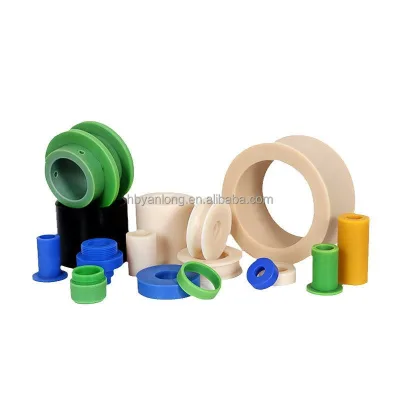
High Quality Custom Mold Plastic Parts Low Price Non-Standard Plastic Products
$0.0105 - $0.4302
MOQ: 10 Minimum
- Trading Company
- Hunan, China
- Lead time2 days
- Avg. response≤ 13h
Main productsFedEx,DHL,UPS,FBA Amazon shipping,Sea shipping
Main marketsNorth America(25.00%), South America(10.00%), Eastern Europe(10.00%), Oceania(10.00%), Eastern Asia(10.00%), Western Europe(10.00%), Central America(10.00%), Mid East(5.00%), Northern Europe(5.00%), Southern Europe(5.00%)

SHENZHOU CITY SANSHI RUBBER CO., LTD.
- Verified by BV
- Combined
- China Hebei
- Lead time15 days
- Avg. response≤ 8h
Main productsRubber Part, Oil Seal, Rubber Gasket, Rubber Sealing, Operation of Machinery Parts, Handle, Knob, Handwheel, Nylon Gaskets, PTFE Gasket
Main marketsSouth America,Africa,Southeast Asia/ Mideast,East Asia(Japan/ South Korea),Domestic,Europe,Australia,North America











Comprehensive Sourcing Guide
Customized Color Polymer Products Supplier Concentration and Factory Types
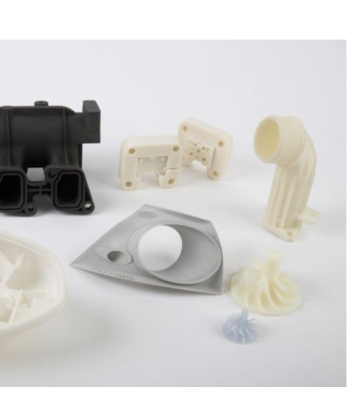
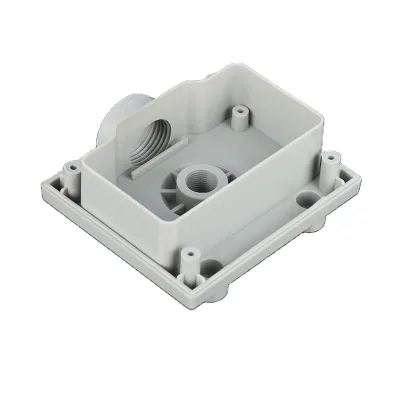
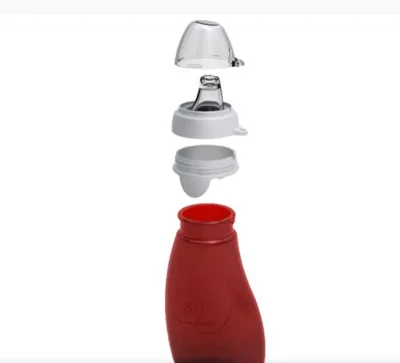
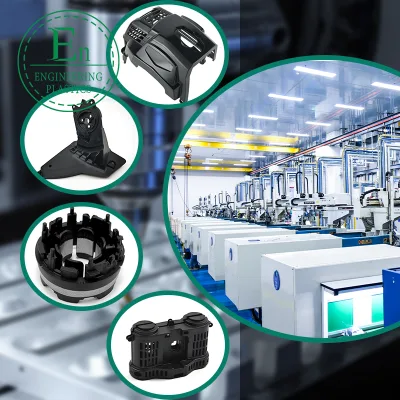
The current supplier landscape for Customized Color Polymer Products reveals a distinct geographic and operational structure that buyers must navigate carefully. Evidence indicates that manufacturing capabilities are concentrated in specific industrial hubs within China, with notable presence in Zhejiang and Guangdong provinces. Zhejiang suppliers often operate as trading companies, leveraging their location to facilitate international trade while sourcing from local manufacturing networks. These entities typically offer a broad range of related services, including injection molding, rapid prototyping, and 3D printing, which are critical for developing complex polymer geometries. In contrast, suppliers in Guangdong frequently present themselves as both manufacturers and trading companies, suggesting a more integrated supply chain where production and sales are managed under one roof. This dual role can streamline communication but requires buyers to verify the actual production capacity versus the trading volume. The presence of Hebei-based suppliers adds another layer to this geographic distribution, though specific operational details for this region are less defined in the current data set. Understanding these regional distinctions is vital because it influences lead times, communication styles, and the types of customization available. Buyers should recognize that a supplier’s declared location may not always reflect the exact factory site, especially for trading companies that aggregate products from multiple workshops. Therefore, assessing the true nature of the supplier’s operation is the first step in effective sourcing.
Beyond geography, the type of company significantly impacts the sourcing strategy for Customized Color Polymer Products. Trading companies often provide greater flexibility in terms of product variety and order consolidation, allowing buyers to source multiple components from a single point of contact. This is particularly useful for projects requiring diverse materials or finishes, such as combining plastic injection molding with rubber components. However, this model may introduce additional layers of markup and potential communication delays. On the other hand, manufacturers who also engage in trading activities may offer more direct access to production lines, potentially reducing costs and improving quality control. These suppliers often highlight capabilities in OEM and ODM services, indicating a willingness to adapt existing designs or create new ones from scratch. The availability of advanced design software, such as UG, among some suppliers suggests a higher level of technical proficiency in mold design and engineering. Buyers must weigh the benefits of consolidated sourcing against the need for direct manufacturing oversight. It is essential to determine whether the supplier’s primary value proposition lies in their logistical network or their technical manufacturing expertise. This distinction will guide the selection process and ensure that the chosen partner aligns with the project’s specific requirements for customization and scale.
How to Verify Customized Color Polymer Products Suppliers
Verifying the credibility and capability of suppliers for Customized Color Polymer Products requires a multi-faceted approach that goes beyond surface-level claims. One critical step is to examine the verification status provided by third-party inspection agencies. For instance, some suppliers in the current results hold BV (Bureau Veritas) verification, which indicates that an independent audit has been conducted to assess their business legitimacy and operational capabilities. This verification serves as a foundational layer of trust, confirming that the company exists and operates within legal frameworks. However, buyers should not rely solely on this badge; it is a starting point rather than a guarantee of quality. It is advisable to request detailed audit reports or conduct follow-up questions to understand the scope of the verification. Additionally, checking the supplier’s response time can offer insights into their operational efficiency and customer service commitment. A response time of around eight hours, as seen in some profiles, suggests a reasonable level of attentiveness, while faster responses may indicate a more agile team. Buyers should also look for consistency in communication, noting how quickly and thoroughly suppliers address technical queries regarding material properties and color matching. This responsiveness is often a proxy for their ability to handle complex customization requests and resolve issues during production.
Another vital aspect of verification involves scrutinizing the supplier’s certifications and product specifications. Certifications such as CE, RoHS, UL, FDA, and REACH are frequently listed for rubber and plastic products, indicating compliance with international safety and environmental standards. For Customized Color Polymer Products, these certifications are crucial, especially if the end-use involves consumer goods, automotive parts, or household appliances. Buyers should verify that these certifications are current and applicable to the specific products being ordered, rather than just generic company credentials. Furthermore, examining the product attributes listed, such as working temperature ranges and mold life, provides technical evidence of the supplier’s expertise. For example, a mold life of 500,000 to 1,000,000 cycles suggests high-quality tooling and durable manufacturing processes. Buyers should also assess the supplier’s ability to provide detailed product documentation, including material data sheets and test reports. If a supplier cannot provide clear evidence of their capabilities or if their certifications seem vague, it may be a red flag. Engaging in direct technical discussions can help clarify these points and ensure that the supplier has the necessary expertise to deliver Customized Color Polymer Products that meet specific performance criteria. This due diligence minimizes the risk of receiving substandard products and ensures that the supplier is a reliable partner for long-term collaboration.
What to Compare Across Customized Color Polymer Products Suppliers
When evaluating multiple suppliers for Customized Color Polymer Products, buyers must systematically compare key operational metrics to identify the most suitable partner. Lead time is a critical factor, as it directly impacts project timelines and inventory management. Current data shows significant variation, with some suppliers offering lead times as short as seven days, while others may require up to thirty days. This disparity often reflects differences in production capacity, mold availability, and order complexity. Buyers should align their project schedules with suppliers whose lead times match their urgency, while also considering the trade-offs between speed and cost. Response time is another essential metric, indicating how efficiently a supplier handles inquiries and changes. A faster response time, such as three hours compared to eight hours, can be advantageous for projects requiring rapid iterations or quick problem resolution. However, buyers should also assess the quality of the response, ensuring that technical details are addressed accurately. Additionally, comparing the range of main products offered can reveal a supplier’s versatility. Suppliers offering a mix of injection molding, rapid prototyping, and rubber molding may be better equipped to handle complex, multi-material projects. This versatility can simplify the sourcing process by allowing buyers to consolidate orders with a single partner.
Price and minimum order quantity (MOQ) are also pivotal in the comparison process. While some suppliers list specific price points, others may require direct quotation based on design complexity and volume. Buyers should note that prices can vary significantly based on material selection, color customization, and mold requirements. For instance, some products may have a fixed price range, while others are priced per unit with a low MOQ of one, offering flexibility for prototyping. It is important to request detailed quotes that break down costs for tooling, material, and production. This transparency helps buyers understand the cost drivers and negotiate better terms. Furthermore, comparing the customization options available is crucial. Suppliers that offer ODM and OEM services, along with advanced design software capabilities, can provide greater flexibility in meeting specific design requirements. Buyers should also evaluate the warranty and after-sales support offered, as this can impact the total cost of ownership. By systematically comparing these factors, buyers can make informed decisions that balance cost, quality, and service. This structured approach ensures that the selected supplier not only meets the technical specifications but also aligns with the buyer’s operational and financial goals.
Common Customized Color Polymer Products Sourcing Risks
Sourcing Customized Color Polymer Products involves several inherent risks that buyers must proactively manage to ensure project success. One significant risk is the potential for color mismatch or inconsistency, which can arise from variations in material batches or manufacturing processes. Since color customization is a key requirement, buyers must establish strict color standards and request physical samples before mass production. Relying solely on digital color codes can lead to discrepancies, as lighting conditions and screen calibrations vary. Another risk is the quality of the mold itself, which directly affects the precision and durability of the final product. Suppliers with lower mold life ratings or less advanced manufacturing processes may produce parts with defects such as flash, warping, or incomplete filling. Buyers should verify the mold design and material quality, ensuring that the supplier uses high-grade steel and precision machining techniques. Additionally, there is a risk of intellectual property leakage, especially when sharing detailed designs with new suppliers. Buyers should implement non-disclosure agreements and consider using trusted verification services to protect their designs. Communication barriers can also pose a risk, particularly when dealing with suppliers in different time zones or with limited English proficiency. Misunderstandings regarding technical specifications can lead to costly rework or delays.
Another common risk is the reliability of the supplier’s supply chain, which can be disrupted by raw material shortages or logistical issues. Suppliers who rely on third-party manufacturers may face delays if their subcontractors encounter problems. Buyers should assess the supplier’s supply chain resilience and ask about their contingency plans. Furthermore, there is a risk of hidden costs, such as additional charges for mold maintenance, color matching, or expedited shipping. Buyers should request a comprehensive quote that includes all potential fees to avoid surprises. Compliance with international standards is another area of risk, as non-compliant products may be rejected in certain markets. Buyers must ensure that the supplier’s certifications are valid and applicable to their target markets. Finally, there is the risk of poor after-sales support, which can leave buyers without recourse if defects are discovered post-delivery. Buyers should evaluate the supplier’s warranty terms and return policies before committing to an order. By identifying and mitigating these risks through thorough due diligence and clear contractual agreements, buyers can protect their interests and ensure a smoother sourcing experience. This proactive approach helps to build a robust supply chain that can withstand potential challenges and deliver high-quality Customized Color Polymer Products.
Customized Color Polymer Products Regional Sourcing and Logistics
Regional sourcing plays a crucial role in determining the logistics and cost structure for Customized Color Polymer Products. The current supplier data highlights a concentration of manufacturers in China, specifically in Zhejiang and Guangdong provinces. Zhejiang is known for its robust trading infrastructure, making it a hub for international commerce. Suppliers in this region often excel in coordinating complex orders and managing export logistics, which can be beneficial for buyers seeking a streamlined sourcing process. However, buyers should be aware that trading companies in Zhejiang may source from multiple factories, which can complicate quality control. Guangdong, on the other hand, is a major manufacturing base with a strong focus on electronics and precision engineering. Suppliers here often have direct access to advanced manufacturing technologies, which can be advantageous for high-precision polymer products. The presence of suppliers in Hebei adds another dimension, though specific logistical advantages are less clear. Buyers should consider the proximity of the supplier to major ports, as this can impact shipping times and costs. For instance, suppliers in Guangdong may have easier access to Shenzhen or Guangzhou ports, facilitating faster export to global markets.
Logistics planning must also account for the specific requirements of polymer products, which can be sensitive to temperature and humidity during transit. Buyers should ensure that the supplier uses appropriate packaging, such as steel boxes or customized protective materials, to prevent damage. The choice of shipping method, whether by sea or air, will depend on the urgency of the order and the volume of goods. Sea freight is cost-effective for large orders but takes longer, while air freight is faster but more expensive. Buyers should negotiate clear Incoterms with their supplier to define responsibilities for shipping and insurance. Additionally, understanding the local regulations and import duties in the destination country is essential to avoid unexpected costs. Buyers should also consider the environmental impact of their sourcing decisions, opting for suppliers who adhere to sustainable practices. By carefully evaluating the regional strengths and logistical capabilities of suppliers, buyers can optimize their supply chain for efficiency and cost-effectiveness. This strategic approach ensures that the customized color polymer
FAQs
What certifications are available for customized rubber and plastic products?
Suppliers offer CE, RoHS, UL, FDA, and REACH certifications for rubber molded items. Plastic injection products may carry Ts16949 standards. These credentials ensure compliance with international safety and environmental regulations for automotive and household applications.
What is the typical lead time for custom plastic injection molds?
Lead times vary by supplier location and complexity. Some manufacturers in Guangdong provide rapid turnaround within seven days. Others in Zhejiang may require up to thirty days for standard production. Buyers should confirm specific schedules based on order volume and design requirements.
What is the minimum order quantity for custom polymer parts?
Minimum order quantities can be as low as one unit for certain rubber molded products. This allows for prototyping and small batch testing. Buyers seeking larger volumes should verify specific MOQs with suppliers, as some may require higher thresholds for cost efficiency.
What materials are used for customized plastic injection molding?
Common materials include PVC, HDPE, and POM. Suppliers also handle thermosetting plastics and liquid plastic forms. These materials are selected based on application needs, such as durability for automotive parts or flexibility for household appliances. Customization is available for specific material properties.
How quickly do suppliers respond to sourcing inquiries?
Response times vary, with some suppliers replying within three hours. Others may take up to eight hours to provide initial feedback. Fast response speeds indicate active sales teams ready to assist with technical specifications and pricing details for urgent sourcing needs.
What is the price range for custom plastic injection products?
Prices for plastic injection products typically start around two thousand dollars. Some rubber molded items may be priced lower, starting near five hundred dollars. Costs depend on cavity count, material selection, and customization levels. Buyers should request quotes for accurate pricing.