Diamond Face Shape Titanium Eyeglasses Suppliers and Manufacturers
Explore 22 verified options for Diamond Face Shape Titanium Eyeglasses from manufacturers and trading companies. Compare response times, lead times, certifications, and prices to find the right partner. Contact suppliers directly to request samples or custom molds; review the available evidence before requesting comparable quotations from suitable candidates.
Updated
Suppliers List
Wenzhou Higo Optical Co., Ltd.
- Verified by Intertek
- Manufacturer, Trading Company
- Lead time30 days
- Avg. response≤ 4h
Main productsSunglasses, Optical Frame, Clip on Eyeglasses Frame
Main marketsEastern Europe(40%), Oceania(20%), Africa(12%)
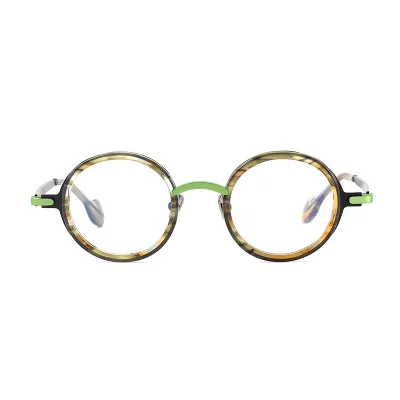
$15.4547 - $16.4845
MOQ: 15 pieces
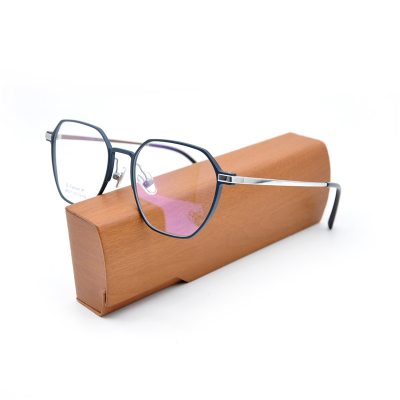
Hotsale Metal Women Eyeglasses Titanium Optical Frames Men Optical Frame Top Quality Eyewear
$7.00 - $8.00
MOQ: 15 pieces
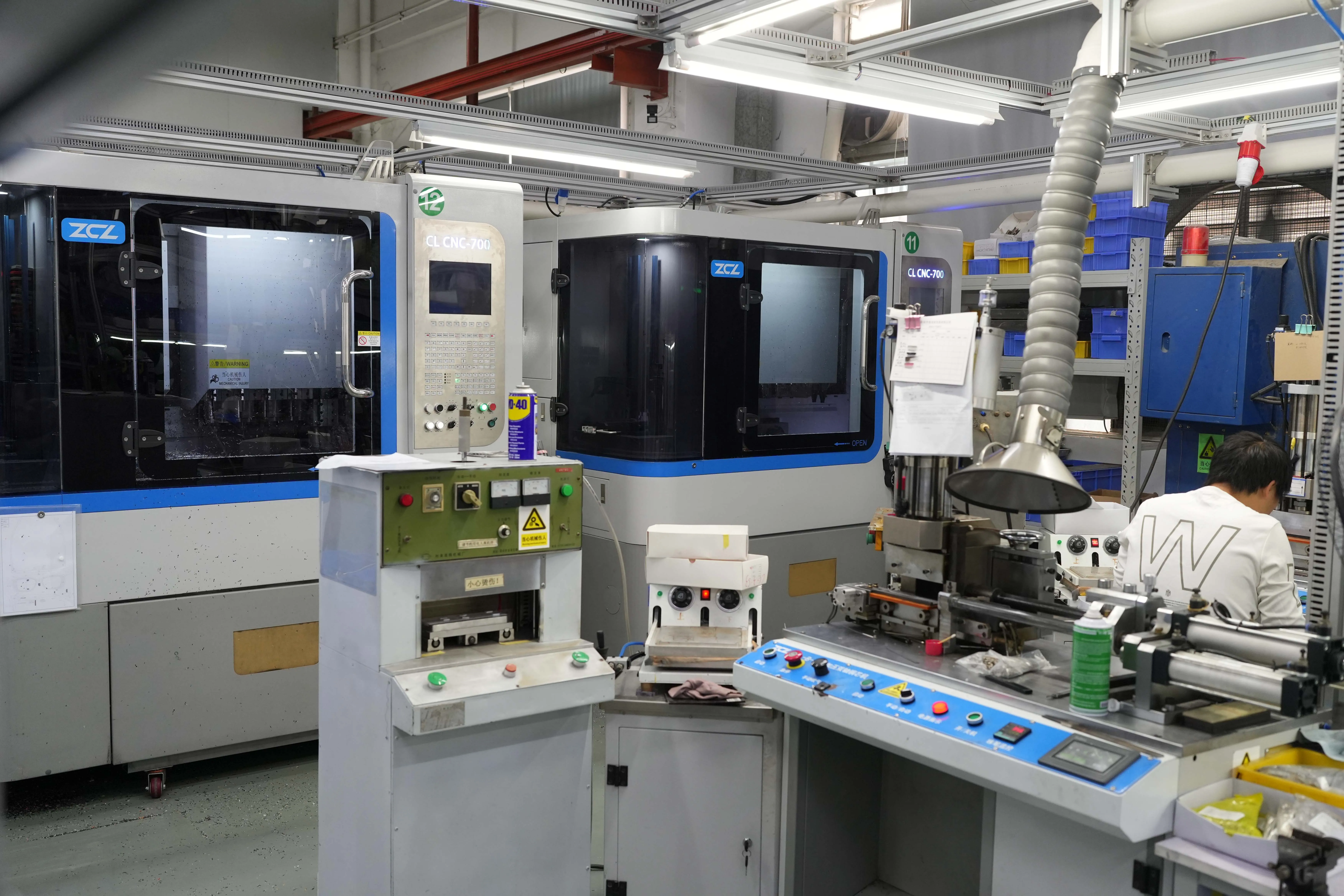
Shenzhen Lesen Glasses Co., Ltd.
- Manufacturer, Buying Office
- Guangdong Province, China
- Lead time0 days
- Avg. response≤ 2h
Main productsThe international trade,Glasses custom,Glasses wholesale,One-stop operation
Main marketsDomestic Market(50.00%), Southeast Asia(8.00%), North America(5.00%), Africa(5.00%), Eastern Asia(5.00%), Western Europe(5.00%), Southern Europe(4.00%), South America(3.00%), Mid East(2.00%), Oceania(2.00%), Central America(2.00%), Eastern Europe(2.00%), Northern Europe(1.00%)
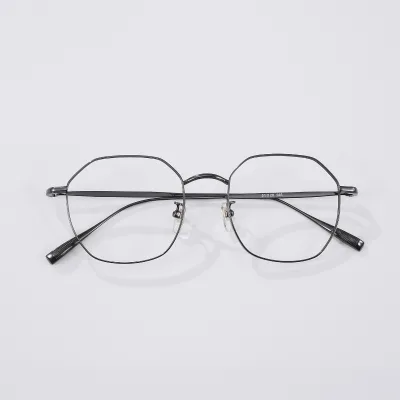
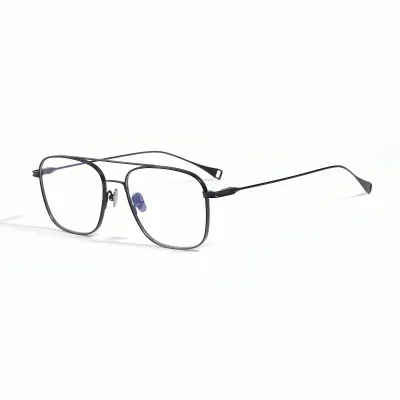
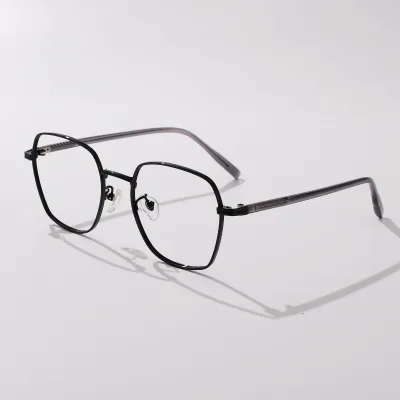
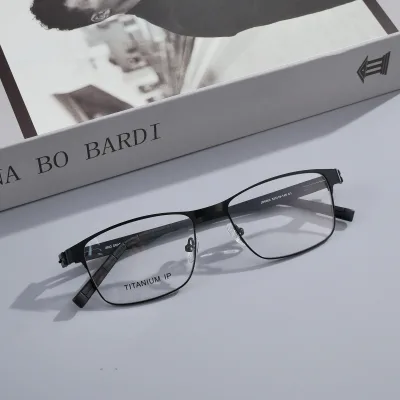
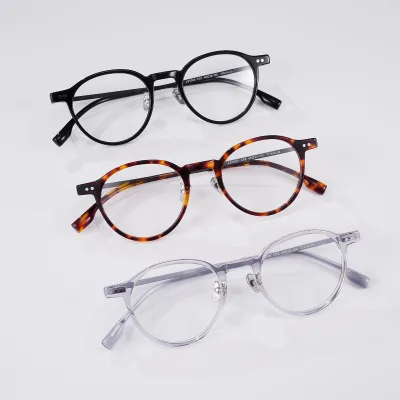
Eyeglasses Frames Titanium Eyewear Frames
$12.33 - $14.66


Wenzhou Readsun Optical Co., Ltd.
- Verified by SGS
- Trading Company,Manufacturer/Factory
- China Zhejiang
- Lead time60 days
- Avg. response≤ 7h
Main productsSunglasses, Reading Glasses, Optical Frame, Plastic Sunglasses, Kid's Sunglasses, Metal Sunglasses, Sport Sunglasses, Titanium Optical Frame, LED Reading Glasses, Promotion Sunglasses
Main marketsSouth America,Eastern Europe,Mid East,North America,Southeast Asia,Eastern Asia,Oceania,Western Europe,Africa


Titanium Glasses Frame Men 2022 Optical Eyeglasses Frames Titanium Eyewear Spectacles
$5.00 - $7.00
MOQ: 300 Pieces

Titanium Optical Lenses Glasses Frame Men Myopia Eyeglasses Metal Eyewear
$5.00 - $7.00
MOQ: 300 Pieces


Luxury Pure Titanium Optical Frame, Titanium Eye Glass Frames Optical Glasses
$8.00 - $15.00
MOQ: 300 Pieces

Factory Patent Design 100% Titanium Glasses Eyewear Optical Frame for Ladies Men
$5.00 - $7.00
MOQ: 300 Pieces

- Verified by SGS
- Trading Company
- China Zhejiang
- Lead time30 days
- Avg. response≤ 3h
Main productsOptical Frames, Sunglasses, Reading Glasses, Blue Block Glasses, Glasses Cases, Clean Cloth, Glasses Accessories, Clip on Glasses, Glasses Lenses
Main marketsSouth America,Africa,Southeast Asia/ Mideast,Europe,North America

Premium Optical Titanium Eyeglasses Frame 100% Titanium Glasses Eyewear Optical Prescription Glasses
$15.80 - $17.80
MOQ: 12 Pieces

High Quality Metal Eyeglass Frames Modern Style Eyeglasses Titanium Optical Frames
$6.85 - $8.15
MOQ: 12 Pieces

Danyang Sanhon Optical Co., Ltd
- Verified by BV
- Trading Company
- China Jiangsu
- Lead time15 days
- Avg. response≤ 5h
Main productsOptical Lenses, Optical Glasses
Main marketsSouth America
Wenzhou Kangjing Optics Co., Ltd.
- Manufacturer, Trading Company
- Lead time旺季: "1 - 25":7,"26 - 800":45,"> 800":"To be negotiated", 淡季: "1 - 25":7,"26 - 800":45,"> 800":"To be negotiated"
- Avg. response≤ 2h
Main productsSunglasses, Reading Glasses, Optical Frames, Sports Sunglasees
Wenzhou Dongtian Imp.&Exp. Co., Ltd.
- Verified by Intertek
- Manufacturer, Trading Company
- Lead time90 days
- Avg. response≤ 7h
Main productsSunglasses, Optical Glasses Frame, Reading Glasses, Acetate Glasses Frame
Main marketsNorth America(60%), Western Europe(10%), Northern Europe(10%)

Wenzhou Higo Optical Co., Ltd.
- Combined
- China Zhejiang
- Lead time45 days
- Avg. response≤ 10h
Main productsEyeglass, Optical Frames, Eyewear, Optical Frame, Spectacle Frame
Main marketsDomestic,Europe

Men Women Ultra Light Titanium Eyeglasses Frame Glasses Optical Eyewear
$11.00 - $12.00
MOQ: 12 Pieces

High Quality Customized Rectangle Titanium Optical Frame Glasses Eyewear Eyeglasses
$8.00 - $11.00
MOQ: 15 Pieces

Wholesale Fashion Pure Titanium Eye Glasses Frames Women Spectacle Optical Eyeglasses Frames
$8.00 - $11.00
MOQ: 15 Pieces



Changsha Shen Rui Technology Co., Ltd.
- Manufacturer, Trading Company
- Hunan, China
- Lead time15 days
- Avg. response≤ 2h
Main productssunglasses,Eyeglasses Parts,reading glasses,eyeglass frame,anti blue light glasses
Main marketsWestern Europe(25.00%), North America(25.00%), Domestic Market(18.00%), Eastern Asia(10.00%), Eastern Europe(3.00%), South America(3.00%), Southeast Asia(3.00%), Mid East(3.00%), Oceania(3.00%), South Asia(3.00%), Central America(1.00%), Africa(1.00%), Southern Europe(1.00%), Northern Europe(1.00%)

Sky & Sea Optical MFY Co., Ltd.
- Verified by SGS
- Combined
- China Zhejiang
- Lead time60 days
- Avg. response≤ 6h
Main productsOptical Frame, Sunglasses, Reading Glasses, 3D Glasses, Blocking Pad, Eyeglasses, Optical Frames, Glasses Case, Safety Glasses, Lens Cleaner
Main marketsSouth America,Europe,North America

Fashion Square Titanium Frameless Metal Rimless Optical Frame Glasses Eyewear Eyeglasses
$6.00 - $9.00
MOQ: 100 Pieces

Wholesale Fashion Cat Eye Titanium Frame Metal Rimless Optical Glasses Eyewear Eyeglasses
$6.00 - $9.00
MOQ: 100 Pieces

Wholesale Fashion Square Titanium Frameless Metal Rimless Optical Glasses Eyewear Eyeglasses
$6.00 - $9.00
MOQ: 100 Pieces

High Quality Men Titanium Rimless Glasses Frames Women Optical Frame Eyeglasses
$9.00 - $10.50
MOQ: 12 Pieces

Titanium Acetate Eyeglasses Frame for Optical Eye Glasses Round Retro Design Eyewear Glasses
$17.00 - $20.00
MOQ: 12 Pieces

Titanium Eyewear Trendy Unisex Glasses Frame Eyeglasses Men Women Optical Eyewear Optical
$9.00 - $10.50
MOQ: 12 Pieces
Wenzhou Liangdian Optical Co., Ltd.
- Verified by Intertek
- Manufacturer, Trading Company
- Lead time7 days
- Avg. response≤ 6h
Main productsOptical Frame, Sunglasses
Main marketsMid East(24%), Southeast Asia(15%), Eastern Asia(15%)
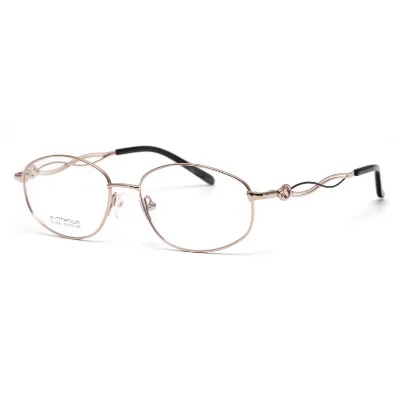
NEW Arrival Antique Classic Special Titanium Irregular Frames Optical Eyeglasses
$12.8344 - $14.3754
MOQ: 12 pieces
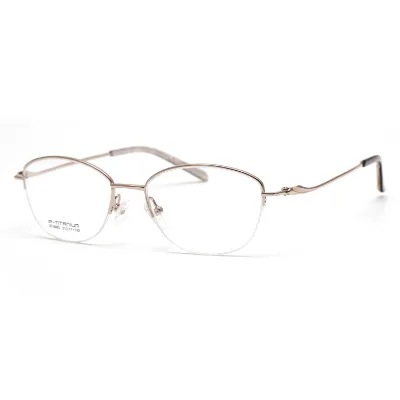
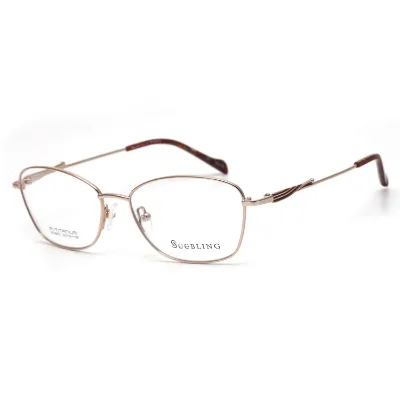
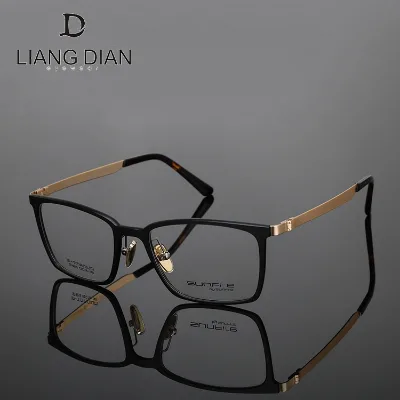
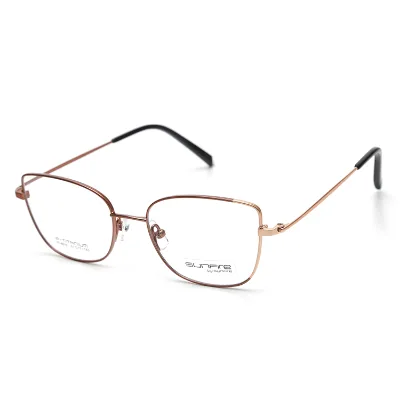
Cat Eye Titanium Optical Frames Double Color for Lady
$12.00 - $14.00
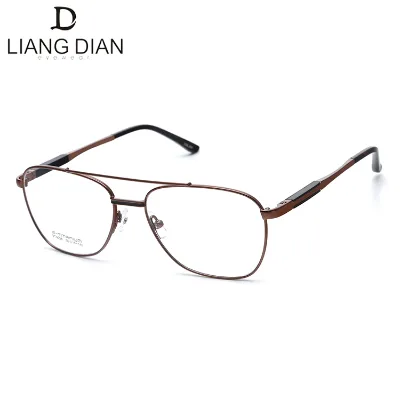
Danyang Feng Chao Glasses Co., Ltd.
- Verified by SGS Group
- Manufacturer, Trading Company
- Lead time7 days
- Avg. response≤ 2h
Main productsEyeglasses Frames, Glasses
Main marketsSoutheast Asia(50%), South America(10%), South Asia(10%)

Danyang Xinjingjie Glasses Co., Ltd.
- Trading Company
- China Jiangsu
- Lead time0 days
- Avg. response≤ 8h
Main productsEyeglasses Accessories, Kids Eyeglasses, Sunglasses, Optical Glasses, Sun Lens/ Tinted Lens, Blue Cut Lenses

Oval Italian Optical Frames Women Titanium Eyewear Frames Titanium Glasses Eyeglasses Frames
$16.99 - $20.89
MOQ: 10 pair

Titanium Frame Alloy Super Light and Thin Reading Eyewear Retro Design Blue Anti Light Eyeglasses
$6.50 - $8.50
MOQ: 10 pair


Hot Sale Fashion Semi-Titanium Polygon Eyewear Irregular Shape Eyeglasses
$10.69 - $13.63
MOQ: 10 pair


- Verified by BV
- Trading Company
- China Zhejiang
- Lead time30 days
- Avg. response≤ 8h
Main productsSunglass, Optical Frame, Sports Sunglasses, Kid's Optical Frames, Reading Glasses, Polarized Sunglasses, Eyeglasses Frame, Sun Glasses, Eyewear Frame, Sunglasses Case
Main marketsEurope,North America

Executive Optical Glasses Titanium Frame Titan Metal Eyeglasses Eye Glasses Frames
$7.60 - $8.00
MOQ: 12 Pieces

Cat Eye Titanium Optical Frames IP Memory Titanium Eyeglasses for Women in Ready Stock
$4.60 - $4.80
MOQ: 15 Pieces


Squre Style Hot-Sale Full Frame Titanium Optical Frame Pure Titanium Eyeglasses in Ready Stock
$10.00 - $10.50
MOQ: 15 Pieces

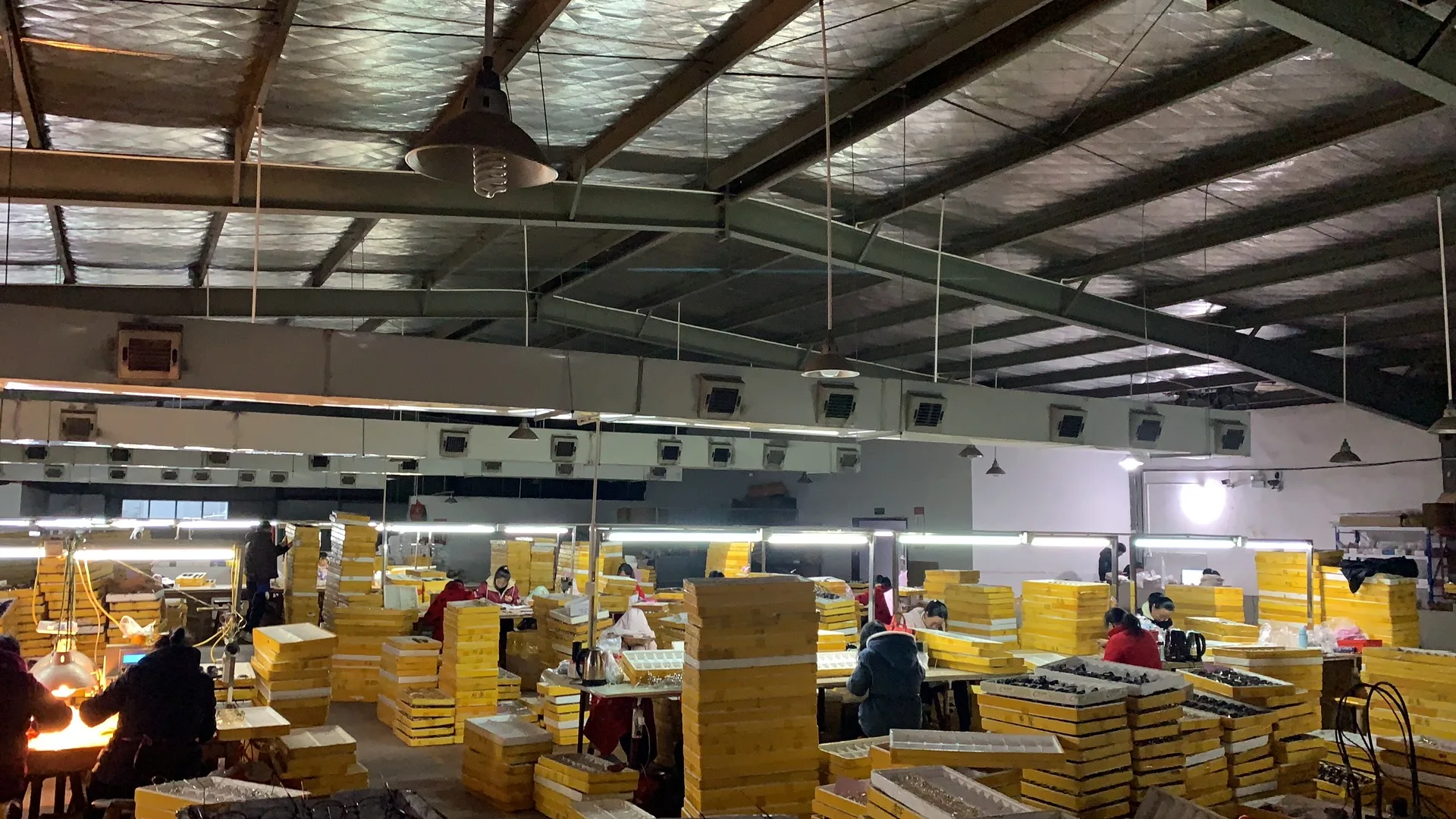
- Manufacturer
- Zhejing, China
- Lead time7 days
- Avg. response≤ 2h
Main productssunglasses,eyeglasses,Reading glasses,goggle,Party glasses
Main marketsNorth America(50.00%), Eastern Europe(15.00%), South America(15.00%), Central America(10.00%), Domestic Market(5.00%), Southern Europe(5.00%)
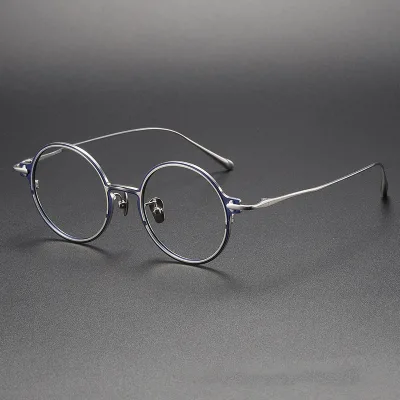
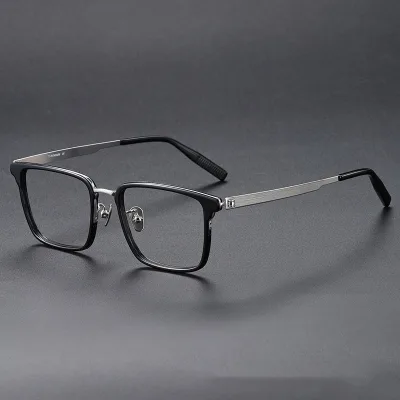
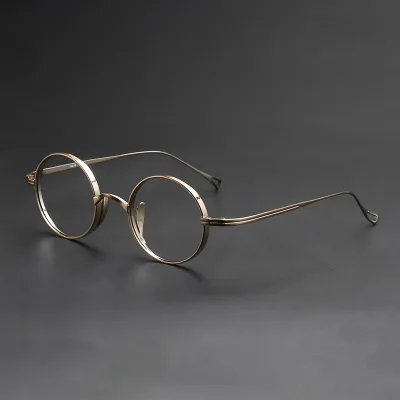
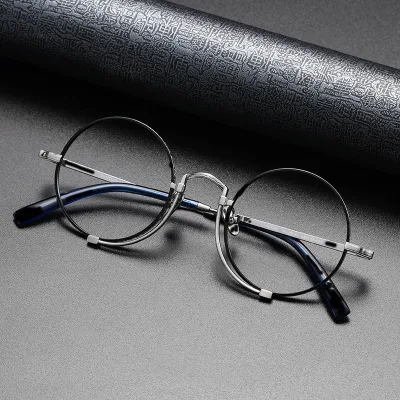
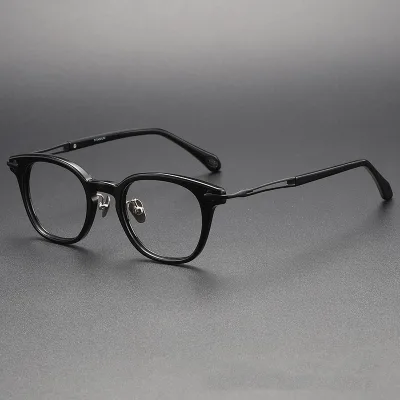
Fashion Vintage Titanium Full Frame Glasses Retro Luxury Circle Titanium Optical Eyewear
$16.0078 - $18.9743
MOQ: 300 pieces
$14.00 - $16.86
MOQ: 300 pieces
$14.29 - $17.15
MOQ: 300 pieces

Xiamen Langxue Spectacles Co., Ltd.
- Combined
- China Fujian
- Lead time30 days
- Avg. response≤ 12h
Main productsSunglasses, Eyeglasses, Reading Glasses, Metal Sunglasses, Optical Frames, Safety Glasses, Eyewears, Optical Glass, Spectacles, Sports Sunglasses
Main marketsSouth America,Domestic,Europe,North America

High Quality Optical Titanium Eyeglasses Frame 100% Titanium Eyewear Optical Frame
$5.50 - $10.00
MOQ: 600 Pieces

Eyeglass Lightweight Titanium Optical Frames at Eye Black Men's Fashion Eyewear Spectacles for Women
$4.50 - $5.00
MOQ: 300 Pieces


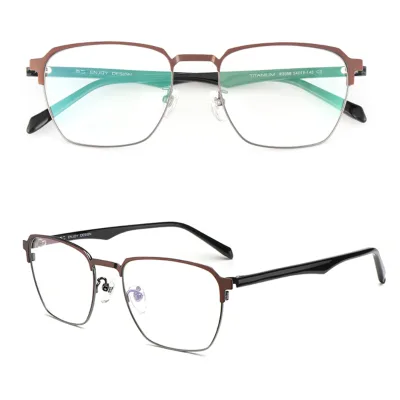
Black and Stripe Brown Square Optical Eyeglasses with Metal Accent Temple
$6.00 - $9.00
MOQ: 900 Pieces

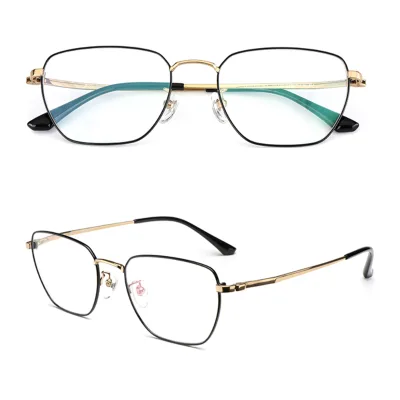
Black Irregular Square Optical Eyeglasses with Textured Gold Temple Arms
$6.00 - $9.00
MOQ: 900 Pieces

Wenzhou Ouyuan Optical Co., Ltd.
- Verified by SGS
- Trading Company
- China Zhejiang
- Lead time60 days
- Avg. response≤ 3h
Main productsSunglasses, OEM ODM Sunglasses, Custom Sunglasses, Glasses, Eyeglass, Glasses Case, Estuche Para Gafas, Reading Glasses, Polarized Lens, Gafas De Sol
Main marketsEurope,North America

100% Pure Titanium Eyeglasses Optical Frames Popular Glasses Titanium Glasses Frames
$7.70 - $10.00
MOQ: 12 Pieces

Titanium Optical Frame Good Quality Glasses for Men and Women Titan Eyewear Titanium Glasses Frames
$6.90 - $7.20
MOQ: 12 Pieces


Fashion Frames Man Women Square Optical Frame Aluminum Magnesium Eyewear Eyeglass
$7.35 - $7.60
MOQ: 24 Pieces

Titanium Magnesium AC Lens Plate Glasses Frame Men's and Women's Optical Glasses
$9.90 - $11.00
MOQ: 300 Pieces

Wenzhou Sunray Technology Co., Ltd.
- Verified by SGS
- Manufacturer/Factory
- China Zhejiang
- Lead time23 days
- Avg. response≤ 4h
Main productsSunglasses, Custom Sunglasses, Polarized Sunglass, Reading Glasses, Jewelry Boxes, Paper Boxes, Gift Boxes, Packaging Box, Custom Packaging Box, Packing Box
Main marketsSouth America,Eastern Europe,Mid East,North America,Southeast Asia,Eastern Asia,Oceania,Western Europe,Africa
Wenzhou Changhui International Trade Co., Ltd.
- Trading Company
- Zhejiang, China
- Lead time40 days
- Avg. response≤ 4h
Main productsSUNGLASS,READING GLASS,SAFTY FRAME,GOGGLES,DISPLAY
Main marketsSouthern Europe(17.00%), South America(15.00%), North America(15.00%), Central America(12.00%), Western Europe(10.00%), Eastern Europe(10.00%), Oceania(8.00%), Southeast Asia(8.00%), Northern Europe(5.00%)

Wuhan Bellestron Technology Co., Ltd.
- Trading Company
- Hubei, China
- Lead time60 days
- Avg. response≤ 3h
Main productsOptical Glasses,Sunglasses,Blue Light Blocking Glasses,Reading Glasses,kids Glasses
Main marketsNorth America(30.00%), Western Europe(20.00%), Oceania(15.00%), South America(15.00%), Africa(10.00%), South Asia(5.00%), Mid East(5.00%)
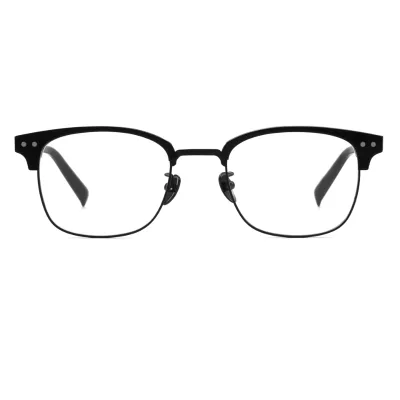
$11.6187 - $12.034
MOQ: 12 pieces
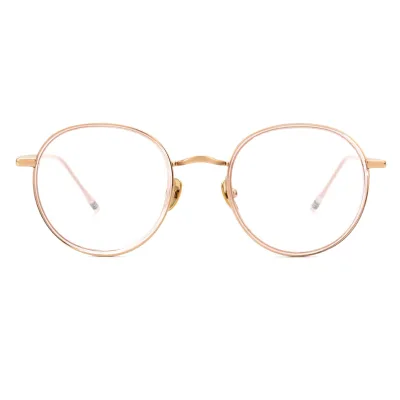
$11.10 - $11.40
MOQ: 12 pieces
Shenzhen Benyi Technology Co., Ltd.
- Verified by SGS Group
- Manufacturer, Trading Company
- Lead time45 days
- Avg. response≤ 2h
Main productsAcetate Sunglasses, Acetate Eyeglasses, Metal Sunglasses, Metal Eyeglasses, Eyeglasses Accessories
Main marketsNorth America(35%), South America(15%), Eastern Europe(13%)

WENZHOU GUANDE GLASSES CO., LTD.
- Verified by CTI
- Trading Company
- China Zhejiang
- Lead time60 days
- Avg. response≤ 2h
Main productsOptical Frame, Sunglasses, Reading Glasses, Kids Frame, Eyewear Manufacturer / Supplier in China, Offering High Quality New Arrival Tr90 Optical F, Offering New Design Handmade Pearl Acetate Eye, New Fashion Metal Polarized Sunglasses, New Fashion Acetate Polarized Sunglasses, High Quality Stainless Steel Optical Frame
Main marketsDomestic,Europe

Gd Titanium Glasses Frame, Rimless Frameless Optical Eyewear Eyeglasses for Men and Women
$5.50 - $6.90
MOQ: 12 Pieces

Fashion Titanium Frame Glasses Rimless Optical Frames Polygon Glasses Eyeglasses Frames
$4.20 - $6.80
MOQ: 12 Pieces



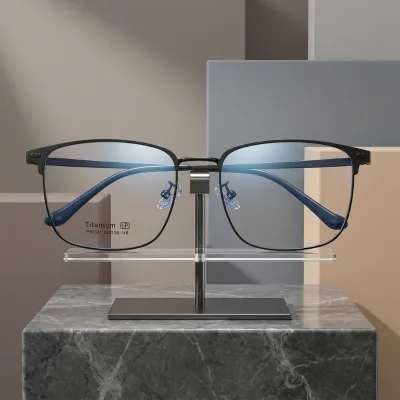
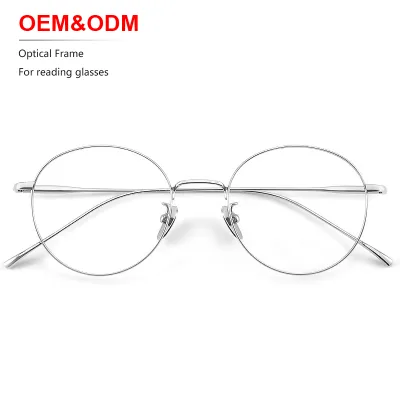
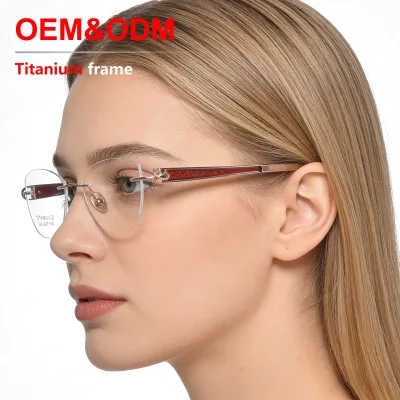
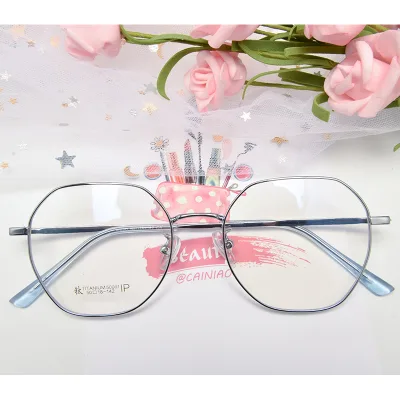
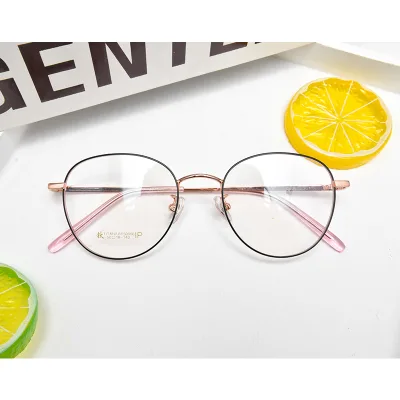
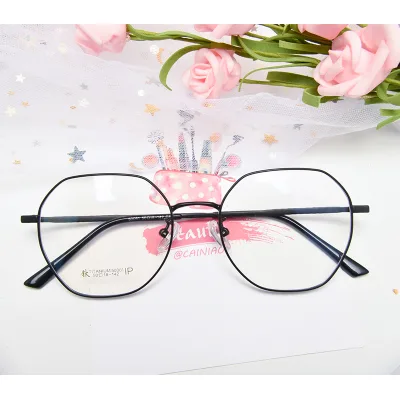
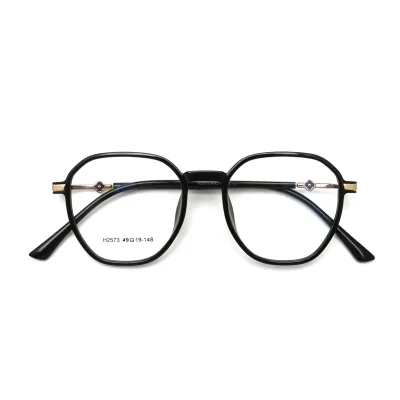
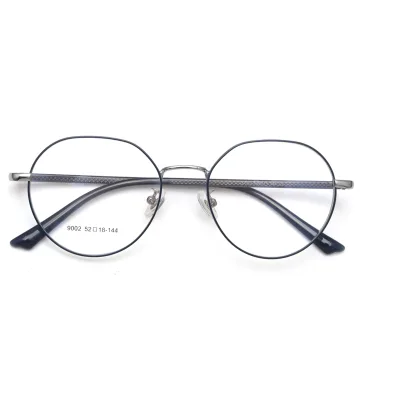
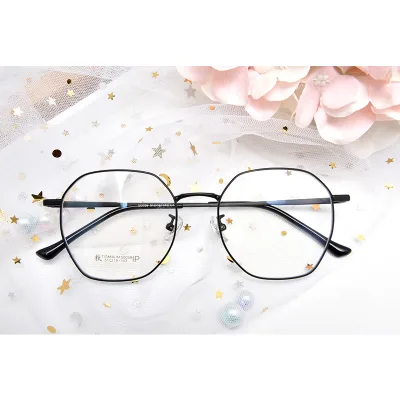


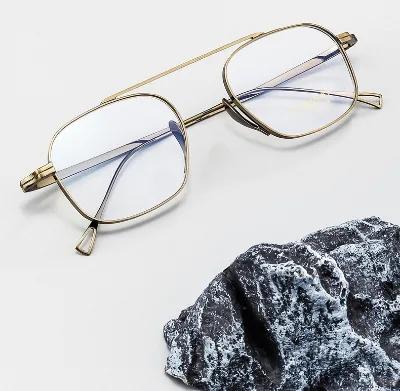
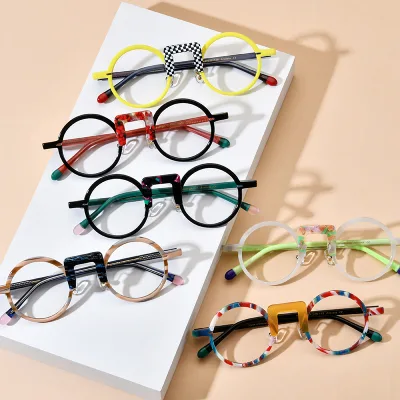
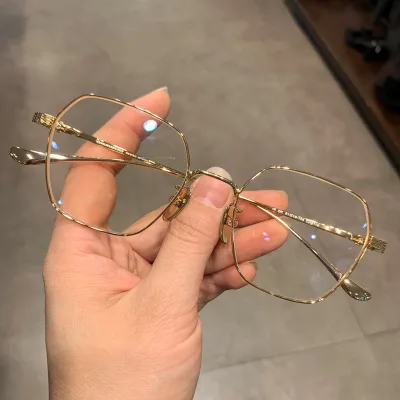
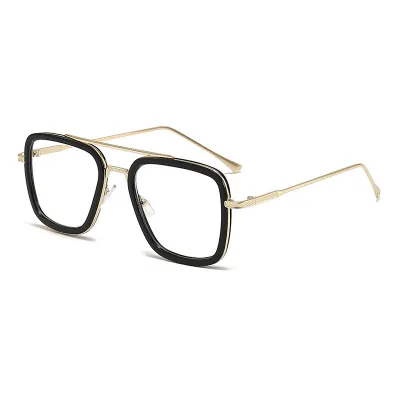
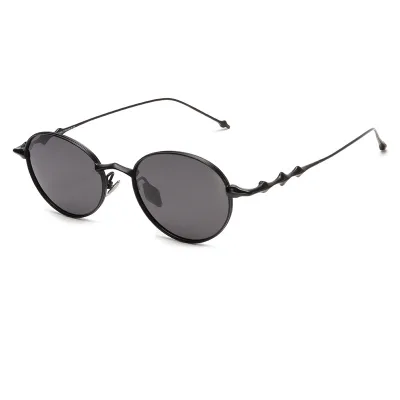

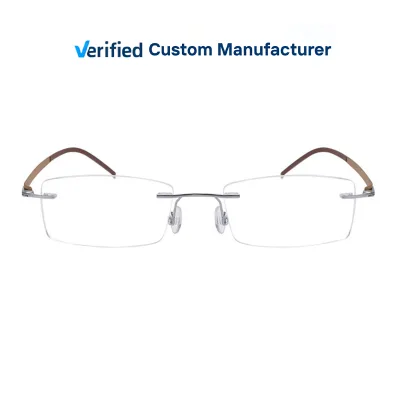
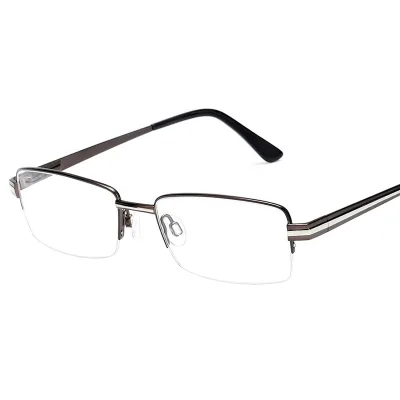
Comprehensive Sourcing Guide
Diamond Face Shape Titanium Eyeglasses Supplier Concentration and Factory Types
The landscape for sourcing Diamond Face Shape Titanium Eyeglasses features a mix of manufacturing entities and trading companies, each offering distinct operational advantages for buyers seeking specialized optical frames. Manufacturers typically provide direct access to production lines, enabling greater control over material specifications such as titanium alloy composition and frame construction methods like full-rim or semi-rimless designs. These facilities often possess the technical capacity for sample processing, graphic processing, and customized on-demand production, which is critical for brands requiring unique aesthetic elements like striped or geometric patterns. The presence of manufacturers suggests that buyers can engage directly with the source of production, potentially securing better margins and more flexible customization options for bulk orders. However, trading companies and buying offices also play a significant role in this sector, acting as intermediaries that consolidate products from multiple factories. These entities may offer a broader catalog of styles, including unisex designs or specific brand collaborations, and can simplify the procurement process by handling logistics and quality assurance across different suppliers. Understanding the company type is essential, as it influences communication channels, pricing structures, and the level of direct involvement a buyer has in the manufacturing process.
In addition to the structural differences between manufacturers and traders, the specific product offerings reveal a focus on high-quality materials and specialized designs tailored for diamond face shapes. Many suppliers highlight titanium as a primary frame material due to its lightweight nature, durability, and hypoallergenic properties, which are particularly beneficial for prescription glasses and anti-blue light applications. The product evidence indicates a strong emphasis on features such as scratch resistance, eco-friendly production, and classic or fashionable styles that cater to both men and women. Some suppliers specialize in optical frames with specific model numbers, suggesting a standardized approach to production that ensures consistency across batches. Others may offer more bespoke solutions, including mould making and sample making services, which are crucial for developing proprietary designs. The variety in main products, ranging from sunglasses to clip-on eyeglasses frames, indicates that many suppliers are versatile in their capabilities. Buyers should assess whether a supplier’s primary focus aligns with their specific needs, whether that be high-volume production of standard titanium frames or low-volume, high-customization orders for niche markets. This diversity in factory types and product specializations allows buyers to select partners that best fit their strategic goals, whether prioritizing cost efficiency, design uniqueness, or supply chain reliability.
How to Verify Diamond Face Shape Titanium Eyeglasses Suppliers
Verifying the credibility and capability of suppliers requires a systematic approach that goes beyond surface-level marketing claims, focusing on tangible evidence of quality and operational integrity. One critical step is to examine the supplier’s certification status, as these credentials provide independent validation of their manufacturing processes and product safety standards. Suppliers may hold system certifications such as ISO 9001 for quality management, ISO/IEC 17025 for testing and calibration laboratories, or REACH compliance for chemical safety, all of which are relevant for eyewear production. Additionally, verification by third-party inspection agencies like Intertek offers an extra layer of assurance regarding the supplier’s business legitimacy and production capabilities. Buyers should request copies of these certificates and verify their validity through the issuing bodies to ensure they are current and applicable to the specific products being sourced. This due diligence helps mitigate the risk of partnering with entities that may not meet international standards for quality and safety, which is particularly important for products that come into direct contact with the user’s face and eyes.
Beyond certifications, buyers should assess the supplier’s responsiveness and transparency as indicators of their operational efficiency and customer service quality. The response time is a key metric that reflects how quickly a supplier can address inquiries, provide quotations, and resolve issues during the sourcing process. A faster response time often correlates with a more organized and customer-centric approach, which can be crucial for managing tight production schedules and complex customization requests. Buyers should also look for evidence of the supplier’s ability to provide detailed product information, including accurate specifications for frame materials, dimensions, and features such as anti-blue light blocking or specific pattern types. Suppliers that provide comprehensive product attributes, such as single package sizes, gross weights, and model numbers, demonstrate a higher level of professionalism and attention to detail. Furthermore, buyers should inquire about the supplier’s verification status and any past performance records to gauge their reliability. By combining certification checks with an evaluation of responsiveness and information transparency, buyers can build a more accurate picture of a supplier’s capabilities and trustworthiness, ensuring a smoother and more secure sourcing experience.
What to Compare Across Diamond Face Shape Titanium Eyeglasses Suppliers
When evaluating multiple suppliers for Diamond Face Shape Titanium Eyeglasses, buyers must compare a range of operational and commercial metrics to identify the most suitable partner for their specific needs. One of the primary factors to consider is the lead time, which indicates the duration required from order placement to product delivery. Suppliers may offer varying lead times, with some promising faster turnaround times for standard items and others requiring longer periods for customized orders. Understanding these timelines is essential for inventory planning and meeting market demand, especially for seasonal collections or urgent restocking needs. Additionally, the minimum order quantity (MOQ) is a critical consideration, as it determines the financial commitment required to initiate a production run. Suppliers may have different MOQ thresholds, ranging from small quantities suitable for testing new designs to larger volumes for established product lines. Buyers should align their order sizes with the supplier’s MOQ policies to avoid excessive inventory costs or production delays.
Another important aspect of comparison is the supplier’s pricing structure and the range of products they offer. Prices can vary significantly based on factors such as frame material, design complexity, and order volume. Buyers should request detailed quotations that break down costs for different components, including frame materials, lenses, and packaging, to ensure transparency and facilitate accurate cost comparisons. Furthermore, the supplier’s main products and specialization should be assessed to ensure they align with the buyer’s target market. Some suppliers may focus on high-end titanium frames with advanced features like anti-blue light technology, while others may offer more affordable options with basic functionalities. The supplier’s response time and customer service quality also play a significant role in the overall evaluation, as they impact the efficiency of communication and problem resolution. By systematically comparing lead times, MOQs, pricing, product ranges, and service levels, buyers can make informed decisions that balance cost, quality, and operational efficiency, ultimately selecting a supplier that best supports their business objectives and customer expectations.
Common Diamond Face Shape Titanium Eyeglasses Sourcing Risks
Sourcing Diamond Face Shape Titanium Eyeglasses involves several potential risks that buyers must proactively manage to ensure a successful procurement process. One significant risk is the discrepancy between product samples and bulk production, which can occur if quality control measures are not rigorously enforced. Suppliers may produce samples that meet all specifications, but bulk orders might exhibit variations in frame material quality, color consistency, or structural integrity. This risk is particularly relevant for titanium frames, where subtle differences in alloy composition or manufacturing techniques can affect durability and comfort. Buyers should implement strict quality assurance protocols, including third-party inspections and pre-shipment checks, to verify that bulk products match the approved samples. Additionally, the risk of intellectual property infringement is a concern, especially when sourcing customized designs or branded products. Buyers must ensure that suppliers have the necessary rights to produce and sell the requested designs, avoiding legal disputes and potential product seizures.
Another common risk is the reliability of supply chain logistics, which can be impacted by factors such as production delays, shipping disruptions, or customs clearance issues. Suppliers located in different regions may face varying logistical challenges, affecting delivery times and costs. Buyers should assess the supplier’s experience in handling international shipments and their ability to navigate complex regulatory environments. Furthermore, the risk of miscommunication regarding product specifications can lead to costly errors, such as incorrect frame sizes, wrong pattern types, or incompatible lens mounts. To mitigate this, buyers should maintain clear and detailed communication channels, providing comprehensive technical drawings and specifications to suppliers. Regular updates and confirmations throughout the production process can help identify and resolve issues early. Additionally, buyers should be cautious of suppliers who offer unusually low prices or fast lead times without adequate justification, as these may indicate compromised quality or hidden costs. By identifying and addressing these risks through thorough due diligence and proactive management, buyers can safeguard their investments and ensure a smooth sourcing experience.
Diamond Face Shape Titanium Eyeglasses Regional Sourcing and Logistics
The geographic location of suppliers plays a crucial role in determining logistics efficiency, cost structures, and regulatory compliance for Diamond Face Shape Titanium Eyeglasses sourcing. Suppliers located in specific manufacturing hubs, such as Guangdong Province or Zhejiang Province in China, often benefit from established supply chains and specialized industrial clusters. These regions are known for their expertise in eyewear production, offering access to high-quality materials, skilled labor, and advanced manufacturing technologies. Buyers sourcing from these areas may experience shorter lead times and more competitive pricing due to the concentration of suppliers and economies of scale. However, it is essential to verify the specific location of each supplier, as regional differences can impact production capabilities and logistical arrangements. Buyers should also consider the proximity of suppliers to major shipping ports and transportation networks, which can influence shipping costs and delivery times.
In addition to domestic logistics, international shipping and customs clearance present additional complexities that buyers must navigate. Different countries have varying import regulations, tariffs, and documentation requirements, which can affect the overall cost and timeline of sourcing. Buyers should work with suppliers who have experience in international trade and can provide necessary documentation, such as certificates of origin, commercial invoices, and packing lists. Understanding the specific logistics requirements of the destination market is crucial for ensuring smooth customs clearance and avoiding delays or penalties. Furthermore, buyers should assess the supplier’s ability to handle different shipping methods, such as air freight for urgent orders or sea freight for larger volumes, to optimize cost and speed. By carefully evaluating the regional advantages and logistical capabilities of suppliers, buyers can make informed decisions that enhance supply chain efficiency and reduce overall sourcing risks.
Diamond Face Shape Titanium Eyeglasses Commercial Terms and Order Planning
Effective commercial terms and strategic order planning are vital for managing the financial and operational aspects of sourcing Diamond Face Shape Titanium Eyeglasses. Buyers should negotiate clear payment terms that align with their cash flow requirements and risk tolerance, such as using escrow services or letter of credit for larger orders to ensure security. Understanding the supplier’s pricing structure, including any discounts for bulk purchases or long-term contracts, can help optimize costs. Additionally, buyers should clarify the terms for sample orders, including costs and refund policies, to facilitate product evaluation without significant financial commitment. Clear communication regarding shipping terms, such as Incoterms, is essential to define responsibilities for transportation, insurance, and customs duties, preventing unexpected expenses. By establishing robust commercial terms, buyers can protect their interests and ensure a fair and transparent trading relationship.
Order planning involves forecasting demand, managing inventory levels, and coordinating production schedules to meet market needs efficiently. Buyers should work closely with suppliers to develop realistic production timelines, considering factors such as lead times, customization requirements, and potential delays. Regular communication and updates throughout the production process can help identify and address issues proactively, ensuring timely delivery. Additionally, buyers should plan for contingencies, such as buffer stock or alternative suppliers, to mitigate the impact of supply chain disruptions. By integrating commercial terms with strategic order planning, buyers can enhance operational efficiency, reduce costs, and maintain a competitive edge in the market. This holistic approach ensures that sourcing activities are aligned with business objectives, supporting sustainable growth and customer satisfaction.
FAQs
What is the typical lead time for titanium eyeglasses?
Manufacturers generally require 30 days to produce and ship titanium eyeglasses. Some suppliers offer faster turnaround times for customized orders, while others may have zero lead time for ready stock. Buyers should confirm specific delivery schedules with the supplier before placing an order to ensure timely receipt.
What is the minimum order quantity for these frames?
The minimum order quantity is typically 15 pieces per model. This low MOQ allows buyers to test market demand with minimal risk. Suppliers often accommodate small batch orders for titanium frames, making it easier for new businesses to start sourcing without committing to large inventory volumes upfront.
Do suppliers offer anti-blue light lenses for diamond faces?
Yes, many titanium frames are designed with anti-blue light functionality. These lenses help reduce eye strain from digital screens. Suppliers provide options for daily wear and computer use, ensuring comfort for users with diamond face shapes who require both style and practical eye protection features in their eyewear.
What certifications do titanium eyewear manufacturers hold?
Reputable manufacturers often hold ISO 9001 and REACH certifications. These standards ensure quality management and chemical safety in production. Some facilities also comply with ISO/IEC 17025 for testing accuracy. Buyers should verify these credentials to ensure the titanium frames meet international safety and quality requirements.
How quickly do suppliers respond to inquiries?
Response times vary, with some suppliers replying within two hours. Others may take up to four hours to address initial questions. Fast response indicates efficient customer service and operational readiness. Buyers should expect prompt communication when sourcing titanium eyeglasses to facilitate smooth negotiation and order processing.
What frame materials are used for diamond face shapes?
Titanium and acetate are common materials for diamond face shapes. Titanium offers lightweight durability, while acetate provides classic styling. Full-rim and semi-rimless designs are available. These materials complement the angular features of diamond faces, ensuring both comfort and aesthetic balance for the wearer during daily use.